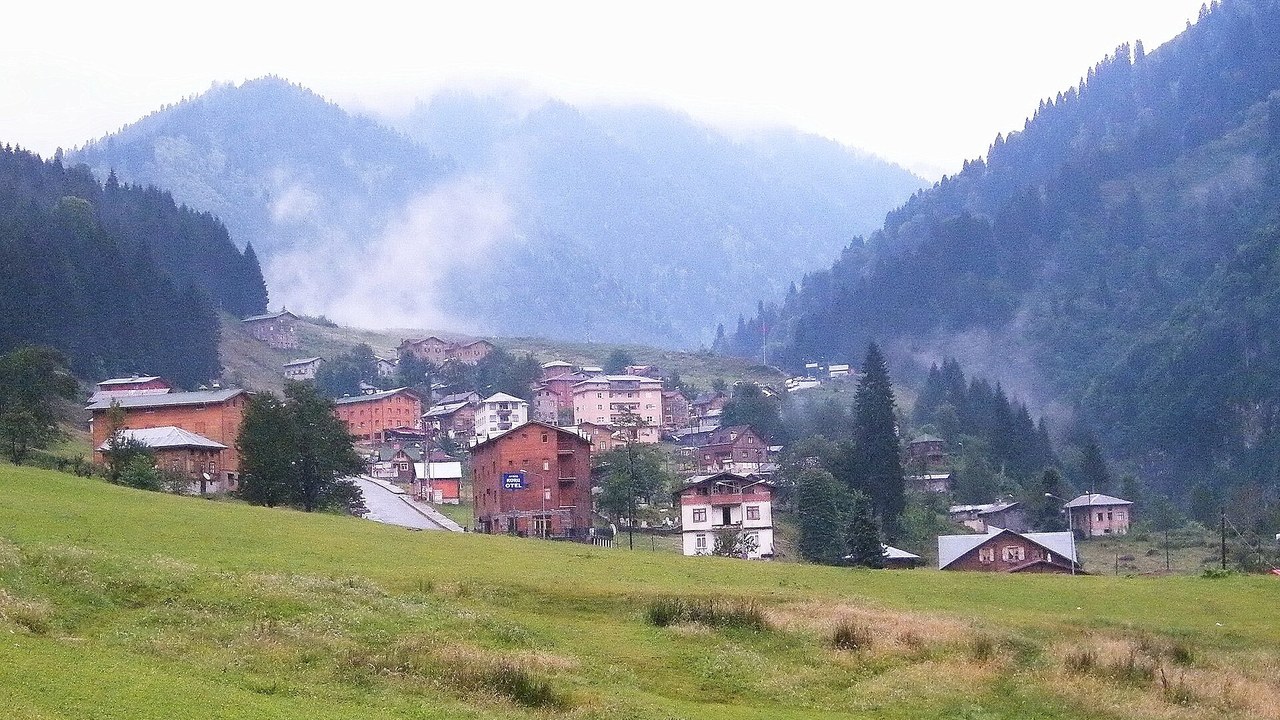

Beyoğlu, the beating heart of Istanbul's culture, art, and nightlife, offers a multi-layered culinary landscape that stretches from the century-old passages of İstiklal Caddesi to the breezy, seaside streets of Karaköy. This route is a perfect blend of refined Ottoman palace traditions and the fast-paced energy of street food, capturing the cosmopolitan spirit of the city in every bite.
From the sizzling pans of fried mussels in the Fish Market to the crisp, pistachio-laden baklava of Karaköy, and from oven-fresh simit to Turkish coffee brewed over hot embers, every corner promises a new discovery. Joining a professional food tour allows you to dive deeper, uncovering the century-old histories of these eateries and the secret techniques of the master chefs.
In this comprehensive istanbul beyoglu ve karakoy gastronomi rehberi, we explore the best walking routes, must-visit tasting stops, historic inns, the rich dessert culture, and practical tips for your culinary adventure.
Quick Facts: Beyoğlu and Karaköy Gastronomy Tour
Before you set out on your food journey, it helps to know the pace and scale of the experience. The following summary provides the essential details for your visit.
| Feature | Visitor Summary |
|---|---|
| Location & Area | Beyoğlu, İstiklal Caddesi, Fish Market, and Karaköy Waterfront |
| Must-Try Flavors | Midye Tava & Dolma, Wet Burgers, Historic Baklava, Turkish Coffee |
| Best Time to Visit | Year-round (Istanbul's street food is vibrant in every season) |
| Recommended Duration | Half-day (Approx. 3.5 - 4 hours of walking with 6-8 tasting stops) |
| Transport & Terrain | Walking and the historic funicular; cobblestone streets and pedestrian avenues |
| Perfect For | Foodies, culture seekers, couples, and groups of friends |
The journey typically begins at Taksim Square, winding through the historic passages of İstiklal Caddesi. From there, you'll descend to the Karaköy shoreline via the Historic Tünel, the second-oldest underground railway in the world.
For travelers looking to compare other culinary and cultural experiences, feel free to browse our full list of İstanbul turları.
Taksim Square and Savory Street Bites
The tour kicks off in the heart of the city, where you can step into the rhythm of Istanbul with a warm, sesame-crusted simit and a glass of freshly brewed tea.
For a quick and iconic start, head to the kiosks in Taksim Square for the famous "wet burgers", steamed sliders drenched in a signature spicy tomato sauce that are a local favorite.
İstiklal Caddesi and the Historic Çiçek Pasajı
Built in 1876, the historic Çiçek Pasajı (Flower Passage) is a gastronomic landmark known for its neoclassical architecture and stunning domed ceiling.
Inside, the air is a fragrant mix of olive oil appetizers (mezes) and grilled seafood. The restaurant windows showcase an array of fresh mezes, lakerda (pickled bonito), and fried calamari, designed to whet the appetite of every passerby.
Descending to Karaköy via the Historic Tünel
Operating since 1875, the historic funicular tunnel connects the heights of Beyoğlu to the Karaköy port in just 90 seconds.
As you soak in the nostalgic atmosphere of the wooden station, you'll arrive at the new culinary hotspots along the Bosphorus. The second-hand bookstores and vintage buildings surrounding Tünel Square add a layer of cultural richness to this short trip.
The Historic Beyoğlu Fish Market and Street Eats
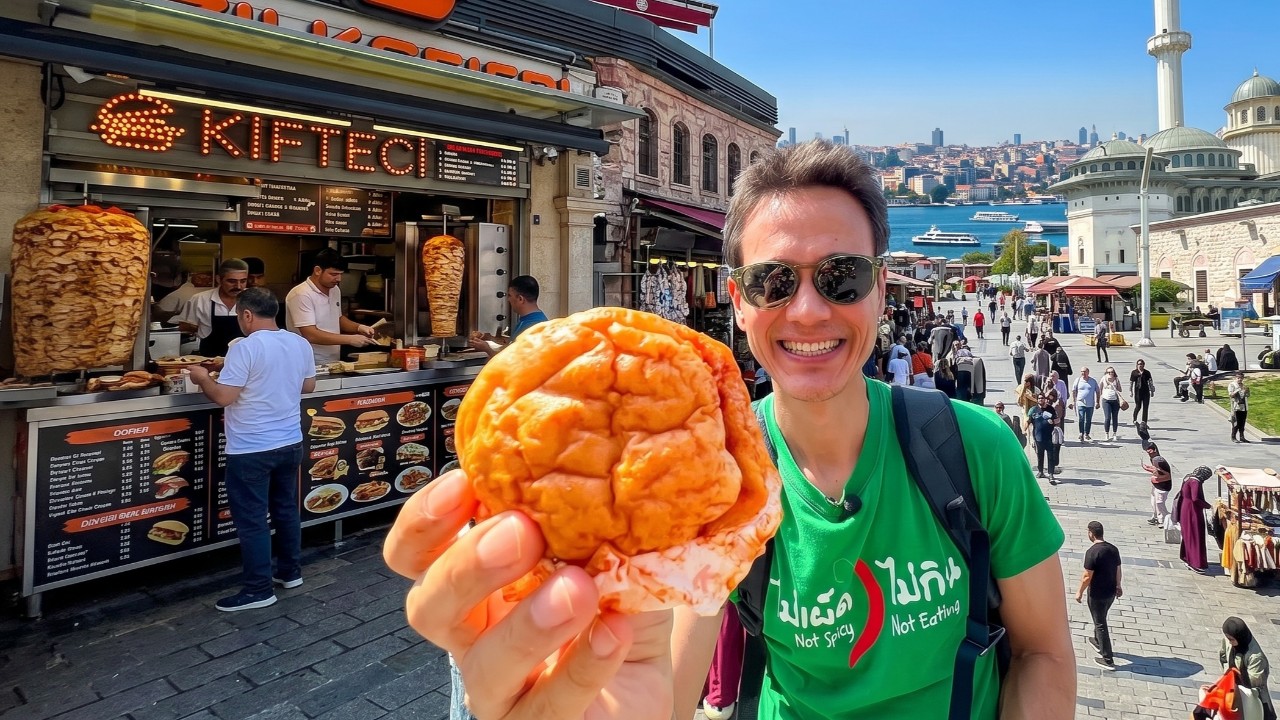
Located just off İstiklal Caddesi, the Historic Fish Market is a buzzing hub of flavor that stays alive from early morning until late at night.
While the stalls at the entrance display fresh anchovies (hamsi), bonito, and bluefish from the Black Sea, the side alleys are filled with the aroma of seafood frying in hot oil.
One of the area's most beloved snacks is Midye Tava, crispy fried mussels served with a creamy tarator sauce and fresh sandwich bread.
Comparing the Flavors: Beyoğlu vs. Karaköy
Explore the distinct culinary personalities of these two historic neighborhoods in the table below.
| Neighborhood | Highlight Flavors | Culinary Vibe & Atmosphere |
|---|---|---|
| Beyoğlu Fish Market | Midye tava, kokoreç, pickle juice, lakerda | Street stalls, artisan eateries, high energy |
| İstiklal Passages | Profiteroles, hot chocolate, almond paste | Century-old patisseries, Art Nouveau style, nostalgic breaks |
| Karaköy Waterfront | Pistachio baklava, fish sandwiches, şalgam | Sea breeze, master-crafted sweets, Bosphorus views |
| Galata Streets | Sand-brewed Turkish coffee, chestnuts, pomegranate juice | Tower views, stone-street cafes, third-wave coffee |
As you sample these treats, professional guides share the origins of each dish and the traditional cooking methods passed down through generations.
To join this delicious journey, visit our Dining Experience in Beyoğlu page.
Crispy Midye Tava and Tarator Sauce
Fresh mussels are dipped in a light batter made of flour and sparkling water, then fried until they reach a perfect golden brown.
The richness is balanced by tarator sauce, a zesty blend of walnuts, garlic, and strained yogurt.
The Spicy Legend: Street Kokoreç
Lamb intestines are slow-roasted on a horizontal spit, then chopped and grilled with tomatoes and peppers. Seasoned heavily with oregano and red pepper flakes, it's served in a crispy half-loaf of bread.
The scent of the wood fire gives the kokoreç a deep, smoky aroma that is quintessential to Istanbul.
A Refreshing Break at the Historic Pickle Shops
In the traditional pickle shops of the market, colorful glass jars are filled with fermented cabbage, cucumbers, and plums.
A glass of sour and spicy pickle juice serves as the perfect palate cleanser between savory street snacks.






Historic Baklava and Sweet Treats on the Karaköy Waterfront
Descending from the Tünel to the shore, you are greeted by the salty sea air and the winding streets of Karaköy. This neighborhood is home to some of Turkey's most prestigious baklava masters.
Following the Gaziantep tradition, forty layers of paper-thin phyllo dough are layered with clarified butter (sadeyağ) and fresh Antep pistachios, then baked to a golden hue.
The distinct "crunch" heard upon the first bite of a fresh baklava is the ultimate proof of a master's skill in rolling the dough.
The Art of Traditional Baklava
Authentic baklava uses clarified butter, which ensures no greasy residue is left on the palate, allowing the fresh aroma of pistachios and the lightness of the syrup to shine.
Pro tip: To experience all the layers of flavor, try turning the baklava upside down so the bottom layer touches your palate first.
Fish Sandwiches (Balık Ekmek) in Karaköy
Along the shores of the Golden Horn, fresh mackerel fillets are grilled on boats and served in crusty bread with onions and lettuce.
A squeeze of fresh lemon juice completes the flavor, making it the perfect seaside lunch.
Turkish Coffee Slow-Brewed in Sand
The final leg of the tour leads to the authentic coffee houses in the stone streets of Galata, where coffee is brewed in hot sand.
The slow heat of the sand creates a thick, rich foam. This aromatic brew is traditionally served with a piece of mastic-flavored Turkish delight.
The Tradition of Istanbul Street Food and Craftsmanship
Istanbul's cuisine has been shaped over centuries by palace chefs, minority artisans, and the diverse recipes brought by migrations from across Anatolia.
The street carts and small family-run shops keep this living memory alive today with the same warmth and sincerity.
Guides often share fascinating cultural details, from the rhythmic bells of the street vendors to the strict rules of the ancient guild systems.
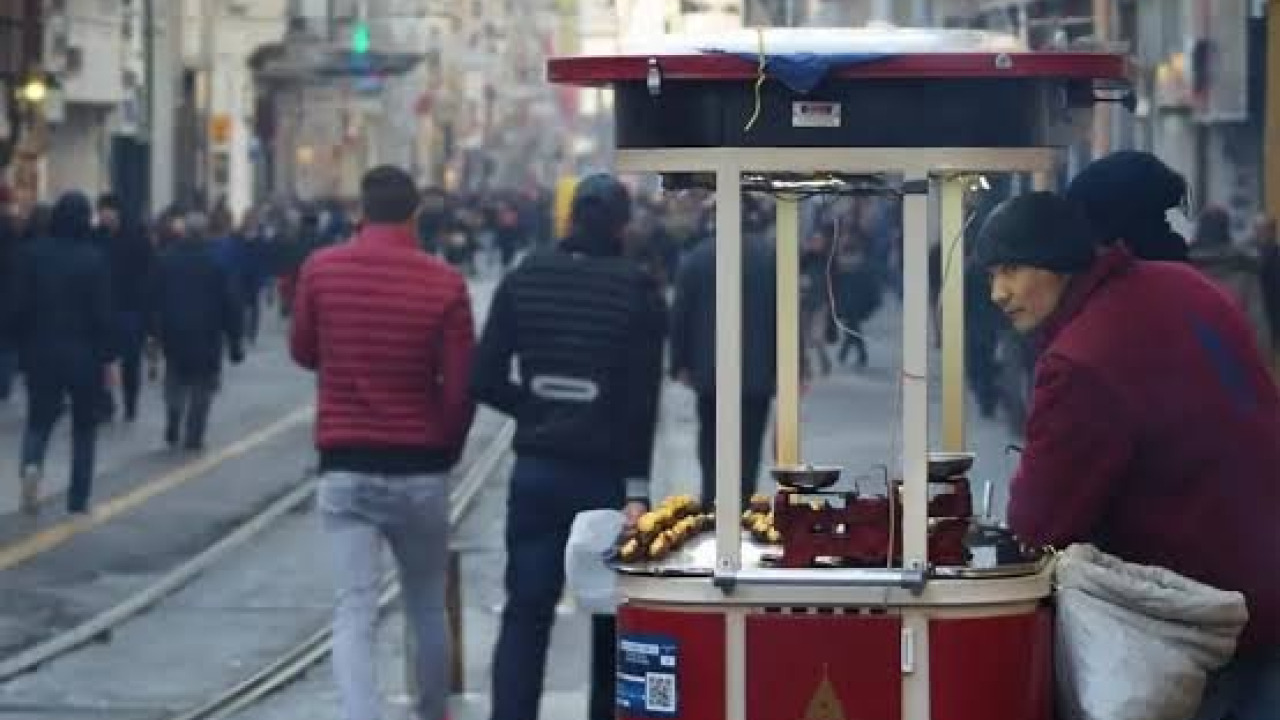
- Roasted Chestnuts: In winter, chestnuts are split and roasted over charcoal braziers, warming both the hands and the soul.
- Corn on the Cob: In summer, fresh sweet corn is grilled or boiled on street corners and served with a pinch of salt.
- The Profiterole Tradition: A staple of İstiklal Caddesi's century-old patisseries, these crisp pastry puffs are smothered in rich chocolate sauce.
- Iced Almonds: On summer days, freshly peeled raw almonds are served chilled on blocks of ice from mobile carts.
- Traditional Sherbets: Tamarind, cranberry, and rose sherbets are poured from traditional brass pitchers into glasses.
Daily Specials at Esnaf Lokantası (Tradesmen Restaurants)
Tucked away in the alleys are "Esnaf Lokantası," where home-style meals like lamb shanks, white bean stew (kuru fasulye), and various rice pilafs are cooked fresh daily.
The pots displayed in the windows offer a glimpse into the rich, hearty menu of Anatolia.
The Balance of Syrup and Milk in Desserts
While heavy syrupy desserts are famous, the Ottoman tradition also emphasizes light, milk-based sweets like kazandibi (caramelized milk pudding), fırın sütlaç (baked rice pudding), and tavukgöğsü (chicken breast pudding).
Travelers can customize their tasting experience based on their preference for sweetness.
Boutique Flavors and Tea Culture in Galata and Çukurcuma
An essential part of the Beyoğlu route, the slopes of Galata and the streets of Çukurcuma offer a different vibe with their antique shops and nostalgic cafes. Here, traditional brewed tea and handmade cookies accompany your stroll.
Taking a break on a terrace overlooking the Bosphorus or the Golden Horn provides a peaceful respite after the hustle of the street tour. Local drinks served on wooden tables allow you to feel the multicultural fabric of the city.
Çukurcuma's Stone Ovens and Pastry Traditions
The century-old bakeries in the narrow stone streets of Çukurcuma are famous for their mahlep-scented Easter breads and dill pastries (poğaça).
The aroma of fresh baking wafts through the air at dawn, gathering locals and food lovers alike in front of the shop doors.
Traditional Tea Houses in Historic Inns
In the courtyards of the commercial inns (hans) around Galata, you'll find rustic tea houses serving Rize tea, brewed slowly in century-old teapots.
Sipping tea from a traditional tulip-shaped glass is the best way to witness the local neighborhood culture and engage in authentic conversations with the shopkeepers.
Akide Candy and Turkish Delight at Historic Confectioners
Akide candy, once served to the Janissaries in the Ottoman palace as a symbol of loyalty, is still crafted in the confectioneries of Karaköy and Tünel.
Cinnamon, clove, sesame, and bergamot-flavored akide candies make for an authentic and delicious souvenir to bring home to your loved ones.
Practical Tips for Your Gastronomy Walk
To get the most out of your food tour, keep these practical tips in mind:
- Come Hungry: Since you'll be tasting samples at 6-8 different locations, we recommend having a very light breakfast or coming on an empty stomach.
- Wear Comfortable Shoes: Beyoğlu and Galata are known for their steep hills and cobblestone streets; flat sneakers are a must.
- Portion Control: Instead of finishing every plate, try small bites at each stop so you have room to experience every flavor.
- Stay Hydrated: Keep a bottle of water with you to cleanse your palate between spicy and syrupy tastes.
- Allergy Awareness: If you have allergies to nuts, shellfish, or gluten, please inform your guide at the beginning of the tour.
Frequently Asked Questions 4
How long is the Beyoğlu food tour and how much walking is involved?
The tour typically lasts between 3.5 to 4 hours. The total walking distance, including tasting stops and breaks, is approximately 2.5 kilometers.
Are there street food options for vegetarians?
Yes! The tour includes many vegetarian-friendly options such as simit, börek, various cheeses, olive oil wraps (sarma), and a wide array of desserts.
Is the hygiene of street food safe?
The stops selected for guided tours are long-established businesses that have operated for generations, are subject to municipal inspections, and maintain high hygiene standards.
Are all tastings included in the tour price?
Yes, in our organized gastronomy tours, all food, snacks, desserts, and drinks mentioned in the program are included in the tour package.