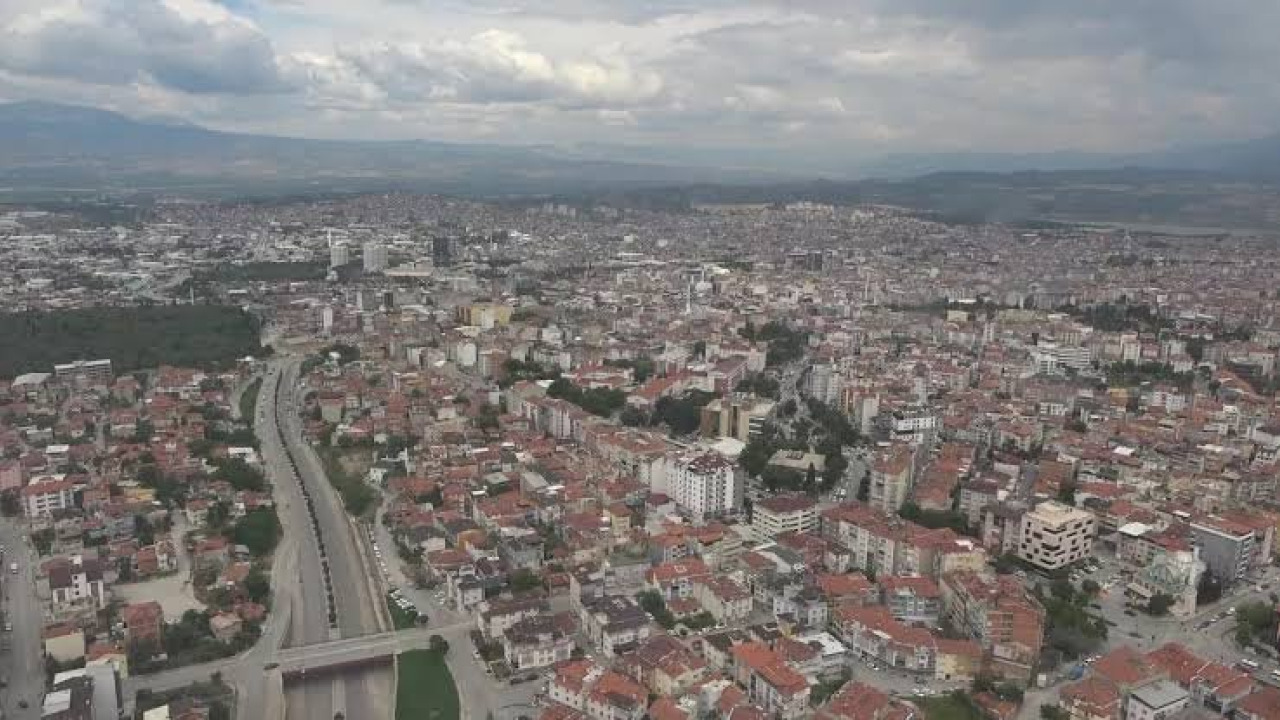

Anyone starting to research Denizli quickly realizes one thing: the problem isn't a lack of information, but an overwhelming surplus of it. Ready-made lists often start with ten items and stretch to fifty-eight, with every source highlighting different spots in a different order. By the time you reach the end of a list, you still haven't found the answer to your specific question. For someone living here, the logic of Denizli isn't a simple ranking; it's a geographical layout.
The city center, the northwest line where the travertines are located, the national park at the foot of the mountains, and the highland reached by cable car all operate at different rhythms. If you try to cram them all into a single day, you’ll end up seeing everything only halfway. This page isn't just another "places to visit" list; it is a strategic decision-making guide.
Drawing on local expertise, we answer four key questions: Who is Denizli for? Which month should you visit? Where should you stay? And how many days should you allocate? For those looking to explore the white travertines and ancient ruins in comfort, Pamukkale tours offer safe and enriched alternatives.
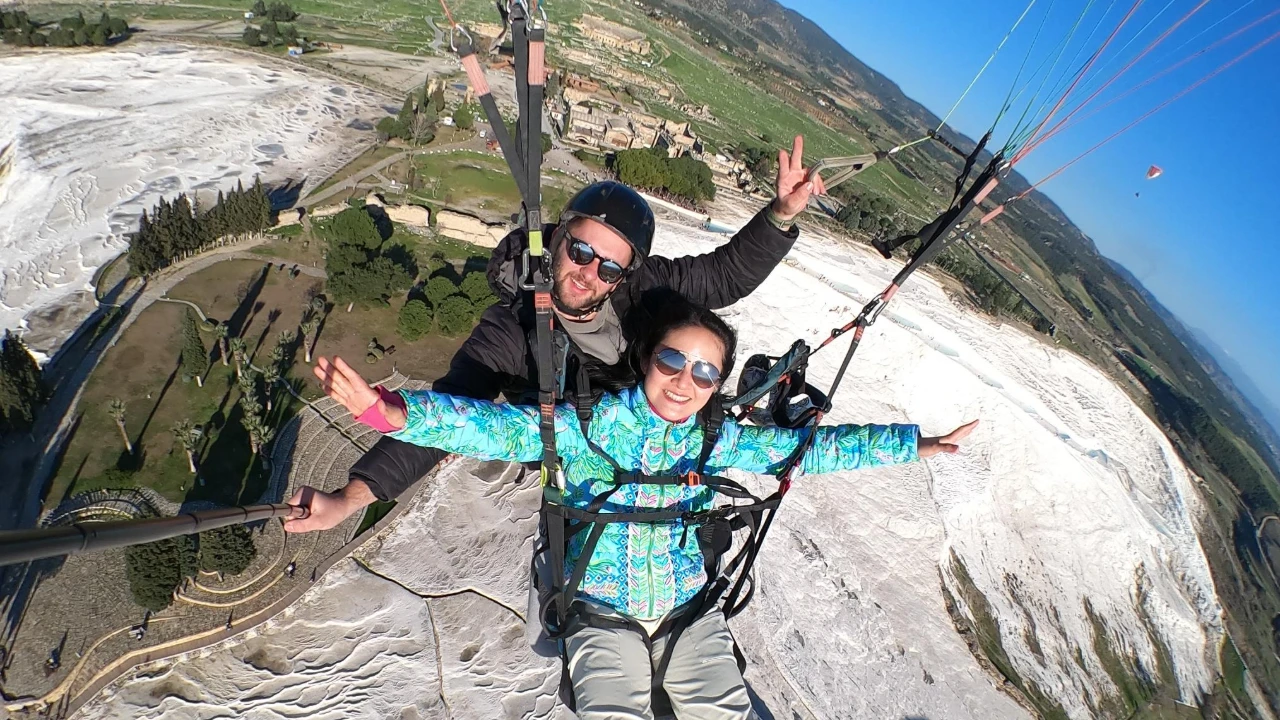
Local Quick Summary: 2 days is ideal for a Denizli trip: dedicate 1 day to the Pamukkale travertines and Hierapolis Ancient City, and 1 day to the Karahayıt red thermal waters and Kaklık Cave. The most comfortable months for walking the travertines are April-May and October.
Quick Facts
| Topic | Local Summary |
|---|---|
| Location | Denizli is located on the border of the Aegean and Mediterranean, on the southern edge of the Çürüksu Basin |
| Highlights | Laodikeia Ancient City, Hierapolis Archaeological Site, Tripolis Ancient City, Honaz Mountain National Park, Bağbaşı Plateau, Denizli Cable Car, Keloğlan Cave, Denizli Atatürk Ethnography Museum, Servergazi Tomb, Çamlık Park, Adalet Park, Rooster Statue |
| Sightseeing Density | Concentrated around Pamukkale, followed by Merkezefendi and Denizli Center; Honaz and Babadağ are more sparsely represented |
| Best Time to Visit | May and June are peak tourist months; winter months are notably rainy |
| Duration Decision | One day is sufficient for the center and main line; two to three days are recommended to see the second ring |
| Best For | History buffs, nature lovers, hikers, thermal seekers, and those planning a short cultural break |
| Not Ideal For | Visitors who want to see everything from a single point without walking or driving |
| Local Warning | Treating Denizli as just a "half-day travertines trip" ignores the other three major themes of the province |
This table is a summary, not a final decision. The same lineup means something entirely different to a family versus a solo traveler on a two-day cultural break. Three variables determine your itinerary: your profile, your arrival month, and your accommodation area.
The rest of this page tackles these three factors individually. If you want to see the variety of programs available across the province, our organized tour pages clearly show how these highlights are grouped.
Who is Denizli For: Matching Your Profile to the Season
The confusing part about Denizli is that it hosts three very different "products" within the same provincial borders: ancient city density, mountain/highland routes, and thermal waters. These three do not appeal to the same visitor profile. When a local hears the question "Is Denizli good?", we first ask what you are looking for, because the answer depends on the match, not just the destination.
| Profile | Denizli Equivalent | Best Period | Local Note |
|---|---|---|---|
| History & Ancient City Enthusiast | Laodikeia, Hierapolis Archaeological Site, Tripolis, Hierapolis Archaeology Museum, Hierapolis Ancient Theater | Spring and Autumn | Don't put three ancient cities in one day; two is plenty |
| Families with Children | Denizli Cable Car, Çamlık Park, Adalet Park, İncilipınar Park, Keloğlan Cave | May, June, September | The shaded park line is concentrated in the center and is walkable |
| Couples & Short Escapes | Bağbaşı Plateau, Kaleiçi Bazaar, Bayramyeri Square | April to June, September to October | Split into two days: one for the city, one for the plateau |
| Budget-Conscious Traveler | Central parks, Kaleiçi Bazaar, Rooster Statue, museum route | All months except winter | Walking the central loop reduces transportation costs |
| Nature & Hiking Lovers | Honaz Mountain National Park, Ornaz Valley, Bağbaşı Plateau | May to October | The national park is great for day trips, picnics, and trekking |
| Thermal & Relaxation Seekers | Karahayıt spa line, Pamukkale surroundings | Autumn and Winter | One of the few themes that isn't ruined by rainy days |
| Photography Enthusiasts | Travertines, Hierapolis Ancient Theater, Bağbaşı Plateau, cable car line | April, May, October | Light quality and crowd density both depend on your month choice |
| Transit Travelers | Central museums, Kaleiçi Bazaar, Bayramyeri | Year-round | It's more efficient to spend half a day in the center and save the main line for next time |
The takeaway is simple: don't read Denizli as a single "tourist route," but as a pool of four distinct programs. Which pool you choose dictates your preferred month and accommodation area; matching your profile first makes the next two decisions much easier.
Locals also make a distinction between the "walkable" part and the "driveable" part of the province. The center, Kaleiçi Bazaar, parks, and museums are connected by foot. The ancient cities, national park, highlands, and caves require a vehicle. Plans made without this distinction often result in spending most of the day in transit.
When to Go: A Month-by-Month Local Breakdown
There are two constants when choosing a month for Denizli. First, May and June stand out as the ideal period for general tourism. Second, the winter months are significantly rainy.
These two facts directly dictate the outdoor portion of your itinerary. The following table matches these constants with the different routes of the province.
| Month | Local Assessment | Highlighted Route | Pro Tip |
|---|---|---|---|
| January | Rainy and cool; outdoor programs are limited | Thermal route, indoor museums, snowy highlands | Have a backup plan for long walks |
| February | Similar to January; snow programs continue | Highland and ski routes, thermal | Check mountain road conditions a day ahead |
| March | Transition month; weather changes daily | Ancient cities, central museums | You might experience two different climates in one day |
| April | Nature blooms; ideal for hiking | Ornaz Valley, ancient cities, central parks | It remains cool in the highland areas |
| May | One of the two peak tourist months | All routes are open | Expect higher weekend crowds |
| June | The second peak month; long days | Ancient cities, highlands, nature | Plan midday activities in shaded areas |
| July | City center heats up; demand for highlands rises | Bağbaşı Plateau, cable car, water routes | Move outdoor sightseeing to the early morning |
| August | The busiest holiday month; seek cool air in the highlands | Highlands, caves, shaded parks | Book your accommodation well in advance |
| September | Temperatures drop, crowds thin, days are still long | Ancient cities, nature hiking | Cool but sunny; a great low-density alternative to May/June |
| October | Calm and balanced; great for photography | National park, valleys, ancient cities | Evenings get cool early |
| November | Rainfall increases; programs move indoors | Museums, bazaars, thermal | Leave a buffer day for outdoor activities |
| December | Rainy; snow routes come alive | Highlands, thermal, indoor venues | Routes are shortened due to shorter days |
The decision logic is this: May and June are ideal for sightseeing; September allows you to follow the same program with much lower crowds and pleasant weather. If you must visit in winter, the key to not losing out on your itinerary is to focus on museums, bazaars, and thermal spas rather than an outdoor-heavy list.
There is also a factor independent of the season: the massive elevation difference. Since Bağbaşı Plateau is at 1,500m and the Honaz Mountain summit is at 2,571m, the city center and the mountain slopes can experience completely different weather on the same day. If you are heading to the mountains, bring heavier clothing, this is a preparation rule regardless of the month.
Where to Stay: A Regional Comparison
In Denizli, your accommodation choice is even more decisive than your sightseeing choice. The attractions are not evenly distributed across the districts. While the weight is on the Pamukkale side, Merkezefendi and Honaz are more sparsely represented. This distribution directly impacts the answer to "where should I stay?"
| Region | Why Choose It | Best For | Local Perspective |
|---|---|---|---|
| Denizli Center & Bayramyeri | The walkable loop: Kaleiçi Bazaar, Bayramyeri Square, İncilipınar Park, Rooster Statue | Short stays, budget travelers, those wanting nightlife | Transport links are concentrated here; easy access to the rest of the province |
| Merkezefendi | Denizli Atatürk Ethnography Museum, Kaleiçi Bazaar, Servergazi Tomb, and proximity to Laodikeia | History and museum enthusiasts | Practical for those wanting to combine ancient sites with city life |
| Pamukkale & Karahayıt Line | Hierapolis Archaeological Site, Hierapolis Archaeology Museum, Hierapolis Ancient Theater, thermal facilities | Thermal seekers, first-timers, photography enthusiasts | This line has its own rhythm and requires at least one full day |
| Honaz & Mountain Slopes | Honaz Mountain National Park, hiking and picnic areas | Hikers, nature photographers, groups | Accommodation is sparse; most visitors come from the center as day trips |
| Bağbaşı & Highland Line | Bağbaşı Plateau and Denizli Cable Car | Families seeking cool air, winter snow seekers | Offers bungalow-style stays and local cuisine |
| Buldan, Çal, Sarayköy Area | Weaving culture, viticulture, and village cuisine | Culture and gastronomy enthusiasts | This is a second or third-day topic, not a first-day one |
| Acıpayam & Southern Loop | Keloğlan Cave, Acıpayam Canyon, rural landscapes | Drivers, those comfortable with longer drives | The drive itself is part of the experience; not for rushed plans |
To simplify: if you have two nights, spending one in the center and one on the Pamukkale line allows you to see two different faces of the province. If you have only one night, the center is a more flexible base because it connects to both the walkable loop and the regional exits. For three nights or more, it starts making sense to include the highland line in your program.
When deciding on a region, just answer these three questions:
-
Do you have a car? If not, every option outside the center adds significant travel time.
-
What is your main theme? If it's culture, go to Merkezefendi; if it's thermal, the Pamukkale line; if it's nature, the mountain slopes.
-
How many nights are you staying? If it's less than two, changing regions won't gain you much; it will only cost you time.
The Four Themes Recommended by Locals
What makes Denizli meaningful is that four distinct themes coexist within its borders. A local won't tell you to "see everything"; we ask which one you want to prioritize. The following four headings reflect the true internal divisions of the province.
Culture and Ancient Cities
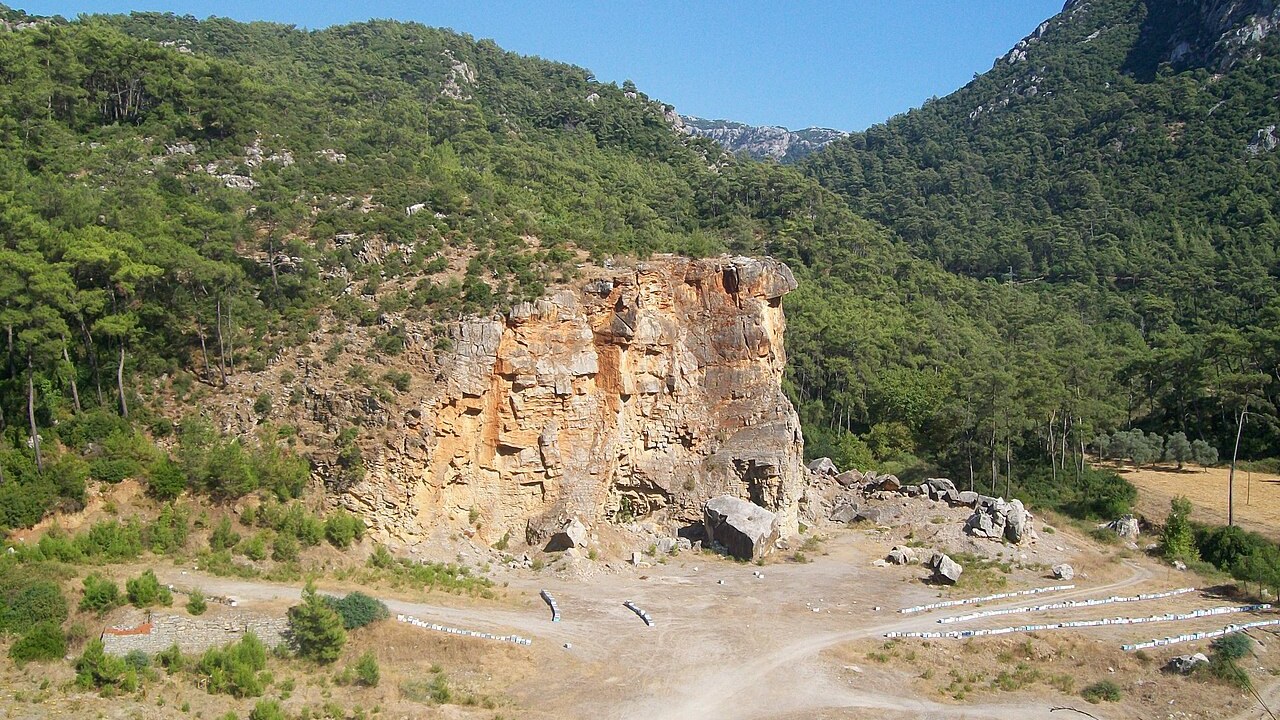
The cultural line of Denizli is built upon three ancient cities: Laodikeia Ancient City, Tripolis Ancient City, and the Hierapolis Archaeological Site. These are accompanied by the Hierapolis Archaeology Museum and the Hierapolis Ancient Theater. In the city center, the Denizli Atatürk Ethnography Museum, Servergazi Tomb, and the Denizli Doll House Museum form a smaller, walkable loop. It is no coincidence that Laodikeia is high on visitor lists: the scale is massive, walking distances are long, and the visit takes more time than other spots.
The local advice for this route is clear: don't stack ancient cities back-to-back. If you put two major archaeological sites in one day, you'll be too exhausted to enjoy the second. If you are planning a culture-heavy program, Hierapolis and Laodikeia ancient city tours show you the best ways to combine these sites.
Nature, Highlands, and Mountains
This is perhaps Denizli's best-kept secret and its most powerful asset. Honaz Mountain National Park covers 9,429 hectares around Honaz Mountain, which reaches a summit of 2,571 meters, and was declared a national park in 1995. Within its borders, 964 plant species have been identified, 122 of which are endemic to Turkey.
Visitors can enjoy outdoor activities like day-trip picnics, hiking, trekking, and orienteering.
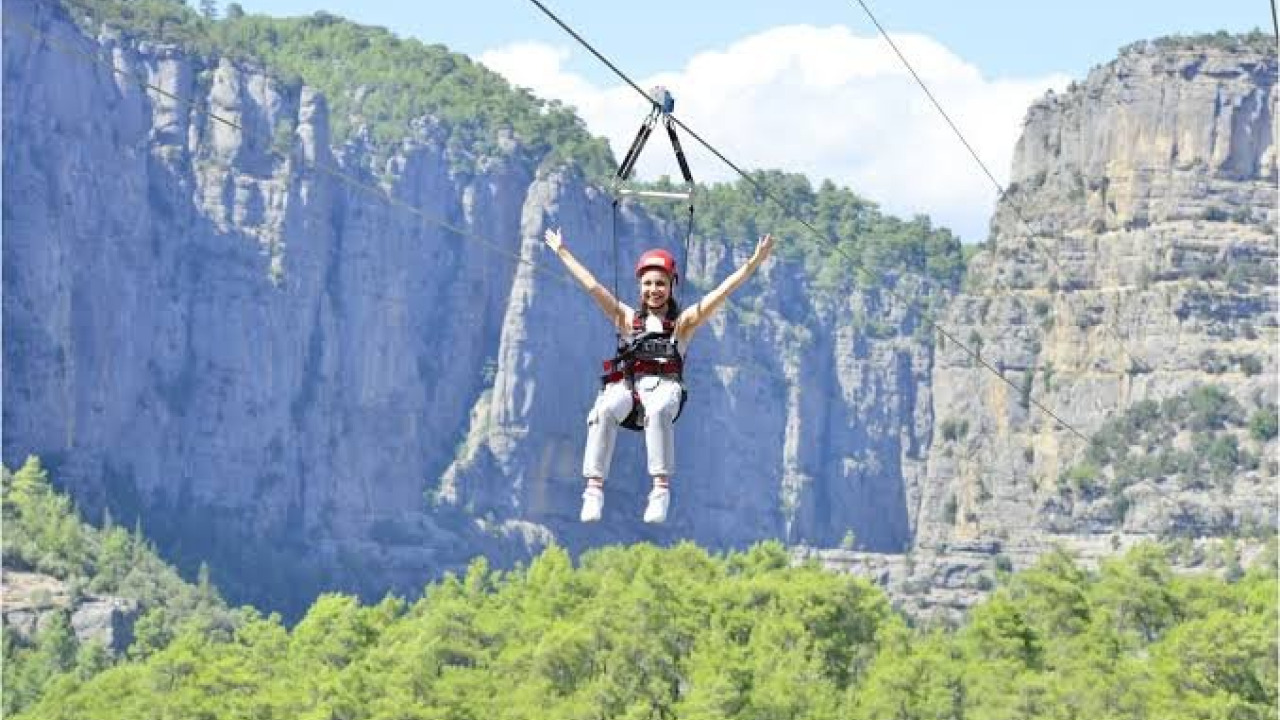
The second major highlight is Bağbaşı Plateau. Located at an altitude of 1,500 meters, it is accessible via the Denizli Cable Car, which was opened by the Denizli Metropolitan Municipality in 2015. The plateau offers bungalow-style accommodation and local culinary options; it is the go-to spot for those escaping the city heat in summer or seeking snow in winter.
This is one of the few routes in the province that operates year-round.
The rest of the nature theme consists of valleys, caves, and water features: Ornaz Valley, Keloğlan Cave, Kaklık Cave, Güney Waterfall, Ağlayan Kaya Waterfall, Acıpayam Canyon, Karagöl, Acıgöl, and Işıklı Lake. All of these require a vehicle and are scattered in different directions; when planning a nature-focused day, grouping those in the same direction is much more efficient than just shortening your list.
Thermal and Healing Line
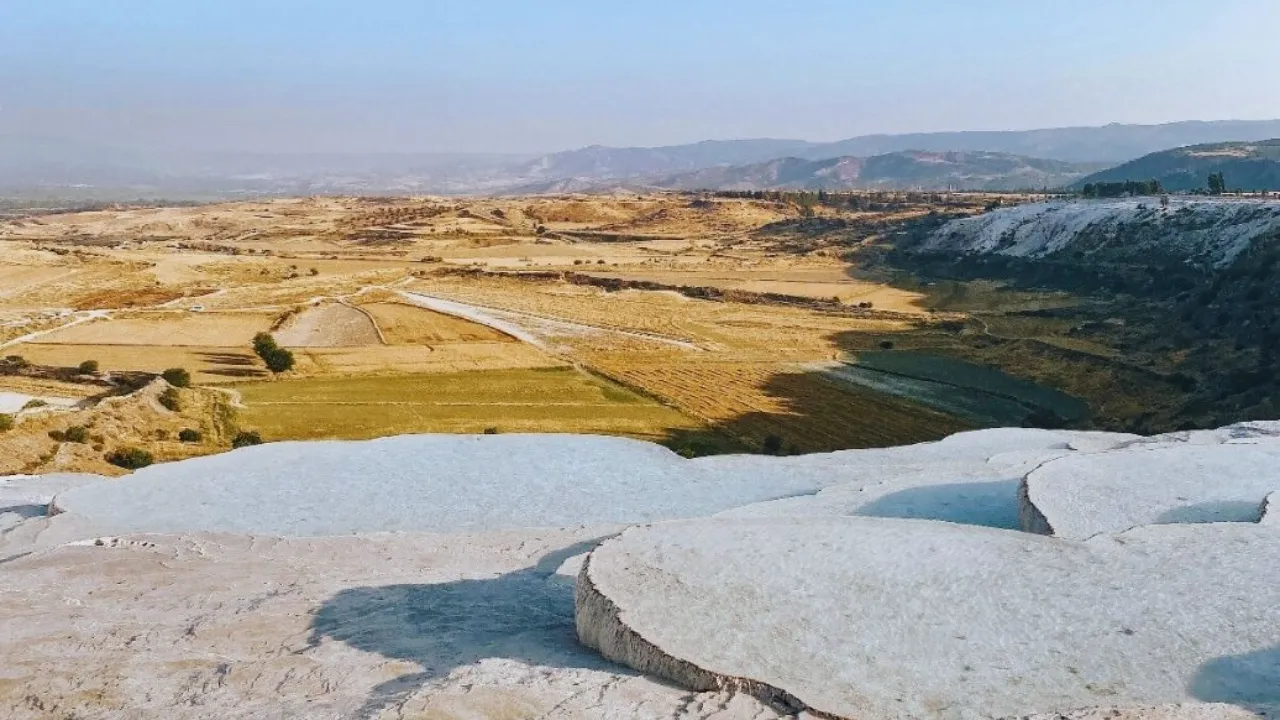
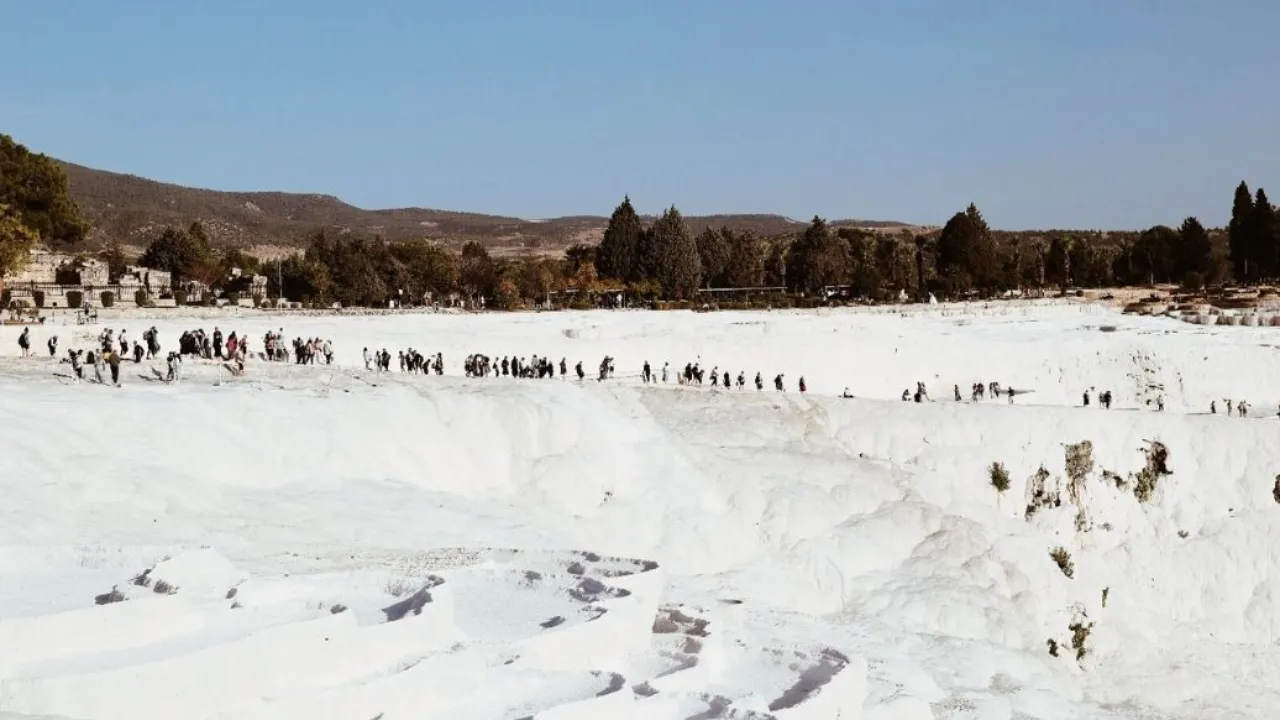
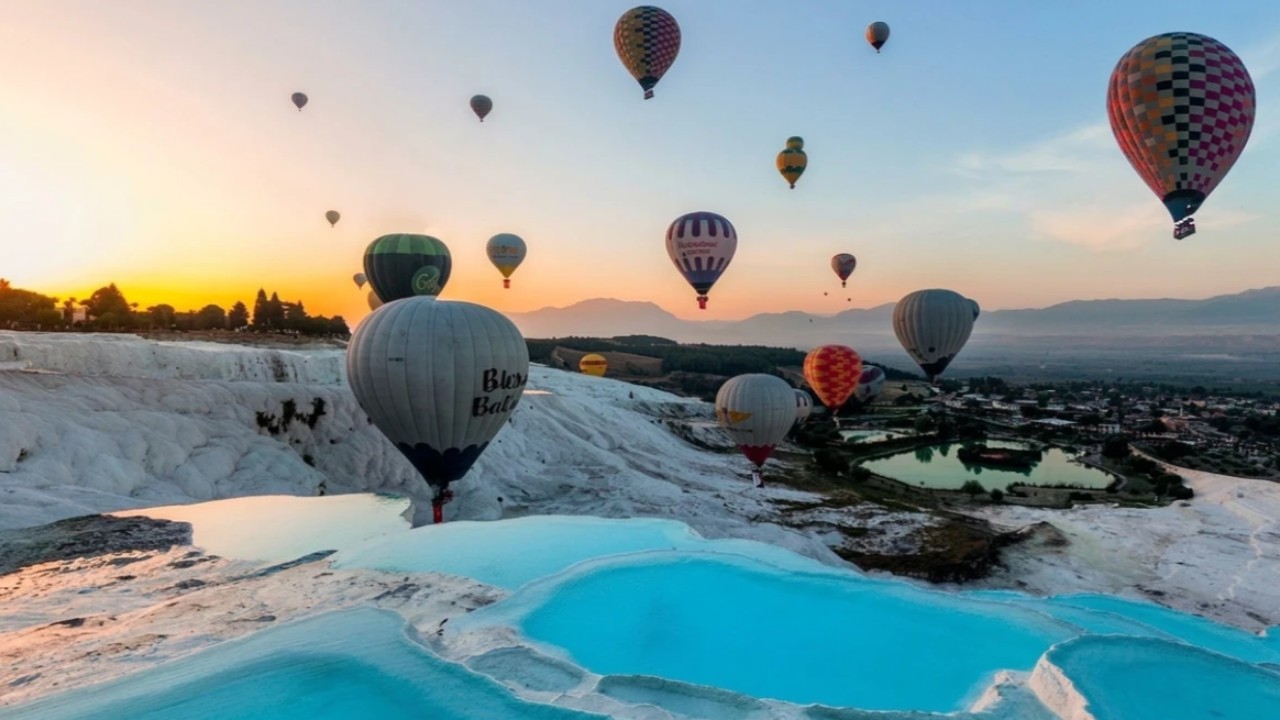
The spa line in Karahayıt and the thermal facilities around the travertines are the parts of the province that work even in the fourth season. When rainy weather ruins an outdoor plan, this is where locals suggest heading. Planning for the travertines is a topic in itself. For those curious about different water sources, you can find the province's hidden gems in our article on Kaklık Cave and Pamukkale alternatives.
Gastronomy and Handicrafts
In Denizli, the food scene changes from district to district. Family restaurants in the city center offer Aegean regional cuisine, manor-style venues in Karahayıt serve village dishes, and stops in the Çal and Uzunpınar areas offer authentic home-cooked experiences. The most asked-about local flavor is the Kale pepper, while the city's viticulture tradition is showcased through Pamukkale wines.
In terms of handicrafts, Buldan weaving is the province's most deep-rooted production tradition. We have covered the details of this in our Buldan houses and weaving culture article, so we won't repeat it here. For shopping, Kaleiçi Bazaar is the main central stop for both handicrafts and local products.

Getting Around Denizli and Local Logistics
Denizli is located on the border of the Aegean and Mediterranean, on the southern edge of the Çürüksu Basin. This position places the province on the crossroads of roads coming from both the Aegean coast and the inland regions. When deciding on transport, locals follow this hierarchy:
-
If you are arriving by air, your destination will be Denizli Çardak Airport. The airport is located outside the city center in the direction of Çardak. Since shuttle services are scheduled according to flights, it is helpful to clarify your transfer to the center in advance.
-
If you are arriving by road, intercity bus connections are concentrated in the center. If you stay in the center, your need for extra transfers after arriving at the bus station will be low.
-
The central loop of the city is best explored on foot. Kaleiçi Bazaar, Bayramyeri Square, İncilipınar Park, and the central museums are all located close to each other.
-
If you are heading to the highlands, the Denizli Cable Car is the main mode of transport. It connects to Bağbaşı Plateau and is the most practical way to reach the plateau without a car; however, check the current operating status before heading out, as the line may close for maintenance.
-
For ancient cities, national parks, caves, and lakes, a vehicle is required. Since these points are in different directions, group those that share the same direction when creating your daily route.
The local emphasis regarding transport is this: distances in Denizli may seem short, but changing directions is expensive (in terms of time). A day planned to go to the northwest travertines in the morning and the southern cave line in the afternoon will likely result in seeing both only halfway. Two stops in the same direction are more efficient than one stop in two different directions.
Those considering a guided tour don't need to worry about this grouping, as ready-made programs arrange their stops along the same routes. If you are building a wider itinerary that extends outside the province, placing Denizli in the middle of that route makes it easy to connect to both the coast and the inland region.
How Many Days to Allocate: 1, 2, and 3-Day Itineraries
The common answer to "how many days?" is: one day is enough to see the center and the main line, while those wanting to add the second ring of the province allocate two to three days. The local caveat is not about the duration, but the sequence: what you dedicate each day to is more decisive than how many days you stay.
-
One Day: Dedicate the morning to the travertines and Hierapolis line, and the afternoon to the city center. In the center, Kaleiçi Bazaar, Denizli Atatürk Ethnography Museum, and the Bayramyeri loop are all walkable. This itinerary is the "showcase" of the province, it lacks depth, but it doesn't leave you empty-handed.
-
Two Days: Set up the first day as described above. Dedicate the second day entirely to one theme: if it's culture, go to Laodikeia and Tripolis; if it's nature, Honaz Mountain National Park and Ornaz Valley; if it's cool air, Bağbaşı Plateau via cable car. Mixing themes on the second day tends to make both days feel mediocre.
-
Three Days: After the first two days, leave the third day for the province's periphery. The weaving and viticulture line in Buldan and Çal, or the cave and canyon line toward Acıpayam, fits perfectly here. For the third day, remember to factor in the travel time back to the city center.
If you are planning a short, guided trip, Denizli day culture tours show you how these combinations are structured into a single day. For those who want to see every single highlight on the list, a detailed guide is available in our Denizli sightseeing guide; rather than rewriting that list, this page focuses on how to decide which item belongs to which day.
The most damaging way to shorten your trip is not to reduce the number of days, but to increase the number of stops. The logic behind the three itineraries above is this: only one main theme per day, with neighboring stops added to that theme. Trying to fit stops from different directions into the same day increases travel time, not sightseeing time.
Neighboring Geographies and Day Trips
Denizli's location is ideal for both intra-provincial and extra-provincial day trips. Intra-provincial trips are more efficient for most visitors because travel times are short and you can finish your evening in the center.
| Day Trip | What it Offers | Best Profile | Time Required |
|---|---|---|---|
| Honaz Direction | National park, hiking, picnic areas | Hikers, families, groups | Full day |
| Bağbaşı Plateau Line | Cable car ascent, cool air, local cuisine | Families, couples, winter seekers | Half to full day |
| Buldan & Çal Area | Weaving culture, viticulture, village cuisine | Culture and gastronomy enthusiasts | Full day |
| Acıpayam Direction | Keloğlan Cave, canyon views | Drivers, photographers | Full day |
| Sarayköy & Northern Line | Rural landscapes, thermal surroundings | Those seeking a calm program | Half day |
| Çardak & Lake Line | Acıgöl and lake surroundings | Those with time before a flight | Half day |
For trips outside the province, Denizli's transitional position between the Aegean and Mediterranean provides an advantage: roads leading to the coast and those opening to the inland region both depart from the city center. Therefore, Denizli works well when placed in the middle of a week-long Aegean itinerary. Only on one condition: if you treat Denizli merely as a stopover between two points, you will only see the "showcase" of one of the four themes mentioned above.
We are preparing a separate evaluation page for the travertines located within the same province; the timing, duration, and crowd management for that specific line fall outside the scope of this page. Here, we handle Denizli on a provincial scale, answering how many days to allocate to each region.
Frequently Asked Questions 5
How many days should I allocate to visit Pamukkale and Denizli?
The most balanced duration for Denizli and Pamukkale is 2 days. On the first day, visit the Pamukkale travertines and Hierapolis Ancient City, while the second day is dedicated to the Karahayıt hot springs, Kaklık Cave, and the Denizli city center bazaar.
When is the best time to visit the Pamukkale travertines?
The most comfortable period to walk the travertines and explore the Hierapolis archaeological site outdoors is from May-June and September-October. Mid-summer midday hours can be extremely hot.
Is the Museum Pass valid in Pamukkale and Hierapolis?
Yes, the Museum Pass is valid for entry to the Pamukkale travertines and the Hierapolis Archaeological Site. However, an additional facility fee applies for visitors who wish to swim in the Antique Pool.
How do I get to Pamukkale from Denizli Çardak Airport?
Regular shuttle services run from the airport to the city center and the bus station. From the bus station, you can reach the travertines area in about 25 minutes using the minibuses to Pamukkale and Karahayıt, which depart every 15-20 minutes.
Where are the Karahayıt red water sources located and what are their features?
Located about 5 kilometers north of Pamukkale, Karahayıt is famous for its healing red thermal waters, high in iron and calcium, and its mud baths.