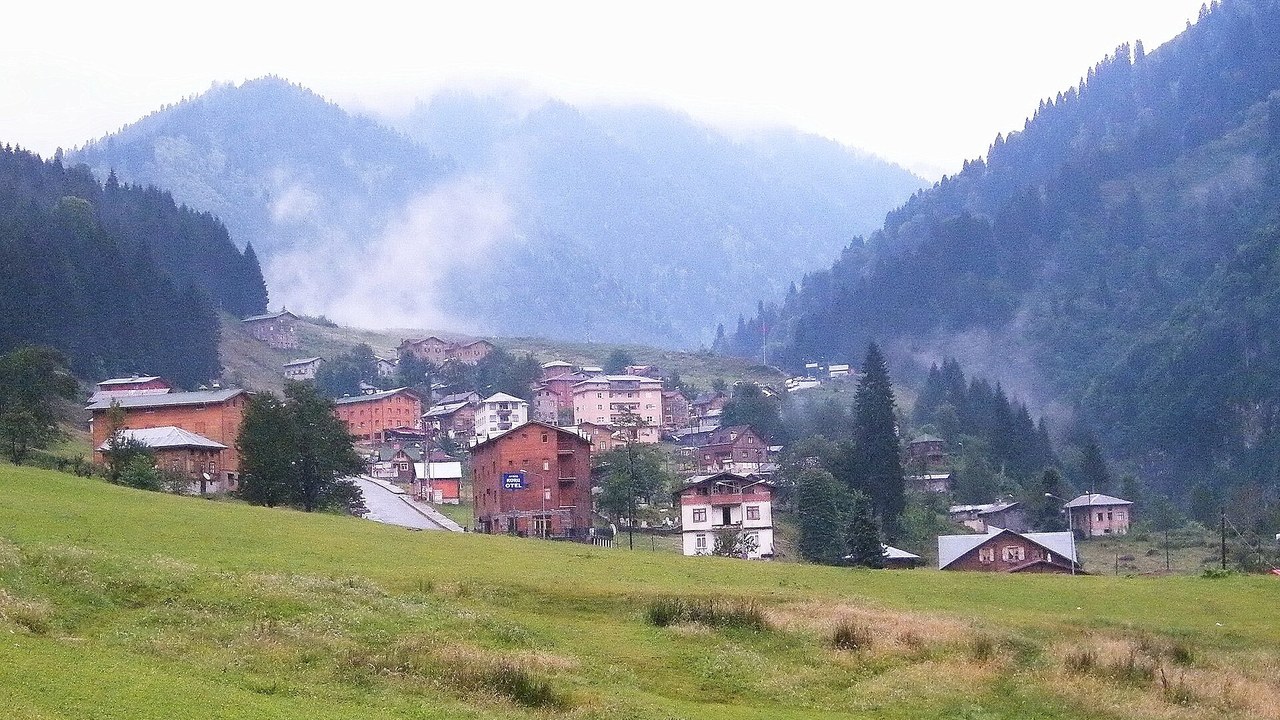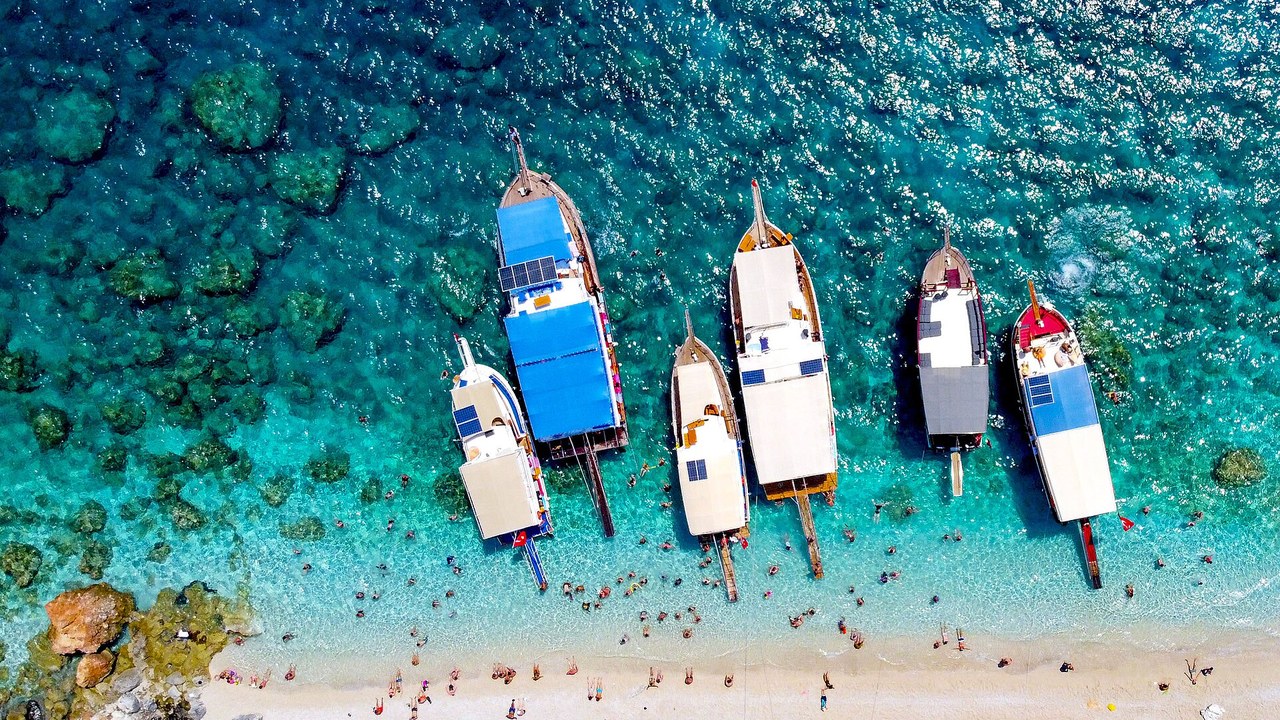

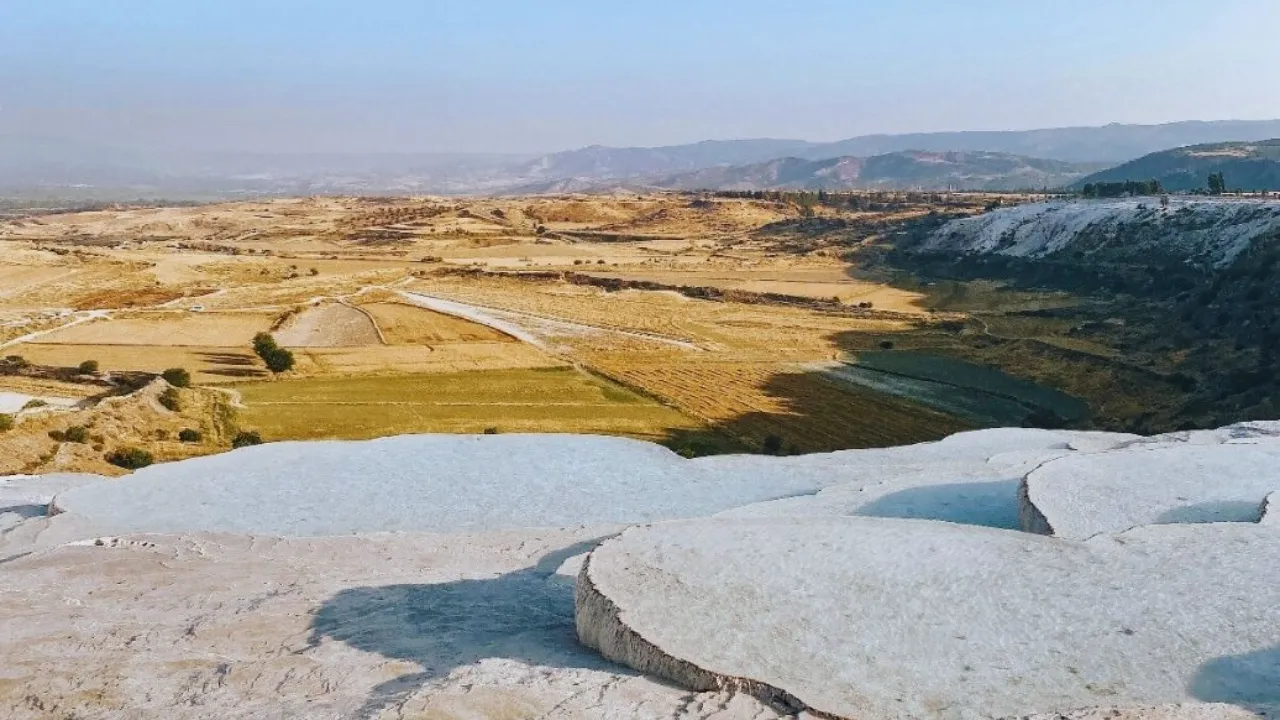
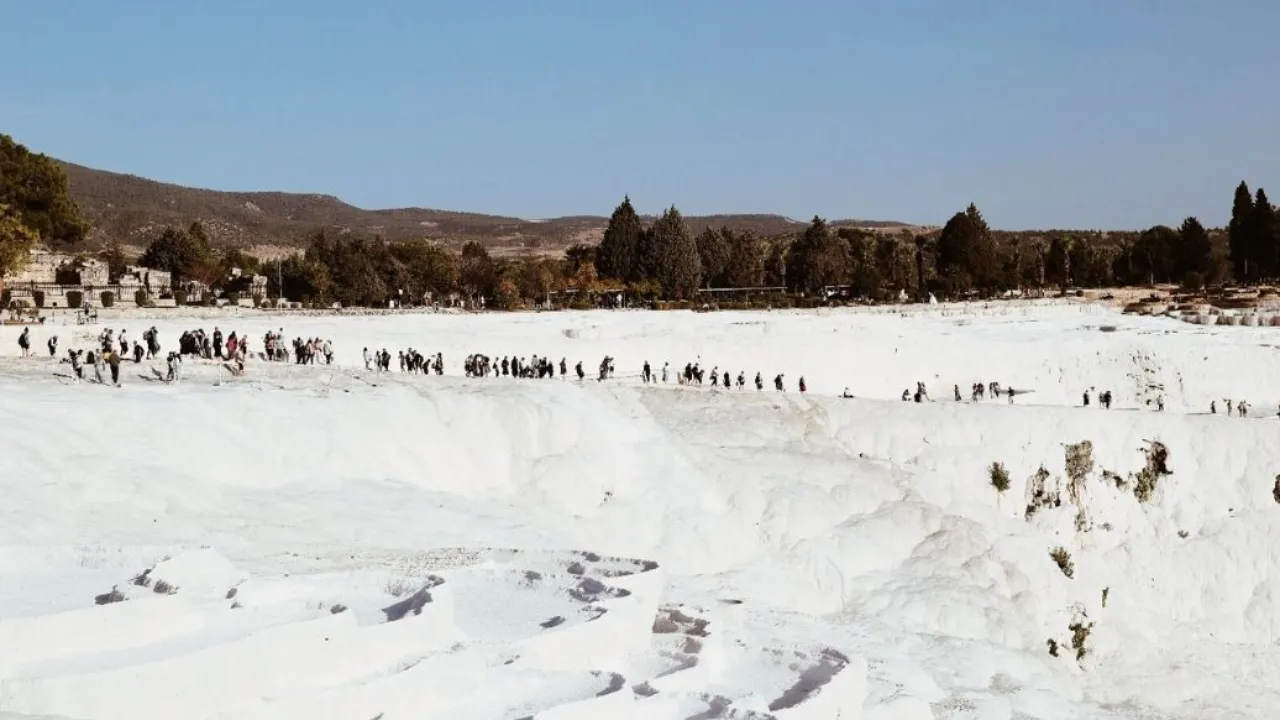
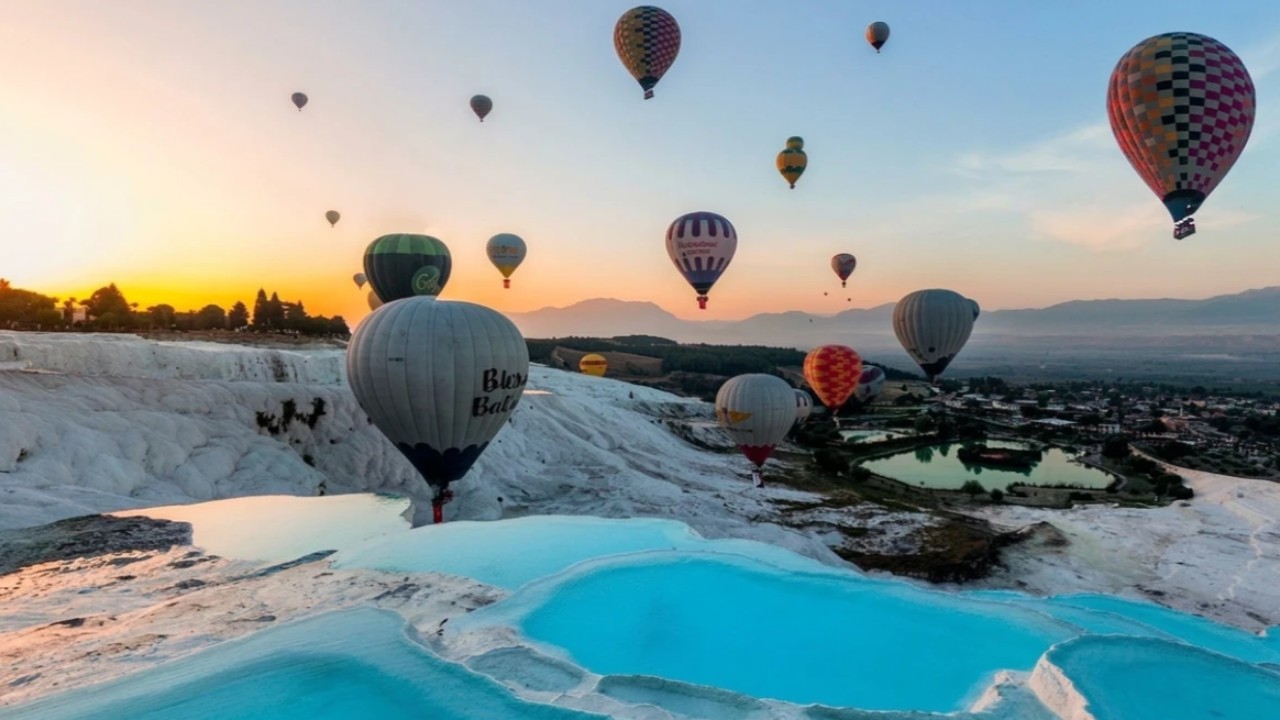
While Pamukkale is the first thing that comes to mind when thinking of Denizli—famous for its brilliant white calcium travertines—this city hides a secret twin beneath the earth: Kaklık Cave. Often dubbed "the underground Pamukkale" due to the white, stepped travertine formations created by rising sulfurous thermal waters, this site is a must-visit for its mystical atmosphere, healing waters, and unique sulfurous air. In this guide, we explore the geological wonders of Kaklık Cave, its surrounding relaxation areas, how to get there, the best time to visit, and hidden regional routes like Karahayıt, Keloğlan Cave, and Tripolis.
At Travel Tour Shop, we maintain incredibly high standards; we vet our tour and transfer providers rigorously, rejecting approximately 83% of applicants to ensure we only list businesses that offer authentic local experiences and exceptional guest reviews. The following information has been curated by our expert team, who closely monitor the Denizli region, to provide practical details for first-time visitors to Kaklık and its surroundings.
Quick Facts
| Topic | Details |
|---|---|
| Location | Kaklık District, Honaz, Denizli |
| Highlight | Underground travertines and sulfurous thermal water (The Underground Pamukkale) |
| Formation Type | Active underground formation within a sinkhole |
| Distance from Center | Approximately 30 km from Denizli city center |
| Entry | Paid; operated by Honaz Municipality (Museum Pass not valid) |
| Best Time to Visit | Spring and Autumn; a cool escape during summer months |
| Transport | Private vehicle or minibuses from Denizli bus station to Honaz/Kaklık |
Where is Kaklık Cave? Denizli’s Hidden Gem
Kaklık Cave is located in the Kaklık neighborhood of the Honaz district in Denizli, roughly 30 kilometers from the city center. Situated on the highway heading north from Denizli toward Afyon and Ankara, it is easily accessible as a day trip from either the city center or the Pamukkale region. Because its geographical location sits slightly off the main tourist tracks, it offers a much more tranquil and peaceful experience than the more crowded landmarks.
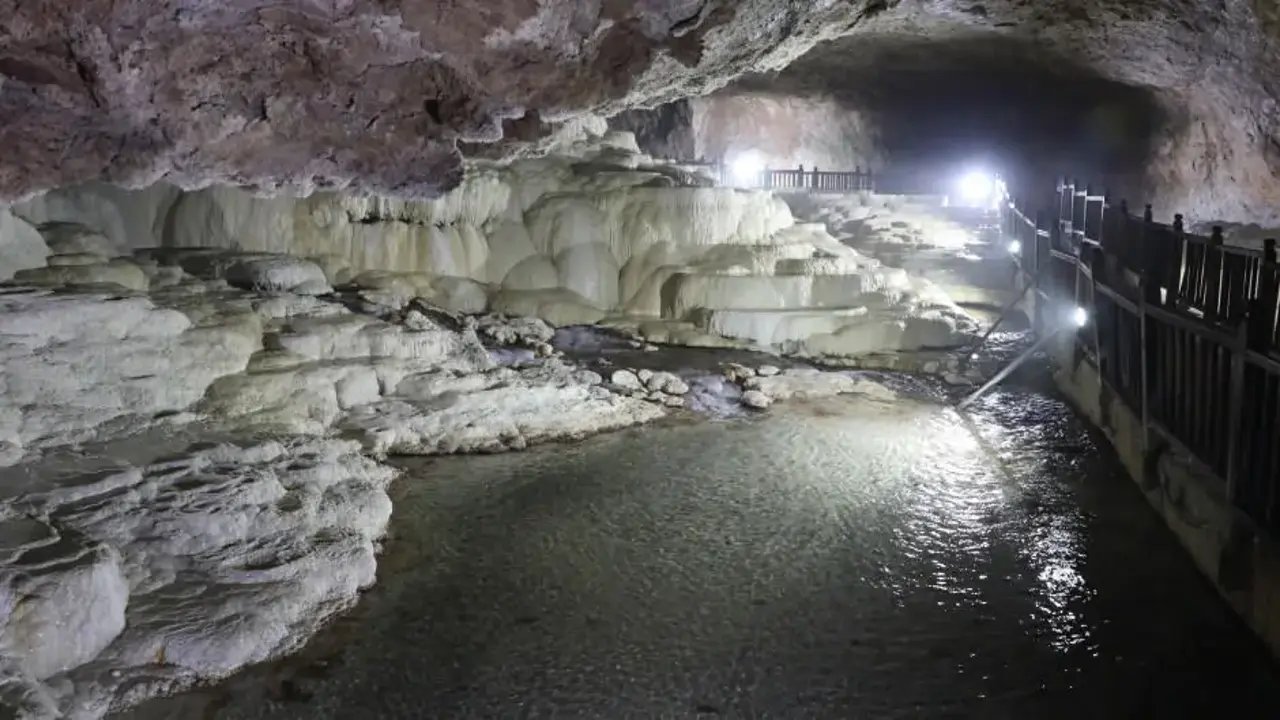
This underground wonder is an active formation located within a sinkhole caused by a ceiling collapse. This means it is a living geological structure where water flow and travertine accumulation are still actively occurring. In this sense, Kaklık is not just a cave; it is like a miniature, subterranean version of the surface travertines found in Pamukkale. To avoid getting lost on the smaller side roads, we recommend marking the location on your map and following the road signs carefully.
The Underground Pamukkale: What to See at Kaklık Cave
The true magic of this site reveals itself the moment you step inside: a breathtaking sight of white travertine steps and crystal-clear thermal pools. Its landscape, adorned with stalactites, stalagmites, and dripstones, has earned it the nickname "Little Pamukkale." Below, we break down the key features that make this underworld so special, along with the visitor facilities nearby.
Underground Travertine Formations
The most striking feature is undoubtedly the travertine formations. Thermal waters seeping through the ceiling and walls are rich in calcium bicarbonate. As these waters meet the oxygen inside the cave, calcium carbonate precipitates, creating the same stepped, brilliant white travertines and small pools seen in Pamukkale. When sunlight filters into the cave, its reflections on the white stone and water surface create a cinematic, atmospheric glow. For photographers, the light during the morning and midday hours is ideal for capturing these stunning reflections.
Healing Sulfur Waters (Kokarhamam)
The thermal water emerging from the cave is known locally as "Kokarhamam" (Smelly Bath) due to its clear, colorless appearance and intense sulfur scent. Traditionally, locals believe these waters, which hover around 26°C, are beneficial for skin conditions like eczema, as well as rheumatic pain and joint calcification. Please note that these are traditional beliefs and should not replace professional medical diagnosis or treatment. There are organized areas nearby where you can utilize these waters. Since the effects of thermal water can vary from person to person, we recommend consulting a physician if you have chronic health conditions.
Pools, Amphitheater, and Relaxation Areas
The experience extends beyond the cave itself. The visitor area, often referred to as the "Kaklık Cave and Swimming Pool," features a garden with a swimming pool, a small amphitheater, viewpoints, a cafeteria, and gazebos. This setup makes the area a perfect family destination, allowing you to relax among the greenery, grab a drink, or cool off during the hot summer months. The facilities are open during the day and close in the evening; it is wise to check current operating hours and pool usage rules before your visit.
How to Get to Kaklık Cave
Kaklık Cave is approximately 30 kilometers from Denizli city center and is quite easy to reach. If you are driving, simply follow the highway from Denizli toward Afyon/Ankara and take the turn-offs toward Kaklık. The roads are largely paved, so a standard passenger car will have no issues; just stay alert for the turns near the quarry as you approach your destination.
For those preferring public transport, you can take minibuses bound for Honaz or Kaklık from the Denizli bus station. For travelers coming from out of town with limited time, a private transfer is the most comfortable way to combine both Pamukkale and Kaklık in a single day. To ensure timely and group-friendly transport to the surrounding areas, you can explore Denizli transfer service tours to find a plan that fits your schedule.
Best Season and Visiting Tips for Kaklık Cave
The ideal time to visit Kaklık is during the spring and autumn, when the weather is neither too hot nor too cold. During these months, the humid, cool environment of the cave feels more comfortable, and the surrounding gardens are lovely for relaxing. While the region can get quite hot in the summer, the cave remains naturally cool, making it a refreshing alternative for those looking to escape the heat. In winter, it is best to check if the site is open, as road and facility conditions can change.
A few practical tips will make your trip smoother. Because the ground can be damp and slippery due to the thermal water, we recommend wearing comfortable, non-slip shoes. Being aware that there will be a distinct sulfur smell upon entry will prevent any initial shock. If you plan to use the swimming pool, don't forget to bring your swimsuit and a towel. For photography enthusiasts, the daytime hours when light hits the travertines are the most productive.
Hidden Denizli Routes: Alternatives to Pamukkale
During your trip to Denizli, you can step beyond the classic Pamukkale travertines and add several nature- and history-focused alternatives to your itinerary. These stops add depth to your journey for those who want to experience the region beyond a superficial visit. If you wish to combine Denizli’s cultural and natural landmarks into a guided program, consider the options within our Pamukkale culture tours.
Karahayıt Red Water Springs
Located right next to Pamukkale, Karahayıt features travertines in shades of red and golden yellow rather than white, due to a high iron content. Its healing waters, reaching temperatures of approximately 60°C, have made the area a major hub for health and thermal tourism. Seeing the red travertines of Karahayıt after the white landscapes of Pamukkale provides a fascinating color contrast within a single day. This area is also ideal for those looking to spread their accommodation across the Pamukkale vicinity.
Keloğlan Cave
Located in the Acıpayam district of Denizli, Keloğlan Cave is a karst formation famous for its massive stalactites and stalagmites formed over thousands of years. Local folklore suggests that its air is beneficial for respiratory issues like asthma, offering a different geological experience from Kaklık due to its sheer scale. As these effects vary by individual, those with respiratory conditions should consult a doctor first. Because it is somewhat far from the city center, it attracts fewer crowds, making it a great choice for those seeking tranquility. We recommend confirming opening hours and guided entry requirements before visiting.
Tripolis Ancient City
Situated near the Buldan district on the banks of the Büyük Menderes River, the ancient city of Tripolis promises a peaceful historical tour with its colonnaded streets, theater, and ruins. Often overshadowed by the Pamukkale region, this ancient city allows you to explore at your own pace without the crowds. When paired with the hand-woven textile traditions of Buldan, the area offers a rich itinerary of both history and local craftsmanship. Bringing a hat and water will make your exploration of the ancient city much more comfortable.
Planning Kaklık and Pamukkale on the Same Route
Since Kaklık and Pamukkale are relatively close to each other, they can easily be combined into a single day. A balanced itinerary would involve exploring the Pamukkale travertines and the area around Hierapolis in the early morning, then escaping the crowds in the afternoon to enjoy the cool, calm atmosphere of Kaklık. This way, you experience both the world-famous surface travertines and their unique underground counterpart in one trip.
If you have two days, you could plan Pamukkale and Karahayıt for the first day, and Kaklık and Tripolis or Keloğlan Cave for the second. This approach allows you to see the region without rushing, giving you enough time at every stop. If you prefer professional organization over planning your own transport and timing, comparing local tour options in advance will make your trip much easier.

What to Eat in Denizli? Local Delicacies
A vital part of any Denizli trip is the local cuisine. The city's most famous dish is the Denizli Kebab—tender lamb slow-cooked in stone ovens over wood fire for hours in its own fat. Traditionally eaten by hand without utensils, the melt-in-your-mouth texture makes this a truly unique regional experience. Dedicating a lunch or dinner to this traditional flavor after visiting Kaklık or Pamukkale is the perfect way to complete your itinerary.
The local food scene also offers plenty of products to take home. The hand-woven textiles from the Buldan district are excellent souvenirs due to their light, natural feel. Additionally, the local olive oils from the Karahayıt area offer a delicious taste of the region to bring back to your own kitchen. You can find these products directly at local markets and producer stalls.
Where to Stay in Denizli?
There are several logical bases for accommodation around Denizli. For those who want to center their trip around the thermal experience, the thermal hotels around Pamukkale and Karahayıt offer practical proximity to the healing waters and easy access for early morning visits to the travertines. These facilities are a natural choice for anyone wanting to soak in the local spa culture.
Those who prioritize city life and ease of transport may prefer hotels in the Denizli city center. The center's proximity to both the bus station and the roads leading to surrounding districts makes it easy to plan trips to scattered stops like Kaklık, Tripolis, and Keloğlan Cave. Instead of limiting your stay to one night, extending it to two nights provides a more relaxed pace for exploring both Pamukkale and the alternative routes.
A One-Day Denizli Nature and History Itinerary
For those with limited time, it is possible to create a balanced one-day itinerary that hits Denizli's highlights. Start early at the Pamukkale travertines, then stop by the red waters of Karahayıt. After enjoying a Denizli Kebab for lunch, head to Kaklık in the cool afternoon to see the underground travertines and healing waters. Ending the day with a short rest in the surrounding gardens makes for a lovely conclusion.
For a deeper cultural experience, you can enrich this route by adding the Tripolis Ancient City or the weaving workshops of Buldan. Those who wish to see the cultural landmarks of Denizli and its surroundings with a guide can explore the programs within our Denizli culture tours to tailor their trip to their personal interests. This transforms a standard Pamukkale visit into a multi-faceted journey that covers the hidden sides of the region.
Frequently Asked Questions 5
Is there an entrance fee for Kaklık Cave, and is the Museum Pass valid?
Yes, there is an entrance fee for Kaklık Cave, though it is quite affordable. Since the cave is operated by the Honaz Municipality rather than the Ministry of Culture and Tourism, the Museum Pass is not accepted. It is helpful to check current entry conditions and facility availability before your visit.
What can I see in Kaklık Cave?
Inside the cave, you will find white, stepped underground travertines formed by thermal waters, crystal-clear thermal pools, and various stalactite and stalagmite formations. The visitor area surrounding the cave includes a swimming pool, a small amphitheater, viewpoints, a cafeteria, and relaxation gazebos. In this way, Kaklık serves as both a natural wonder and a day-trip relaxation spot.
Besides Kaklık, what other places can I visit in Denizli?
In addition to the Pamukkale travertines and Hierapolis, standout alternatives in Denizli include the Karahayıt Red Water Springs, Keloğlan Cave in Acıpayam, and the Tripolis Ancient City near Buldan. These spots are perfect for creating a balanced itinerary between nature, thermal tourism, and history.
How do I get to Kaklık Cave from Denizli city center?
Kaklık Cave is approximately 30 kilometers from the Denizli city center. You can reach it by car by following the highway toward Afyon/Ankara and taking the turn-offs in the Kaklık town. For public transport, you can use the minibuses departing from the Denizli bus station toward Honaz or Kaklık.
Is the sulfur smell in Kaklık Cave bothersome?
Because the thermal water emerging from the cave has a high sulfur content, there is a noticeable sulfur (rotten egg) smell inside. While this smell might be surprising at first, it is known for its soothing effect on the respiratory system and is something visitors usually get used to quickly. We recommend that visitors with high sensitivity to smells keep this in mind.