
With their noble presence and intuitive strength, horses have been humanity's most loyal companions in nature throughout history. For those looking to escape the hustle and bustle of city life and reconnect with the rhythm of the wild, horse riding tours offer a unique gateway for nature lovers of all ages. Whether trekking through pine-scented forest paths or gliding along serene coastlines, riding a horse brings a sense of spiritual tranquility and physical balance.
While equestrian activities promise immense joy, they also involve delicate safety dynamics when communicating with a living animal. Understanding how horses react to their environment, the correct angles of approach, and the principles of maintaining balance in the saddle is key to preventing accidents. In this guide, we detail everything first-time riders need to know: from basic behavioral etiquette and mandatory gear to field safety protocols.
Equestrian Basics and Field Overview
Understanding the framework of a riding tour before you begin ensures that you feel confident and secure from the moment you step onto the farm. When considering safety in nature, it encompasses both physical protection and an understanding of animal psychology. A prime example is the rigorous check of helmets and saddle equipment. Age limits, weight restrictions, and the presence of a professional guide are the non-negotiable pillars of tour safety.
| Field Parameter | Operational Standard & Guideline |
|---|---|
| Recommended Minimum Age | 10 years for solo riding, 6 years with parental supervision |
| Maximum Weight Limit | Max 95 to 100 kg for horse health and stability |
| Mandatory Protective Gear | Standard-compliant riding helmet and protective vest |
| Trail Terrain Features | Soft forest soil, sandy beaches, and pebble-free farm paths |
| Ideal Clothing Choice | Flexible, seamless riding breeches and closed-toe boots with a small heel |
| Average Session Duration | 60 to 120 minutes of riding, including the safety briefing |
| Seasonal Availability | Open year-round, except during extreme summer heat |
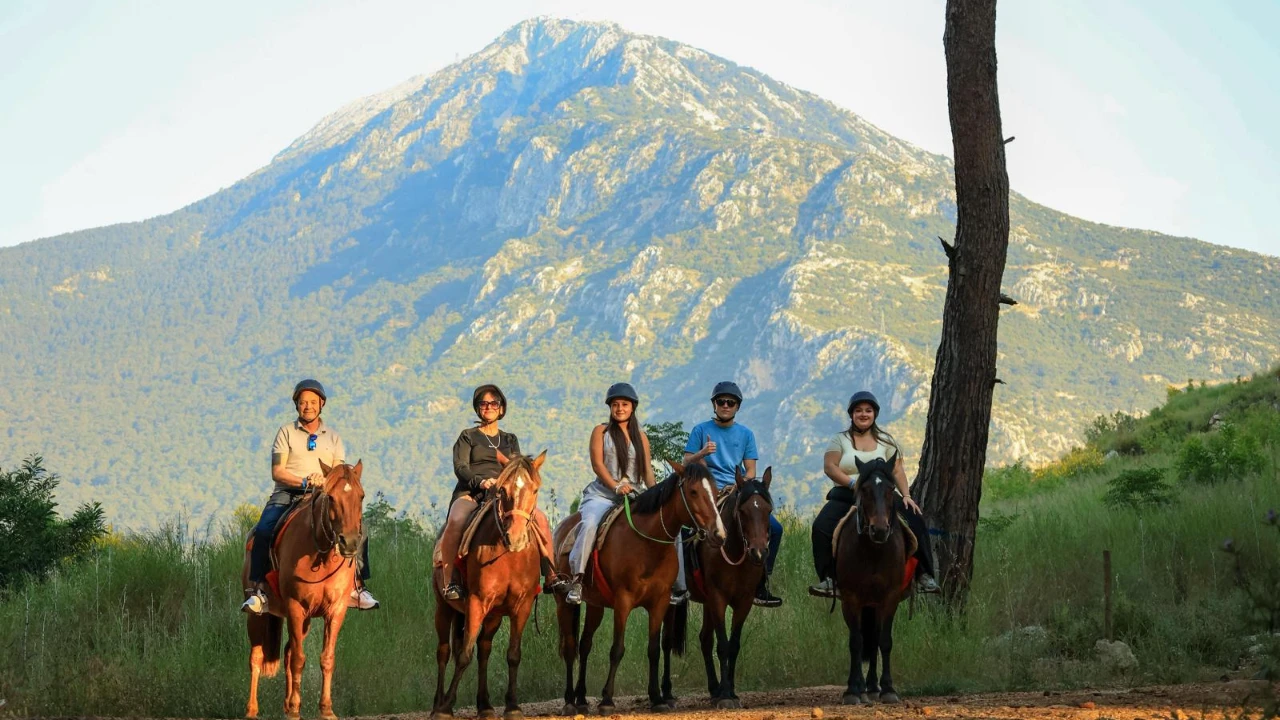
Horseback excursions are widely available across Turkey's most scenic regions. Popular horse riding routes around Muğla are renowned for their lush pine forests, while Fethiye forest and beach trails offer breathtaking vistas near Ölüdeniz and Kayaköy. Along the Mediterranean coast, horse riding experiences at Antalya farms lead you through the foothills of the Taurus Mountains. In the Aegean, scenic riding tours in the Bodrum peninsula and Manavgat riverbank and pine forest trails promise peaceful journeys through canyons and coastlines.
Horses used in these tourist farms are specifically selected from breeds known for their calm temperaments and are professionally trained for tours. However, it is essential to remember that horses are sensitive creatures and can be influenced by their surroundings.
Horse Behavior and Safe Approach Principles
Because horses are prey animals, they can develop defensive reflexes to sudden noises, unexpected movements, or shadows approaching from behind. Therefore, reading a horse's field of vision and body language is vital for safety.
Blind Spots and Correct Approach Angles
A horse's eyes are located on the sides of its head. While this gives them a wide panoramic view, they have blind spots directly in front of their nose and directly behind their tail. You should never approach a horse silently from behind or stand directly in its rear.
The safest zone to approach a horse is at a 45-degree angle between the neck and the shoulder. Speaking in a calm, low tone as you approach lets the animal know you are there and helps it remain relaxed.
Reading Ear and Body Language
Horses express their emotions and focus through their ears. Ears pricked forward indicate interest and curiosity, while ears pinned flat back are a clear sign that the animal is annoyed, stressed, or agitated.
Additionally, swishing the tail violently or pawing the ground are signs of restlessness. In such cases, instead of approaching the horse, you should immediately notify a professional groom or guide. The following table details the safety and trail standards applied based on riding levels.
| Riding Level | Trail Type & Terrain | Riding Pace | Supervision Ratio |
|---|---|---|---|
| Beginner | Fenced sand arena | Walk only | One-on-one with a groom leading |
| Novice/Intermediate | Flat and wide forest paths | Walk and brisk walk | Group with lead and rear guides |
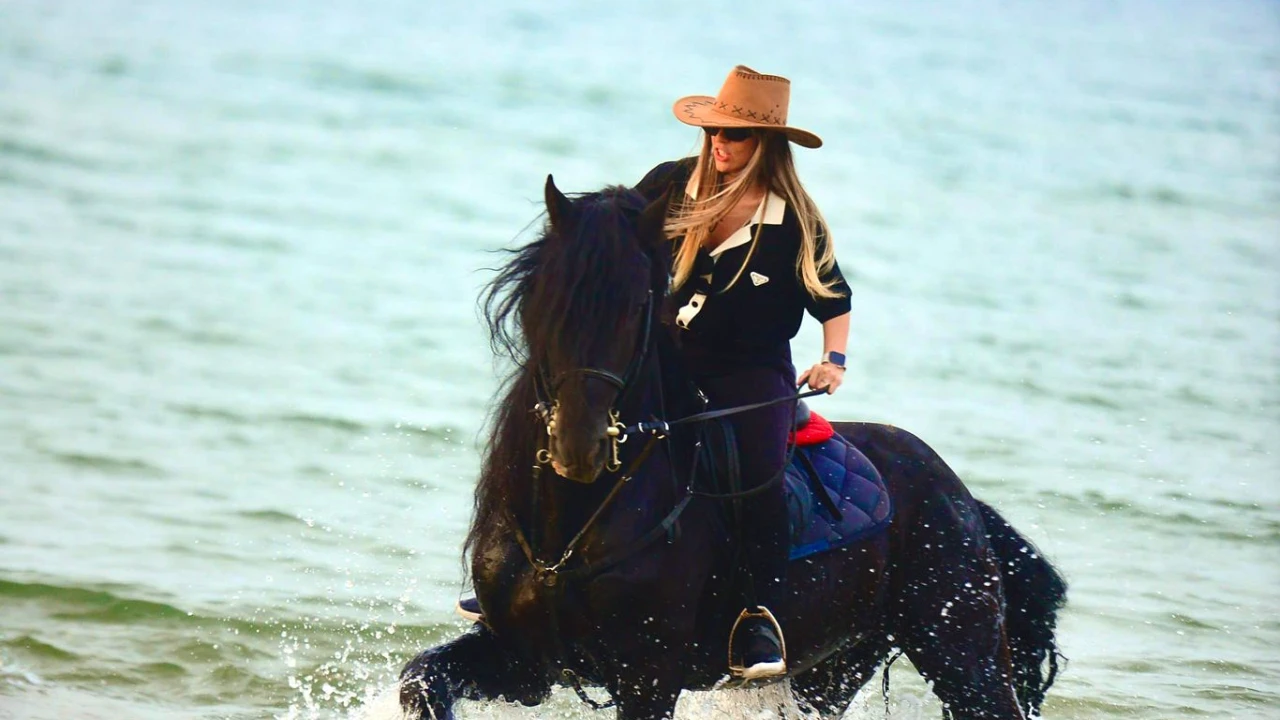
| Experienced | Sloping terrain and beach strips | Controlled canter/gallop | Free riding with a lead guide |
| Advanced | Mountain paths and stream crossings | Technical riding at all paces | Professional wilderness guide supervision |
The 5-Step Safety and Participation Protocol
Safety on horseback tours is never left to chance; it follows a strict hierarchical order. This five-step protocol is implemented in field operations to ensure every participant has a secure experience.
-
Pre-Saddle Safety Briefing and Gearing Up: Carefully listen to the basic commands provided by the instructors before the tour. Wear a certified riding helmet that fits snugly, ensuring the chin strap is locked and not loose.
-
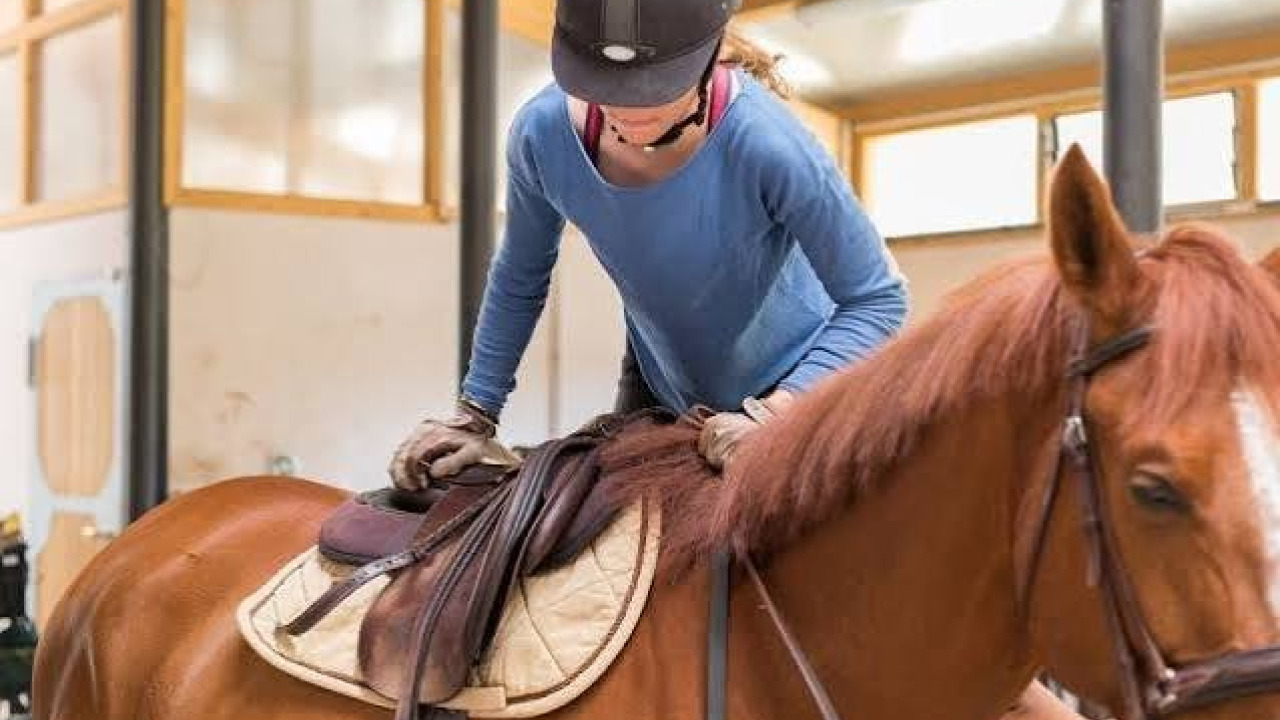
Calm Mounting from the Left Side: Historically, horses are trained to be mounted from the left. Always approach from the left shoulder. Place your left foot in the stirrup and gently swing yourself into the saddle using the support of the pommel.
-
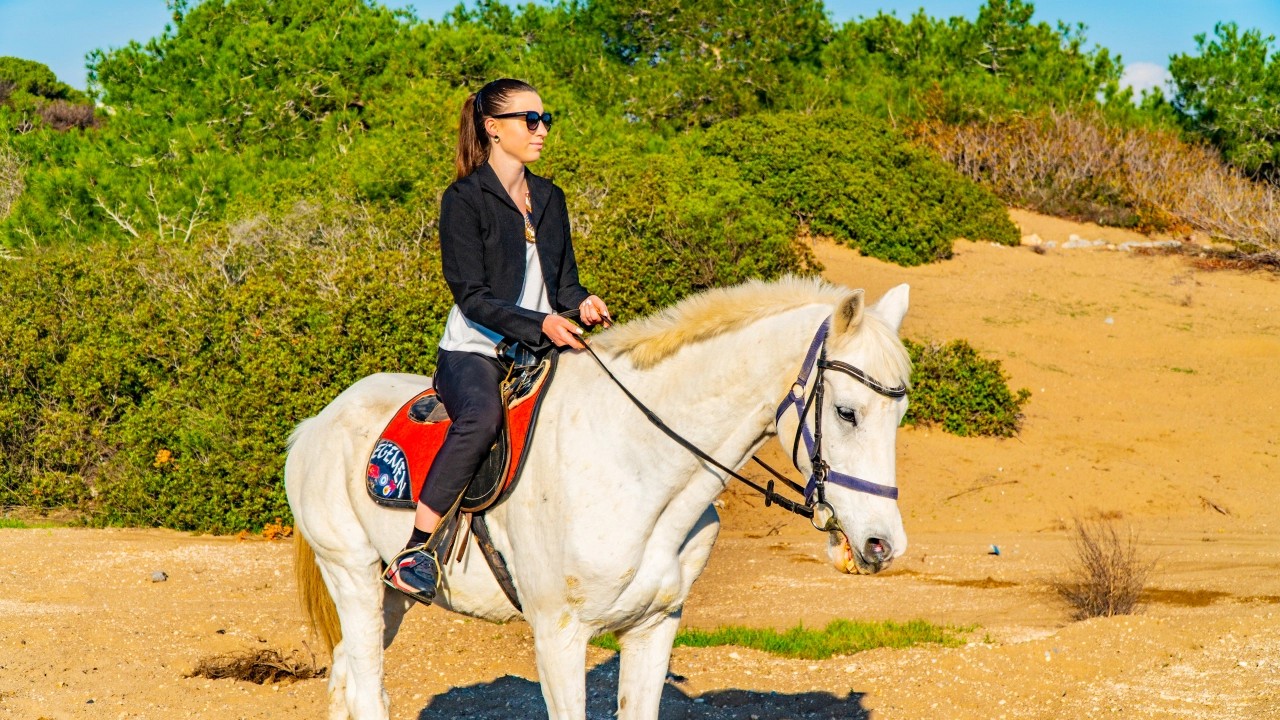
Rein Grip and Proper Posture: Hold the reins balanced in both hands, neither pulling too tight nor leaving them completely slack. Keep your back straight, shoulders relaxed, and heels pressed down, distributing your weight evenly in the center.
-
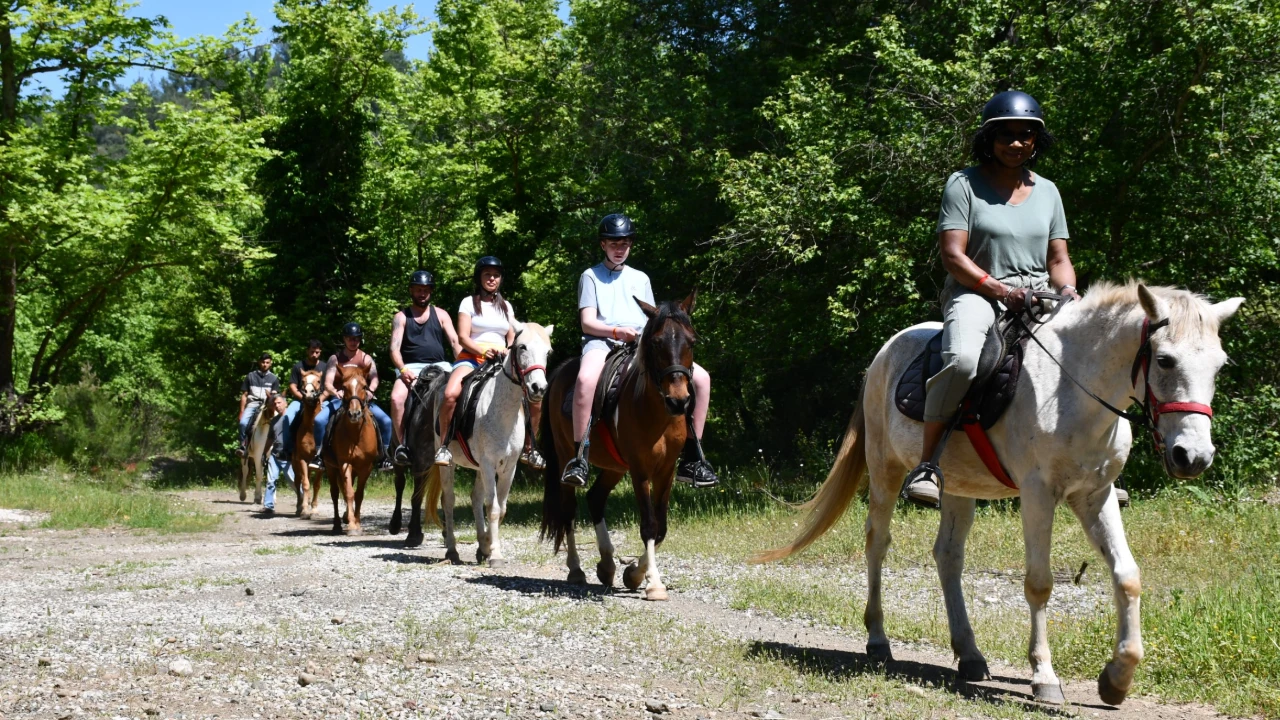
Safe Following Distance on Trails: When riding in a group, maintain a distance of at least one horse length from the rider in front of you. Riding too close can trigger a horse to kick the one behind it.
-
Emergency Stopping and Dismounting: If a horse unexpectedly accelerates, pull the reins toward your chest with both hands and give a stop command in a calm voice. At the end of the tour, do not dismount until the guide has approached the horse.
Choosing the Right Attire for Your Riding Tour
Comfort and safety during a ride are directly linked to your clothing. The wrong fabric or footwear can lead to friction-induced chafing or a loss of balance in the saddle.
- Seamless Flexible Pants: Leggings or riding breeches without thick inner-leg seams prevent the "saddle sores" caused by friction.
- Closed-Toe Boots with a Small Heel: To prevent the foot from sliding too far forward and getting stuck in the stirrup, leather boots with a slight heel and no loose laces are preferred.
- Anti-Friction Riding Gloves: Non-slip gloves (leather or fabric) prevent the reins from irritating the skin between your fingers.
- Fitted Clothing: Avoid oversized cardigans or flowing scarves that might flutter in the wind and spook the horse; instead, opt for fitted zippered vests.
Pay close attention to jewelry. Long necklaces and dangling earrings that could get caught in the saddle straps should be removed before the activity.
The Importance of Helmet and Protective Headgear
Protecting the head is the most fundamental safety requirement in equestrianism. Simple bicycle or motorcycle helmets are not suitable for horse sports; impact-absorbing helmets specifically designed for riding must be used.
The helmet should not squeeze the head but must be tight enough that it doesn't fall off when you lean forward. The chin strap should be checked before every ride.
Protective Vests for Families with Children
For young participants and junior riders, back and rib protective vests provide a significant advantage by absorbing shocks in the event of a sudden jolt.
At farms, horses for children are specifically selected from ponies or exceptionally docile horses. Having children led by a guide via a lead rope while in the saddle further enhances safety.
Following Guide Instructions on the Trail
Once on the trail, the tour leader is always the expert guide leading the way. The route is carefully chosen to keep the group away from potholes, low-hanging branches, and slippery rocks.
Group Order and the "No Double-File" Rule
In nature tours, horses must proceed in a disciplined single file. Attempting to ride side-by-side or overtake the horse in front can trigger leadership struggles and aggression between the animals.
Do not deviate from the pace set by the guide, and avoid sudden leg kicks to make the horse run. A calm walk ensures the animal remains peaceful.
Environmental Factors and Voice Control
Barking dogs, the sound of bird wings, or a suddenly flying plastic bag can startle a horse. Screaming or shouting in these moments only increases the animal's fear.
The rider should grip the saddle firmly with their legs, keep the reins controlled, and speak to the horse in a low, affectionate tone. A calm rider means a calm horse.
Common Mistakes in Horse Riding and Field Solutions
Most minor mishaps on the trail stem from common misconceptions. These solutions, shaped by field experience, ensure a smooth tour.
The Mistake of Over-Pulling or Completely Dropping the Reins
A frequent error among beginners is pulling the reins too hard back in a moment of fear, which can hurt the horse's mouth via the bit. This can cause the horse to rear up.
The field solution is to maintain a light, soft contact with the horse's mouth. You should neither cause pain nor leave so much slack that you lose control.
The Risk of Inserting Feet Too Deeply into Stirrups
Another critical mistake is sliding the foot into the stirrup up to the heel rather than the ball of the foot. In the event of an imbalance, the foot could become trapped.
Always step into the stirrup with the ball of your foot and keep your heels pressed slightly downward. This position makes it easier to balance body weight through the legs.
Frequently Asked Questions 5
Can someone who has never ridden a horse before join the tours?
Yes, our tours use docile farm horses specifically for inexperienced riders, and basic training is provided by guides before the ride.
Is wearing a helmet legally mandatory while riding?
For the safety of all participants, wearing a protective riding helmet that meets international standards is mandatory at our facilities.
Can pregnant women and small children participate in horse tours?
Due to the risk of jolts and falls, participation is not recommended for pregnant women. Small children can ride in pony clubs under the supervision of an instructor.
What pants and shoes should I wear for horse riding?
We recommend flexible pants without inner-leg seams and closed-toe shoes with a small heel that won't slip in the stirrups.
What should a rider do if the horse suddenly speeds up during the tour?
Do not panic. Pull the reins toward your chest with both hands, grip the saddle with your legs, and give a stop command in a calm tone.