
The Galata Mevlevihanesi Museum is a vital cultural landmark that preserves Istanbul's deep-rooted Sufi traditions, historic semahane architecture, and dervish quarters. For those looking to explore the city's spiritual heritage, booking Istanbul museum tours is an excellent way to integrate this visit into a broader cultural itinerary.
For centuries, this complex served as a center for Mevlevi education and music. Today, operating as a museum, the site offers a peaceful oasis where Sufi literature, calligraphy, and traditional musical instruments are showcased. If you wish to combine your visit with other local highlights, check out the programs on our Galata walking tours page.
- The historic semahane features authentic wooden architecture and stunning calligraphy.
- Exhibits include rare artifacts from Mevlevi culture and traditional musical instruments.
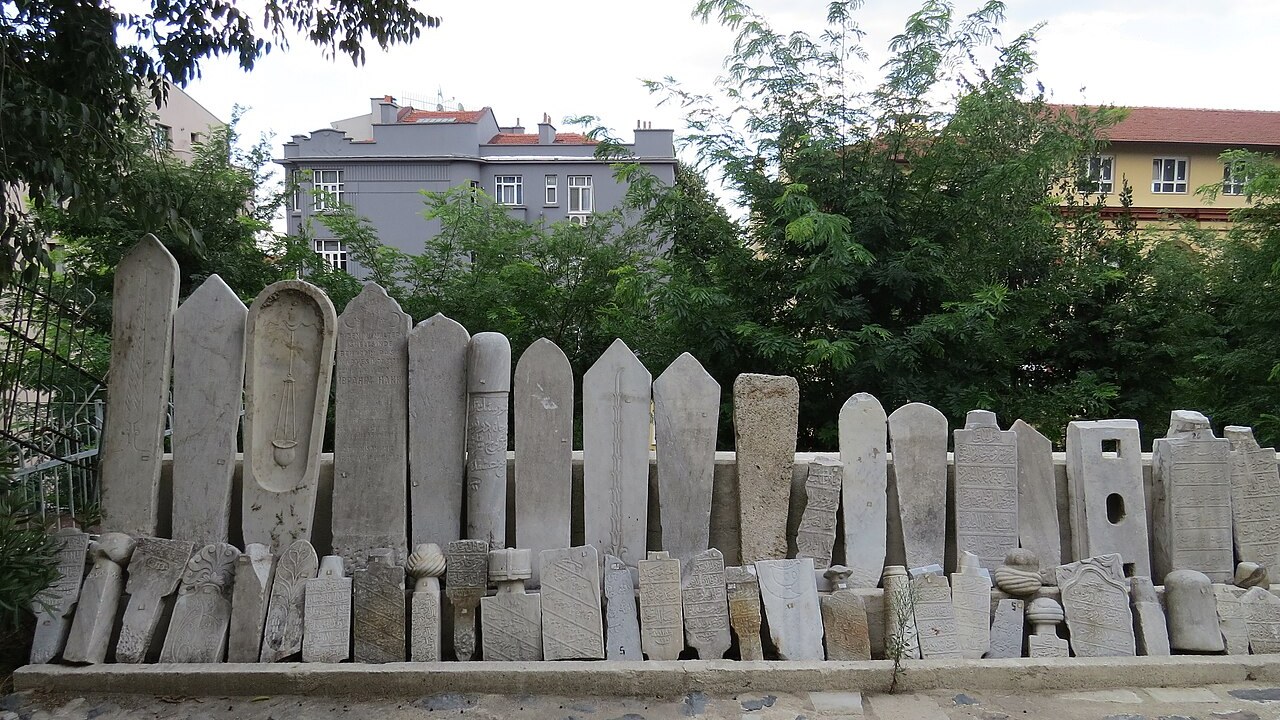
- The grounds include a historic cemetery (hazire) with significant gravestones.
- A central courtyard provides a tranquil space to rest during your tour.
Galata Mevlevihanesi Museum: Quick Facts
Understanding the key features and exhibits of the Mevlevihane before you arrive will help you plan a well-balanced visit. This information allows you to allocate your time effectively. The museum complex serves as a perfect cultural retreat from the dynamic pace of Istanbul.
The following table summarizes the essential visitor details and spatial features of the Mevlevihane complex.
| Feature | Mevlevihane Museum Details |
|---|---|
| Location & District | Galata, Istanbul |
| Primary Architecture | Historic wooden semahane building |
| Exhibit Highlights | Calligraphy panels, musical instruments, and dervish artifacts |
| Garden & Courtyard | Mausoleum, historic cemetery, and central courtyard |
| Recommended Route | Start with the semahane and exhibits, then visit the mausoleum, cemetery, and courtyard |
| Ideal For | History buffs, culture seekers, and Sufism enthusiasts |
Upon entering the museum complex, visitors are greeted by a historic courtyard that winds between the structures. The inscriptions and tombstones lining the courtyard reveal the literary heritage of Istanbul's past centuries. The exhibition halls bring together the finest treasures of the Mevlevi tradition.
The Historic Semahane and Architectural Layout
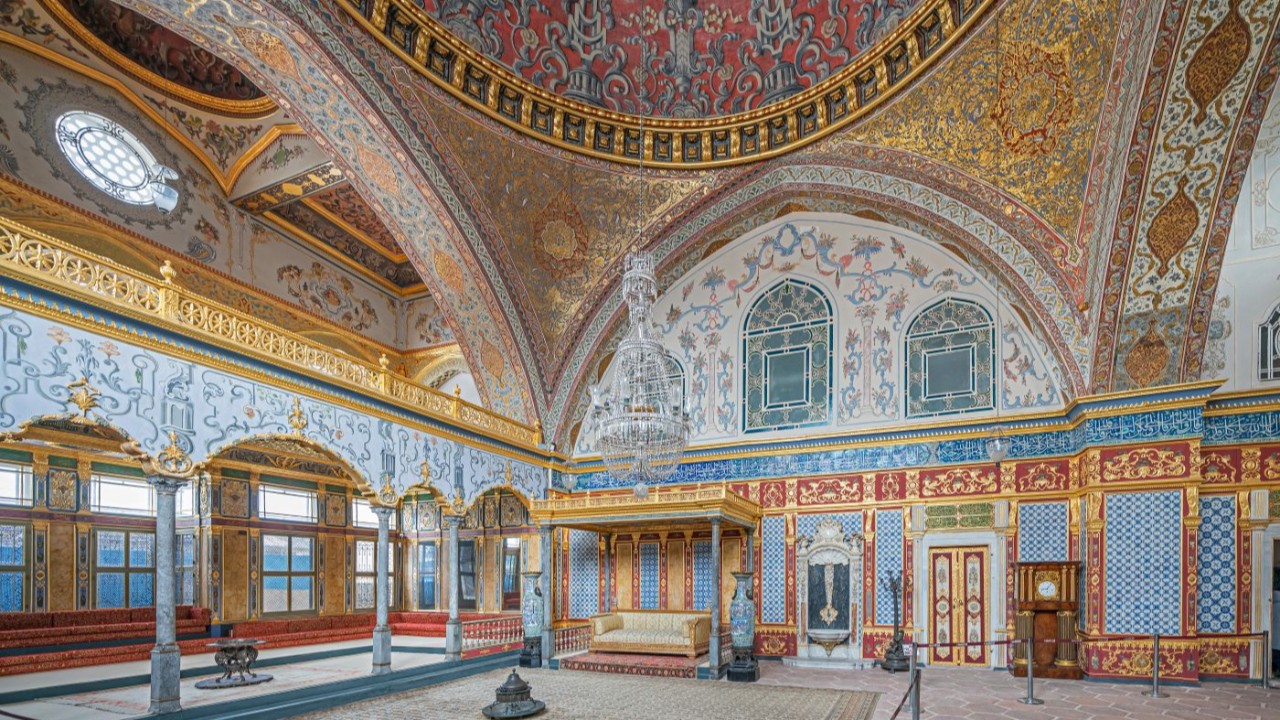
The semahane, the heart of the Mevlevihane complex, showcases the intricate woodwork characteristic of Ottoman religious architecture. Beyond the ground-floor ritual space, the upper levels reflect the aesthetic elegance of the era, offering visitors a rich architectural experience.
The pervasive wooden texture immediately conveys the historical soul of the building. The floor of the semahane hall is designed as a spiritual space where dervishes once performed the whirling Sema ceremony. Calligraphy panels serve as artistic elements that complete the spiritual atmosphere of the room.
The Semahane Building and Woodwork Details
The layout of the semahane follows a traditional design, separating the ritual area from the spectator sections. The wooden surfaces preserve the craftsmanship of various historical periods. The upper-level galleries (mahfil) were traditionally used for observing the ceremony from above; for detailed floor plans, please refer to the museum's official resources.
The intricate woodwork of the semahane is a major draw for those interested in period craftsmanship. As you walk through the hall, you can better appreciate the spiritual balance and the specific arrangement required for the Sema ceremony. This space remains one of the city's most visually elegant historical sites.
Dervish Cells and Calligraphy Collections
The dervish cells are small, private rooms where Mevlevi dervishes lived during their periods of education and seclusion. The museum's exhibits feature daily items used by the dervishes alongside musical instruments such as the ney (flute) and kudüm (drum).
The calligraphy collections highlight the profound importance of the written word in Mevlevi culture. In this tradition, calligraphy developed hand-in-hand with literature. The dervish cells stand as a testament to a lifestyle where spiritual seclusion and artistic training were deeply intertwined.
Visiting the Mausoleum and Cemetery (Hazire)
The mausoleum and the hazire (cemetery) located in the garden house the final resting places of significant figures in the Mevlevi tradition. These monumental tombs, with their exquisite stonework and traditional headgear carvings, act like an open-air sculpture museum. Visitors can closely examine the detailed craftsmanship of the gravestones here.
Walking through the garden, the rising tombstones invite a sense of deep reflection. Many gravestones feature carvings of turbans or caps, symbolizing the social and spiritual rank of the deceased within the order. This area provides the most emotionally resonant part of the cultural tour.
Historic Gravestones in the Hazire
The hazire contains tombstones from various eras, all linked to the Mevlevi tradition. The relief motifs and Ottoman inscriptions serve as evidence of the elegance of calligraphy applied to stone. For researchers and art historians, this area functions as an open-air archive.
The inscriptions on these stones reveal the various historical layers of the site. The spiritual atmosphere of the garden offers a quiet moment of respite from the noise of urban life. Please consult museum staff regarding specific entry rules for the mausoleum and semahane sections.
Courtyard Layout and Open Spaces
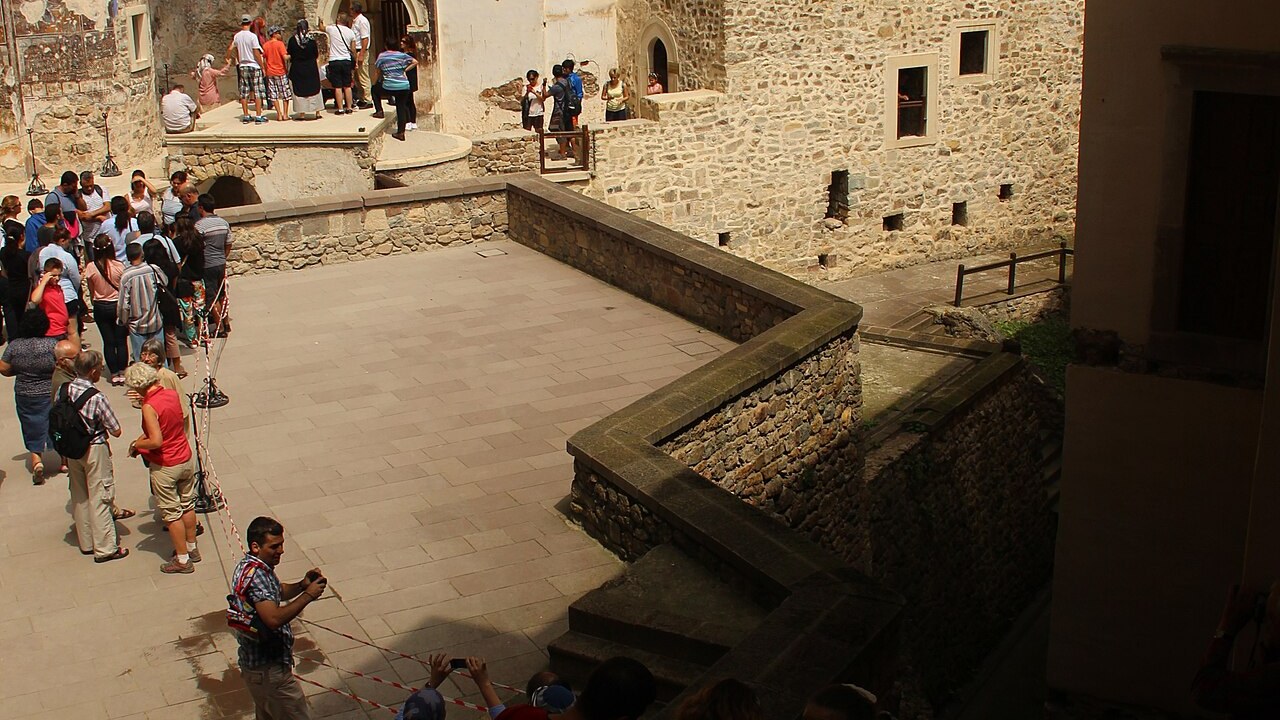
The Mevlevihane courtyard is an open area that connects the semahane, the mausoleum, and the cemetery. Visitors can use the courtyard to plan their route through the different sections. Taking a moment to sit in the courtyard is a great way to slow down your pace during a busy day.
The historic structures surrounding the courtyard offer clues as to how the complex evolved over different periods. Simply strolling through the courtyard without rushing allows you to notice these fine details. The tranquil layout makes it an ideal place to conclude your visit after the more intense museum exhibits.
Cultural Routes in Galata and Istanbul
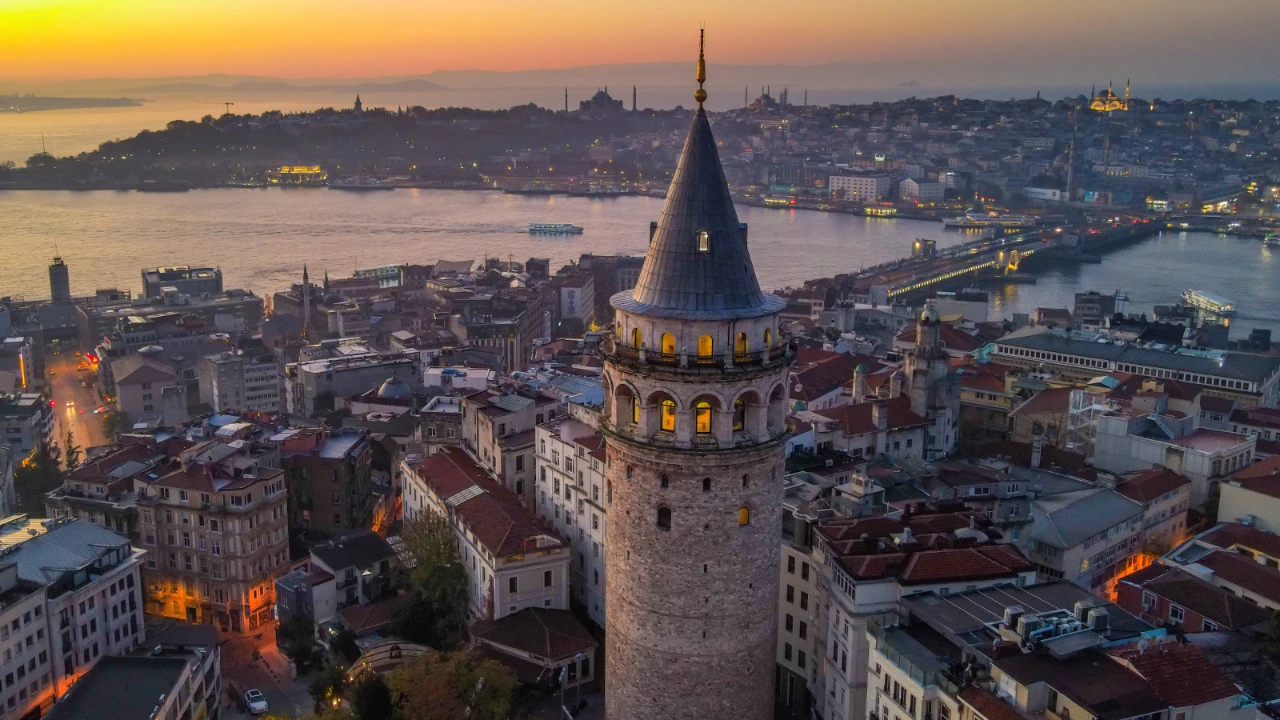
Beyond the Mevlevihane, the Galata district boasts a multicultural heritage woven with the Galata Tower, historic inns (hans), and synagogues. Travelers wishing to explore this dynamic neighborhood step-by-step can plan their trips by reviewing the programs on our guided tour options in Galata page. Comparing program contents and included services makes organizing your day much easier.
Art galleries and historic buildings stretching along the neighborhood's streets offer a visual panorama of Istanbul. Walking routes starting from the base of the Galata Tower extend all the way to the Karaköy waterfront, covering the points where the city meets the sea. Whether you choose a guided or individual tour depends on your personal schedule and interests.
Cultural Walking Tours Around Galata
The hilly, narrow streets of Galata provide a perfect setting for those who prefer to explore the Mevlevihane area on foot. Planning a short walk through these streets after your museum visit helps create a balanced day. The historic stone buildings reflect the neighborhood's architectural past.
Those looking to extend their journey can add other historic landmarks around Galata to their route for a more comprehensive cultural experience. The many cafes along the way make it easy to take short breaks. This route blends the city's modern life with its historical memory in a single walk.
Museum and Cultural Programs in Istanbul
Visitors completing their Galata exploration can expand their experience with various museum and cultural programs across different districts. The table below compares some popular museum and cultural programs in Istanbul regarding duration, services, and conditions.
| Museum & Cultural Program | Duration | Included Services | Operational Conditions |
|---|---|---|---|
| Museum of Turkish and Islamic Arts | 2–3 hours | Entrance Ticket | 24-hour cancellation, book 1 day in advance |
| Panorama 1453 History Museum Ticket | 1–2 hours | Audio Guide | 24-hour cancellation, meet at Panorama 1453 |
| Fener and Balat Guided Walking Tour | 3 hours | Professional Guide (English), Route Walking | 24-hour cancellation, meet at Arap Mosque |
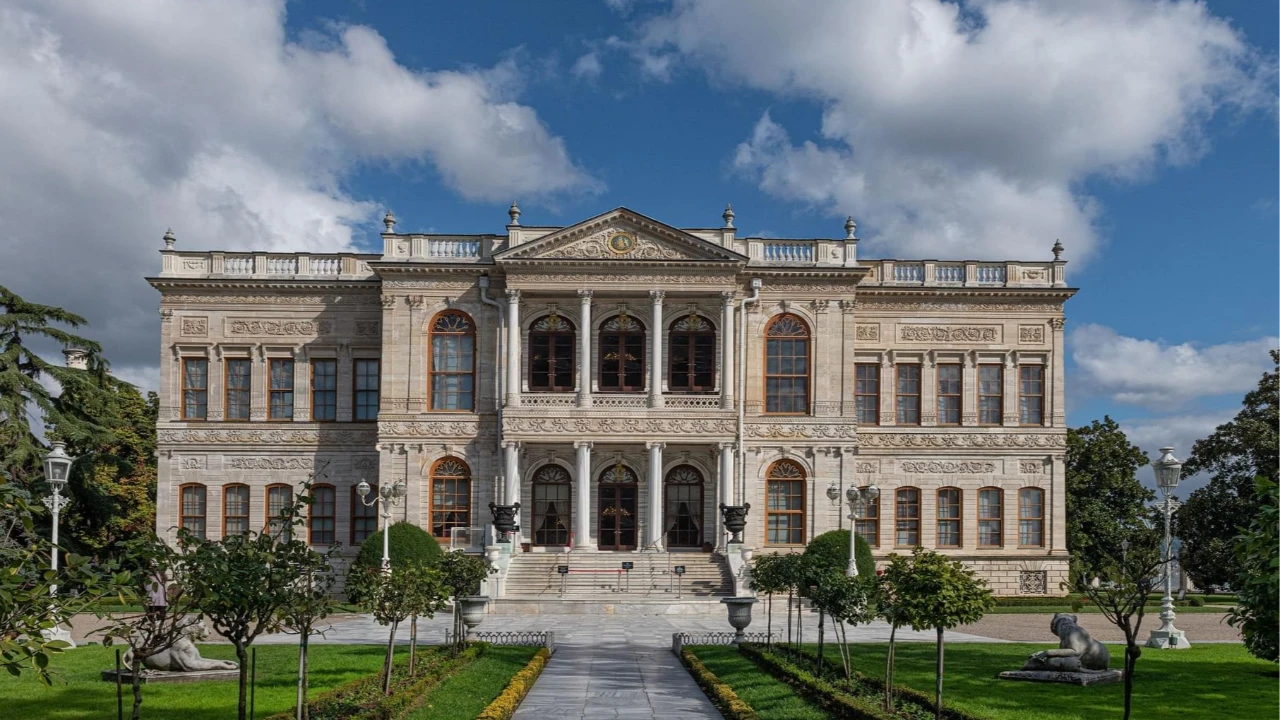
| Dolmabahçe Palace & Bosphorus City Tour | 8 hours | Professional Guide (English), Cable Car Ticket; Hotel Transfer and Lunch (if selected); excludes palace entry and Bosphorus boat ticket | 24-hour cancellation, meet in front of Dolmabahçe Palace |
Day programs offer excellent options for those wanting to visit different neighborhoods in an organized manner. Professional guiding is included in certain programs; the specific scope of each is listed in the "Included Services" column. Visitors can choose the program that best fits their personal schedule.


Practical Tips and Recommendations for Your Visit
To ensure a peaceful visit to the Galata Mevlevihanesi Museum, visitors should respect the site's historical and spiritual identity. Following common area etiquette helps preserve the artifacts and ensures a quiet environment for all guests. These simple rules significantly enhance your visiting experience.
The museum grounds are both a monument and a sacred site. To prevent damage to wooden floors and historical documents, please strictly adhere to the rules set by the administration.
Here are five general tips for your visit to the Mevlevihane complex:
- Be careful on the wooden floors in the semahane and ask staff about specific entry rules.
- Do not use flash photography in the exhibition halls to protect the historic calligraphy and textiles.
- Do not touch the historic gravestones in the cemetery and follow staff directions.
- Maintain silence in the mausoleum and semahane areas to respect other visitors.
- Use the provided bins to keep the courtyard and green spaces clean.
The following list includes practical preparations to make your Mevlevihane visit more efficient:
- Visit during the quiet morning hours to better appreciate the detailed calligraphy in the semahane.
- Wear flat, comfortable shoes for walking through the courtyard and gardens.
- Allocate extra time in your schedule to explore the surrounding streets of Galata.
- Use public rail transport to avoid the heavy traffic in the district.
Route Recommendations to Enrich Your Galata Trip
A visit to the Galata Mevlevihanesi Museum is a serene experience dedicated to Sufi art, music, and literature in the heart of Istanbul. After leaving the complex, you can enrich your day by continuing to explore the historic fabric of the neighborhood. This trip offers a unique blend of the city's spiritual and architectural layers.
Travelers looking to experience Istanbul on a broader scale can consider routes that combine various historical sites through our Istanbul city tour options.
To dive deeper into the stories behind these historic sites, check out the programs on our Istanbul day culture tour options page.
For those wanting to discover the city's centuries-old architectural heritage step-by-step, our Istanbul historic city tour options serve as an excellent alternative.
If you prefer to keep exploring on foot after Galata, you can select a pace-appropriate route from our Istanbul walking tour options.


Frequently Asked Questions 5
Where is the Galata Mevlevihanesi?
The Galata Mevlevihanesi Museum is a historic Mevlevi complex located in the Galata district of Istanbul. It currently operates as a museum. It is recommended to check the official website for the exact address and entrance details before you head out. Visitors can easily combine this visit with other museum and cultural plans in Istanbul.
How do I get to the Galata Mevlevihanesi?
The route to the Galata Mevlevihanesi Museum depends on your starting point in the city and your preferred mode of transport. A practical method is to enter the museum's address from their official site into a map application to compare public transport and walking options. If you plan to walk the final leg, keep in mind that Galata's streets can be quite hilly.
What is the Galata Mevlevihanesi?
The Galata Mevlevihanesi is one of Istanbul's long-standing Mevlevi lodges, established during the Ottoman era, and now serves as a historic museum. The complex includes a semahane, mausoleums, dervish cells, and a cemetery, showcasing the intricacies of Sufi culture. The museum exhibits period calligraphy, as well as musical instruments like the ney and kudüm.
What time does the Galata Tower close?
The Galata Tower is generally open for visitors between 09:00 and 19:00; however, as hours can change seasonally, it is wise to verify the current time on the tower's official website before visiting. Given the crowds around the tower, we recommend planning an early visit alongside your Mevlevihane tour. The square around the tower is a great place to experience the city's vibrant social atmosphere in the evening.
What is a Mevlevihane?
A Mevlevihane is a complex of buildings where dervishes of the Mevlevi Order received training, performed Sema ceremonies, and practiced Sufi music. These centers typically include a semahane, a mosque, dervish cells, and specialized rooms for leaders. For centuries, Mevlevihanes functioned as academies for artists in the fields of literature, calligraphy, and music.