
The Hagia Sophia Mosque in Trabzon is located approximately 3 km west of the city center. Situated just 300 meters from the coastline, this historic monument is a stunning synthesis of Late Byzantine and Seljuk stonework. The sanctuary is open for both worship and tourism. For those planning a visit, guided tour options in Trabzon offer rich and curated itineraries.
Perched on a hill overlooking the Black Sea coast, the mosque stands as one of the most enduring legacies of the Empire of Trebizond. Visitors are often captivated by the historic bell tower in the garden and the intricate stone relief friezes. Thanks to the ease of city transport, it remains a cornerstone of any cultural route through the Black Sea region.
Quick Facts: Hagia Sophia Mosque Trabzon
Before you set off to explore this historic sanctuary, here are the essential details and practical travel tips summarized in the table below.
| Category | Details & Field Data |
|---|---|
| Location | 3 km west of Trabzon city center |
| Distance to Coast | Approx. 300 m from the Black Sea shore |
| Architectural Era | 13th-century Late Byzantine & Seljuk stone art |
| Main Sections | Domed main hall, narthex, and independent bell tower |
| Visiting Status | Historic mosque open for worship and tourism |
| Nearby Attractions | Atatürk Pavilion, Sera Lake, and Gülbahar Hatun Mosque |
The resting areas in the mosque courtyard offer visitors a chance to unwind with a breathtaking sea view. The detailed stone carvings on the exterior facade are a testament to the craftsmanship of the era. The site is easily accessible via public transport departing from the city center.
For travelers looking to dive deeper into the region's heritage, cultural tour options in Trabzon provide comprehensive itineraries led by professional guides. These tours enrich the experience by weaving local narratives into the historic fabric of the mosque and its surroundings.
Historical Evolution and Architectural Splendor
The Hagia Sophia Mosque in Trabzon was originally built as a monastery church in the 1200s during the reign of the Komnenos Dynasty. The architecture is a fascinating blend of the Byzantine church plan and Anatolian Seljuk stonework. The geometric ornaments found in the exterior reliefs clearly reflect the cultural exchange of the period.
Exterior Stone Reliefs and the Adam & Eve Frieze
On the southern facade, a stone frieze depicts the creation of man and the expulsion of Adam and Eve from Paradise. These figures showcase the sophistication of the era's sculptural art. Additionally, the arches on the facade feature stone-carved details reminiscent of Seljuk muqarnas art.
The eagle figure above the entrance gate is a significant emblem symbolizing the power of the Komnenos Dynasty. These carvings transform the building from a simple place of worship into an open-air stone museum, making it a favorite spot for photographers.
Dome Architecture, Frescoes, and Floor Mosaics
Upon entering, the four marble columns supporting the central dome immediately catch the eye. The dome's ceiling features frescoes depicting scenes from the Bible and angelic figures. To preserve these delicate artworks, special screening and protection systems have been implemented within the prayer area.
The floor is adorned with multicolored marble mosaics crafted using the opus sectile technique. These floors bring the elegance of Eastern Roman palace art into the modern day, with meticulously placed marble pieces adding a sense of movement to the ground.
The Independent Bell Tower and Observation Point
In the western garden, separate from the main building, stands a square-plan bell tower dating back to the 1400s. Historically, this tower served as both a clock tower and a lighthouse. Traces of frescoes on the upper floor further emphasize the structure's historical importance.
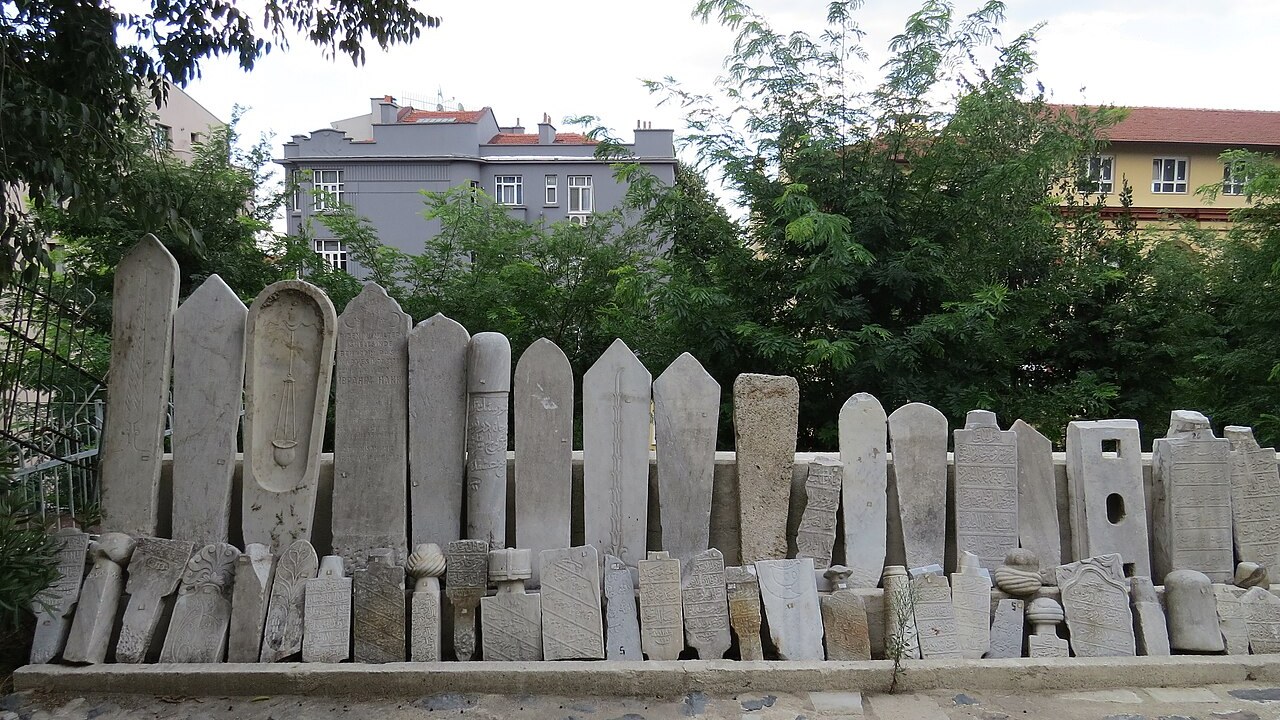
The spacious garden surrounding the tower is the perfect place to feel the cool breezes of the Black Sea. The grounds also display tombstones of local stonemasons and various archaeological finds. Sitting under the shade of the trees while admiring the silhouette of the mosque is a truly relaxing experience.
Best Times to Visit Hagia Sophia Trabzon
Given the humid and rainy nature of the Black Sea climate, timing your visit correctly will significantly enhance your experience.
| Season | Weather & Climate | Crowd Levels | Travel Advantages |
|---|---|---|---|
| Spring (April - May) | Mild weather, light rain | Moderate | Gardens in bloom, ideal for photography |
| Summer (June - August) | Hot and humid | Peak season | Longer days, easy to combine with highland tours |
| Autumn (Sept - Oct) | Cool air, clear skies | Quiet and serene | Fewer crowds, better for studying frescoes |
| Winter (Nov - March) | Cold, windy, and rainy | Lowest | Peaceful atmosphere, quiet photography |
In autumn, as the coastal air softens, the historic sites take on a more tranquil mood, allowing visitors to examine the interior decorations in detail without the crowds. In the summer, visiting in the early morning hours is recommended to beat the heat and the rush.
For vacationers traveling to the region, day-trip cultural plans around Trabzon offer flexible route options tailored to the weather. Being prepared for the unpredictable Black Sea weather is always a wise move.
Local Transport and Trabzon Hagia Sophia Tours
Getting to the Hagia Sophia Mosque is quite simple via public transport departing from Meydan Park in the city center. Dolmuşes (shared taxis) and municipal buses heading west along the coastal road drop passengers off right in front of the mosque. For those arriving by private car, parking areas are available around the site.
Visitors seeking a comprehensive city experience can opt for 6-hour package programs that include the Atatürk Pavilion, Hagia Sophia Mosque, and Sera Lake Nature Park. These programs typically include professional guiding and round-trip transfers, removing the stress of city traffic and parking.
For those who prefer exploring on foot, walking plans around Trabzon and bazaar routes offer practical alternatives. Starting from Meydan Park, these routes allow you to discover historic neighborhoods step by step.
To fully appreciate the region's rich cultural past, historic city tours of Trabzon can be expanded to include the Trabzon Fortress and Gülbahar Hatun Mosque. These tours provide in-depth narratives about the city's defensive structures and Ottoman-era monuments.
For those looking for an efficient way to see the sights, city tour plans around Trabzon departing from the center ensure that you make the most of your time, visiting all the iconic landmarks in a single day without worrying about logistics.
Local Gastronomy and Cultural Stops
After visiting the Hagia Sophia Mosque, completing your journey by exploring Trabzon's deep-rooted culinary culture and traditional handicrafts is a must. Among the restaurants along the coast, the famous Akçaabat Köftesi (meatballs) is a top local delicacy, traditionally served with piyaz (bean salad) and ayran.
For pastry lovers, the buttery Sürmene Pidesi is an essential gastronomic stop. While Tonya Butter stands out as a product of the highland culture, Hamsiköy Sütlaç (rice pudding) is the preferred dessert for almost every visitor. These local flavors provide a delicious break to your historical exploration.
In terms of traditional crafts, the silverwork of Trabzon Kazaziyesi around the Bedesten Bazaar is particularly striking. These delicate silver jewelry pieces, produced using millennia-old techniques, are vital cultural treasures. Additionally, the Çarşıbaşı Keşanı, woven by the women of the Black Sea, is a living example of local textile art.
While wandering through the historic bazaars, you can observe the traditional work of local coppersmiths and woodcarvers. Chatting with the local shopkeepers allows you to feel the warm and sincere trading culture of Trabzon. Picking up some local products is the perfect way to keep the memories of your trip alive.
Practical Tips for Your Visit
To ensure a respectful and productive visit to the historic mosque, please keep the following guidelines in mind:
- Follow the Dress Code: As the building is an active mosque, please wear modest clothing that covers shoulders and knees. Shoes must be removed at the entrance.
- Check Prayer Times: The interior can be crowded during Friday prayers and daily prayer times; plan your tourist visit between these intervals.
- Photography Etiquette: Avoid taking direct photos of people praying and refrain from using flash inside to protect the ancient frescoes.
- Hire a Guide: To truly understand the symbolism within the stone reliefs, we highly recommend listening to the explanations of a professional guide.
- Enjoy the Garden Cafe: Take a moment to sit in the mosque garden cafe and enjoy a traditional samovar tea while gazing at the sea.
A 5-Step Half-Day Itinerary from Trabzon Center
For travelers staying in the city center, here is an efficient half-day plan for visiting Hagia Sophia:
- Start at Trabzon Meydan Park: Take a Fatih Mahallesi dolmuş from the center and head west along the coast.
- Enter the Hagia Sophia Gardens: After a short ride, hop off at the mosque stop and enter through the lush garden gates.
- Explore the Exterior Reliefs: Photograph the stone friezes on the southern facade and the dynasty eagle in the morning light.
- Admire the Interior Dome and Mosaics: Step inside the mosque to quietly observe the dome frescoes and the marble floor mosaics.
- Sea-View Break & Local Taste: End your visit by relaxing in the shade of the historic bell tower and heading to a coastal restaurant for a taste of Akçaabat Köftesi.
Final Thoughts on Hagia Sophia Mosque Trabzon
The Hagia Sophia Mosque is a monumental legacy that summarizes the deep history of the city. The harmonious union of Seljuk stonework and Eastern Roman architecture offers a unique aesthetic on the shores of the Black Sea. With its rich historical texture and peaceful seaside garden, it is an essential stop for every traveler visiting Trabzon.
Frequently Asked Questions 5
Where is the Hagia Sophia Mosque in Trabzon?
The Hagia Sophia Mosque is located within the boundaries of the Fatih neighborhood, approximately 3 km west of Trabzon city center. Situated on a hill about 300 m from the Black Sea coast, it is easily accessible from the city center via dolmuşes and buses along the coastal road.
Which bus goes to the Hagia Sophia Mosque in Trabzon?
Municipal buses and dolmuş lines departing from around Trabzon Meydan Park that follow the Fatih Mahallesi, Beşirli, and Ayasofya routes go directly to the mosque. Depending on traffic, the journey along the coastal road is quite short.
Why was the Hagia Sophia Mosque in Trabzon built?
The structure was built in the 13th century as a monastery church by the Komnenos Dynasty during the era of the Empire of Trebizond. After the conquest by Mehmed the Conqueror, it was converted into a mosque. After serving as a museum for many years, it has now returned to its status as a mosque, open for both worship and cultural visits.
When did the Hagia Sophia Mosque in Trabzon become a museum?
Following restoration work carried out by the General Directorate of Foundations, the sanctuary was opened as a museum in 1964. After hosting local and foreign visitors as a museum for decades, a decision was made in 2013 to reopen it for worship, serving as both a mosque and a place of visitation.
How many days should I allocate for a Trabzon tour?
To fully explore the historical sites of Trabzon and its surroundings, a trip of at least 3 to 4 days is recommended. This allows enough time to comfortably visit the Hagia Sophia Mosque, Atatürk Pavilion, Sümela Monastery, and Uzungöl, while also sampling the local cuisine.