Leaving behind the exhaustion of the mind and body to embrace the restorative power of mineral-rich waters has been one of humanity's oldest pursuits. By blending modern medicine with traditional hydrotherapy, health tourism tours offer travelers curated programs focused on vitality and healing. From natural hot springs and thalassotherapy pools to physician-supervised cures, these experiences are designed to significantly enhance your overall quality of life.
Unlike a standard vacation, health-oriented travel requires medical discipline and professional expertise. The success of your journey depends on the facility's licensing, the mineral analysis of the waters used, and the personalized treatment protocols developed for you. In this comprehensive guide, we explore everything from selecting authorized centers to understanding treatment standards and essential safety rules for thermal and medical travel.
Health Tourism Essentials: Facility Overview
Guests planning a healing journey should be well-versed in the infrastructure and service standards of their chosen facility. Certification, medical staff qualifications, and treatment durations are the cornerstones of a safe health journey.
| Parameter | Operational Standard & Guideline Value |
|---|---|
| Recommended Cure Duration | Ideally 7 to 14 days for therapeutic effect |
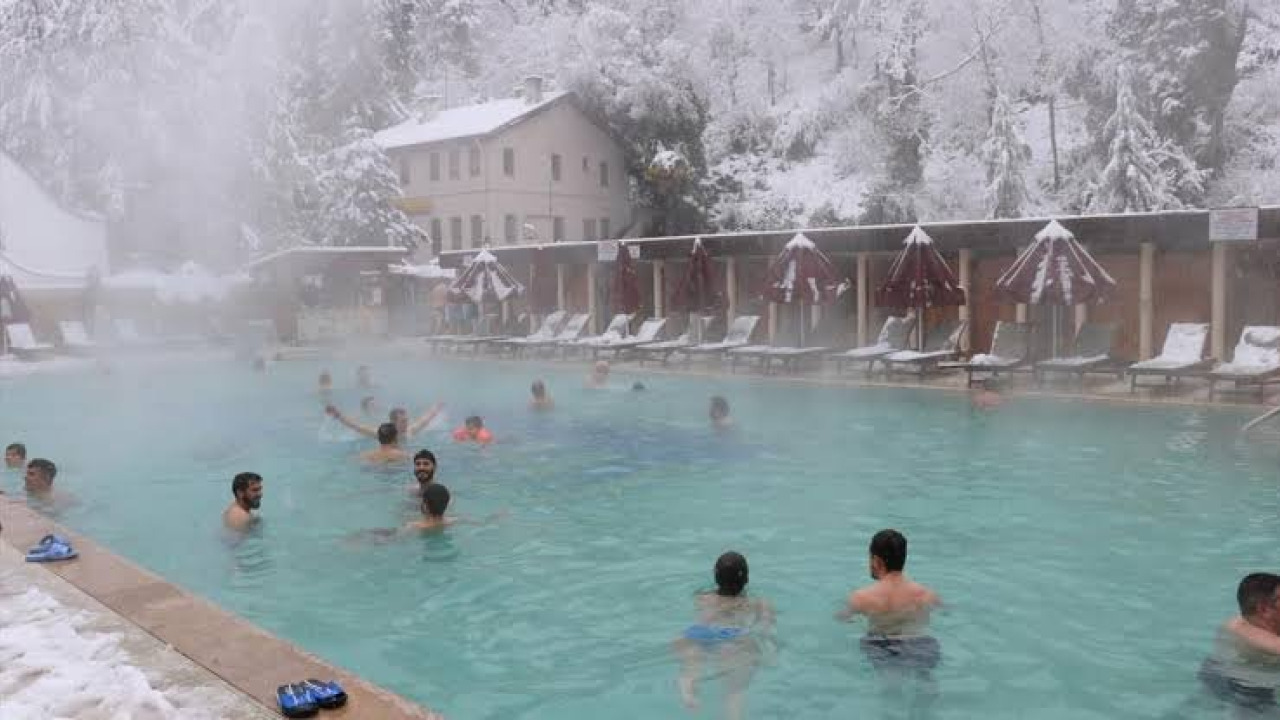
| Thermal Pool Temperature | 36 to 38 degrees Celsius per medical standards |
| Mandatory Medical Exam | Specialist physician check-up prior to starting the program |
| Facility License | T.R. Ministry of Health International Health Tourism Permit |
| Daily Session Limit | Maximum of two sessions per day for cardiovascular health |
| Therapy Types | Balneotherapy, thalassotherapy, peloid, and medical massage |
| Ideal Visit Period | Spring, autumn, or the quiet winter season |
For those traveling for treatment and relaxation, understanding the role of health tourism and its various types provides a necessary framework. Furthermore, economic indicators, such as health tourism incentives for 2026 and national earnings in this sector, often reflect the continuous improvement in service quality.
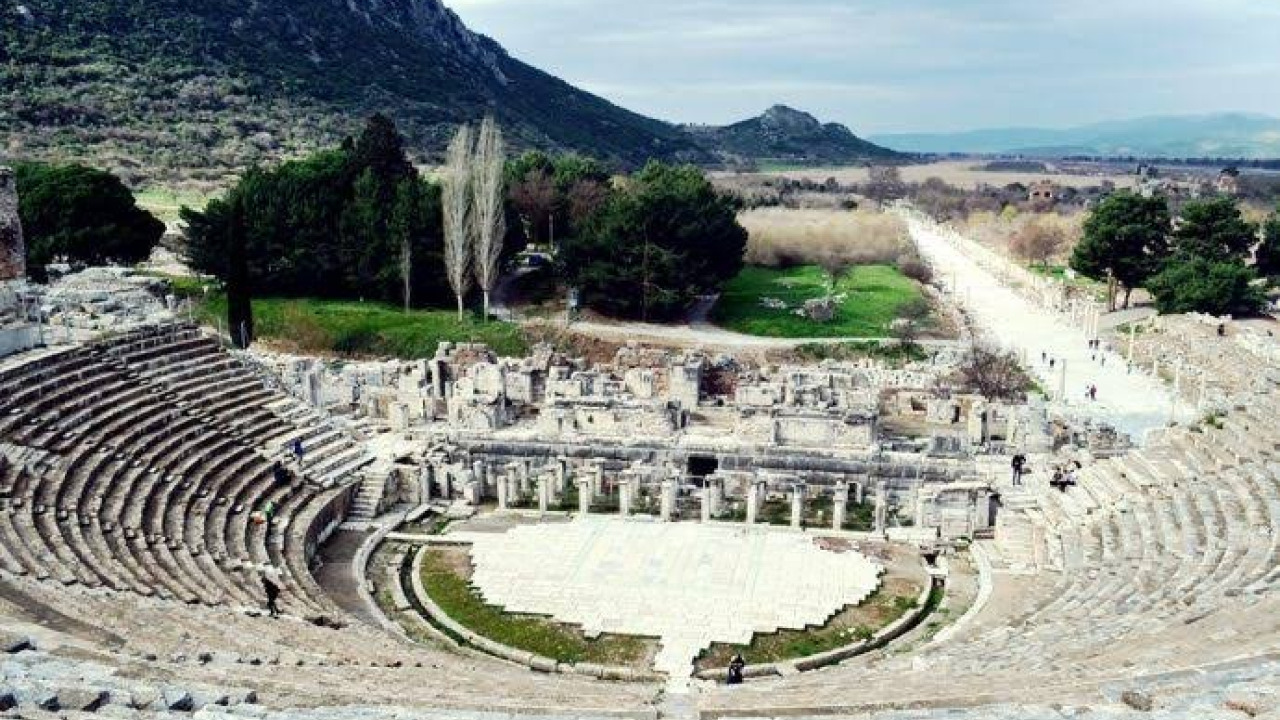
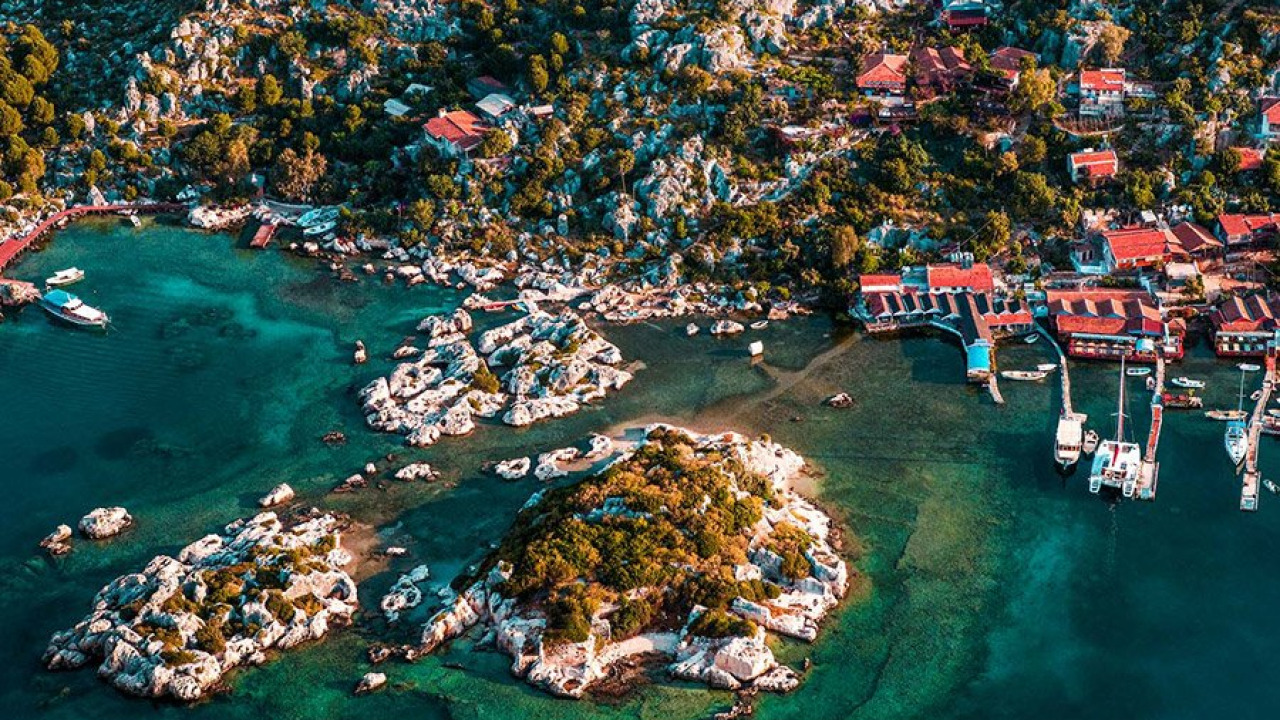
Turkey's southern coasts and thermal basins offer a wealth of alternatives. For instance, Antalya medical and thermal health tourism centers stand out with their internationally accredited hospitals and hotels. Along the coast, thalassotherapy and renewal programs in Side harness the healing power of seawater.
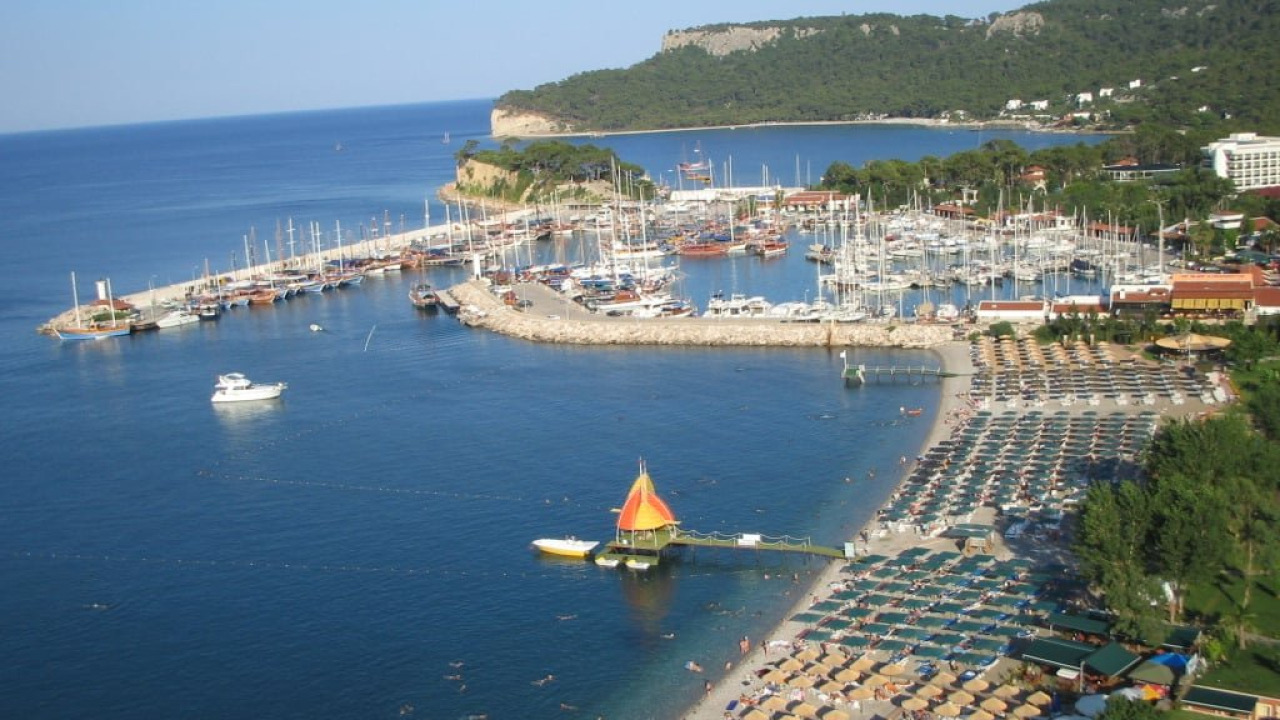
Nestled in the foothills of the Taurus Mountains, medical detox and spa therapies in Kemer provide an oxygen-rich environment amidst pine forests. For those seeking luxury, Belek luxury thermal and wellness health tourism facilities develop highly personalized healthy living programs.
The source waters used by different facilities are rich in diverse minerals. Sulfurous, saline, and bicarbonate waters each play a supportive role in treating different ailments.
Authorization and Accreditation Criteria for Health Facilities
Centers chosen for health purposes must be vetted for compliance with legal regulations. Ensuring a facility meets international standards is the only way to guarantee the quality of the service provided.
National Health Tourism Authorization Standards
It is a legal requirement for all clinics and hotels operating in health tourism within Turkey to hold an authorization certificate approved by the Ministry of Health. This document confirms that the center employs multilingual health personnel, maintains a patient rights unit, and possesses the necessary infrastructure for emergency interventions.
Treatments offered at unauthorized centers can lead to irreversible health complications. Therefore, the facility's license number should always be verified before booking.
International Accreditation and Hygiene Assurance
Globally recognized accreditations such as JCI or TEMOS indicate that a health organization operates according to global quality standards. These standards cover sterilization, infection control, and patient safety.
Water hygiene in pools and bathing areas must be verified through regular laboratory tests. The following table summarizes the primary differences between health tourism categories.
| Health Tourism Branch | Primary Methods Applied | Facility Type | Target Visitor Profile |
|---|---|---|---|
| Medical Tourism | Surgical operations, dental, and ophthalmology | Fully equipped accredited hospitals | International patients seeking specific treatment |
| Thermal Balneology | Hot mineral pools, mud baths | Thermal spas and medical cure hotels | Patients with rheumatism and joint issues |
| Thalassotherapy | Heated seawater, seaweed wraps | Coastal wellness resorts | Those suffering from circulation issues or stress |
| Geriatrics & Care | Physical therapy and rehabilitation | Long-term health care centers | Elderly patients with chronic conditions |
The appropriate category should be determined following an evaluation by a specialist physician to ensure you are directed to the right facility.
The 5-Step Safety and Treatment Protocol for Healing Waters
The effect of thermal waters on the body is potent and must be managed with discipline. This five-step protocol used in field operations prevents "bath crises" and the risk of fainting.
-
Doctor Consultation and Medical History Review: Upon arrival, the facility physician checks blood pressure, pulse, and EKG. Thermal use is restricted for those with heart failure, uncontrolled hypertension, or active infections.
-
Warm Shower and Acclimatization Phase: Before entering hot water, the body should be prepared with a warm shower; jumping directly into the pool is discouraged. Gradual entry helps balance the increase in heart rate.
-
Session Duration and Stillness Rule: Time spent in the pool should not exceed twenty minutes. Since swimming or exerting effort in thermal water can strain the heart, guests should sit calmly to allow mineral absorption.
-
Post-Pool Rest and Hydration: After exiting, the body should be dried and wrapped in a warm robe, followed by at least thirty minutes of lying on a rest bed. Plenty of water or mineral water should be consumed to replace fluids and minerals lost through sweating.
-
Cure Continuity and Reaction Monitoring: A "bath crisis", characterized by fatigue and joint pain, may occur on the third or fourth day of the cure. This must be reported to the physician so session intervals can be readjusted.
Essential Documents and Gear for Your Health Tourism Kit
Bringing the right documents and clothing ensures your treatment process proceeds without interruption. Complete medical records facilitate an accurate diagnosis.
- Past Medical Reports and Tests: Blood tests from the last six months, epicrisis reports, and X-rays related to your condition should be on hand.
- Regular Medications and Prescriptions: A sufficient supply of medications for chronic conditions, in their original packaging, must be in your bag.
- Non-Slip Footwear: Special rubber-soled slippers should be worn around pools and baths to prevent slips and falls.
- Cotton Robes and Comfortable Clothing: Choose natural fabrics that absorb sweat and thick cotton towels to prevent chills after sessions.
Preparing these items in advance prevents unnecessary time loss at the cure center.
Physician Oversight and Personalized Cure Plans
Every individual's metabolism and mineral requirements are unique. Rather than standard package programs, personalized protocols based on age, weight, and specific complaints should be implemented. During medical consultations, blood values and joint imaging are analyzed in detail.
The cure physician schedules the temperature and duration of baths, as well as complementary mud or massage sessions, on a daily calendar. Strict adherence to this program maximizes the efficiency of the treatment. Resting sufficiently between sessions and maintaining mineral balance is vital.
Insurance Coverage and Legal Rights
When receiving services under health tourism, the scope of your travel health insurance should be carefully reviewed. Policies that cover potential complications and transfer processes are preferable. Legal guarantees provided by authorized agencies ensure a seamless trip.
Additionally, informed consent forms signed at the facility should be read carefully. Knowing your rights is the foundation of a peaceful treatment process. Contact channels for emergency situations should be clarified in advance.
Climate and Environmental Factors in Thermal and Medical Treatments
The success of a thermal cure is not limited to water quality. The altitude, air purity, and humidity of the region directly support the recovery process.
The Impact of High Altitude and Oxygen Density on Healing
Thermal facilities located in mountainous and forested regions accelerate lung capacity and tissue regeneration thanks to high oxygen concentrations.
Light forest walks between cures increase joint mobility and regulate blood circulation, while immersion in nature provides profound psychological relief.
Coastal Climates and Saltwater Cures
Thalassotherapy cures offered in coastal regions clear the respiratory tract via iodine and aerosol particles found in the sea air.
Saltwater baths combined with sunlight contribute to the regression of skin conditions such as psoriasis and eczema, revitalizing the entire body.
Common Mistakes in Health Vacations and Field Solutions
Incorrect practices during thermal and health trips can lead to new health issues instead of the expected benefits. Field experience highlights how to avoid these pitfalls.
The Fallacy of "More is Better" in Thermal Pools
The most common mistake visitors make is believing that spending more time in hot water leads to faster healing. Using thermal baths more than twice a day or for longer than half an hour puts excessive strain on the heart.
The field solution is simple: stick strictly to the session count and duration recommended by the physician. Excess leads to fatigue and hypotension, not healing.
The Risk of Entering Thermal Water While Full or Fasting
Entering hot water immediately after a heavy meal diverts blood from the digestive system to the skin, which can cause stomach cramps and dizziness.
Thermal sessions should take place at least one and a half hours after main meals or after a light snack. Entering a thermal pool after consuming alcohol is strictly prohibited.
Frequently Asked Questions 5
What conditions do thermal spa waters help treat?
Mineral-rich thermal waters provide supportive treatment for calcification, herniated discs (neck and waist), rheumatic joint pain, and certain skin diseases.
Can patients with heart conditions or hypertension use thermal pools?
Patients with advanced heart failure or uncontrolled hypertension should not enter hot thermal pools without explicit approval from their physician.
What is the best season for health tourism?
Spring and autumn are the most suitable periods, as the balanced weather makes it easier for the body to adapt to hot water.
How can I tell if a health tourism facility is authorized?
You can verify this by checking for the official International Health Tourism Authorization Certificate and license number issued by the T.R. Ministry of Health.
Should I wash with soap after a thermal cure bath?
To allow the minerals to continue being absorbed by the skin, it is recommended to rinse only with lukewarm water, avoiding soap or shampoo immediately after the bath.