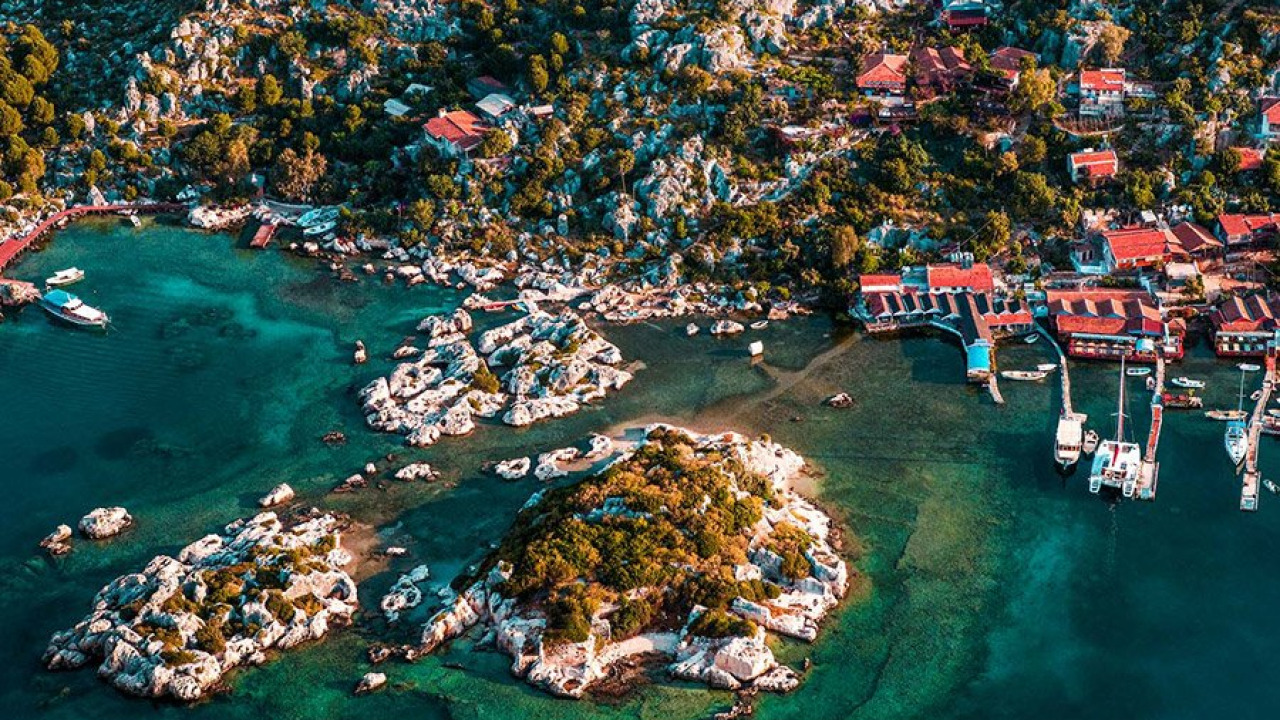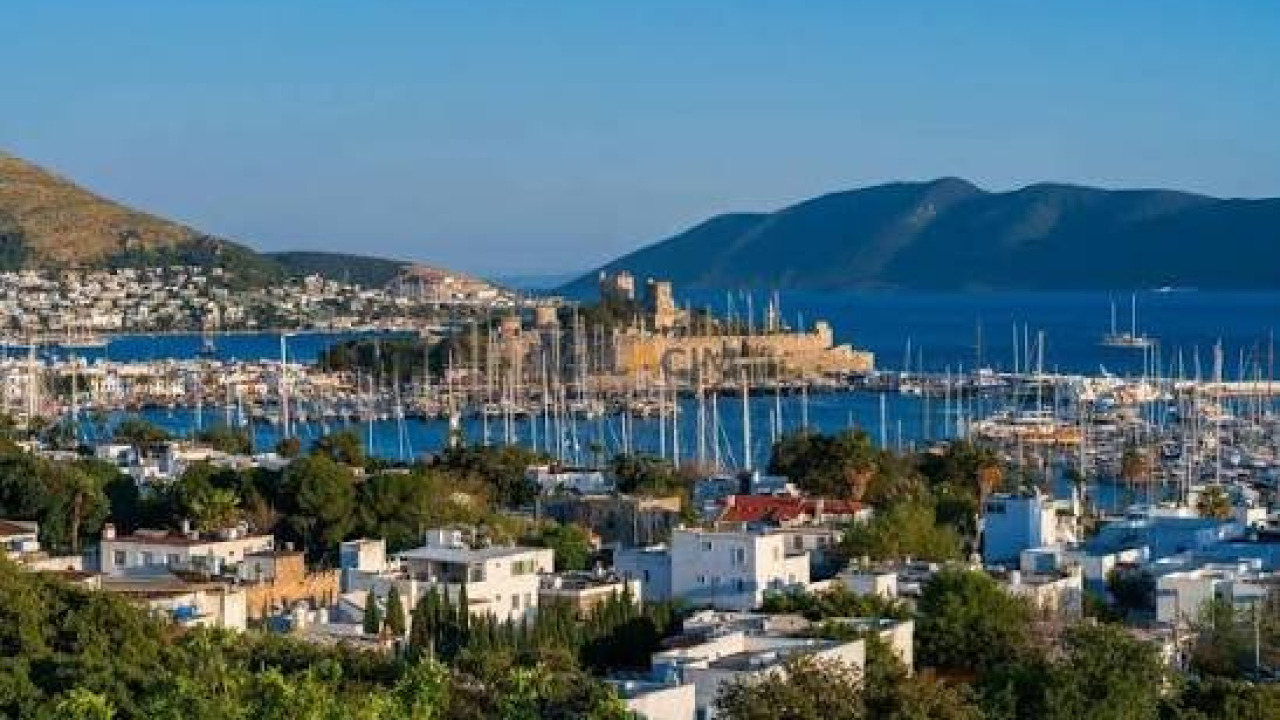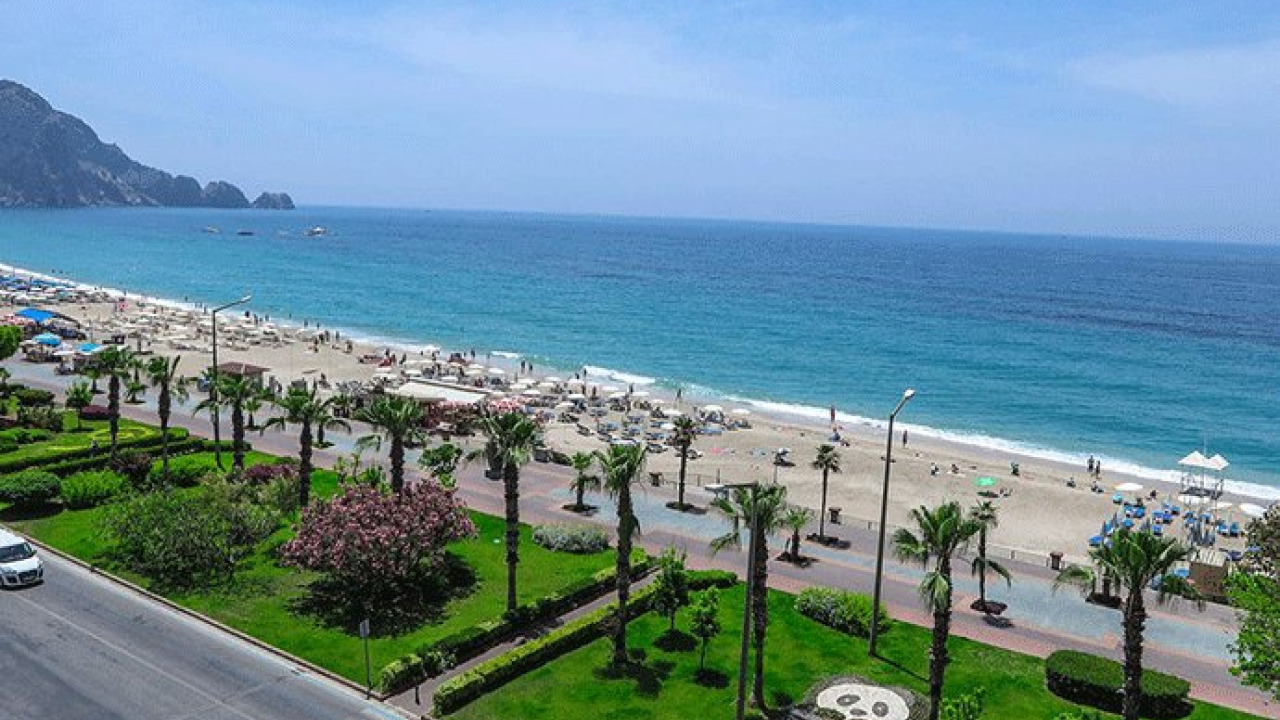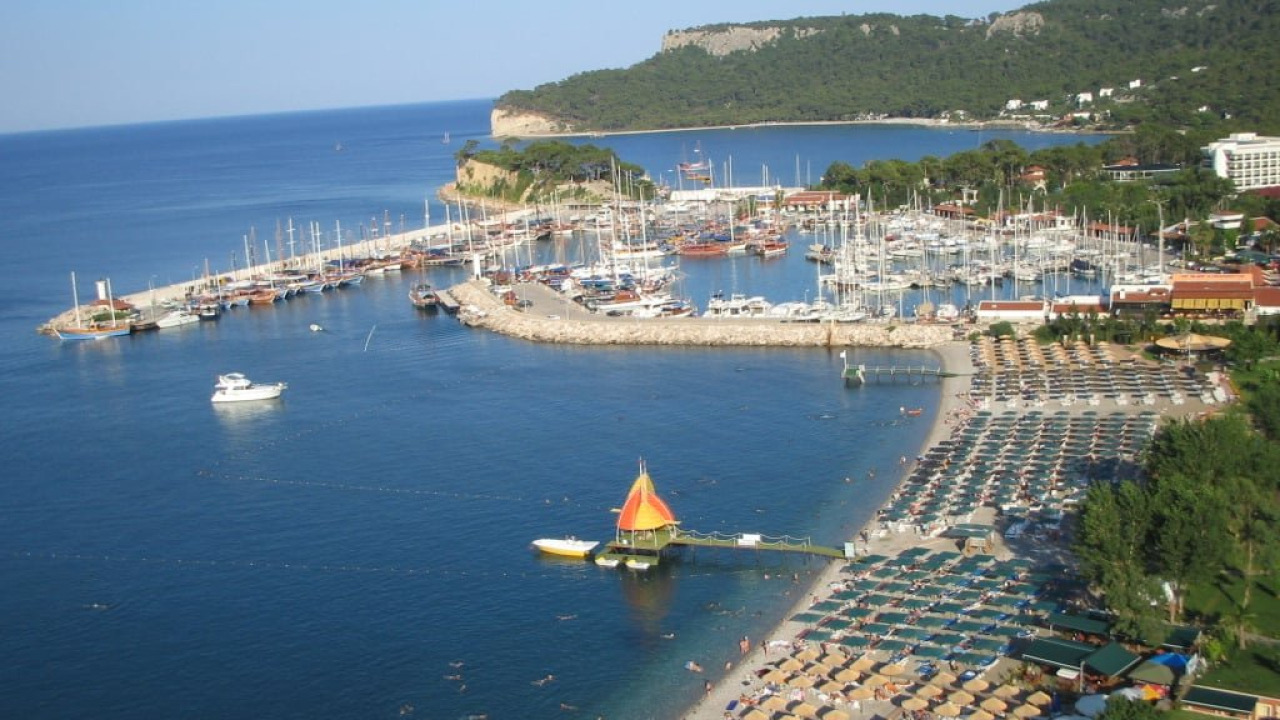

When a local describes Kemer, they don't start with a list of beaches. They start with the geography. The Beydağları mountains plunge directly into the sea, creating a narrow, dramatic strip of land where the town is built. This unique layout dictates every decision you make during your stay.
Because of this landscape, you can enjoy a refreshing swim in a shaded cove in the morning and find yourself trekking at 2,000 meters by the afternoon. Kemer sits within the Beydağları Sahil Milli Parkı, a protected coastal national park that stretches from the Sarısu region in Antalya all the way to Gelidonya Burnu.
This guide isn't just a list; it's a decision-making tool. We break down which months suit which traveler profiles, which neighborhoods offer the best convenience, and how many days you actually need to make the trip worthwhile. Our golden rule for planning: choose your season first, then your region, and finally your daily itinerary. If you reverse this, for example, planning a canyon hike at noon in July, you'll find yourself struggling with the heat rather than enjoying the view.
The Local Quick Summary: For Kemer, 3–4 days is the sweet spot. In this land where mountains meet the Mediterranean, the essential loop includes trekking in Göynük Kanyonu, swimming in the bays of Phaselis, and ascending the Tahtalı summit. Thanks to the lush pine forests, you can often find a cool breeze even during the July heat.
Quick Facts
| Topic | Local Insider Note |
|---|---|
| Location | West coast of Antalya, nestled between Beydağları and the Mediterranean |
| Distance from Antalya | Approx. 45 km by road; 45–55 minutes by private car |
| Geography | Within Beydağları Sahil Milli Parkı; extends from Sarısu to Gelidonya Burnu |
| Elevation Range | From sea level to the 2,365m summit of Tahtalı Dağı in just half a day |
| Climate | Mediterranean: hot and dry summers, mild and rainy winters |
| Peak Season | July is the peak for both temperature and visitor crowds |
| Shoulder Seasons | April–May and September–October are significantly more relaxed |
| Ancient Heritage | Phaselis, with its three natural harbors, is within district limits |
| Hiking Backbone | The Lycian Way passes through the Göynük Kanyonu section |
| Recommended Stay | 3 days for beach lovers; 4–5 days for a mixed adventure program |
This table summarizes the character of the district, but your choice depends on who you are and when you arrive. If you want to see the full range of experiences available, check out our Kemer tours page; this guide is the step you take before making that booking.
Kemer: What to Expect Based on Your Profile
Locally speaking, Kemer isn't a "one size fits all" destination. The same town offers a completely different experience to a family in mid-June than it does to a couple in early October. Use the table below to match your travel style with the perfect season.
| Traveler Profile | Best Time to Visit | Local Recommendation | Times to Avoid |
|---|---|---|---|
| Families with young kids | Late May, early June, September | Stay near the center; keep daily plans short | July–August midday heat |
| Couples | April–May, September–October | Phaselis bays and sunset at Tahtalı summit | August weekends |
| Budget travelers | April, October, November | Stay in the center; use coastal public transport | July–August peak |
| Nature & Hiking enthusiasts | March–May, October–November | Göynük Kanyonu and Lycian Way sections | July midday heat |
| Groups of friends | June, September | Marina and bazaar areas, boat trips | Off-season (closed venues) |
| Winter escapists | December–February | Ancient cities, canyon walks, mountain roads | Expecting beach weather |
Note for Families
For families, the real challenge in Kemer isn't just the heat, it's the distance. Because the town stretches along a long coastline, the gap between your hotel and the town center can make daily logistics exhausting. Our local advice: if traveling with small children, prioritize a location within walking distance of the center over a remote, luxury resort on the far outskirts. Also, in July and August, split your day: explore in the morning, retreat to the hotel during the midday heat, and head out again in the late afternoon.
Note for Couples
For couples, the deciding factor is the crowd density. In the April–May and September–October windows, the sea is warm and the bays are peaceful. Visitor reviews consistently rank Phaselis Koyu and Tahtalı Dağı highly (around 4.6/5). Instead of rushing both into one day, spread them out to enjoy the atmosphere.
Note for Budget Travelers
Prices follow the season closely. July and August are the expensive peaks, while April and October offer the best balance of weather and cost. In November, many coastal businesses begin to close; while accommodation becomes cheaper, your options will shrink. If visiting then, embrace the local life in the town center rather than relying on large resort facilities.
Note for Nature & Adventure Seekers
For this group, Kemer's true season is spring and autumn, not summer. Göynük Kanyonu and the Lycian Way sections become punishingly hot in July. The mountain trek from the summit of Tahtalı to Beycik village takes about 4 hours, while the route toward Çukuryayla takes about 6; these should always be planned to finish before the midday sun hits.
When to Go: A Month-by-Month Local Breakdown
Kemer follows a classic Mediterranean climate: hot, dry summers and mild, rainy winters. July is the hottest month and also the busiest. For a more balanced experience regarding both weather and crowds, look toward the April–May or September–October windows.
| Period | Weather & Crowd Vibe | Local Recommendation |
|---|---|---|
| Jan–Feb | Mild and rainy; many coastal businesses are closed | Ancient cities and short canyon walks; don't plan for swimming |
| March | Transition month; green peaks, sea is still chilly | Great for Lycian Way hiking and photography |
| April | Season begins; days warm up, crowds are low | Combine hiking with your first dip in the sea |
| May | Sea is swimmable, days are longer, crowds are moderate | The most balanced month for families and couples |
| June | Temperatures rising, occupancy increases with school holidays | Morning excursions, afternoon beach time |
| July | The hottest and busiest month of the year | Schedule canyon and mountain trips for early morning |
| August | High crowds; evening cool-down arrives late | Book early; keep midday activities close to your hotel |
| September | Sea is warm, crowds are noticeably thinning | The ideal month for a mixed adventure program |
| October | Calm and mild; the sea is still very pleasant | Focus on hiking and ancient city tours |
| Nov–Dec | Rainfall increases, coastal activity slows down | Perfect for a quick getaway, mountain roads, and local life |
Keep in mind the mountain logistics: the cable car to Tahtalı Dağı operates year-round, but operating hours are significantly shorter in winter than in summer. Between November and April, daylight is limited, so plan your summit trip for the first half of the day and double-check the latest schedule before heading out.
Where to Stay in Kemer
Kemer isn't one single settlement; it is a collection of neighborhoods spread along the coast. Locally, saying "I went to Kemer" means something very different depending on which neighborhood you chose.
| Area | Character | Best For |
|---|---|---|
| Kemer Center | Close to the bazaar, Cumhuriyet Meydanı, Olbia Parkı, and the marina | Travelers without cars, first-timers, those seeking evening life |
| Beldibi | The northern end, closest to Antalya; famous for its caves | Those combining Antalya and Kemer in one trip |
| Göynük | The gateway to the canyon; approx. 13km from the center | Nature lovers and hikers |
| Çamyuva & Kiriş | Near the center but offers a quieter coastal stretch | Families seeking peace or long-term stays |
| Tekirova | The southern end, adjacent to Phaselis | Those wanting a mix of ancient ruins and beautiful bays |
| Ulupınar & Beycik | Higher elevation, mountain foothills, cool summer nights | Those seeking mountain freshness and hiking routes |
When choosing a base, use this local logic: if you want nightlife and shopping, stay near the center; if you want rest, move away from the center; if you want hiking, head toward the canyons and mountains. To make your logistics seamless, you can check hotel transfer services in Kemer here to solve your transport needs in advance.
Local Thematic Highlights
In Kemer, four distinct themes coexist without overlapping. The secret to a stress-free trip is to dedicate specific days to these themes rather than trying to cram them all into one.
History & Ancient Heritage
-
Phaselis Örenyeri: An ancient port city featuring three natural harbors: the North, War, and South ports. The main street, roughly 20–24 meters wide, is still visible, alongside ancient baths, an agora, and a theater.
-
Yanartaş Milli Parkı: Known for its "eternal flames", natural gas escaping from the ground, this area is located within the Beydağları Sahil Milli Parkı.
-
Folkloric Yörük Parkı Open Air Museum: A cultural stop that showcases the nomadic Yörük culture of the region.
Nature & Elevation
-
Tahtalı Dağı: At 2,365 meters, it is the highest point near the sea in the region. It is about a 30-minute drive from the center to the cable car station; the ride itself takes about 10 minutes (fees apply).
-
Göynük Kanyonu: Located on the Lycian Way, about 13km from Kemer. It is a protected nature park with an entrance fee.
-
Beydağları Sahil Milli Parkı: The overarching protected area that encompasses both the ancient cities and the coastline.
For those planning days focused on hiking, canyons, or summits, explore nature and adventure excursions in Kemer here.
Sea, Bays & Coastline
-
Phaselis Koyu: The bay right next to the ancient city, highly rated by visitors for its beauty.
-
Çalış Tepesi area: A viewpoint overlooking the coastline, perfect for watching the sunset.
-
G Marina Kemer: The central hub for boat departures; most bay tours start from here.
-
Moon Light Parkı (Ayışığı): A coastal park west of the center. It features the Folkloric Yörük Parkı on the hill and is surrounded by the national park. There is an entrance fee for the beach section.
For a different perspective, consider seeing the coast from the water; check out boat and bay tours here.
The Bazaar, Squares & Gastronomy
-
Kemer Pazarı: The weekly market, the best place for local produce and souvenirs.
-
Cumhuriyet Meydanı & Olbia Parkı: The walkable heart of the center where evening activity is most concentrated.
-
Mountain Road Cuisine: The riverside eateries in the Ulupınar direction are the go-to for anyone seeking a cool breeze on a hot day.
In Kemer, "what to eat" is often less about a specific dish and more about choosing the right direction. A day in the canyon or on the summit usually leads you back to the bazaar, while a hot day at the beach leads you toward the mountain road eateries.





Where the Nightlife Happens
In Kemer, planning your evening isn't about finding a random venue; it's about choosing a "zone." The evening energy is concentrated in the center: the area around Cumhuriyet Meydanı, Olbia Parkı, the bazaar, and G Marina Kemer all sit within a walkable core. The local advice is simple: stay in the center to enjoy your evening without needing a car; stay on the outskirts, and you'll be calculating travel times every single night.
The second factor is the season. When the season ends, many coastal venues close, causing the nightlife to shrink back into the central bazaar and square areas. Note that this "central vibe" feels very different in July than it does in January.
You will also find club-style venues along the coast. Because their operating hours change based on the season, we always recommend confirming opening times directly with the venue before heading out.
Historical Sites to Visit in Kemer
The answer to "what historical sites are there?" in Kemer isn't just a single ruin. It ranges from ancient cities to open-air museums and natural wonders. Our local tip: don't try to see everything in one day. Dedicate one day to the "big" sites and tuck the smaller stops into the margins of your other days.
| Site | Type | Local Note |
|---|---|---|
| Phaselis Örenyeri | Ancient port city with three natural harbors | The district's largest historical site; since the bay is right next to the ruins, you can combine history and swimming in one day |
| Yanartaş | Natural site with eternal flames | Located within Beydağları Sahil Milli Parkı; often referred to as Çıralı Yanartaş in travel guides |
| Folkloric Yörük Parkı | Open-air museum | Located on the hill above Moon Light bay; it's a quick stop that fits easily into a beach day |
| Selçuklu Av Köşkü | Seljuk-era hunting lodge | Located in the forested area at the Kemer entrance on the Antalya-Kumluca road; approx. 10 mins from center; free entry |
One more seasonal tip: winter visitors won't find Kemer empty, but the focus shifts from the sea to the ancient cities. In mid-summer, the same rule applies to history: avoid visiting these sites during the midday heat.
Transport & Location: How to Get to Kemer
Since Kemer relies on a main transit artery, getting here is straightforward: if you're flying, you'll need a transfer; if you're coming by bus, you'll use the intercity lines.
-
By Air: The gateway to the region is Antalya Havalimanı. After landing, the journey continues west via the Antalya city center.
-
Choose Your Transfer Method: The road distance from Antalya center to Kemer center is about 45 km, taking 45–55 minutes by private car. If you are coming from the airport, add the time it takes to pass through the city. For door-to-door convenience, view airport transfer services here; these services are also available for late-night arrivals.
-
Public Transport: Buses and minibuses from the Antalya otogar follow the coastline toward Kemer. The journey takes between 1 hour and 1 hour 15 minutes depending on stops.
-
Driving Yourself: The coastal road is winding as it sits between the mountains and the sea. Average speeds drop significantly at night, so plan your arrival time accordingly.
-
Getting Around Kemer: Since the neighborhoods from Beldibi to Tekirova are lined up along the coast, local transport follows this linear path. If your hotel is far from the center, confirm the return times of local shuttles upon check-in.




How Many Days Should You Spend in Kemer?
The metric for deciding your stay is simple: in Kemer, what "wastes" time isn't distance, but the midday heat and long-distance day trips. For example, some long-distance excursions from Kemer are structured as 2-day/1-night trips, with pickups often occurring late at night. Such a trip effectively consumes two days of a three-day holiday.
-
2 Days: The center and bazaar life, plus either Phaselis or Göynük Kanyonu. Don't try to cram both into one day.
-
3–4 Days: One day for the sea, one for the ancient city, a half-day for the Tahtalı summit, and a half-day for the canyon. This is the most balanced way to experience Kemer.
-
5–7 Days: Add a section of the Lycian Way, a day trip to a neighboring district, and a dedicated day for relaxation.
For short stays, the smartest move is to leave the long-distance day trips off your itinerary to prevent your schedule from becoming too fragmented.
Neighboring Areas & Expanding Your Trip
If you are staying longer than 4 days, it pays to plan Kemer as a central hub. The following list shows what you can reach on a day trip from Kemer.
| Direction | What it Offers | Time Commitment |
|---|---|---|
| Antalya Center | Kaleiçi, museums, city life, and shopping | Half day to full day |
| North (Beldibi area) | Caves and short coastal routes | Half day |
| South (Olympos direction) | Combination of ancient city and beautiful bays | Full day |
| Kumluca direction | Coastal villages and agricultural landscapes | Full day |
| Finike direction | A quieter, more laid-back coastal town vibe | Full day |
The easiest way to expand your trip to a provincial scale is to include the city center; you can evaluate day trips from Antalya here. A local warning: a day spent in a neighboring district is a day instead of a day at the beach in Kemer, not an addition to it.
Frequently Asked Questions 7
Which month is best for combining swimming and comfortable hiking in Kemer?
The window between May and September–October is ideal for this. While July is perfect for the sea, the canyon and mountain routes become difficult in the midday heat. Conversely, March offers great hiking conditions, but the sea is still too cold. For a mixed program, May and September are your best bets.
Is it possible to explore Kemer without renting a car?
Yes, it is. The neighborhoods are lined up along the coast, and public transport runs regularly along this route. If you stay within walking distance of the center, you can handle the bazaar, square, and marina on foot. For sites outside the immediate area like Tahtalı, Göynük Kanyonu, or Phaselis, using a transfer or an organized tour will significantly save you time.
Does the Tahtalı Dağı cable car operate in winter?
Yes, it operates during the winter season. However, operating hours change and are shorter in the winter schedule compared to summer. Since daylight is also shorter, it is best to plan your summit trip for the first half of the day. As schedules can change based on weather and season, we recommend confirming the current times with the operator before you go.
Which neighborhood is best for families to minimize travel time?
The Kemer Center and the Çamyuva-Kiriş strip are best for this. The center reduces daily driving because the bazaar and parks are within walking distance. Çamyuva and Kiriş offer a quieter coastal atmosphere while remaining close to the center. Staying at the far ends of the district adds unnecessary travel time to a family itinerary.
How many days should a beach-focused traveler stay in Kemer?
If your goal is primarily the sea, three days is sufficient. For those who also want to fit in the ancient city, the canyon, and the summit, 4–5 days is a more realistic timeframe. If staying less than three days, we recommend removing long-distance day trips to keep your schedule manageable.
Where are the best places to go at night in Kemer?
Nightlife activity is concentrated in the center: the area around Cumhuriyet Meydanı, Olbia Parkı, the bazaar, and G Marina Kemer are all within walking distance. Since the operating hours of coastal clubs change with the season, it is best to confirm times before heading out. Because the evening scene shrinks to this central hub in the off-season, travelers who value nightlife prefer staying near the center.
What are the main historical sites to visit in Kemer?
There are four main historical stops in Kemer: the ancient port city of Phaselis, the eternal flames of Çıralı Yanartaş, the Folkloric Yörük Parkı, and the Seljuk Av Köşkü near the entrance to Kemer. Phaselis is the largest; for a balanced trip, dedicate a full day to the ancient city and save the smaller sites for the edges of other days.