Nestled on one of the sloping streets descending from Galatasaray to Tophane in Beyoğlu, a small, iron-fenced tomb rests beneath ancient trees. Known as the Gül Baba Tomb, this spot lies right in the heart of Istanbul's most frequented tourist route, yet many travelers pass it by without a second glance. The story here is twofold: on one side, a centuries-old legend surrounding the founding of Galatasaray, and on the other, the famous Bektashi tomb in Budapest, often confused with this one due to their shared name. This guide will unravel the distinctions, describe what the tomb truly looks like today, and show you how to seamlessly incorporate it into your Beyoğlu exploration.
Quick Facts About Gül Baba Tomb
| Topic | Information |
|---|---|
| Location | Tomtom Neighborhood, Gül Baba Street, Beyoğlu / Istanbul |
| Structure Type | Open tomb surrounded by railings; not an enclosed, domed structure |
| Whose Tomb | The dervish referred to as "Gül Dede" on the epitaph |
| Epitaph Date | Hijri 1201, corresponding to 1787 AD |
| Known Legend | The saint who suggested establishing the Galata Sarayı school to Bayezid II |
| Admission | Free; visited from the street, outside the railings |
| Nearest Public Transport | Şişhane metro (M2) and Tophane tram (T1) stops |
| Recommended Visit Time | Approximately 10-15 minutes |
Who Rests in the Tomb? Gül Baba and Gül Dede
The Name on the Epitaph: Gül Dede
The inscription on the tombstone reads: "Hüvel Hâdî. Merhum ve mağfur, el-muhtâc ilâ rahmeti rabbihi'l-gafûr Gül Dede ruhu için Fâtiha." The stone refers to the person buried here as "Gül Dede," not "Gül Baba"; however, the two names have been used interchangeably in popular speech. The "Sene 1201" (Year 1201) inscription on the stone corresponds to 1787 AD. This date marks not the initial establishment of the tomb, but rather the period when the stone was renewed, as the dervish lodge (zâviye) that gave the tomb its name is much older.
Historical sources also recount that the tombstone was once saved from being dismantled and sold to marble workshops thanks to the efforts of local residents. Today, visitors can observe intricate rose motifs and the inscription "Maşaallah" (God has willed it) interspersed within the marble craftsmanship surrounding the stone.
Traces of the Dervish Lodge: The 1476 Waqf Record
A 1546 Istanbul waqf (endowment) survey record, summarizing a 1476 waqf deed, refers to the structure here as "the famous zâviye (dervish lodge) of Gül Baba, outside Galata." This record indicates that the zâviye was established within the first twenty years after the conquest of Istanbul, specifically between 1453 and 1476. The name of the zâviye disappears from documents after the mid-18th century; today, no trace of the dervish lodge remains, and the only standing structure is the tomb itself.
Two Gül Babas Often Confused: Galata and Budapest
A significant portion of the texts you'll find online about this tomb in Galata actually describe a completely different individual in Hungary. Understanding the distinction is key to truly appreciating this historical site.
| Distinction | Gül Baba in Galata | Gül Baba in Budapest |
|---|---|---|
| Name Referred To | Gül Dede or Gül Baba | Gül Baba; real name Cafer |
| Period | 15th century, legend from the era of Bayezid II | 16th century, era of Süleyman the Magnificent |
| Identity | Dervish whose zâviye is mentioned in waqf records | Bektashi dervish and poet with the nom de plume "Misâlî" |
| Death | No clear date in documents | September 1, 1541, Buda |
| Structure | Open, railed tomb | Octagonal-plan enclosed tomb |
| Associated Institution | Galata Sarayı school legend | Bektashi dervish lodge in Buda |
Who Was Gül Baba of Budapest?
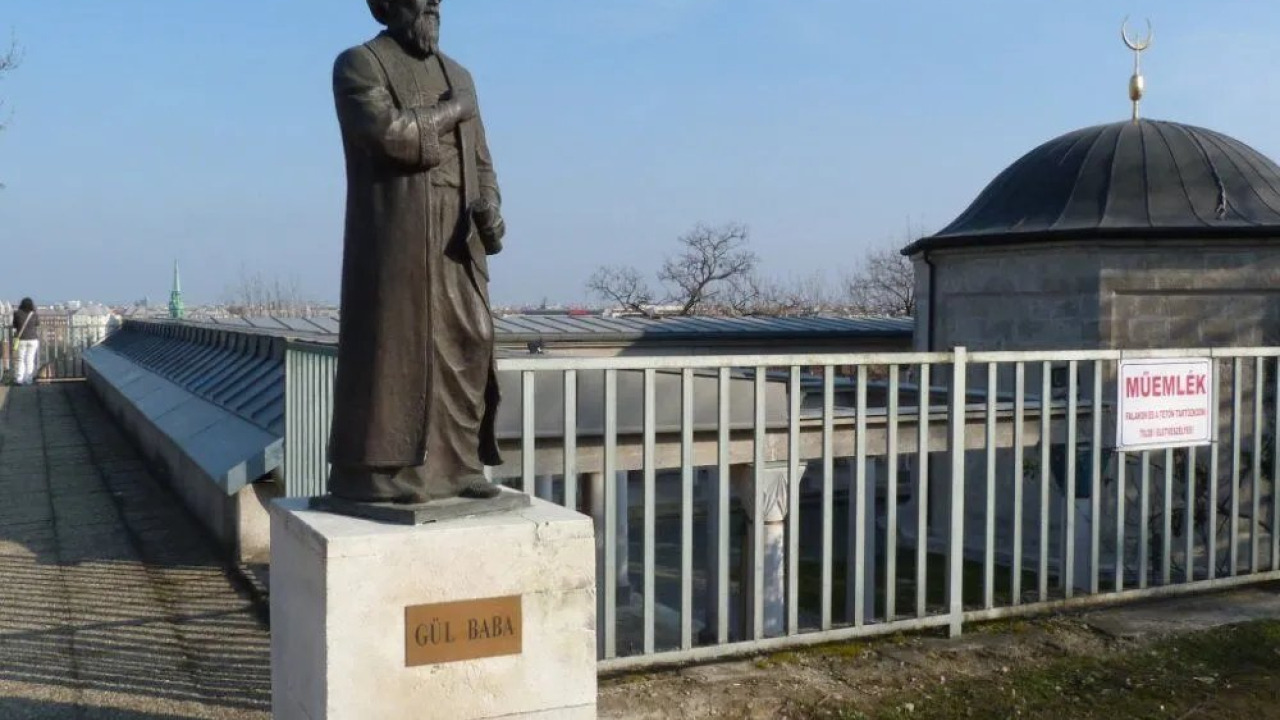
He was a Bektashi dervish whose real name was Cafer, and he used the nom de plume "Misâlî" in his poetry. He traveled to Buda during the reign of Süleyman the Magnificent and passed away there on September 1, 1541. His funeral prayer was led by Şeyhülislam Ebussuud Efendi, with Süleyman the Magnificent himself attending the ceremony. The hill where he was buried is known in Hungarian as Rózsadomb, or Rose Hill. His octagonal-plan tomb was built by Mehmed Pasha, the Beylerbey of Buda, in the mid-16th century, while the adjacent Bektashi dervish lodge was destroyed in 1686.
Why Are the Two Tombs Confused?
The source of the confusion isn't merely the similarity in names; both figures are associated with the imagery of roses and emerge from the Ottoman dervish tradition. The specific Sufi order (tarikat) to which the Galata structure belonged isn't clearly distinguished in historical sources; the waqf record simply refers to it as a "zâviye." The direct association with Bektashism largely stems from the Gül Baba in Budapest. Details such as campaigns during Süleyman the Magnificent's era, being a poet, or owning a divan (collection of poems) do not pertain to the tomb in Galata.
The Legend of Bayezid II and the Founding of Galata Sarayı
How the Legend is Told
According to the narrative, during the early years of his reign, Bayezid II was hunting on the hills of Galata when he spotted a small hut nestled among trees and rose bushes. Inside, he encountered a saintly figure known as Gülbaba. Pleased by his hospitality and conversation, the Sultan inquired if the saint had any wishes. The saint's request was not for himself: he proposed the establishment of a school on the opposite hill, where those who studied and wrote could be recruited into state service. Thus, the institution known as Galata Sarayı was born.
The Historical Value of the Legend
Historical sources explicitly state that the veracity of this legend is unknown. What can be confirmed through documents is this: Galata Sarayı was established during the reign of Bayezid II (1481-1512); within its walled compound, there was a mosque and three dormitories, each capable of housing two hundred students. The transformation of the structure into a regular school occurred during the times of Yavuz Sultan Selim and Süleyman the Magnificent. The inscription on the tomb, noting its renovation in 1968 for the high school's centenary, also establishes this connection, referring to Gül Baba as "the founder of the Galatasaray Complex 480 years ago." This link is less a historical proof and more a memory relationship an institution builds with its own origins; this is why the Galatasaray community embraces the tomb today.
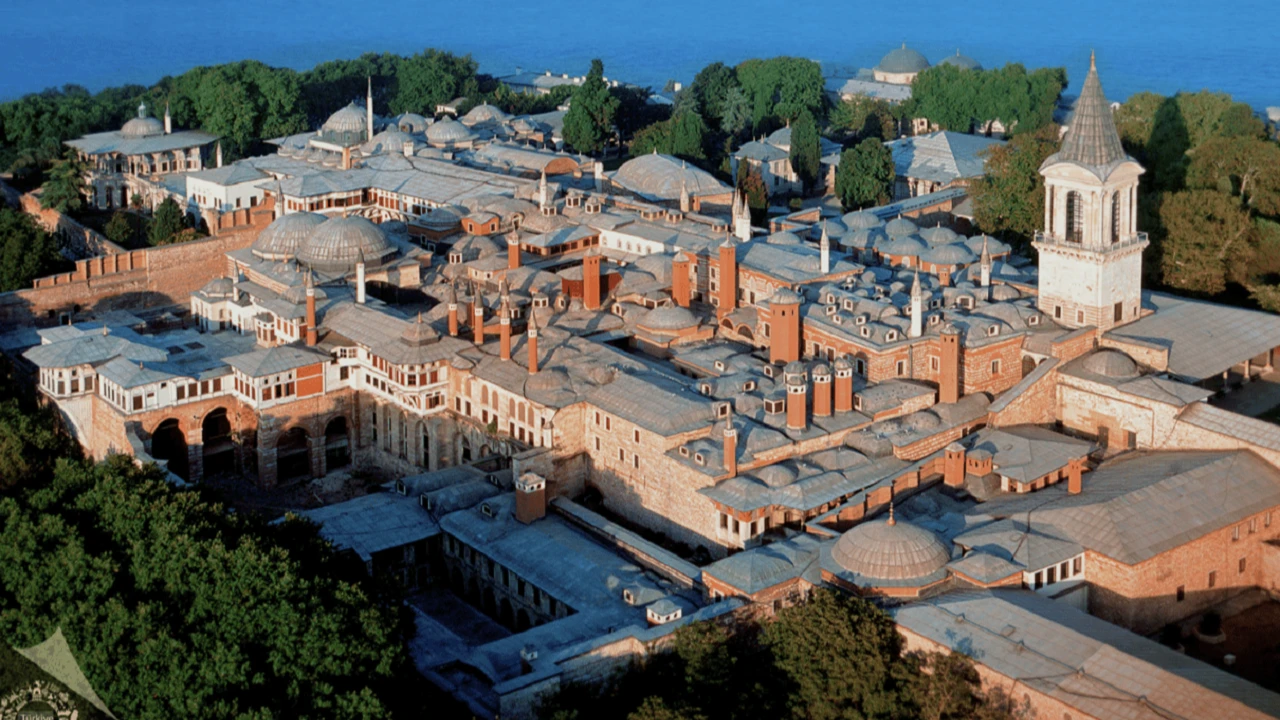
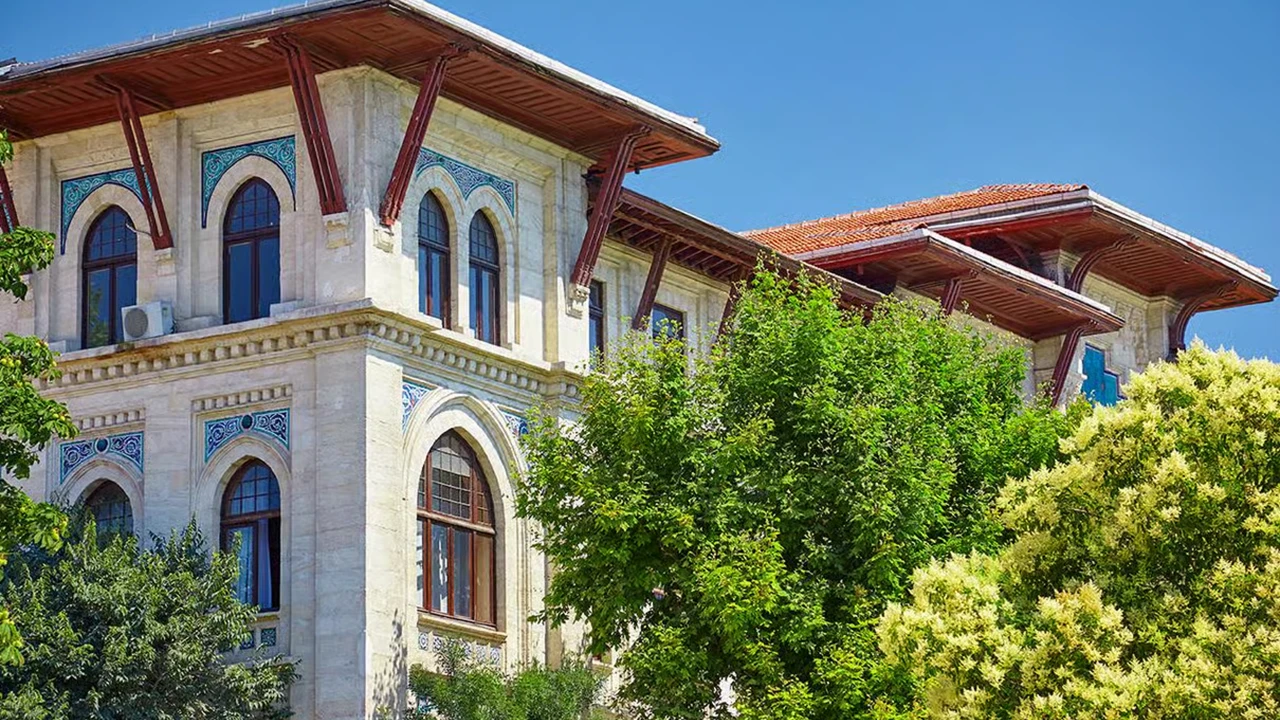
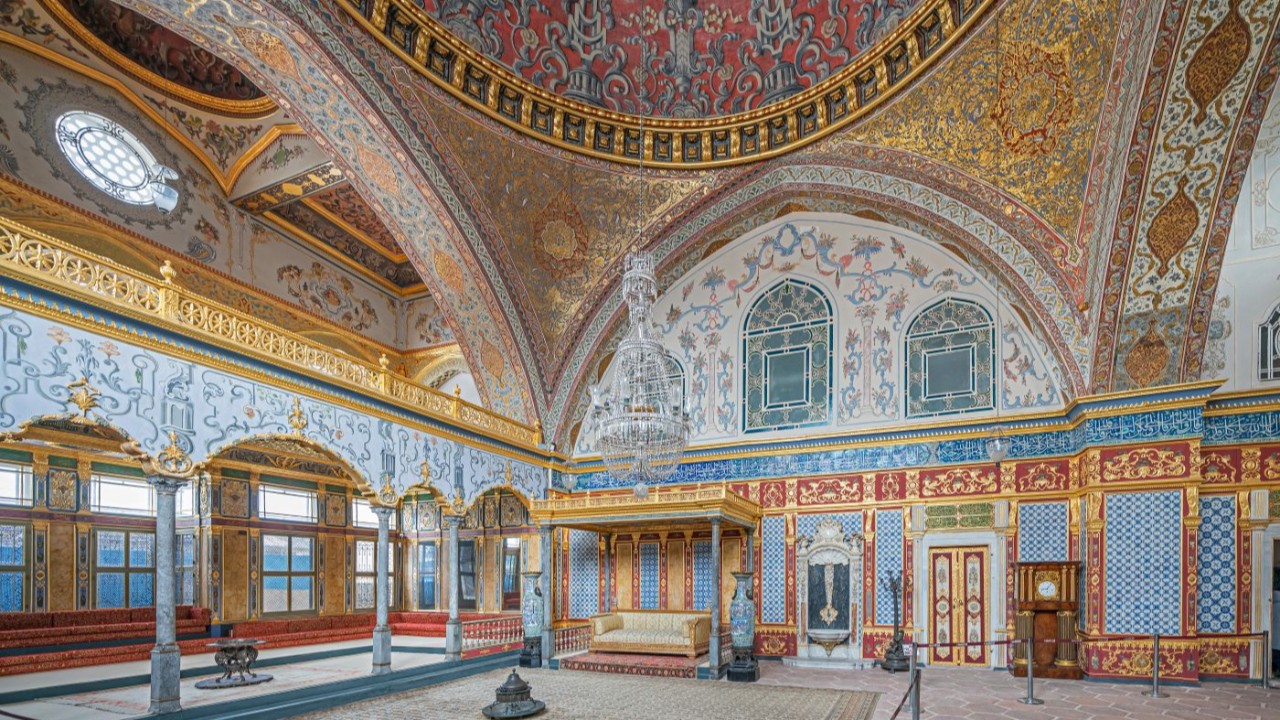
Following this distinction between legend and document on-site, and hearing the memory link between the tomb and Galatasaray High School from a narrator, is not difficult: Istanbul day cultural tours include guided walking programs covering the Galata and Pera line.
The Tomb Today: An Open Shrine and Its Garden
The Railed Tomb and Ironwork
The word "tomb" here can be misleading: there is no domed, enclosed structure that you can enter. The grave is surrounded by railings topped with dome-shaped iron decorations, resting within a small garden under the shade of old trees. Don't expect a sarcophagus, calligraphy panels, or a panoramic terrace; what you'll see is a simple grave protected by an iron cage. The maintenance of the structure is largely carried out by the Galatasaray community.
The Ambiance of Tomtom Neighborhood
The tomb is located on its namesake street in the Tomtom Neighborhood, nestled between Tophane and Galatasaray. This district lies just a few streets away from the hustle and bustle of İstiklal Caddesi; its narrow, sloping lanes, late 19th-century apartment facades, and courtyard buildings make this part of Beyoğlu a quieter, more authentic face of the city. When you visit the tomb, what you truly gain is an immersion into this hidden network of side streets that most travelers never discover.
Don't miss these details during your visit:
- The rose-motif marble craftsmanship around the tombstone and the "Maşaallah" inscription interspersed within it
- The railed cage topped with dome-shaped iron ornamentation
- The inscription detailing the 1968 renovation and the Galatasaray connection
- The old apartment facades and wrought-iron balcony railings on both sides of the street
How to Get to Gül Baba Tomb?
Since the tomb isn't a museum entrance or a signposted complex, setting out without marking its location on a map can lead to wasted time. The walking route starting from Şişhane is the most straightforward:
- Exit Şişhane metro station and walk towards Tünel Square.
- Follow İstiklal Caddesi up to Galatasaray Square; the nostalgic tram line will guide you.
- Turn onto the street descending towards Tophane, next to Galatasaray High School, and head down into Tomtom Neighborhood.
- Enter Gül Baba Street; the tomb will be on your right-hand side as you descend from Galatasaray towards Tophane.
| Transport Type | Nearest Stop | Walking Time |
|---|---|---|
| Metro M2 | Şişhane | Approx. 8-10 minutes, downhill |
| Tram T1 | Tophane | Approx. 8-10 minutes, uphill |
| Nostalgic Tram | Galatasaray / Odakule | Approx. 5 minutes |
| Bus | Firuzağa-Cihangir | Approx. 5-7 minutes |
| Ferry | Karaköy pier | Approx. 15 minutes, uphill |
Visiting Etiquette and Practical Tips
Visiting a tomb in Turkey carries its own unique etiquette. Since this structure is open and located on a street, the rules differ from those of a museum, but the expectation of respect remains the same.
- Maintain silence; there may be visitors praying by the railings, so avoid blocking their view.
- When taking photos, do not force other visitors into your frame and refrain from using flash.
- Do not climb on the railings or leave items on the cage; the garden is small, and its upkeep relies on voluntary efforts.
- Early mornings or late afternoons are ideal times, as the street is less crowded and the light is softer.
- Since the route involves slopes, opt for shoes with good grip instead of slippery soles.
Other Stops to Add to Your Walk
The Gül Baba Tomb alone won't fill half a day; its true value lies in being a short, lesser-known stop added to a Beyoğlu walk. The historic facade of Galatasaray High School, the side streets of Tomtom, tile and ceramic workshops towards Tophane, and the Karaköy waterfront all line up along the same route. Once you descend and reach Karaköy pier, completing your walk by sea is also an option.
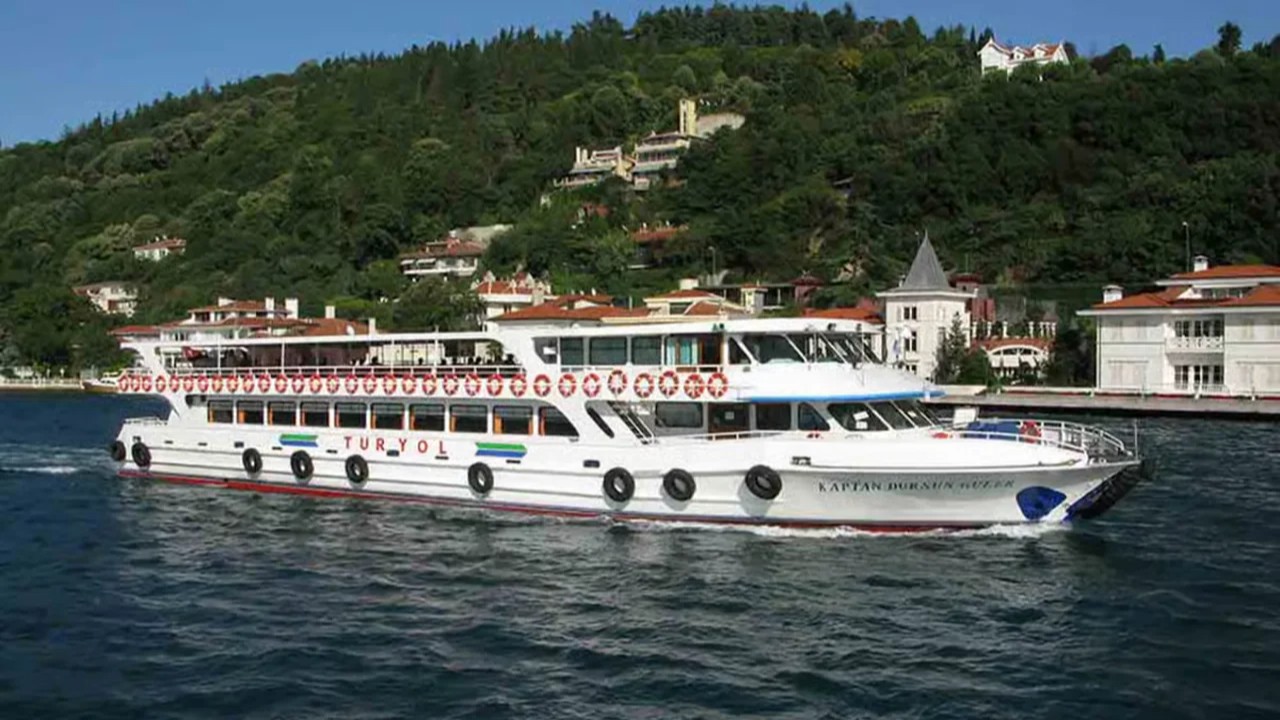
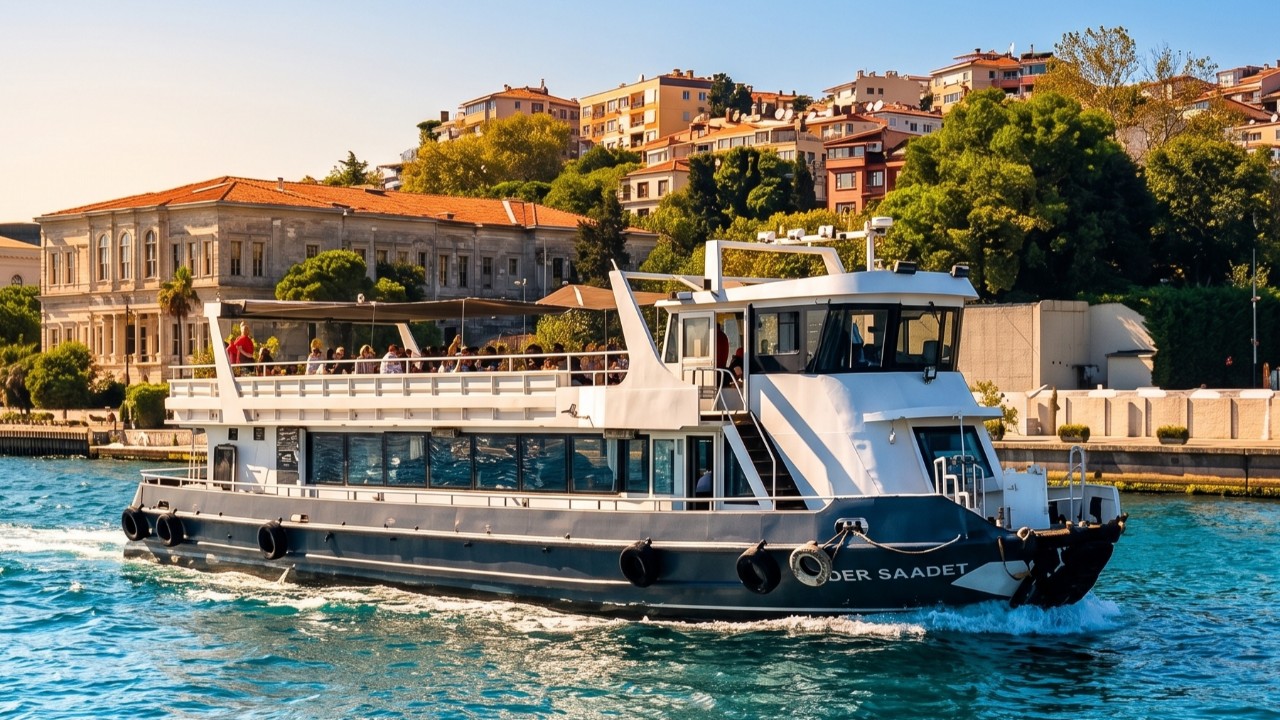
While these stops can fit into the same walk, arranging them along the hilly route can take time. For visitors seeking a pre-planned day, Beyoğlu day cultural tours offer walking-focused programs with short stops. If you wish to explore Pera, Cihangir, and Tophane more extensively, longer programs under the Beyoğlu cultural tours heading are available. Those concluding their walk at Karaköy pier can transition to a Istanbul Bosphorus boat and yacht tour with a suitable departure time, finishing their day on the water.




Frequently Asked Questions 6
Where is Gül Baba Tomb located and how can I get there?
The tomb is located on Gül Baba Street in the Tomtom Neighborhood, between Tophane and Galatasaray in Istanbul's Beyoğlu district. The nearest public transport stops are Şişhane metro (M2) and Tophane tram (T1), both about an 8-10 minute walk away. The nostalgic tram's Galatasaray stop on İstiklal Caddesi is even closer.
Why should I visit Gül Baba Tomb?
There are three main reasons to visit: to see the spot where the centuries-old legend of Galatasaray's founding took place, to examine the 1787 epitaph and its rose-motif marble craftsmanship up close, and to immerse yourself in the tranquil ambiance of the Tomtom district, just a few streets away from the crowds of İstiklal Caddesi. The visit is brief, making it an easy addition to any Beyoğlu walking tour.
Is there an entrance fee for Gül Baba Tomb, and are there visiting hours?
Admission is free. As it's not an an enclosed tomb, there's no ticket booth or official visiting hours; the grave is visible from the street, outside the railings, at all times. However, visiting during daylight hours is recommended for both visibility and safety.
Are Gül Baba of Galata and Gül Baba of Budapest the same person?
No. Gül Baba of Budapest was a Bektashi dervish whose real name was Cafer, and he wrote poetry under the nom de plume 'Misâlî'; he passed away in Buda on September 1, 1541, during the reign of Süleyman the Magnificent. The tomb in Galata, however, is associated with a 15th-century dervish lodge and the legend of Bayezid II. The biographies of these two figures are often confused.
Was Gül Baba truly the founder of Galatasaray?
This is a legend, and historical sources state that its accuracy is unknown. What is documented is that Galata Sarayı was founded during the reign of Bayezid II (1481-1512), and its transformation into a regular school occurred during the times of Yavuz Sultan Selim and Süleyman the Magnificent. The 1968 inscription on the tomb mentions the founding connection, but this statement is a declaration of memory, not a historical document.
What are the rules to observe when visiting the tomb?
Visitors are expected to maintain silence, avoid blocking those who are praying by the railings, and take photos respectfully without flash or forcing others into the frame. Climbing on the railings or leaving items in the garden is not appropriate. While there's no formal dress code, modest and covered attire is preferred as the open tomb is considered a place of reverence.