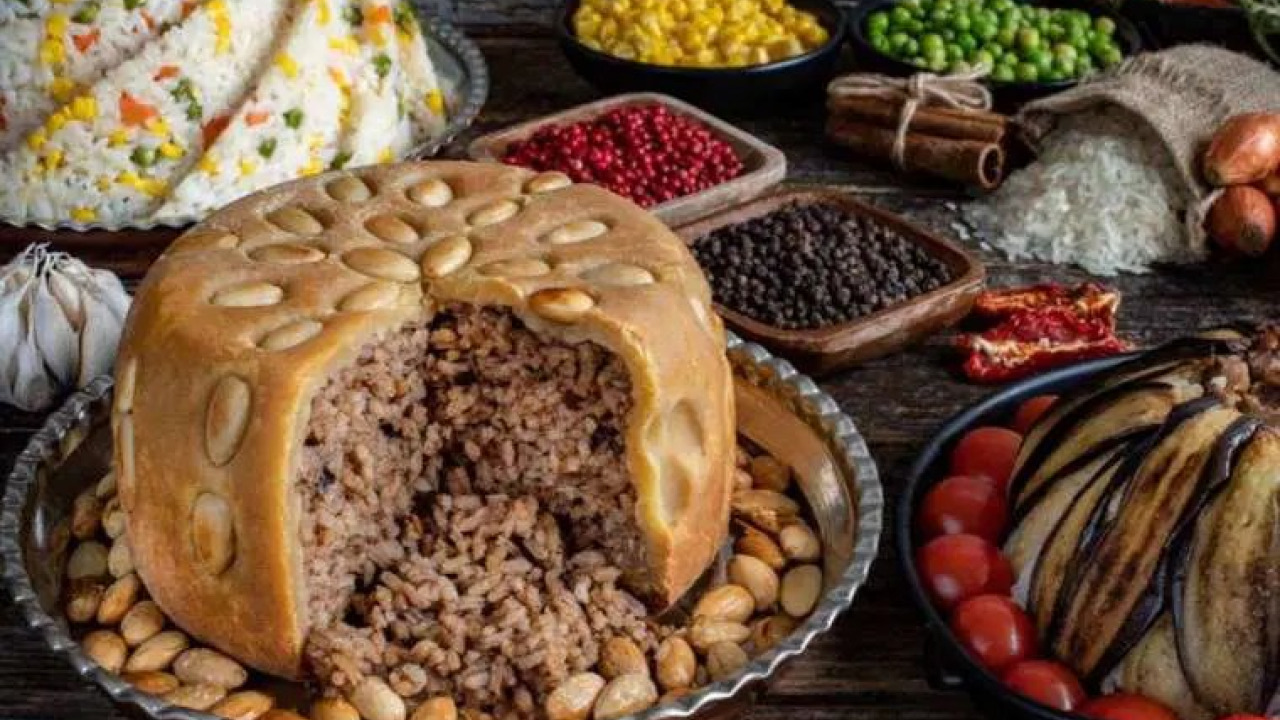
Turkish cuisine tour safety and participation guidelines are a set of standards designed to ensure hygiene and allergen management during tasting programs. For gastronomy enthusiasts, Turkish cuisine tours offer a curated way to explore rich, bold flavors under safe and professional conditions.
When experiencing traditional culinary culture firsthand, adhering to food safety protocols is essential for a seamless trip. Our expert guides introduce each regional delicacy, ensuring that portions are balanced and the experience is educational. Through the stories of local chefs, guests get an intimate look at Turkey's culinary heritage. These tasting menus are carefully designed to cater to diverse palates, ensuring a delightful flow throughout the journey.
Before embarking on a gastronomy tour, we recommend the following essential tips:
- Inform your guide of any food allergies or specific dietary requirements before the tasting begins.
- Follow all hygiene and cleanliness protocols when participating in kitchen workshops.
- Exercise caution when consuming traditional hot pot dishes served at high temperatures.
- Respect the seating arrangements and service flow established by local establishments.
Quick Facts: Turkish Cuisine Tours
For guests planning to join our gastronomic events, the following table summarizes the key operational details you need to know.
| Category | Participation Notes & Visitor Recommendations |
|---|---|
| Activity Type | Cultural gastronomy tour and local flavor tasting |
| Age Limit | Suitable for all ages, including families |
| Primary Requirement | Prior disclosure of food allergies and dietary restrictions |
| Safety & Hygiene | Personal allergen control, balanced portions, and sanitary service |
| Guide Support | Expert local flavor and route guidance throughout the journey |
| Route Options | Diverse programs organized across various cities in Turkey |
Personal health status and dietary habits should always be the priority when participating in gastronomy events. Through briefing sessions at the start of the tour, guests receive detailed information about the menus served throughout the day. The itinerary is meticulously planned to ensure maximum comfort for all participants.
At the restaurants and workshops we visit, we prioritize freshly prepared hot dishes over products left in the open. Guests can often observe the preparation of regional dishes in open kitchens, learning traditional cooking techniques alongside their cultural history. By listening to the origins of these recipes, visitors become part of the story behind the table.
Menu options are diversified to suit different tastes, and chefs introduce the balance of spices and the quality of ingredients used. Tasting dishes in balanced portions is highly recommended to ensure digestive comfort throughout the day.
Regional Culinary Routes: Tasting Program Comparison
Gastronomy programs across Turkey reflect distinct culinary schools based on geographical regions. Each region offers unique flavors, ingredients, and cooking methods, creating a diverse tapestry of experiences for the traveler.
The following table compares the highlights of gastronomy programs in different regions:
| Route Region | Signature Flavors | Experience Character | Participation Focus | | --- | --- | --- | | Marmara Line | Palace cuisine and olive oil dishes | Historic bazaar tastings | Cultural heritage and ancestral recipes | | Mediterranean Coast | Fresh citrus and fish appetizers | Coastal town kitchens | Light, olive oil-based delicacies | | Aegean Region | Wild mountain herbs and natural olive oil | Rural village tastings | Local producers and fresh greens | | Central Anatolia | Pastries and slow-cooked stews | Traditional oven culture | Regional bakery specialties | | Southeast | Spiced kebabs and rich desserts | Intense flavor hubs | Ancient spice and meat culture |
When choosing between regional tours, consider your personal taste preferences and the current climate. Each route provides a unique cultural perspective; while coastal tours emphasize light, refreshing plates, inland tours highlight hearty oven-baked dishes.
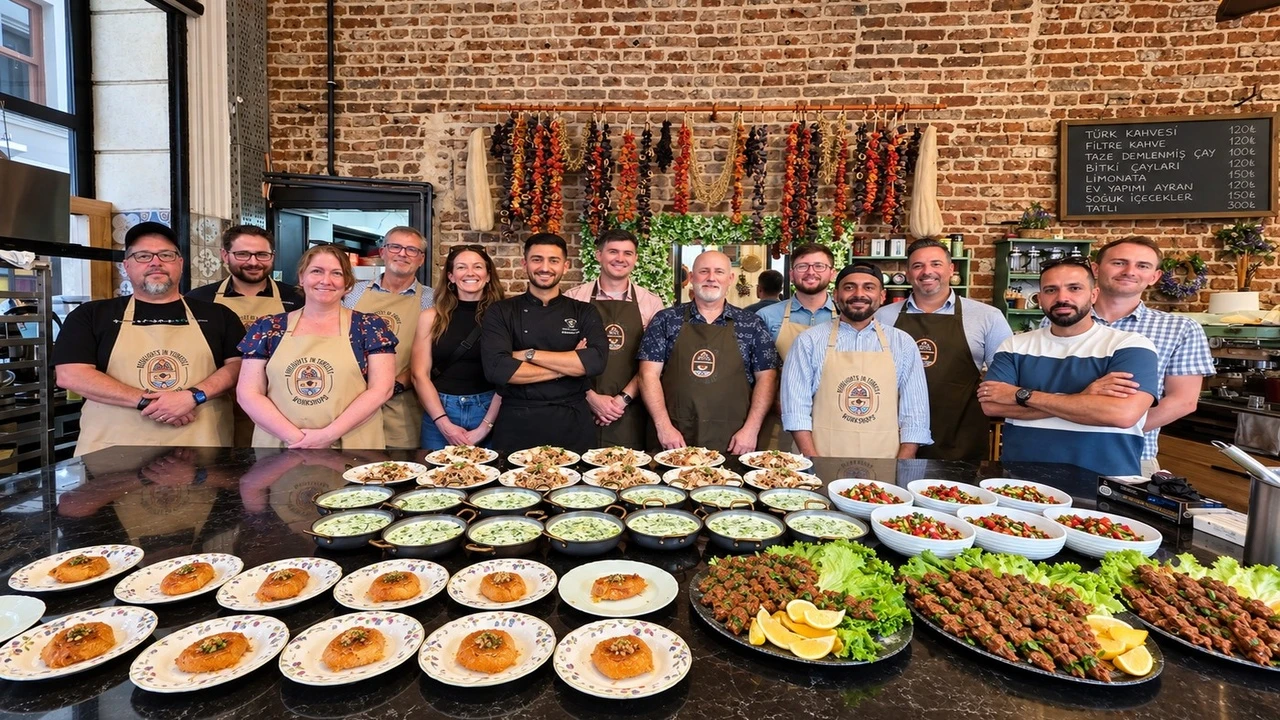
Please check the product page to see if your chosen tour includes meetings with local chefs. These interactions allow participants to learn the "secrets" of traditional dishes directly from the masters, adding immense cultural value to the trip.
The Coastal Tasting Experience
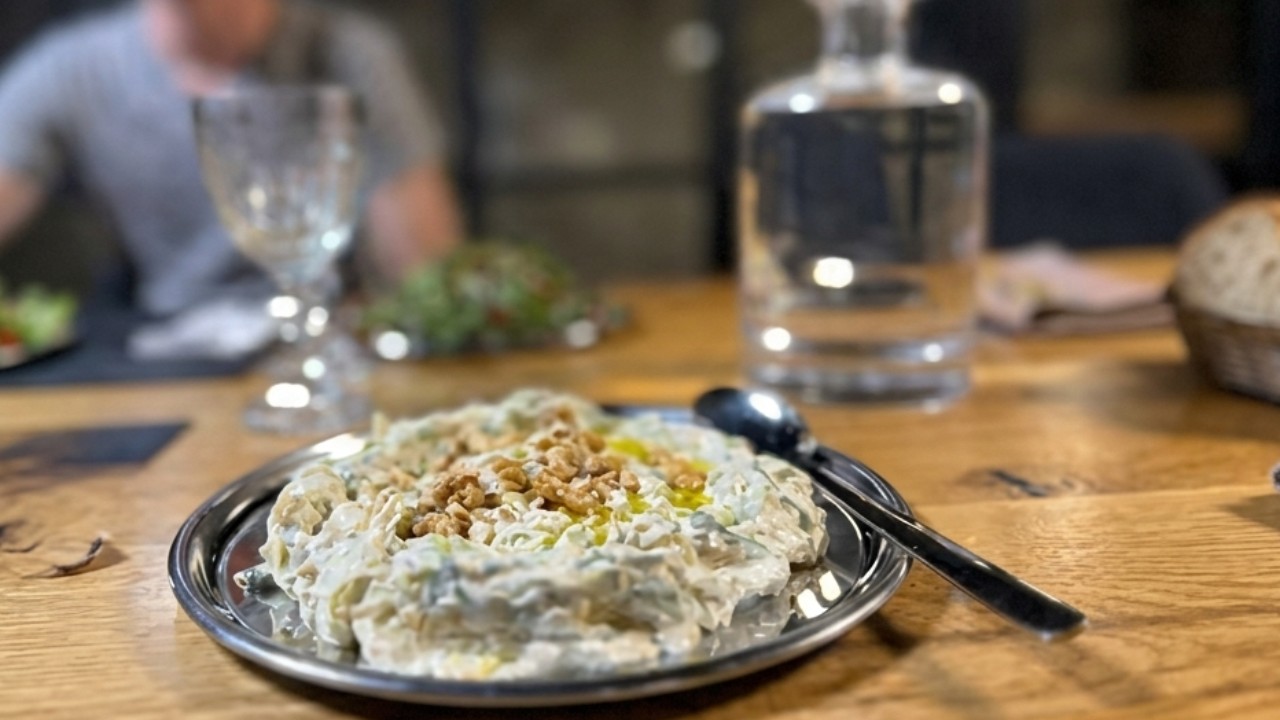
On coastal routes, olive oil-based dishes and fresh herb appetizers (mezes) take center stage. The lightness of Aegean and Mediterranean cuisines provides refreshing menus, especially for those traveling during the warmer months. Highlights include stuffed grape leaves (sarma), stuffed peppers (dolma), and fresh artichokes.
Presentations featuring lemon, olive oil, and fresh greens leave a crisp, clean taste on the palate. Conversations with local fishermen in coastal villages further guarantee the freshness of the seafood.
The Heartland and Oven Culture
In Central Anatolia and the Southeast, baking and meat-processing traditions are paramount. Hearty stews simmered in copper trays and pastries baked in stone ovens promise a rich dining experience. Rooted recipes such as Ezogelin soup, Tarhana, and Mantı (Turkish ravioli) form the backbone of these regional flavors.
These routes are a favorite for travelers wanting to experience the perfect balance of traditional spices. Dishes like Karnıyarık (stuffed eggplant) and clay pot stews (güveç) cooked over wood fires showcase the intricacies of regional cooking techniques.
Safety and Participation Protocol for Tasting Tours
To ensure a safe and smooth experience, a multi-stage participation protocol is implemented during our tasting tours. These rules are strictly followed to protect guest health and maximize the enjoyment of the culinary journey.
We recommend the following five-step participation and safety protocol:
- Declare Allergens and Dietary Needs: At the start of the tour, clearly inform your guide about any allergies to lactose, gluten, peanuts, or seafood, and double-check menu ingredients.
- Prioritize Hygiene in Kitchen Areas: Wash your hands before entering cooking workshops, tie back long hair, and follow all cleanliness directives in the workspace.
- Maintain Portion and Digestive Balance: To avoid feeling overwhelmed, sample dishes in small portions and drink plenty of water between tastings.
- Manage Personal Health Precautions: Keep any necessary medications for chronic digestive issues or regular health needs with you and consult tour staff if you feel unwell.
- Review Included Services and Terms: Confirm which tastings and transfer services are included in your package by reviewing the product page.
Following these steps ensures group harmony and increases the efficiency of the tour. By adhering to these guidelines, guests can relax and fully immerse themselves in the flavors.
Travelers should ask about the ingredients of each dish to make choices that align with their sensitivities. Respecting the chef's kitchen organization also ensures that workshop activities remain enjoyable for everyone.
City-Based Gastronomy and Tasting Tour Options
Flavor routes in major cities and tourism hubs are designed to meet a variety of expectations. Historic bazaars, modern bistros, and authentic "tradesman restaurants" (esnaf lokantası) form the core of these itineraries.
The Historic Peninsula and Palace Flavors
In the cultural heart of the metropolis, Turkish cuisine tour options in Istanbul combine Ottoman palace delicacies with ancient eateries along the Bosphorus. Walks through the streets of the Historic Peninsula, punctuated by flavor breaks, offer a delightful experience. The aromatic scents around the Spice Bazaar add a vibrant layer to the trip, while traditional Turkish delight and sherbets from local vendors sweeten the journey.
Mediterranean Coast Tasting Stops
For those vacationing on the southern shores, Turkish cuisine tour options in Antalya offer a chance to discover Mediterranean mezes and regional citrus desserts. These routes introduce local flavors along the coast, with evening tastings adding a gourmet touch to holiday days. Fresh produce from local markets brings authentic nature to the table.
Guests staying in luxury resorts can experience gourmet presentations through Turkish cuisine tour options in Belek.
For those in the surrounding areas, Turkish cuisine tour options in Lara / Kundu blend fresh seafood with traditional meat dishes.
To explore the heart of the city, Turkish cuisine tour options in Muratpaşa allow visitors to visit authentic local eateries and taste regional börek and pide fresh from stone ovens in the narrow historic streets.



Practical Tips for Gastronomy Travelers
Coming prepared for a food tour directly impacts your physical comfort and tasting enjoyment. Long walks and consecutive tastings require a bit of planning.
Here are some practical tips to enhance your comfort:
- Wear flexible walking shoes to move easily through historic bazaars and cobblestone streets.
- Drink plenty of water between tastings to cleanse your palate and stay refreshed.
- Start your day with a light breakfast; avoid heavy or greasy meals before the tour begins.
- Keep a smartphone or a small notebook handy to take photos and jot down flavor notes.
These simple suggestions help travelers complete their day without fatigue. By spending breaks resting, you prepare yourself for the next delicious stop.
Warm dialogues with local vendors often enrich the spirit of the journey. Listening to chefs explain their ingredient selection provides a broader vision of the food culture and increases your culinary knowledge.
Final Thoughts on Turkish Cuisine Tours
Turkish cuisine tours are more than just meals; they are gateways to understanding traditional flavors within their cultural context. When hygiene and safety guidelines are followed, these tours become fulfilling memories for participants of all ages.
Through routes organized in different cities, guests have the chance to experience a rich culinary legacy. Informed choices and planned tasting stops offer gastronomy enthusiasts a truly valuable process of discovery.
Frequently Asked Questions 5
What is Turkish cuisine?
Turkish cuisine is a rich culinary heritage shaped by the migration routes from Central Asia to Anatolia, blended with Mediterranean and Balkan cultures. Known for its balanced and abundant recipes, it ranges from slow-cooked pot dishes and grilled meats to pastries and olive oil-based vegetable dishes.
When did tomatoes enter Turkish cuisine?
Tomatoes reached the Ottoman lands via global trade routes after the discovery of the Americas and eventually became a staple ingredient in pot dishes. The spread of tomatoes led to the development of a robust tomato paste and sauce culture, significantly transforming Turkish cooking techniques.
Why is Turkish cuisine world-famous?
Turkish cuisine is globally recognized due to the fresh ingredients provided by its geographical diversity, a sophisticated balance of spices, and cooking techniques refined over centuries in royal palaces.
What defines traditional Turkish cuisine?
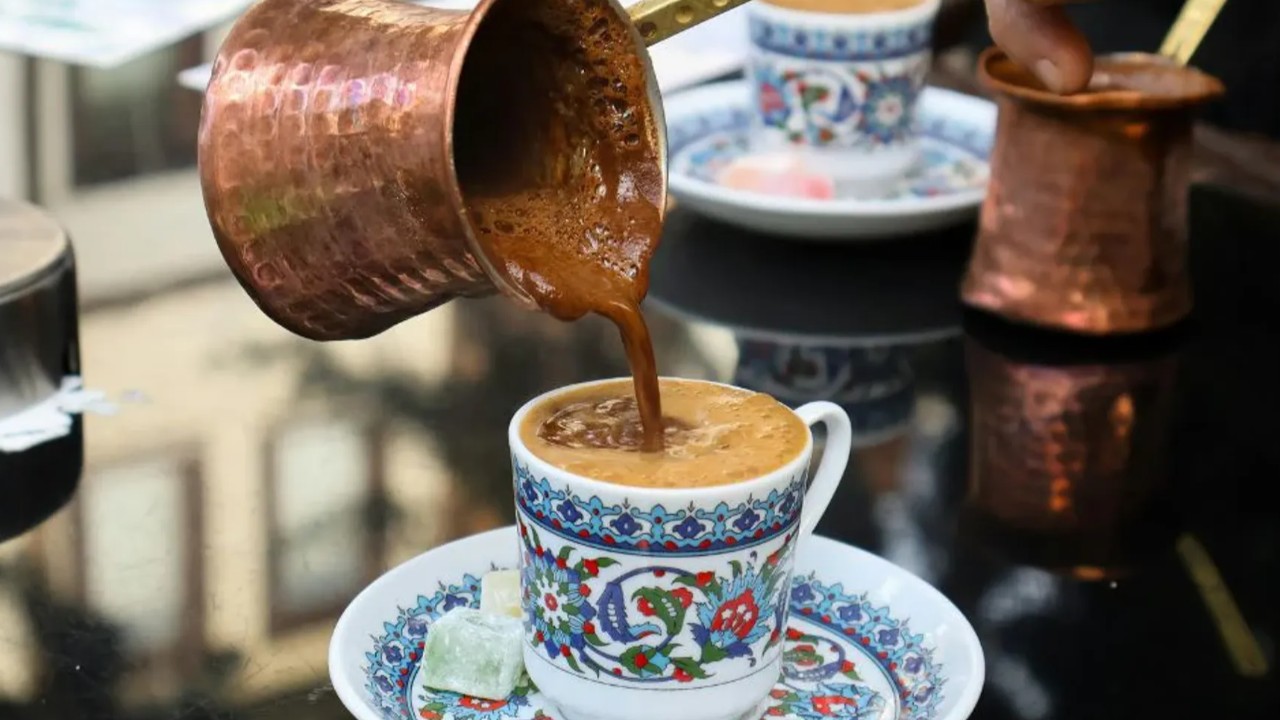
Traditional Turkish cuisine refers to the cultural practice of preparing recipes passed down through generations using regional ingredients and ancient methods, such as stone ovens and copper pots.
Where can I eat traditional Turkish food?
Traditional flavors can be experienced in 'tradesman restaurants' (esnaf lokantası) in historic bazaars, traditional mansions, and boutique establishments. Guided gastronomy tours are the best way to find these authentic spots.