When you hear "Fethiye rafting," don't picture a river flowing through the town center. The rivers where boats launch are actually outside Fethiye, deep within Muğla province, making their way down to the Mediterranean. You'll find two main options: the Dalaman River and the Esen River, which flows through Seydikemer. These two offer distinct experiences: one involves a longer transfer and more exhilarating paddling, while the other means a shorter journey and calmer waters. In this guide, you'll discover which river suits your adventure style, their international difficulty ratings, how the season changes month-to-month, how to get from your hotel to the put-in point, what factors influence the price, and all the essential questions to ask before you book.
Fethiye Rafting: Two Rivers, Two Adventures – Dalaman River and Esen River
The Dalaman River originates in the mountainous region south of Gölhisar in the Western Taurus Mountains, winding through the interior of Muğla before reaching the Mediterranean via the Ortaca and Dalaman plains. Commercial rafting tours typically launch their boats around the Akköprü section of the river. The road distance from Fethiye town center to the put-in point is approximately 60 kilometers. Dalaman town center itself is about 50 kilometers away via the D400, so reaching the town isn't the same as reaching the rafting course. The drive from the meeting point to the rafting facility usually takes about an hour in normal traffic, potentially extending to 1.5 hours depending on your hotel's pick-up location. This makes for a full-day excursion, including transfers.
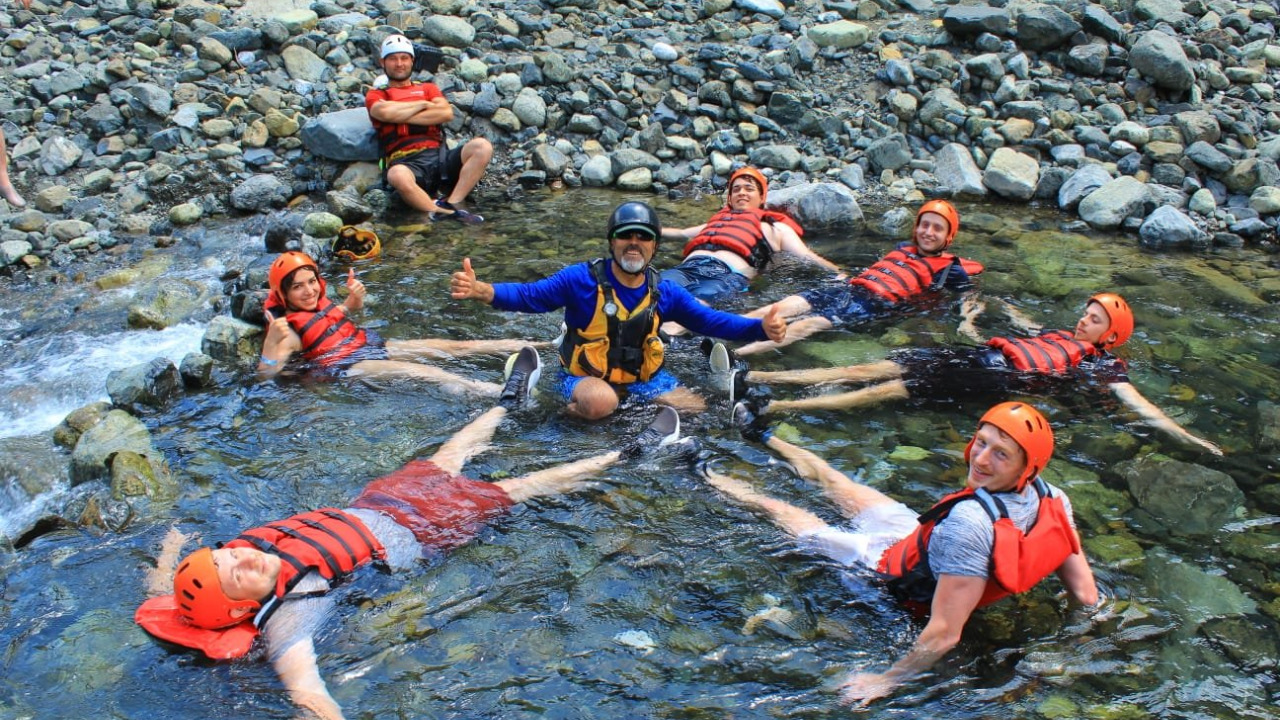
The Esen River, known as the Xanthos River in ancient times, flows through Seydikemer. It merges with the icy waters of Karaçay, which emerges from Saklıkent Canyon, before finally meeting the sea at Patara beach. Along this route, you'll find programs ranging from 45 minutes to three hours, with options like canoeing and inflatable "ringos" often geared towards families with children. The distance from Fethiye center to the Esen River is shorter than to Dalaman, but the river's character changes significantly depending on the section and water flow.
Regarding difficulty, the international river classification scale, ranging from I to VI, is the standard. Knowing this scale when choosing a program is far more helpful than relying solely on "adrenaline" hype in promotional texts:
- Class I & II: Gentle currents, small waves. Considered suitable for first-timers and families with children.
- Class III: Regular wave trains and more noticeable currents. Requires synchronized paddling and responsiveness to guide commands.
- Class IV: Powerful currents and technical maneuvering. Physical endurance and prior experience become significant.
- Class V & VI: Expert level. Not typically included in day-trip commercial programs.
The difficulty on the Dalaman River isn't fixed to a single number: the upper sections are classified as Class III and above, lower sections as Class III-IV, and the area around Akköprü as Class III. Since the classification varies based on the operator's chosen put-in and take-out points, be sure to ask "which section will we be paddling?" when booking. For first-timers, the targeted range is usually Class III or below.
Quick Facts
| Topic | Information |
|---|---|
| Main Course | Dalaman River (Muğla); approx. 60 km from Fethiye center to put-in point, drive approx. 1 hour (up to 1.5 hours from distant pick-up locations) |
| Second Option | Esen River and Saklıkent exit (Seydikemer); mainly canoe and ringo, suitable for family programs |
| Difficulty | Sections vary between Class III and IV on the international scale; Akköprü area is Class III (confirm which section you will paddle with the operator) |
| Course Length | Approx. 10-12 km depending on section choice; active paddling in water 2-2.5 hours, up to 3 hours for longer sections |
| Season | Open from April to November; peak season May-September |
| Day's Flow | Hotel pick-up early morning, return to hotel late afternoon; exact pick-up time will be confirmed upon booking |
| Price | Per-person rates vary by operator and package; season, section length, group size, and included items are determining factors (see Cost Plan) |
| Minimum Age | Varies from 7 to 13 depending on the operator; swimming ability and guide approval are key |
| Usually Included | Hotel transfer, helmet and life vest, pre-briefing, lunch |
| Bring With You | Spare clothes, towel, waterproof case, non-slip sandals, sunscreen |
| Entrance Fees | Canyon and nature park entrances may not be included in the program; Müzekart (Museum Card) is valid for Ministry of Culture and Tourism sites, not nature protection areas |
Must-Visit Spots in Fethiye: Stops Along Your Rafting Route
A rafting day isn't just about the river. The transfer route, the rafting section itself, and stops on the way back are all part of the same day's adventure. The following sections cover the rafting course and other places you might genuinely visit along the same route.
Dalaman River Upper Section: The Thrilling Stretch
The upper section of the river is where the valley narrows and the gradient increases. This stretch is classified as Class III and above on the international scale; in spring, with snowmelt and rainfall, the water flow increases, making the wave trains even more pronounced. Your seating in the boat, paddling rhythm, and responsiveness to guide commands are crucial here.
Those who choose this section usually have at least one prior rafting experience. If you wear glasses, ask for a strap or retainer; do not bring your phone onto the boat, it will be gone with the first big wave. April and May are when the water is most vibrant. The water remains cool during these months, so a thin wetsuit or a windproof top layer will make a noticeable difference in comfort.
Akköprü Section and Lower Stretch: Ideal for First-Timers
When you reach the Akköprü area, the difficulty settles into the Class III range; the current is steady, and less maneuvering is required. First-time paddlers and families with mixed age groups are typically scheduled for this section.
The active time spent on the water is usually given as 2 to 2.5 hours in operator programs, extending to 3 hours if a longer section is chosen. The number of breaks and the day's water flow determine the difference.
The lower section is also more suitable for photo and swimming breaks. In summer, the sun fully enters the valley towards midday, so morning departure programs offer softer light and more tolerable temperatures. To see departure times, section preferences, and included items side-by-side, the Fethiye rafting tours list is a useful starting point.
Esen River and Saklıkent Exit: Cool Waters, Shorter Course
The Saklıkent section of the Esen River receives water from the Karaçay, which flows out of the canyon. This water is icy cold even in mid-summer; visitors immediately feel the difference the moment they step into the canyon. Programs here are more often set up with inflatable ringos and canoes rather than traditional rafting boats, offering various durations from short 45-minute tours to options extending up to three hours.
Saklıkent Canyon is approximately 45-46 kilometers from Fethiye center, located within the borders of Seydikemer. The area was declared Saklıkent National Park by an Official Gazette decision on June 6, 1996; most of the protected area falls within Antalya, with a smaller portion in Muğla. There is an entrance fee, and the Müzekart (Museum Card) is not valid here, as the area is managed by the nature conservation authority, not the Ministry of Culture and Tourism. Details on canyon trekking, mud baths, and ringo activities can be found in our Saklıkent Canyon guide. The canyon gets crowded during summer afternoons; opting for a ringo program in the early morning hours can help reduce waiting times.
Patara Beach and Esen Delta: The End of the Canoe Route
Long canoe routes established on the Esen River conclude at Patara beach, where the river meets the sea. This approximately 18-kilometer-long beach is a protected area due to being a nesting ground for sea turtles. Consequently, night entry to the beach is restricted, and digging holes in the sand or using artificial lights is prohibited.
Access to the beach is through the entrance of Patara Ancient City; the area is managed by the Ministry of Culture and Tourism, and the Müzekart is valid. Visiting hours vary between summer and winter seasons, with the last entry cut off before closing. If you plan to complete a canoe route and wait for the sunset on the beach, you should confirm the day's closing time at the ticket office; allow ample time for the walk back, as the path within the ancient city is long.
Ölüdeniz, Kıdrak, and Butterfly Valley: A Day Off the River
For those looking to combine their river adventure with another day in nature, the south of the center offers a ready-made itinerary. Ölüdeniz is famous for its lagoon, separated from the sea by a sandbar; the lagoon and its neighbor, Kıdrak, are protected within the 25-hectare Ölüdeniz-Kıdrak Nature Park. There is an entrance fee, and the Müzekart is not valid here. Kıdrak beach is reached via paths through a pine forest; parking, minibus stops, and sun lounger services are all available within the area, meaning less parking hassle for those arriving by car compared to the town center.
Butterfly Valley lies east of Ölüdeniz, nestled between steep cliffs reaching up to 350 meters at the foot of Babadağ. Declared a natural protected site in 1995, the valley gets its name from its dominant species, the Jersey tiger moth (Euplagia quadripunctaria); butterfly density peaks from late June to early September. Only Lycian Way hikers and climbers descend into the valley by land; most visitors arrive by boat from Ölüdeniz or Fethiye, with the journey taking about half an hour.
There are two more coastal stops along the same stretch. Çalış Beach is the longest stretch of coastline closest to the center; facing west, it's perfect for evening views, and water taxis operate to the center during the season. Kabak Koyu, south of Faralya, is a steep-descent cove connected to the Lycian Way stages; as the final section is a ramp, it's common to use the facility's shuttle instead of driving down. Both of these are better suited for the day after your rafting adventure, not the morning of.

Tlos Ancient City: Adding Culture to Your Rafting Day
Tlos, a Lycian city built on the western slope of Akdağ, is located on the road to Saklıkent and is known as one of the region's oldest settlements, associated with the name "Dalawa" found in Hittite texts. The acropolis, rock-cut tombs, stadium, and bath ruins can all be seen within the same area. The facade of the rock tomb, known as Bellerophon, is a prominent detail of the city.
The site is open to visitors for a fee and is covered by the Müzekart. The terrain is stony and sloped; closed-toe shoes are a must. The turn-off for Yaka village is located two kilometers before Tlos, meaning both the ancient city and trout restaurants are accessed from the same junction. It's more comfortable to add the city to the morning of a canyon or Esen River program rather than after rafting: in the afternoon, the hillside becomes shadeless, and the stones heat up.
Kayaköy: The Abandoned Stone Village and Film Set
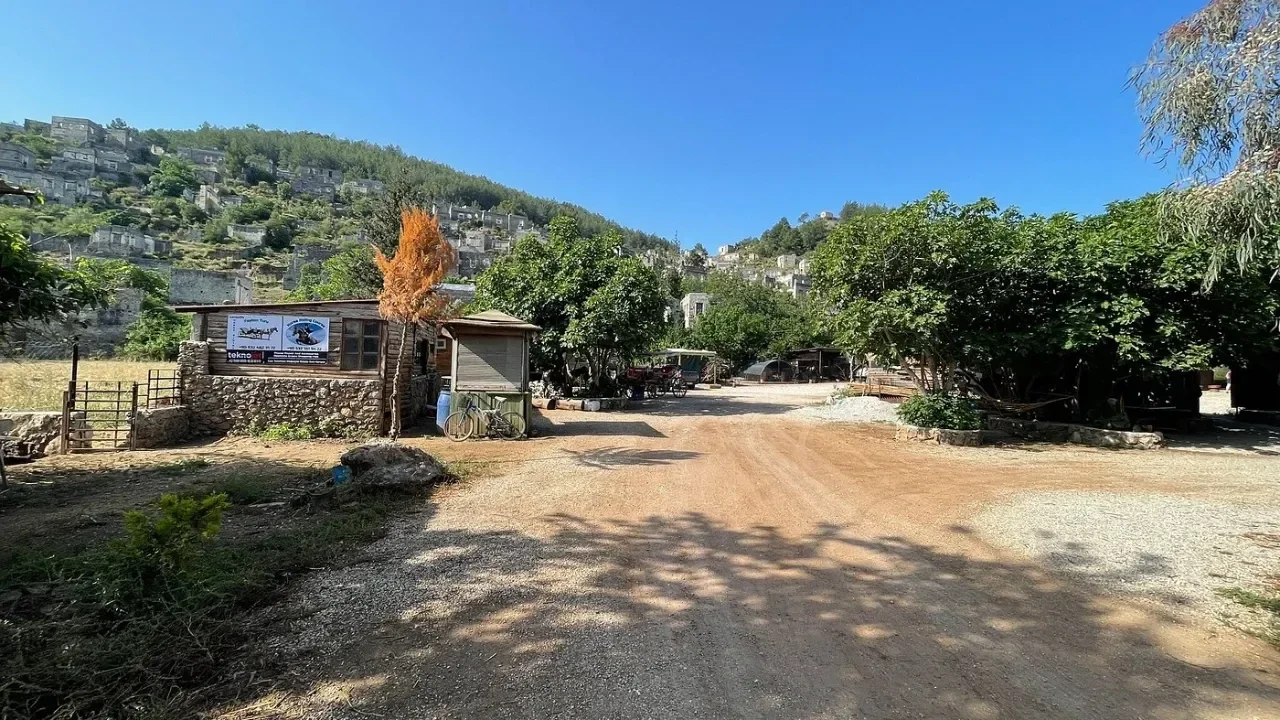
Kayaköy, located southwest of Fethiye center, is a settlement formerly known as Levissi. The Greek population departed from the village during the 1923 population exchange; after the 1957 Fethiye earthquake, the houses fell into ruin, and no permanent residents remained. Today, among the stone houses covering the hillside, you can explore large and small churches, along with fourteen chapels. There is also a working pottery workshop in the area.
The village has also made its way into cinema: the closing scenes of Ömer Kavur's 1987 film Gece Yolculuğu (Night Journey) and Russell Crowe's 2014 film The Water Diviner were shot here; Louis de Bernières' novel was also inspired by this settlement.
The hillside is stony, and shade is scarce. Early morning or late afternoon is more suitable for a walk; since a rafting day can be tiring, Kayaköy should be saved for a dedicated culture day.
Amintas Rock Tombs and Fethiye Museum
The Amintas Rock Tombs are Lycian tombs carved into the city hillside, with facades resembling temple fronts, dating back to the 4th century BC. The climb up the stairs is short but steep; the bay view stands out beautifully in the late afternoon light. Climbing during hot hours can be exhausting, as there is no shade.
The Fethiye Museum has been open to visitors in its current building since 1987, featuring two halls for archaeology and ethnography. The most remarkable piece here is the trilingual stele found in Letoon in 1973: the text, written in Lycian, Greek, and Aramaic, contributed significantly to the decipherment of Lycian. Visiting the museum before exploring Tlos and Patara is beneficial, as it clarifies the historical period of the ruins encountered on site. Both areas are covered by the Müzekart and are within walking distance of the center.
Paspatur Bazaar and Fethiye Ancient Theatre
Paspatur Bazaar is the old, narrow-street section of the town center, where meze restaurants, coffee shops, and craft stores line the stone buildings. The bazaar comes alive in the evenings, while during the day, the stone walls help maintain a cool atmosphere.
Right next to the bazaar, behind the marina, stands the Fethiye Ancient Theatre. This structure, belonging to ancient Telmessos, was built in the early Roman period and underwent repairs in the 2nd century AD; it's said to have had a capacity of around five thousand people and is believed to have been used as an arena during the Byzantine era. The seating rows were unearthed in 1993 by excavation work from the Fethiye Museum Directorate, from beneath a three to four-meter layer of soil accumulated by erosion, with work continuing until 1995. The site connects to the bazaar tour by foot; evening light provides the best time for photography.
Getting to the Rafting Course from Fethiye
Most programs include hotel pick-up, so the day largely follows a standard flow. The sequence below outlines a typical Dalaman River day, from booking to return:
- Clarify pick-up address and time. Hotel pick-ups are scheduled for early morning, before the day heats up. For locations further from the center like Faralya, Kabak Koyu, or Kayaköy, the vehicle will depart earlier; clearly state your location when booking and confirm the time in your confirmation message.
- Transfer and breakfast break. The vehicle travels from Fethiye via the D400 towards Dalaman. Most programs include a breakfast treat at a rest stop along the way; this break is also used for restrooms and water replenishment.
- Equipment distribution. At the course entrance, helmets, life vests, and paddles are provided. Some operators offer raincoats or wetsuits during cooler periods; asking about this beforehand directly impacts your comfort.
- Pre-briefing and training. Before getting into the water, there's a 15-20 minute explanation covering paddle commands, seating in the boat, paddle grip, and steps to follow if you fall into the water.
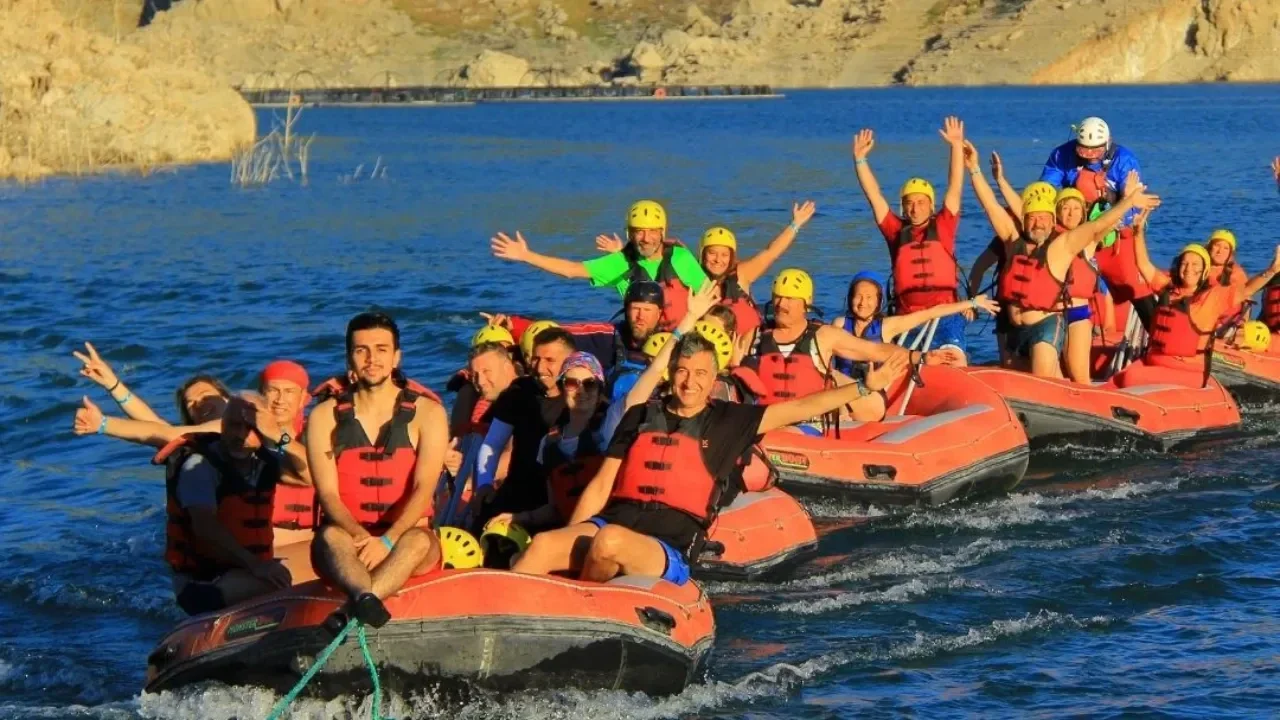
- Paddling on the river. Active time on the water is typically between 2 and 2.5 hours for most programs. Swimming and photo breaks are given depending on the water flow and group pace.
- Lunch and return. After lunch and a chance to dry off at the course exit, the return journey begins; arrival back at your hotel is usually in the late afternoon.
For those who prefer to drive themselves, the road is clear: from Fethiye, take the D400 for approximately 50 kilometers to Dalaman town center. The turn-offs to the rafting course entrance are signposted, and the total distance from the center is around 60 kilometers. For public transport, regular buses and minibuses run from Fethiye Bus Terminal towards Dalaman and Ortaca, but a shuttle service is needed for the final stretch to the course entrance. Therefore, a program including transfers is the practical option that simplifies travel logistics. For the Esen River and Saklıkent direction, dolmuşes (shared minibuses) depart from Fethiye Bus Terminal during the season; make sure to note down return times when you leave.
Do You Need to Rent a Car? Advice for Air Travelers
If your program includes transfers, there's no need to rent a car: pick-up is from your hotel, and the shuttle to the course entrance is part of the package. Car rental makes sense in two scenarios. First, if you want the flexibility to visit places like Kayaköy, Çalış, or Faralya at your own pace during the same holiday; second, if you're a large group looking to reduce per-person transportation costs. However, keep in mind that the roads to Ölüdeniz, Faralya, and Kabak are narrow, winding, and steep, and parking in the center is limited; leaving your car at the hotel on rafting day is a more comfortable choice.
For those arriving by plane, Dalaman Airport is the closest, and the rafting course is located inland along the route between the airport and Fethiye. Flight frequency increases during the summer season and decreases at the beginning and end (April and November); therefore, for early and late season dates, plan your flight arrival time in conjunction with your tour pick-up time. For tickets, flexible dates and mid-week departures often yield better results outside of peak season. Airport shuttles and transfer vehicles operate from the airport to the center; since tour pick-ups are from hotels, scheduling rafting on your arrival day would create a tight itinerary.
Rafting, Canoeing, or Boat Tour: Program Comparison
Adventure programs in Fethiye aren't interchangeable; they cater to different expectations. If you're fitting two programs into the same holiday, the decision comes down to balancing duration and fatigue:
| Program | Character | Duration | Best For | Price Indicator |
|---|---|---|---|---|
| Dalaman River Rafting | Whitewater river, paddle team, Class III-IV sections | Full day (2-2.5 hours on water) | Adventure seekers, participants who can follow commands | Higher than half-day programs due to long transfer, guide team, and meal |
| Esen River Canoe & Ringo | Calm water, short course, cool river | 45 minutes to 3 hours | Families with children, first-timers on the water | Lower than rafting programs due to shorter duration and transfer |
| 12 Islands Boat Tour | Cove and island stops, swimming breaks | Late morning departure, late afternoon return | Families and groups seeking relaxation at sea | Similar to rafting; private boats and boutique programs are higher |
| Jeep Safari & Canyon | Off-road, canyon trekking, mud bath | Full day | Land-based adventure and photography-focused travelers | Similar to rafting; canyon entrance is a separate item if not included |
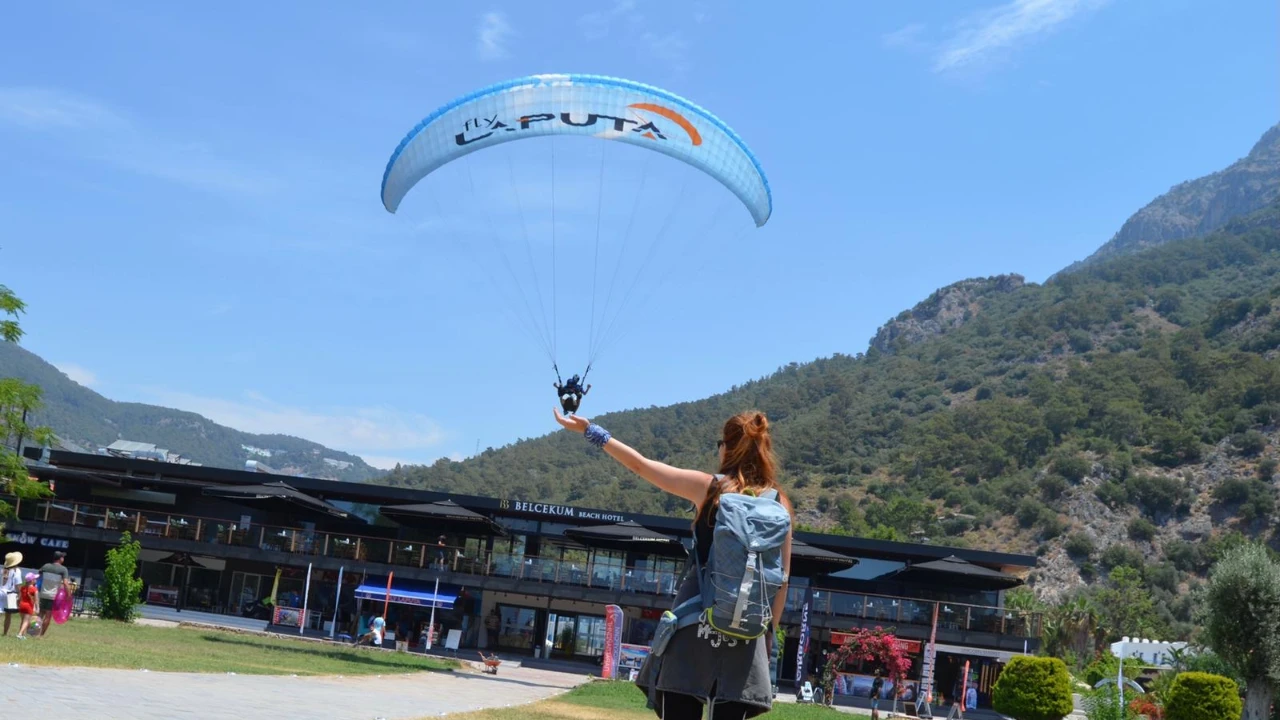
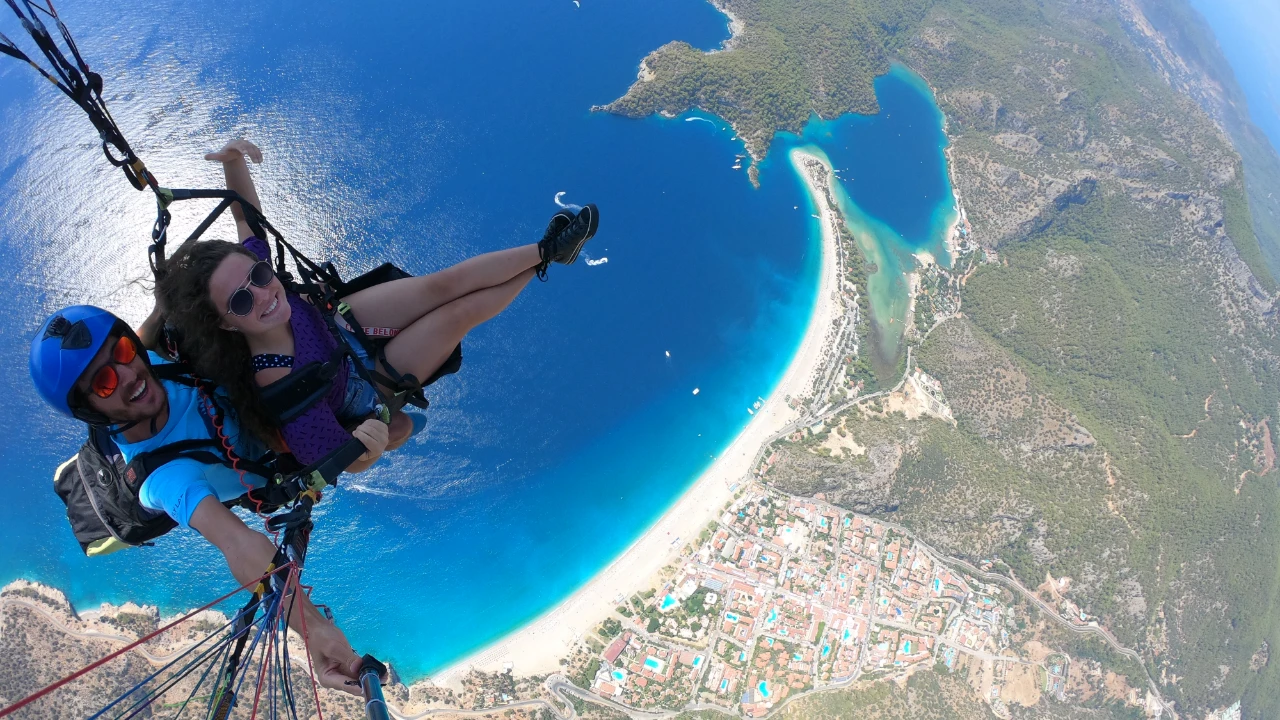
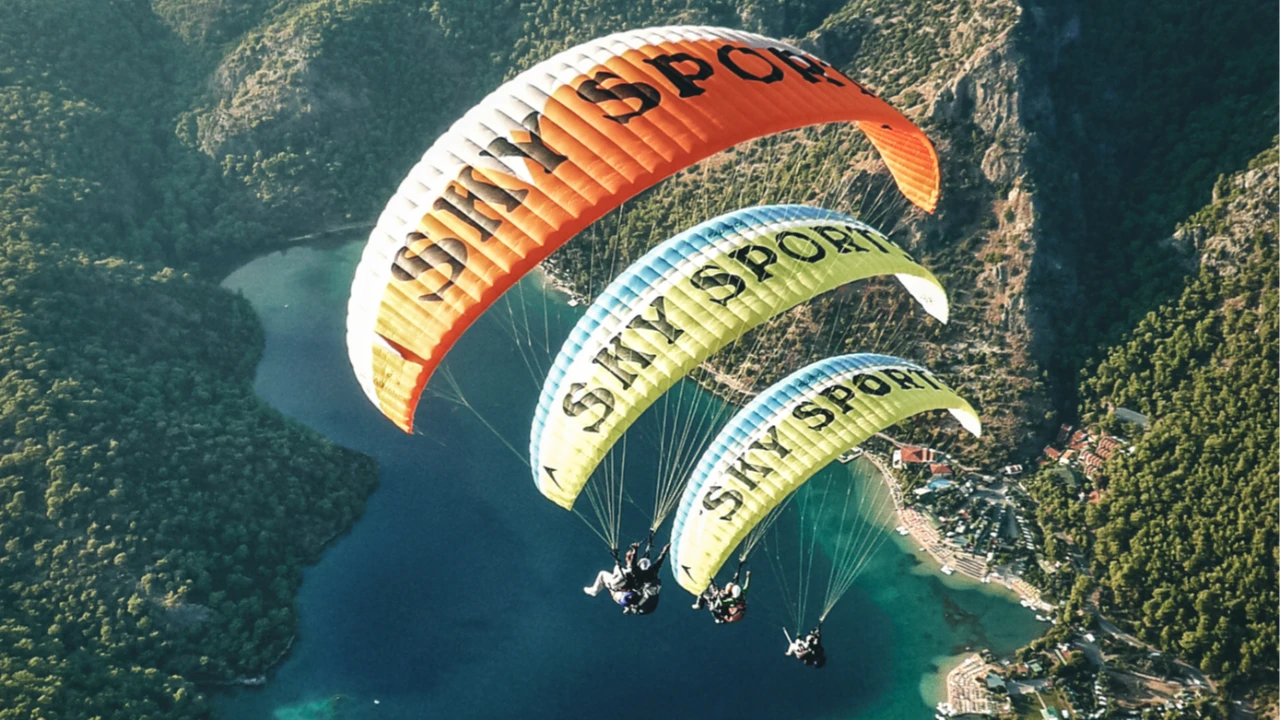
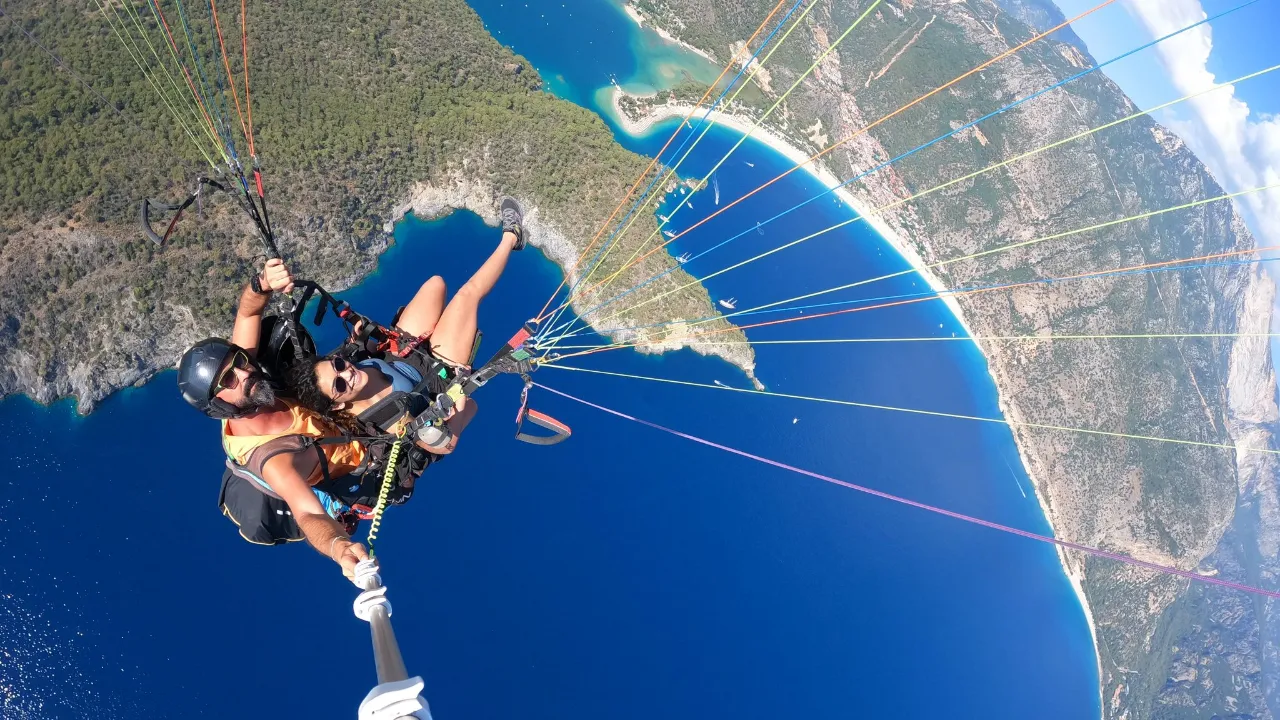
| Paragliding | Babadağ launch, short flight | 15-40 minutes flight | Participants comfortable with heights | Varies with flight altitude and video package |
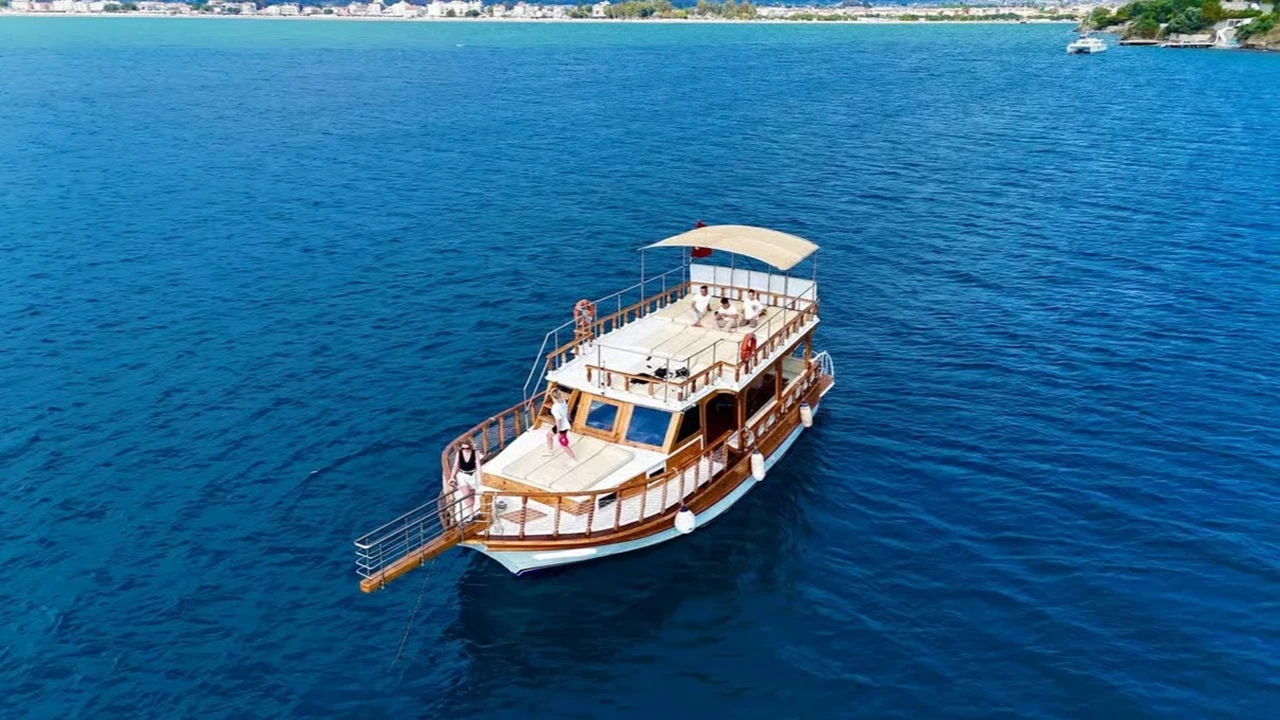
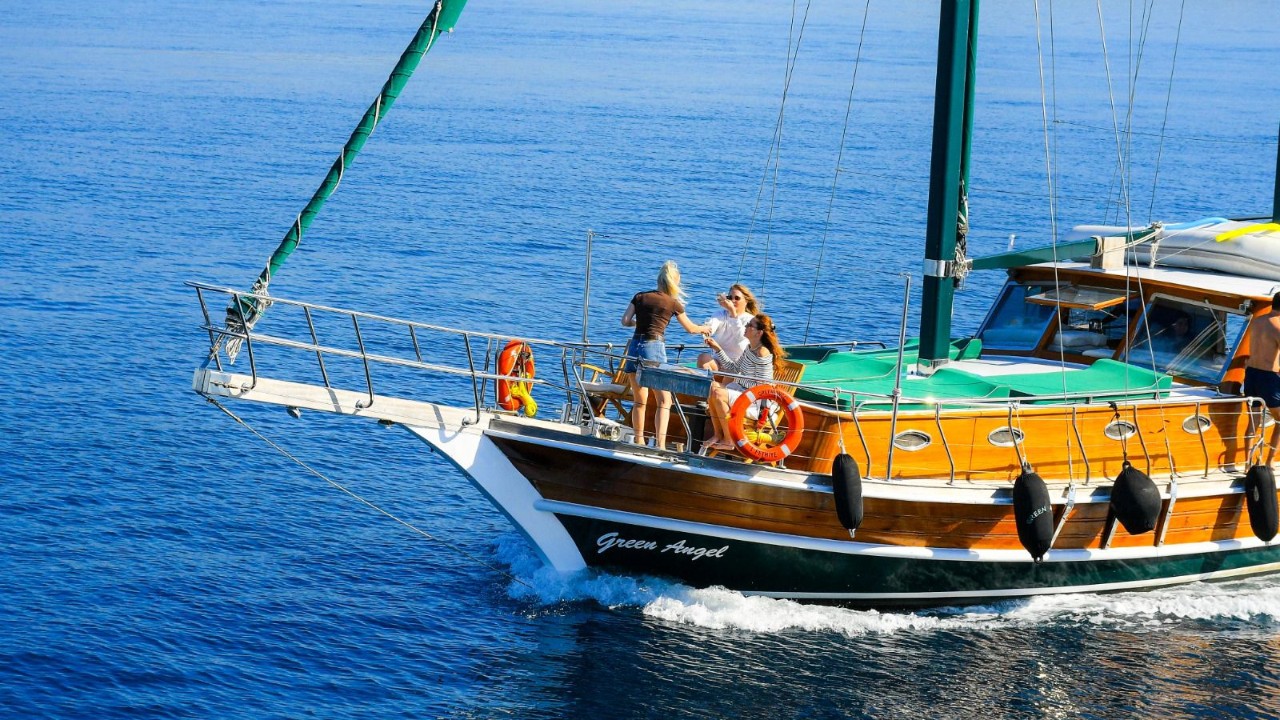
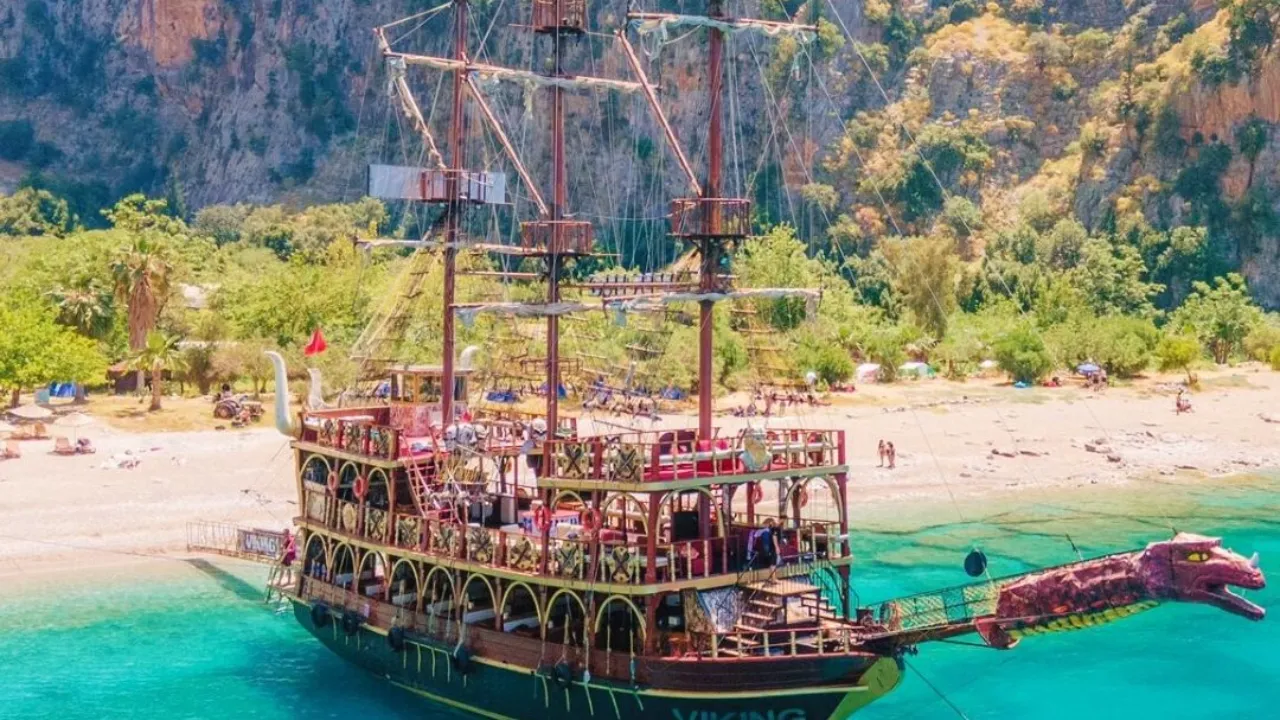
Those looking to combine two different water experiences in the same holiday can balance crowds by scheduling their rafting day mid-week and their sea-based day on the weekend. To see the routes for cove and island stops, simply check the Fethiye boat tour programs. If you're planning a day on land, Fethiye jeep safari programs won't repeat your rafting day, as they combine canyon, village, and trout farm stops along the same route.
Season Matrix: Water Flow, Temperature, and Crowds
The rafting season in the region runs from April to November, with peak season between May and September. However, "being open" isn't the same as "being suitable for your expectations." The river's character changes month by month with the water flow:
| Period | River Conditions | Crowds | Notes |
|---|---|---|---|
| April-May | High water flow from snowmelt and rain, cool water | Low | Suitable for those seeking active paddling; thermal clothing essential |
| June | Water flow stabilizes, weather warms up | Medium | Comfortable period for family programs and first-timers |
| July-August | Water flow decreases, water and air are warm | High | Rates increase with demand; early booking and morning departures are advantageous |
| September | Temperatures drop, water is stable | Medium-Low | Break times are more relaxed due to fewer crowds |
| October-November | Fluctuations due to rainfall | Low | Program cancellations possible; allow for flexible dates and alternative days |
Rainfall patterns and water management practices in the basin directly affect the water flow; differences can occur even between two weeks in the same month. Calling the operator a day before your tour to inquire about the current water conditions is a more reliable step than planning your season solely by looking at a table. During winter months, river programs close, and regional adventures shift to canyon hikes and cultural sites.
Tour Options and Questions to Ask When Booking
Two programs sold under the same name can be distinctly different. Comparing scope before comparing prices will eliminate expectation gaps at the end of the day. Here are the questions to ask before booking:
- Which section will we be paddling? The difference in difficulty between the upper and lower sections changes the character of the program.
- What is the active time on the water? The difference between 2 and 3 hours determines the portion of the day spent on the river.
- Is transfer included, and what is the pick-up time? For accommodations further from the center, the vehicle will depart earlier.
- What equipment is included? Helmet and life vest are standard; raincoats, wetsuits, and waterproof barrels are not included in every program.
- Is lunch and drinks included? Drinks are usually charged separately in most programs.
- Is the photo and video package included in the price? This item is usually an additional charge.
- What are the minimum age and health requirements? The age limit varies from 7 to 13 depending on the operator; participation conditions differ for pregnancy, heart conditions, spinal problems, or recent surgeries.
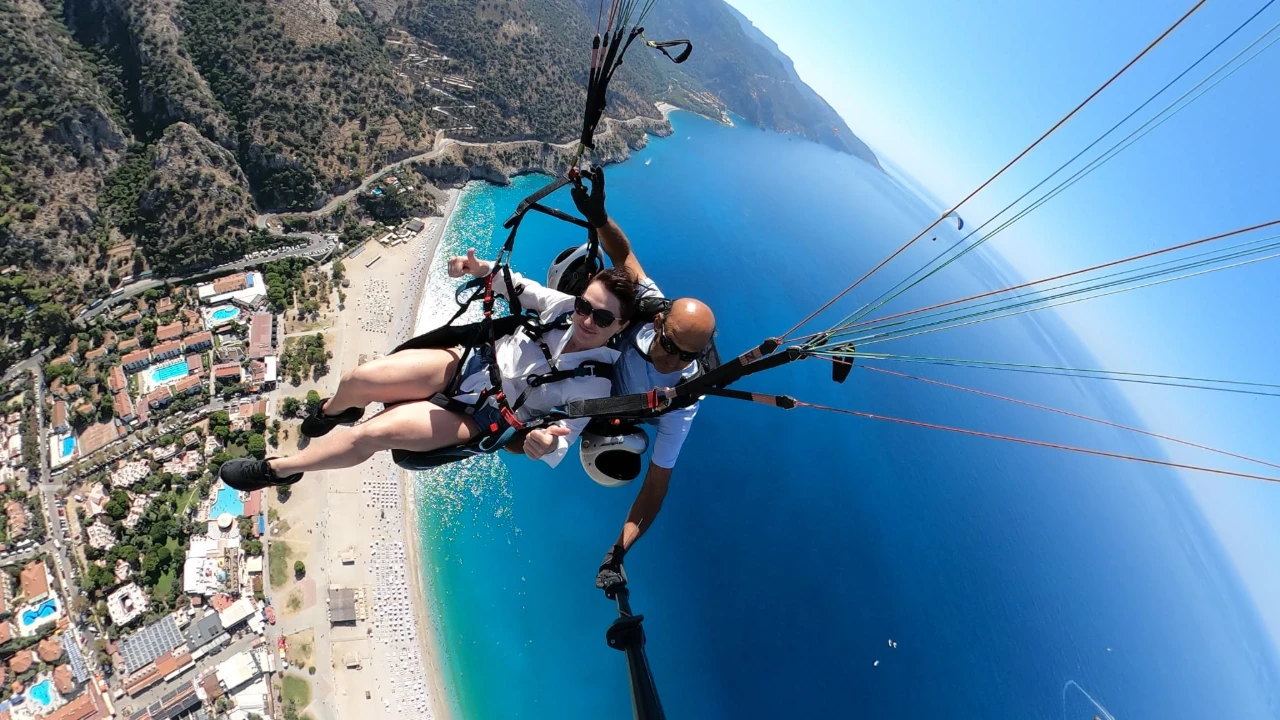
For those looking to combine their rafting day with another adventure program in the same week, combined options are available in the region: canyon and jeep safaris offer a complementary day on land, while Babadağ paragliding flights offer an aerial adventure. To compare flight altitudes, video recording, and weather condition rules, simply check the Fethiye paragliding programs.
Fethiye Rafting Cost: Factors Determining the Price
The per-person rate for rafting programs varies significantly from operator to operator, depending on the chosen section and the scope of the package; published list prices are also updated within the season. Therefore, instead of giving specific figures, we'll explain where the differences come from. The following items account for almost all the price variations between two offers; always request the current rates and what's included in writing from the operator at the time of booking.
| Item | Price Impact |
|---|---|
| Season | Rates increase in July and August due to higher demand; early and late season are more affordable |
| Section Choice | Longer and more challenging sections require more guides and safety personnel |
| Group Size | Shared boats reduce per-person cost; private boat requests increase it |
| Transfer Distance | Pick-ups from distant locations like Ölüdeniz, Faralya, and Kabak increase costs |
| Equipment Scope | Provision of wetsuits, raincoats, and waterproof barrels is reflected in the package price |
| Food and Drink | Lunch is included in most programs; drinks are usually separate |
| Photo and Video | Photo/video packages are often priced as an additional item |
| Site Entrances | Canyon, nature park, and ancient city entrances are paid separately at the gate if not included in the package |
Stops outside of rafting also add to your budget. Entrances to Saklıkent National Park and Ölüdeniz-Kıdrak Nature Park are subject to separate fees, and the Müzekart is not valid in these areas. In contrast, the Müzekart can be used at Ministry of Culture and Tourism sites like Tlos, Patara, and Fethiye Museum. Some areas apply different rates for local and foreign visitors; inquire about the applicable amount at the ticket office. Those wishing to compare the scope of programs side-by-side can utilize the Fethiye rafting tours list; combining the day with a second activity also helps distribute per-person transfer costs.
Practical Tips: Equipment, Safety, Food & Drink, and Accommodation
What to Pack
- Spare clothes and a towel; getting into the transfer vehicle in wet clothes after the course can be uncomfortable on a long ride.
- Non-slip sandals or lace-up water shoes; flip-flops will come off your feet in the river.
- Waterproof case or small dry bag; your phone and ID should be carried inside this.
- Sunscreen, hat, and glasses strap; the sun's effect is amplified in the valley due to reflection.
- Small amount of cash; card readers may not be available at kiosks at rest stops.
- Thin thermal top layer for cooler periods; the water is noticeably cold in April and May.
Safety Rules and Health Notes
Helmets and life vests are put on before entering the water and are not removed throughout the course. The guide's paddle commands apply to the entire group; seating posture in the boat and foot bracing are demonstrated during the briefing. The possibility of falling into the water is a natural part of the rafting experience, so instead of panicking, you'll be taught to lean back on your vest and keep your feet up. Not knowing how to swim is not an obstacle for most operators, but it must be declared during booking.
Participation conditions change for conditions such as pregnancy, heart conditions, spinal and joint problems, or recent surgeries; sharing your health status beforehand saves time for both the group and yourself. Participation under the influence of alcohol is not permitted. Valuables should be left locked in the vehicle and not brought onto the boat.
Food & Drink Around Your Rafting Day
Lunch is usually provided within the program at facilities around the course; the meal typically consists of grilled dishes and rice, with drinks often charged separately in most programs. There are also complementary stops along the way.
Yaka village, on the road to Saklıkent and Tlos, is known for its facilities that raise trout in spring-fed pools; the most famous of these is Yakapark, reached by heading towards Saklıkent and turning off at the Yaka village junction. The facility is located about two kilometers from Tlos, nestled within a pine forest. The icy cold mountain water is a well-known feature of the establishment; alongside trout, dishes made with gözleme (Turkish flatbread), village cheese, and herbs gathered from the mountains are served.
Gözleme, trout, and tea are also served on the wooden platforms above the river at the canyon entrance. Tables here fill up quickly at lunchtime; it's easier to get a seat before entering the canyon.
When you return to the center in the evening, Fethiye Fish Market becomes a prominent stop: selecting your fish from the stalls and having it cooked at the surrounding restaurants is the established custom here. The cooking fee is calculated separately from the fish price; salad, meze, and drinks are also separate items, meaning a large part of your bill is determined at the table, not by your selection at the stall. The narrow streets of Paspatur Bazaar are where meze and ocakbaşı (grill) restaurants are concentrated. If you're planning market shopping, the day choice is important: the large central neighborhood market is set up in Tuzla Mahallesi on Tuesdays, while producers from surrounding villages open their stalls at the Köylü Pazarı (Villagers' Market) on Fridays. Both are lively early in the morning, with stalls starting to pack up in the afternoon.
Accommodation Areas and Morning Transfers
- Fethiye center and Karagözler: Proximity to the marina and bus station makes morning pick-ups easier; as the vehicle starts from the center, you'll be among the last on the pick-up list, and evening bazaar strolls will be within walking distance.
- Çalış Beach: The longest stretch of coastline closest to the center; dolmuşes and seasonal water taxis are available, and transfers usually stop here right after the central tour.
- Ölüdeniz and Belcekız: Beach-focused accommodation; pick-ups are earlier than from the center, as the vehicle descends to the center then climbs the hillside road.
- Hisarönü and Ovacık: Located on the elevated road leading to Ölüdeniz; the pick-up vehicle collects from both these points on the same tour, extending travel time in the vehicle, while the altitude offers cooler summer nights.
- Kayaköy: Stone house guesthouses and a tranquil atmosphere; dolmuş services to the center are limited during the day, so it's practical to return to the center with the tour vehicle and continue from there.
- Faralya and Kabak Koyu: Bungalow and boutique accommodations; due to narrow, winding, and steep roads, vehicles travel slowly along this route, and pick-up lists often start from here. For some accommodations in Kabak, the final section requires walking, so inform your operator when booking.
Fethiye Day Trips: Planning Your Rafting Day
River choice depends on the nature of your expectations. Those seeking an exhilarating paddling day will head to the upper or Akköprü section of the Dalaman River; those wanting a short, relaxed program in cool water will find canoe and ringo options on the Esen River route. Seasonally, spring highlights high water flow, summer offers comfort and crowds, while September strikes a balance between the two.
When planning your day, don't underestimate the transfer time: pick-up is early morning, and return is late afternoon, so squeezing a second intense program into the same day will be tiring. Saving cultural and coastal stops for the next day makes exploring Tlos, Kayaköy, and the town center more relaxed; Butterfly Valley and Kıdrak also fit well into that day. When you confirm the section, duration, equipment, included items, and pick-up time in writing during booking, you'll avoid any surprises during your day.
Frequently Asked Questions 11
Do you need to know how to swim for Fethiye rafting?
For most operators, not knowing how to swim is not an obstacle to participation, as life vests keep the body afloat, and a guide is present in every boat. Nevertheless, it's essential to share this information during booking; the guide will arrange the seating in the boat accordingly.
When can you go rafting in Fethiye?
River programs run between April and November, with the peak season being from May to September. After November, rafting programs close due to rainfall patterns; regional adventures shift to canyon hikes, Lycian Way stages, and cultural sites.
How much does Fethiye rafting cost, and what determines the price?
The per-person rate varies by operator, chosen section, and package scope, and is updated within the season; therefore, instead of specific figures, it's essential to look at the factors that create the difference. The period, section length and required number of guides, distinction between shared and private boats, hotel pick-up distance, equipment coverage, lunch and drinks, and photo and video package are all determining factors. Canyon and nature park entrances are paid separately at the gate if not included in the package. Always request the current rates and what's included in writing from the operator at the time of booking.
What is the minimum age to join a Fethiye rafting tour?
The minimum age limit varies by operator and chosen section; you'll find policies for 7, 12, and 13 years old. What's more decisive than age is the difficulty class of the course and the child's comfort level with water. For groups with children, the Akköprü section or ringo and canoe programs on the Esen River offer a more suitable starting point.
Can I bring my phone or camera during rafting?
It is not recommended to bring devices not secured to the boat with you; there is a high risk of loss due to water and the possibility of capsizing. In operations that provide waterproof barrels or cases, IDs and phones can be carried in these compartments. For those who don't want to worry about capturing footage, most programs offer an additional paid photo and video package.
What can you do for a day trip in Fethiye?
Since rafting takes up a full day, it's not recommended to add a second intense program on the same day. However, after returning, the Amintas Rock Tombs, Fethiye Museum, and Paspatur Bazaar in the center create a walkable evening tour. For the next day, the Saklıkent and Tlos duo, a boat trip to Butterfly Valley, a cove tour, or a paragliding flight from Babadağ are balanced day-trip alternatives.
What are the top 10 places to visit in Fethiye?
A list surrounding your rafting day could include: Dalaman River course, Saklıkent Canyon, Tlos Ancient City, Patara beach, Ölüdeniz lagoon, Kıdrak, Butterfly Valley, Kayaköy, Amintas Rock Tombs, and Paspatur Bazaar with the Ancient Theatre. These stops cannot be squeezed into one day; both the river day and a dedicated culture and coast day can be enjoyed comfortably when separated.
What is Fethiye famous for?
Fethiye is renowned for its Ölüdeniz lagoon and paragliding from Babadağ; boat tours exploring coves and island routes, Lycian Way hiking stages, Saklıkent Canyon, and the stone houses of Kayaköy are also prominent features. There is no river flowing through the town center itself, which is why rafting is done on the Dalaman River and Esen River.
What can you do in Fethiye in the evening?
For returning rafters, a light evening program is suitable: meze and ocakbaşı (grill) restaurants in the narrow streets of Paspatur Bazaar, the Fethiye Fish Market where you choose your fish from a stall and have it cooked at a surrounding restaurant, a stroll around the marina, and a visit to the Amintas Rock Tombs and Ancient Theatre in the evening light. Those wishing to watch the sunset over the sea can head to Çalış Beach.
Which films were shot in Kayaköy, Fethiye?
Two productions stand out in Kayaköy: Ömer Kavur's 1987 film *Gece Yolculuğu* (Night Journey) and the closing scenes of Russell Crowe's 2014 film *The Water Diviner* were shot here. The village also inspired Louis de Bernières' novel. The abandoned stone houses, large and small churches, and fourteen chapels are open to visitors today.
Where is Fethiye's town center?
The center is the Paspatur Bazaar and Karagözler area, clustered around the harbor and marina; the bus terminal is also nearby. Tour transfers typically pick up from hotel fronts or a designated meeting point close to the main road. In narrow-street areas, vehicles may not be able to approach the door, so clarifying your pick-up point a day in advance will prevent delays.