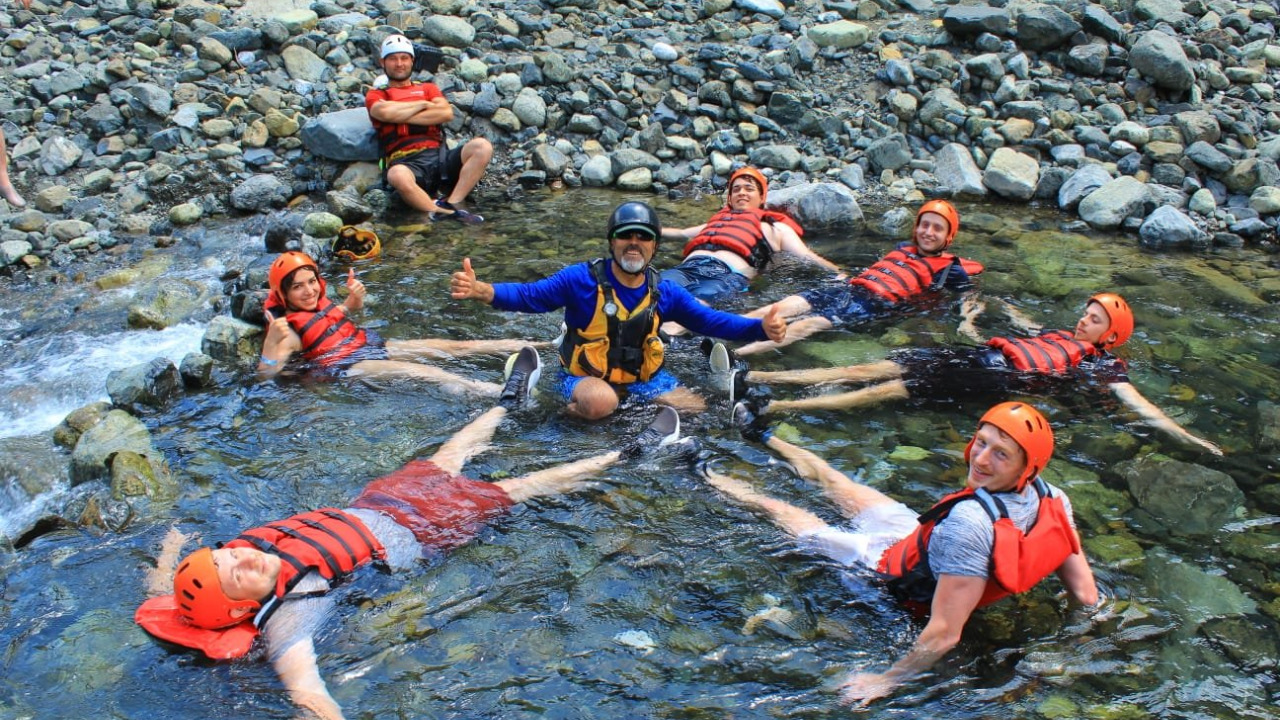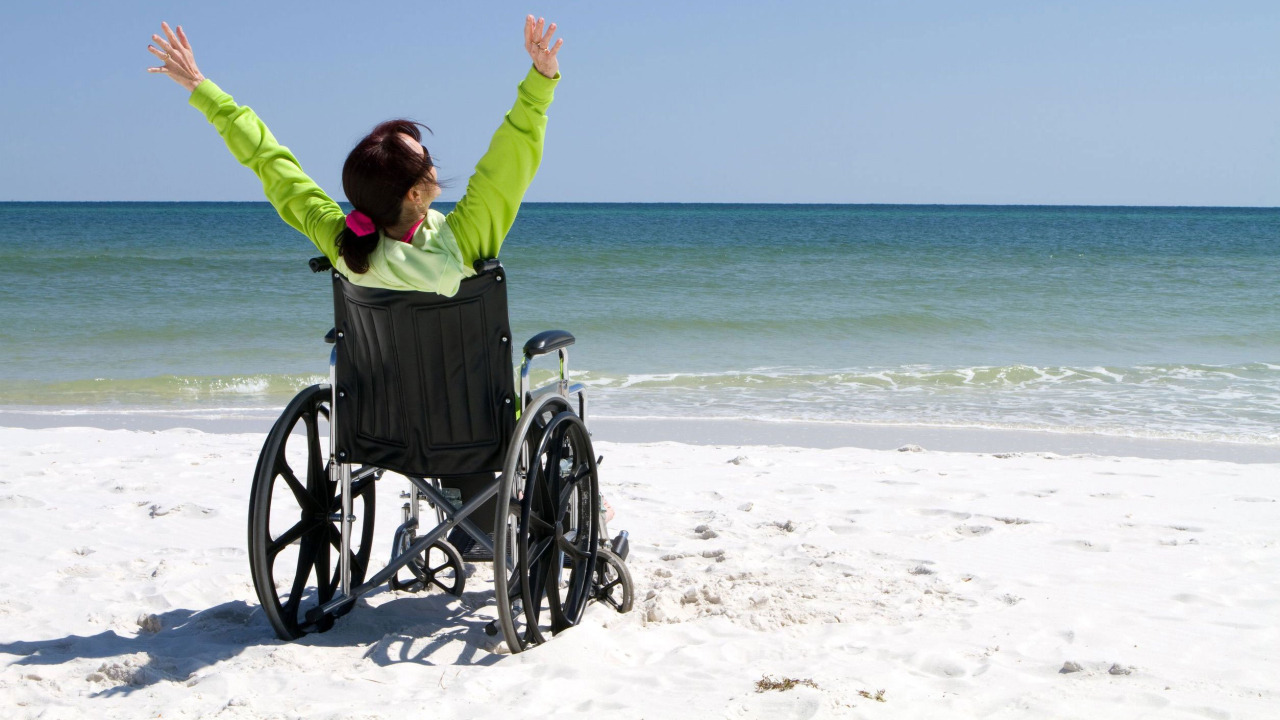

The freedom to travel is a fundamental right for everyone. However, for guests with mobility, visual, hearing, or cognitive differences, this freedom is often restricted by physical and informational barriers. This is where accessible tourism steps in—an approach aimed at making every stage of travel, from planning to the return journey, reachable for all. The Paralympic spirit serves as one of the most visible inspirations for this movement: the determination of athletes and international para-sports organizations encourages entire nations to rethink their infrastructure, from airports to hotel rooms. In this guide, we explore what accessible tourism entails, its core principles, its economic value, and the opportunities Turkey offers in this field, based on official data. As a team working on the ground, Travel Tour Shop closely monitors how accessibility is shaping the future of tourism.
Quick Look
| Topic | Information |
|---|---|
| Concept | Accessible tourism / barrier-free tourism |
| Who it covers | Guests with mobility, visual, hearing, or cognitive differences, seniors, parents, and those with temporary health constraints |
| Reference sources | World Health Organization (WHO) disability data, UN Tourism (UNWTO) "Accessible Tourism for All" principles |
| Core principles | Physical, sensory, information/communication, and attitudinal accessibility |
| Key regions in Turkey | Antalya and Belek, Istanbul Historical Peninsula, Muğla (Bodrum and Fethiye) |
| Planning priority | Pre-verifying accommodation and transport, reliable digital information |
What is Accessible Tourism?
Accessible tourism is a travel approach designed to ensure that individuals with mobility, visual, hearing, or cognitive differences, as well as seniors and those experiencing temporary functional impairments, can enjoy accommodation, transportation, excursions, and recreational services independently, with dignity, and on an equal basis with everyone else. This definition aligns with the "Accessible Tourism for All" principles advocated by UN Tourism (UNWTO), positioning tourism not as a privilege, but as a shared right.
At the heart of this concept is the idea that accessibility is not a niche specialty for a specific group. The convenience provided by a ramp, auditory guidance, or a clear website benefits a family with a stroller, a traveler with heavy luggage, or an elderly visitor just as much as it does a guest using a wheelchair. In this sense, accessible tourism is a philosophy of inclusive design that spreads high-quality service across all of society.
Who Does Accessible Tourism Cover?
The target audience for accessible tourism is much broader than most people realize. According to frequently cited data from the World Health Organization (WHO), more than 1 billion people—approximately 15% of the global population—experience some form of disability. More recent WHO estimates suggest this number has risen to approximately 1.3 billion due to increasing life expectancy and the prevalence of chronic illnesses. While these figures are estimates and can vary based on definitions and measurement methods, they represent a massive global demographic.
When you add companions, family members, and travel partners to this group, the number of guests who directly or indirectly require accessibility increases significantly. Consequently, accessible tourism has evolved from a narrow niche into a vital structural component of the global tourism market.
How the Paralympic Spirit Shapes Accessible Tourism
The Paralympic Games are the ultimate stage for performance that transcends physical limits, but their impact extends far beyond the sports arena. For a country to host para-athletes, it must make various touchpoints accessible—from hotel facilities and sidewalk layouts to airports and historical sites. When this necessity is integrated into general tourism policy, it transforms into lasting service quality and a competitive advantage.
Turkey's success in para-sports provides a concrete foundation for this transformation. For example, the women's national goalball team gained international recognition by winning the championship at the Tokyo 2020 Paralympic Games. Such achievements raise social awareness and strengthen the motivation for host destinations to elevate their accessibility standards. Recent international para-sports organizations hosted in Turkey have also demonstrated that the country is not just a participant, but a leading organizer in this field.
The core idea is clear: the Paralympic spirit turns accessibility from a mere obligation into a vision. This connection, built on the determination of athletes, invites tourism stakeholders to rethink the concept of an "obstacle" as a result of environmental design rather than a personal limitation.
The Core Principles of Accessible Tourism
Accessibility is often equated solely with ramps or elevators; however, a comprehensive accessible tourism experience is built on four complementary dimensions. For a destination to be truly inclusive, all these dimensions must be addressed together.
Physical Accessibility
Physical accessibility refers to making spaces navigable for guests with different physical needs. Key elements include step-free entrances, wide enough doors and corridors, ramps, elevators, bathrooms equipped with grab bars, and appropriately sloped walkways. It is vital that every link in the chain—from hotel rooms to restaurants, and from museum entrances to beach access—is seamless, as a single break in the chain can disrupt the entire experience.
Sensory Accessibility
Sensory accessibility focuses on guests with visual or hearing differences. This includes tactile paving, Braille signage, and audio descriptions for visitors with visual impairments, as well as visual call systems, written information, and sign language support for guests with hearing impairments. These adjustments ensure that information is accessible to everyone equally.
Information and Communication Access
The often-overlooked dimension of accessible tourism is accurate and pre-accessible information. When a facility shares its accessibility features clearly, up-to-date, and verifiably, it allows guests to plan their trips with confidence. The foundation of this principle lies in websites being compatible with screen readers, room and space photos reflecting the actual conditions, and reservation channels being easy to navigate.
Attitudinal Accessibility
No matter how good the physical arrangements are, the attitude of the staff is the ultimate factor in the guest experience. Attitudinal accessibility refers to employees greeting guests with diverse needs with respect, kindness, and knowledge, and treating guests based on their preferences rather than their limitations. This dimension is improved through staff training and is often the area that yields the highest impact with the lowest cost.
Why is Accessible Tourism Economically Valuable?
Accessible tourism is as much a robust business model as it is a social responsibility. The demand generated by guests requiring accessibility provides a sustainable revenue stream for tourism businesses due to both its volume and its quality. This value can be understood through several reinforcing dynamics.
The Companion Multiplier and Longer Stays
Guests with accessibility needs rarely travel alone; they are typically accompanied by at least one companion, family member, or travel partner. This naturally increases room and service sales. Furthermore, in contexts such as sports camps and organized events, the duration of stay tends to be higher than average due to acclimatization and preparation periods. The combination of longer stays and the companion multiplier significantly increases the value added per business.
Off-Season Demand and Loyalty
One of the structural challenges of Turkish tourism is the concentration of activity in the summer months. However, para-sports camps, international tournaments, and accessible travel groups can act as a vital balancing factor by spreading demand throughout the year. Additionally, a guest whose accessibility needs are met correctly is highly likely to choose the same facility and destination again. This loyalty, built on trust, is a valuable asset for long-term customer relationships.
What Does Turkey Offer in Accessible Tourism?
With its climate, advanced accommodation infrastructure, and rising success in para-sports, Turkey provides a fertile ground for accessible tourism. The inclusion of accessibility criteria in the Ministry of Culture and Tourism's facility certification standards has supported the widespread implementation of concrete regulations in many destinations. Below, we highlight the standout regions and their advantages. To find current program options covering different regions, you can explore our tour options to personalize your itinerary according to your accessibility needs.
Antalya and Belek
With its advanced sports facilities and hotels featuring flat architecture, Belek is one of the leading centers preferred for training camps in disciplines such as wheelchair tennis, para-archery, and amputee football. The proximity of many facilities in the region to sports complexes and the availability of accessible room options place the Antalya area in a strong position for para-sports tourism. This infrastructure also provides a comfortable holiday base for guests with accessibility needs outside of sports groups.
Istanbul
Istanbul offers a unique blend of international organizational capacity and rich historical heritage. Accessibility improvements made in the Historical Peninsula make cultural excursions accessible to a wider audience. Guests wishing to explore the city's museums, palaces, and places of worship can organize their routes with an accessibility priority within our cultural tours.
Muğla (Bodrum and Fethiye)
Beyond sea tourism, Muğla offers opportunities for inclusive alternative experiences. In Fethiye, aerial sports, and in Bodrum, sailing activities, create an inclusive adventure tourism category that para-athletes can participate in with appropriate adaptations. Accessible sea access solutions implemented at certain beaches in the region make the coastal experience possible for more guests.
What Should You Consider When Planning an Accessible Trip?
The success of an accessible holiday depends heavily on the decisions made during the planning stage. Thorough research in advance reduces uncertainties during the trip and ensures a comfortable experience. The following two headings form the backbone of the planning process.
Verify Accommodation and Transport in Advance
A facility being labeled as "accessible" does not necessarily mean it meets every guest's specific needs. Therefore, it is important to clarify details such as door width, bathroom layout, elevator dimensions, and entrance slopes with the provider before booking. The same care applies to transportation: the suitability of airport transfer vehicles, wheelchair capacity, and companion arrangements must be confirmed beforehand. This proactive communication prevents disruptions on the day of travel.
Digital Information and Secure Booking
In accessible tourism, being able to access accurate information online is one of the most critical steps in planning. Platforms that share accessibility features transparently and make the reservation process easy to understand instill confidence in the guest. In this context, the role of digital infrastructure is growing; for more context on online booking and technological developments in tourism, you can check our article on digitalization and online booking in Turkish tourism. The security and transparency of the booking process are just as important as the information itself; we have discussed our approach to the digital future of tourism and secure booking experiences in detail in our dedicated article.
How Does Accessible Tourism Support Sustainable Development?
The value of accessible tourism extends beyond economic returns to social transformation. Investments in this field are directly linked to several United Nations Sustainable Development Goals. Specifically, the goals of reducing inequalities and creating sustainable cities and communities align perfectly with the essence of accessible tourism, as opening the right to travel to everyone and making urban architecture inclusive are concrete reflections of these objectives.
As the tourism sector invests in accessibility, awareness grows within local communities and among industry workers. This awareness helps elevate the quality of the workforce and fosters an inclusive service culture. Thus, accessible tourism creates a cycle that nourishes both guest satisfaction and social well-being. The tourism of the future will be led by destinations that embrace accessibility not as an add-on, but as a fundamental design principle.
Frequently Asked Questions 6
What is accessible tourism?
Accessible tourism is an approach aimed at ensuring that individuals with mobility, visual, hearing, or cognitive differences, as well as seniors and those with temporary functional impairments, can enjoy tourism services independently, with dignity, and on an equal basis with everyone else. It aligns with UN Tourism's "Accessible Tourism for All" principles.
What are the types and examples of accessibility?
Accessibility is addressed in four main dimensions: physical (ramps, elevators, step-free entrances), sensory (Braille signage, audio descriptions, sign language support), information and communication access (screen-reader friendly websites, accurate photos, and clear booking info), and attitudinal accessibility (trained and respectful staff approach).
How many people in the world need accessible tourism?
According to frequently cited WHO data, more than 1 billion people—about 15% of the population—experience some form of disability; more recent WHO estimates place this number at approximately 1.3 billion. These are estimates, and the number of people requiring accessibility grows even larger when companions are included.
How do the Paralympic Games affect tourism?
Hosting para-athletes requires a country to make its airports, accommodation, and urban infrastructure accessible. Over time, these improvements are integrated into general tourism policy, creating lasting service quality and strengthening the destination's image of inclusivity.
Is Turkey suitable for accessible tourism?
Turkey is well-suited for accessible tourism due to its climate, advanced accommodation infrastructure, and rising success in para-sports. Key options include sports camps in Antalya and Belek, cultural tours in Istanbul, and alternative experiences around Muğla. However, accessibility details for every facility should be confirmed before booking.
What should I look for when planning an accessible holiday?
It is vital to clarify accessibility details regarding accommodation and transport with the provider before booking. You should verify aspects like room and bathroom layouts, elevator dimensions, transfer vehicle suitability, and companion arrangements, while choosing reliable digital platforms that share accessibility features transparently.