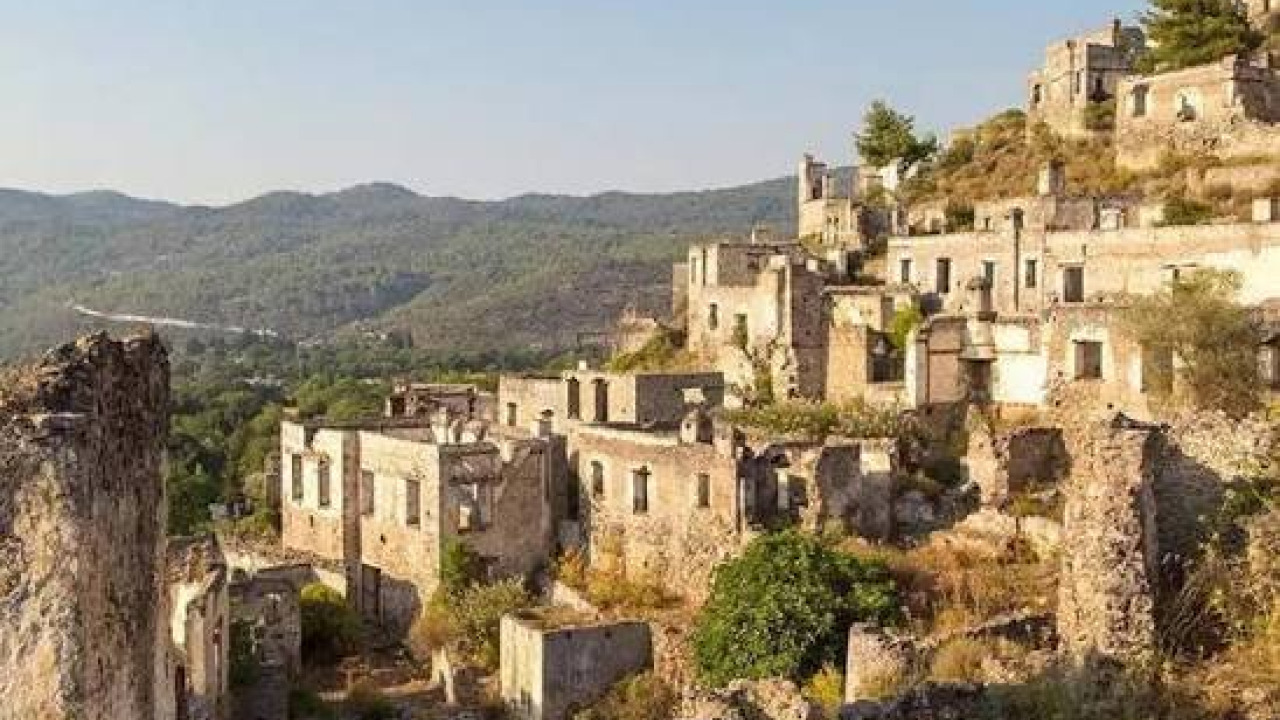

Nestled on the slopes of a pine-covered valley just eight kilometers from Fethiye city center, Kayaköy welcomes visitors with its hauntingly beautiful stone houses. Known as Karmylassos in ancient times and Levissi during the Ottoman era, this historic settlement fell silent following the 1923 Population Exchange between Greece and Turkey. Today, the dramatic silhouette of roofless stone dwellings creates one of Turkey's most evocative open-air museums.
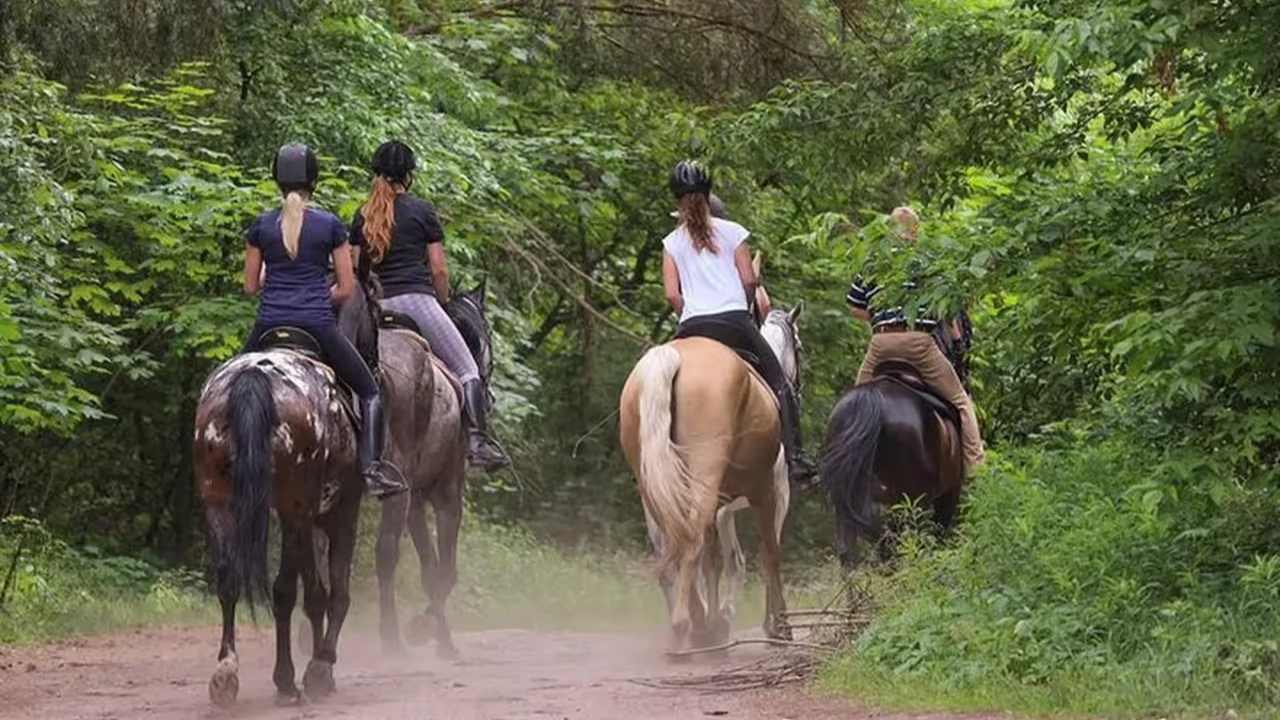
For travelers looking to immerse themselves in the landscape, the specialized routes offered by Horse Safari in Fethiye provide a unique way to explore the village's historic alleys and surrounding valleys. Riding through the shade of towering pines and weaving between ancient stone walls offers an unforgettable perspective on this forgotten town.
To make the most of your visit, it helps to understand the village's architectural layout, its steep inclines, and the poignant memories of the exchange era. This comprehensive field guide provides everything you need, from entry details and MuseumPass info to the scenic trek to Cold Water Bay.
Kayaköy at a Glance: Quick Visitor Summary
| Feature | Practical Details |
|---|---|
| Location | Kayaköy Neighborhood, Fethiye, Muğla (on the ridges of Ölüdeniz) |
| Must-See Landmarks | Upper Church (Taksiyarhis), Lower Church (Panagia Pyrgiotissa), Old Greek School |
| Entry & MuseumPass | Official Ministry of Culture and Tourism site; MuseumPass is accepted |
| Best Time to Visit | 08:30–11:00 or 16:30–19:00 for cooler temperatures and golden hour light |
| Terrain & Footwear | Steep, stepped, and slippery stone paths; sturdy walking shoes are essential |
| Getting There | 20 minutes via Kayaköy dolmuş (minibuses) departing Fethiye center every 30 mins |
| Ideal For | History buffs, photographers, cultural explorers, and hikers |
Where is Kayaköy and How to Get There?
The Kayaköy Archaeological Site is located approximately eight kilometers southwest of Fethiye center, situated on the western slopes of Hisarönü and Ölüdeniz. Tucked away in a mountainous basin between the Fethiye Gulf and the Ölüdeniz Lagoon, the valley enjoys a refreshing microclimate thanks to its dense pine forests. The road leading to the village is fully paved, offering a scenic uphill climb starting from the Fethiye waterfront.
For those using public transport, Kayaköy dolmuşes depart regularly from the stops next to the Fethiye Central Mosque. The journey takes about twenty minutes and drops passengers off very close to the main entrance of the archaeological site. During the peak season, these services run reliably into the evening.
If you are driving, follow the signs for Hisarönü and then Kayaköy. While the winding mountain roads require careful driving, the views of the pine forests make the trip a pleasure.
Parking and Timing Your Visit
Parking is available directly opposite the entrance gate and around the plane trees in the village square, managed by the municipality and local businesses. Finding a spot is generally effortless in the early morning and late afternoon. However, the square can become crowded during midday on weekends due to visitors frequenting the local restaurants.
To secure a shaded parking spot, we recommend arriving before 09:30. Please note that vehicles are not permitted in the narrow streets of the village; all exploration must be done on foot.
If you wish to combine your historical tour with a dip in the sea, you can continue past the village on the paved road down to Gemiler Bay, or explore popular boat tours and bay routes in Fethiye for a relaxing coastal alternative.
MuseumPass and Ticket Information
Kayaköy is a first-degree archaeological and urban site protected by the Ministry of Culture and Tourism. The official ticket office at the entrance accepts the MuseumPass. Turkish citizens with a MuseumPass can enter the site free of charge throughout the year.
For international visitors or those without a pass, tickets can be purchased via credit card or cash at the turnstiles. During the summer, the gates open at 08:30 and close at 19:30. In the winter, the closing time is 17:30.
Since there are two separate checkpoints, one at the lower entrance and one at the start of the upper trails, we recommend keeping your ticket or pass with you throughout your visit.


Route Options and Exploration Paths
| Route | Avg. Duration | Difficulty | Key Highlights | Pro Tip |
|---|---|---|---|---|
| Short Heritage Tour | 1 - 1.5 Hours | Moderate | Lower Church, Old Bazaar, Central Houses | Best for families with children or those short on time |
| Summit Peak Trek | 2.5 - 3 Hours | Advanced | Upper Church, Bell Tower, Old Primary School | Wear ankle-support shoes and bring plenty of water |
| Cold Water Bay Hike | 3.5 - 4 Hours | High | Lycian Way forest section, Cold Water Bay | Requires good fitness or a boat transfer for the return |
| Horse Safari Route | 2 Hours | Low | Pine forests, back plains of the valley | A safe, guided experience for all riding levels |
The History of the Exchange and Architectural Genius
The stone houses of Kayaköy are a masterclass in 19th-century Ottoman civil architecture. Approximately 750 stone dwellings rise in tiers up the hillside, meticulously positioned so that no house blocks the sunlight or the view of another. Nearly every home features an underground cistern designed to collect rainwater.
The Greek Orthodox community that once lived here created a vibrant town culture based on agriculture, craftsmanship, winemaking, and trade. However, following the War of Independence and the 1923 Lausanne Convention, the inhabitants were forced to migrate to Greece.
Muslim Turkish immigrants brought from Thessaloniki and surrounding areas chose to farm the flat lands of the valley rather than occupy the stone houses on the slopes, leading to the gradual abandonment of the hillside. After the 1957 Fethiye earthquake caused many roofs to collapse, the village evolved into the open-air monument we see today.
The Upper Church (Taksiyarhis) and Panorama Hill
Standing proudly at the highest point of the village, the Upper Church is a historic place of worship dedicated to the Archangels Gabriel and Michael. With its distinctive pink-plastered walls and barrel-vaulted ceiling, it sits atop a hill overlooking the entire valley.
The church courtyard is adorned with mosaic flooring made of black and white pebbles. From the viewpoint adjacent to the courtyard, the stone houses below and the distant Fethiye mountains look like a breathtaking painting.
Reaching the Upper Church requires a steep 40-minute climb up stone stairs. To make the ascent more comfortable, take frequent breaks and stay hydrated.
The Lower Church (Panagia Pyrgiotissa) and the Bazaar Street
Located near the lower entrance, the Lower Church is dedicated to the Virgin Mary and is the largest structure in the village. Surrounded by high stone walls and a spacious courtyard, the interior still holds remnants of frescoes depicting biblical scenes.
The historic bazaar street running past the Lower Church was once the village's commercial heart, lined with farriers, tailors, and local bakeries. Today, as you walk this street, you can still examine the ruins of stone-arched shops and old street fountains.
After exiting the church, take a break at the traditional "gözleme" (savory pancake) tents run by local women, and relax with a cup of sage tea to soak in the village's serene atmosphere.
Safety and Field Preparation Protocol
To ensure a safe and healthy visit to the archaeological site, please follow these five safety guidelines:
- Wear Non-Slip Shoes: Century-old stone paths and steps are extremely slippery due to wear; avoid flip-flops and wear hiking shoes with treaded soles.
- Avoid Unstable Structures: Do not enter abandoned houses with collapsed roofs or cracked walls, and never climb on stone walls that may be prone to collapse.
- Hydration and Sun Protection: Shade is limited on the slopes. Especially during summer visits, carry at least one liter of water and a sun hat in your backpack.
- Supervise Children Closely: There are no railings or safety barriers along the paths; ensure children walk well away from the edges of the slopes.
- Notify Others Before Hiking: If you plan to descend to Cold Water Bay via the Lycian Way, inform a local shopkeeper or the ticket office staff before entering the forest section.
5 Pro Tips for Your Kayaköy Visit
- Visit in the Late Afternoon: After 16:30, the low-angle sunlight creates dramatic shadows across the stone houses, providing the perfect lighting for photography.
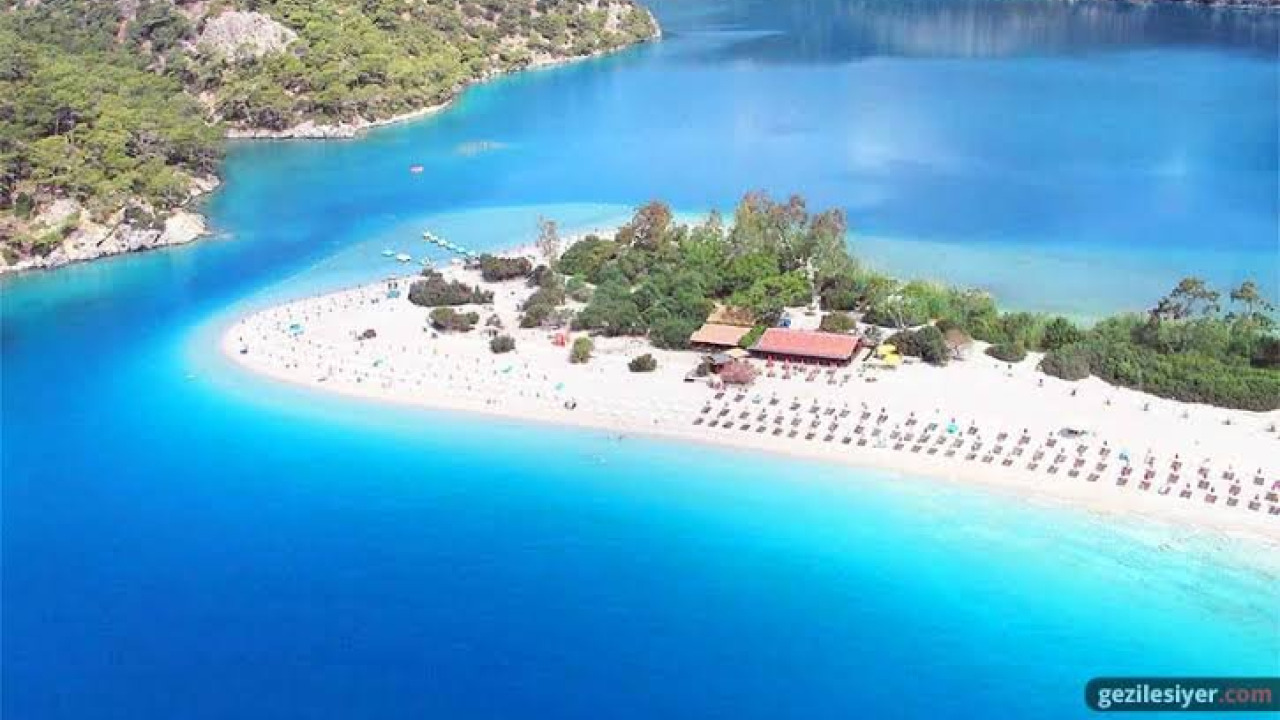
- Take the Cold Water Bay Path: Walk 40 minutes through the pine forest behind the village to reach this pristine bay, perfect for swimming away the day's fatigue.
- Taste the Fig Jam: Try the local jams made from fresh valley figs and freshly squeezed pomegranate juices at the village square.
- Bring a Torch or Phone Light: If you stay until dusk, remember that there is no street lighting on the stone paths; have a light source ready for a safe walk back.
- Read Up Before You Go: Reading Kemal Yalçın's "Emanet Çeyiz" or Louis de Bernieres' "Birds Without Wings" will add a profound emotional layer to your visit.
Frequently Asked Questions 5
Is the MuseumPass valid at Fethiye Kayaköy?
Yes, Kayaköy is an official archaeological site under the Ministry of Culture and Tourism, and entry is free for those with a valid MuseumPass.
How long does it take to explore Kayaköy?
A short tour covering the Lower Church and main streets takes about 1.5 hours, while a full trek including the Upper Church and the summit takes between two to three hours.
Are there dining options in Kayaköy?
Yes, the village square and surrounding areas feature local restaurants and garden cafes serving traditional saç böreği, gözleme, slow-roasted lamb, and home-cooked meals.
Is it allowed to enter the stone houses?
For safety reasons, entering ruined houses that are at risk of collapse is prohibited. Visitors are asked to admire the structures from the exterior paths.
Can you walk from Kayaköy to Ölüdeniz or the sea?
Yes, by following the Lycian Way path that leads into the forest behind the village, you can reach Cold Water Bay and the shoreline in about a 45-minute walk.