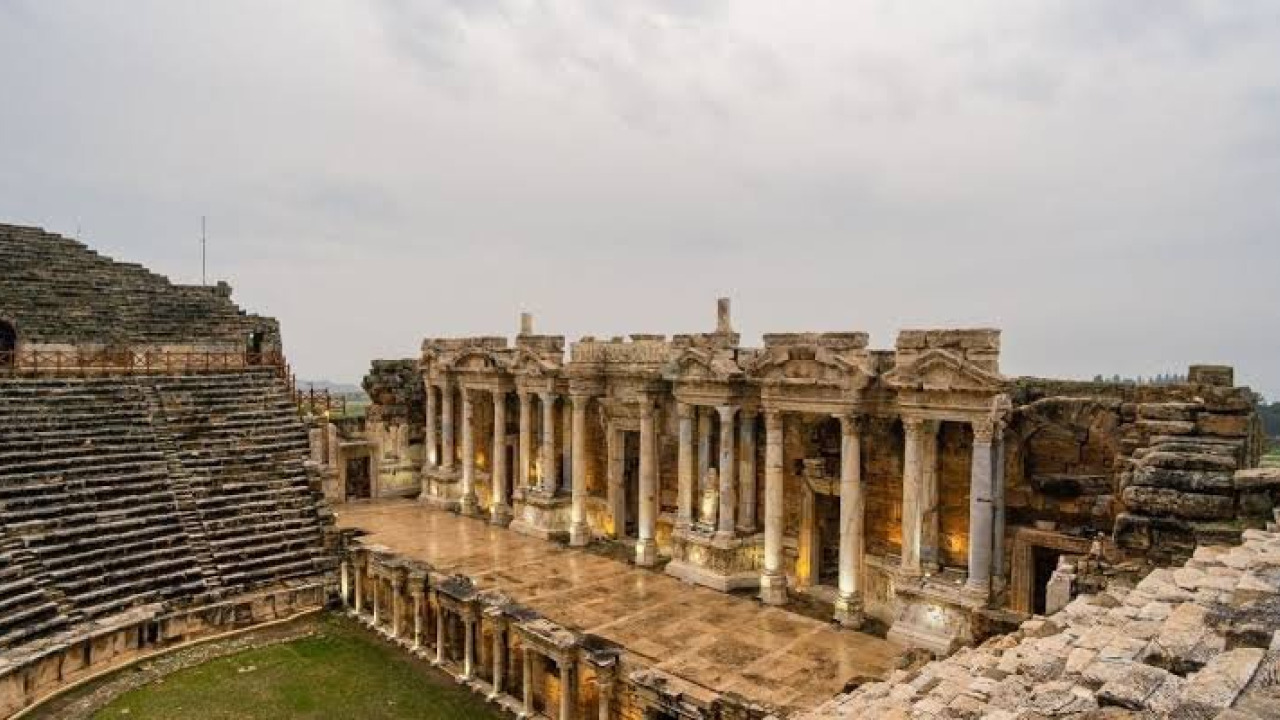

Nestled in the fertile plains of the Aegean coast in the Selçuk district of İzmir, the Ancient City of Ephesus stands as one of the most remarkably preserved open-air museums of the ancient world. Once a thriving metropolis boasting a grand harbor, marble-paved avenues, and a colossal theater, Ephesus served as a vibrant hub of the Roman Empire in Anatolia. Today, the towering facade of the Celsus Library, the 25,000-seat Great Theatre, the opulent Terrace Houses, and the Temple of Hadrian transport visitors back thousands of years. More than just a collection of ruins, Ephesus is a living cultural legacy where Hellenistic, Roman, and Byzantine histories overlap. In this comprehensive guide, we explore the history of Ephesus, its must-see landmarks, transport options, and essential travel tips.
At Travel Tour Shop, we maintain a rigorous quality standard. We have filtered out approximately 83% of our tour and transfer providers, listing only those who have proven their local expertise and earned stellar reviews from our guests. The insights and recommendations provided here are part of that quality filter; our goal is to connect you with guides who truly know Ephesus and reliable transport solutions that ensure a seamless journey.
Quick Facts
| Topic | Details |
|---|---|
| Location | Selçuk, İzmir, Aegean Region |
| Eras | Ancient Greek, Hellenistic, Roman, Byzantine |
| Status | UNESCO World Heritage Site (2015) |
| Highlights | Celsus Library, Great Theatre, Terrace Houses, Temple of Hadrian |
| Best Time to Visit | Spring (April, May) and Autumn (September, October) |
| Ideal For | History buffs, photographers, cultural explorers, families |
Getting to Ephesus: Location & Transport
The Ancient City of Ephesus is located just outside the town of Selçuk in the province of İzmir. Its proximity to the Aegean coastline makes it easily accessible from major city centers and popular holiday resorts. For reference: İzmir city center is approximately 75 km away, Kuşadası is about 20 km, and the center of Selçuk is only 3 km from the site. This accessibility makes Ephesus a perfect addition to a day trip or a longer cultural itinerary.
The most convenient starting point is typically İzmir Adnan Menderes Airport, which is roughly a one-hour drive from Selçuk. Regular train services also run between İzmir and Selçuk, from where a short walk or a quick transfer will take you to the ruins. For those staying in Kuşadası, Ephesus is often a highlight of a half-day excursion. To streamline your planning and combine the ruins with other nearby historical gems, we recommend exploring our Ephesus Ancient City cultural tours for organized transport and expert guidance.

A Journey Through Time: From Greece to Byzantium
The roots of Ephesus stretch deep into antiquity. Founded during the Ancient Greek period, the city rapidly evolved into a pivotal center of trade and faith thanks to its strategic harbor. During the Hellenistic era, the city was redesigned and moved to its current location near the plain, laying the groundwork for its famous grid-like street plan and monumental architecture.
The city reached its zenith during the Roman period. As the capital of the Province of Asia within the Roman Empire, Ephesus boasted a massive population, a bustling port, and opulent public buildings. This era saw the construction of the marble streets, lavish baths, ornate fountains, temples, and the Great Theatre. Ephesus also holds immense significance in early Christian history, making it a focal point for faith-based tourism. While the city remained important during the Byzantine era, the gradual siltation of the harbor and the receding coastline eventually severed its link to the sea. Today, the ruins lie several kilometers inland—a geographical shift that was a primary driver of the city's eventual decline.
The Celsus Library
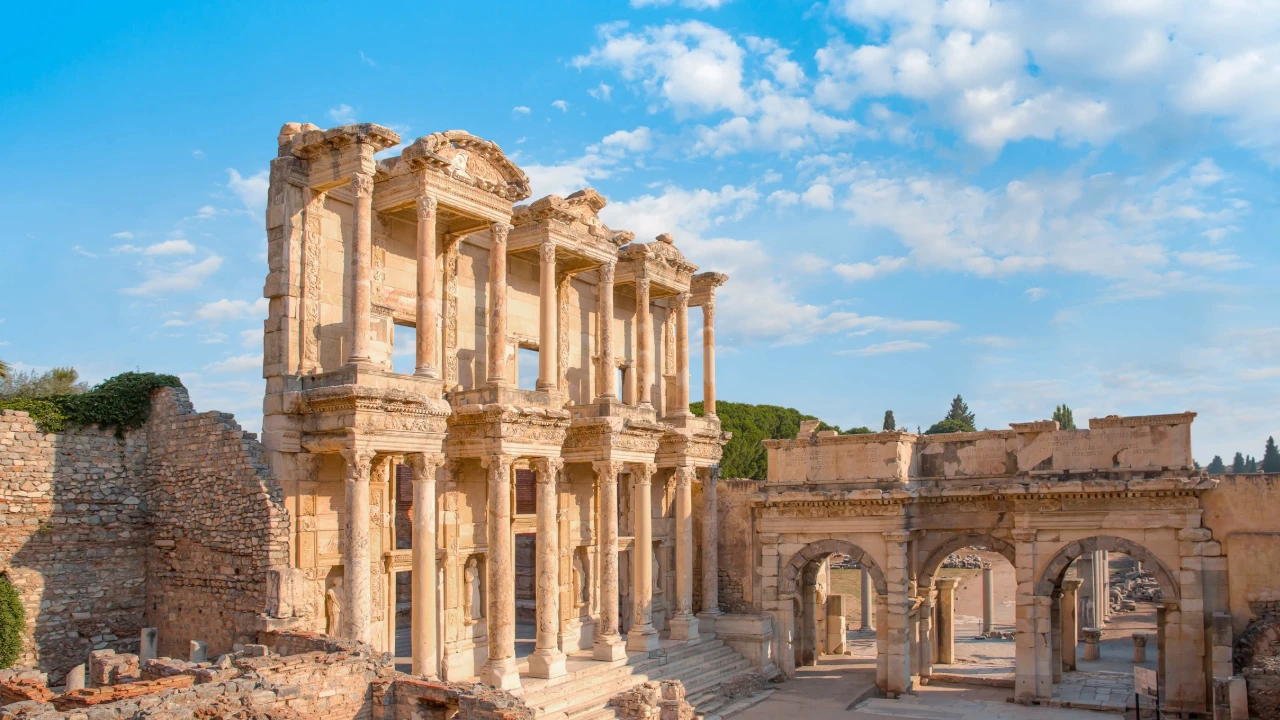
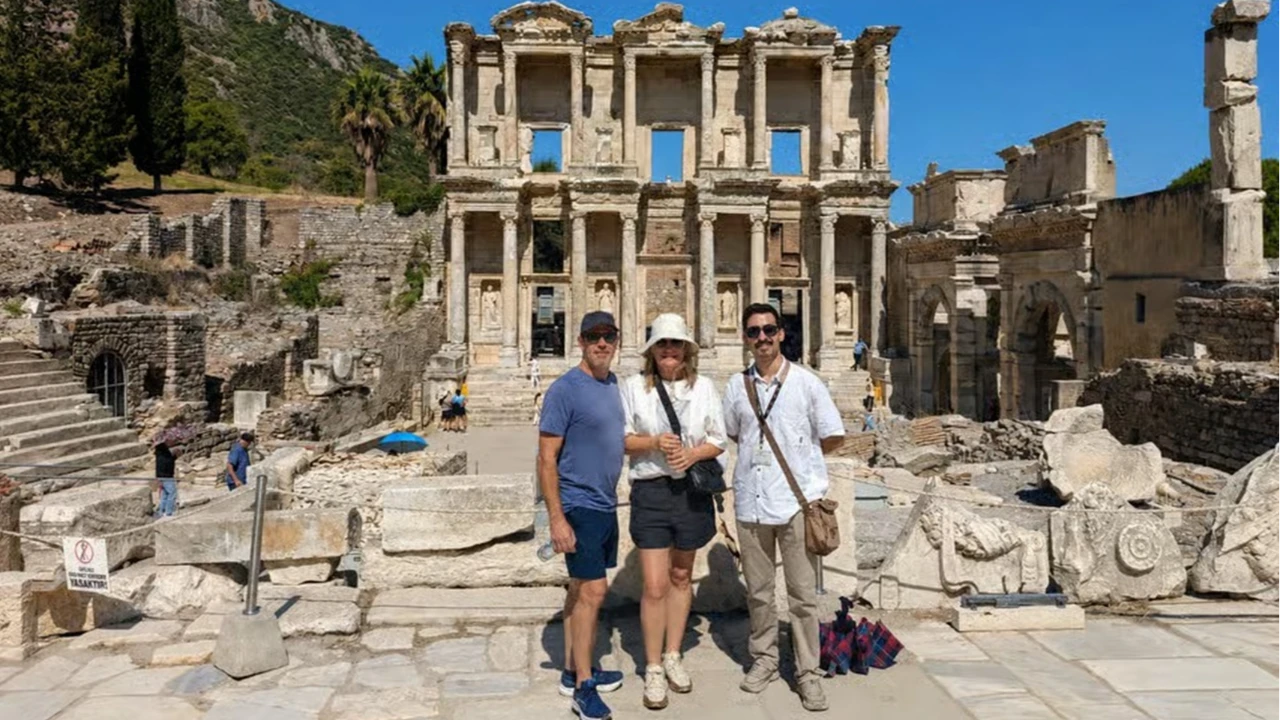
The undisputed icon of Ephesus is the Celsus Library. Built during the Roman era as both a knowledge center and a monumental tomb for a Roman governor, this two-story masterpiece is a testament to Roman aesthetic brilliance. Its facade, adorned with intricate columns and sculptures, reflects the pinnacle of ancient architectural sophistication.
The statues on the facade represent female figures symbolizing Wisdom, Virtue, Intelligence, and Knowledge, elevating the building from a mere library to a symbol of human achievement. It is believed that thousands of parchment scrolls were once housed here. Today, the restored facade is the most photographed spot in Ephesus, greeting visitors with unexpected grandeur at the end of the marble road. Depending on the time of day, the shifting light creates different moods on the facade, making it a paradise for photographers.
The Great Theatre of Ephesus
One of the most awe-inspiring structures in the city is the Great Theatre. Carved directly into the hillside, it is one of the largest theaters of the ancient world, with a capacity of approximately 25,000 spectators. The tiered seating rises steeply, offering a breathtaking view of both the stage and the Arcadian Way, which once led straight to the sea.
In antiquity, the theater was used not only for dramatic performances but also for political assemblies, religious ceremonies, and public gatherings. Its acoustics were engineered so perfectly that a voice on stage could be heard clearly in the highest rows. Today, climbing to the top provides a panoramic vista of the Ephesus plain. Since the ascent can be grueling under the summer sun, we recommend visiting this section in the early morning.
The Terrace Houses
For a glimpse into the private lives of the ancient elite, the Terrace Houses are an absolute must. These luxurious residences, built on terraces overlooking the city, feature stunning mosaics, vibrant wall frescoes, and sophisticated architectural details. The colorful floor mosaics and vivid paintings reveal the high standard of comfort and aesthetic taste enjoyed by the wealthy Romans.
To protect these fragile artworks, the Terrace Houses are covered and require a separate ticket or a specific tour program. Elevated walkways allow visitors to admire the mosaics and room layouts from above. This section is invaluable for those who want to understand not just the public monuments, but the intimate interior spaces of the ancient world. Thanks to climate-controlled environments, the frescoes have remained remarkably intact.
The Temple of Artemis: One of the Seven Wonders
The Temple of Artemis is the cornerstone of Ephesus's spiritual history and was once counted among the Seven Wonders of the Ancient World. Dedicated to the goddess Artemis, this massive marble temple was a beacon of pilgrimage and worship, drawing visitors from across the known world.
Today, only limited ruins remain of its original splendor; a single reconstructed column serves as a symbolic reminder of the temple's former scale. Centuries of earthquakes, fires, and the repurposing of its stones for other buildings have left the site sparse. Nevertheless, visiting the Temple of Artemis is essential to understanding the religious and economic power Ephesus wielded in antiquity. Its proximity to the main ruins makes it easy to include in a single itinerary.
The Marble Road and the Temple of Hadrian
The most immersive way to experience Ephesus is by walking along its marble-paved main street. This bustling artery once lined with shops, fountains, and statues led the heart of the city toward the harbor. You can still see the deep wheel ruts worn into the stone, providing tangible evidence of the heavy traffic that once flowed here.
Along this route stands the Temple of Hadrian, one of the city's most elegant structures. With its finely crafted arch, columns, and reliefs, this small but impactful temple showcases the meticulous nature of Roman stonemasonry. As you stroll, you'll encounter the remains of public baths, the agora, and various civic buildings, reminding you that Ephesus was not just a collection of monuments, but a fully functioning, interconnected urban center.
The House of the Virgin Mary and Surrounding Gems
An excursion to Ephesus is often paired with nearby spiritual and cultural landmarks. The House of the Virgin Mary, located on a serene hillside, is a major pilgrimage site for Christians and spiritual seekers alike. Set within a peaceful forested area, it offers a tranquil contrast to the bustling ruins of the city.
Additionally, the nearby village of Şirince is a favorite among travelers, known for its traditional stone houses, narrow winding streets, and local fruit wines. For those expanding their journey across the region, İzmir cultural tours offer a great way to connect these dots. If you're looking to balance history with relaxation and adventure, our Kuşadası sea and adventure tours provide the perfect complement to your ancient city exploration.
Visiting Hours and Pro Tips for Your Trip
Ephesus is open year-round, though opening hours and ticket prices can vary by season, so it is always wise to check current details before your visit. We recommend allocating two to three hours for the main site; however, if you add the Terrace Houses and surrounding landmarks, you should plan for a full day. Since the site is vast and largely outdoors, be prepared for a lot of walking.
A few practical tips can make your visit much more enjoyable: - Footwear: The marble surfaces can be slippery; wear comfortable, non-slip walking shoes. - Sun Protection: Much of the site is exposed. A hat, sunglasses, sunscreen, and plenty of water are essential, especially in summer. - Timing: To beat the crowds and the heat, arrive as early as possible or visit in the late afternoon. - Guidance: Given the layers of history, hiring an experienced guide transforms the ruins from piles of stone into vivid stories.
Ephesus and its UNESCO World Heritage Status
In 2015, the Ancient City of Ephesus was officially inscribed on the UNESCO World Heritage List. This status recognizes the site's "Outstanding Universal Value," signifying that it is a treasure not just for Turkey, but for all of humanity.
This designation ensures ongoing conservation efforts, supports scientific archaeological research, and brings international recognition to the site. For the visitor, the UNESCO status is a reminder that you are walking through a rare and fragile piece of human history. We encourage all guests to stay on marked paths and respect the ruins to ensure this legacy is preserved for future generations.
Experience Ephesus with Travel Tour Shop
Planning your visit to Ephesus and its surrounding treasures is effortless with Travel Tour Shop. We allow you to compare and book comprehensive packages that include transport, transfers, and expert guiding in one seamless process. By choosing a curated experience, you ensure that you don't just see the ruins, but truly understand the history they hold.
Because our partners are vetted based on local expertise and genuine guest feedback, you can book with confidence. To explore our specific Ephesus Ancient City cultural tours, or to broaden your horizons with İzmir cultural tours and Kuşadası sea and adventure tours, visit our booking pages. For more inspiration, check out our House of the Virgin Mary guide or our comprehensive İzmir tourism guide.
Frequently Asked Questions 5
Where is the Ancient City of Ephesus located?
Ephesus is located in the Selçuk district of İzmir, in Turkey's Aegean Region. It is approximately 75 km from İzmir city center, 20 km from Kuşadası, and only 3 km from the center of Selçuk. The nearest airport is İzmir Adnan Menderes Airport.
How long does it take to tour Ephesus?
A detailed tour of the main ancient city typically takes two to three hours. However, if you include the Terrace Houses, the House of the Virgin Mary, and Şirince Village, the experience can easily span a full day.
What are the must-see highlights of Ephesus?
The top sights include the Celsus Library, the Great Theatre (seating 25,000), the Terrace Houses, the Temple of Hadrian, the Marble Road, and the remains of the Temple of Artemis.
When is the best time to visit Ephesus?
The ideal windows are spring (April, May) and autumn (September, October). The weather is mild during these months, making the extensive outdoor walking much more comfortable.
Is "Ephesus" the same as "Efes"?
Yes. "Ephesus" is the English name for the "Efes Antik Kenti." Whether you search for "Ephesus Turkey" or "Ephesus Ancient City," they all refer to the same magnificent historical site.