
To source the freshest local produce and navigate crowds safely, understanding local market safety and participation rules is essential. Protecting your belongings, managing cash, and choosing the right gear will significantly enhance your experience. For a seamless experience, consider joining organized local market tours with professional guides.
Local markets offer more than just shopping; they are vibrant social hubs where travelers can dive into a region's culinary soul, discover farm-fresh harvests, and admire traditional handicrafts. Whether set in a historic bazaar or a town square, these open-air markets provide a unique opportunity to connect directly with local producers. Proper preparation ensures your market visit is both delightful and productive.
Beyond being a mere shopping destination, traditional markets allow you to observe the authentic rhythm of daily life. You will find stalls overflowing with farm-to-table fruits and vegetables, artisanal dairy products, and homemade preserves. Tasting unique flavors and chatting with local vendors adds a profound layer of depth to your travel experience.
To make the most of your visit, keep these core principles in mind:
- Arrive early in the morning to secure the very best selection of fresh goods.
- Carry plenty of small change, as many vendors prefer cash payments.
- Use eco-friendly tote bags or a rolling shopping cart to make carrying goods easier.
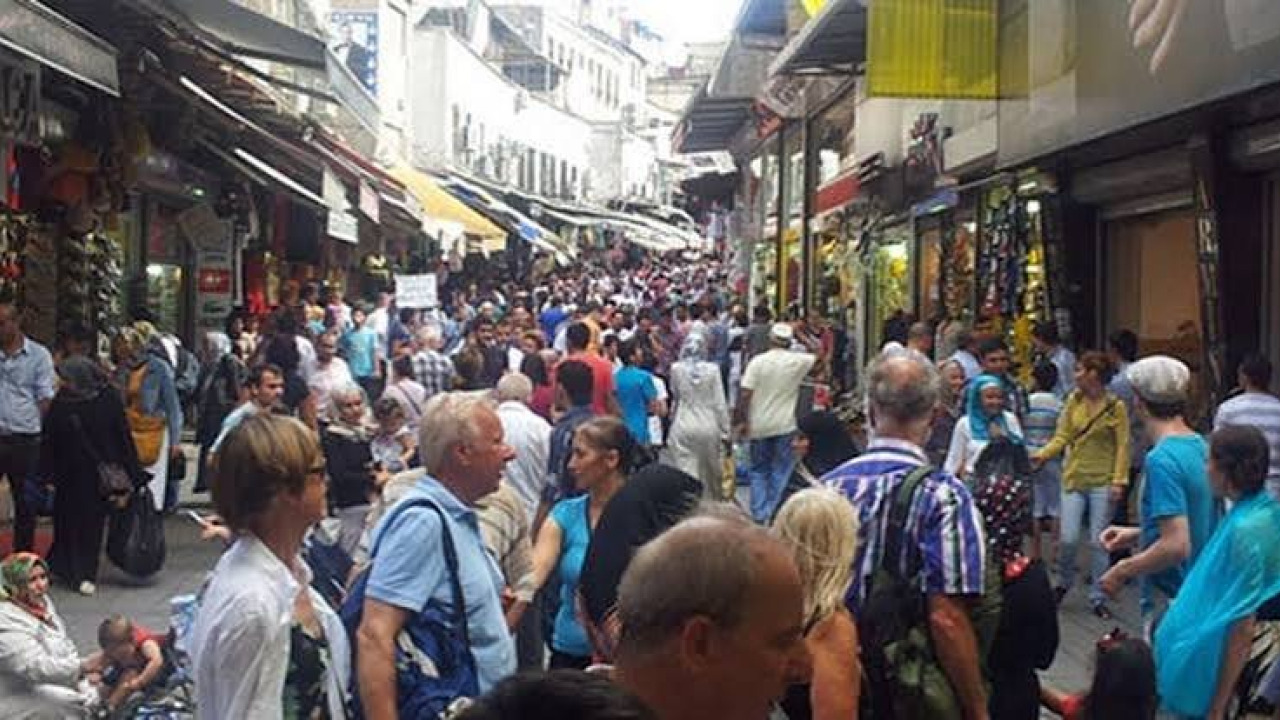
- Keep your personal belongings secure and close to your body in crowded aisles.
Local Market Quick Reference Guide
The following table summarizes the essential logistics, visiting hours, and preparation details you need to know before heading to a traditional market. This data helps you plan a more organized and comfortable shopping trip.
Use this summary table to review the key operational criteria for your visit:
| Criterion | Description and Details |
|---|---|
| Recommended Duration | Approximately 2 hours |
| Best Time to Visit | Early morning |
| Payment Methods | Cash and coins |
| Essential Gear | Tote bags and backpacks |
| Transportation | Public transit and shuttle services |
| Seasonal Availability | Open year-round |
For those looking to explore diverse culinary destinations, local market tour options in Bursa offer everything from historic silk bazaars to charming village producer markets.
Arriving early allows you to hand-pick the freshest produce before the midday rush. Completing your shopping before the heat of the afternoon not only keeps you comfortable but also ensures a more relaxed pace.
Traditional Market Routes and Tour Solutions
For travelers wishing to discover regional delicacies and crafts alongside expert guides, we offer organized itineraries. These routes take the guesswork out of transportation and help you navigate authentic stalls with ease.
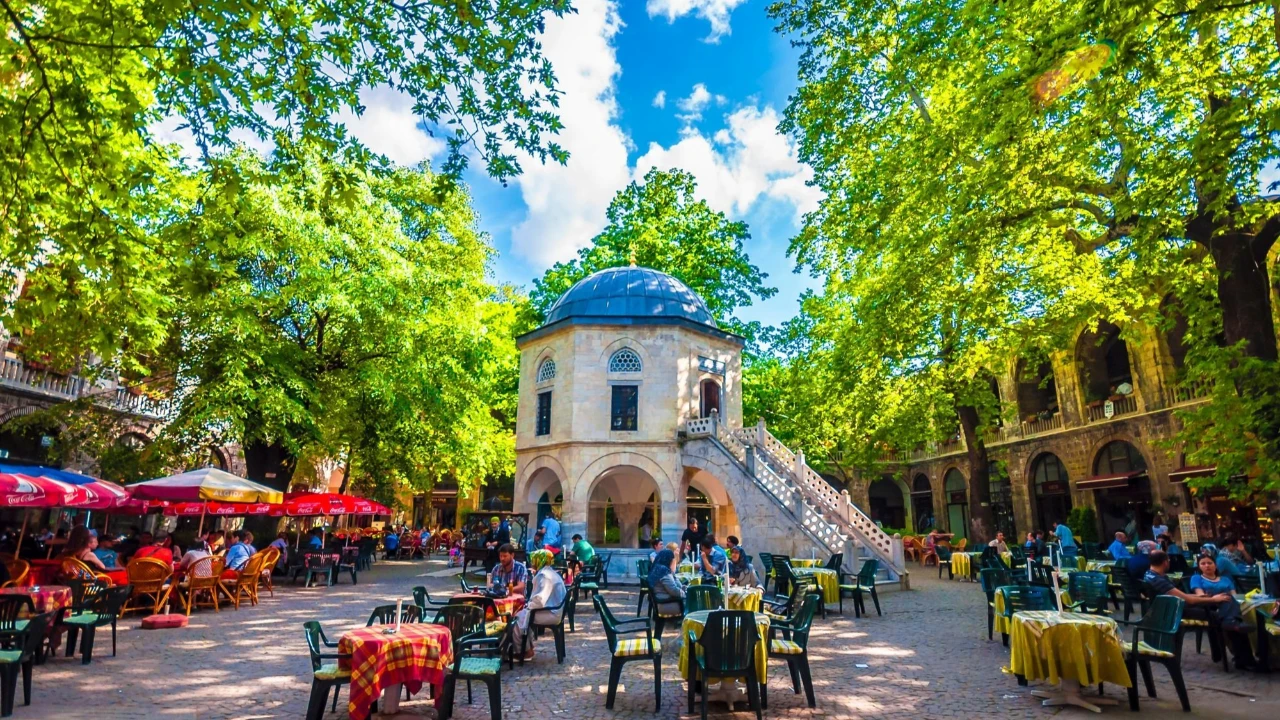
In many historic centers, local food stops are seamlessly integrated into traditional market walks. If you want to experience the market atmosphere in the historic merchant districts, our local market tour plan around Bursa City Center allows you to explore both textile and organic food stalls effortlessly.

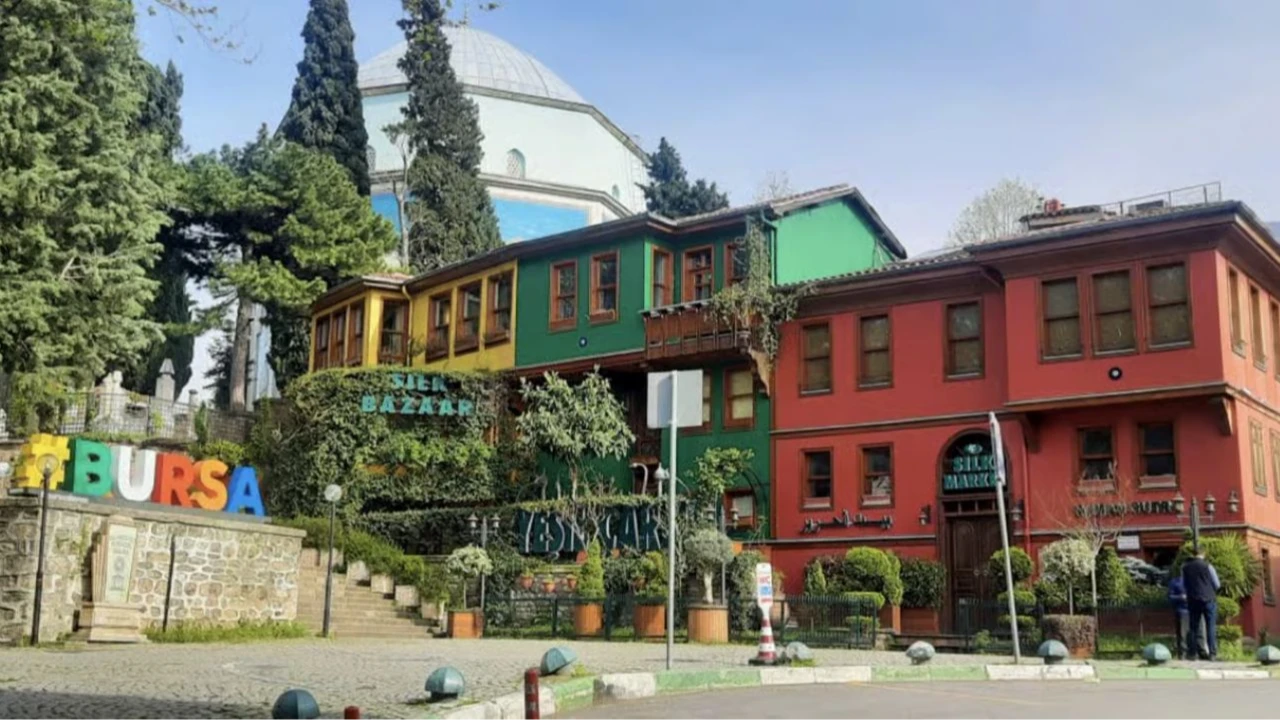

Visitors vacationing on the Mediterranean coast can experience the fresh citrus and olive stalls of coastal towns. To discover the weekly neighborhood markets in the region, local market tour options in Antalya provide the perfect opportunity to browse fresh products straight from the citrus groves.
Historic Bazaar Routes in the Marmara Region
Traditional markets in the Marmara region boast a rich variety of both textiles and fresh village produce. Early-morning producer markets bring natural cheeses and olives from surrounding villages directly to the buyer.
While wandering through the historic "han" (inn) districts, visitors witness centuries-old merchant traditions. The fabrics and silk weaves displayed on the stalls are a tangible reflection of the region's deep-rooted textile heritage.
Spice merchants and nut vendors tucked away in historic alleyways greet visitors with the aroma of freshly ground coffee. Walking through these areas is both a cultural discovery and a premier opportunity for traditional culinary shopping.
Weekly Village Markets in the Mediterranean Region
In the local markets of the Mediterranean coast, you will find produce harvested by greenhouse and garden growers at the first light of dawn. Fresh herbs, olives, and citrus fruits bring vibrant color to the market stalls.
To maintain comfort during hot summer days, it is best to complete your market visit in the morning. Local producers also showcase olive oils and jams prepared using traditional methods.
In village squares, stalls run by women's cooperatives, selling handmade tarhana, noodles, and tomato pastes, are highly popular. Travelers can often learn secret local recipes by chatting with the women producing these goods.
5-Step Protocol for Safety and Participation
To navigate crowded marketplaces smoothly and ensure a hassle-free shopping experience, certain safety protocols should be followed. These numbered steps are designed to help visitors enjoy a secure and comfortable visit.
Follow this step-by-step protocol for a successful market visit:
- Pre-Briefing and Route Planning: Before entering, identify the entrance and exit points, emergency assembly areas, and meeting spots.
- Clothing and Bag Security: Wear comfortable walking shoes and carry a zippered crossbody bag at chest height to navigate crowded aisles easily.
- Personal Item and Cash Management: Avoid keeping wallets or phones in back pockets; place small change in an easily accessible front pocket for quick transactions.
- Crowd and Distance Control: Do not rush in front of busy stalls; families should ensure children are close by and maintain visual contact with group members.
- Emergency and Communication Readiness: Keep your phone charged during group tours and ensure you have the contact number of your guide or tour representative saved.
When walking through markets, be mindful of uneven or slippery surfaces and crates placed in front of stalls. Wearing shoes with non-slip soles is highly recommended, especially in areas where produce is washed.
After shopping, distribute the weight of your purchases evenly to prevent physical fatigue on the walk back. Placing heavy jars at the bottom of a backpack helps maintain your balance.
Featured Local Markets and Authentic Stalls
Local markets across Turkey reflect the agricultural wealth and gastronomic heritage of their specific geography. Every market has its own specialty products and must-visit spots.
Open-Air Markets on the Aegean and Mediterranean Coasts
Markets along the Aegean coast are famous for wild herbs, fresh olive oils, and homemade jams. Visitors can explore stalls featuring pine honey, sage, and village cheeses through local market tour options in Marmaris.
The fresh aromatic plants provided by the Mediterranean climate are sold directly by producers. Visitors enjoy pleasant walks amidst the scents of fresh thyme, bay leaves, and citrus blossoms.
Wild delicacies like şevketibostan, radish, and nettles on display showcase the richness of local culinary culture. Vendors are usually happy to explain how to clean and cook these unique greens.
Anatolian and Inland Producer Markets
In the inland producer markets, legumes, dried fruits, and hand-woven goods take center stage. Through local market tour options in Muğla, visitors can discover authentic stalls showcasing tarhana, dried figs, and highland olives.
These regional markets also promote certified local delicacies and handicrafts. Renowned regional values like Rize Tea, Rize Baston Bread, and local muhlama are often featured with stories from the producers themselves.
The exquisite handiwork of Anatolian women, including embroidery and traditional lace, forms the cultural fabric of these markets. Visitors can support the local economy directly while examining unique artisanal crafts.
Black Sea Highland Markets and Natural Produce
Markets in the Black Sea highlands bring together dairy products and natural honeys from high-altitude pastures. Along the trails stretching through the valleys near the Çamlıhemşin region, producers offer fresh butter and highland cheeses.
Travelers hiking around Pokut Yaylası can reach scenic viewpoints within 15 to 20 minutes. While Ovit Yaylası reflects the cool highland climate at 2,640m, the plateaus at 2,050m create a natural marketplace for organic produce.
The Gelintülü Waterfall adds a refreshing touch to the highland route. At the foothills of the plateaus, reaching up to 2,070m, you can enjoy organic shopping accompanied by crisp, clean air.
Historic City Bazaars and Craft Markets
In traditional bazaars built around historic castles and inns, artisans display their handcrafted masterpieces.
Hand-woven fabrics, wood carving, and copper smithing remain vibrant in these market streets. Visitors can learn the intricacies of cultural heritage by watching masters at work at their stalls.
These historic streets act like open-air museums where local and international travelers encounter vanishing traditional crafts. From wooden spoon carvers to coppersmiths, every shop tells its own unique story.
Seasonal Market Shopping Decision Matrix
Seasonal conditions directly impact product variety and visitor density. This decision matrix examines which products are freshest in which season and the weather-related advantages of each.
The following table summarizes the seasonal advantages and preparation tips for planning your local market visit:
| Season | Featured Stall Products | Visitor Density | Preparation & Tips |
|---|---|---|---|
| Spring | Wild herbs, artichokes, green almonds | Moderate | Bring an umbrella and a light raincoat |
| Summer | Tomatoes, peaches, fresh figs, peppers | High | Go early; bring a hat and water |
| Autumn | Olives, fresh walnuts, pomegranate, grapes | Balanced & Cool | Use a shopping trolley for easier transport |
| Winter | Citrus, winter greens, dried goods | Quiet | Wear warm, comfortable clothing |
Each season's agricultural calendar brings a new explosion of color to the markets. In spring, every shade of green covers the stalls, while autumn highlights the harvest season and winter preparations.
By following the seasonal cycle, visitors can ensure they obtain the most delicious and nutritious produce at the right time. Eating in-season is both better for your palate and your budget.
Closing Notes for a Safe and Enjoyable Market Visit
Local markets are both essential food hubs and living cultural landmarks. Taking informed steps and following participation rules will allow you to fully immerse yourself in this traditional atmosphere.
The most enriching part of a market visit is chatting with local producers and hearing the stories behind the seasonal harvests. By choosing the right time, protecting your safety, and learning how to select the best produce, you can leave the market with great satisfaction.
To maintain the flavor of your purchases, store your fresh finds in appropriate conditions. You can keep greens fresh for days by wrapping them in damp cloths or placing vegetables in breathable bags.
Frequently Asked Questions 5
What is a local market?
A local market is a traditional open or closed shopping area where local producers, farmers, and artisans directly offer their fresh vegetables, fruits, food, and handicrafts to the public. These markets provide both economic value and a space for cultural interaction with local residents.
Are the markets open?
Markets are held regularly throughout the year according to weekly schedules set by local municipalities. Stalls typically open in the early morning and serve customers until dusk. We recommend checking local municipal announcements to confirm the specific market day for the town you are visiting.
When is the Beypazarı local market?
The Beypazarı local market is a traditional event that sees high interest on weekends, particularly on Saturdays. Stalls set up around the historic bazaar feature district specialties such as local preserves, homemade noodles, carrot delights, and silver filigree work. Arriving early in the morning offers the best shopping experience.
What can I do at the local markets in Mostar?
In the local markets of Mostar, you can explore traditional copperware, handmade souvenirs, dried meats, and regional pomegranate syrups. Walking through the stalls near the historic bridge and bazaar allows you to feel the historical atmosphere, observe copper smithing techniques, and purchase unique coffee sets.
Where is there a market today?
You can easily find out which neighborhood market is active in your current city or district by checking the official market announcement lists of local municipalities. Since neighborhood markets are held on different days in different areas, checking the municipal calendar in advance is very helpful for planning your daily itinerary.