
Located just outside the Selçuk district of İzmir, this archaeological site is one of Turkey's most iconic and visited destinations. Welcoming over 2.5 million visitors annually, this sprawling open-air museum features shimmering marble streets, the towering facade of a Roman library, a massive theater carved into the hillside, and opulent villas adorned with intricate frescoes. A UNESCO World Heritage site since 2015, the main walking route typically takes between 2.5 to 3 hours. This comprehensive guide covers the must-see landmarks, the best entry points, visiting hours, and how to seamlessly arrange your transport from Selçuk.
Quick Facts
| Category | Details |
|---|---|
| Location | Ephesus Ruins, 35920 Selçuk / İzmir |
| Distance from Selçuk Center | Approximately 3 kilometers |
| Distance from İzmir Center | Approximately 80 kilometers (1 hour by road) |
| Daytime Hours | Daily 08:00 - 18:45 |
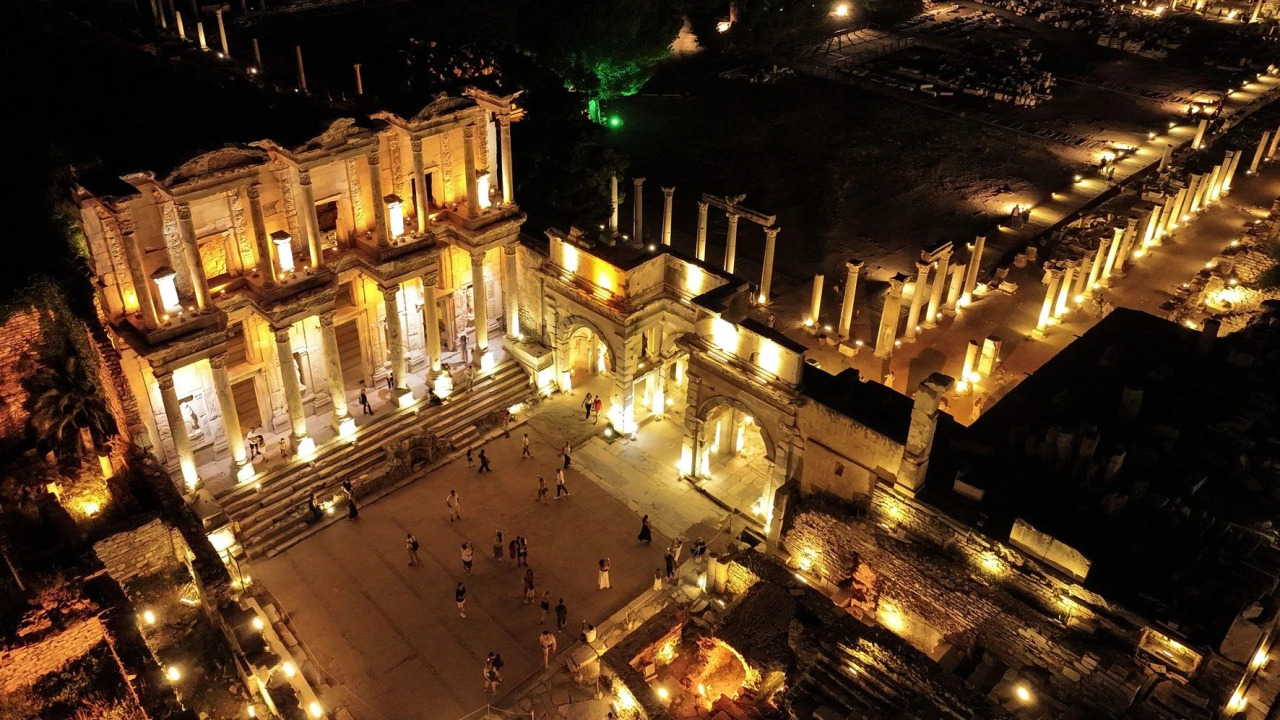
| Night Visits | Wed, Thu, Fri, and Sat 19:00 - 23:00 |
| Museum Pass | Valid for main site; not valid for Terrace Houses |
| Average Visit Duration | 2.5 to 3 hours |
| UNESCO Status | Listed as a World Heritage Site in 2015 |
| Key Highlights | Celsus Library, Great Theatre, Terrace Houses, Temple of Hadrian |
A Glimpse into the City's History
The roots of this settlement stretch back roughly 8,000 years to Neolithic findings at Çukuriçi Höyük. Evolving from a region known as Apasa in Hittite records, it grew into one of the preeminent centers of the Ionian world. Later, Lysimakhos, one of Alexander the Great's generals, relocated the settlement to its current position between Panayır Mountain and Bülbül Mountain after the harbor began to silt up.
The city reached its zenith during the Roman era. Serving as the capital of the Roman province of Asia starting in 129 BC, its population surged to approximately 250,000. Eventually, the complete silting of the harbor and various invasions led to its gradual decline. In 2015, the site was officially recognized as a UNESCO World Heritage site, encompassing Çukuriçi Höyük, Ayasuluk Hill, and the House of the Virgin Mary.
Must-See Landmarks Within the Ruins
The site is structured around two primary avenues that lead visitors from the upper city down to the coast. These structures form the heart of any visit.
Celsus Library
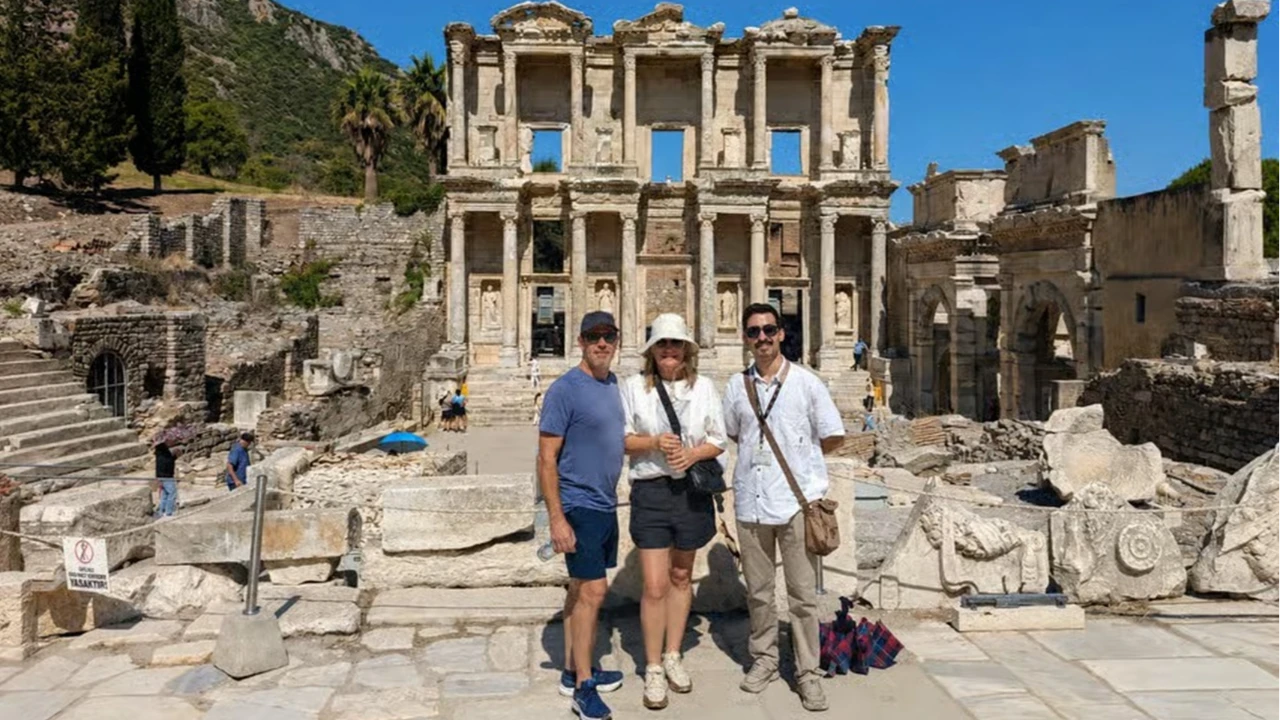
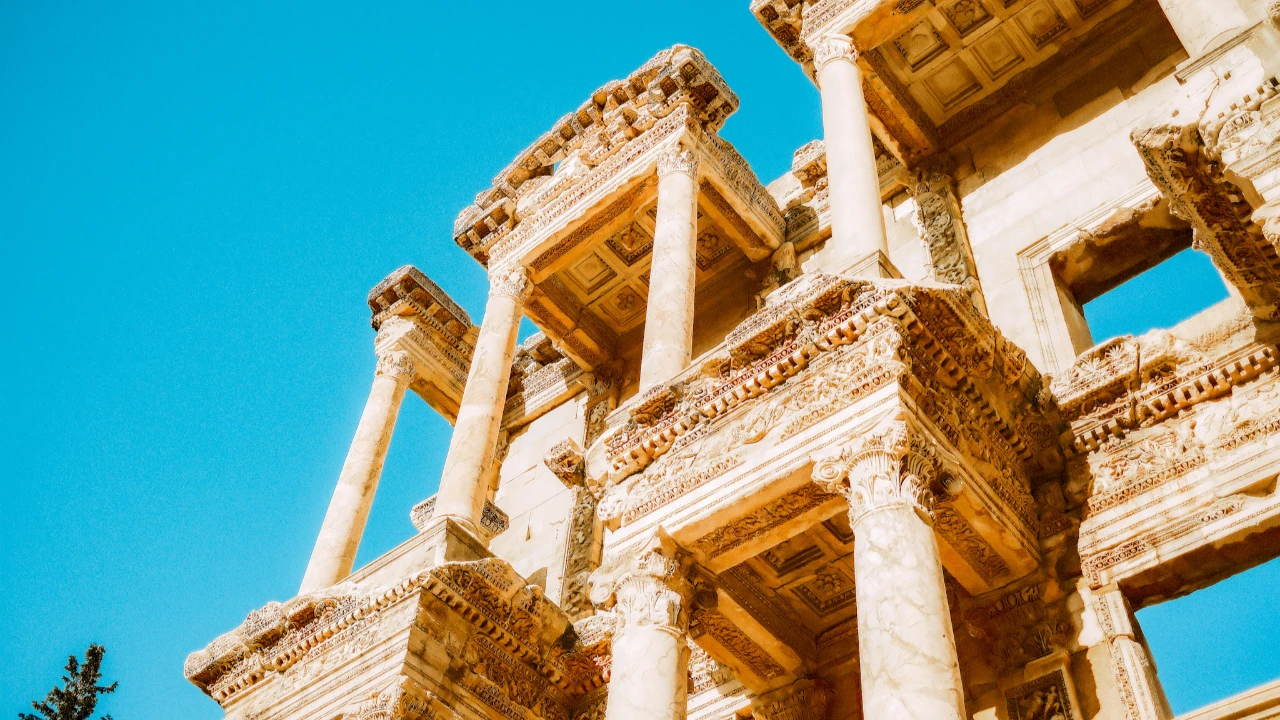
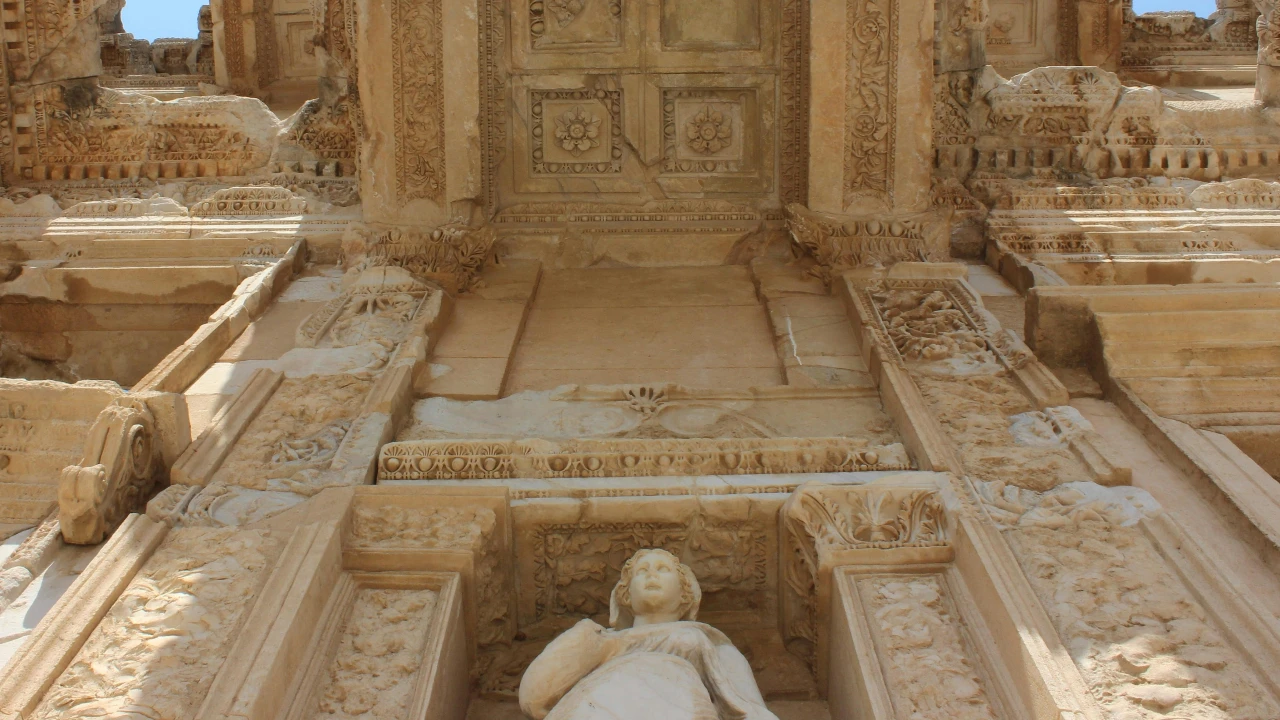
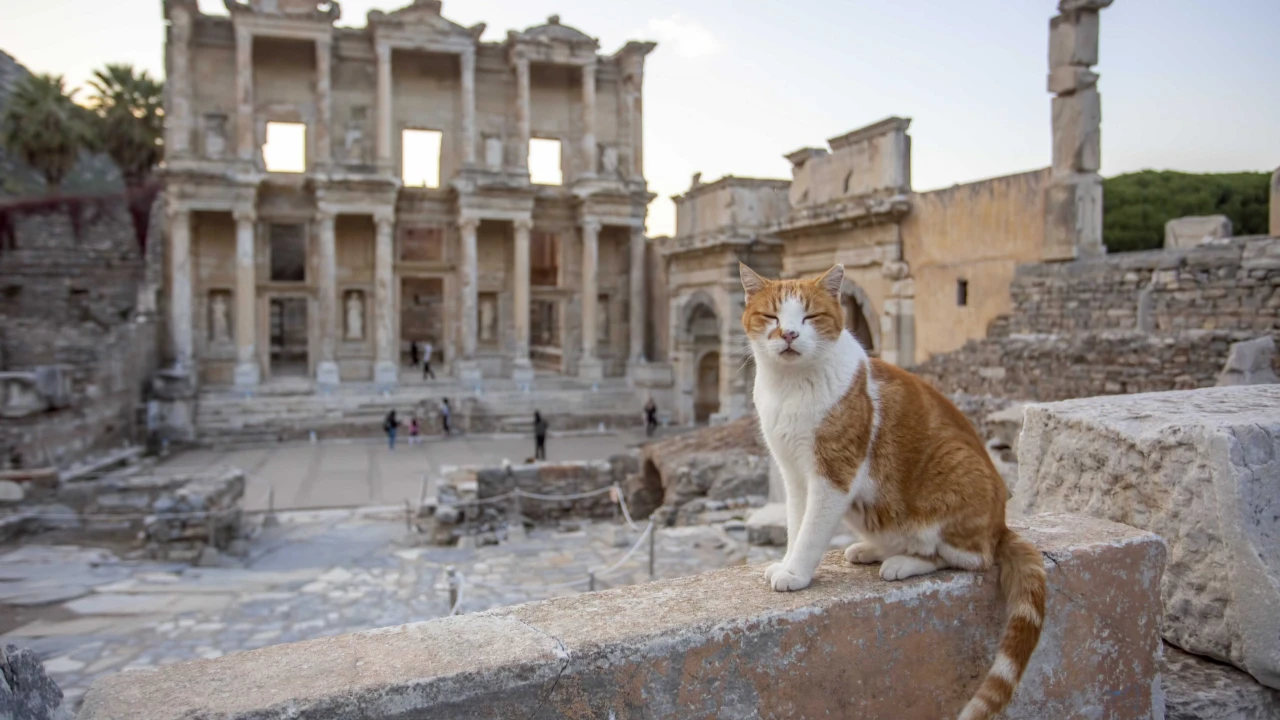
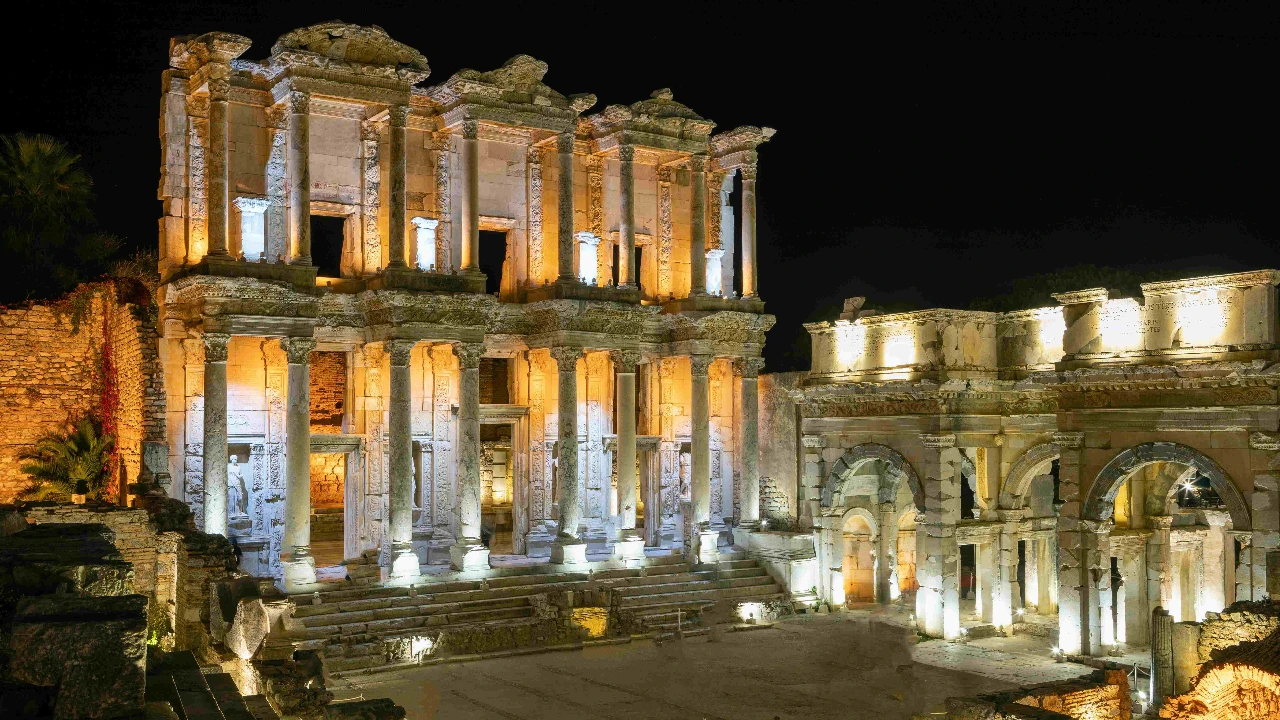
The undisputed symbol of the city, this masterpiece was built between 110-135 AD by the son of Roman Senator Tiberius Julius Celsus Polemaeanus in his father's honor. Serving as both a library and a monumental tomb, the marble sarcophagus of Celsus rests beneath the building. Once the third-largest library of the ancient world, it housed approximately 12,000 scrolls. The four female statues on the facade represent Wisdom, Virtue, Knowledge, and Intelligence.
The Great Theatre
Carved into the slope of Panayır Mountain, this architectural marvel is one of the largest ancient theaters in Anatolia, with a capacity of roughly 25,000 people. While climbing to the top tiers can be a workout, it is the perfect spot to experience the site's legendary acoustics.
The Terrace Houses
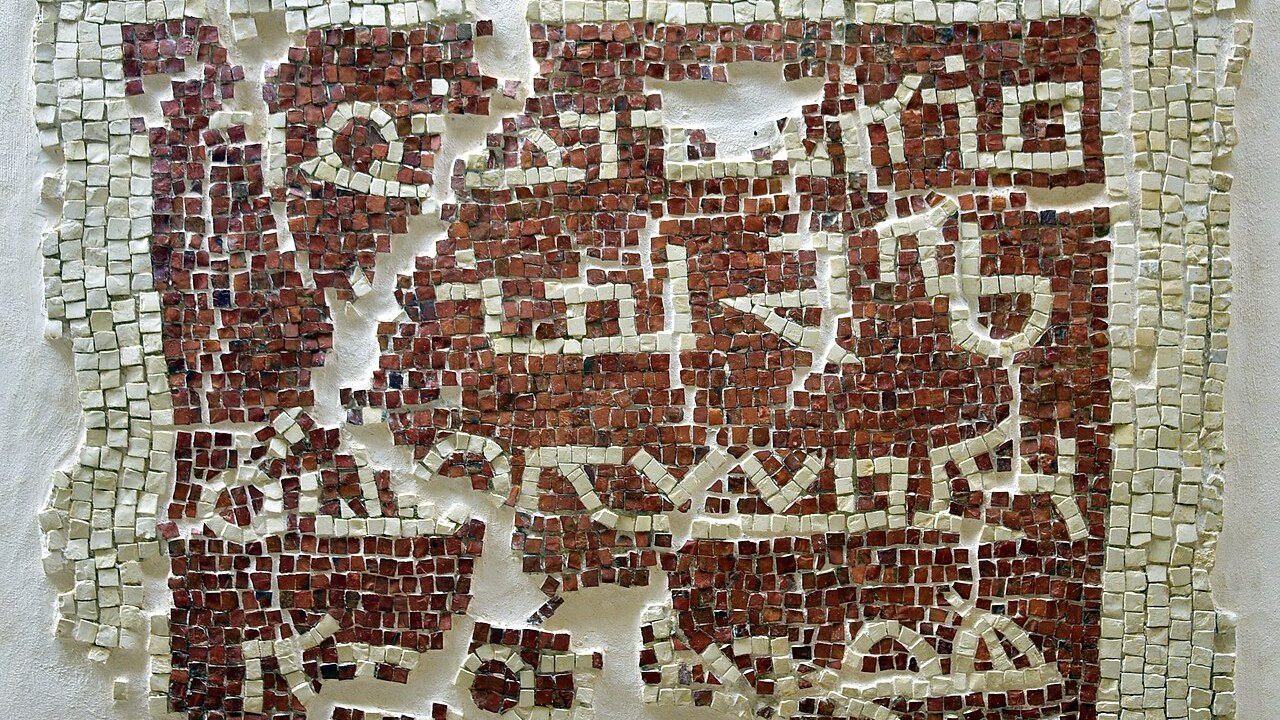
Located south of the Curetes Way at the foot of Bülbül Mountain, these terraced residences offer a window into the daily lives of the Roman elite. The walls are decorated with vivid frescoes depicting theatrical scenes and mythological tales, while the floors feature exquisite mosaics. The presence of "hypocaust" underfloor heating and advanced sewage systems highlights the sophisticated engineering of the era. This section is protected by a canopy and requires a separate ticket.
Temple of Hadrian and Curetes Way
The Curetes Way is the primary downhill path for those entering through the upper gate. Along this road, the Temple of Hadrian stands out with its stunning Medusa relief on the arch. The frieze at the temple entrance depicts the founding legend of the city, detailing Androklos' hunt of a wild boar.
Marble Road and Harbor Street
Extending from the library toward the theater, the Marble Road features a sophisticated layout with separated lanes for vehicles and pedestrians. Continuing west from the theater, the colonnaded Harbor Street once connected the city to its ancient port and served as a ceremonial route. The Church of Mary, located to the north of this street, is a vital stop for those interested in early Christian history.
Beyond the Main Ruins
If you have an extra half-day, these three nearby stops are highly recommended. For those wanting to bundle these into a single trip, you can explore cultural tour programs covering the Ephesus surroundings.
Temple of Artemis
One of the Seven Wonders of the Ancient World, this temple lies outside the main archaeological site toward Selçuk. Today, only the foundations and a single reconstructed column remain. Many of the original column capitals are now displayed in museums worldwide.
House of the Virgin Mary
Perched on Bülbül Mountain, this site is a profound pilgrimage destination for both Christians and Muslims. It is a short drive from the ruins and is an integral part of the UNESCO heritage area.
Basilica of St. John and Ephesus Archaeology Museum
The Basilica, located on Ayasuluk Hill in the center of Selçuk, was built over the tomb of Apostle John. Most of the sculptures and artifacts unearthed during excavations are displayed at the nearby Ephesus Archaeology Museum.
How to Get There
- Via İZBAN: Take the suburban rail line from İzmir to the Selçuk station. The journey from Alsancak to Selçuk takes about 1 hour.
- From Selçuk to the Site: From the station exit, local minibuses can whisk you to the ruins' entrance in about 10 minutes.
- By Bus: Buses from the İzmir Bus Terminal (Otogar) reach the Selçuk district center in approximately 1 hour and 15 minutes.
- By Private Car: Take the İzmir-Aydın highway and exit at Selçuk; the 80km trip takes about 1 hour. If you are coming from the airport, the drive is roughly 45 to 50 minutes.
Visiting Hours and Entry Requirements
| Visit Type | Hours | Notes |
|---|---|---|
| Daytime Visit | 08:00 - 18:45 | Open daily |
| Lower Gate | Opens 08:00, closes shortly before site closure | Located at the bottom exit |
| Upper Gate | Opens 08:00, closes earlier than the lower gate | Entrance to Curetes Way |
| Night Visit | 19:00 - 23:00 | Wed to Sat; ticket office closes at 22:00 |
The Museum Pass is valid for the main ruins. However, the Terrace Houses are excluded and require a separate fee (approximately 200 TL for Museum Pass holders as of Summer 2026). Audio guides are available on-site, and the Ephesus Experience Museum is open during the same hours.
Recommended Route and Timing
- Enter through the Upper Gate: This ensures your entire journey is a downhill walk.
- Explore the Administrative Center: Visit the Odeon and Prytaneion.
- Walk down Curetes Way: Stop and admire the Temple of Hadrian.
- Visit the Terrace Houses: Enter the protected canopy, then proceed to the Celsus Library.
- Finish at the Harbor: Walk via the Marble Road to the Great Theatre, then along Harbor Street to the lower exit.
This route takes an average of 2.5 to 3 hours. For those who prefer a guided experience, Ephesus Historical City Tour programs offer half-day and full-day options. If you want to focus exclusively on the ruins, you can choose from ancient city tour options focused on Ephesus.
Practical Tips for Your Visit
- Beat the Heat: Much of the site is exposed to the sun. Early mornings or late afternoons are the most comfortable times to visit during summer.
- Footwear: You'll be walking on ancient marble and stone, which can be slippery. Wear shoes with good grip.
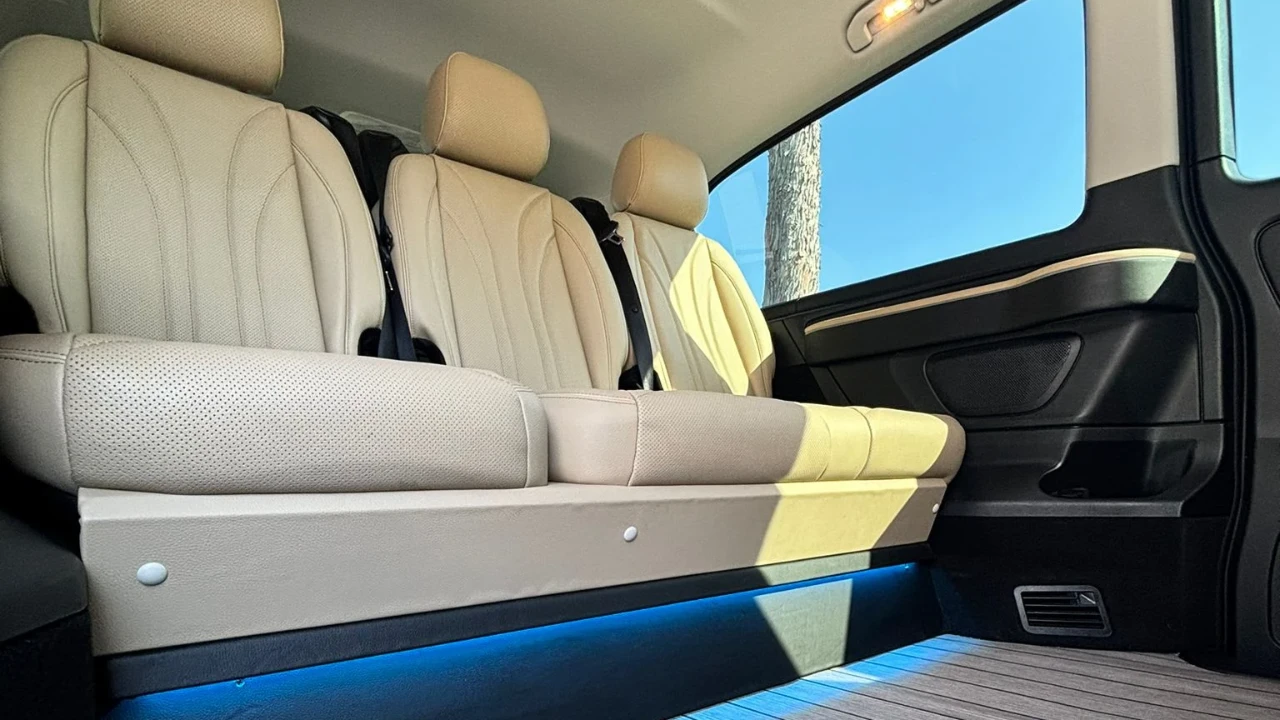
- Plan Your Exit: Walking back from the lower gate to the upper gate is exhausting. Arrange your transport to pick you up at the exit.
- Essentials: Bring water, a hat, and sunscreen; vending points inside the site are limited.
- Budget Your Time: If you plan to visit the Terrace Houses, add at least 30 minutes to your itinerary.
- Walk it Out: Those who love exploring on foot can check out tour options featuring walking routes through Ephesus.
Frequently Asked Questions 5
How long does it take to visit the Ephesus ruins?
The main route from the upper gate to the lower gate takes an average of 2.5 to 3 hours. If you include the Terrace Houses, it can extend to 3.5 hours. Photography enthusiasts should plan for a half-day.
Is it better to enter through the upper or lower gate?
The upper gate is located at the highest point of the city, meaning the entire route is downhill. Those entering through the lower gate will have to walk uphill on their return. Note that the upper ticket office closes earlier than the lower one.
What is different about the Terrace Houses entry?
The Terrace Houses are in a separate, protected section. The standard Museum Pass is not valid here, and a separate ticket is required. In return, you get an up-close look at incredibly well-preserved frescoes and mosaics.
Is the Temple of Artemis inside the ruins?
No. The temple site is located outside the main archaeological area, on the road toward Selçuk center. It can be visited on the same day, but it should be planned as a separate stop.
How do night visits work?
From Wednesday to Saturday, the site is illuminated and open from 19:00 to 23:00 (ticket office closes at 22:00). This is a great way to avoid the heat, though the route is limited to the illuminated paths.