
A cultural visit to Mount Nebo, located in the Madaba region of Jordan, offers a comprehensive journey through history, featuring stunning Byzantine-era mosaics, the Memorial Church, an archaeology museum, and a panoramic observation deck overlooking the valley. Long revered as a sacred site of pilgrimage and observation, the summit is now a well-organized visitor complex with protected walkways and curated exhibition halls. To explore the site with an expert guide, you can find transport and visit details via our Mount Nebo day trip cultural tour options.
Combining open-air terraces with indoor museum galleries, the peak offers a refreshing atmosphere due to its high, wind-swept location. Visiting in the early morning, just as the mist clears from the valley floor, allows for a more serene experience and a more productive exploration of the mosaic halls.
Quick Facts & Mount Nebo Visit Summary
Before heading to Mount Nebo near Madaba, understanding the site's layout, museum sections, dress code, and the best time to visit will make your planning much easier. The following summary provides the essential reference points for organizing your cultural route at the summit.
| Criteria | Site & Visit Details |
|---|---|
| Geographic Location | High ridge line within the Madaba province, Jordan |
| Key Highlights | Memorial Church, Byzantine mosaic gallery, observation deck, and La Storia Museum |
| Recommended Duration | Half a day (including the summit walk, church, and museum) |
| Terrain & Accessibility | Paved walkways, ramps, and wooden observation bridges |
| Top Experience | Day Cultural Tour, studying mosaic art, and valley panoramas |
| Dress Code & Tips | Modest attire covering shoulders and knees; bring a windbreaker |
The summit complex seamlessly blends open-air monuments with church ruins preserved under a modern protective canopy. For those looking to explore different itineraries in and around Madaba, you can compare regional routes via Mount Nebo day activity options.
Cultural Itinerary and Museum Highlights at Mount Nebo
The cultural trail at the summit begins at the main entrance and winds around stone monuments, protected basilica mosaics, and the iconic steel cross overlooking the valley. Visitors can trace the region's multi-layered history through both the open-air terraces and the indoor museum galleries.
As part of our Day Cultural Tours, we offer curated programs that combine the summit visit with Madaba's famous mosaic workshops. Reading the information panels and following the chronological order of the museum exhibits is highly recommended to fully appreciate the archaeological significance of the site.
The Memorial Church and Byzantine Floor Mosaics
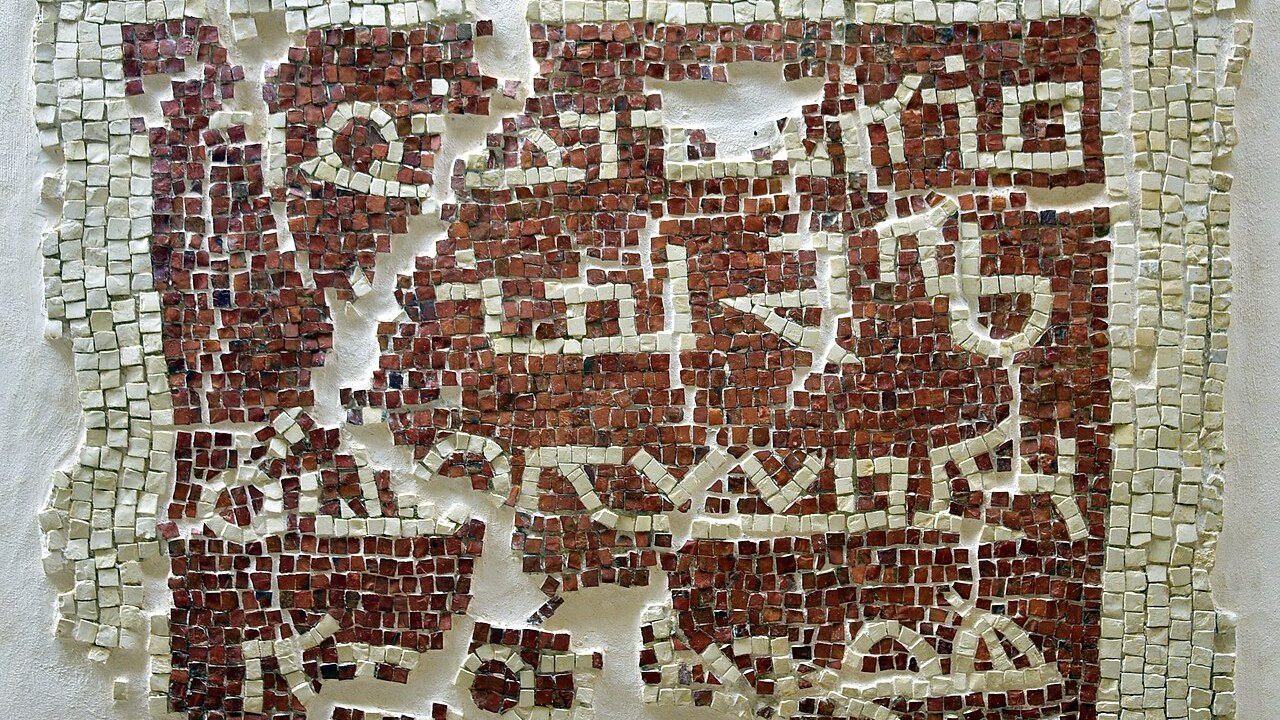
At the heart of the itinerary is the Memorial Church, renowned for its expansive floor mosaics displayed under a bright, modern protective structure. Walking along wooden platforms, visitors can admire intricate stonework depicting hunting scenes, vineyards, geometric patterns, and various animal figures. These meticulously restored mosaics are among the most vivid examples of Byzantine art in Jordan.
Panoramic Observation Deck and the Bronze Serpent Cross
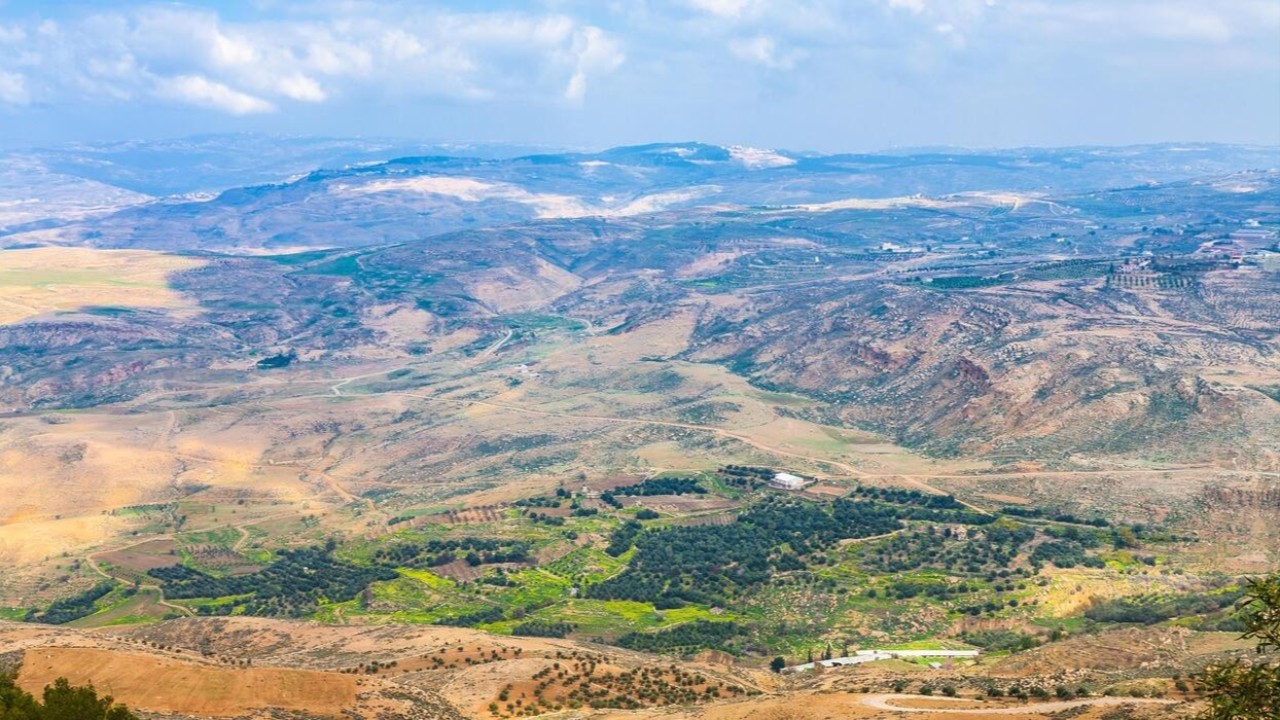
Directly in front of the church, a wide stone terrace serves as a prime vantage point overlooking the valley floor and the distant horizon. On the edge of the terrace stands the Bronze Serpent Cross, designed by an Italian artist, which symbolizes the historical and spiritual narrative of the region. On clear days, taking in the valley views before heading to the historic streets of Madaba center via Mount Nebo city tour options makes for a perfect cultural day.
Step-by-Step Visit Plan for Mount Nebo and the Museum
To experience the open-air sites and museum halls without the crowds, it is essential to structure your visit correctly. The following steps will help you complete your Mount Nebo cultural tour efficiently.
The following numbered list outlines the recommended route from the entrance to the museum exit.
- Enter the summit early in the morning and follow the welcoming path featuring the stone inscription and the olive tree monument.
- Head straight to the panoramic observation deck before the midday haze sets in to explore the horizon and the Serpent Cross using the directional signage.
- After the terrace, enter the Memorial Church to explore the Byzantine floor mosaics and the baptistery via the wooden walkways.
- Upon exiting the church, visit the on-site archaeology museum to see ceramics, coins, and stone artifacts unearthed from local excavations.
- On your way back, stop by the nearby La Storia Tourism Complex and museum galleries to see traditional handicrafts and historical reenactment exhibits.
Archaeology Museum and La Storia Cultural Complex
The boutique archaeology museum on the summit displays everyday objects from the hill and surrounding monastery ruins in chronological order. Nearby, the La Storia complex enriches the experience by introducing traditional local life, hand-weaving, and the stages of mosaic production through detailed models. Travelers wishing to dive deeper into the heritage can join guided cultural routes via Mount Nebo historical city tour options.
Photography Tips and Crowd Management
The observation deck and mosaic halls can become crowded during midday when tour buses arrive. For the best photos, whether from the internal balconies overlooking the mosaics or the stone railings of the terrace, we recommend visiting during opening hours or in the late afternoon.
Mount Nebo Visit Calendar: Seasons and Weather
Situated on a high ridge compared to the surrounding valley, Mount Nebo is windier and cooler throughout the year. When choosing your visit date, consider the seasonal temperatures and the desert haze that can affect visibility.
The following seasonal matrix compares the field conditions and visibility for a cultural visit to Mount Nebo across the four seasons.
| Season / Period | Weather & Visibility | Suitability & Recommendation |
|---|---|---|
| Spring (March - May) | Mild temperatures, clear atmosphere, high visibility | The most balanced time for the observation deck and outdoor walks |
| Summer (June - August) | Hot, sunny days; slight haze in the afternoons | Visit the terrace early morning; explore the indoor museum at noon |
| Autumn (Sept - Nov) | Balanced heat, soft daylight, quieter crowds | Ideal for photography and comprehensive Day Cultural Tours |
| Winter (Dec - Feb) | Cold, harsh winds, occasional rain and fog | Focus on indoor exhibits; wear a windproof coat and non-slip shoes |
Visibility Advantages in Spring and Autumn
In April, May, October, and November, low humidity and dust levels provide the clearest views of the valley floor from the terrace. During these months, the breeze is refreshing rather than oppressive, allowing for a leisurely stroll around the monuments.
Preparing for Summer Sun and Winter Winds
While temperatures rise across Jordan in the summer, the breeze at the summit provides some relief; however, sunglasses and a hat are essential on the open stone surfaces. In winter, even if the valley floor feels mild, the peak can be freezing, so dressing in layers is highly recommended.
Pre-Visit Preparation, Museum Rules, and Practical Tips
As Mount Nebo is both an active religious site and an archaeological preservation area, it is important to balance personal comfort with local customs. The following tips will ensure a smooth visit.
The following list outlines the key rules to keep in mind during your cultural visit to Mount Nebo.
- As the Memorial Church is a sacred space, please choose modest clothing that covers your shoulders and knees.
- The summit is always windier than the valley; keep a light shawl or windbreaker in your bag, even during the summer.
- To preserve the colors of the ancient Byzantine mosaics, please avoid using flash photography and stay on the designated wooden walkways.
- Wear comfortable, non-slip walking shoes to move easily across the stone terraces and museum gardens.
Final Verdict and Route Summary for Mount Nebo
In summary, a cultural visit to Mount Nebo perfectly blends the artistry of Byzantine mosaics with the breathtaking vistas of a high observation deck. A planned visit in the early morning allows you to experience both the open-air monuments and museum collections in a tranquil atmosphere.
For travelers who prefer to explore archaeological sites and historical paths on foot, we recommend checking out Mount Nebo walking tour options to complete your cultural program in Madaba and the surrounding region.
Frequently Asked Questions 5
Which country is Mount Nebo located in?
Mount Nebo is located in Jordan, in the Middle East. It sits on a high ridge west of the city of Madaba, famous for its mosaics, overlooking the Dead Sea valley. Easily accessible by road from the capital, Amman, and Madaba, it is one of the country's most significant cultural and religious tourism destinations.
Which mosaics and monuments can be seen during a cultural visit to Mount Nebo?
Visitors can see Byzantine-era floor mosaics depicting hunting, shepherding, grape harvesting, and various animal figures inside the Memorial Church. Outdoors, the highlights include the remains of the circular stone gate, the olive tree monument, and the bronze Serpent Cross at the edge of the terrace.
What can be seen from the Mount Nebo observation deck?
From the panoramic terrace, looking west, you can see the northern shores of the Dead Sea, the vast expanse of the Jordan Valley, and the hills of the opposite shore. On clear days, the directional plaque on the terrace helps visitors identify the locations of historical settlements across the valley.
How long does it take to visit the Mount Nebo museum and church area?
Exploring the open-air terrace, the mosaic galleries in the Memorial Church, and the archaeology museum at a leisurely pace typically takes a few hours. If you add the nearby La Storia cultural complex and mosaic workshops to your plan, the visit becomes a comprehensive half-day cultural program.
What is the best season and time of day to visit Mount Nebo?
Spring and autumn are the ideal seasons, as the weather is mild and visibility is at its peak. During the day, early morning or late afternoon (near sunset) are the best times to avoid the midday haze and the peak crowds of tour groups.