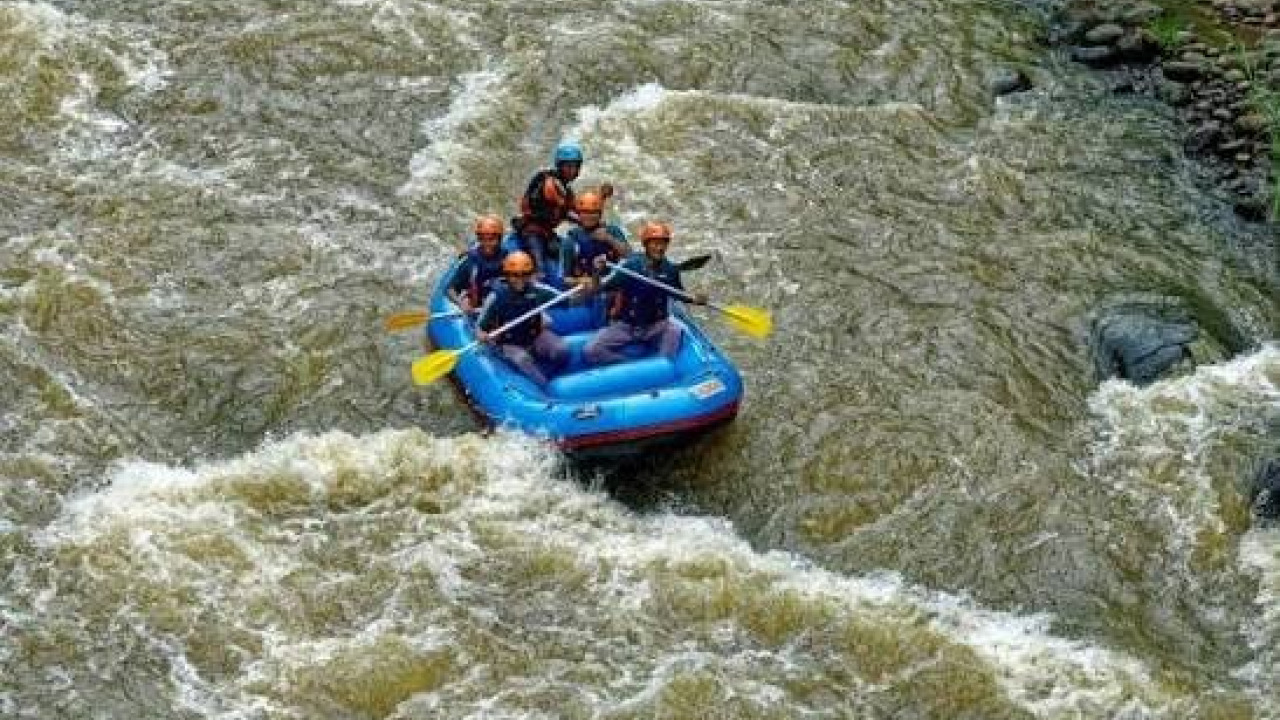

Day trips by boat and coastal water sports are among the most sought-after experiences for travelers during the summer months. Whether it is swimming in crystal-clear bays, exploring hidden sea caves, or catching the breeze on the open sea, these activities promise an unforgettable adventure in harmony with nature. To explore professional options in your region and set sail with confidence, you can browse our boat tours listings to find the perfect itinerary for you.
In these types of excursions, passenger safety is just as vital as the quality of the organization. Constant wave motion, wet and slippery decks, and the natural risks of the open water necessitate effective crisis management. Therefore, all participants are expected to be aware of emergency exits, life jacket locations, and basic maritime etiquette. From managing motion sickness to avoiding propeller zones, every guest carries a level of personal responsibility.
While cruising, following the boat crew's instructions to the letter is the most fundamental rule for ensuring everyone's safety. Getting caught up in the holiday spirit and wandering into restricted areas or swimming beyond safe boundaries is where personal safety begins. In this guide, we will take a detailed look at the potential situations you may encounter during daily sea excursions and the vital details you must keep in mind.
Quick Tips and Advice for Day Trips
Thousands of guests participate in maritime activities every day along our country's extensive coastline. There is particularly high demand for Kaş sea adventure activities, Fethiye underwater exploration routes, Kadriye coastal water activities, and canoeing trails around Demre. The popularity of these locations makes boat safety a highly sensitive and important topic.
| Planning Step | Key Safety & Comfort Details for Open Sea Travel |
|---|---|
| Clothing Choice | Bring quick-drying spare swimwear and t-shirts for wet surfaces. |
| Footwear Choice | Avoid flip-flops on open boats; always wear rubber-soled shoes. |
| Child Safety | Young children must always be supervised and wear life jackets on deck. |
| Motion Sickness | Guests prone to seasickness should prefer sitting in the middle of the vessel. |
| Restricted Areas | Entering the cockpit or the rope/winch areas is strictly prohibited. |
| Sun Protection | Never neglect high-factor sunscreen and sunglasses. |
Arriving at the pier at least thirty minutes before departure ensures that registration is handled without panic and that emergency briefings are heard clearly. When boarding, avoid rushing or running on the gangway (pasarella), as this significantly increases the risk of falling into the water. Once you step on board, we recommend checking the directional signs on deck and memorizing the exit routes.
The motion of a yacht varies depending on the waves; however, the wake from another passing speedboat can cause sudden loss of balance. Therefore, holding onto handrails or fixed pillars while standing will help prevent falls and reduce the risk of injury to zero. A simple but highly effective precaution is to avoid using stairs to reach upper decks while the boat is in motion.
Boat Safety Equipment and Proper Usage
Regardless of size, it is a legal requirement for all maritime vessels to carry specific equipment. For a 5-meter boat, this must include a sufficient number of fully equipped life jackets, lifebuoys, signal flares, and fire extinguishers. It is a critical safety step for guests to learn where this equipment is stored immediately upon departure.
How to Wear a Life Jacket Correctly
For those wondering how to use boat equipment properly, the most important rule is knowing how to secure a life jacket in an emergency. A life jacket that is simply thrown over the head can cause neck injuries if you hit the water; it is vital that the bottom straps are passed between the legs and tightened securely. It is strictly forbidden to remove life jackets from their stations or put them on without an emergency announcement or instruction from the captain.
Vital Rules for Families with Children
Water activities are an attractive holiday option for families due to their fun nature. However, the narrow deck environment can harbor unexpected and jarring dangers for active and curious children. Railing gaps, stairs, and surfaces constantly dampened by seawater require constant parental vigilance.
Setting Boundaries on Deck
Crew members must also be diligent in preventing children from leaning over the sides of the boat or climbing on the railings. Because wave intensity and spray are higher at the bow (front) of the ship, young guests should be kept away from this area. Parents are responsible for keeping their children within their line of sight and making them feel secure, even during shows or organized activities.
Comparison: Swimming Pools vs. Open Sea Environments
Hotel pools, whether indoor or outdoor, differ significantly from open sea activities in terms of guest expectations and safety standards. The rules, surface textures, and water entry conditions for both concepts are shaped by their natural environments. While sea excursions offer an impressive visual spectacle, they bring unique environmental risks.
| Criterion | Hotel Swimming Pool | Open Sea Activities |
|---|---|---|
| Water Depth | Depth increases gradually; you can touch the bottom. | Depth starts suddenly; often deep with no visible bottom. |
| Surface Condition | Non-slip tiles or textured surfaces are used. | Wooden or fiber decks are constantly wet and very slippery. |
| Lifeguards | Certified lifeguards are on duty at all times. | Swimmers are responsible for themselves once in the water. |
| Currents | Water is stagnant; no risk of waves or currents. | Includes undertows, tides, and wind-driven waves. |
| Evacuation Speed | Ambulances or doctors arrive quickly via land. | Medical evacuation requires coast guard or boat transfer. |
While running is prohibited at pool sides, walking on a boat requires very careful steps and always holding onto something for support. When approaching the swim platform (the ladder at the rear) during swimming breaks, it is mandatory to ensure that the propellers are not running. Swimming in the propeller zone is considered the most dangerous maritime error and can lead to fatal injuries.
Spending time under the sun with a constant breeze can lead to rapid dehydration without you realizing it. On deck, the combination of heat and dehydration can turn into severe dizziness or heatstroke. Therefore, guests are strongly advised to drink water at regular intervals and rest in the shaded, covered areas of the boat, especially during the midday heat.
Open Decks and Wind Balance
When taking photos on the open terraces or at the front of the boat, be prepared for sudden jolts and wind gusts. You must grip your phones or cameras tightly; do not allow the wind to sweep your devices into the sea. Remember that during stormy weather with high wind warnings, the captain may decide to close certain upper decks entirely.
The 5-Step Emergency and Safety Protocol at Sea
In the event of an accident, engine fire, or taking on water, the most dangerous scenario on a tourist boat is chaos. Therefore, civil maritime rules have standardized the behavior passengers should exhibit during a crisis. Navigating a crisis with minimal loss depends entirely on disciplined movement.
- When the emergency siren sounds, move quietly to the nearest assembly point so you can hear the crew's voice.
- Do not attempt to open closed cabinets or put on life jackets without instructions from the crew.
- In case of smoke or fire inside the cabin, move by crouching low to protect your breathing.
- At the assembly area, focus only on the captain's announcements; avoid loud talking or panicky screaming.
- Under no circumstances should you abandon the ship by throwing lifebuoys or jumping into the water unless an explicit "abandon ship" order is given.
Panic Management and Crew Communication
The biggest mistake passengers make in emergencies is attempting to abandon the vessel on their own to swim to shore. Even if you are a strong swimmer, it is nearly impossible to battle strong open-sea currents while in a state of panic. Since all crew members hold maritime safety certifications, leadership must always be left to them.
Health Issues and Preventing Motion Sickness
For individuals with a sensitive inner ear, a wavy sea voyage can cause nausea and severe dizziness (Kinetosis). To prevent this, avoid eating very heavy or excessively oily foods a few hours before the tour. Avoiding an overly full stomach and limiting acidic beverages are the most effective natural ways to reduce the risk of seasickness.
- You may take an anti-nausea medication recommended by your pharmacist or doctor at least half an hour before the tour.
- While on board, rest your brain by focusing on the horizon line rather than fixed objects like phone screens.
- If you begin to feel nauseous, move quickly to an area with fresh, breezy air rather than staying at the rear where engine exhaust may be present.
Medical and First Aid Facilities
While small gulets may not always have a dedicated infirmary, tourist fleets carry standard-equipped first aid kits. Crew members are trained in basic first aid and CPR and are prepared for crisis moments. It is recommended that elderly passengers with chronic conditions carry their heart medications or emergency asthma inhalers in a carefully protected, waterproof bag.
Frequently Asked Questions 5
What safety equipment is available on the boat?
All boats are required by law to carry life jackets, emergency flares, lifebuoys, a fully equipped first aid kit, and fire extinguishers.
What must be present on a 5-meter boat?
For small, short-distance boats, it is a legal requirement to have life jackets for every person on board, one lifebuoy, a fire extinguisher, a flashlight, and a whistle.
How do I operate the boat? Can we drive it?
On tourist passenger boats, taking the helm or operating the vessel is strictly prohibited for passengers under civil maritime rules; driving is solely the authority of the captain.
Is it okay to wear flip-flops on the boat?
Because the risk of slipping on open and wet decks is very high, we strongly recommend wearing non-slip, closed-toe water shoes instead of flip-flops.
Can pregnant women participate in sea activities?
While there is generally no harm in participating under normal wave conditions, it is strongly recommended that they consult their doctor due to the constant motion and vibration.