
Edirne, the historic gateway to the Balkans and a former Ottoman capital, is much more than just the home of the magnificent Selimiye Mosque and delicious tava ciğeri. Every spring, the entire city transforms into a kaleidoscope of music, vibrant colors, and massive fire rituals during the Kakava Festival. A deeply rooted tradition celebrating Romani culture, the arrival of spring, and seasonal abundance, Kakava (also known as Hıdırellez) breathes a unique energy into Edirne in early May. From the rhythmic dances around the massive Kakava fire in the Sarayiçi grounds to the heartfelt wish-making ceremonies by the Tunca River at dawn, this festival offers an unforgettable experience for travelers. In this guide, we cover everything from the festival's origins and rituals to the best places to visit in Edirne and practical travel tips to ensure your trip is seamless.
At Travel Tour Shop, we maintain rigorous quality standards; we vet our tour and transfer providers extensively, only listing those who pass our strict criteria based on local expertise and proven guest satisfaction. The following information is part of that commitment: we have curated everything you need to know for your first Kakava experience, from ritual details to transportation and accommodation advice.
Quick Facts
| Topic | Details |
|---|---|
| Location | Edirne, Sarayiçi (near the Tunca River, close to the city center) |
| Event Type | Romani culture spring festival (Kakava / Hıdırellez) |
| Date | Traditionally May 5-6 (check local municipality for the current year's schedule) |
| Main Rituals | Kakava fire in Sarayiçi; wish-making and purification ceremony at Tunca River |
| Admission | Public and free; no tickets required |
| Trip Duration | 1-2 days; day trips from Istanbul are possible |
| Transportation | By road; approximately 240 km from Istanbul (about 2.5 hours) |
| Best Time to Visit | Early May (for the festival); Spring or Autumn (for general sightseeing) |
What is the Kakava Festival? A Joyful Welcome to Spring
At its heart, Kakava is a profound spring tradition through which the Romani community celebrates the awakening of nature, the arrival of spring, and the promise of abundance. While its roots are believed to stretch back to ancient Egyptian and Near Eastern belief systems, the celebration has evolved alongside the Hıdırellez traditions of Anatolia. In Edirne, Kakava has grown into a massive city-wide festival that unites the local Romani community with visitors from all over. This period marks one of the most vibrant times of the year for both residents and travelers alike.
The true magic of the festival lies in its raw, street-level cultural immersion. The infectious sounds of Romani music played on clarinets and darbuka drums, the sea of colorful traditional clothing, folk dances, and the sheer energy surrounding the ritual fires make Kakava feel less like a staged performance and more like a living, breathing tradition. For those looking to experience the multicultural soul of Edirne, Kakava is the perfect window into the city's spirit.
The Origins of Kakava and Romani Culture
Kakava is the Romani way of welcoming spring, built upon a foundation of music, dance, and communal celebration. For Romani communities, this period symbolizes rebirth, health, prosperity, and community solidarity. Because Edirne is home to a significant Romani population, the festival is celebrated here with exceptional scale and passion. The clarinet melodies and vibrant attire you will encounter are living legacies passed down through generations.
The Fusion of Kakava and Hıdırellez
Kakava coincides with the Hıdırellez tradition celebrated throughout the Islamic world, and in Edirne, these two celebrations have become beautifully intertwined. Hıdırellez marks the legendary meeting of Hızır and İlyas, symbolizing the arrival of spring, and is widely celebrated across Turkey and the Balkans. While Hıdırellez traditions are recognized on the UNESCO Representative List of the Intangible Cultural Heritage of Humanity, Kakava serves as the unique, Romani-infused interpretation of these spring celebrations in Edirne. This gives the festival a dual layer of meaning: a local Romani celebration and a broader regional spring festival.
The Heart of the Festival: Sarayiçi and Tunca River
The epicenter of the Kakava celebrations is the historic Sarayiçi area, surrounded by the Tunca River. This isn't just any city square; Sarayiçi is a site of immense historical importance, also hosting the legendary Kırkpınar Oil Wrestling matches every year. Its vast, open landscape by the river makes it the perfect stage for both the massive ritual fires and the gathering of thousands of revelers.
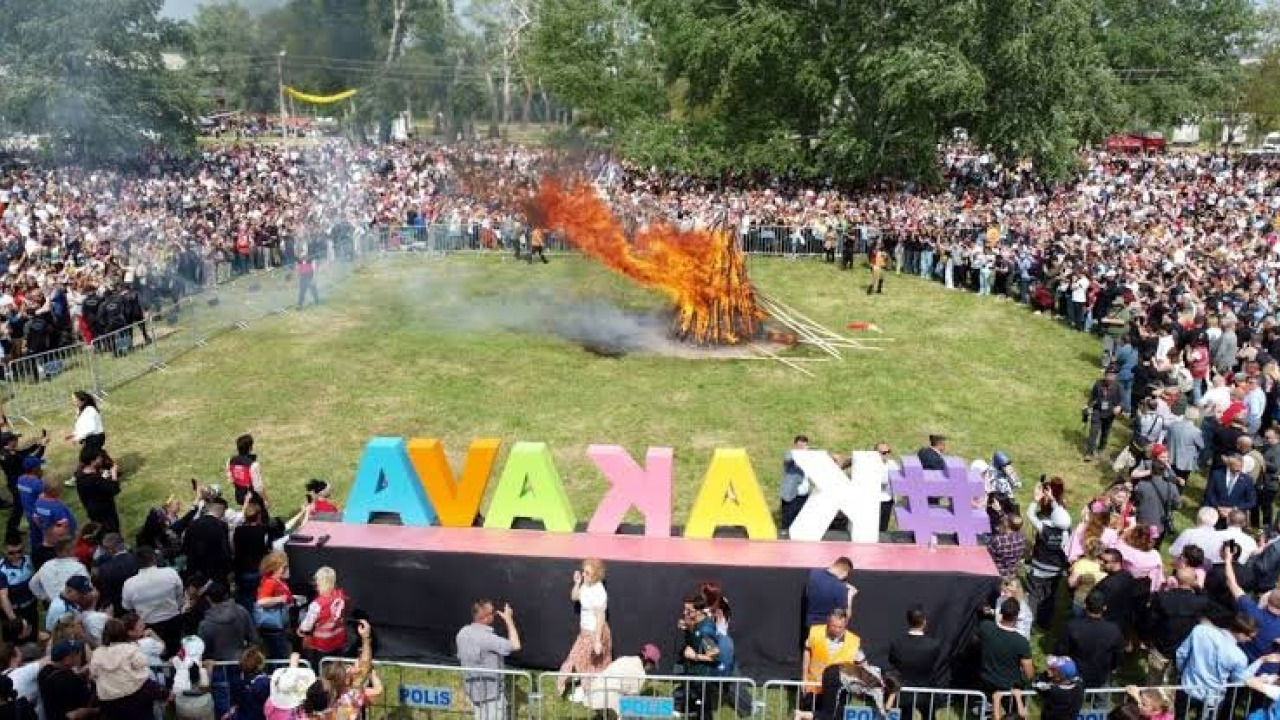
The festival unfolds in two distinct atmospheric phases. The fire ritual creates an electric, high-energy night atmosphere where flames leap meters into the air in the open square. In contrast, the wish-making ceremony at dawn by the Tunca River offers a much more serene and introspective experience. Moving from the roaring excitement of the square to the tranquil riverside in a single night is what makes the Kakava experience so multi-faceted. Planning your position in the square and your access point to the river in advance will help you navigate the crowds more easily.
Step-by-Step: Kakava Rituals and Festivities
Kakava celebrations traditionally take place on May 5-6 to align with Hıdırellez. Since the official event program is announced annually by the Edirne Municipality, we recommend checking the current year's schedule before finalizing your travel plans. The festival is defined by two major ritual stages.
May 5th Evening: Lighting the Kakava Fire
The visible start of Kakava begins on the evening of May 5th in Sarayiçi, where a massive Kakava fire is lit in the presence of local officials and Romani community leaders. As the flames rise from the great pyre, the surrounding crowds begin to dance to the rhythmic beats of clarinets and darbuka drums. The sight of Romani dancers in stunning traditional costumes and the tradition of young people jumping over the flames to make wishes brings the night to a fever pitch. This is the most crowded and high-energy part of the festival; arriving early is highly recommended if you want a good vantage point.
May 6th at Dawn: Wishes and Purification at Tunca
The most spiritual phase of Kakava occurs in the early hours of May 6th, just before sunrise (typically between 04:30 and 06:00). During these hours, the boisterous energy gives way to a quiet, contemplative ceremony along the banks of the Tunca River. People gather to release handwritten wishes for health, success, love, and prosperity into the river waters. It is also customary to wash hands and faces with the river water for good luck and to collect small willow branches from the banks to hang on home doors. As the sun rises over the river, the purification ceremony concludes, symbolically ending the festival. If you are heading out at this hour, we suggest bringing a light jacket to ward off the morning river chill.
Things to Do in Edirne During Kakava
When you visit Edirne for the festival, you can easily balance the festivities with exploring the city's rich Ottoman heritage. Edirne has a compact city center, meaning most major historical sites are within walking distance and can be visited during the festival's quieter hours. For those wanting to explore the city's history through organized tours, you can explore our culture tours and historic city tours.
Selimiye Mosque and Ottoman Grandeur
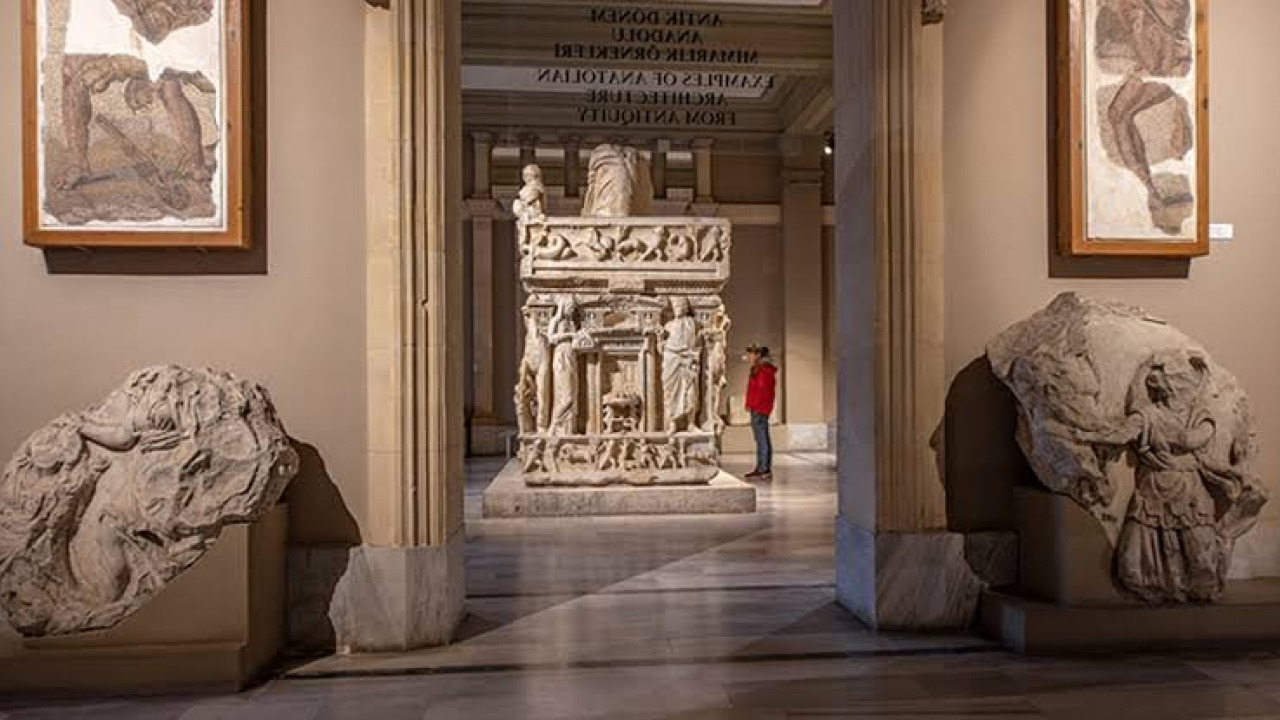
The silhouette of Edirne is defined by the Selimiye Mosque, a masterpiece of Mimar Sinan and a UNESCO World Heritage site. With its soaring dome and four slender minarets, the mosque is visible from almost anywhere in the city and stands as a pinnacle of classical Ottoman architecture. You can also visit the Eski Camii and Üç Şerefeli Camii within a short walk; together, these three structures showcase the architectural evolution of Edirne during its era as the capital. Visiting the mosques in the morning offers a peaceful retreat from the festival crowds.
Sarayiçi, Kırkpınar, and Local Landmarks
Sarayiçi, the festival's hub, is also the historic home of the Kırkpınar Oil Wrestling, bridging two of Edirne's most enduring traditions. Other must-see spots include the historic bazaars, the II. Bayezid Complex, and the stone bridges spanning the Meriç and Tunca rivers. A stroll across these bridges provides beautiful river views and a true sense of the city's atmosphere. These landmarks are perfect for exploring either before the intense Kakava night or as a way to unwind afterward.
How to Get to Edirne
Located in the northwest corner of Turkey near the borders of Bulgaria and Greece, Edirne is easily accessible from Istanbul by road. The city is approximately 240 km from Istanbul, which is about a 2.5-hour drive. Buses and private cars are the most popular ways to travel during the festival. If you are driving, keep in mind that parking near Sarayiçi fills up very quickly during the festival nights.
Many visitors choose to visit Kakava as a day trip from Istanbul. It is quite common to watch the fire ritual on the evening of May 5th and return to Istanbul late that night or early the next morning, especially if you don't want to arrange separate accommodation. Many agencies organize day trips by bus; you can evaluate the best option for you among our tour options. If you plan to stay overnight, please see our notes on booking below.
Best Time to Visit and Accommodation
To experience the specific rituals of Kakava, the best time to visit is during the first few days of May. The weather in Edirne is usually mild during this period, providing a pleasant environment for both the nighttime festivities and the dawn ceremony. If you wish to visit Edirne outside of the festival, spring and autumn are the most comfortable seasons for walking tours.
Accommodation is the most critical planning factor for a Kakava trip. The festival coincides with one of Edirne's busiest periods of the year, meaning hotels, boutique guesthouses, and pensions often book up months in advance. If you plan to stay in Edirne during the festival, we strongly recommend booking at least 3-4 months ahead. If accommodation is unavailable, a day trip from Istanbul is a very practical alternative.
What to Eat in Edirne?
Edirne boasts a culinary culture that perfectly complements the festival experience. The local food scene blends Balkan and Ottoman influences, making every meal an adventure. Taking short breaks from the festival to sample local delicacies is a must.
Tava Ciğeri and Local Specialties
The most iconic dish in Edirne is tava ciğeri—thinly sliced liver that is flash-fried to perfection. Usually served with dried red peppers and onions, this local specialty can be found in many restaurants in the city center. Pairing your tava ciğeri with a cold ayran is the traditional way to enjoy this meal. Since you might encounter queues during the festival, we recommend being flexible with your meal times.
Edirne Sweets
Edirne's dessert culture is just as famous as its savory dishes. The city is well-known for its badem ezmesi (almond paste), a popular local treat that makes for a perfect souvenir. You will also find a variety of traditional Ottoman sweets and syrup-based desserts that are perfect for a post-festival sugar boost.
Festival Itinerary and Practical Tips
To make the most of Kakava, we suggest planning your day around the two main stages of the festival. A sample itinerary might look like this: spend your morning exploring the Selimiye Mosque and surrounding historical sites, then enjoy a tava ciğeri lunch in the center. In the late afternoon, head to Sarayiçi to secure a good viewing spot for the May 5th fire ritual. If you have the energy, stay through the night to witness the Tunca River ceremony at dawn, then finish your day with a relaxing breakfast in the city center.
A few practical tips will make your experience much smoother. The area becomes extremely crowded and energetic when the fire is lit; for families with small children, we recommend watching from a slightly more distant and calmer vantage point for safety and comfort. Wear comfortable walking shoes, bring water, and carry a light layer of clothing for the cool dawn hours. Finally, keep an eye on your belongings in the crowds and agree on a meeting point with your group in case you get separated.
Frequently Asked Questions 6
Is there an entrance fee for the Edirne Kakava Festival?
No. All Kakava Festival activities held in the Edirne Sarayiçi area and along the riverbanks are open to the public and completely free of charge. No tickets or museum passes are required.
When is the Kakava Festival held?
Kakava celebrations traditionally take place on May 5-6 each year to coincide with Hıdırellez. Since the official program is announced annually by the Edirne Municipality, we recommend checking the current year's schedule before you travel.
When should I book a hotel for the Kakava period?
The Kakava period is one of the busiest times in Edirne, and hotels and guesthouses often fill up months in advance. If you are planning a festival trip, it is wise to make your accommodation reservations at least 3-4 months ahead.
Is it possible to visit the Kakava Festival on a day trip from Istanbul?
Yes. Since Edirne is approximately 240 km from Istanbul (about a 2.5-hour drive), it is very practical to watch the fire ritual on the evening of May 5th and return to Istanbul that night or early the next morning. Many agencies offer organized day tours.
What is the atmosphere like for families with children?
The area becomes very crowded and high-energy when the fire is lit. For the safety and comfort of small children, we recommend families watch the festivities from a more relaxed, peripheral area rather than the very center of the crowd.
What is Kakava and how does it relate to Hıdırellez?
Kakava is a deep-rooted tradition where the Romani community celebrates spring, nature's rebirth, and abundance. It has become closely integrated with the Hıdırellez celebrations in Edirne, serving as both a unique Romani cultural event and a broader celebration of spring.