
Since the Industrial Revolution, professional life has been tethered to specific locations and rigid schedules. However, the rise of cloud technology and the global shifts of the early 2020s have fundamentally dismantled this structure. Today, the business world is rapidly evolving toward a location-independent model, and the most prominent expression of this transformation is digital nomadism. Digital nomads are a new generation of professionals who earn their living remotely via computers and the internet, traveling the world without being tied to a single city or country.
This demographic is reshaping traditional tourism patterns, accommodation habits, and legal frameworks. With its geographical diversity, cultural depth, and advancing digital infrastructure, Turkey is becoming a premier destination for this movement. At Travel Tour Shop, we work with teams on the ground, allowing us to provide a practical perspective on the Turkish experience for remote workers. In this guide, we explore what digital nomadism entails, what Turkey has to offer, the best cities to call home, modern accommodation models, and legal practicalities.
| Topic | Summary |
|---|---|
| Who is a digital nomad? | A professional working remotely via the internet, independent of location |
| Average stay | Approximately 1 to 6 months per destination |
| Legal status in Turkey | Digital Nomad ID and short-term residence permit (goturkiye.com) |
| Top cities | Istanbul, Antalya, Fethiye, Izmir |
| Essential needs | High-speed internet, coworking spaces, suitable accommodation |
What is Digital Nomadism?
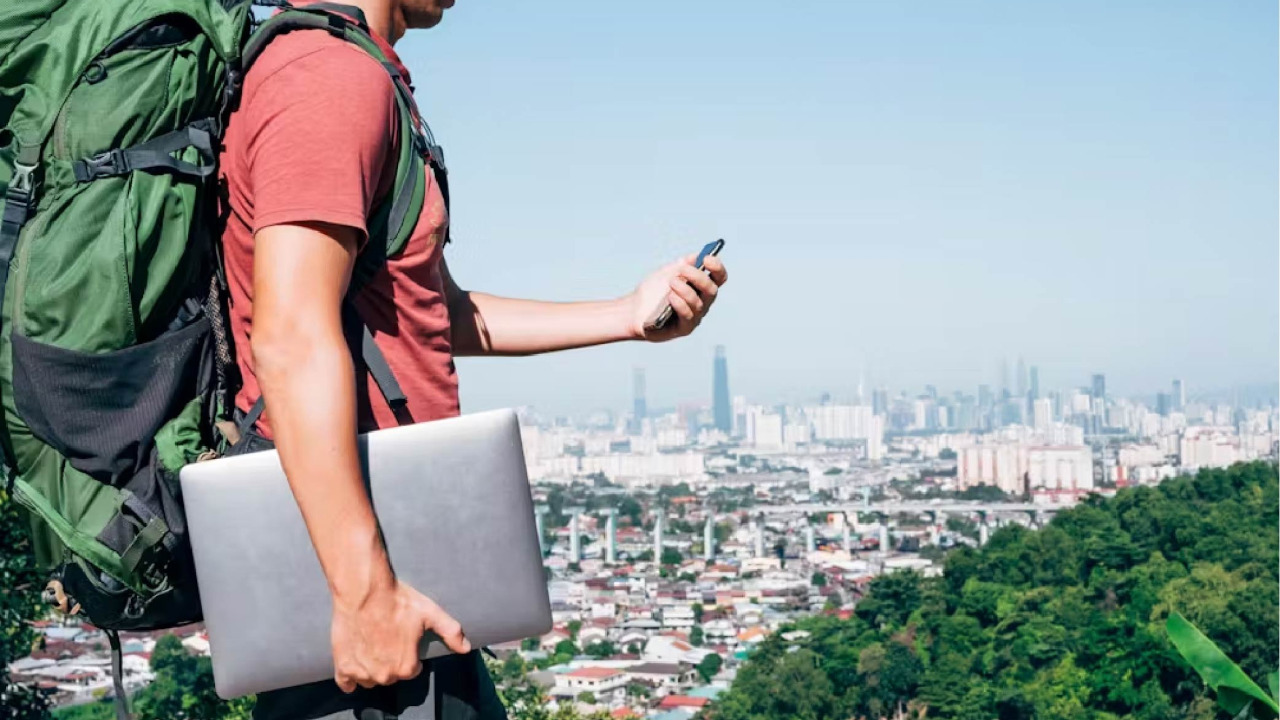
Digital nomadism is a lifestyle where individuals use tools like a laptop and a reliable internet connection to live and work in various locations without being tied to a specific office or city. A digital nomad doesn't act like a typical tourist; they operate more like a temporary resident. They handle their professional duties during their working hours and spend their downtime living like a local.
The Origins of the Concept
While the term has gained mainstream popularity recently, its roots go back further. The concept of the digital nomad was famously brought to light in 1997 by Tsugio Makimoto and David Manners in their book of the same name. What was once a futuristic prediction has become a living reality thanks to the ubiquity of mobile technology and broadband internet. As remote work rates have surged, digital nomadism has transitioned from a niche travel subculture into a mainstream global segment.
What Do Digital Nomads Do?
The digital nomad community spans a vast array of professions. Software developers, graphic and web designers, digital marketing specialists, content creators, translators, online educators, and consultants are typical examples. The common thread is that their work output is digital, requiring no physical presence to be produced or delivered. Because these professionals often earn their income from international companies or freelance platforms, they do not compete with the local labor market in their host country.
Traditional Tourists vs. Digital Nomads
For tourism businesses and destination management organizations to succeed, they must first understand the distinction between these two profiles. A traditional tourist has a limited vacation window, focuses heavily on relaxation or entertainment, and spends their budget in a short burst. A digital nomad, however, is a temporary resident with a much longer average stay.
| Criterion | Traditional Tourist | Digital Nomad |
|---|---|---|
| Length of stay | 3 to 7 days | 1 to 6 months |
| Primary needs | Beaches, pools, and entertainment | Uninterrupted high-speed internet, ergonomic workspace |
| Economic impact | Short-term, high-intensity spending | Long-term, distributed spending in the local economy |
| Seasonality | Peak season (summer and winter holidays) | Year-round, including off-season periods |
Accommodation and Spending Models
A traditional tourist might spend heavily on hotels, restaurants, and excursions during a one-week holiday and then depart. In contrast, a digital nomad operates with a budget spread across months, spending on everything from grocery shopping and local cafes to hairdressers and gyms. This model shifts tourism revenue away from concentrated luxury hubs and distributes it among neighborhood shops and the local economy.
Contribution to Off-Season Tourism
Digital nomads help smooth out the seasonal fluctuations caused by mass tourism. Unlike the surge of demand concentrated in the summer months, this group can inhabit a destination at any time of year. This allows businesses to remain active during the "dead" season, stabilizing cash flow and maintaining year-round employment. This provides a more consistent economic contribution to both businesses and the wider region.
Why is Turkey So Attractive to Digital Nomads?
Turkey is increasingly being mentioned as a top-tier destination in the digital nomad circuit. This appeal is driven by a perfect storm of geographical location, cultural diversity, and a unique pace of life.
Geographical and Cultural Richness
With its position bridging two continents, its stunning Mediterranean and Aegean coasts, historic cities, and diverse natural landscapes, Turkey offers the perfect backdrop for long-term stays. A digital nomad can work through the week and spend the weekend exploring ancient cities, coastal towns, or mountain villages. The rich culinary culture, vibrant social life, and hospitable society make long-term living both easy and enjoyable.
Lifestyle and Cost of Living
Compared to many European countries, the daily rhythm of life in Turkey can be very favorable for remote workers planning long stays. The widespread cafe culture, businesses that stay open late, and a growing coworking ecosystem make it easy to balance work and social life. While exchange rate fluctuations mean it is wise to plan budgets with current data, regions outside the major metropolitan hubs generally offer a very affordable cost of living.
Top Digital Nomad Cities in Turkey
Several hubs in Turkey stand out for remote workers, each offering a distinct lifestyle and working environment.
Istanbul
Istanbul is a top choice for remote workers due to its robust digital infrastructure, dense coworking network, and cosmopolitan social scene. Neighborhoods like Kadıköy, Beşiktaş, and Şişli are rich in cafes, shared workspaces, and community events. For those looking to explore the city on weekends, there is a vast range of experiences from Bosphorus cruises to tours of the historic peninsula; you can explore our Istanbul tours category to plan your adventures.
Antalya
Antalya is a coastal city perfect for year-round living thanks to its mild climate and long outdoor season. Modern accommodation options in areas like Konyaaltı and Lara provide an ideal base for digital nomads who want to work by the sea. Those looking to spend their downtime exploring nature and adventure can choose from various Antalya tours.
Fethiye
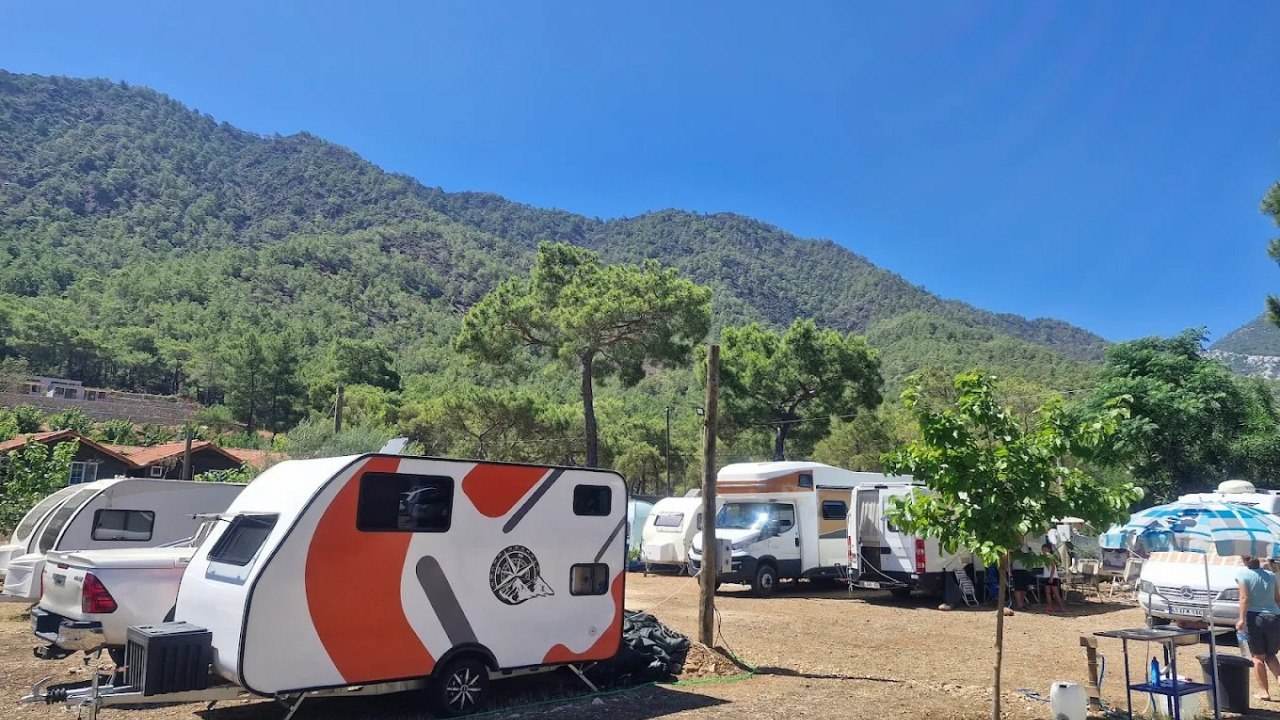
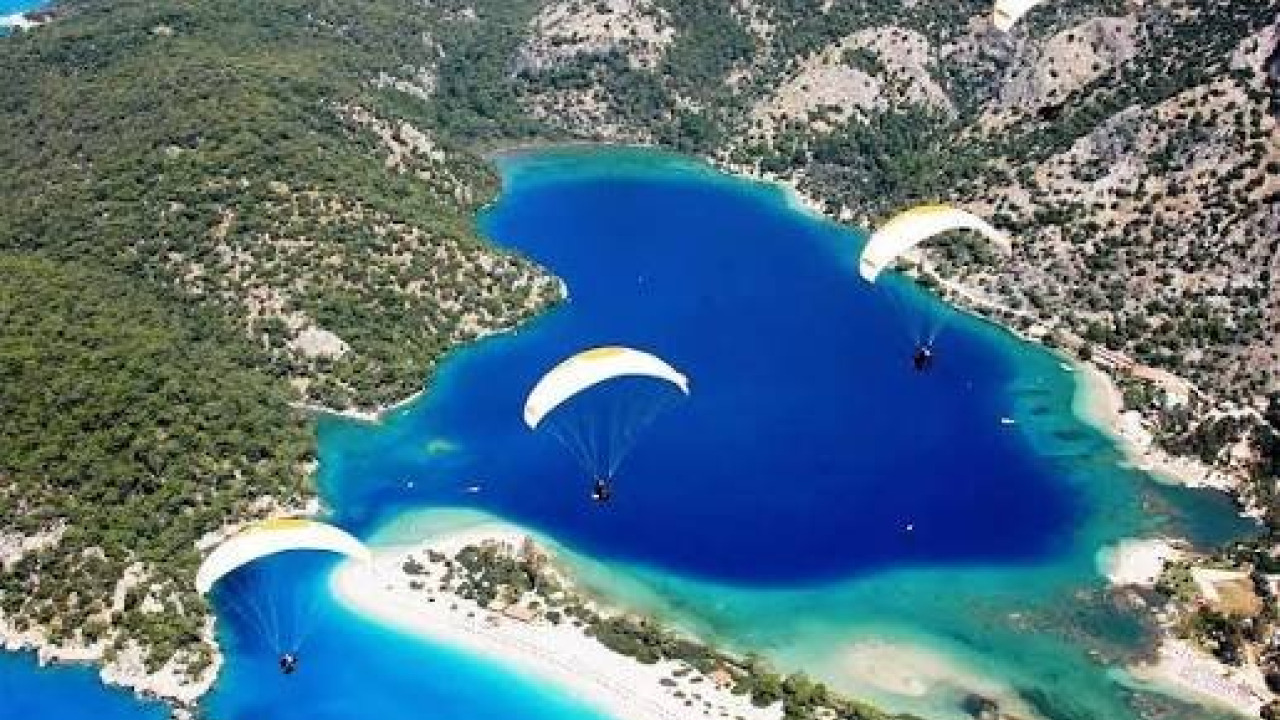
Fethiye and its surroundings are an attractive alternative for remote workers looking to escape the intensity of city life, offering tranquil nature, beautiful bays, and mountain views. The villages around Ölüdeniz provide a peaceful environment for long-term stays. To discover the region's outdoor and adventure options, check out our Fethiye nature and adventure tours category.
Izmir
Izmir is a compelling hub for digital nomads, offering a balanced pace of life, proximity to the Aegean coast, and advanced urban amenities. The cafe culture in Alsancak and surrounding areas makes it easy to combine work with socializing. For those wanting to visit nearby ancient cities and coastal towns, consider the options in our Izmir tours category.
Coliving and Coworking: The New Accommodation Model
The digital nomad trend is forcing a functional transformation in the accommodation sector. For a professional spending long hours at a computer, a classic hotel room often falls short. This need has given rise to new models of living and working.
What is Coliving?
Coliving refers to shared living spaces that offer individuals private rooms while providing access to shared kitchens, social areas, and fully equipped coworking offices. This model makes long-term stays more cost-effective and allows people with similar lifestyles to build a community. For digital nomads looking to establish a social circle in a new city, coliving is a standout option to combat isolation.
Coworking Spaces
Coworking spaces offer desks, meeting rooms, and uninterrupted internet through flexible memberships for various individuals and teams. These spaces provide more than just a desk; they create opportunities for professional networking through events, workshops, and community meetups. The coworking ecosystem in Turkey's major cities has grown significantly in recent years.
Smart Office Hotels
Hotels are also adapting to this trend by evolving their room concepts. Furniture is being replaced with ergonomic workstations and orthopedic chairs, while hotels are installing high-speed fiber-optic internet throughout their premises. Lobbies are being redesigned as modern workspaces featuring quiet call booths. This approach caters to a new guest profile that requires both work and stay capabilities.
Turkey Digital Nomad Visa and Residency Practices
Digital nomadism has moved onto the strategic agendas of governments, not just hotels. Because this group brings foreign currency into the country without threatening local employment and spends money at local businesses, many countries are actively encouraging them. Dozens of nations, including Portugal, Spain, Estonia, Greece, and Indonesia, have launched dedicated programs. Turkey has also developed official regulations in this area.
Digital Nomad ID
Under the leadership of the Ministry of Culture and Tourism, Turkey operates an official program for digital nomads. Applications and current requirements are managed through the digital nomad page on the official promotion portal, goturkiye.com. The Digital Nomad ID granted to eligible candidates serves as a document to facilitate short-term residence permit and visa application processes. This regulation is a significant step in providing a formal framework for remote workers.
Application Requirements
Official application requirements are generally based on specific criteria. These include being between approximately 21 and 55 years of age, providing a diploma proving university graduation, and documenting that you work remotely for a company based abroad or operate a freelance/self-employed business with international clients. Citizens of designated countries may apply, and proof of meeting a specific monthly income threshold is required. As income thresholds and eligible country lists can be updated, it is essential to check the latest information on the official portal before applying.
Short-Term Residence Permits
Individuals who obtain a Digital Nomad ID can more easily navigate the application for a short-term residence permit. In Turkey, short-term residence permits are typically issued for up to one year and can be extended as long as the conditions are met. This process provides a legal foundation for remote workers planning long-term stays. Details regarding duration, fees, and required documentation should be verified through the Directorate General of Migration Management and official application channels.
Practical Tips for Digital Nomads
To ensure a productive and enjoyable digital nomad experience in Turkey, it is helpful to plan a few practical aspects in advance.
Internet and Connectivity
Uninterrupted internet is the backbone of remote work. While fiber infrastructure is common in major cities, it is important to evaluate connection speeds and have a backup mobile internet option when choosing accommodation. Getting a data package from a local operator ensures work continuity if your accommodation's Wi-Fi fails. The digitalization of Turkish tourism is also making booking processes easier; we cover the details of this in our article on digitalization in Turkish tourism and online booking.
Choosing Accommodation
When selecting accommodation, prioritizing criteria such as a dedicated desk, ergonomic seating, and quietness will directly impact your daily productivity. Monthly rentals, coliving facilities, and hotels suitable for long stays cater to different budgets. A secure and verified booking process is vital for a peaceful long-term stay; we share our approach in our article on the digital future of tourism and secure booking experiences.
Integrating into Local Life
Living like a temporary resident in a destination requires adapting to the local rhythm. Learning basic Turkish phrases, using local markets, and getting to know neighborhood shopkeepers will enrich your experience. Additionally, setting boundaries between work and relaxation is the key to maintaining long-term productivity. The essence of digital nomadism is the ability to merge life and travel into a single, seamless flow.
Frequently Asked Questions 6
What is digital nomadism?
Digital nomadism is a lifestyle where individuals use tools like a laptop and internet connection to work remotely while traveling. A digital nomad operates like a temporary resident, integrating into daily life much like a local.
What do digital nomads do?
This community includes a wide range of professionals such as software developers, designers, digital marketers, content creators, translators, online educators, and consultants. The common factor is that their work is produced and delivered digitally without needing a physical office.
Does Turkey offer a digital nomad visa?
Yes, Turkey runs an official program for digital nomads led by the Ministry of Culture and Tourism. The Digital Nomad ID helps facilitate short-term residence permits and visa processes. Applications are managed through the official portal, goturkiye.com.
Where is the best place to live as a digital nomad in Turkey?
Istanbul, Antalya, Fethiye, and Izmir are major hubs for remote workers. Istanbul offers a dense coworking network, Antalya provides a mild climate, Fethiye offers tranquil nature, and Izmir is known for its balanced lifestyle. The best choice depends on your specific work style and lifestyle preferences.
What accommodation models are available for digital nomads?
Main options include monthly apartment rentals, coliving facilities, and hotels designed for long stays. Coliving combines private rooms with shared workspaces and social areas to foster community, while smart hotels provide ergonomic workspaces and high-speed internet.
How does digital nomadism affect tourism?
Digital nomads typically stay for 1 to 6 months, spreading their spending throughout the local economy and creating demand during off-peak seasons. This helps smooth out the seasonal fluctuations of mass tourism and provides more stable, year-round employment for local businesses.