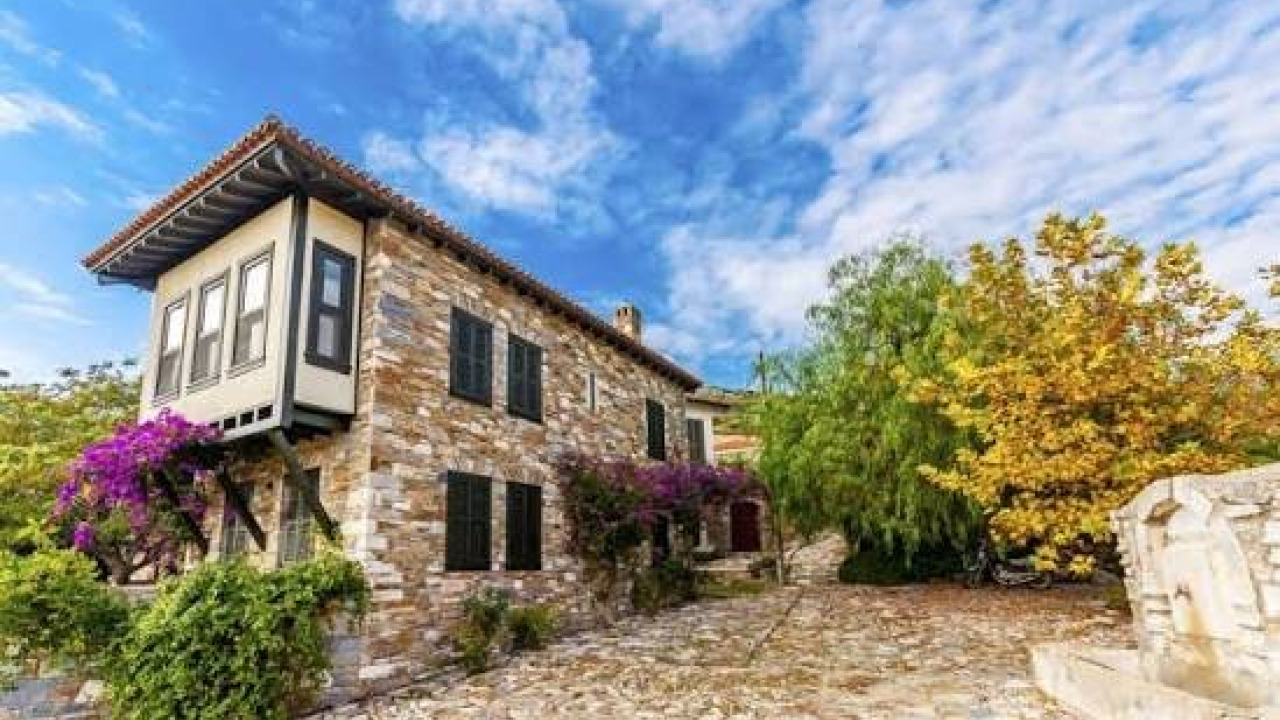

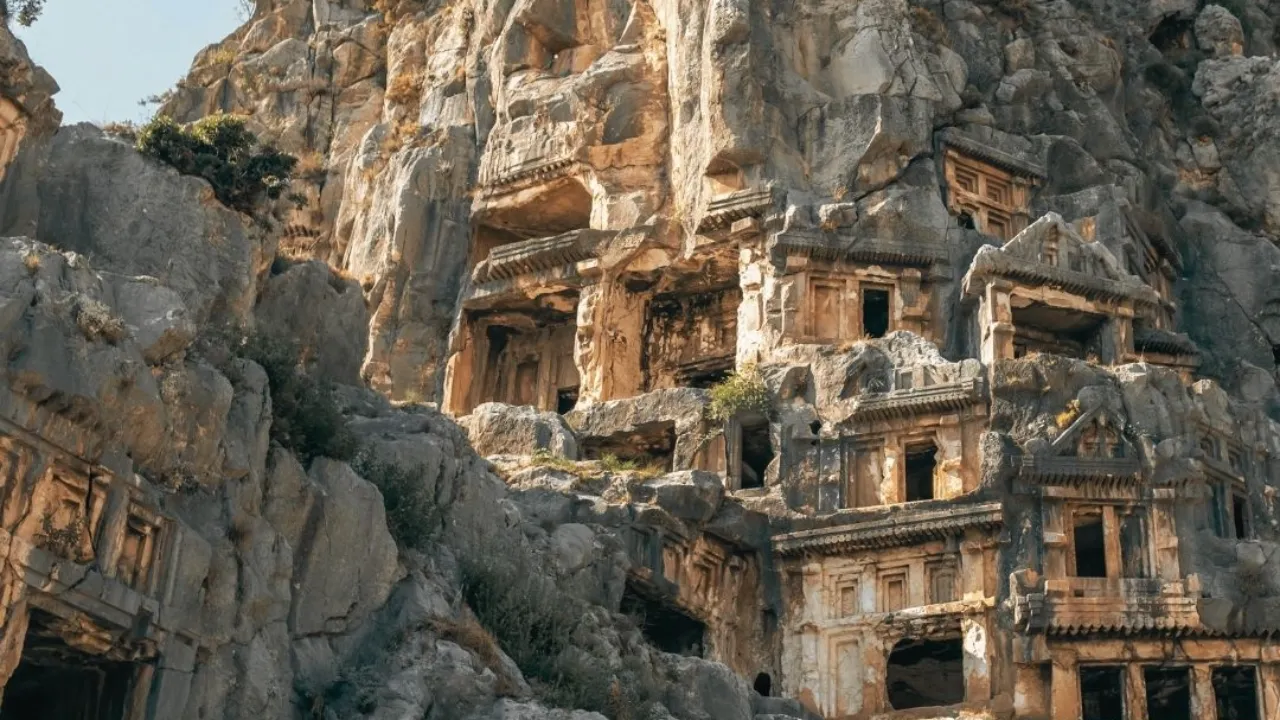
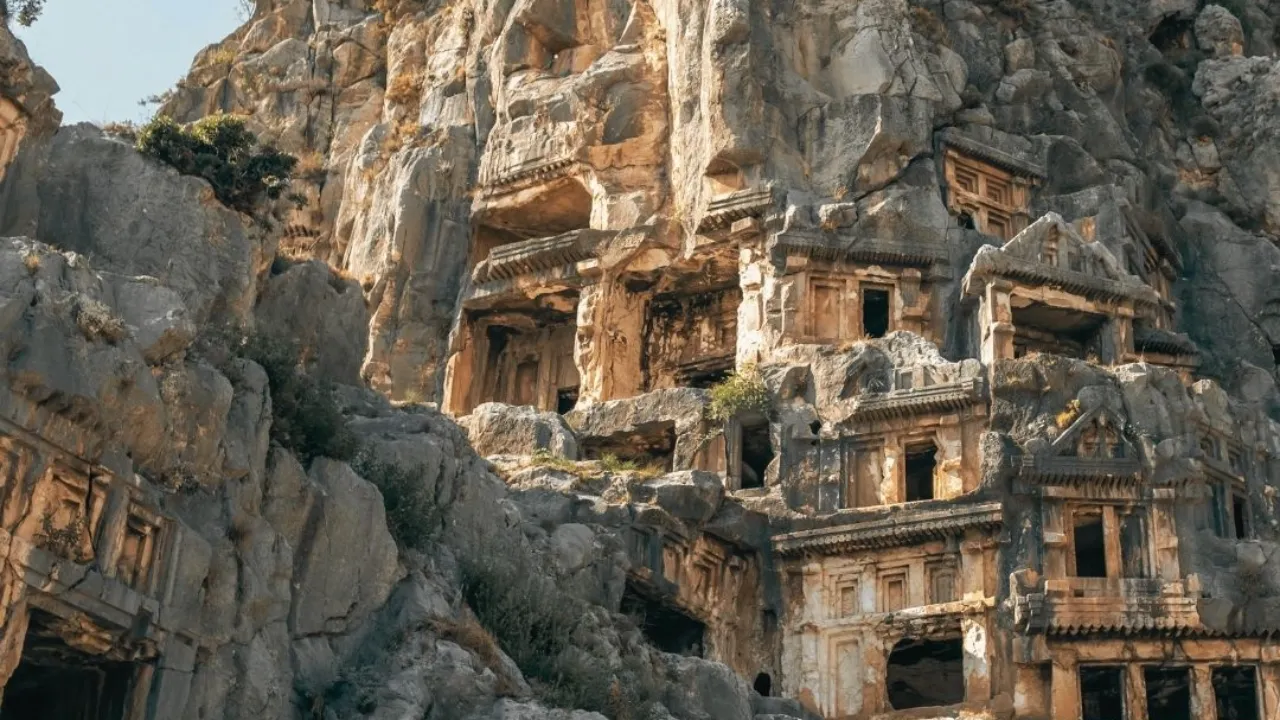
At first glance, Demre, nestled along Antalya's western coast, feels more like a hardworking agricultural hub than a typical tourist stop. Spanning 472 square kilometers across 17 neighborhoods, much of the landscape is a sea of greenhouses. While it gained district status as "Kale" in 1987 and adopted its current name in 2005, the visual contrast here is striking: ancient Lycian rock tombs rising majestically from behind sheets of glass and nylon.
From a local's perspective, visiting Demre isn't just about a checklist of sites; it's about timing. It is entirely possible to catch the cool morning air at Myra, make it to a boat from Çayağzı, and return to the lagoon by evening. However, if your sequence is off, the Mediterranean heat can quickly drain your energy. This guide isn't just about where to go, but when to arrive, how long to stay, and where to base yourself for the best experience.
Local's Quick Summary: Demre is perfect for a day trip or a one-night stay. The rock tombs of Myra and the St. Nicholas (Santa Claus) Memorial Museum can be explored in about 3 hours. For those wishing to see the sunken city of Kekova by boat, Çayağzı Harbor is the primary departure point.
Demre at a Glance
Before diving into the details, here is a snapshot of the district. This table represents the essential framework a local would share with a guest in the first five minutes.
| Feature | Local Insight |
|---|---|
| Location | Western coast of Antalya; the corridor between Kaş and Finike |
| Administrative | 472 sq km, 17 neighborhoods; became a district in 1987, renamed Demre in 2005 |
| Key Highlights | Myra Ancient City, St. Nicholas Church, and the Kekova coastline |
| Economic Core | Approx. 15,582 decares of greenhouses; famous for early-season vegetables and citrus |
| Number of Farmers | 3,789 |
| Ideal Duration | One intense day is enough; two days for a relaxed pace; three days including Kekova and the bays |
| Best Months | April, May, and October; March to November is ideal for cultural exploration |
| Swimming Spots | Sülüklü Beach, Taşdibi Beach, Çayağzı Beach |
| Boat Departure | Çayağzı (Andriake coast) |
| Museum Hours | Summer: Myra 08:00 - 21:00, St. Nicholas 08:30 - 20:00; Open daily, Museum Pass accepted |
| Not Recommended For | Those seeking vibrant nightlife or large shopping malls |
One important note: Demre's identity is rooted in culture and nature, not luxury beach resorts. Our Demre Tours page is designed specifically around these two pillars.
Who is Demre For? Profile & Seasonal Matching
Demre transforms depending on who is visiting. A local won't ask "where do you want to go," but rather "who are you traveling with and in which month?" The following table matches visitor profiles with the best timing.
| Visitor Profile | Best Period | Local's Recommended Itinerary | Key Consideration |
|---|---|---|---|
| Families with Children | May, early June, late Sept | Myra Ancient City in the morning, Sülüklü or Taşdibi Beach in the afternoon | July/August averages 34°C; shade is very limited at archaeological sites |
| Couples | April, October | Kekova coastline and Kaleköy during the late afternoon | The bays and boat routes become very crowded in mid-summer |
| Budget Travelers | March, November | Focus on museums and ruins; stay in local pensions | Visiting hours are shorter in winter; plan your day accordingly |
| Nature & Birdwatchers | Oct to March | Demre Bird Paradise (between Çayağzı and Andriake), then Beymelek Lagoon | December and January see the highest rainfall (avg. 12 days) |
| Hikers & Explorers | March-May, Oct-Nov | Inland sites like the Kyaneai ruins | Hiking in open terrain is grueling during summer midday heat |
| History Buffs | April, May, October | Myra, Andriake Ancient City, and the Lycian Civilizations Museum in one day | Plan the final visit for the morning as closing times vary by season |
Practical Takeaways:
- For those seeking a primary beach holiday, Demre is a scenic stopover rather than a main destination.
- For history and archaeology enthusiasts, this is one of the most layered and rewarding stops in Antalya.
- For birdwatchers and nature lovers, the peak season is actually winter, the opposite of the beach calendar.
- For photographers, the "golden hours", first light and just before sunset, are the only times to capture the ruins perfectly.
When to Visit: A Month-by-Month Local Breakdown
The rhythm of Demre follows the broader patterns of the Antalya coast. The following temperature and rainfall data are based on 1991–2020 norms for the coastal region.
| Month | Avg Temp | Day Avg | Rainy Days | Local's Verdict |
|---|---|---|---|---|
| January | 10.1°C | 15.0°C | 12.4 | Peak rain; great for museums and the lagoon, not for the beach |
| February | 10.7°C | 15.6°C | 10.4 | Rain continues, but crowds are gone; ruins are peaceful |
| March | 12.9°C | 18.0°C | 8.5 | Hiking and ruins season begins; balanced daytime weather |
| April | 16.4°C | 21.4°C | 6.4 | The local favorite; Myra and Andriake are comfortable all day |
| May | 20.7°C | 25.7°C | 5.2 | The perfect blend of culture and swimming |
| June | 25.4°C | 30.8°C | 2.5 | Ruins in the morning, bays in the afternoon works best |
| July | 28.6°C | 34.2°C | 0.5 | Outdoor sightseeing must be squeezed between 08:00 and 11:00 |
| August | 28.5°C | 34.1°C | 0.6 | The most challenging month; even the Kekova boat trip is tiring by afternoon |
| September | 25.3°C | 31.2°C | 1.7 | Becomes noticeably more comfortable in the second half of the month |
| October | 20.6°C | 26.6°C | 5.4 | Tied with April as the most balanced month of the year |
| November | 15.6°C | 21.4°C | 7.5 | Birdwatching window opens; crowds disappear |
| December | 11.7°C | 16.7°C | 11.9 | Rainfall peaks; focus on indoor museums and covered sites |
The conclusion is clear: in Demre, the deciding factor isn't the water temperature, but the time spent in open terrain. The rock tombs of Myra and the Roman theater are completely exposed. With August averages hitting 34°C, visiting at 08:00 (when the gates open) is a necessity, not a suggestion.
In winter, the strategy flips. While rain may sideline the beaches, it highlights the beauty of the St. Nicholas Church, the Lycian Civilizations Museum, and the bird sanctuary. A local's winter advice isn't "don't come," but "change your program."
Where to Stay: Choosing Your Base in Demre
Even though the distance between the town center and the coast is short, where you stay changes the flow of your day.
| Area | Character | Best For | Local Note |
|---|---|---|---|
| Demre Center & Gökyazı | Markets, museum street, cozy pensions | Those without cars, culture-focused visitors | St. Nicholas Church is located within the central fabric |
| Alakent & Myra Area | Edge of the greenhouses, near ruin gates | Early birds wanting first access to Myra | Myra ruins are located in the Dağ Dibi area of Alakent |
| Çayağzı (Andriake) | Harbor, beaches, boat departure point | Those prioritizing Kekova and the sea | All local boats depart from this shoreline |
| Beymelek | Lagoon surroundings, aquaculture hub | Peace-seekers and nature observers | The quietest spot for wildlife observation in the district |
| Sülüklü & Taşdibi | Coastal beaches | Families and day-trippers | These are the primary swimming addresses alongside Çayağzı |
| Kaleköy & Simena | Village atmosphere under the castle | Couples, photography enthusiasts | Usually visited via the Kekova boat route |
Three Practical Rules for Choosing Your Base:
- Stay in the Center: You can walk to the museums and markets, but you'll need a vehicle to reach the coast.
- Stay in Çayağzı: You'll be steps away from the boats, but you'll need a vehicle for the central museums.
- Stay in Beymelek: You gain absolute silence, but you will need a car for every single activity.
The area offers a mix of boutique hotels, family-run pensions, and beachfront bungalows. For short cultural visits, we recommend central pensions; for sea-centric trips, the Çayağzı line is superior.
Local Recommended Themes
Visiting Demre as a mere list of sites is the most exhausting way to experience it. Locals prefer a thematic approach, dedicating each day to a different "layer" of the region.
The History and Lycian Layer
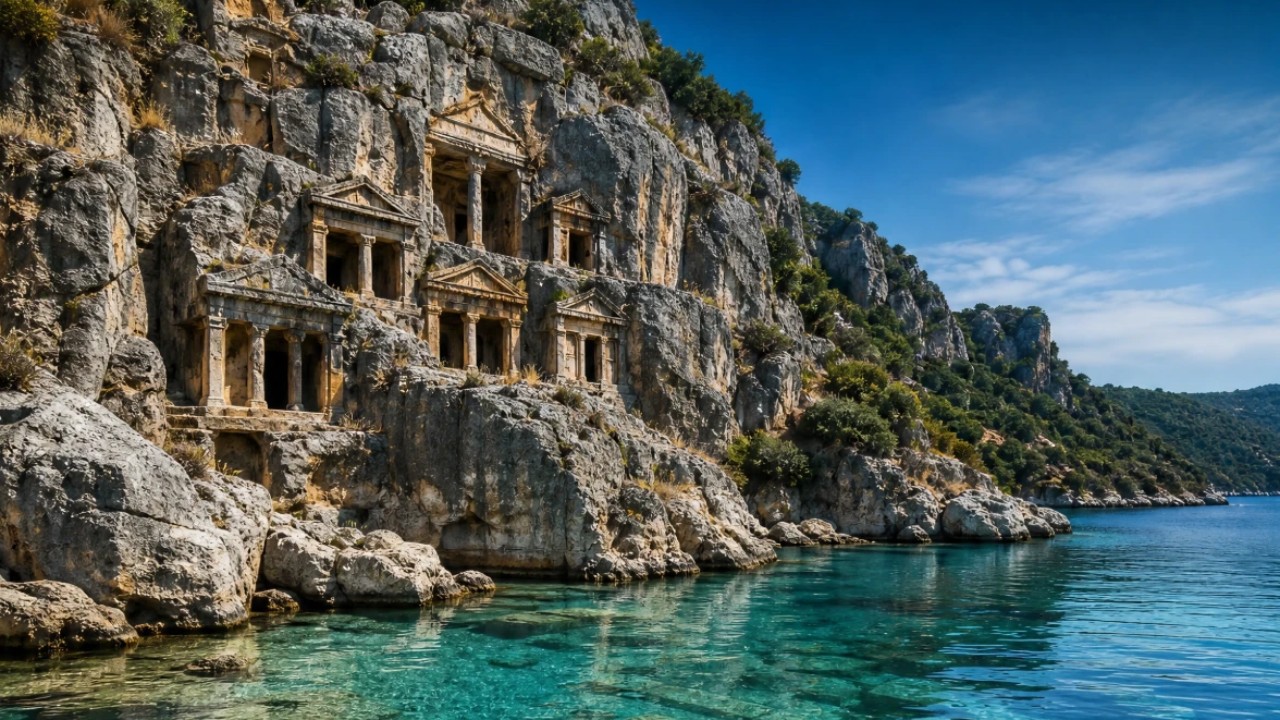
Myra was one of the six great cities of the Lycian League, named after the Myros River (today's Demre River). Over time, the silt carried by this river led to the city's decline. Today, the two most striking remnants are the Roman-era theater and the magnificent carved necropolis of rock tombs.
Myra reached a peak of influence between 408 and 450 AD during the reign of Theodosius II.
The Ancient City of Andriake served as Myra's port and is now home to the Lycian Civilizations Museum. For those wanting to escape the crowds, the Kyaneai ruins and the ancient site of İsinda form a secondary, quieter circuit. For those who want these combined into a seamless itinerary, our ancient city programs provide the perfect sequence.
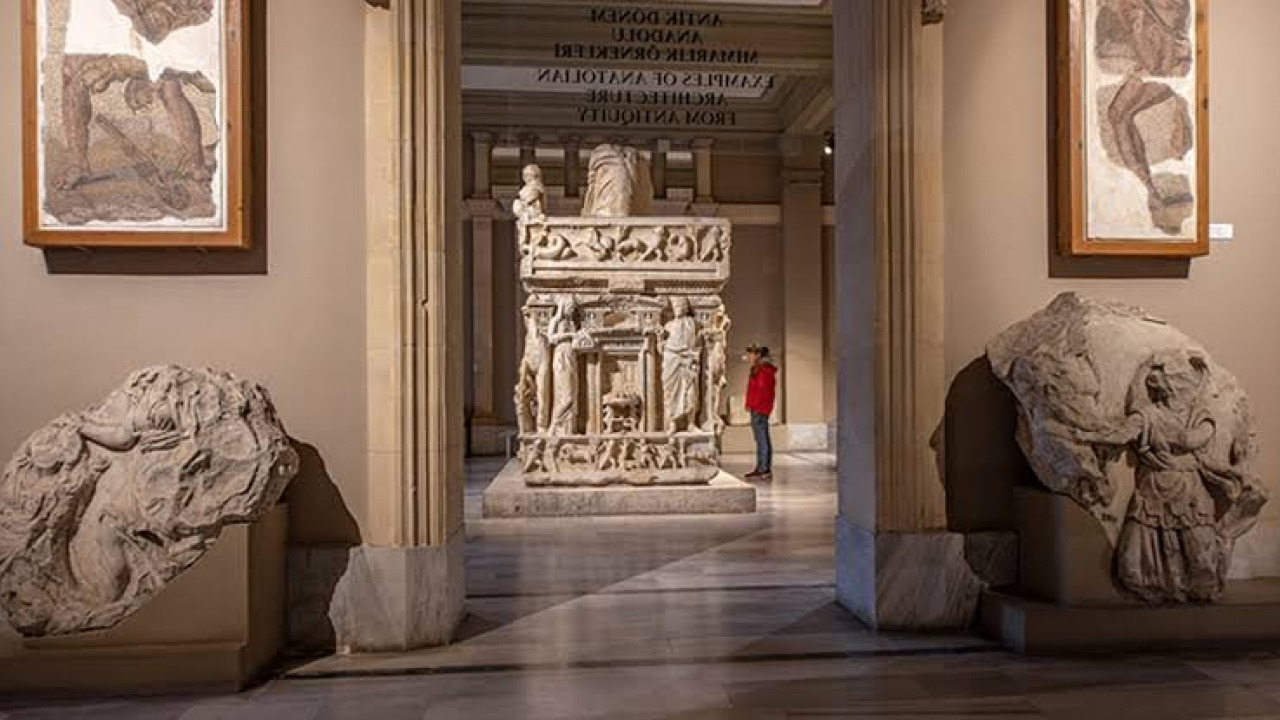
The St. Nicholas Church is the district's most visited landmark. It is dedicated to the bishop of Myra, born in Patara, who passed away on December 6, 343. Inside, you'll find frescoes depicting the saint's miracles and a Roman sarcophagus adorned with fish scales and acanthus leaf motifs.
In 1087, parts of the remains were taken to Bari by Italian merchants. For a deeper dive into this site and the gateway to Kekova, see our St. Nicholas Church and Kekova Guide.
Nature, Lagoons, and Birdwatching
The Demre Bird Paradise, located between Çayağzı Harbor and Andriake, is home to 149 bird species. The sulfurous waters in the area are locally believed to have healing properties. The Beymelek Lagoon is the second nature focal point, closely tied to the region's aquaculture.
Seasonality is key here: for birdwatching, October through March is the most productive window, exactly the opposite of the beach season. Increased rainfall is actually an advantage for this theme.
The Sea, Bays, and the Kekova Route
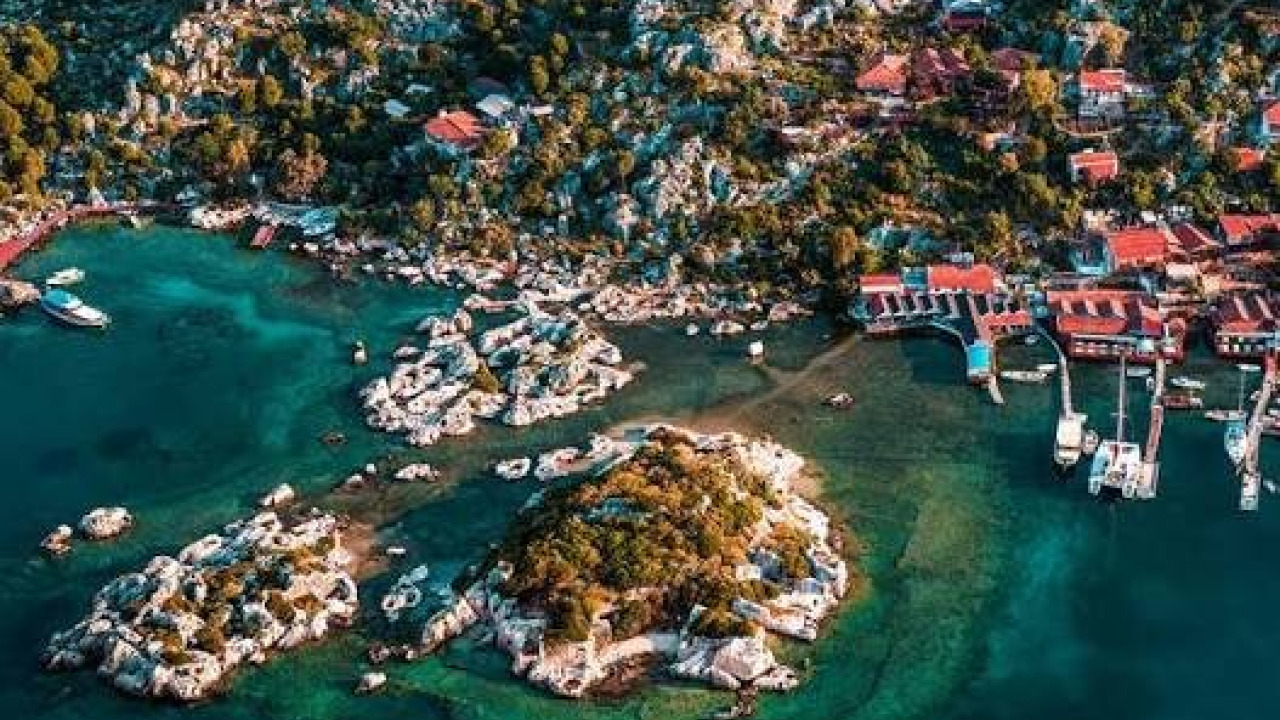
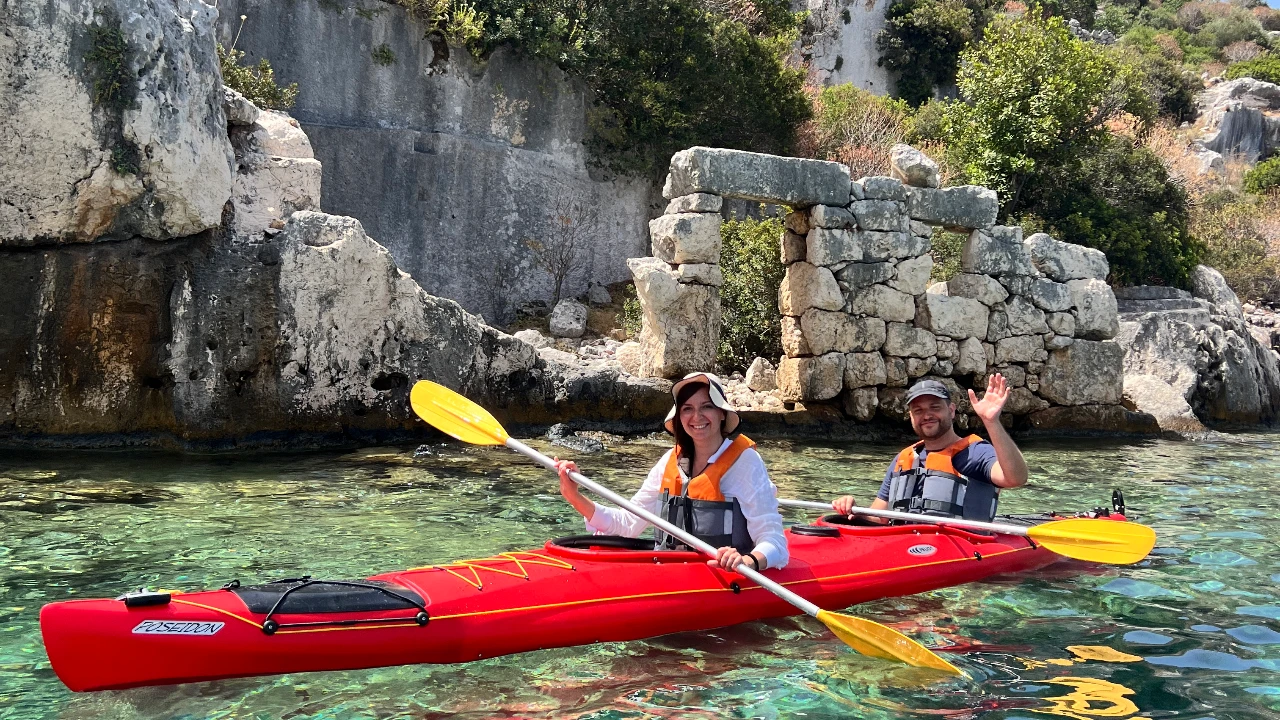
For swimming, the top choices are Sülüklü Beach, Taşdibi Beach, and Çayağzı Beach. The Kekova route, featuring the sunken city ruins, Simena Castle, and the village of Kaleköy, is the backbone of the maritime experience. Other stops include Shipyard Bay, Andrea Doria Bay, and the Pirate Cave.
The most important detail is the departure point: boats leave from the Çayağzı side of the Demre coast. Local advice: schedule your boat trip for the first half of the day. In summer, spending the afternoon on an open deck in 34°C heat can be grueling.
Local Flavors and Production
Demre's culinary identity is driven by agriculture rather than tourism. With over 15,000 decares of greenhouses, the region specializes in early-season vegetables and citrus. The produce from 3,789 local farmers feeds both domestic and international markets.
This means the local table is naturally dominated by fresh, seasonal vegetables. The Beymelek area is particularly known for its fresh seafood from the lagoon.
The local verdict is simple: don't look for a list of "fine dining" restaurants in Demre. Instead, look for a table serving seasonal vegetables and citrus picked that morning. To experience these thematic journeys in a curated way, you can choose from our cultural programs.
How to Get to Demre and Navigate the Area
Demre is located on Antalya's western coastal corridor, sharing the shoreline with Kaş to the west and Finike to the east. Here is how to plan your arrival:
- Reach Antalya City Center: The airport and intercity bus terminal are your primary gateways.
- Take the Antalya-Demre Bus: Head to the district center; this is the starting point for all local sightseeing.
- Local Transport: From the center, use a private car or local transport to reach Myra and the Çayağzı coast.
- Kekova Access: Head to the boats departing from Çayağzı. This route is accessed by sea, not by road.
- From Kaş or Finike: If arriving from these directions, the coastal highway runs directly through Demre; no detour is needed.
Navigation Tips:
- The "culture" side of town is in the center and just north; the "sea" side is on the southern coastline.
- Myra is in the Dağ Dibi area of Alakent; St. Nicholas Museum is on Museum Street in Gökyazı.
- Both sites offer audio guides and accept the Museum Pass.
- While Kaleköy is administratively close, it practically requires a separate day accessed via boat.
How Many Days Should You Allocate?
Your duration depends on how many "layers" of Demre you wish to peel back.
- One Day: Myra Ancient City, St. Nicholas Church, Andriake, and the Lycian Civilizations Museum. Start at the ruins at 08:00 and finish at the museum by afternoon. For those coming from Antalya for a quick trip, our day-trip cultural options are ideal.
- Two Days: Day one for the cultural circuit; day two for Kekova, Kaleköy, and the bays. This is the standard pace for a stress-free visit.
- Three Days: All of the above, plus Beymelek Lagoon, Demre Bird Paradise, Sülüklü/Taşdibi beaches, and inland stops like Kyaneai. This is recommended for nature and photography enthusiasts.
Staying longer than three days usually means using Demre as a base to take day trips to Kaş and Finike, shifting your focus from a district visit to a full coastal exploration.
Neighboring Regions and Your Next Stop
To properly position Demre in your itinerary, consider its neighbors:
- Towards Kaş: Our western neighbor has a more intense tourism vibe and different accommodation styles; it deserves its own separate guide.
- Towards Finike: Our eastern neighbor shares the same citrus-growing agricultural belt.
- Kekova & Üçağız: Administratively close, but practically a separate day's plan accessed by sea.
- East Antalya: Spots like Belek, Lara, Konyaaltı, and Kaleiçi offer a completely different holiday experience.
If you are still deciding which district to visit, you can compare all Antalya options to see the full coastal picture.






Frequently Asked Questions 5
What is Demre like and what are its main highlights?
Demre is a historic Lycian settlement and a rich agricultural center on Antalya's west coast. Instead of giant hotel chains, it offers a peaceful atmosphere with boutique pensions, ancient rock tombs, and citrus groves. Landmarks like the Myra Ancient City and St. Nicholas Church make it a year-round hub for cultural tourism.
How long does it take to visit Myra Ancient City and St. Nicholas Church?
Both sites are very close to the town center and can be comfortably visited in half a day. We recommend exploring the rock tombs and theater of Myra in the morning, followed by a visit to St. Nicholas Church. The afternoon can then be dedicated to Andriake Harbor and the Lycian Civilizations Museum.
Which beaches are best for swimming in Demre?
Sülüklü Beach and Taşdibi Beach are the top choices for a quiet and clean swimming experience. The coastline consists of a mix of fine pebbles and sand, featuring shallow, calm waters. Çayağzı beach is also popular for quick swims and serves as the main hub for boats heading to Kekova.
How do I join a boat tour to Kekova and the Sunken City?
Kekova tours depart daily from Çayağzı Harbor and the Üçağız pier. The route typically includes the shores of the Sunken City, Simena Castle, Kaleköy, and the crystal-clear Shipyard Bay. These tours are available as full-day trips or shorter private rentals.
When is the best time of year to visit Demre?
April, May, October, and November are the most comfortable months for exploring open-air archaeological sites. Due to the intense Mediterranean heat in summer, historical sightseeing should be planned for the early morning. September is an ideal month for those wanting to combine swimming with cultural exploration.