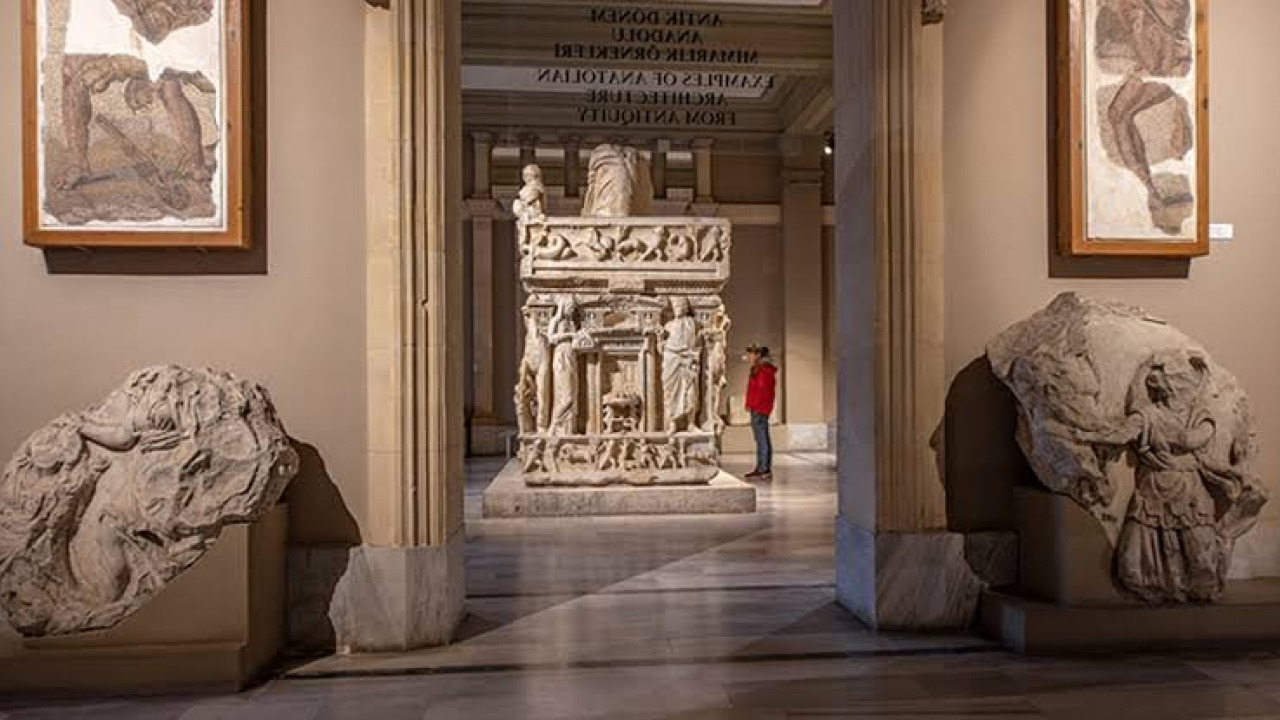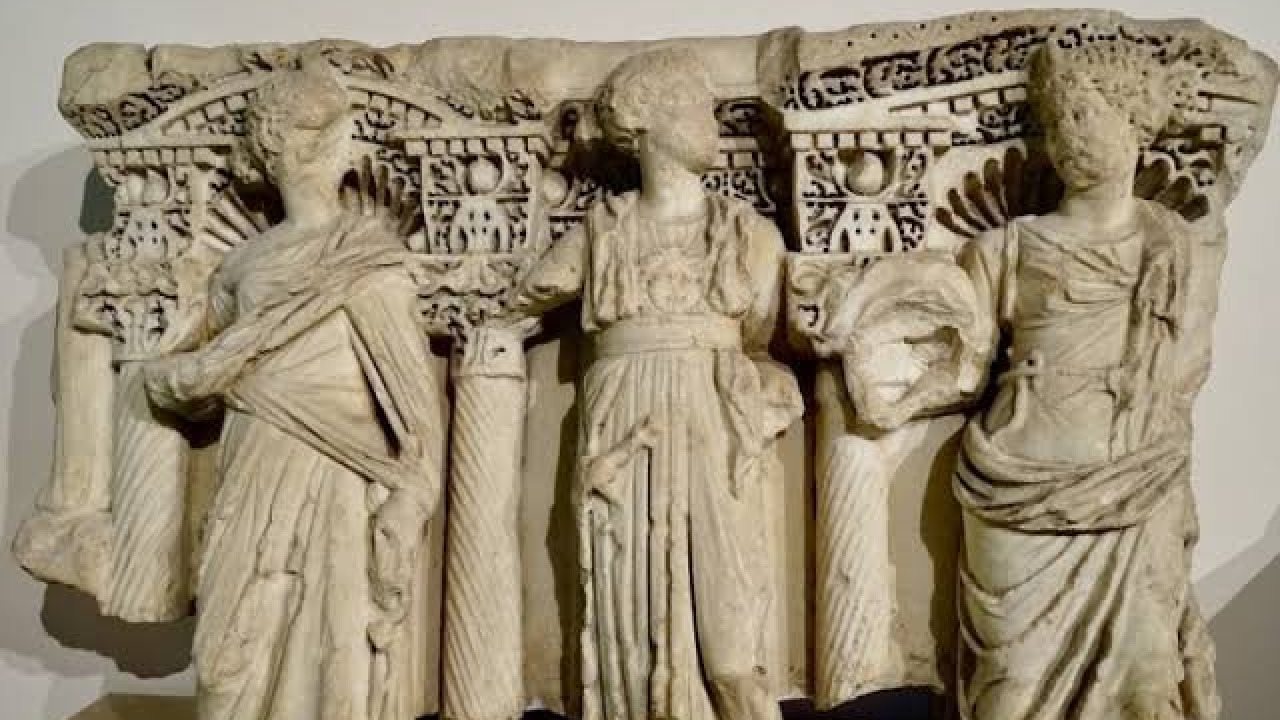

For those looking to dive deep into the soul of the city, the Bursa City Museum is an essential stop. Offering a chronological journey through Bursa's deep-rooted history, cultural evolution, and social fabric, the museum provides a comprehensive narrative of the city's identity. Located in the heart of the city at the historic Heykel Square, the museum is housed in a beautifully restored former courthouse.
Whether you are strolling through the historic streets in the mild air of spring and autumn, exploring the city's transition from the Ottoman Empire to the Republic during the winter, or escaping the summer heat in its cool galleries to discover traditional crafts and old bazaar life, this museum serves as the perfect orientation point for any traveler.
Quick Facts and Museum Overview
To help you plan your visit, here is a summary of the essential details.
| Feature | Visitor Information |
|---|---|
| Location | Osmangazi district, Heykel Square, Atatürk Caddesi No: 8 |
| Building | Former courthouse built in 1926, First National Architecture movement |
| Opened | February 14, 2004 |
| Collection | Historical, cultural, and commercial heritage of Bursa |
| Highlights | Recreated artisan street, wax figures of six Sultans, topographic city model |
| Admission | Free for general visitors |
| Closed On | Monday |
| Average Visit | 1.5 - 2 hours |
Entry Requirements and Budgeting Your Visit
One of the best parts about visiting the Bursa City Museum is that general admission is free. Individual visitors can walk right in without needing to queue at a ticket office. For school groups, guided tours are available via prior appointment. Since the museum is free, you can allocate more of your daily budget to local transportation and the city's famous culinary delights.
Your primary expenses for the day will likely be food and transit. Around Heykel Square, you'll find a variety of historic eateries serving authentic döner and pideli köfte to suit every budget. If you plan on using the Bursaray (metro) and local buses, picking up a BursaKart is highly recommended for seamless transfers.
Keep in mind that if you expand your itinerary to other districts, you will encounter different entry fees. For example, for the 2026 season, the Bursa Zoo adult ticket is 70 TL and the student ticket is 30 TL. As these rates are updated periodically, it is always a good idea to double-check current pricing before heading out.
The City Museum and Surrounding Highlights
After exploring the Bursa City Museum, you can easily branch out to discover other historical and natural gems. If you want a comprehensive overview of the city's must-see spots, our Bursa travel guide provides a complete framework.
Bursa City Museum
Situated right next to Heykel Square, the museum building was designed by Ekrem Hakkı Ayverdi in 1926 in the style of the First National Architecture movement. For over seventy years, it served as the Bursa Courthouse. Following a meticulous restoration that began in 2001, it opened on February 14, 2004, as Turkey's first city museum. Spanning approximately 2,010 square meters across three floors (including the basement), the exhibits are arranged chronologically. The museum's quality was recognized internationally when it received an award from the European Museum Forum in 2006.
To get the most out of your visit, it helps to understand the layout by floor. The ground floor features two galleries: the first covers the prehistoric era through the Bithynian, Roman, Byzantine, and Ottoman periods, while the second focuses on the Republican era, the city's architectural evolution, and modern urbanization.
The first floor is dedicated to traditional lifestyle, the city's famous thermal bath culture, Bursa's unique cuisine, and the traditional shadow play of Karagöz and Hacivat. The basement is perhaps the most immersive part, a recreated historic artisans' bazaar featuring shops for towel makers, saddle makers, and coppersmiths. You will also find the wax figures of six Ottoman Sultans and a detailed topographic model of the city here.
| Floor | What to See | Estimated Time |
|---|---|---|
| Basement | Recreated artisan street, silk industry section | 30 - 40 minutes |
| Ground Floor | Two galleries: Prehistoric to War of Independence, then Republic & Urbanization | 30 minutes |
| First Floor | Life culture, thermal baths, gastronomy, Karagöz & Hacivat | 20 - 30 minutes |
The museum also houses multi-vision presentations, a multi-purpose hall, a cafe, and a gift shop, as well as a "city memory archive" containing historic documents, books, films, and photographs. A relaxed tour takes about 1.5 hours, though you might spend closer to 2 hours if you linger in the artisan street.
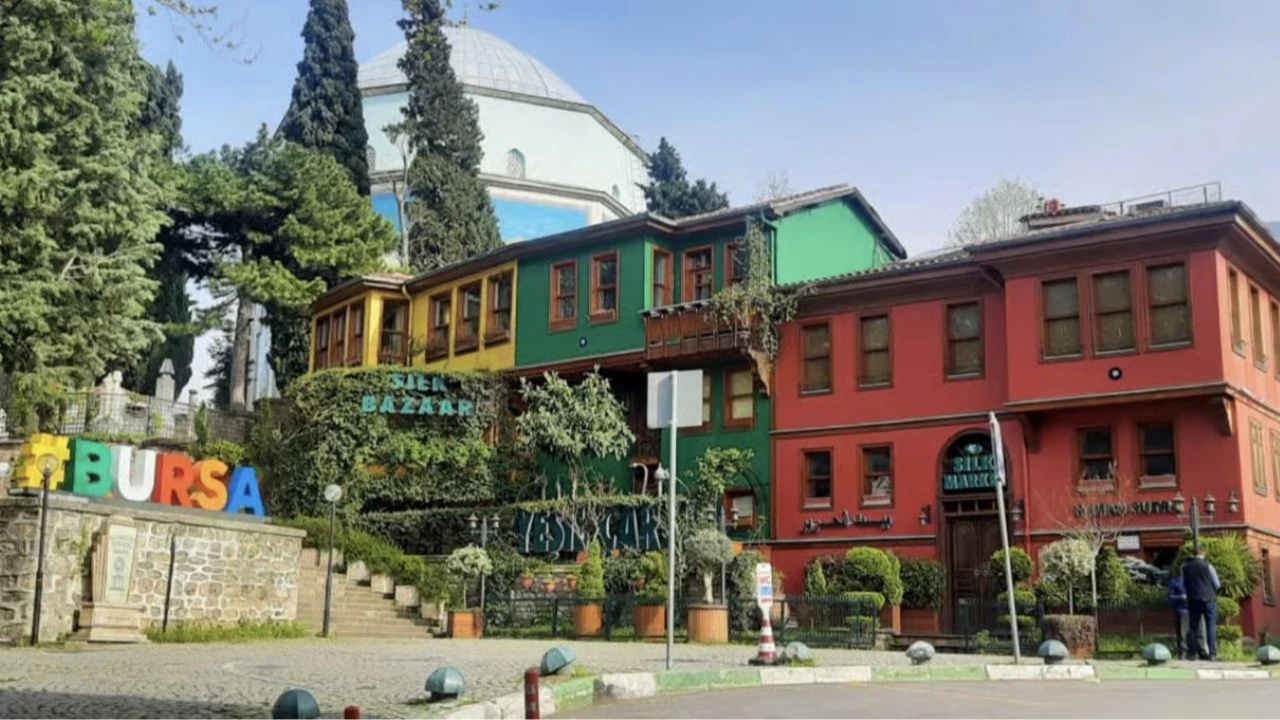
Bursa Ulu Cami
As you exit the museum and walk west along Atatürk Caddesi, you will come across the magnificent Bursa Ulu Cami. The two landmarks are just a few hundred meters apart, making for an easy walk. Completed in the late 1390s, this mosque set the precedent for the multi-domed monumental mosque tradition of the Ottoman Empire.
With its twenty domes, central ablution fountain, and stunning calligraphic panels covering the walls, it is a priceless piece of heritage. To avoid the crowds, try to visit between prayer times. Please remember that modest dress (covering shoulders and knees) and a headscarf for women are required for entry.
Historic Cumalıkızık Köyü
After learning about Bursa's civil architecture at the museum, the best way to see it in person is a trip to Cumalıkızık Köyü. This village is essentially an open-air version of the museum, preserving early Ottoman residential architecture with its narrow cobblestone streets and colorful timber-framed houses.
The village square is famous for its raspberry jam and lavish traditional village breakfasts. During the summer, the stalls come alive with the raspberry harvest. Thanks to its proximity to the center, it is easily accessible by municipal buses, and a half-day trip is usually sufficient.
Saitabat Şelalesi
If you need a break from the city's cultural sites and want to reconnect with nature, Saitabat Şelalesi in the Kestel district is a wonderful choice. Fed by the waters descending from Uludağ, this waterfall is surrounded by ancient plane trees and cozy breakfast spots along the riverbank. The water flow is strongest in spring during the snowmelt; April and May are the best months to see the falls in full force. Since the final stretch of the road is narrow and winding, leaving early in the morning helps avoid traffic.
Koza Han
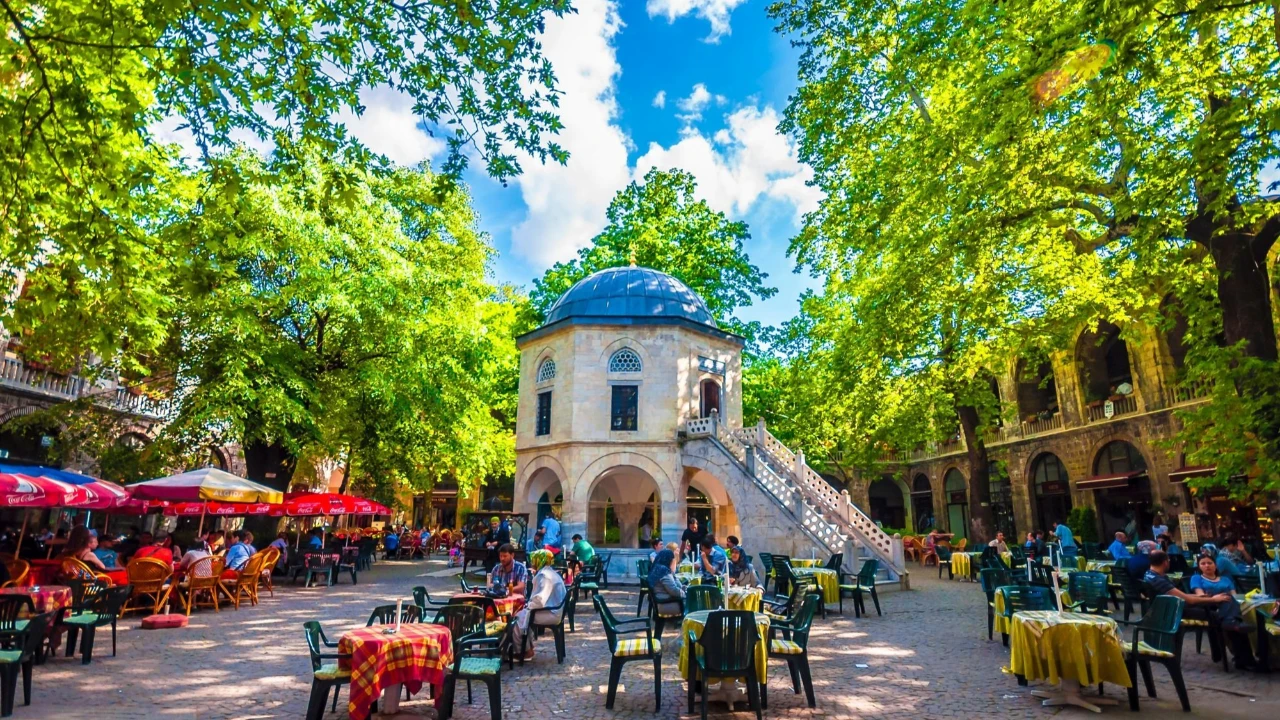
After studying the history of sericulture (silk farming) at the museum, visit Koza Han, the historic center of the silk trade in Bursa. Located right next to Ulu Cami, this two-story caravanserai is famous for its courtyard shaded by century-old plane trees, its central fountain, and a small mosque. The upper floor shops still sell high-quality silk scarves and fabrics, while the ground-floor tea garden is the perfect spot for a mid-trip break. The courtyard is open all day, but arriving early is recommended as the tables fill up quickly by noon.
How to Get to the Museum: Transportation and Directions
The Bursa City Museum is located in Heykel, the most central point of the city (just behind the Atatürk Statue), making it incredibly easy to reach.
- By Bursaray (Metro): Take the Bursaray and get off at the Şehreküstü station. From there, it is a short, pleasant walk to the museum via Cumhuriyet Caddesi or Atatürk Caddesi.
- By Bus and Tram: Most buses from across the city stop at the Heykel station. Alternatively, you can use the T1 İpekböceği tram line and get off directly at the Heykel stop.
- Walking Distance: The museum and the iconic Ulu Cami are on the same street, just a few hundred meters apart. Koza Han and the Grand Bazaar are also located along this same route. For those arriving from the intercity bus terminal, the distance to Heykel is about 10 kilometers and can be covered via Bursaray.
- By Private Car: The museum does not have its own parking lot. Visitors with cars should use the nearby multi-story parking garages or available parking spaces in the side streets.
When is the Best Time to Visit?
Since the museum is an indoor venue, it is open year-round. However, considering the overall Bursa experience, here are some seasonal tips:
| Season | Museum & Surroundings | Pro Tip |
|---|---|---|
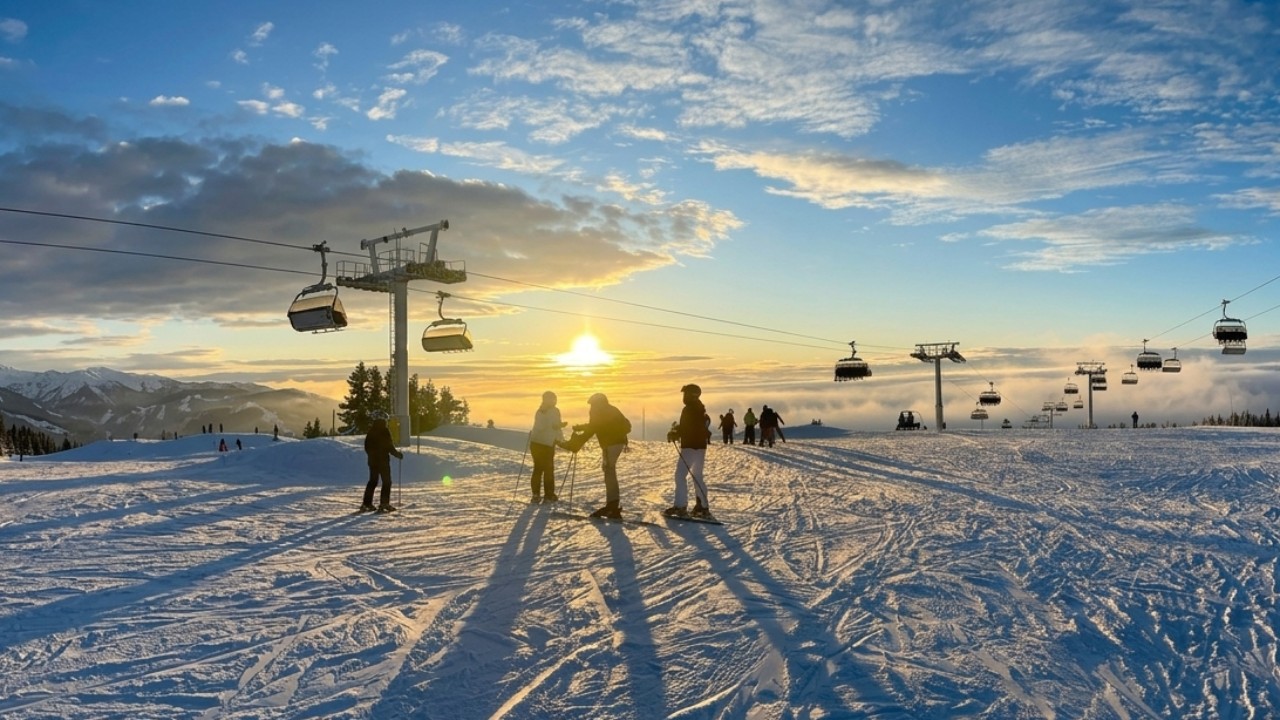
| Winter (Dec - Feb) | A cozy, warm escape into history | Pair your visit with an Uludağ ski trip for a complete winter itinerary. |
| Spring (Mar - May) | The most refreshing time for city walks | Be aware that weekday mornings can be crowded with school field trips. |
| Summer (Jun - Aug) | A cool sanctuary from the summer heat | High domestic tourism; weekends can be very crowded. |
| Autumn (Sep - Nov) | A nostalgic atmosphere with falling leaves at Heykel Square | Ideal for visiting the city's historic hans after your museum tour. |
Essential Tips for Your Visit
To make your visit as smooth and rewarding as possible, keep these practical tips in mind:
- The museum is closed on Mondays. Since opening and closing hours can change seasonally, double-check the official channels before you set off.
- Because general admission is free, there are no ticket lines for individual visitors.
- To protect the exhibits, flash photography is strictly prohibited.
- The "Artisan Street" in the basement is the highlight of the museum, make sure to leave plenty of time for this section.
- During peak hours, starting your tour from the basement and working your way up can help you avoid the crowds in the ground-floor galleries.
- After the museum, take a short walk through the historic neighborhoods right behind the building to experience Bursa's old street texture.
- Take a break at the museum cafe or browse the museum shop for authentic silk and handicraft products.
Final Thoughts Before You Go
The Bursa City Museum is one of the most important cultural landmarks for understanding how Bursa evolved into a powerhouse of trade and craftsmanship. It is the ideal starting point for any visitor. If you would like to explore the city's historical layers with more comfort, you can check out our Bursa day trip cultural programs.
For those seeking deeper insights, our Bursa cultural tour alternatives cover the hans region and monumental works. You can also join Bursa historic city tours to walk the architecture with expert guides, or explore comprehensive Bursa city tour routes. To top off your journey, Uludağ cultural tour opportunities provide a perfect natural complement to the city's history.
Frequently Asked Questions 6
When is the Bursa City Museum closed and what are the visiting hours?
The museum is closed on Mondays and open the rest of the week. Because hours may be updated periodically, it is best to confirm the current schedule via the official museum channels. We recommend visiting in the morning or early afternoon to ensure you have enough time to explore all three floors without rushing.
What are the entry requirements for the Bursa City Museum?
General admission for individual visitors is free; there is no need to buy a ticket or check in at a counter. School groups must make a prior appointment for guided tours. Please note that while the museum is free, other attractions in the city have fees that may vary throughout the year.
What is exhibited on each floor of the Bursa City Museum?
The ground floor features two galleries covering a timeline from the prehistoric era through the Bithynian, Roman, Byzantine, and Ottoman periods, as well as the Republican era and urbanization. The first floor focuses on traditional lifestyle, thermal baths, gastronomy, and the Karagöz and Hacivat shadow play. The basement is dedicated to the historic artisan street, recreating shops for towel, saddle, and copper makers, and features wax figures of six Ottoman Sultans and a topographic model of the city.
What was the museum building used for previously?
The building, located next to Heykel Square, was constructed in 1926 by Ekrem Hakkı Ayverdi in the First National Architecture style. It served as the Bursa Courthouse for over seventy years before being restored and opened as Turkey's first city museum on February 14, 2004.
How do I get to the Bursa City Museum by metro or tram?
If using the Bursaray, get off at the Şehreküstü station and take a short walk via Cumhuriyet or Atatürk Caddesi. Those using the T1 İpekböceği tram line can get off directly at the Heykel stop. Most city buses also stop at Heykel.
Does the Bursa City Museum have parking?
The museum does not have its own parking lot. Visitors arriving by car should use the multi-story parking garages around Heykel Square or available parking in the surrounding side streets.