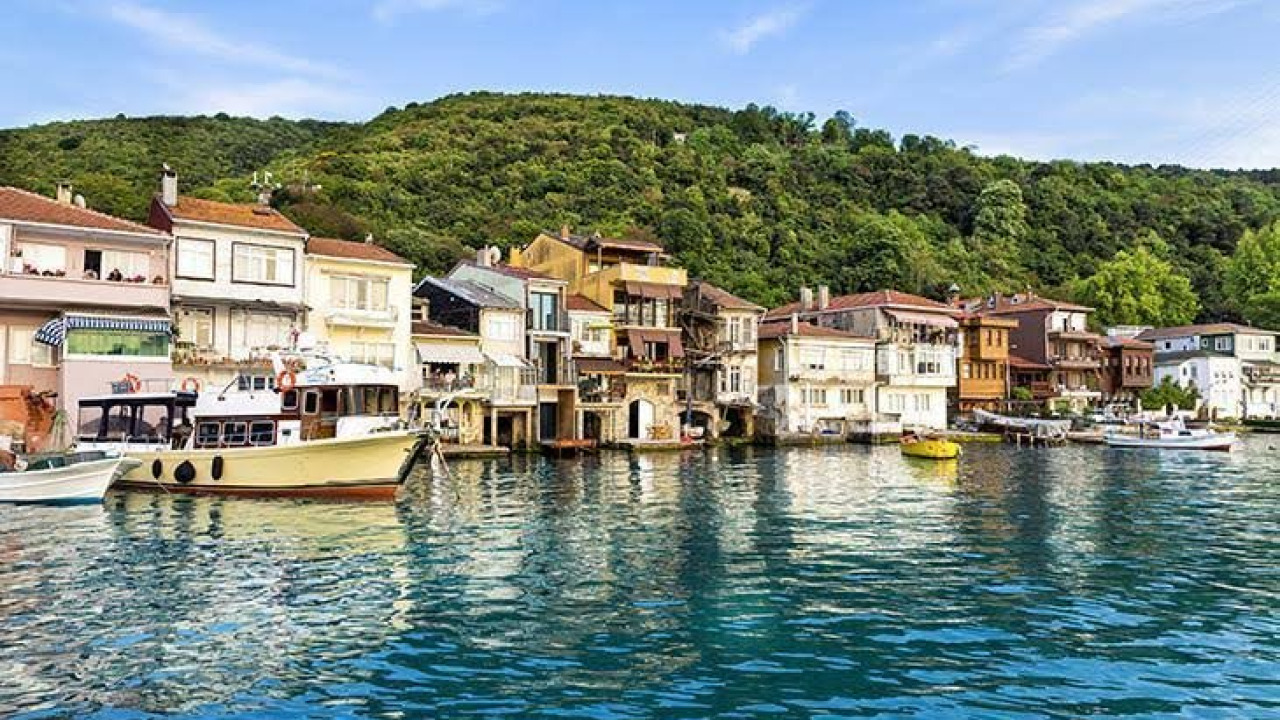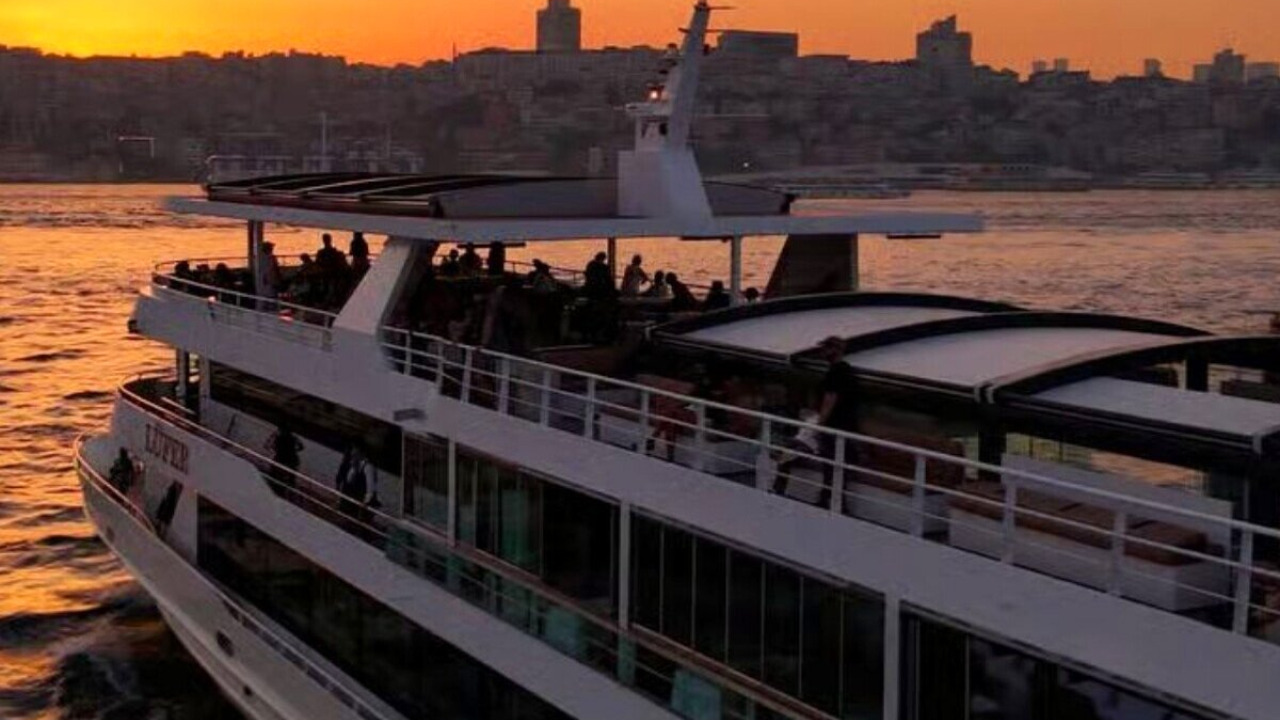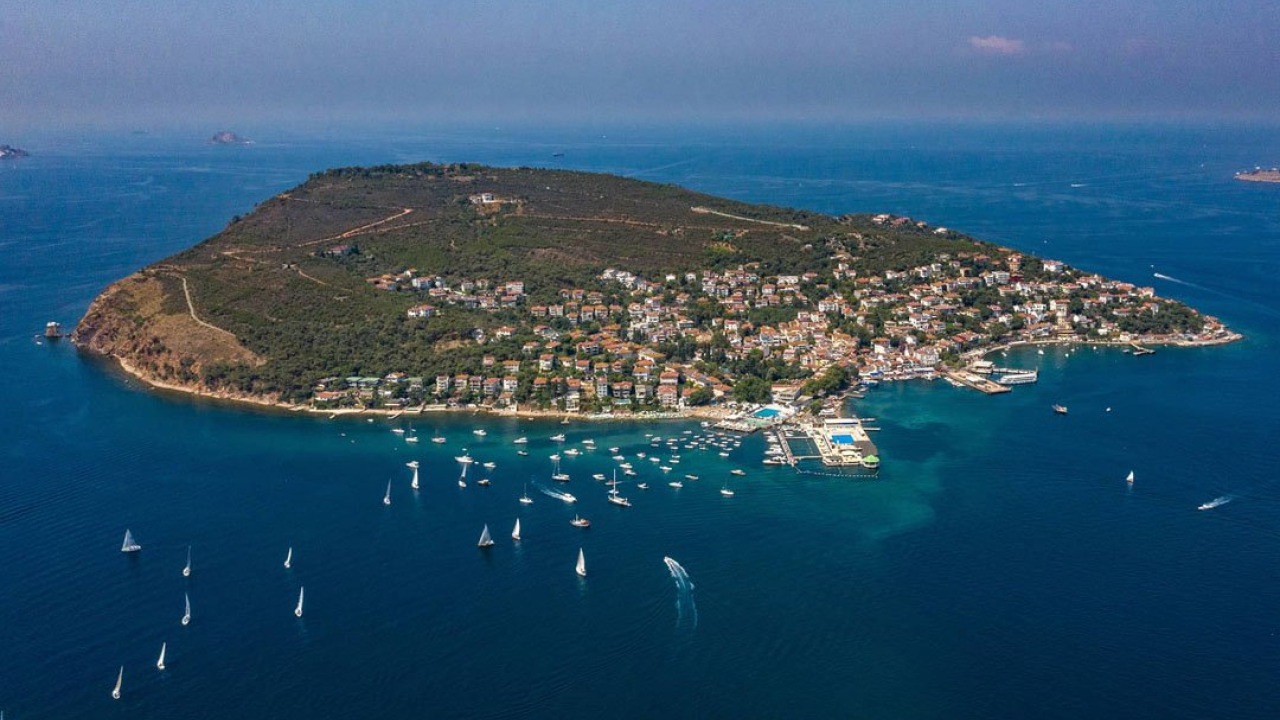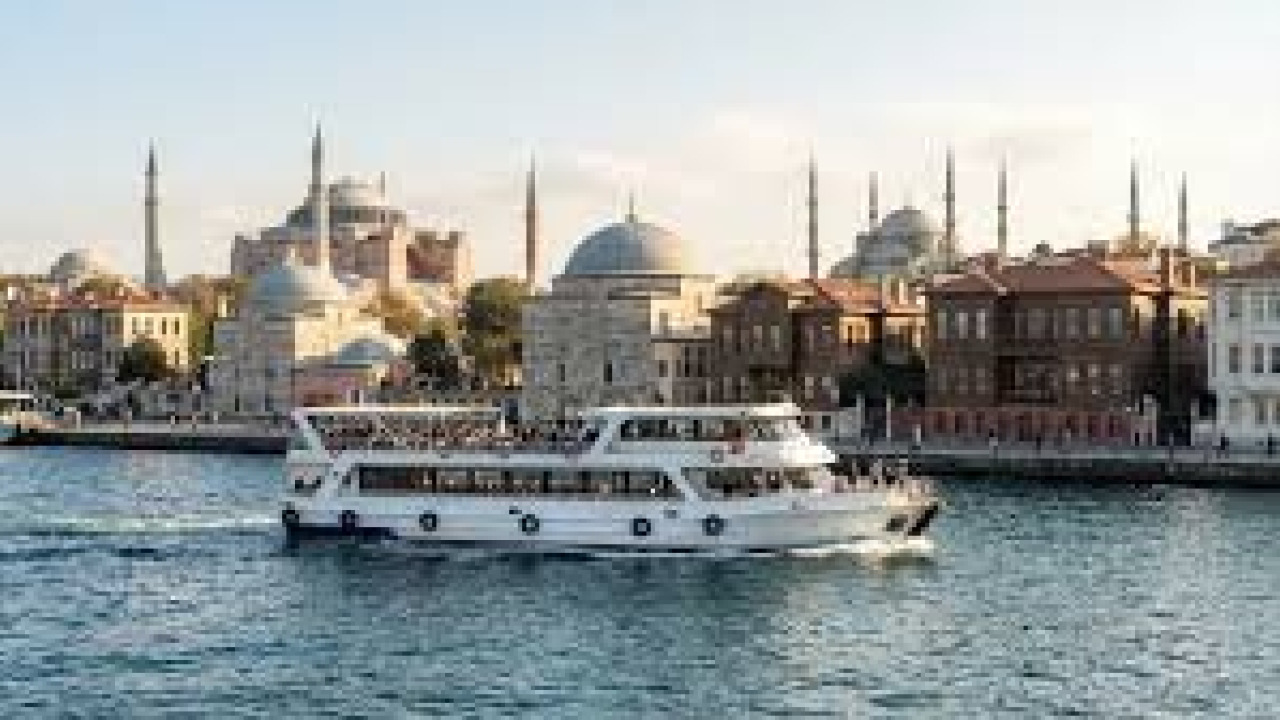

The Bosphorus isn't just a tranquil canal within Istanbul; it's a bustling waterway connecting the Black Sea and the Sea of Marmara. The General Directorate of Coastal Safety defines this passage as 17 miles long, calling it the narrowest link in the 164-nautical-mile route between the Black Sea and the Aegean. A Bosphorus boat tour navigates this very geography: as your ferry sails north, the shores narrow twice, currents shift, and a parade of palaces and fortresses unfolds. This guide isn't just a list of sights; it's a journey along the route itself. You'll discover which piers serve which routes, what landmarks appear on each shore, how seasons impact schedules, and where to connect from land.
Quick Facts at a Glance
| Topic | Information |
|---|---|
| Waterway | Approx. 17-mile passage from the Sea of Marmara entrance towards the Black Sea |
| Public Ferry Services | Şehir Hatları (City Lines) Long Bosphorus Tour and Short Bosphorus Tour |
| Long Tour Stops | Eminönü, Beşiktaş, Üsküdar, Kanlıca, Sarıyer, Rumeli Kavağı, Anadolu Kavağı |
| Short Tour Stops | Eminönü, Üsküdar, Ortaköy |
| Duration | Long tour approx. 6 hours (Eminönü 10:35 departure, 16:40 return); short tour departs in the afternoon |
| Land Connections | T1 tram, F1 funicular, M5 metro, Marmaray |
| Sights from the Sea | Kız Kulesi, Dolmabahçe Sarayı, Ortaköy Camii, Beylerbeyi Sarayı, Rumeli Hisarı, Anadolu Hisarı, Küçüksu Kasrı |
| Tickets | A separate tour fare applies; rates differ for local and foreign passengers. Check current prices on the Şehir Hatları (City Lines) fare schedule. |
What Makes the Bosphorus Unique: Narrow Passages & Strong Currents
What truly makes the Bosphorus a captivating tour route isn't just the random arrangement of structures along its shores. The waterway distinctly narrows at two points, and historically, control structures were strategically placed at these constrictions. According to the General Directorate of Coastal Safety, the two continents draw as close as 700 meters between Aşiyan and Kandilli. This section is the Bosphorus's narrowest, flanked by two formidable fortresses.
The second distinguishing feature is the current. The same sources indicate that the surface current, flowing from north to south, can exceed 6 nautical miles per hour, with whirlpools forming off Kandilli, Kanlıca, and Yeniköy. This is why large vessels must make sharp, multi-degree course corrections during transit. From the deck of a passenger boat, you can observe this phenomenon through the lines on the water's surface, the subtle course corrections of ferries hugging the shore, and the gathering lines of seagulls diving for food.
The third element is the changing elevation: while the southern shores are flat and densely populated, the slopes steepen towards the north, forests begin, and settlements become sparser. Seeing where the city ends from the sea offers a much clearer perspective than following the same route by land. For those wishing to experience this route by sea, you can compare options and plan your itinerary on our Istanbul Bosphorus boat and yacht tours page.
Best Time to Take a Bosphorus Tour: Seasonal Guide
Bosphorus tours operate year-round, but for the ideal balance of light and crowds, the periods of April-June and September-October stand out. During the November-March season, the determining factor isn't just the time of year, but the specific sea conditions of the day. Schedules are also not static: Şehir Hatları (City Lines) implements two distinct timetables for summer and winter, announcing the transition to the winter schedule in mid-September. This change affects departure times and the frequency of certain routes. Special tours coinciding with the stunning Judas tree blossoms on the coastal slopes in spring are also announced, so it's wise to monitor the official announcements page for seasonal programs.
Sea conditions are the second variable. On days when the southerly Lodos or northerly Poyraz winds pick up, wave heights increase, visibility drops in dense fog, and tour schedules may be adjusted. The table below summarizes the practical implications of each season for your tour.
| Period | On-Route Experience | Planning Note |
|---|---|---|
| April-June | Days are longer, coastal slopes turn lush green | Spring tours announced, may sell out quickly |
| July-August | Deck breeze provides relief, clear visibility | Midday sun is strong, shaded areas limited |
| September-October | Softer light, fewer crowds | Winter schedule announced mid-September |
| November-March | Choppy seas possible, shorter days | Increased chance of schedule changes due to Lodos winds and fog |
Iconic Landmarks You'll See from the Sea
Along the Bosphorus route, structures unfold in a specific sequence from south to north. The following sections detail this progression.
Kız Kulesi (Maiden's Tower): The Southern Gateway
Standing approximately 200 meters off Üsküdar's Salacak shore, at the very mouth where the Bosphorus meets the Sea of Marmara, Kız Kulesi (Maiden's Tower) serves as the iconic opening landmark of the route. Operated by the Ministry of Culture and Tourism, it's open for visits as a museum daily from 09:00 to 21:00, with the ticket office closing at 20:00. Access to the tower is by boat from Salacak and Karaköy piers; while your Bosphorus tour will pass by the tower, visiting it requires a separate trip.
Dolmabahçe Sarayı: Europe's Grand Waterfront Palace
Stretching along the shore between Kabataş and Beşiktaş, Dolmabahçe Sarayı was built during the reign of Sultan Abdülmecid, replacing the former Beşiktaş Coastal Palace. Its construction spanned the period of 1843 to 1856, with architects Karabet Balyan, Nikoğos Balyan, Ohannes Serveryan, and James William Smith noted in historical records. According to National Palaces data, the palace encompasses 14,595 square meters, featuring 285 rooms and 44 halls. From the sea, its most striking features are its long marble facade and ornate waterfront gates.
Ortaköy Camii and the 15 Temmuz Şehitler Köprüsü
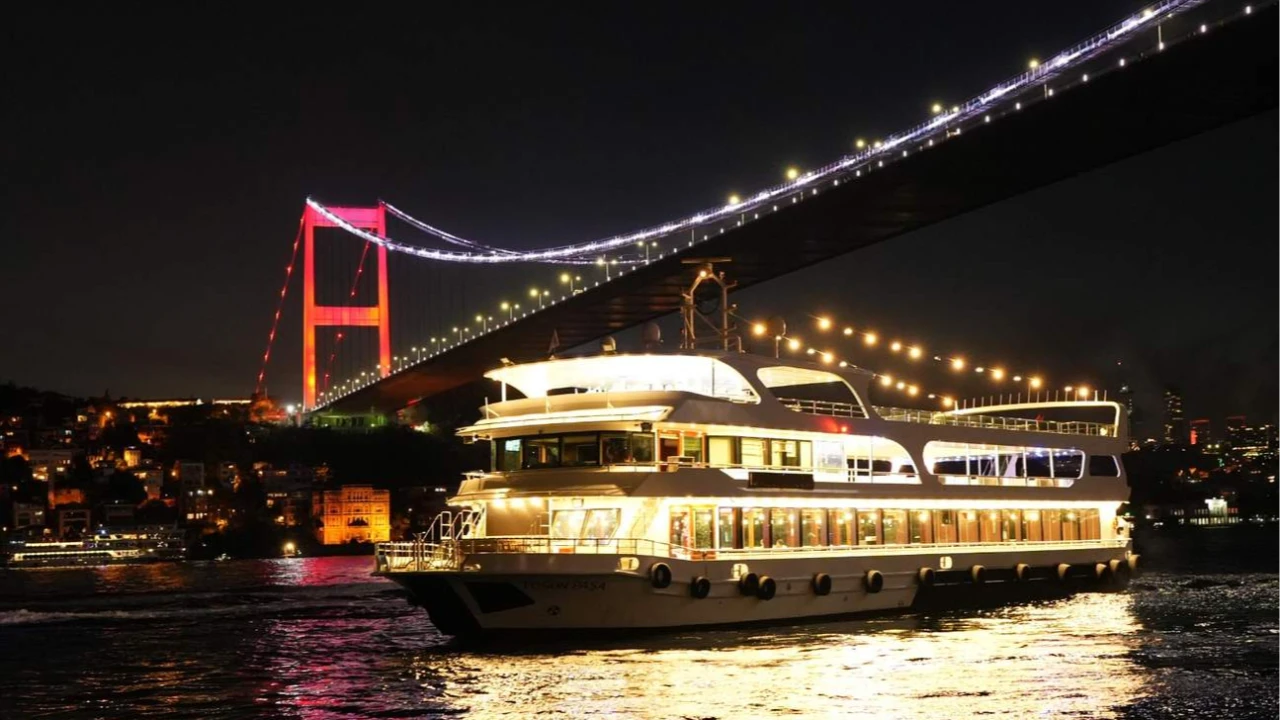
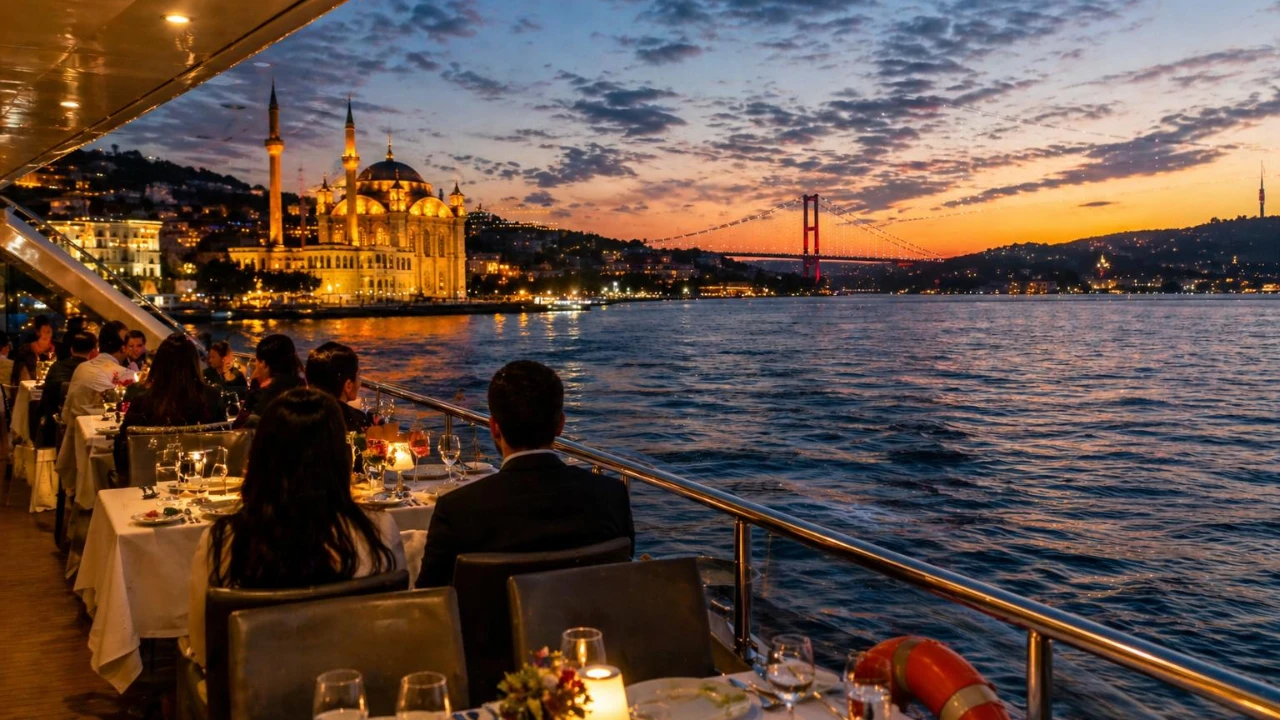
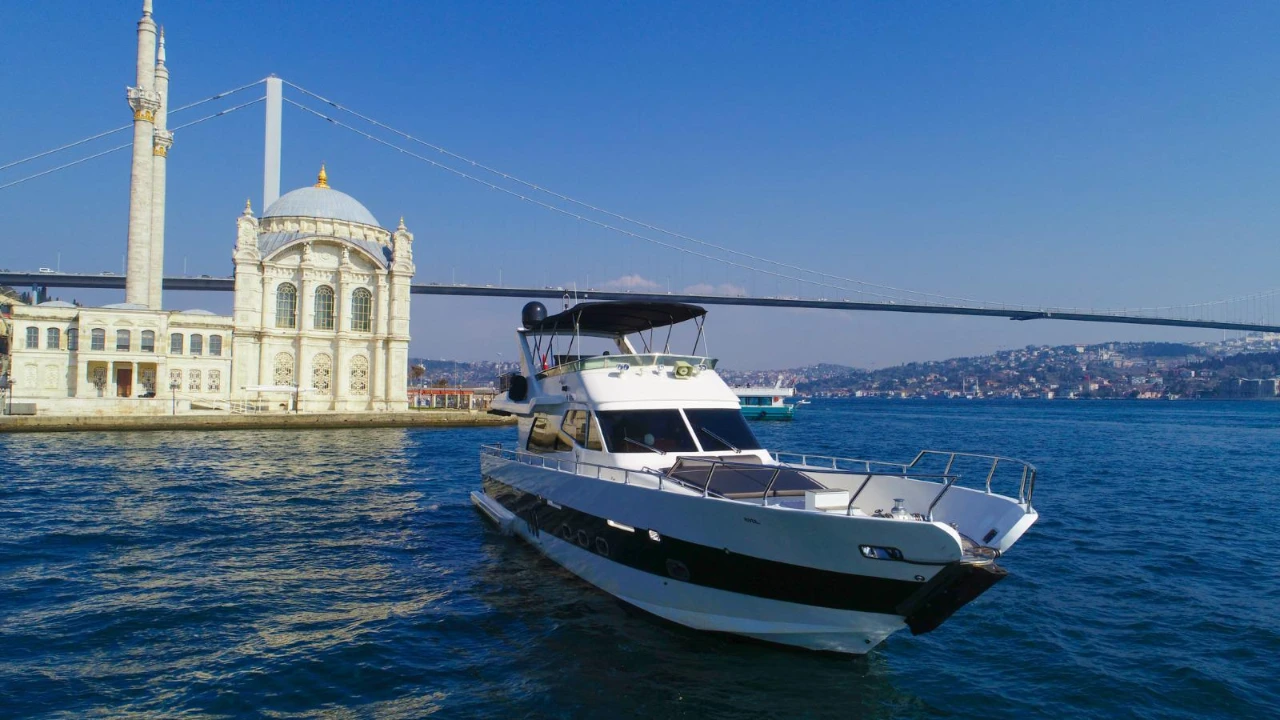
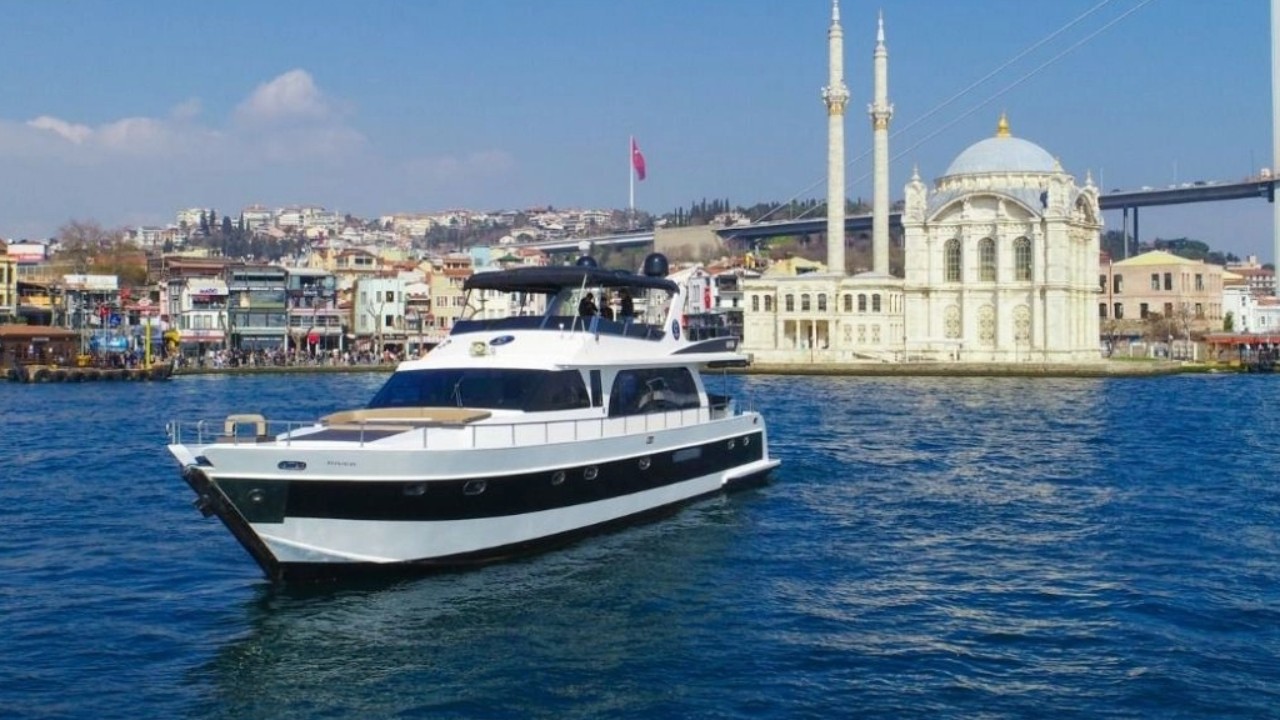
The Büyük Mecidiye Camii (Grand Imperial Mosque), commonly known as Ortaköy Camii, sits gracefully on the shore in Ortaköy. It was built in the mid-19th century during Sultan Abdülmecid's reign, with its design attributed to Nikoğos Balyan of the renowned Balyan family. Rising directly behind it is the 15 Temmuz Şehitler Köprüsü (July 15th Martyrs Bridge), which opened in 1973 (formerly known as the Bosphorus Bridge). According to General Directorate of Highways records, the bridge has a total length of 1,560 meters and a main span of 1,074 meters. The mosque and the bridge often appear together in a single, iconic frame.
Beylerbeyi Sarayı: At the Foot of the Bridge on the Asian Side
Just beside the Asian side's foot of the bridge stands Beylerbeyi Sarayı. National Palaces data attributes the palace's construction to the reign of Sultan Abdülaziz, between 1863 and 1865. Two charming sea pavilions were built as a pair on the shore: one on the Mâbeyn (men's quarters) side, the other on the Harem (women's quarters) side. Both are octagonal and adorned with various animal figures. These pavilions are often noticed from the sea even before the main palace itself.
Rumeli Hisarı & Anadolu Hisarı: Guarding the Narrowest Point
At the narrowest point between Aşiyan and Kandilli, two formidable fortresses stand opposite each other. On the European side, Rumeli Hisarı is a clear indicator of this constriction when viewed from the deck. According to museum sources, Fatih Sultan Mehmet commissioned its construction, which began in March 1452 and was completed by August of the same year. Its three grand towers are named after Çandarlı Halil Paşa, Zağanos Paşa, and Saruca Paşa, ranging from 21 to 28 meters in height. The Hisarlar Museum (Fortresses Museum) is open from 09:00-19:00, with the ticket office closing at 18:00, and is closed on Mondays.
On the opposite shore, Anadolu Hisarı is an even older structure. According to Beykoz Municipality records, it was built by Yıldırım Bayezid in 1395, with its original design consisting of a square-plan tower surrounded by walls. The fortress was established on a rocky promontory; over time, the alluvium carried by the Göksu Stream filled in the land, leaving the fortress further inland. Consequently, from the sea, it doesn't appear as directly on the coastline as Rumeli Hisarı. Just north of this narrow section, the Fatih Sultan Mehmet Köprüsü (Fatih Sultan Mehmet Bridge), completed in 1988, crosses the Bosphorus for a second time. Passing under this bridge signals your entry into the part of the long route where the urban fabric begins to thin out.
Küçüksu Kasrı and the Göksu Stream Mouth
Situated in the meadowland between the Göksu and Küçüksu streams on the Asian side, Küçüksu Kasrı is defined by the National Palaces as a pleasure pavilion used for relaxation and hunting. The original kiosk was built in 1751-1752, with the current pavilion constructed during Sultan Abdülmecid's reign in 1856-1857. The structure has been open to visitors as a museum-palace since 1983.
The wooden yalı mansions lining the shores further complete the Bosphorus's unique character. Exploring these sea-viewed structures from land would require a separate day; for a comprehensive guide to the historical peninsula's museums, refer to our Istanbul cultural tours and museums guide article.
The table below summarizes the location and visiting status of the structures along the route. Since days and hours can change seasonally, please verify with the respective institution's website before your trip. Entrance fees vary by visitor type: National Palaces' tariffs for palaces and pavilions have separate rates for local and foreign visitors, while the Museum Card (Müzekart) is only valid for T.C. citizens at Ministry of Culture and Tourism museums. Current prices are published on millisaraylar.gov.tr and muze.gov.tr.
| Structure | Side | Visiting Status (Verify) |
|---|---|---|
| Kız Kulesi | Bosphorus mouth, off Üsküdar | Daily 09:00-21:00, ticket office 20:00 |
| Dolmabahçe Sarayı | European | Closed Mondays, ticket office 09:00-17:00 |
| Beylerbeyi Sarayı | Asian | Closed Mondays, ticket office 09:00-17:00 |
| Küçüksu Kasrı | Asian | Closed Mondays, ticket office 09:00-17:00 |
| Rumeli Hisarı | European | Closed Mondays, 09:00-19:00, ticket office 18:00 |
| Anadolu Hisarı | Asian | Viewed from outside, interior visits not regularly organized |
| Ortaköy Camii | European | Suitable for visits outside prayer times |
Bosphorus Tour Duration & Pier Stops
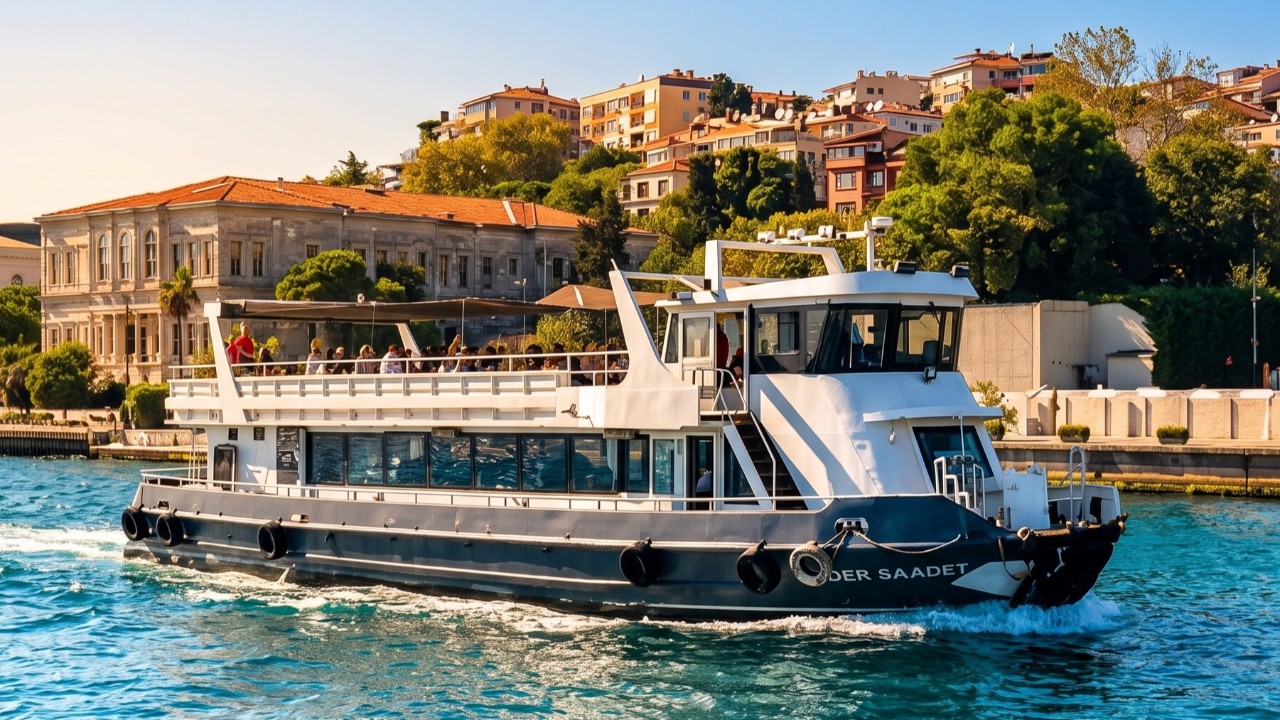
According to the official Şehir Hatları (City Lines) schedule, the Long Bosphorus Tour departs from Eminönü at 10:35 and returns to Eminönü at 16:40. The outbound journey, the stop at Anadolu Kavağı, and the return collectively take approximately six hours of your day. The Short Bosphorus Tour, on the other hand, departs from Eminönü at 14:40 and, staying within the urban section, fits perfectly into an afternoon. The two routes differ both in the number of stops and their time commitment: the long route traverses the Bosphorus all the way to the Black Sea entrance, while the short route remains around the bridge line.
| Route | Departure | Pier Stops (Scheduled Times) | Duration & Route Coverage |
|---|---|---|---|
| Long Bosphorus Tour, Outbound | Eminönü 10:35 | Beşiktaş 10:50, Üsküdar 11:05, Kanlıca 11:35, Sarıyer 12:05, Rumeli Kavağı 12:15 | Arrival at Anadolu Kavağı 12:25; sea journey approx. 1 hour 50 minutes |
| Anadolu Kavağı Stopover | Arrival 12:25 | Stopover at the pier | Wait until 15:00; lunch break is part of the program |
| Long Bosphorus Tour, Return | Anadolu Kavağı 15:00 | Rumeli Kavağı 15:10, Sarıyer 15:20, Kanlıca 15:40, Üsküdar 16:10, Beşiktaş 16:25 | Return to Eminönü 16:40; total round trip approx. 6 hours |
| Short Bosphorus Tour | Eminönü 14:40 | Üsküdar 14:55, Ortaköy 15:10 | Urban section; a second departure at 16:45 is added on public holidays |
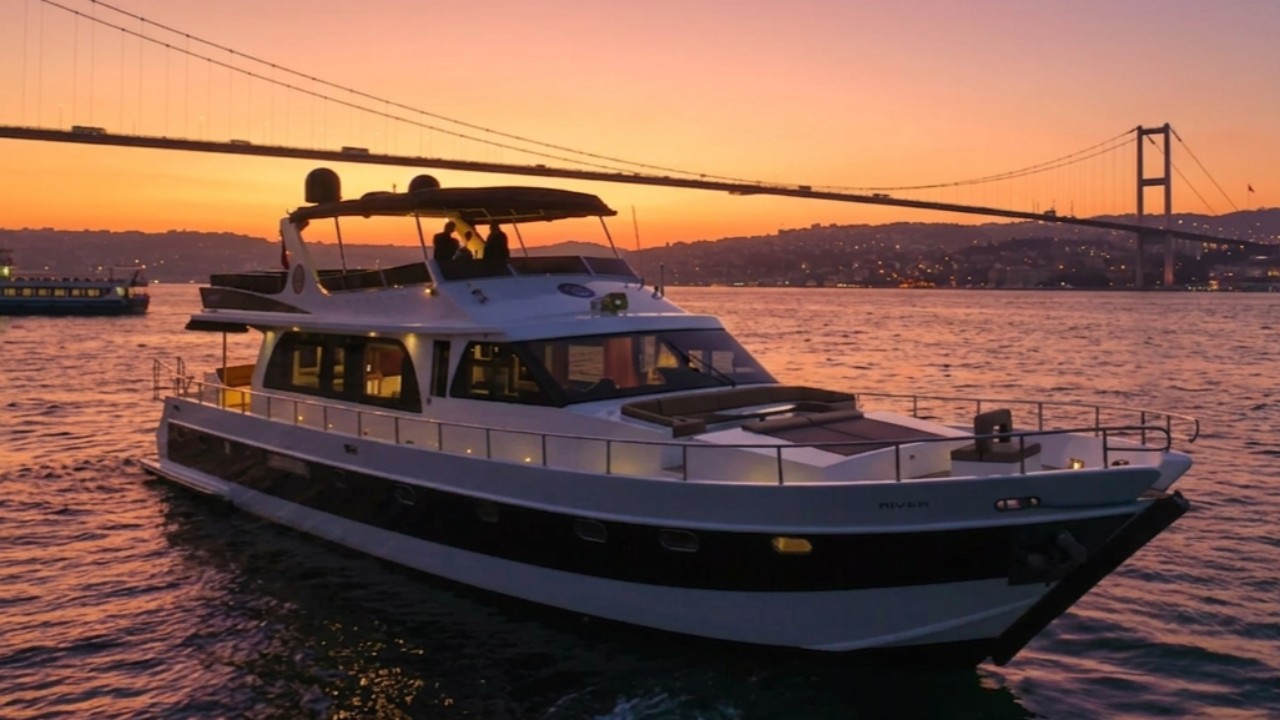
The Şehir Hatları (City Lines) fare schedule distinguishes between round-trip and one-way tickets for the Long Bosphorus Tour. The table includes separate columns for local and foreign passengers, with children under 12 having a different rate, and those aged 0-6 traveling free. International visitors should factor these distinctions into their budget planning and check the current fares on the official website. Beyond public services, private operators also run tours along the same route, with varying departure points. For a comprehensive list of all sea-based programs in Istanbul, our Istanbul boat and yacht tours page can be used as a comparison point.
Planning Your Bosphorus Day: A Step-by-Step Guide
The key to making the most of the Bosphorus route is to logically connect your sea journey with land-based stops on the same day. The following sequence works well for a day starting on land in the morning and transitioning to the sea in the afternoon.
- Choose your departure pier based on your land location. If you're in the historical peninsula, Eminönü is ideal; for the northern European side, Beşiktaş; and for the Asian side, Üsküdar are key stops on the route.
- Check the departure times in advance and arrive early at the pier. Bosphorus tours depart at specific times of day, and schedules change between summer and winter. Allow about twenty minutes for boarding.
- Follow one shore on the outbound journey, and the other on the return. As the ferry heads north, the European shore is closer; on the return, the Asian shore comes into view, offering different perspectives of the same structures.
- Consider the stopover as an integral part of your itinerary. On the long route, the wait at Anadolu Kavağı is between 12:25 and 15:00. Be sure to confirm the return ferry's departure time at the pier.
- Connect your return journey to a land transfer. The rail system connections at your disembarkation pier will allow you to return to the city center without getting caught in evening traffic.
How to Reach Bosphorus Tour Piers by Metro and Tram
Three of the main boarding piers are accessible by rail systems: Eminönü and Kabataş are on the T1 tram line, while Üsküdar is at the intersection of the M5 metro and Marmaray. According to Metro Istanbul data, the T1 Kabataş-Bağcılar line is 19.3 kilometers long, and transfers to the T5 tram line can be made at Eminönü station. In Kabataş, the F1 funicular, opened in 2006, connects towards Taksim. On the Asian side, Üsküdar is the starting station for the driverless M5 Üsküdar-Sultanbeyli metro line.
| Pier | Rail Connection | Role on the Route |
|---|---|---|
| Eminönü | T1 tram, T5 tram, Marmaray (Sirkeci) | Main departure point for Bosphorus tours |
| Beşiktaş | Coastal bus lines, short walk to Kabataş | European side stop for the long route |
| Üsküdar | M5 metro, Marmaray | Asian side boarding and transfer point |
| Kabataş | T1 tram, F1 funicular | Pier for Islands and Kadıköy lines, transfer hub |
A few tips to simplify your planning:
- Bosphorus tours operate under a separate tour fare, distinct from regular ferry lines, and the tariff includes different rates based on visitor type. Verify payment methods and current prices on the institution's fare schedule page.
- The stops for Bosphorus tours are not the same as those for regular ferry lines; do not plan to board from a pier not listed on your tour's itinerary.
- The deck breeze is noticeably cooler than the temperature on shore, so a light windbreaker will serve you well.
- For those considering a trip to the Princes' Islands, you can find pier information in our Istanbul Islands tours and transportation guide article.
Frequently Asked Questions 5
From which piers do Bosphorus boat tours depart?
Şehir Hatları's (City Lines) Long Bosphorus Tour departs from Eminönü and calls at Beşiktaş, Üsküdar, Kanlıca, Sarıyer, and Rumeli Kavağı piers before reaching Anadolu Kavağı. The Short Bosphorus Tour also departs from Eminönü and picks up passengers from Üsküdar and Ortaköy piers. Departure points may vary for private operators' programs.
What is the narrowest point of the Bosphorus?
According to the General Directorate of Coastal Safety, the narrowest section of the Bosphorus is between Aşiyan and Kandilli, where the two continents approach each other by approximately 700 meters. Rumeli Hisarı and Anadolu Hisarı are positioned opposite each other on either side of this constriction.
Which bridges do Bosphorus tours pass under?
Moving from south to north, you first pass under the 15 Temmuz Şehitler Köprüsü (July 15th Martyrs Bridge), which opened in 1973 (formerly known as the Bosphorus Bridge). According to General Directorate of Highways records, the bridge is 1,560 meters long with a main span of 1,074 meters. Further north, as you approach the narrow section, you pass under the Fatih Sultan Mehmet Köprüsü (Fatih Sultan Mehmet Bridge), completed in 1988.
On which days are the palaces visible from the sea open for visits?
Dolmabahçe Sarayı, Beylerbeyi Sarayı, and Küçüksu Kasrı, affiliated with the National Palaces, are closed on Mondays, and their ticket offices operate from 09:00-17:00. The Hisarlar Museum, which includes Rumeli Hisarı, is also closed on Mondays and can be visited from 09:00-19:00. Kız Kulesi, however, is open daily from 09:00-21:00.
How do I purchase Bosphorus tour tickets?
Şehir Hatları's (City Lines) Bosphorus tours operate under a separate tour fare, distinct from regular city ferry lines. The tariff separates the Long Bosphorus Tour into round-trip and one-way options, with distinct columns for local and foreign passengers, a separate rate for those under 12, and free travel for children aged 0-6. As payment methods and current prices change seasonally, it is necessary to verify the information on the institution's fare schedule page.