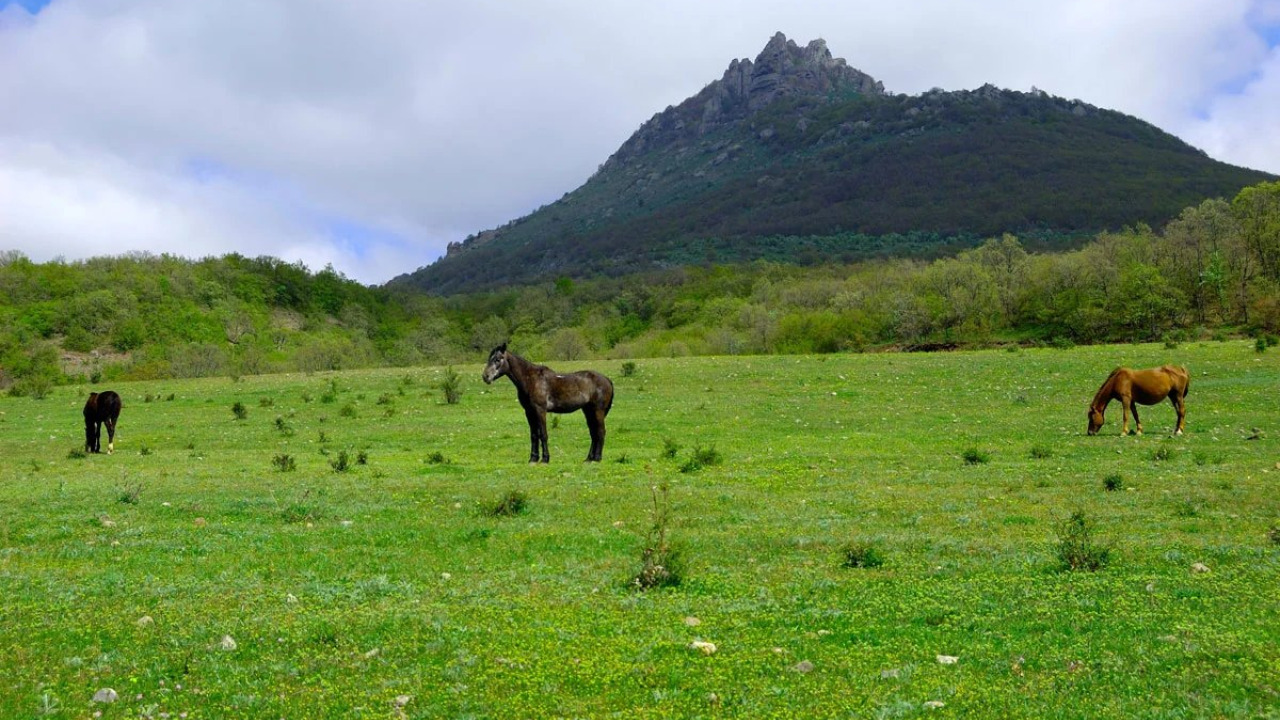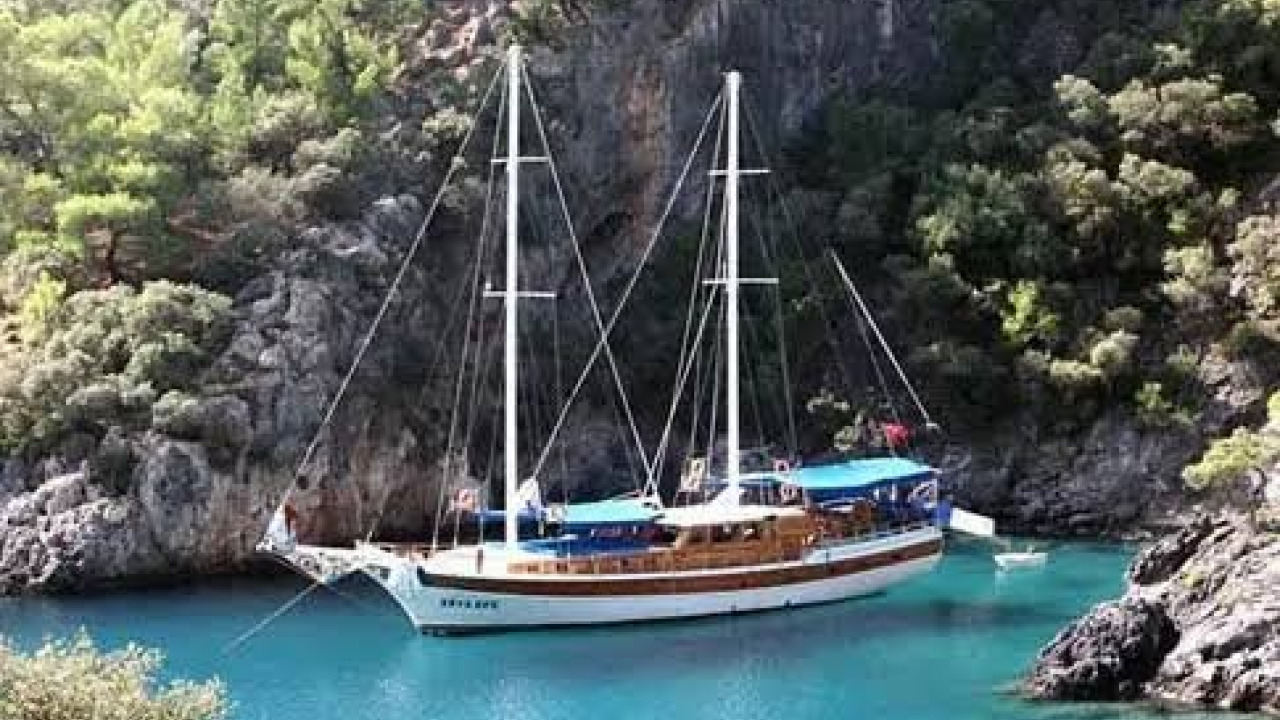
Gliding across turquoise waters, anchoring in hidden coves, and soaking up the Mediterranean sun is a quintessential holiday experience. For those looking to explore the untouched islands of the Mediterranean and Aegean coasts from the sea, Boat Tours offer a wealth of diverse routes and vessel options. With the right preparation and a few practical precautions, you can ensure your comfort remains a top priority throughout the journey.
It is common for some passengers to experience mild nausea or a shift in balance during sea voyages, this is simply a matter of biological adaptation. Taking simple steps to help the inner ear's balance center adjust to the motion of the waves will ensure you have a fantastic day. Traveling on reliable, licensed excursion boats guarantees both a smooth ride and the highest safety standards.
Keeping an eye on weather conditions and wind direction is key to maximizing your experience. The sea is typically calmest in the early morning, providing the perfect environment for first-time sailors. Paying close attention to the brief safety orientation provided by the captain and crew before leaving the harbor ensures peace of mind for the rest of the day.
Quick Guide to Boat Tours and Sailing Standards
The table below summarizes the essential information regarding day trips, legal regulations, and safety requirements.
| Feature | Visitor & Passenger Summary |
|---|---|
| Legal Regulations | Maritime Undersecretariat Day Trip Boat Regulations |
| Popular Departure Ports | Antalya Marina, Alanya Yacht Harbor, Fethiye Waterfront, Bodrum Port |
| Duration | Typically full-day itineraries lasting 6 to 8 hours |
| Motion Sickness Risk | Low in calm morning waters; moderate in open sea during the afternoon |
| Child Safety | Deck safety nets and size-appropriate life jackets are mandatory |
| Included Services | Lunch, swimming breaks, and use of deck sun loungers |
| Recommended Gear | Polarized sunglasses, non-slip water shoes, and high-SPF sunscreen |
Planning Your Journey: Popular Routes Across the Blue Homeland
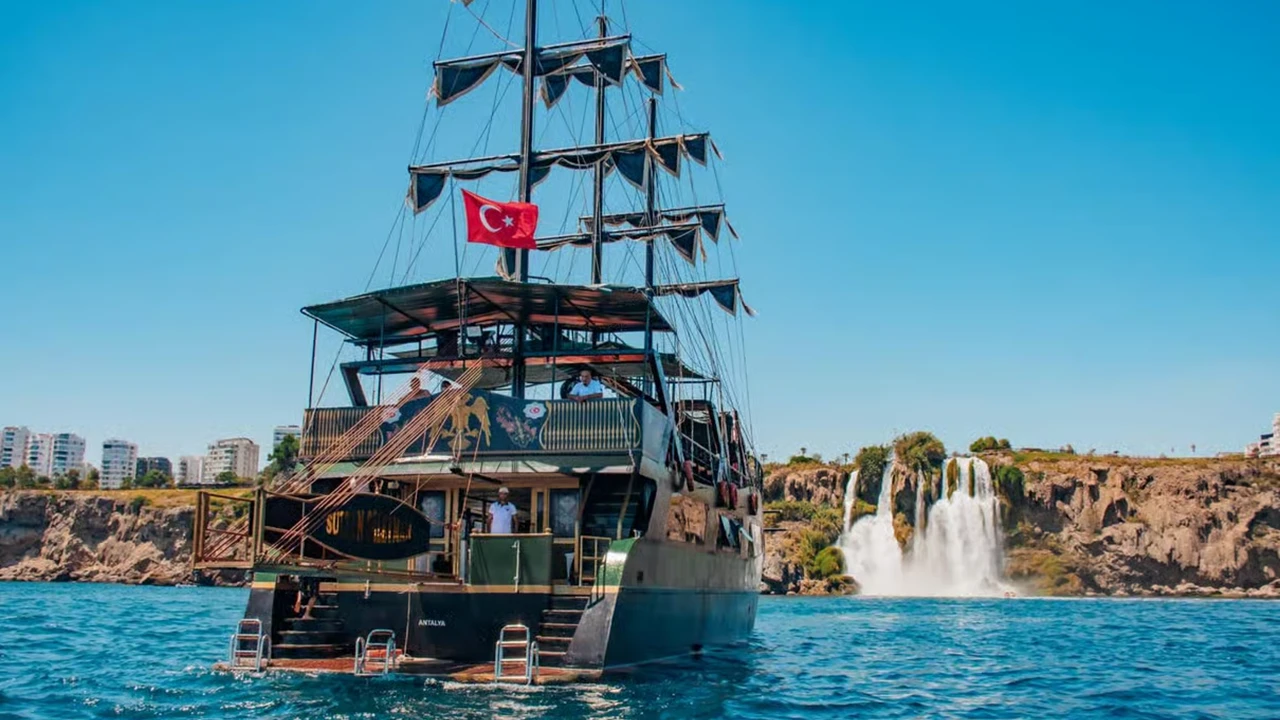
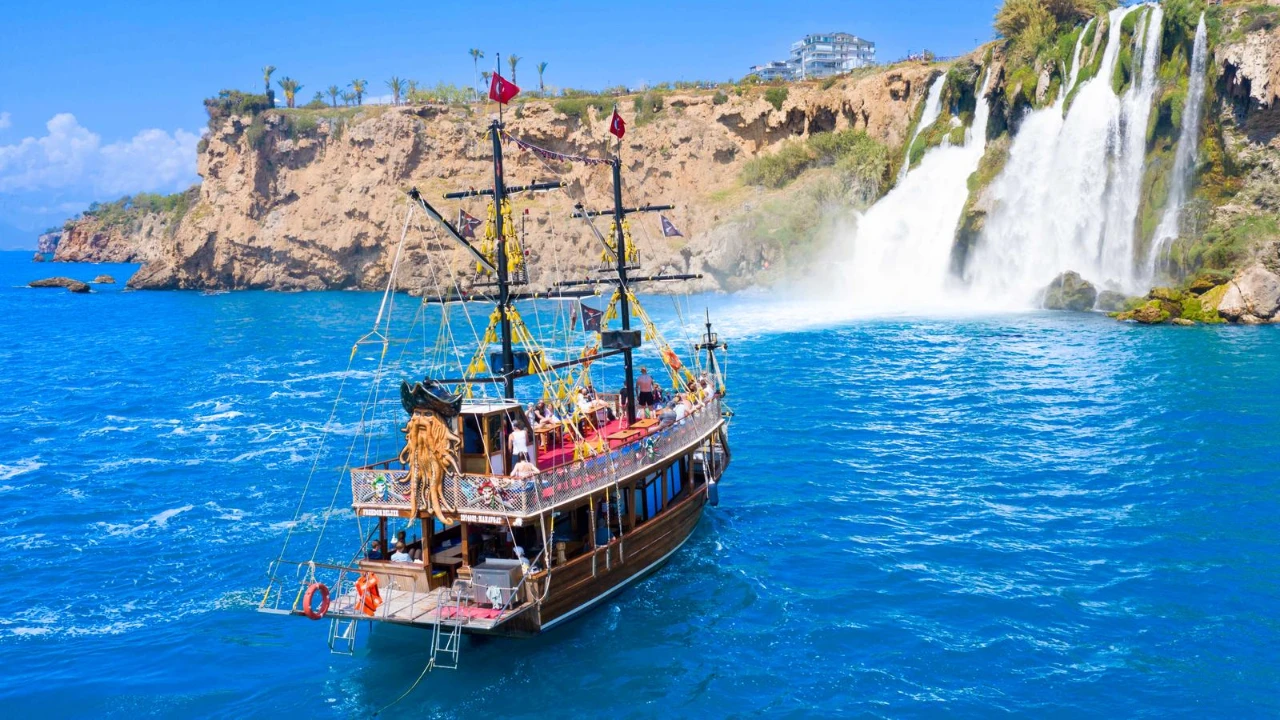
The Turkish coastline is home to some of the world's most prestigious day-sailing routes. For travelers wishing to admire cliffs and waterfalls from the water, boat trips along the Antalya coast focusing on the Düden waterfall route are a top choice. On the Aegean side, sheltered bays embraced by pine forests offer calmer waters, making them ideal for those sensitive to motion sickness.
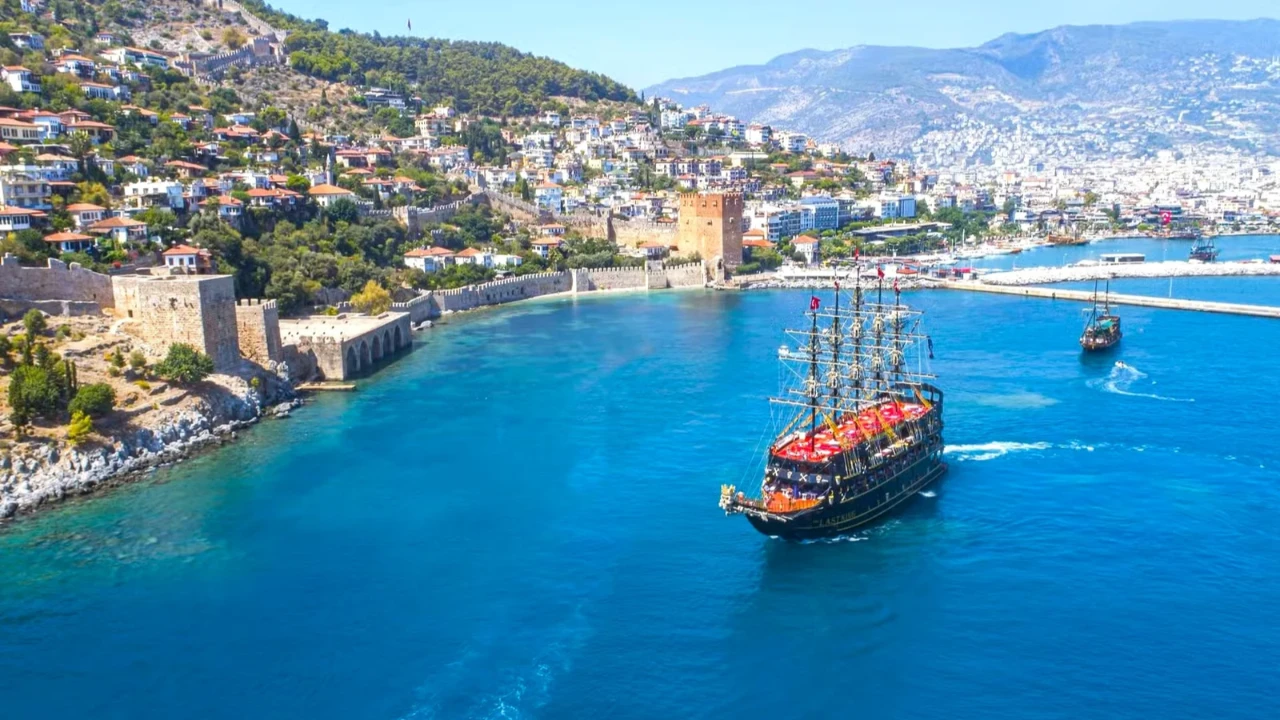
To swim in the world-famous bays of the Aegean and relax in sapphire lagoons, routes preferred by travelers exploring the Muğla bays offer stunning stops. Those wishing to photograph the Red Tower and the historic shipyard from the sea can enjoy both cultural and relaxing itineraries via historic route trips organized along the Alanya coastline. To witness the unique meeting point of river and sea, river and sea routes along the Manavgat delta provide the refreshing contrast of fresh and salt water in a single day.
Seasonal Trends and Weather Tracking by Region
On the Mediterranean coast, the sailing season is most productive from late April to mid-November. In the Aegean bays, the peak period is between June and September. Booking early is highly recommended to secure your preferred boat during the busy summer rush.
Captains often flexibly adjust routes based on wind conditions to steer toward the calmest bays. This ensures a smoother ride for guests and maximizes the enjoyment of swimming breaks. Confirming the meteorological conditions on the morning of your tour helps you prepare more effectively.

Understanding Motion Sickness and How to Prevent It
Medically known as kinetosis, motion sickness occurs when the eyes and the semicircular canals of the inner ear send conflicting signals to the brain. As the boat sways on the waves while the eyes focus on a fixed point, the brain struggles to process the movement. This triggers the autonomic nervous system, leading to symptoms like mild dizziness, yawning, and nausea.
The most effective way to prevent this is to have a light breakfast consisting of easy-to-digest foods before boarding. Setting sail on a completely empty stomach or consuming overly greasy and acidic foods can increase sensitivity. During the voyage, ginger-based natural lozenges or mint-flavored drinks can help balance stomach acidity.
Optimal Positioning on Deck
Staying in enclosed cabins or focusing on a phone screen while the boat is moving can hinder the adaptation process. Instead, sitting on the upper deck in the open air and fixing your gaze on the horizon helps the brain synchronize its perception of movement. Feeling the breeze on your face balances body temperature and provides a refreshing circulation of air.
Medical motion-sickness patches or tablets, obtained via doctor's advice, should be taken at least 45 minutes before departure. Taking a tablet after nausea has already started may delay the effectiveness. Therefore, guests sensitive to sea travel are encouraged to take their precautions before leaving the harbor.
Comparing Boat Types and Sailing Comfort
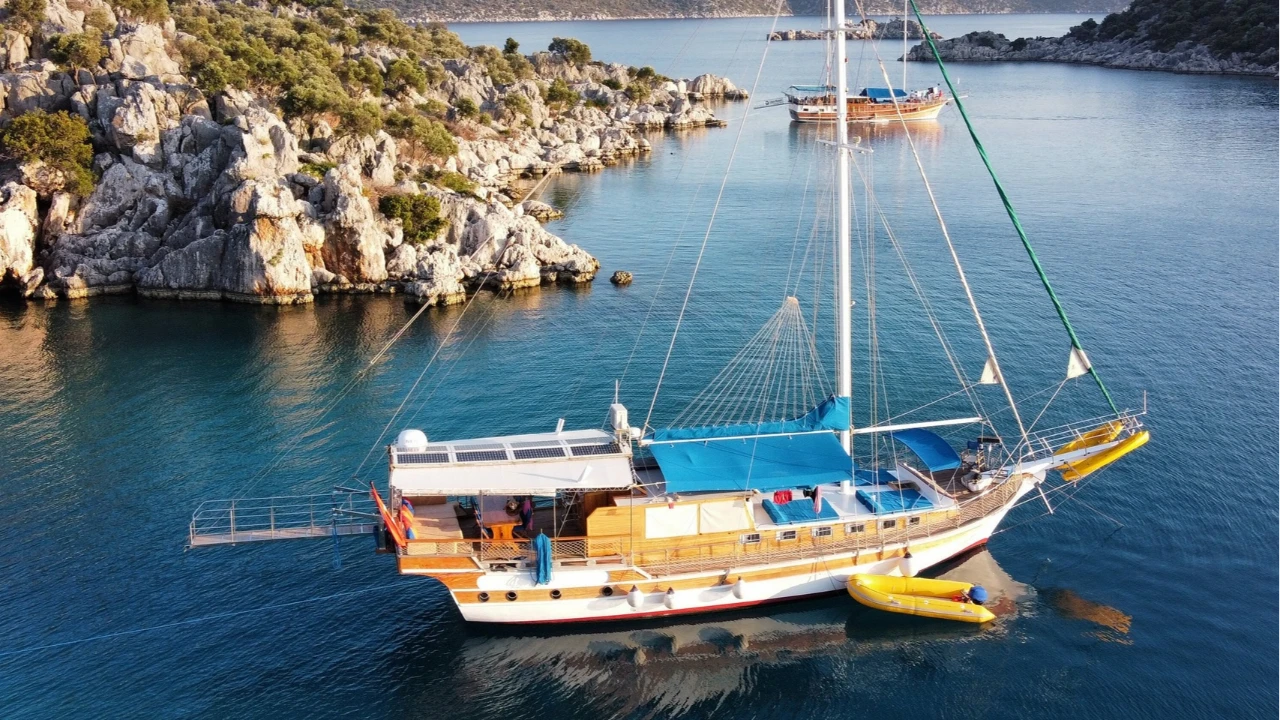
Boats used for day tourism vary in hull structure, stability, and passenger capacity. Double-hulled catamarans minimize the feeling of waves due to their wide surface area, while classic wooden gulets provide a nostalgic and stable sailing experience.
The table below compares the comfort and stability features of the most popular day-trip vessels in resort towns:
| Boat Type | Hull Structure | Wave Stability | Capacity | Ideal Passenger Profile |
|---|---|---|---|---|
| Catamaran | Double aluminum or composite | Very High (Minimum Sway) | 40 - 100 People | Motion-sensitive passengers and large families |
| Traditional Wooden Gulet | Classic wooden hull | High (Heavy, stable hull) | 20 - 50 People | Quiet bay tours, relaxation, and swimming |
| Modern Motor Yacht | Fiberglass V-hull | Medium (Fast transit) | 8 - 15 People | Private groups, fast transfers, flexible timing |
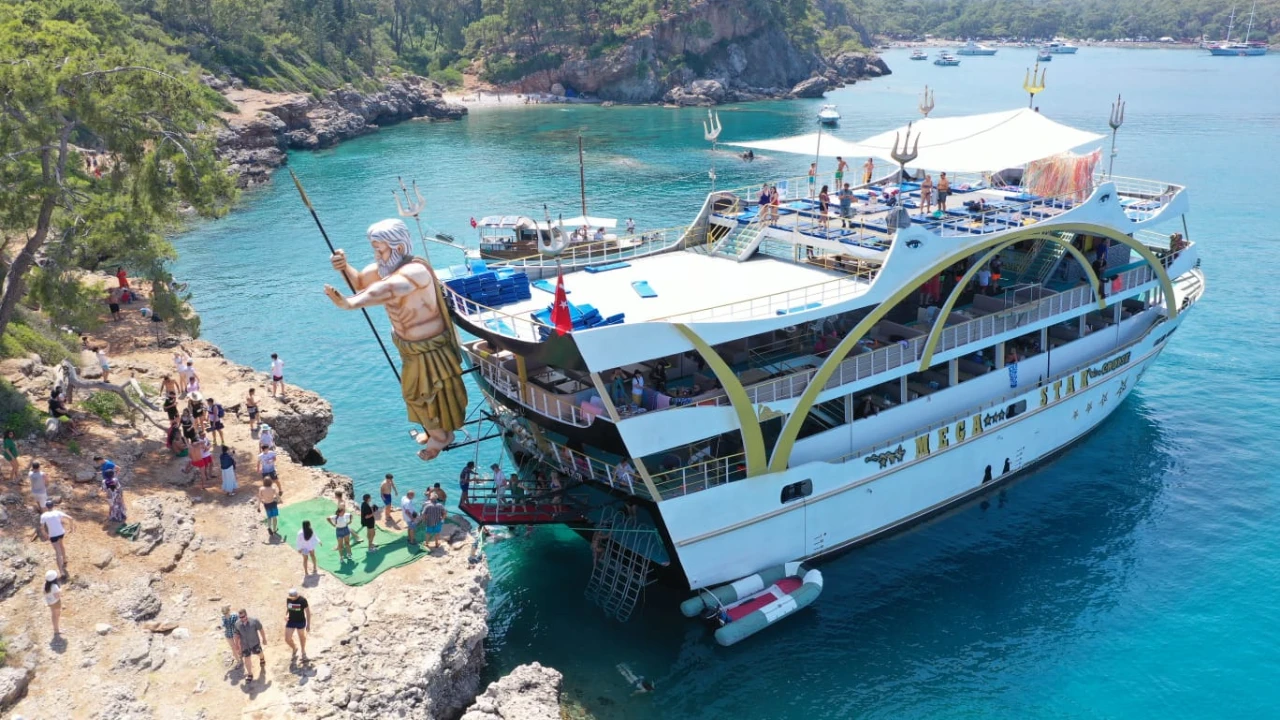
| Large Excursion Ship | Multi-deck steel or wood | High (Balanced weight) | 100 - 300 People | Entertainment-focused tours, music, and large groups |
Catamarans keep the tilt angle to a minimum thanks to their wide hull spacing, significantly reducing vertical acceleration caused by waves. For first-time sailors or families with infants, catamarans or wide-beamed wooden gulets are highly recommended.
The 5-Step Comfort Protocol for Your Sailing Day
To turn your day at sea into a flawless experience, follow these preparation steps before arriving at the harbor. This standard protocol, used by experienced sailors, prevents potential discomfort.
- Light Nutrition and Hydration: At least one hour before the tour, eat a light snack, such as saltine crackers, a banana, or cheese, and drink plenty of water.
- Gear and Bag Check: Pack your goggles, high-SPF sunscreen, a hat, and a change of dry clothes in a waterproof bag.
- Choose the Right Seat: Upon boarding, select open-air areas in the middle or rear of the boat, away from engine noise and exhaust.
- Listen to the Safety Briefing: Pay close attention to the location of life jackets, emergency assembly points, and swimming break rules.
- Focus on the Horizon: During open-sea crossings, leave enclosed areas and keep your eyes fixed on the horizon or a visible piece of land.
By following this five-step chain, you will feel energized and safe from the moment you depart until you return to the harbor. The boat crew is always available to assist with any health or safety needs.
Safety Guidelines for Families with Children and Seniors
Boat tours are versatile social activities for all ages. However, strict adherence to extra safety rules is essential for small children and guests with limited mobility. Children must never be allowed to run unsupervised on the bow or near the railings.
By law, every excursion boat must carry adult life jackets equal to the total passenger capacity and child life jackets for at least ten percent of the capacity. Ensuring children wear size-appropriate vests while swimming or while the boat is in motion is a primary safety standard. The presence of protective safety netting on deck railings provides great peace of mind for families.
For senior guests, spending time in shaded areas is crucial to prevent heatstroke and dehydration. Water and freshly squeezed fruit juices should be consumed at regular intervals to replenish minerals lost throughout the day. Additionally, rubber-soled slippers should be used to prevent slipping on wet steps and ladders.
Safe Water Entry During Swimming Breaks
During swimming stops, avoid crowding around the swim ladders and wait for the captain's command confirming that the engines have completely stopped. Jumping into the water while propellers are still moving is extremely dangerous. When exiting the water, walk slowly on wet surfaces to eliminate the risk of slipping.
When returning to the boat, grip the ladder handles with both hands to maintain balance. It is recommended that small children always be accompanied by an adult and wear armbands. Controlled swimming breaks under the supervision of the crew ensure your holiday is completed safely.
Essential Packing List for a Day at Sea
To maximize your comfort during a full day on the open water, ensure your bag contains these practical items:
- Polarized sunglasses and a wide-brimmed hat to protect against glare on the deck.
- High-SPF mineral sunscreen for thorough protection throughout the day.
- Non-slip rubber-soled water shoes for safety on wet decks and rocky coves.
- A waterproof phone case and a set of dry spare clothes.
- A lightweight beach towel and swimming goggles for a better swimming experience.
Respecting the Marine Ecosystem and Eco-Friendly Sailing
Turkey's crystal-clear bays are home to rich underwater fauna and delicate seagrass meadows. Acting with environmental awareness during day tours ensures these paradise corners are preserved for future generations. Dumping plastics, cigarette butts, or food waste into the sea is strictly prohibited by maritime law.
When anchoring in bays, captains prefer special mooring buoys to avoid damaging the seagrass on the seabed. These meadows are the "lungs of the Mediterranean," filtering the water and creating that mesmerizing turquoise color. Guests should avoid feeding marine animals and interfering with the natural food chain.
Furthermore, choosing mineral-filtered sunscreens that do not harm marine life helps protect coral reefs and aquatic plants. Adopting a responsible travel culture makes your sea experience more meaningful and harmonious with nature.
Frequently Asked Questions 5
When should I take medication to prevent motion sickness on a boat tour?
Prescription medications or natural ginger supplements for motion sickness should be taken approximately 45 to 60 minutes before the boat leaves the harbor. This window is critical for the medication to enter the bloodstream and become effective. Tablets taken after nausea has already started may have limited effectiveness.
How are food and drinks served on day boat tours?
Most tours serve a rich lunch consisting of fresh grilled chicken or fish, pasta, and a seasonal salad. Meals are typically served as a buffet or plated once the boat anchors in a calm, wave-free bay. Non-alcoholic beverage packages are provided as either unlimited or paid options depending on the tour concept.
Where is the best place to stay on the boat if I feel seasick?
If you begin to feel nauseous or dizzy, move to the exact center of the boat and the open deck area of the lower level. This is the boat's center of gravity and the point of least oscillation. Additionally, staying away from enclosed spaces and focusing on a fixed point on the horizon quickly alleviates symptoms.
Can pregnant women or families with infants join a boat tour?
Expectant mothers who are not in their first or last trimester can comfortably join calm bay tours with a doctor's approval. For families with infants, wooden gulets or catamarans with wide shaded areas, low noise, and stable sailing are ideal. Ensure infants are protected from the sun and stay well-hydrated.
Can non-swimmers participate in boat tours?
Yes, guests who cannot swim can certainly join boat tours and enjoy the sunbathing terraces throughout the voyage. For those who wish to cool off during swimming breaks, life jackets, pool noodles, and professional crew supervision are provided to ensure a safe experience in shallow coves.