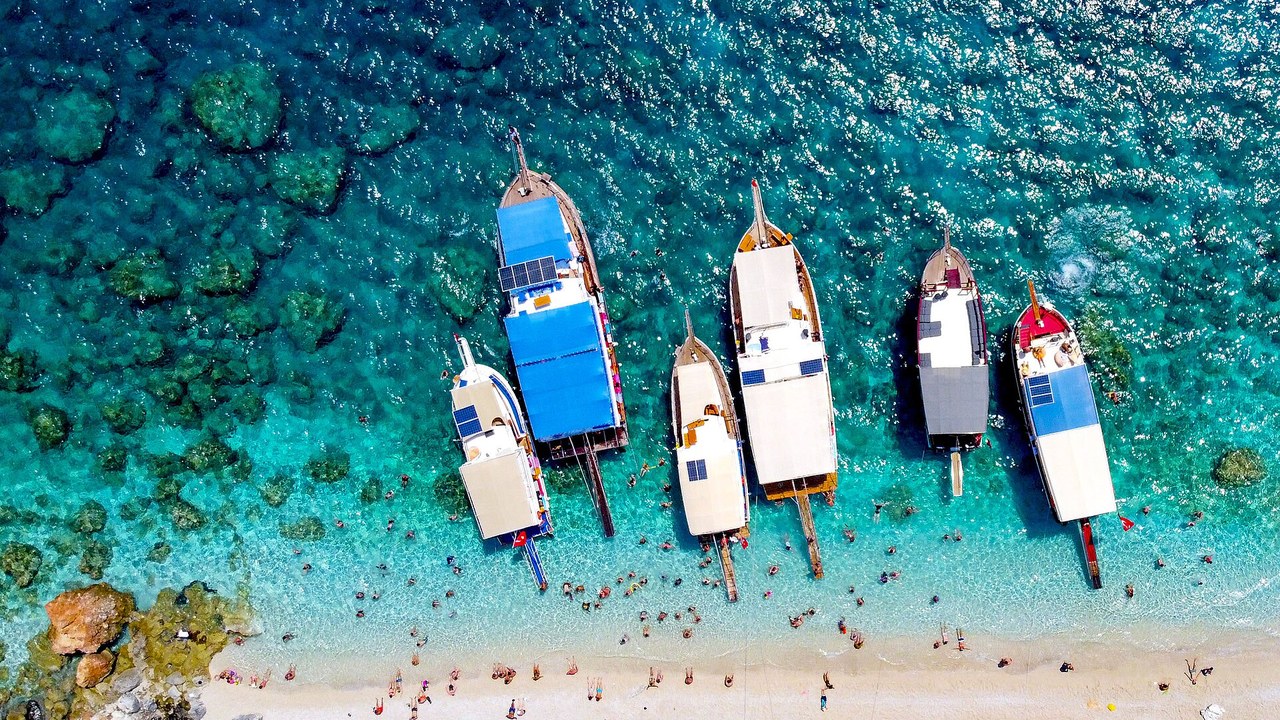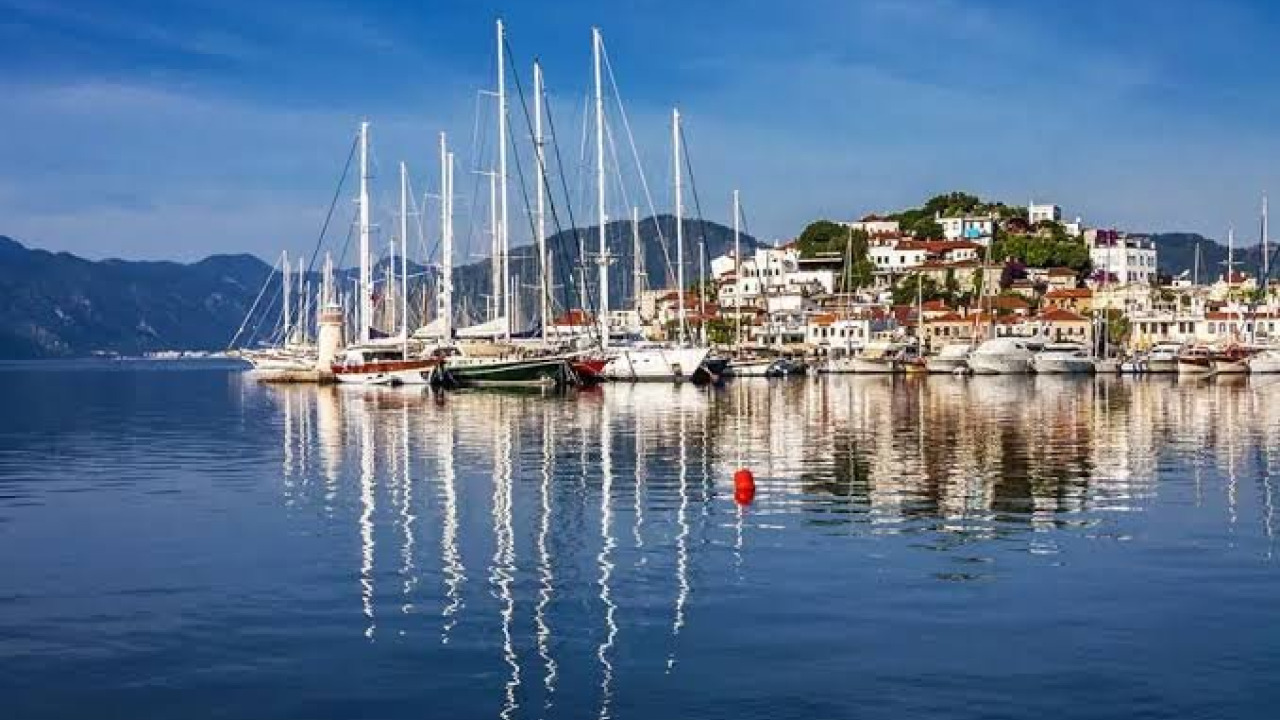
From the olive-green hills of the Aegean to the dramatic limestone cliffs of the Mediterranean, the lace-like coastlines of Turkey are the birthplace of the "Blue Cruise", a voyage on traditional wooden gulets. What began as a poetic pursuit by literary figures like Cevat Şakir Kabaağaçlı and Azra Erhat has evolved into an elite holiday ritual, blending timeless maritime charm with modern luxury. For those dreaming of waking up in a hidden turquoise cove every morning, blue cruise tours and gulet charter routes offer a wealth of curated experiences. With licensed crews and fully equipped vessels, these voyages promise a sanctuary of peace on the open sea.
The first big decision for any traveler is whether to book a private cabin for a shared experience or to charter an entire gulet for a private group. Each model offers distinct advantages in terms of budget, itinerary flexibility, and social dynamics.
Beyond the booking, the quality of your voyage depends on smart provisioning, understanding overnight anchoring etiquette, and respecting environmental regulations. Proper preparation is the secret to spending your sunsets in total serenity in the most secluded bays.
Essential Pre-Departure Info for Your Blue Cruise
Understanding the geography of the coast helps you set the right expectations. The most sought-after routes include the crystal waters of Antalya blue cruise programs, the sheltered islands of Muğla gulet routes, and the natural paradise of Göcek blue cruise options.
The following table summarizes the operational and organizational details for those planning their voyage:
| Feature | Quick Guide for Travelers |
|---|---|
| Standard Duration | Typically 7 nights / 8 days (Saturday to Saturday) |
| Accommodation Options | Individual cabin rentals or full private boat charters |
| Vessel Types | Traditional Bodrum gulets, Aynakıç, and spacious Tırhandil models |
| Air Conditioning | Average 6-8 hours per day to preserve battery and reduce noise |
| Crew Composition | Captain, professional chef, and experienced deckhands |
| Best Sailing Season | June and September for calm seas and mild evenings |
| Departure Ports | Marinas in Bodrum, Marmaris, Fethiye, and Göcek |
Cabin Rental vs. Private Gulet Charter: Which is Right for You?
With a cabin rental, you book a private double cabin on a gulet and share the voyage with other guests from around the world. In this model, the itinerary, meal times, and anchoring spots follow a pre-set schedule. It is a fantastic way to meet new people while enjoying the luxury of a gulet.
A private gulet charter, on the other hand, gives you total exclusivity. The boat is dedicated entirely to your family or friend group. From what time you wake up to how many hours you spend swimming in a specific cove, the itinerary is shaped by your desires in coordination with the captain.
Budget-wise, cabin rentals are a highly economical entry point for couples or solo travelers. However, for groups of 6 to 10 people, a private charter often balances out the per-person cost while providing far greater privacy and freedom.
Cabin Amenities and Living Spaces
Traditional Turkish gulets feature en-suite bathrooms, showers, and toilets in every cabin. In luxury-class air-conditioned boats, hot water is provided throughout the day via a hydrophone system.
The aft deck serves as the social heart of the boat, featuring a large dining table and cushioned lounging areas. The foredeck is designed for sun-seekers, covered in expansive sunbeds perfect for tanning or stargazing.
It is important to remember that cabins are primarily for resting and dressing; the true "Blue Cruise" lifestyle happens on the open deck. Therefore, the spaciousness of the common areas is often more critical than the size of the cabin itself.
Overnight Safety and Mooring Etiquette
As evening falls, gulets seek shelter in the most protected coves, anchoring based on wind direction. To ensure the boat remains secure, double mooring lines are typically fastened to shore rocks or bollards.
Silence and tranquility are the hallmarks of maritime etiquette. To avoid disturbing other vessels and to enjoy the natural sounds of the night, generators are turned off during the late hours.
Captains periodically monitor wind strength and the risk of the anchor "dragging" throughout the night. This professional discipline ensures that guests can sleep soundly in their cabins.
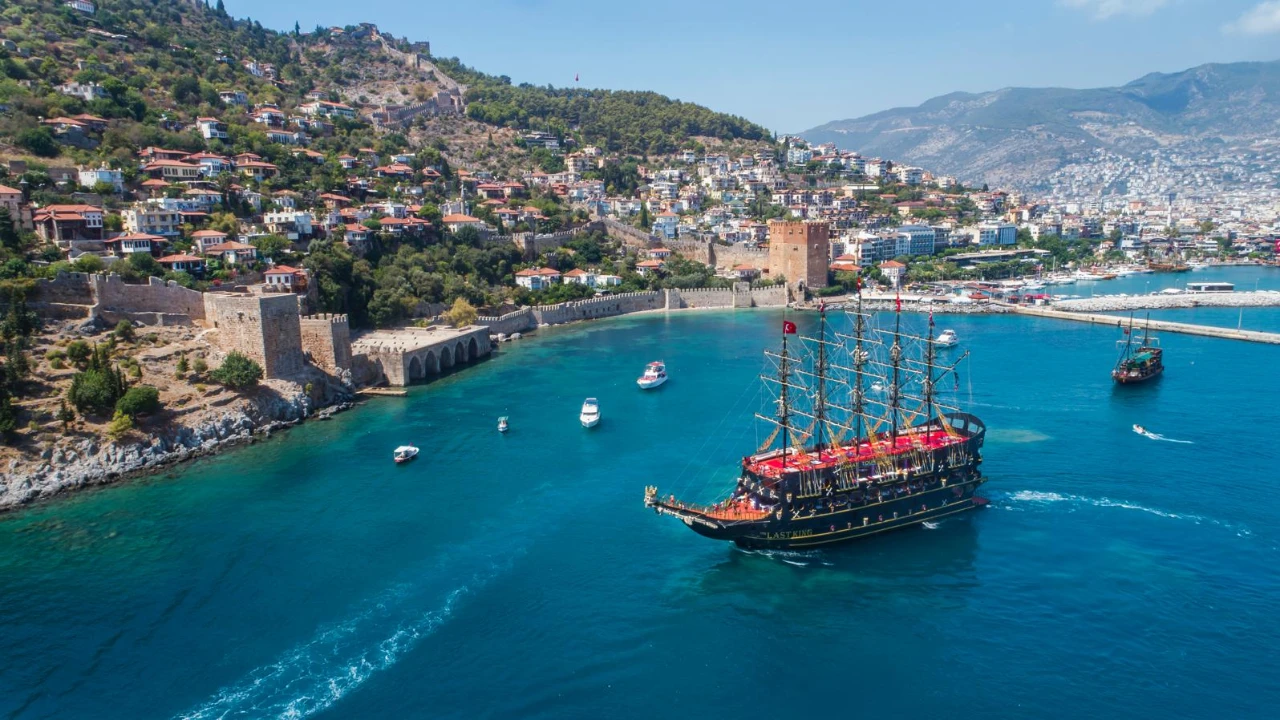
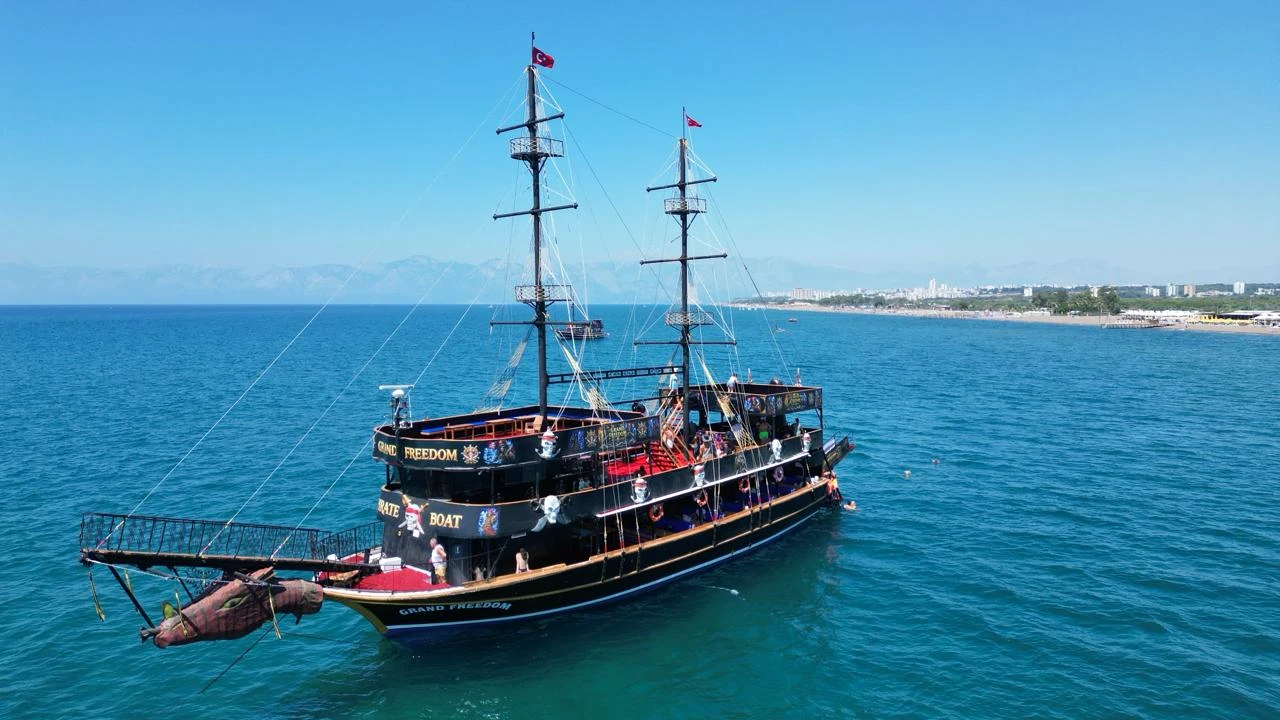
Comparing Gulet Types and Sailing Characteristics
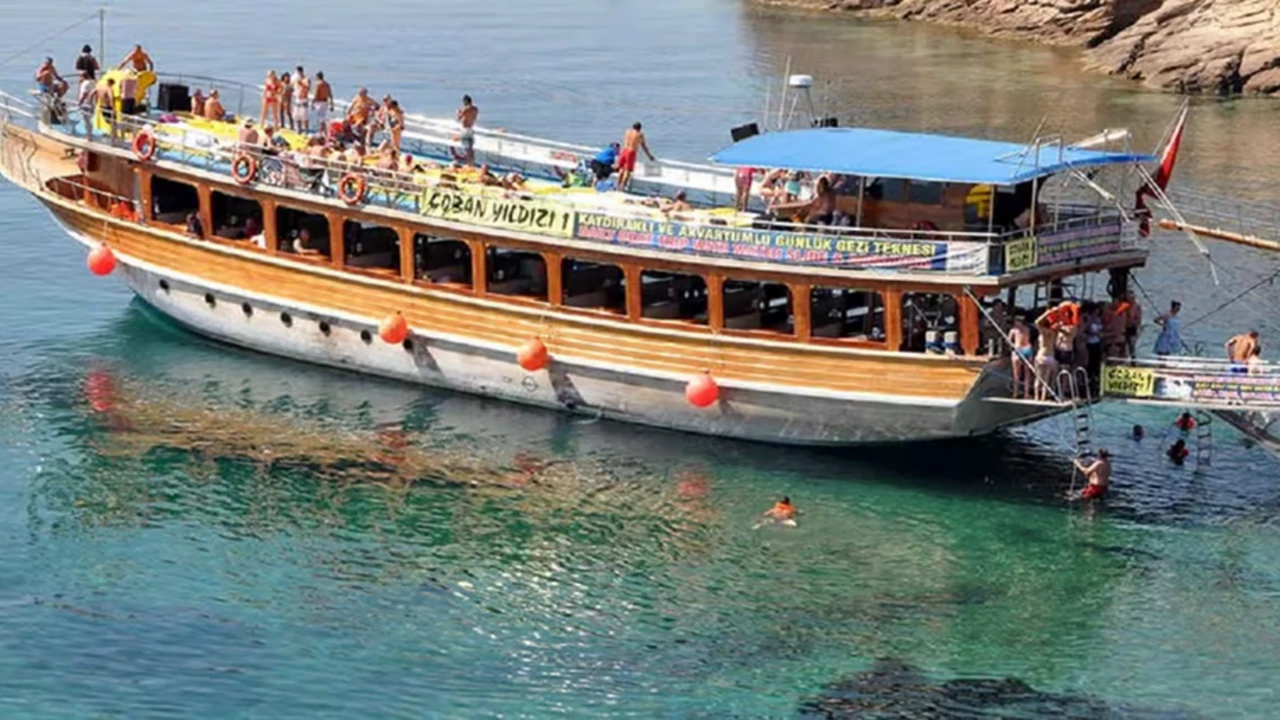
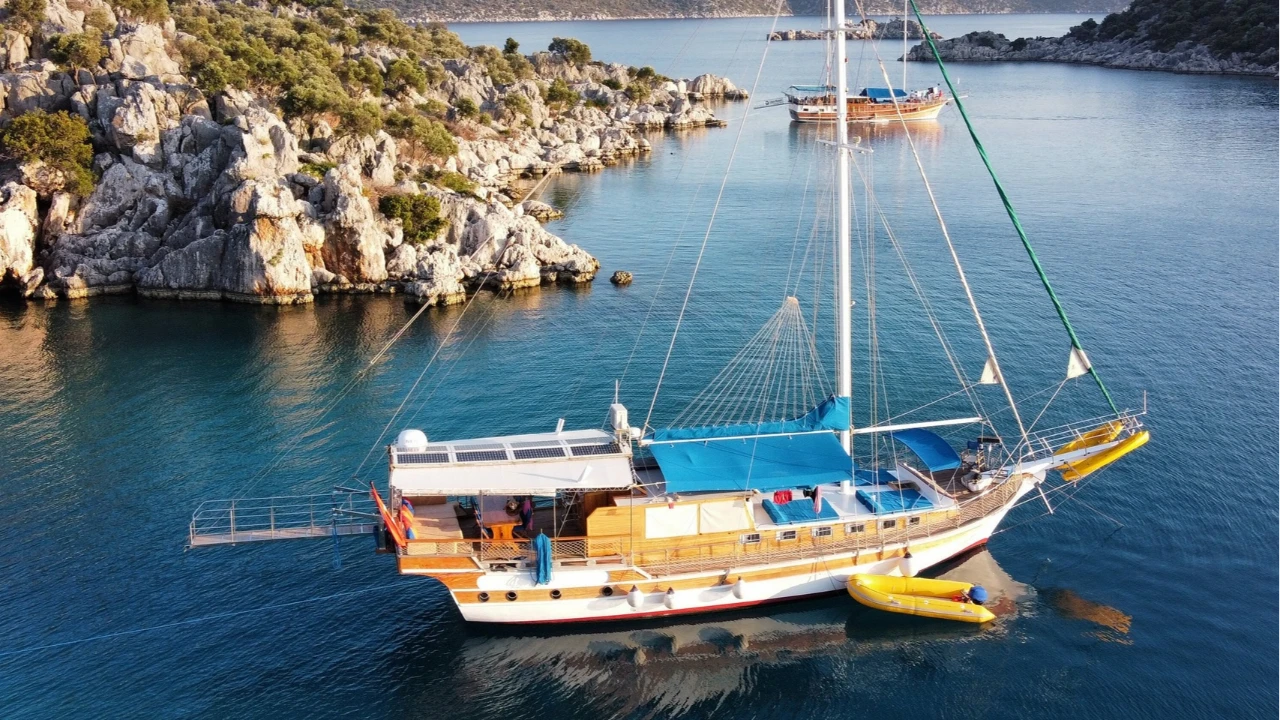
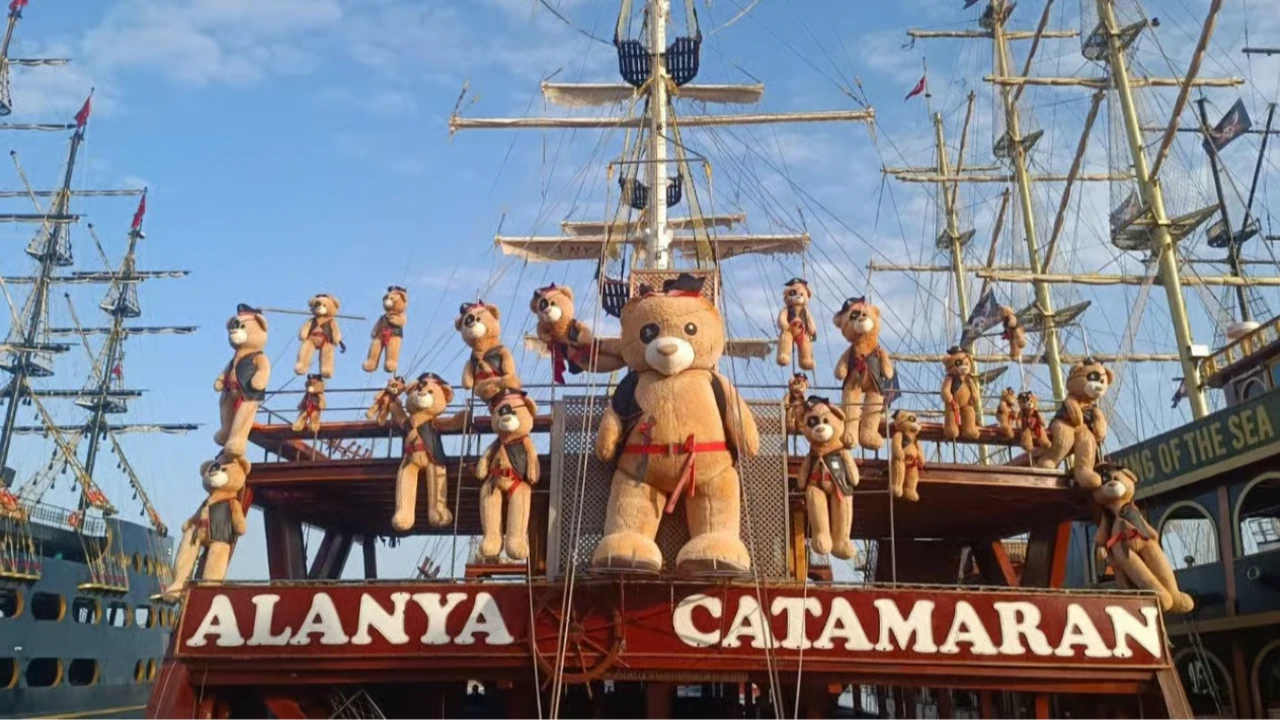
The wooden fleet used for Blue Cruises varies significantly in hull structure, cruising speed, and purpose. Choosing the right class of vessel is the first step in balancing your budget with your comfort needs.
The table below compares the primary wooden boat models used in these tours:
| Boat Model | Hull Shape | Speed & Sailing | Cabin Layout | Ideal Traveler Profile |
|---|---|---|---|---|
| Classic Gulet | Rounded stern, wide deck | 8-9 Knots (Motor) | 4 to 8 double cabins | Large families, traditionalists |
| Aynakıç (Square Stern) | High, flat stern | 8-10 Knots (Motor) | Advantageous master aft cabin | Groups seeking extra space/comfort |
| Tırhandil | Pointed bow and stern | 7-8 Knots, excellent sail grip | 2 to 3 compact cabins | Sailing enthusiasts, small families |
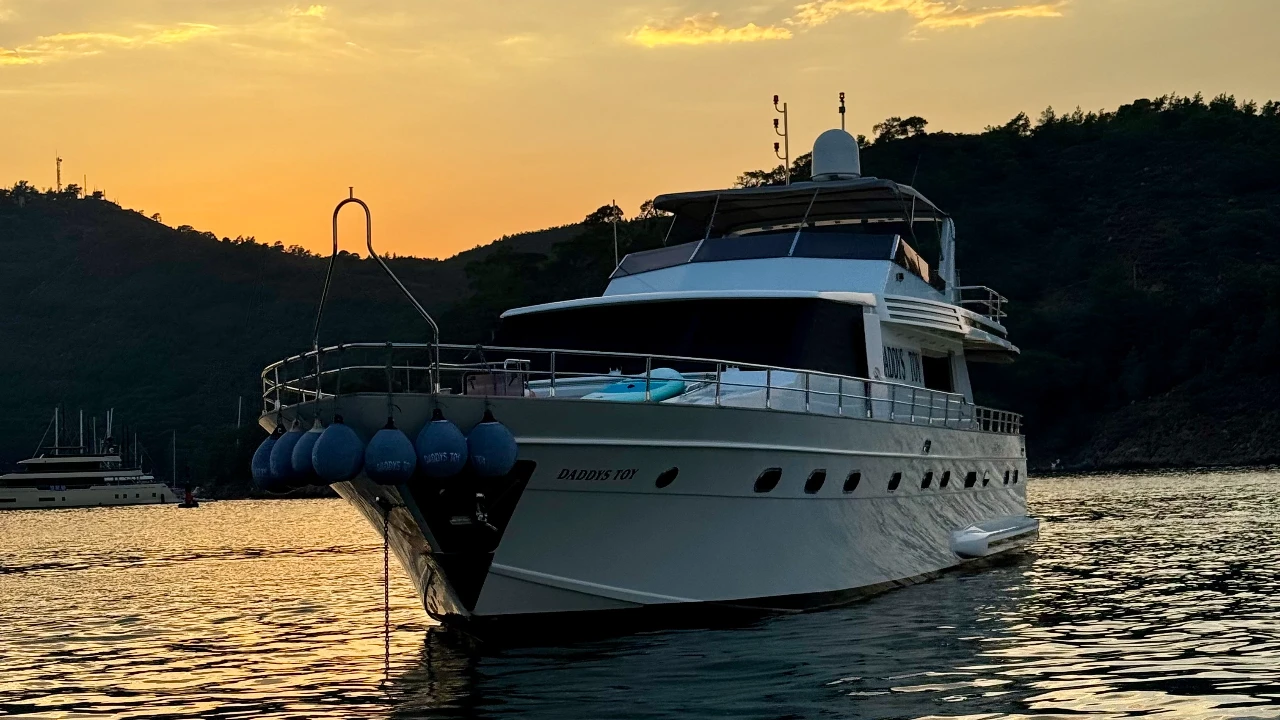
| Luxury Motor Yacht | Modern fiber/wood chassis | 14-20 Knots (High speed) | VIP master and suite rooms | Those seeking speed, prestige, and modern luxury |
For large families who prioritize a spacious aft deck, the classic gulet is the gold standard. For those who want the romantic experience of catching the wind, the traditional Aegean Tırhandil offers an authentic sailing feel.
The 5-Step Provisioning and Sailing Protocol for a Perfect Trip
To avoid unnecessary trips back to port and to maintain a high standard of dining, careful logistics are key. Professional agencies typically follow these five steps to ensure a seamless voyage:
- Advance Provisioning List: At least a week before departure, a detailed list of breakfast items, fresh vegetables, meats, fish, and beverages should be created based on the guest count.
- Menu Coordination with the Chef: Any dietary restrictions, such as vegetarian, vegan, or allergen sensitivities, must be communicated to the captain and chef in advance.
- Bulk Procurement at Marina Supermarkets: Arrive at the marina early on departure day to purchase fresh produce and load them into the boat's cold storage with the crew's help.
- Captain's Route & Weather Briefing: Before leaving the harbor, review the weekly route draft with the captain and identify alternative coves based on wind forecasts.
- Cabin Organization: Store items that could tip over during sailing in locked cabinets and switch to soft-soled shoes for the deck.
Following these steps ensures you spend your entire holiday immersed in nature in untouched, virgin coves rather than spending time in ports.
Chef Services and Daily Menu Planning
In private charters, the onboard chef is one of the greatest luxuries. Every morning begins with a rich Mediterranean breakfast featuring fresh village bread, local cheeses, and olives.
Lunches typically consist of Aegean olive oil mezzes, fresh vegetable dishes, and light pastas. Evenings are the highlight, with fresh seafood and grilled delicacies prepared over a charcoal fire in a silent cove.
The chef can adapt the menu to include specific snacks or regional flavors requested by the guests, ensuring that the appetite sparked by the sea breeze is always satisfied.
Fresh Water and Energy Conservation
Onboard fresh water tanks have a finite capacity. To maintain comfort throughout the voyage, it is essential to be mindful of water usage during showers and dishwashing.
Similarly, electricity is provided via batteries and generators. Turning off lights and air conditioning when leaving the cabin helps maintain the energy balance.
Maritime discipline is about respecting the limited resources of nature. Guests who embrace this mindset enjoy a smooth trip without technical interruptions.
Environmental Awareness and Legal Responsibilities in Blue Flag Bays
The Aegean and Mediterranean coves are designated as Special Environmental Protection Areas. To protect the marine ecosystem and avoid heavy administrative fines, strict adherence to legal regulations is mandatory.
It is strictly forbidden to throw solid waste or packaging into the sea. All trash must be sorted and bagged on board, then delivered to marina waste facilities upon return.
The clarity of these emerald waters for future generations depends on the individual sensitivity of every sailor. Respecting the "Blue Homeland" is an integral part of the holiday culture.
The Blue Card Waste Tracking System
All commercial and private yachts sailing the Turkish coast are required to carry an electronic "Blue Card." This card digitally records the amount of sewage and bilge water produced by the vessel.
Coast Guard boats conduct inspections using barcode readers to verify that waste disposal records are up to date. Boats that fail to dispose of waste properly or engage in illegal discharge face severe fines.
Thanks to this rigorous mechanism, bays in Göcek and Fethiye remain among the cleanest sailing areas in the world despite heavy traffic.
Fire Bans and Forest Safety in the Coves
In coves where pine forests meet the sea, lighting campfires or barbecues on the shore is strictly prohibited by law. During the summer, dry winds can turn a single spark into a devastating forest fire.
All hot meals and grilling are conducted exclusively on the boat's protected marine grills under crew supervision. Guests visiting the shore must collect even their cigarette butts in closed containers.
Respecting the balance of wildlife and avoiding interference with animal habitats is the fundamental ethical rule of a Blue Cruise. The beauty of the coves remains eternal only if nature is protected.
Packing List: What to Bring on a Blue Cruise
Large, hard suitcases take up too much room in the cabins and can be impractical. For a functional and comfortable voyage, we recommend the following:
- Foldable Soft Sports Bags: Fabric travel bags without hard frames that fit easily under cabin beds or in lockers.
- Soft, White-Soled Deck Shoes: Clean boat shoes or slippers that prevent slipping and do not scratch the teak wood decking.
- Light Linen Shirts and Shawls: Breathable, natural fabrics to protect you from the cool evening sea breezes.
- Biodegradable Shampoo: Organic personal care products that do not harm the marine environment.
- Waterproof Dry Bag: A sealed bag to protect your wallet and phone from splashes during Zodiac boat trips or visits to ancient cities.
High-energy devices like hair dryers are limited to generator hours; therefore, air-drying is the most practical solution. A few good books will be your best companion while relaxing in the quiet coves.
Frequently Asked Questions 5
What is the difference between a cabin rental and a full boat charter?
In a cabin rental, you book a private room and share the voyage with other guests. In a full boat charter, the entire gulet is dedicated to your group, allowing for a flexible and private itinerary.
How is provisioning handled on a Blue Cruise?
Guests can either purchase their own groceries and bring them on board or provide a budget to the chef for fresh procurement. The chef prepares all meals on deck.
Does the air conditioning stay on all day on gulets?
Due to generator noise regulations in the coves and battery safety, AC is typically run for 2-3 hours in the afternoon and 3-4 hours before bedtime.
How is safety ensured during overnight stays in the coves?
Boats are secured with double mooring lines to shore bollards or rocks, and the captain keeps watch over the wind and anchor stability throughout the night.
Should I bring a suitcase or something else?
To keep the cabin spacious and avoid scratching the wooden floors, foldable soft sports bags are highly preferred over hard-shell suitcases.