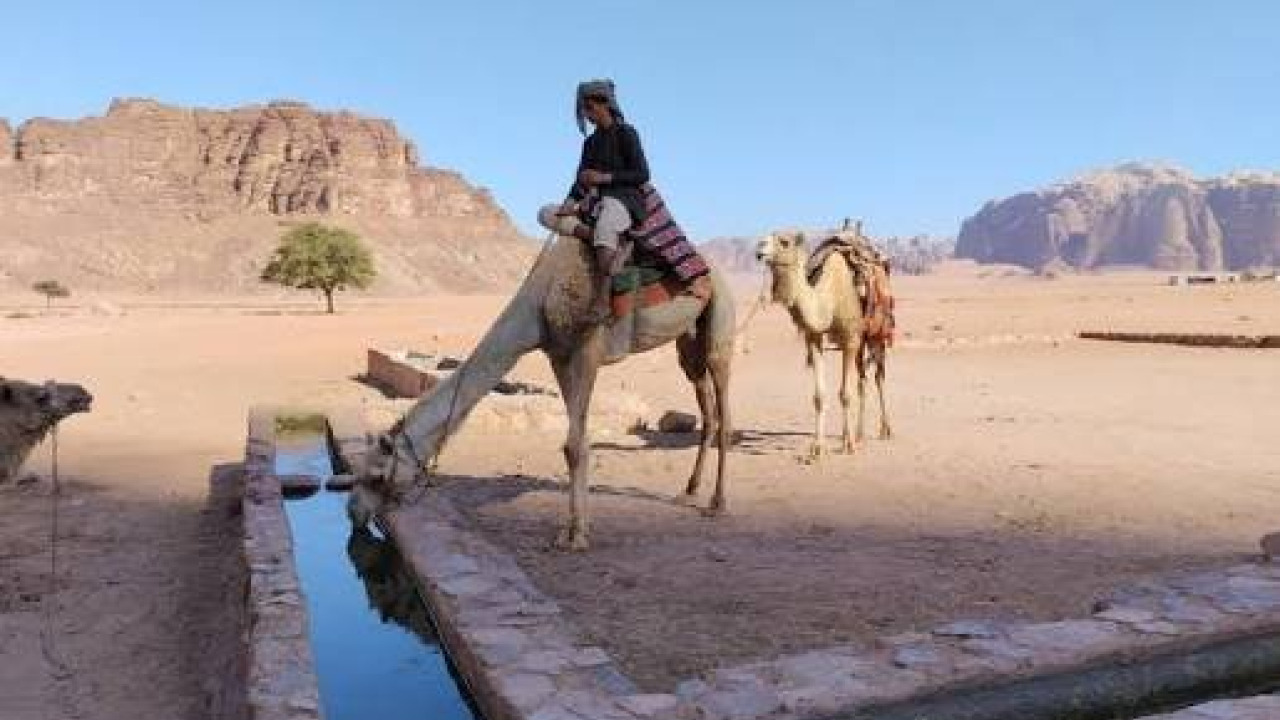

Wadi Rum, located in southern Jordan, is a breathtaking desert landscape where towering sandstone and granite monoliths meet vast stretches of crimson sands. Often referred to as the "Valley of the Moon," the quality of your experience here depends less on your itinerary and more on the calendar. The same 4x4 tour can feel like a refreshing morning exploration in April or a grueling test of endurance in the July heat.
For many travelers, Wadi Rum is a highlight squeezed between visits to Petra and Aqaba, often experienced through a single overnight camp stay. This makes choosing the right month critical: the temperature swing between day and night in the desert is far more extreme than what you'll encounter in Jordan's northern cities. Below, we have broken down the four seasons, the best months for specific activities, and practical logistics regarding transport and entry.
Quick Facts
| Category | Details |
|---|---|
| Location | Southern Jordan, approx. 60 km northeast of Aqaba |
| Also Known As | Valley of the Moon |
| Ideal Visiting Windows | March–May and September–November |
| Challenging Period | June–August (Daytime highs 33-35°C, peaking over 40°C during heatwaves) |
| Winter Nights | Temperatures can drop below freezing |
| Entry Fee | 5 JOD per person; included for Jordan Pass holders |
| Status | Protected area since 1998, UNESCO World Heritage site since 2011 |
| Typical Tour Start | Around 10:00 AM, Wadi Rum Village |
| Distance from Amman | Approx. 320 km, a four-hour drive |
| Distance from Petra (Wadi Musa) | Approx. 105 km |
When to Visit Wadi Rum? The Four Distinct Periods
Seasons in the desert don't always align perfectly with the calendar. Because the rocks and sand store immense energy during the day, the transitions between March and October can shift by a few weeks. Here is what to expect during each phase of the year.
Spring: Early March to Mid-May
Daytime temperatures typically range between 20°C and 34°C, dropping by about ten degrees at night. This is a prime window for hiking, climbing, and extended jeep tours. However, the main challenge isn't the heat, but the wind. Between March and May, the khamsin wind blows from the south, bringing dust and sand that can reduce visibility and blur the crystal-clear horizons photographers crave. Hot air balloon flights are also frequently canceled during these wind spells.
Summer: June, July, and August
July and August are the hottest months across Jordan. In Wadi Rum, average daytime highs hover around 35°C (33°C in June), but heatwaves can easily push temperatures above 40°C. Nights remain mild at around 20°C. Since shade is scarce in the desert, the real struggle occurs during the four to five hours between noon and late afternoon. Summer visitors often split their tours: an early morning block, a long midday break, and a second block near sunset. Overnight camps are generally comfortable as temperatures drop to a pleasant level for sleeping.
Autumn: Late September to November
Daytime temperatures return to the 20–32°C range, while nights settle between 8°C and 16°C. October and November are, along with spring, the most balanced months to visit. The dust-carrying winds are less frequent than in spring, and the skies are remarkably clear. Be mindful that after October, the days shorten rapidly; you'll need to move your sunset plans earlier.
Winter: December, January, and February
Days are mild, ranging from 10°C to 20°C, making a sunny afternoon walk quite pleasant. The real challenge is the night: temperatures can plummet below zero, sometimes reaching -3°C. Since traditional Bedouin tents lack running water and heating, thermal layers, heavy blankets, and sleeping bags are essential. The trade-off for the cold is a serene, uncrowded desert and stunningly clear night skies.
| Period | Daytime | Nighttime | Highlights | Considerations |
|---|---|---|---|---|
| Spring (Mar-May) | 20-34 °C | ~10°C drop | Climbing & long tours | Khamsin wind, dust |
| Summer (Jun-Aug) | Avg 33-35 °C (40°C+ peaks) | Around 20 °C | Fewer crowds at camps | Midday heat |
| Autumn (Sep-Nov) | 20-32 °C | 8-16 °C | Clear skies, balanced heat | Shorter daylight hours |
| Winter (Dec-Feb) | 10-20 °C | Can drop below 0 °C | Quiet desert, open skies | Unheated tents |
The Day-Night Divide: Planning Your Experience
Because the desert surface cannot hold moisture, the heat accumulated during the day vanishes rapidly after sunset. In practical terms, this means you need two different wardrobes for a single day: light, light-colored fabrics for noon, a windbreaker for the late afternoon, and a fleece or jacket for the night. You can expect a temperature swing of 10°C in spring/autumn and up to 20°C in winter.
This fluctuation also dictates your schedule. Climbing sand dunes, trekking through canyons, or visiting rock inscriptions is far easier in the early hours. It is also wise to reach your sunset vantage point early; the 40 minutes immediately following the sunset provide the most vibrant colors, yet many tour groups leave too early and miss this window. When booking, ask your guide how long they stay after the sun dips below the horizon to ensure a high-quality experience.
Activity Guide: Best Months and Timing
Most activities in Wadi Rum are outdoors, each with its own temperature tolerance. The following table helps you align your activities with the right month and time of day.
| Activity | Best Period | Preferred Time | Note |
|---|---|---|---|
| Hot Air Balloon | Oct-Apr | First hour after sunrise | Launches when wind is calm |
| Full-Day 4x4 Tour | Mar-May, Sep-Nov | 10:00 AM Start | Split into two blocks in summer |
| Summit Hiking | Mar-Apr, Oct-Nov | Early Morning | Midday sun makes climbing difficult |
| Stargazing | Autumn & Winter | After dark | Heavy layers required |
| Camel Trek | Oct-Apr | Near sunset | No shade along the routes |
Al Ramal Red Sand Dune
Al Ramal is a striking, soft-textured red sand dune that stands out against the surrounding rocky terrain. Climbing to the top for a panoramic view of the desert is one of the most photographed experiences in the region. Because the sand absorbs heat, it's best to visit this dune in the early morning or late afternoon during summer. Footwear is key here: trekking through deep sand in city shoes is exhausting.
Morning Flights with Balloons Over Rum
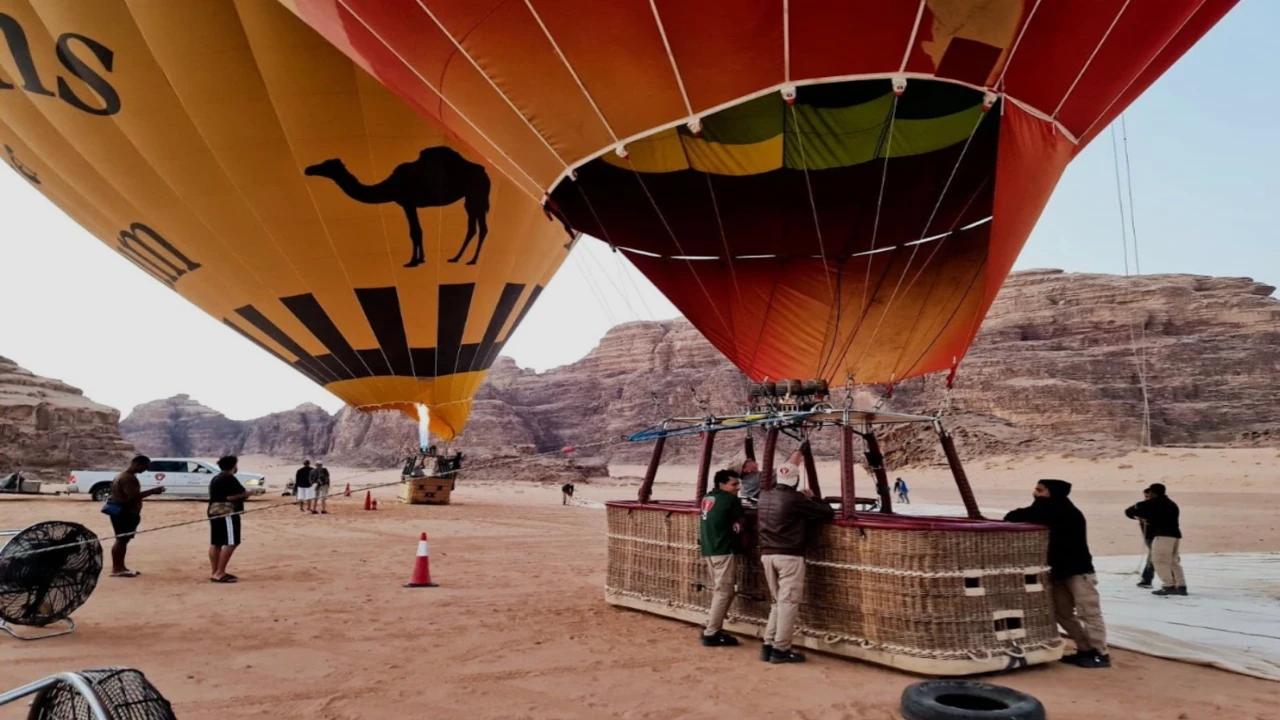
Hot air balloons typically launch from the Disi area of Wadi Rum, offering a bird's-eye view of the desert from about 2,000 feet. Flights take place immediately after sunrise when the air is most stable. The cooler months from October to April are ideal; the extreme heat of July and August, combined with unstable weather, makes flight planning difficult. We recommend booking several days in advance rather than the day before to allow flexibility in case of cancellations.
Hiking Jabal Umm ad Dami
At 1,854 meters, Jabal Umm ad Dami is the highest point in Jordan, located near the Saudi Arabian border. While the ascent doesn't require technical climbing gear, it is a long, shadeless trek. Consequently, early mornings in March-April or October-November are the best times to go. This route is generally avoided in mid-summer. From the summit, you can see the vast sandy plains stretching into the neighboring country. Travelers who love this kind of trekking can also explore similar nature and adventure tours for other destinations.
Lawrence's House and Rock Inscriptions
The region is forever linked to T.E. Lawrence and the Arab Revolt. Lawrence's House and Lawrence's Spring are key stops for history buffs. Lawrence's Spring is often the first stop on most tours, with a short 15-minute scramble up the rocks to a viewpoint. Under the midday sun, this short climb can be surprisingly taxing. You will also encounter rock inscriptions left by the Nabataeans, the architects of Petra. Those interested in these historical layers may also enjoy the itineraries found in our cultural tours section.
How to Get to Wadi Rum
Reaching the desert is a two-step process: first, travel to southern Jordan, then enter the protected area. Here is the flow:
- Choose your entry point: Amman is great for northern cultural routes, while Aqaba provides direct proximity to the south.
- Head South: It is approximately 320 km (a 4-hour drive) from Amman, 105 km from Petra, and 60 km from Aqaba.
- Check-in at the Wadi Rum Visitor Center: This is where you pay the entry fee or register your Jordan Pass.
- Proceed to Wadi Rum Village: It is about 8 km (a 10-minute drive) from the Visitor Center to the village, which serves as the primary meeting point for tour operators.
- Transfer to your Camp: Most camps are a 20-minute 4x4 drive from the village. This leg must be done with a licensed guide's vehicle, not your own.
| Departure Point | Distance | Drive Time | Options |
|---|---|---|---|
| Amman | ~320 km | ~4 hours | Private transfer, rental car, daily bus |
| Petra (Wadi Musa) | ~105 km | ~2 hours | Transfer, rental car |
| Aqaba | ~60 km | ~1 hour | Transfer, rental car |
There is a daily morning bus service between Amman and Wadi Rum; as of summer 2026, tickets are approximately 20 JOD, with return departures in the late afternoon. While the bus is budget-friendly, it may limit your time for sunset activities.
Entry Fees: Jordan Pass and Visiting Logistics
Entry to the Wadi Rum Protected Area costs 5 JOD per person, payable at the Wadi Rum Visitor Center. The center also has a few souvenir shops, snack bars, and restrooms. Since this fee is often not included in the price of jeep tours, be sure to budget for it separately.
For those using the Jordan Pass, this entry is included. Your choice of pass depends on your seasonal plan. For a short summer trip with one day in Petra, the Jordan Wanderer (70 JOD) is sufficient. For a spring or autumn trip spending two days in Petra, the Jordan Explorer (75 JOD) covers two consecutive days. Those wanting three consecutive days should opt for the Jordan Expert (80 JOD). All three tiers waive the visa fee if purchased before arrival and if you stay in Jordan for at least three nights; otherwise, the visa fee is collected upon departure.
Please note that private vehicles are not allowed in the interior of the desert; access is strictly via licensed 4x4 tours. Tours typically start around 10:00 AM from Wadi Rum Village. Half-day, six-hour, and full-day options are available, adjusting the duration based on the season is the smartest approach.
Choosing Your Camp and Accommodation by Season
Accommodation in Wadi Rum usually consists of Bedouin camps, and your choice should depend on the weather.
- Most camps feature a central gathering tent surrounded by eight to ten guest tents. Traditional tents are woven from goat hair and set on wooden platforms.
- Traditional tents lack running water and heating. In winter, request extra heavy blankets or look for camps that offer heated room options.
- In summer, air-conditioned "deluxe" or "bubble" tents are highly recommended. Some camps have also added Wi-Fi in recent years.
- The drive from the village to the camps takes about 20 minutes by 4x4. If you plan to arrive after dark, coordinate your meeting time with the camp in advance.
- Alcohol is not sold in Wadi Rum village; if needed, it must be purchased in Aqaba.
- If you wish to sleep under the stars, camp staff may warn you about scorpions; it is always safer to make this decision in consultation with your local guide.
Seasonal Packing List
In the desert, a single missing item can ruin your day. Here is what to pack based on the season:
- Year-Round: Wide-mouth water bottle, sunglasses, high-SPF sunscreen, a hat or shemagh (traditional scarf), and closed-toe hiking shoes with good grip.
- Spring & Autumn: Light windbreaker, fleece for the evening, and a scarf or cloth to cover your nose and mouth during dust storms.
- Summer: Light-colored, long-sleeved breathable fabrics, extra water capacity, electrolyte supplements, and a plan for shaded midday breaks.
- Winter: Thermal base layers, a heavy jacket, beanie, gloves, and a sleeping bag or request for extra blankets.
- Photography & Night: Sand-proof covers for gear, a headlamp, and a high-capacity power bank, as charging options in desert camps can be limited.
If you want to combine your desert experience with city visits, consider adding stops around Amman to your itinerary. You can find similar structured itineraries on our historical city tours page.
Frequently Asked Questions 6
When is the best time to visit Wadi Rum?
The most balanced conditions are found between March and May, and September and November. During these months, daytime temperatures stay between 20°C and 34°C, and nights are comfortable for sleeping. March-April and October-November are particularly ideal for those wanting to combine a full-day tour with an overnight camp stay.
Can you take a desert tour in Wadi Rum during the summer?
Yes, but the schedule changes. Between June and August, daytime highs average 33-35°C and can exceed 40°C during heatwaves. Tours are typically split into an early morning session and a late afternoon session near sunset. Midday is spent resting in the shade; hydration and light-colored, long-sleeved clothing are essential.
How much does the temperature drop at night in Wadi Rum?
It varies by season. Summer nights stay around 20°C, while autumn nights drop to between 8°C and 16°C. In winter, temperatures can fall below freezing, sometimes reaching -3°C. Since Bedouin tents aren't heated, thermal layers and extra blankets are a must from December to February.
When are hot air balloon tours available in Wadi Rum?
Balloon flights generally operate during the cooler months, from October to April. Launches happen just after sunrise when the wind is calmest, offering views from about 2,000 feet. The extreme heat of July and August is unsuitable for this activity, and spring flights may be canceled due to dust-carrying winds.
Which city is the most convenient starting point for Wadi Rum?
Amman is about 320 km away (a 4-hour drive), with daily morning bus services available (approx. 20 JOD as of summer 2026, returning in the afternoon). For those coming from Petra, the distance is only about 105 km, and from Aqaba, it is approximately 60 km.
How much is the Wadi Rum entry fee, and does the Jordan Pass cover it?
The entry fee is 5 JOD per person, payable at the Wadi Rum Visitor Center. This is included for Jordan Pass holders. Pass tiers (70, 75, or 80 JOD) vary based on how many days you spend in Petra. Since the entry fee is often not included in jeep tour prices, it should be a separate line item in your budget.