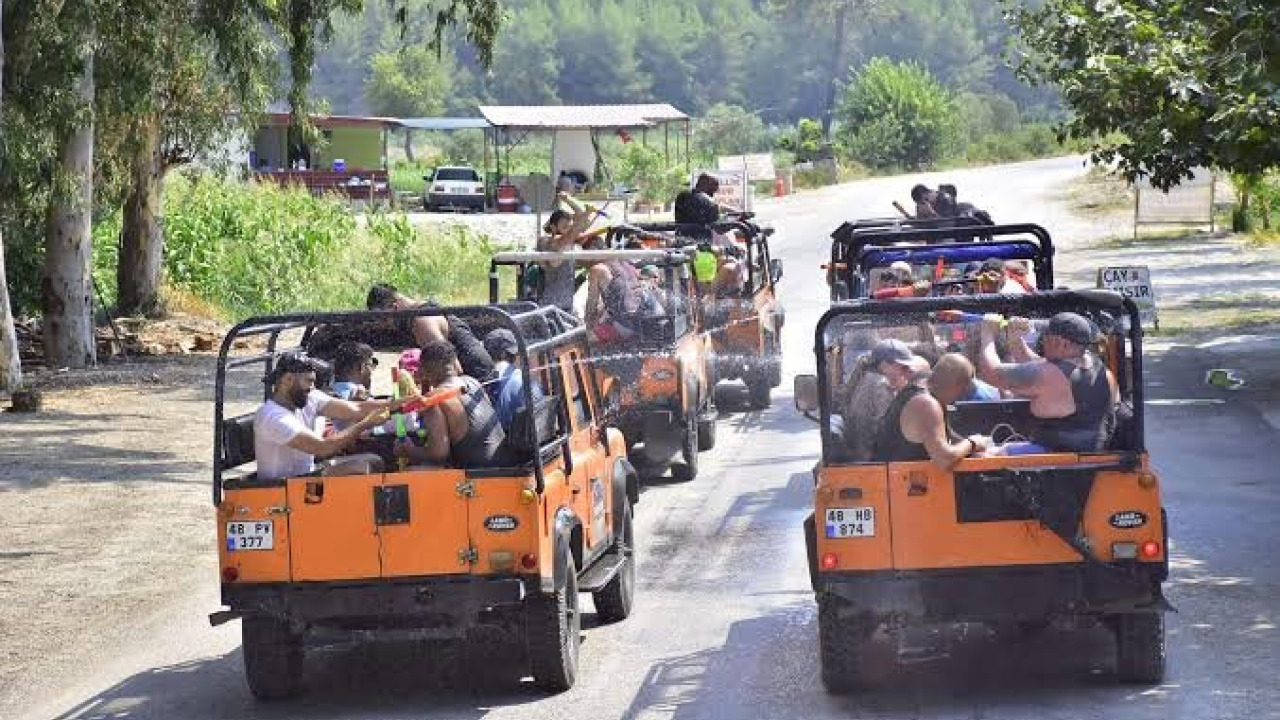

Off-road trails, winding through muddy paths, riverbeds, volcanic valleys, and pine forests, offer some of the most exhilarating outdoor adventures for nature lovers. For those eager to conquer obstacles with four-wheeled off-road vehicles and enjoy the thrill of dusty routes, ATV / Quad Safari tours provide a rich variety of trails and professional guiding services. To ensure a fun-filled day in challenging terrain, it's crucial to adhere to specific rules and safety standards.
A fundamental question for first-time visitors planning these tours is whether a Class B driver's license is mandatory. On private, closed off-road tracks and during guided convoy rides, a standard driver's license is generally not required. However, for sections connected to public roads or when operating a vehicle independently, legal age and safety requirements come into play.
Quick Facts: All About Off-Road Vehicles and Trail Standards
| Category & Feature | Practical Info for Riders & Visitors |
|---|---|
| Legal Framework | Forestry Directorate Fire Roads Directive & Highways Off-Road Vehicle Regulation |
| License Requirement | No license required on private, closed circuits; Class B needed for public roads |
| Minimum Driver Age | Minimum 18 years old to drive solo |
| Passenger Age | 7-12 years old can ride as a passenger behind a parent on two-seater tandem vehicles |
| Mandatory Safety Gear | Full-face helmet, protective goggles, dust mask, and knee pads |
| Tour Duration | Typically 2 hours of active riding or half-day canyon programs |
| Recommended Attire | Comfortable cotton clothes (that you don't mind getting dirty), athletic shoes, and a bandana |
Explore Turkey's Most Popular Valley and Forest Trails
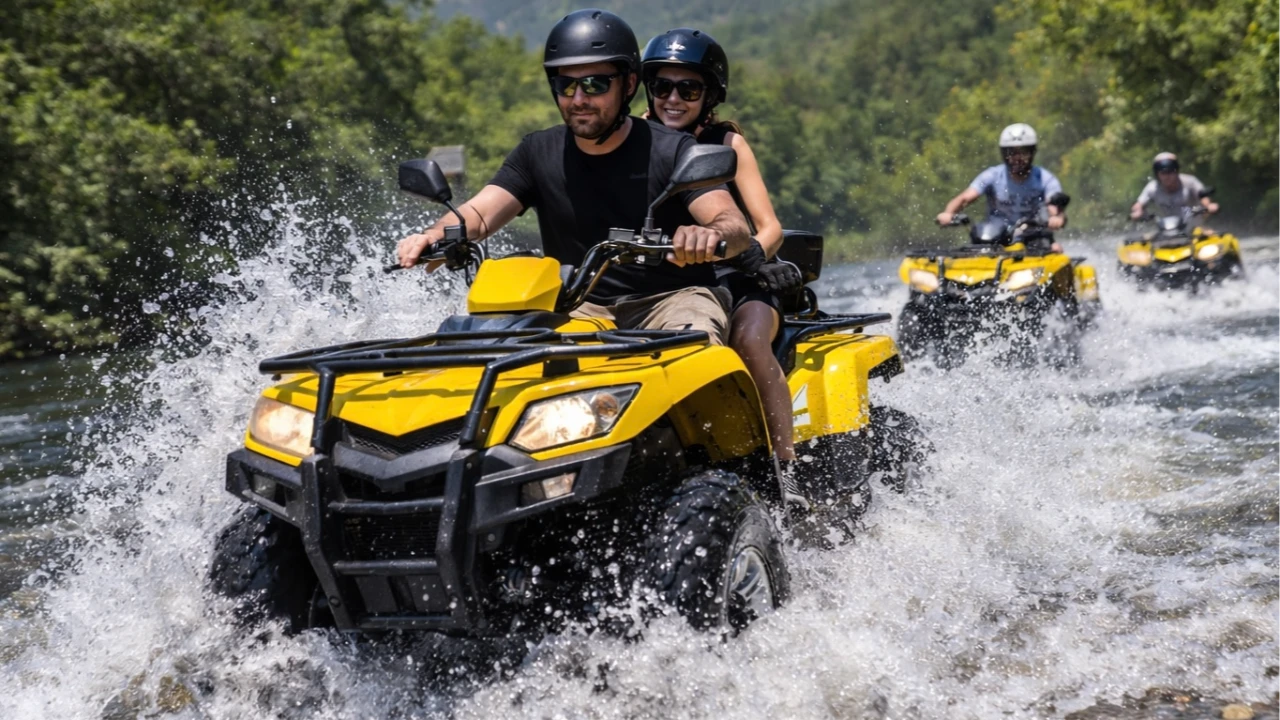
Turkey's rich topographical structure offers unique natural trails for four-wheel-drive off-road adventures. Those looking to experience pine forests and cool river crossings at the foothills of the Taurus Mountains along the Mediterranean coast often choose Antalya ATV Safari routes. The water crossings on these trails provide a refreshing ride in the summer months, mitigating the effects of dust.
For a safe and enjoyable ride amidst olive groves and rural paths in the Aegean region, Aydın ATV Safari offers excellent terrain alternatives. And for gliding through fairy chimneys, tuff valleys, and ancient rock settlements, Cappadocia ATV Safari and Nevşehir ATV Safari promise some of the world's most breathtaking photo opportunities at sunset.
Driver's Licenses and Legal Responsibilities for Off-Road Vehicles
ATVs (All-Terrain Vehicles) are four-wheeled motorized vehicles specifically designed for off-road conditions. Before riding on private tracks operated by agencies in tourist centers, guides provide training on throttle, brakes, and weight distribution. Since the provisions of the Highway Traffic Law do not directly apply in these closed areas, presenting a Class B driver's license is not mandatory.
However, if the route includes village roads, asphalt connecting lines, or state highways, the vehicles must comply with traffic regulations. On such trails, it is a legal requirement for the driver to possess at least a Class B car or A2 motorcycle license. Driving on public roads without a license can lead to severe traffic fines and vehicle impoundment.
Before each tour, agencies require every guest to sign a detailed riding commitment and accident insurance agreement. Participants are legally responsible for adhering to convoy discipline, maintaining a safe following distance from the vehicle ahead, and obeying the guide's instructions for passing. Driving under the influence of alcohol or drugs is strictly prohibited and completely invalidates insurance coverage.
Tour operators have the authority to conduct breathalyzer tests on the trail premises and to bar participants who do not comply with the rules. Drivers who drift or endanger other vehicles with risky maneuvers, ignoring the convoy leader's warnings, will be stopped for safety reasons. A disciplined and responsible riding approach ensures that the entire group can peacefully enjoy this outdoor activity.
Single vs. Two-Seater Off-Road Vehicles: A Comparison
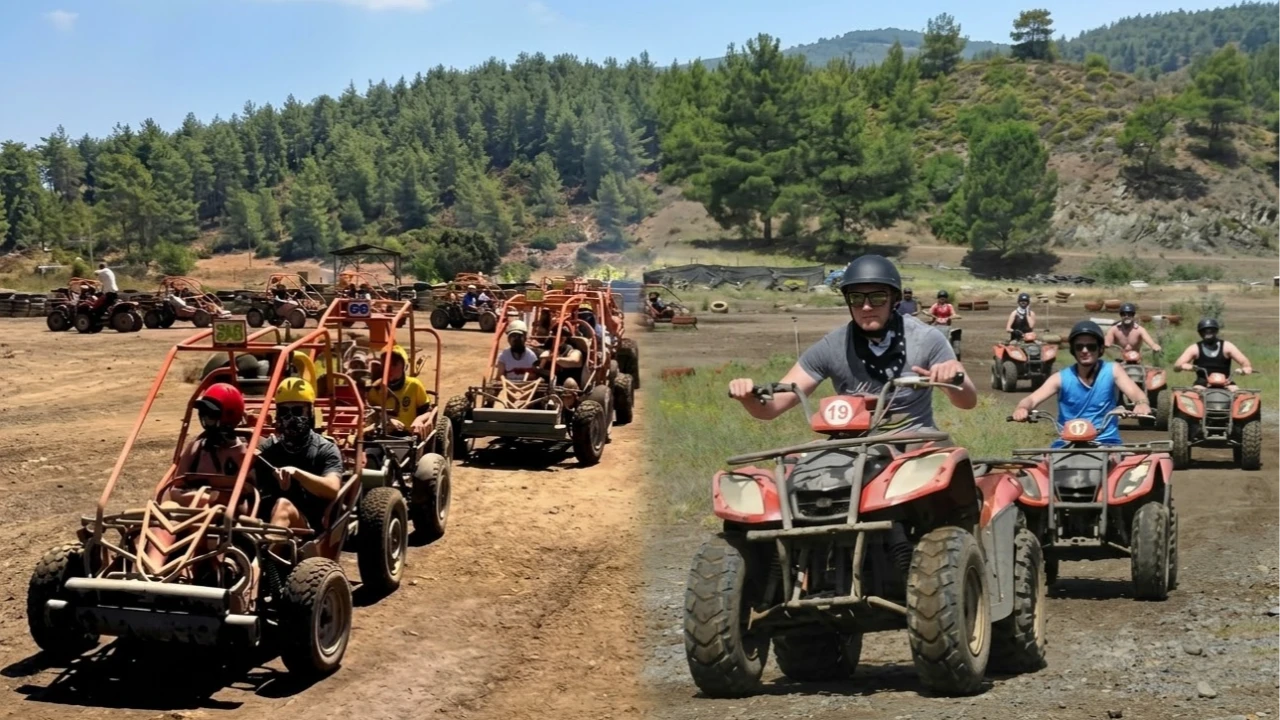
Off-road vehicles used in safari tours are available as single-seater (solo) or two-seater (tandem) options, depending on their engine displacement and body structure. The choice of vehicle type should be determined by the rider's physical condition, off-road experience, and whether they have a passenger.
The table below compares the most commonly used off-road vehicle classes and their operational characteristics at tourism stations:
| Vehicle Type & Class | Engine Displacement (cc) | Seating Capacity | Traction & Stability | Ideal Rider Level |
|---|---|---|---|---|
| Entry-Level Single ATV | 150 - 250 cc | 1 Person (Max 100 kg) | High maneuverability, lightweight frame | First-time riders & younger drivers |
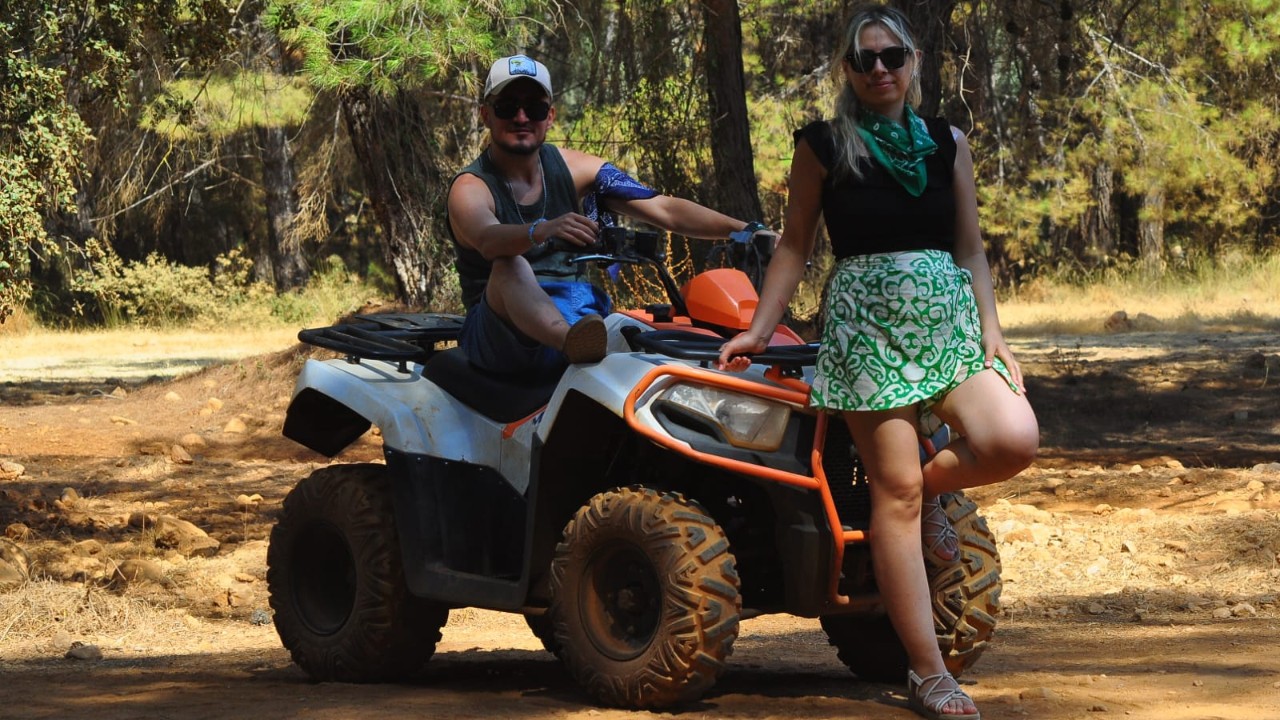
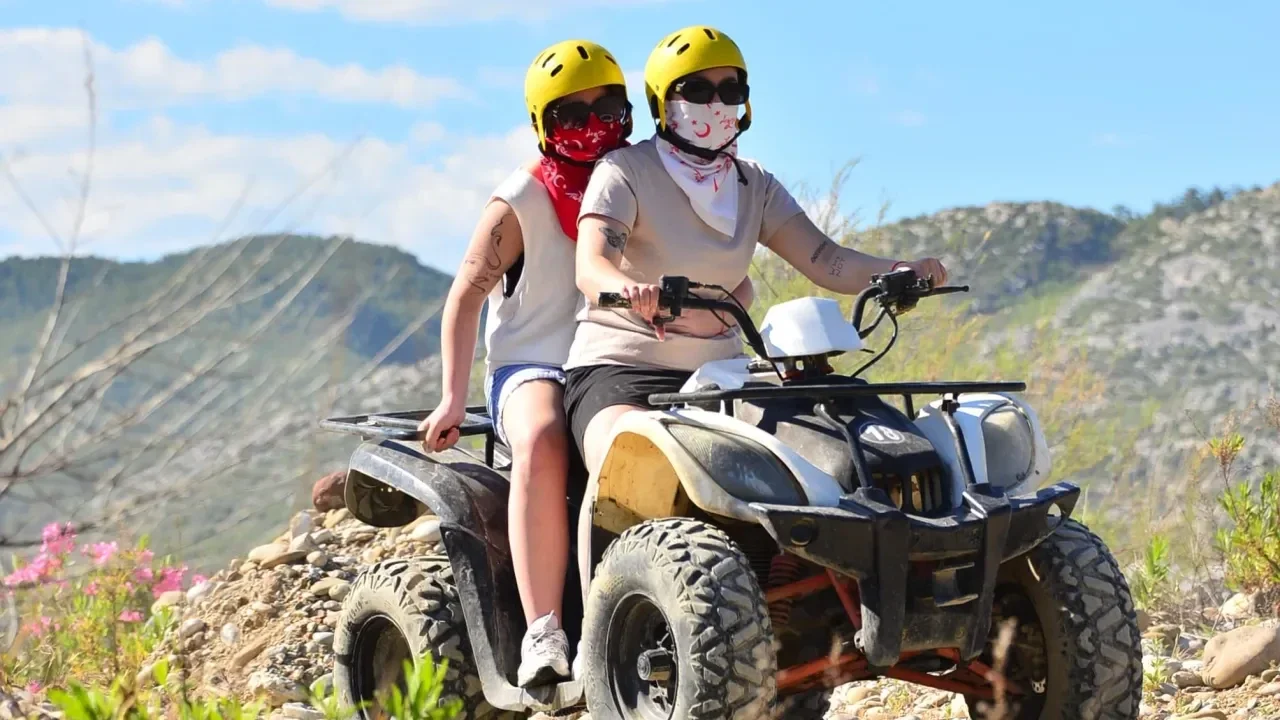
| Tandem Two-Seater ATV | 300 - 450 cc | 2 People (Max 180 kg) | Balanced chassis, rear grab bars | Couples, parent-child pairs |
| Heavy-Duty 4x4 Quad | 500 - 800 cc | 1 - 2 People (Max 220 kg) | Locking differential, deep mud tires | Challenging canyons & steep highland climbs |
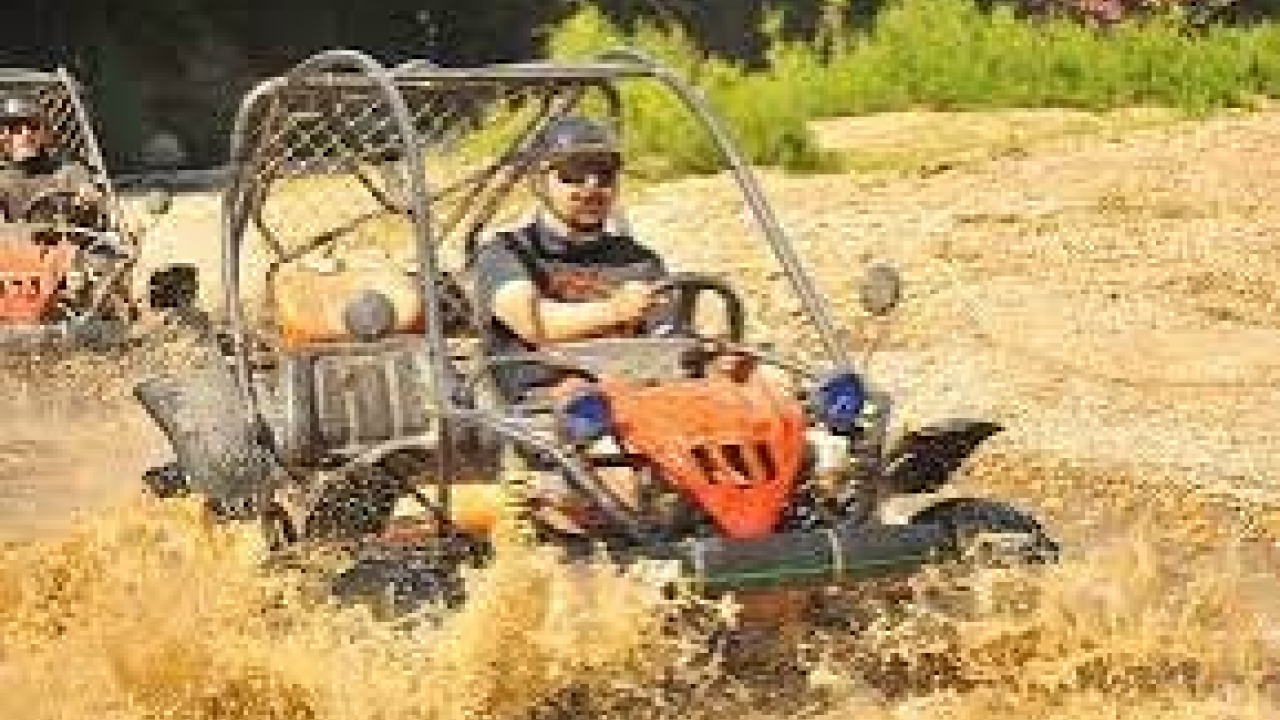
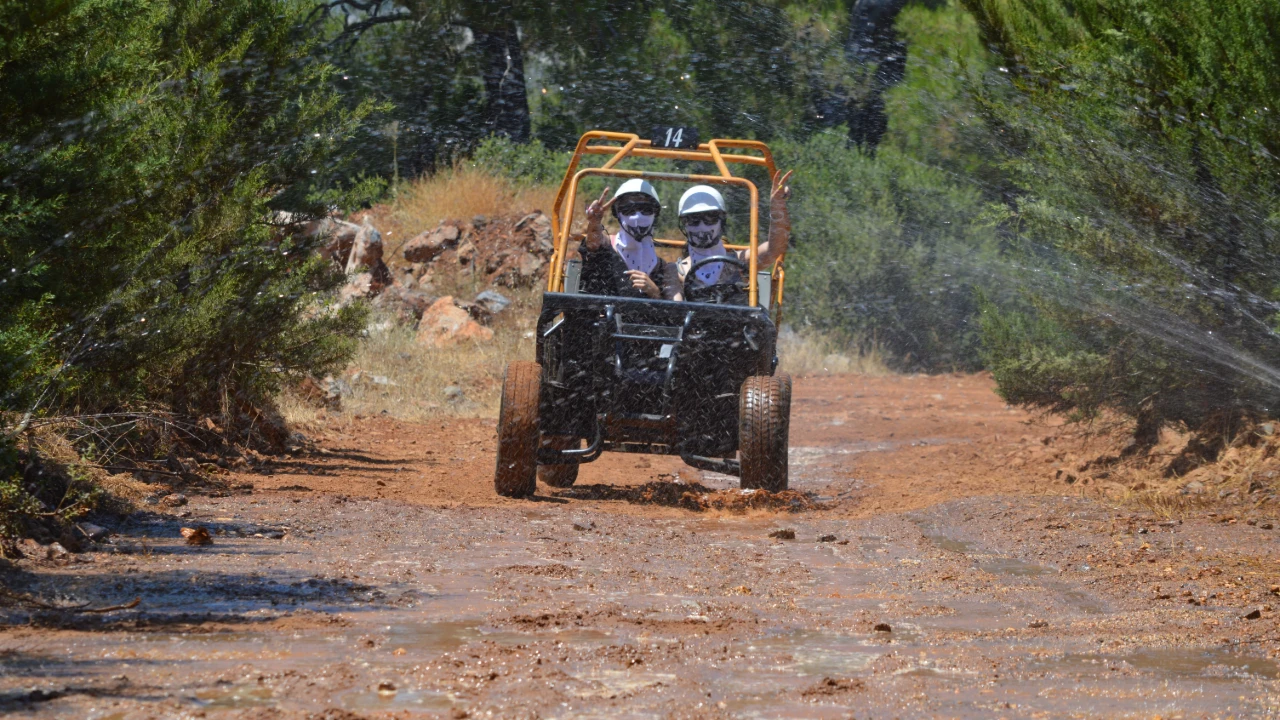
| Side-by-Side UTV / Buggy | 600 - 1000 cc | 2 People (Roll-cage protected) | Steering wheel, car-like driving | Those hesitant about handlebars & families |
In tandem vehicles, the passenger in the back seat must lean their body weight in the same direction as the driver during sudden turns. Leaning in the opposite direction can cause two wheels to lift off the ground on turns, increasing the risk of overturning. Therefore, in tandem usage, the passenger briefing should be listened to as diligently as the driver's training.
Your 5-Step Safety Protocol for a Secure Off-Road Ride
To avoid unexpected rollovers or loss of control on natural trails, a disciplined safety check should be performed before every ride. These standard steps, identified by off-road driving experts, help eliminate all accident risks.
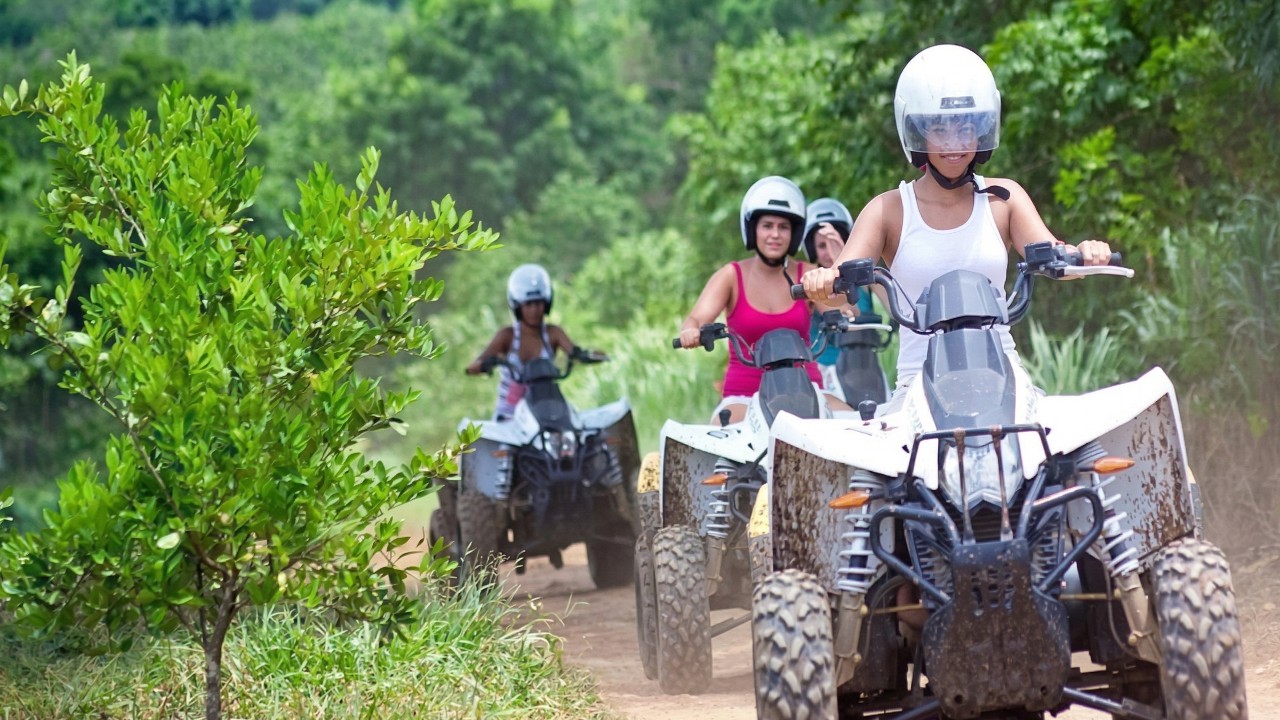
- Don Your Personal Safety Gear: A properly fitting helmet must be fastened under the chin, protective goggles to prevent dust from entering the eyes, and a breathable filter mask should be worn.
- Perform Control and Brake Tests: The sensitivity of the thumb throttle and the tightness of the hand and foot brakes should be checked before starting the vehicle.
- Warm-Up Lap on the Practice Track: Before joining the main convoy, a 5-minute familiarization ride should be taken on the station's test area to understand turning angles.
- Maintain Safe Following Distance in the Convoy: While riding, leave at least 10 meters between your vehicle and the one ahead, avoiding sudden braking and unnecessary overtaking.
- Balance Your Body Weight on Turns: When entering sharp turns, reduce speed and slightly lean your body weight towards the inside of the turn to balance the centrifugal force.
When these five rules are strictly followed, four-wheeled vehicles transform into some of the world's most enjoyable and safest off-road transports. Keeping your fingers on the handlebars at all times and your feet continuously on the foot platforms protects you from ground impacts. The driver keeping their eyes on the tire tracks ahead allows them to spot surprise potholes and rock impacts in advance.
Riding Tips for Dusty, Muddy, and Natural Terrain Conditions
In summer, dry valley soils can turn into dense dust clouds as vehicles pass. Polarized goggles and breathable fabric masks are vital for drivers at the back of the convoy to maintain visibility. In dense dust waves where visibility drops to zero, the safest option is to stop the vehicle and wait for the dust to clear.
On muddy and wet trails, pressing the throttle suddenly and hard will cause the tires to spin (skid) and the vehicle to get stuck. When entering mud puddles, it's best to enter at a constant RPM and proceed in a straight line without turning the handlebars to increase traction. Dangling feet outside the vehicle is prohibited as it can lead to ankle injuries from mud splashes or stone impacts.
On volcanic tuff terrains like Cappadocia, it's crucial to stay within the designated trail tracks to prevent tires from sinking into the sand layer. Maneuvering too close to the natural rock formations and fairy chimneys of the valleys can damage cultural heritage. Following an environmentally conscious route preserves the historical fabric while instilling a sportsmanship in harmony with nature.
For riders wishing to immortalize their trail memories, chest mounts or helmet-mounted action cameras are the most reliable choice. Trying to film with a cellphone held in one hand while riding can compromise handlebar control and create a risk of overturning. Securing devices with dustproof and waterproof cases completely eliminates the risk of electronic damage in rugged terrain.
Safety Standards for Children and Family Participation
Off-road safaris are a fantastic weekend activity for parents who want to spend time in nature as a family. However, children's safety is subject to much more sensitive rules than adults'. Children under seven years old are not permitted to participate in these tours as their height and gripping abilities are not suitable for off-road jolts.
For children between seven and twelve years old, child helmets and special back protectors must be provided. The child must always sit in the special passenger seat behind the parent, not in front, and firmly grasp the grab bars with both hands. Placing the child in front and letting them hold the handlebars is strictly prohibited as sudden jolts can cause the handlebars to hit their chest.
Convoy guides reduce speed limits by thirty percent for groups with children and bypass excessively bumpy jump points. During rest stops, children should be given water to drink, and their faces should be washed with clean water to prevent dust irritation. When safety standards are met, this adventure becomes an unforgettable experience for children, instilling a love for nature.
Frequently Asked Questions 5
Is a driver's license required for an ATV safari?
No, a Class B driver's license is not mandatory for private tourism tracks and guided convoy rides. Basic throttle and brake briefings are provided by station instructors before the ride. However, a Class B driver's license is legally required on routes that include public highways.
Can children and families participate in an ATV safari?
Yes, children typically between 7 and 12 years old can participate as passengers behind their parents on two-seater tandem vehicles. The legal minimum age to drive solo is 18. Participation of children under 7 years old on bumpy trails is not recommended for safety reasons.
Are helmets and protective gear mandatory when riding an ATV?
Yes, wearing a full-face helmet is a legal requirement and is provided free of charge by the agency. Additionally, wearing protective goggles and a bandana or dust mask is recommended to protect the eyes and mouth from heavy dust.
Is it possible to get wet or muddy on the trails?
Getting clothes dirty and wet is an inevitable part of the experience on water-crossing and natural mud trails. Therefore, participants are advised to wear old, comfortable clothes that they don't mind getting dirty, and to bring spare clothes and shoes.
Where are Turkey's most popular ATV and Quad safari trails located?
The valleys of Cappadocia (Love Valley, Swords Valley, Rose Valley), the pine forests of Antalya Kemer and the foothills of Göynük Kanyonu, along with the area around Fethiye Kayaköy, host Turkey's most active and scenic trails.