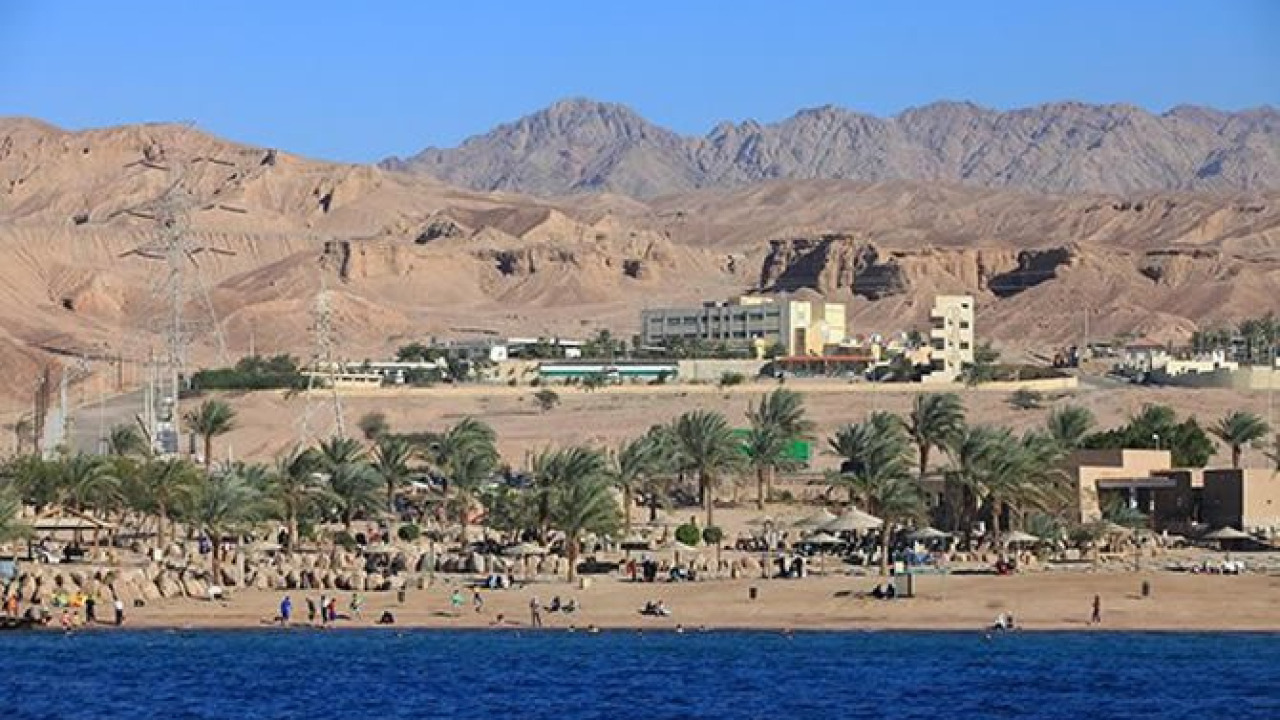

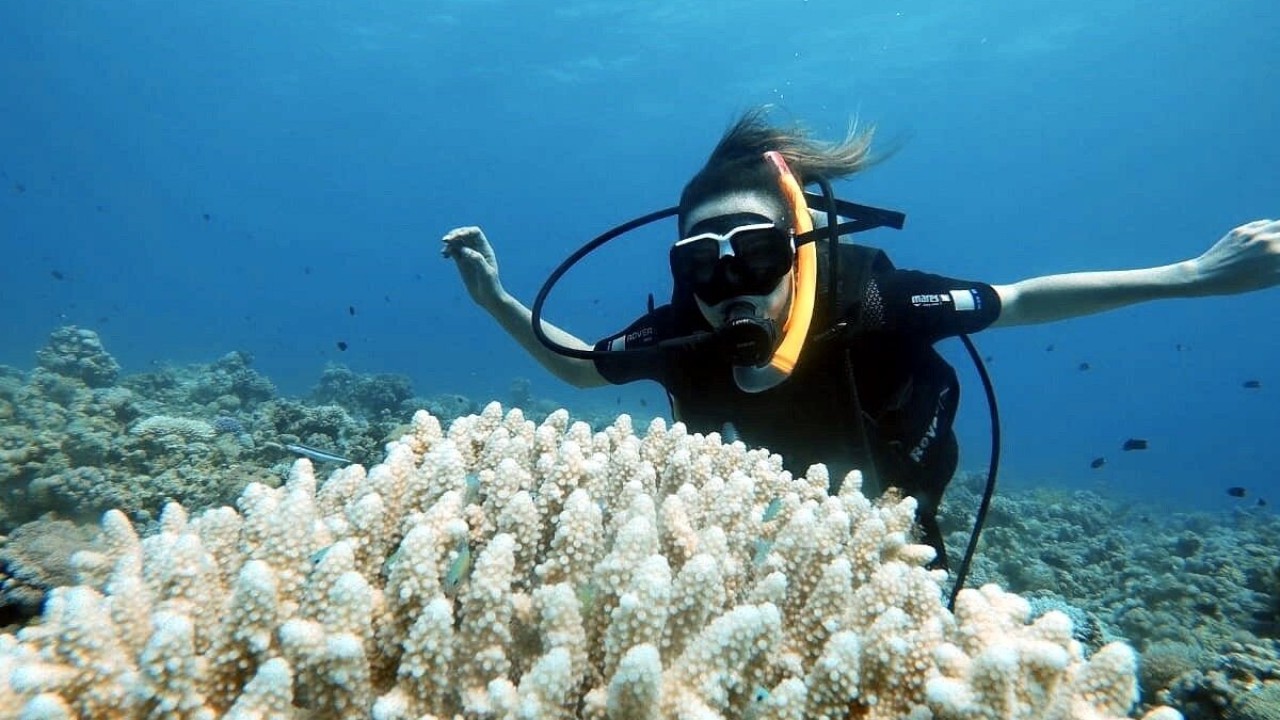
In Aqaba, Jordan's gateway to the Red Sea, the real magic begins just a few strokes away from the shoreline. The Gulf of Aqaba is home to the northernmost tropical coral reefs in the world, offering a surreal underwater landscape. With water temperatures hovering between 20-28°C year-round, virtually no strong currents, and many sites accessible directly from the beach, it is a paradise for both seasoned divers and first-time snorkelers. This guide explores the rules of the Aqaba Marine Reserve (established in 1997), the best shore-entry reef trails, iconic wrecks like the Cedar Pride, and a practical roadmap for planning your diving season.
Quick Facts
| Category | Details |
|---|---|
| Location | Southern Jordan, Gulf of Aqaba |
| Protected Area | Aqaba Marine Reserve (est. 1997), approx. 2.8 km² |
| Dive Sites | 19 designated sites, mostly shore-accessible |
| Water Temp | Approx. 20-28 °C throughout the year |
| Visibility | Generally 20+ meters |
| Flight | Approx. 2h 45m from Istanbul to AQJ |
| Visa | Turkish passport holders: Visa-free up to 90 days within 180 days |
| Currency | Jordanian Dinar (JOD) |
The Gulf of Aqaba: The World's Northernmost Coral Reef
The Gulf is a narrow waterway where the coasts of Egypt, Israel, Jordan, and Saudi Arabia converge, marking the absolute northern limit of tropical reef systems.
What Makes the Water Here Unique?
The surface remains calm on most days, and the absence of significant currents lowers the barrier for beginners. The stable temperature range allows for diving twelve months a year with the right gear. Visibility typically exceeds 20 meters, though late autumn winds can occasionally cloud the waters.
Marine Life: What to Expect?
The Red Sea is renowned for its biodiversity, with roughly 346 species of hard corals recorded, about 6% of which are endemic. Official counts for the marine park list over 127 coral and 450 fish species, though current inventories suggest even higher numbers. You'll spot clownfish, butterflyfish, and parrotfish year-round. From April to October, keep an eye out for eagle rays and green sea turtles, while February is the prime window for manta rays.
Aqaba Marine Reserve: Reef Etiquette and Rules
Scope of the Reserve
Established as a marine park in 1997 and upgraded to a marine reserve in 2020, the area covers a 7-kilometer stretch of Jordan's 27-kilometer coastline. Managed by the Aqaba Special Economic Zone Authority, diving is permitted but strictly directed toward designated sites to protect the ecosystem.
The Golden Rules of the Reef
- Look, don't touch: Never touch or step on the coral; keep your fins close to your body.
- Leave no trace: Do not collect coral fragments, shells, or starfish.
- No feeding: Feeding fish disrupts their natural foraging behavior and disrupts the ecological balance.
- Respect the site: Do not attempt to capture marine life or enter wrecks without authorization.
- Eco-friendly choices: Use reef-safe sunscreen and ensure no waste is left behind.
Where to Find the Best Coral Reefs in Aqaba?
Aside from a few southern spots, most entries are made directly from the shore.
| Site | Depth | Access | Highlight |
|---|---|---|---|
| Japanese Garden | 5-25 m | Shore | Expansive coral gardens |
| Gorgonian I & II | 10-25 m | Shore | Dense sea fan concentrations |
| Long Swim | 5-20 m | Shore | A 700-meter reef line |
| Aquarium Coral Garden | 5-18 m | Shore | High diversity of shallow-water fish |
| Black Rock | 6-25 m | Shore | Stunning hard and soft coral walls |
| Cedar Pride | 7-27 m | Shore/Boat | A shipwreck turned artificial reef |
| Saudi Border Wall | 10-30 m | Boat | A dramatic coral wall along the border |
Which Site is Right for You?
The Japanese Garden and Cedar Pride are often paired in a single itinerary. At Long Swim, corals are sparse at the northern end and become denser as you move south. For snorkelers and newly certified divers, the Aquarium Coral Garden and Black Rock are the best choices due to their shallow profiles.
The Wrecks: Cedar Pride and the Underwater Military Museum
Cedar Pride
This Lebanese-flagged cargo ship was damaged in a fire in 1982 and intentionally sunk in 1985 about 150 meters offshore to create an artificial reef. The hull rests on two reefs, leaning to the port side. The upper structures sit around 7 meters, while the deepest point reaches 27 meters. Today, it is draped in soft corals and sea fans, providing a sanctuary for lionfish and barracudas.
The Underwater Military Museum & Aircraft Wrecks
In 2019, twenty-one decommissioned military vehicles were placed in a tactical formation near the shore. The collection includes Cobra helicopters, Ferret armored cars, M42 anti-aircraft tanks, and ambulances, scattered between 15 and 28 meters. In the same vicinity, a C-130 Hercules (sunk in 2017) lies at 17 meters, and a Lockheed TriStar (sunk in 2019) rests between 15-28 meters. Note that the M42 tank from 1999 is a separate artificial reef located at a shallower 6 meters.
A Day of Diving in Aqaba: Step-by-Step
- Coordinate with your center: Finalize your paperwork, dive suit size, and meeting time at the dive shop.
- Reach the site: Shore dives are a quick drive away; boat trips typically take about an hour to reach the deeper spots.
- Briefing: First-timers will receive a tutorial on equipment, breathing techniques, and essential hand signals.
- The Dive: Groups are usually kept small (3-4 people), each accompanied by a certified dive guide.
- Wrap-up: Boat tours usually stop at two sites. At the end of the day, your guide will often share the underwater photos they took.
Based on 2026 price lists, a "discovery dive" (introductory) is approximately 40 JOD, while a two-dive shore package is around 60 JOD. Always confirm current pricing with the operator before booking.
How to Get to Aqaba from Turkey?
- By Air: Direct flights from Istanbul to King Hussein International Airport (AQJ) take about 2 hours and 45 minutes. Connecting flights are also available.
- Via Amman: Alternatively, fly into Amman and travel by road; the distance is roughly 330 km, taking about 4 hours.
- Visa Info: Turkish passport holders are visa-exempt for up to 90 days within a 180-day period. Be mindful of overstay penalties.
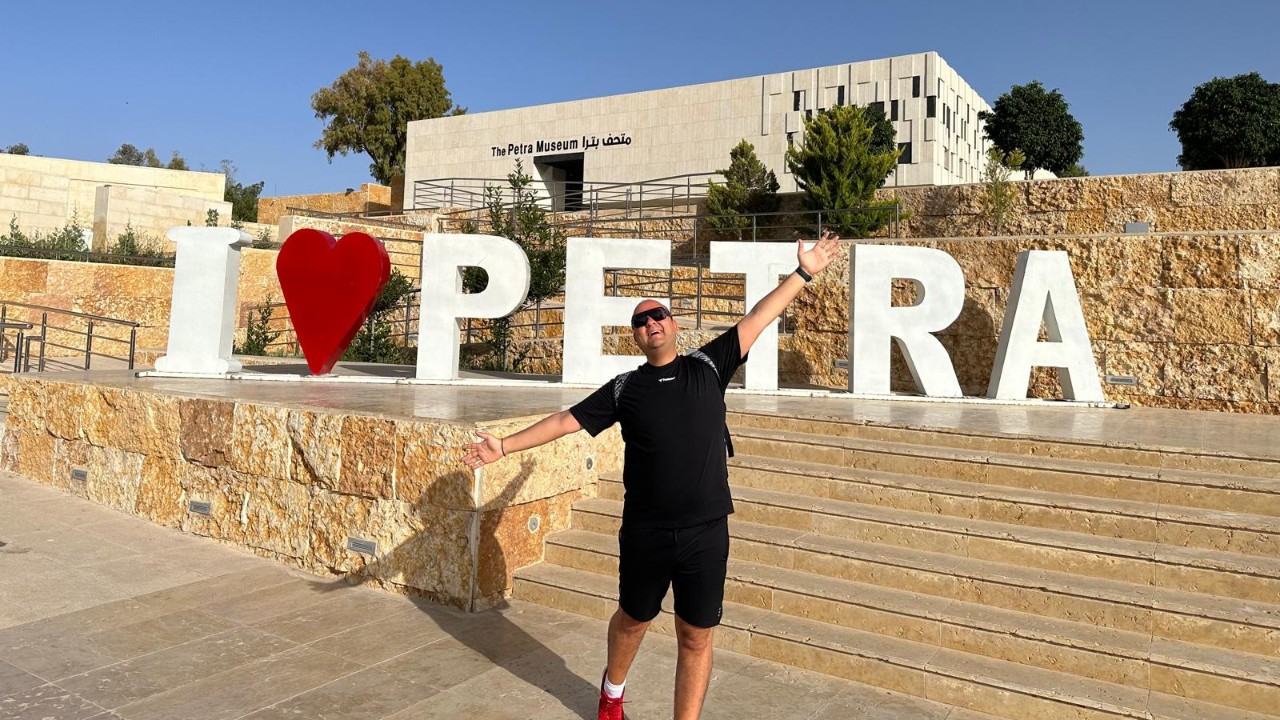
- Pro Tip: Purchase the Jordan Pass before your flight to cover entry to Petra and Wadi Rum (including the 5 JOD Wadi Rum entry fee).
For desert adventures, check out our nature and adventure tours, and for ancient city routes, visit our historical city tours pages. For a deeper dive into certification and specific site planning, our Aqaba diving and snorkeling guide is the perfect companion to this article.
When to Visit?
| Period | Weather | Underwater Conditions | Note |
|---|---|---|---|
| Oct - Apr | Mild, usually 20°C+ during the day | Water 20-24°C, occasional wind | Perfect for combining with Petra & Wadi Rum |
| Apr - Oct | Warming up | Increase in eagle rays and turtles | Best window for spotting megafauna |
| Jun - Aug | 35°C+ during the day | Water at its warmest | The city comes alive after 6:00 PM |
| February | Cool and calm | Manta ray season | Lowest crowds |
Beyond the Water: Forts, Ayla, and Bird Watching
When you're not underwater, the city center offers plenty to explore. You can easily add cultural tours to your itinerary.
Aqaba Fort
Located in the port area, this fort dates back to the Mamluk period. It features a prison section, stables, and a dedicated area for carrier pigeons. The second floor offers a panoramic view of the city center and the gulf. The adjacent Aqaba Museum provides great insight into the city's maritime history.
Ancient Islamic City of Ayla
Founded around 650 AD, Ayla is known as the first Islamic city built outside the Arabian Peninsula. Visitors can explore the city walls, mosque foundations, and towers, with informative signage explaining the function of each structure.
Aqaba Bird Observatory
Located near the Wadi Araba border crossing, this station manages a 0.5 km² artificial wetland fed by treated water. Because Aqaba sits on the migration route between Eurasia and Africa, over 1.5 million waterfowl pass through annually; 271 bird species have been recorded here. It serves as a serene transition point before heading to the desert landscapes of the Wadi Rum Protected Area.
Frequently Asked Questions 5
Do I need a diving certification to see the coral reefs in Aqaba?
No. For those without a license, instructors offer 'discovery dives' (introductory dives). Additionally, you can see stunning corals simply by snorkeling at shallow sites like Aquarium Coral Garden and Black Rock.
Can I reach the Cedar Pride shipwreck from the shore?
Yes. The wreck is about 150 meters offshore with a fixed buoy attached to the stern. It is accessible via both shore dives and boat trips. Since the deepest point is 27 meters, proper depth planning is required.
Is it possible to see the Underwater Military Museum while snorkeling?
Because the vehicles are positioned between 15 and 28 meters, the details are not clearly visible while snorkeling. Exploring the full layout requires scuba gear. For those looking for a shallow wreck, the M42 tank (placed in 1999 at 6 meters) is a better option.
Where are the corals most dense in Aqaba?
Gorgonian I and II are considered some of the most coral-dense spots in the gulf. Japanese Garden offers a vast coral meadow, and the southern end of the Long Swim line is significantly denser than its northern start.
Is it forbidden to touch the reef in the Aqaba Marine Reserve?
Yes. Touching or stepping on coral, as well as removing coral fragments, shells, or starfish, is strictly prohibited. Feeding the fish is also discouraged as it disrupts their natural diet and behavior.