
Fatih is a district where the layers of the Eastern Roman and Ottoman Empires coexist on every single street. For those planning an ancient city tour here, the questions are usually the same: what does the tour cover, how long does it take, which sites are open, which are under restoration, and where is the best place to start? Visitors often wonder whether to spread the itinerary over a half-day or a full day, which season offers the easiest walking conditions, and what the actual value of a guided program is. Below, we answer the most frequently asked questions about exploring the ancient sites of Fatih with verified, up-to-date information.
What Does an Ancient City Tour in Fatih Cover?
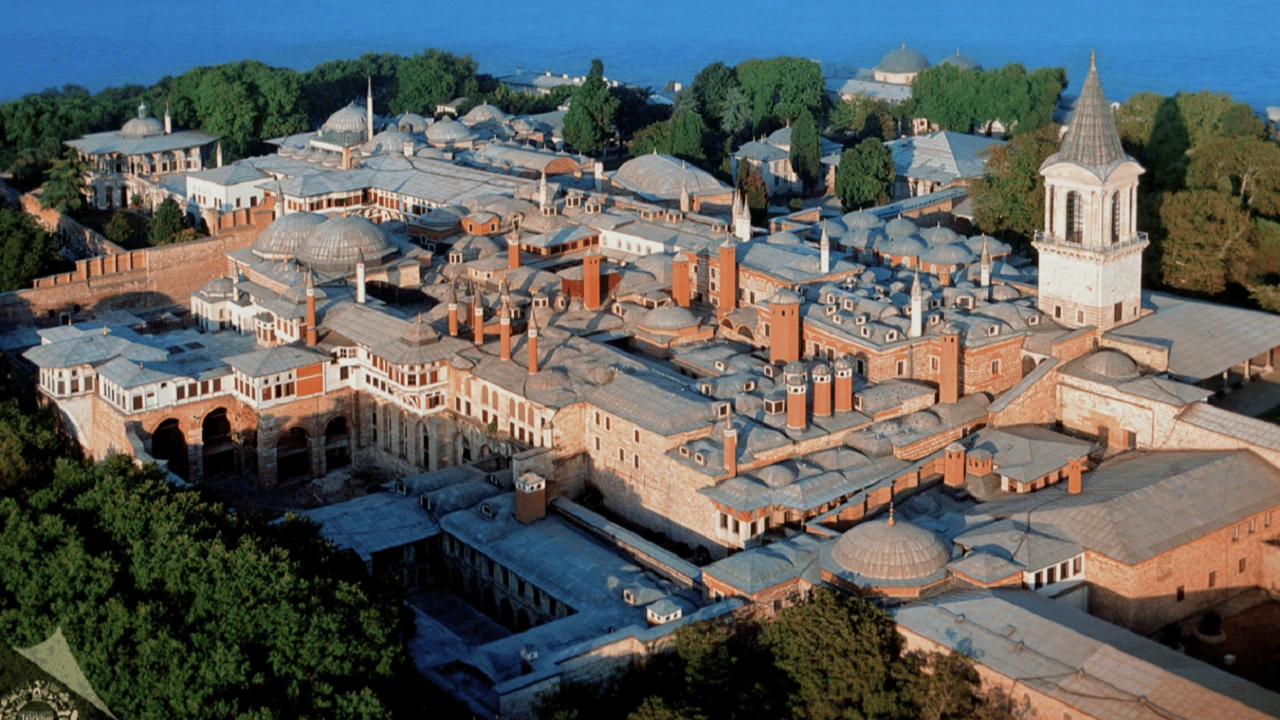
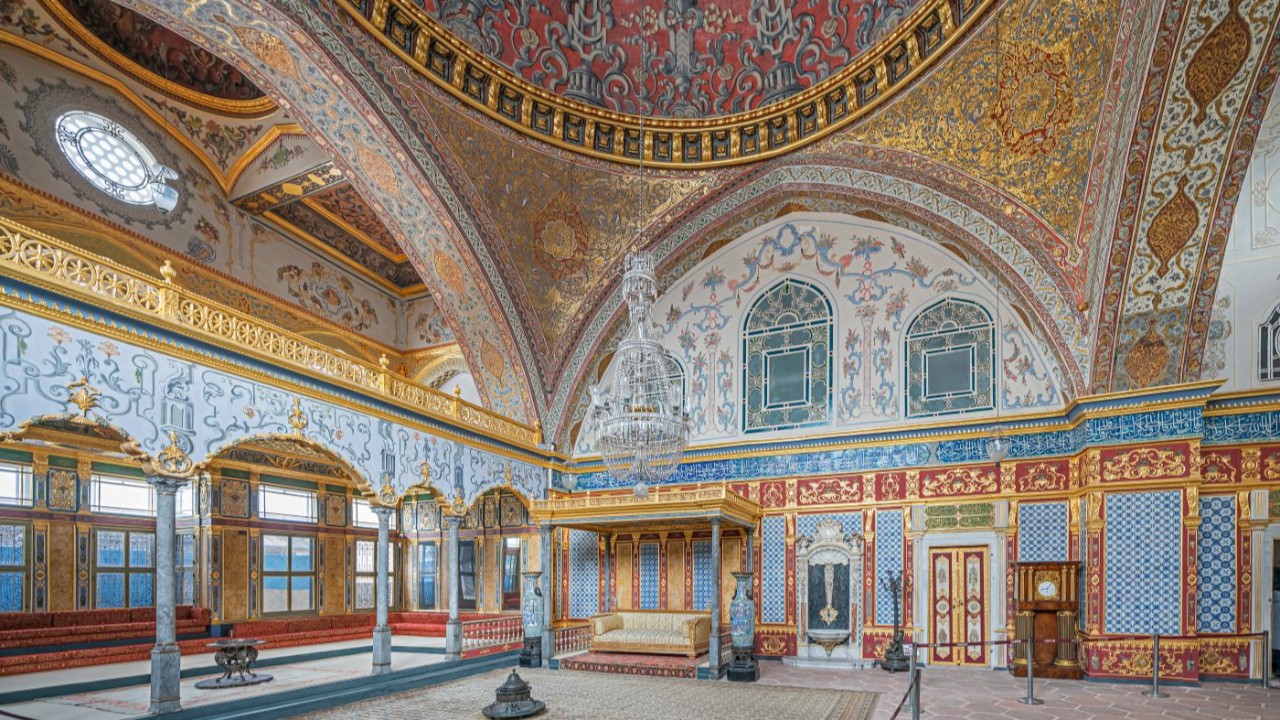
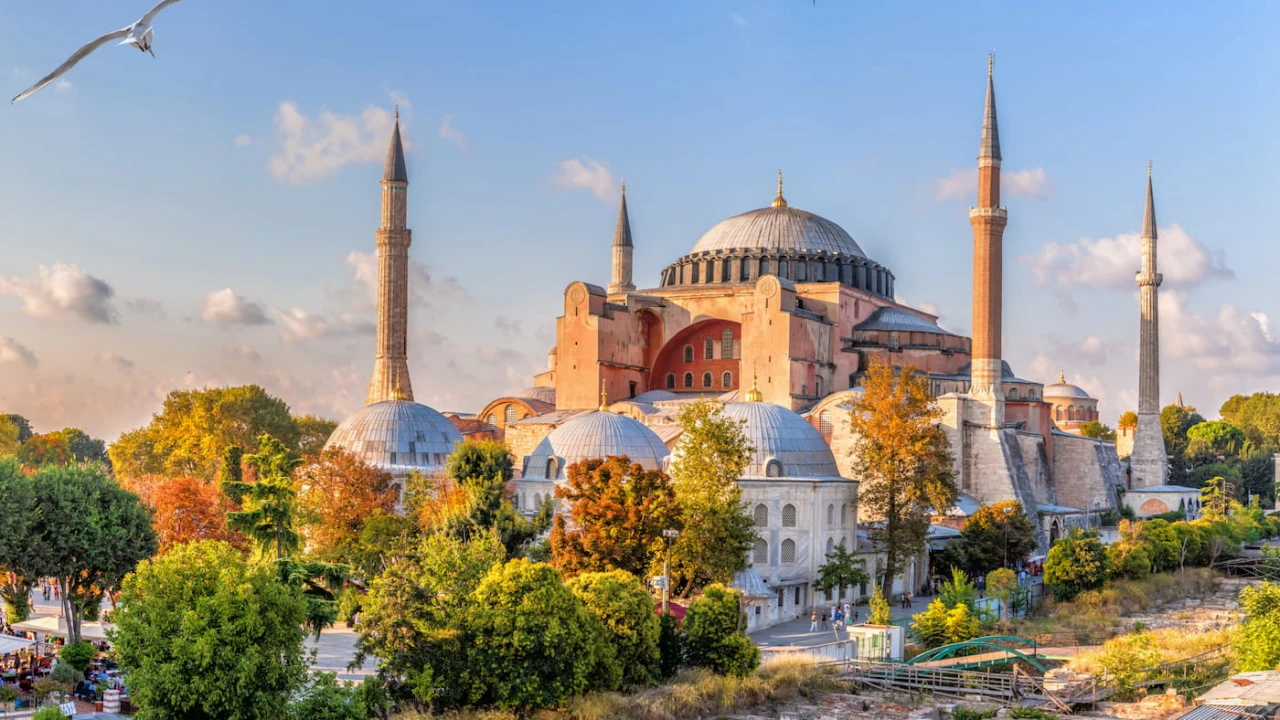
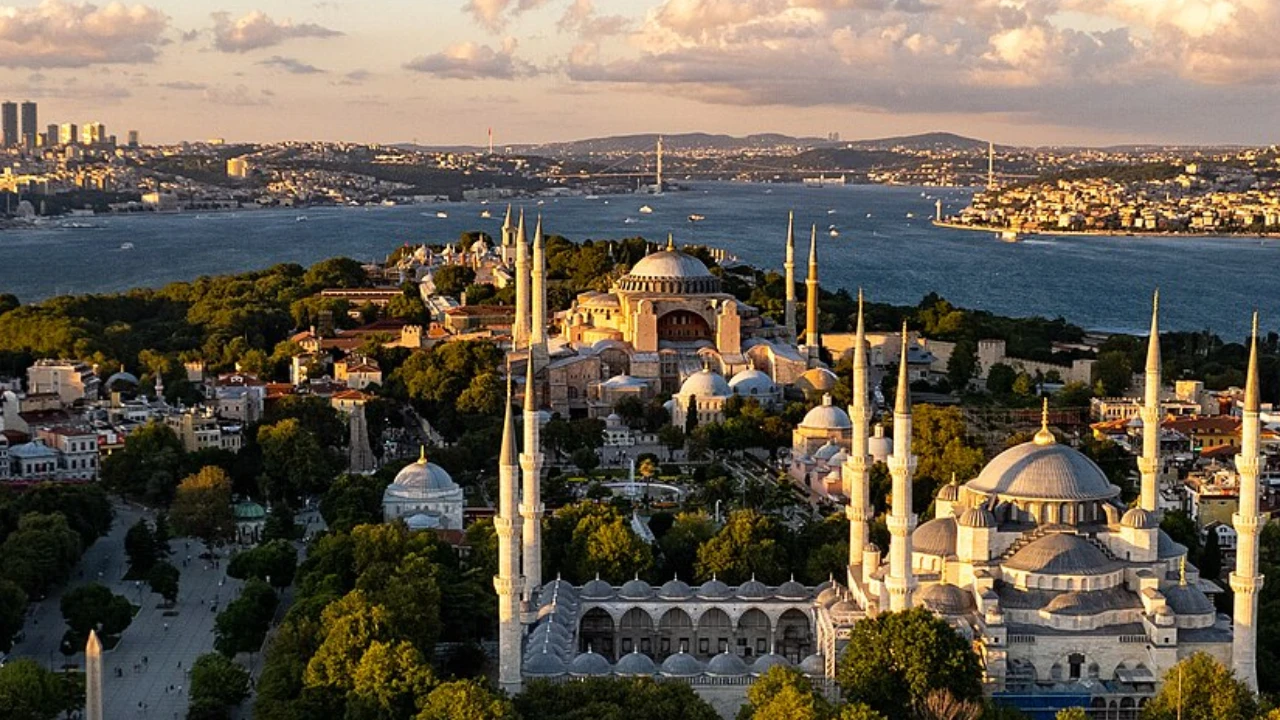
The short answer: an "ancient city tour" in Fatih isn't a visit to a single, fenced-off archaeological dig. Instead, it is an exploration of the Eastern Roman ruins scattered within the city walls and the Ottoman structures built atop them. The Historic Areas of Istanbul were added to the UNESCO World Heritage List in 1985, comprising four primary protection zones: the Sultanahmet Archaeological Park, Süleymaniye, Zeyrek, and the Land Walls. All of these are located on the Historic Peninsula, primarily within the borders of Fatih.
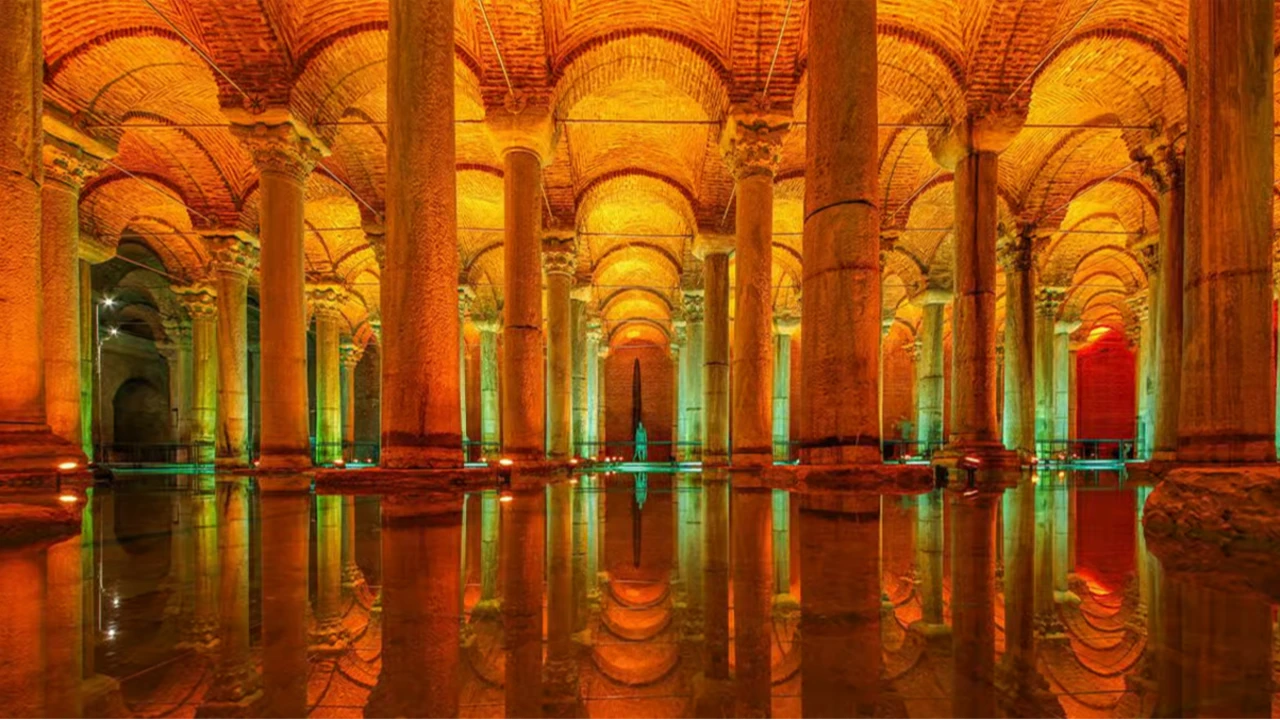
Because of this, a tour blends different eras into a single walk, from subterranean cisterns and intricate mosaic floors to ancient aqueducts and monasteries converted into mosques. Those with a half-day typically stick to the Sultanahmet area, while full-day explorers extend their route to include the Zeyrek and Fatih Camii axis.
Quick Facts
| Topic | Summary |
|---|---|
| Region | Istanbul, Fatih District, Historic Peninsula |
| UNESCO Status | Historic Areas of Istanbul, World Heritage Site since 1985 |
| Dominant Eras | Eastern Roman (Byzantine) and Ottoman |
| Recommended Duration | 2-3 hours for Sultanahmet; full day for the extended route |
| Primary Transport | T1 Tram line, M2 Metro, Marmaray |
| Walking Terrain | Cobblestones and sloping streets |
| Mosaic Museum | Great Palace Mosaics Museum is currently closed for restoration |
| Peak Months | April to October |
The Must-Visit Highlights
Great Palace Mosaics Museum
Located in the Arasta Bazaar on Kabasakal Street in Sultanahmet, this museum preserves the courtyard flooring of the Eastern Roman palace in situ. The mosaics date back to 450-550 AD, with approximately 180 square meters of the original floor surviving. They feature around 150 human and animal figures across ninety different themes: hunting scenes, daily life, and mythological creatures. The opus vermiculatum technique used here involves stone pieces averaging just 5 millimeters in size. However, please note that the museum has been closed since April 10, 2023, for earthquake reinforcement and restoration, with no official reopening date announced. Do not make this a mandatory stop; verify its status before your visit.
Zeyrek Camii
The church of the Pantokrator Monastery was completed in 1124 by Empress Irene Komnena. The monastic complex, which included a hospital (darüşşifa) and a library, was established via a foundation deed in 1136. Following the conquest, the structure was converted into a mosque. The Zeyrek protection area is one of the four zones on the UNESCO list. A comprehensive restoration was completed in 2019, and the building has since reopened for worship.
Fatih Camii
Constructed between 1463 and 1470, this mosque took approximately seven years to complete and is attributed to the architect Atik Sinan. The original dome collapsed during the earthquake of 1766, leaving the structure severely damaged. The current building is a second version commissioned by Mustafa III, which opened for worship in April 1771. The current dome arrangement reflects the design of this second iteration.
The Texture of the Historic Peninsula
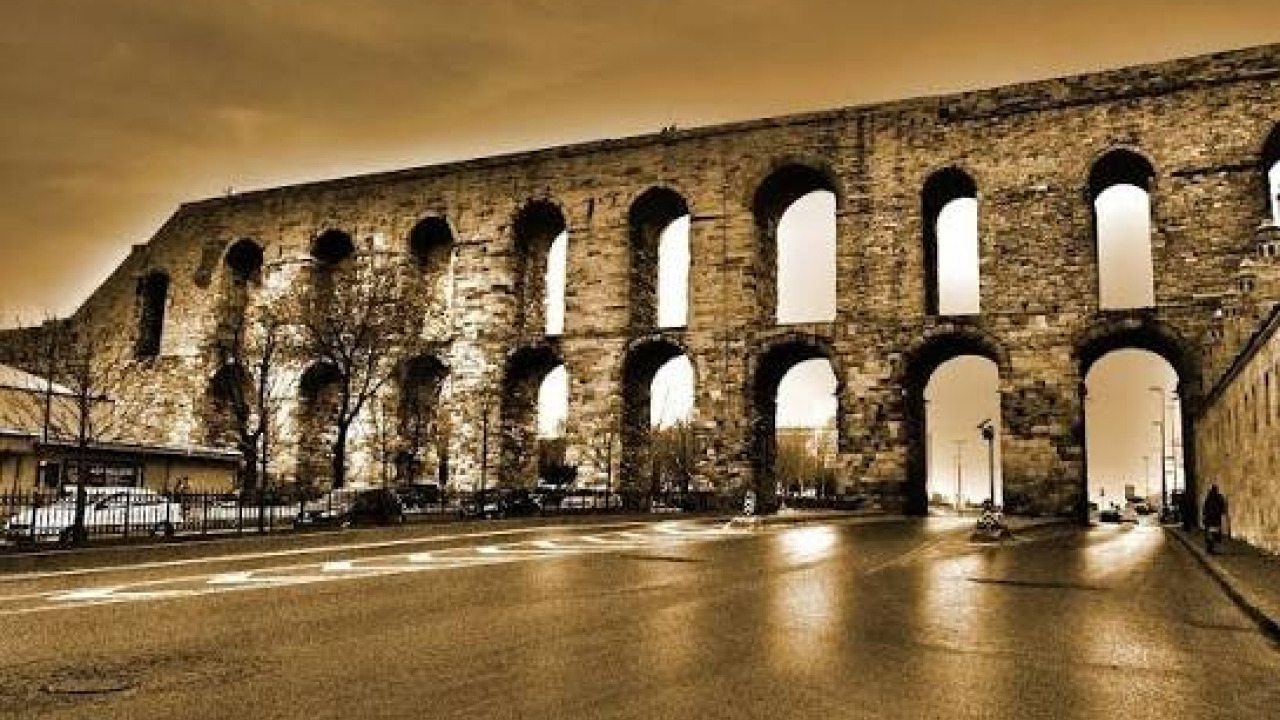
The walk between these stops is a journey in itself. The Bozdoğan Kemeri (Valens Aqueduct) was completed in 373 AD during the reign of Emperor Valens and served as the city's primary water supply for centuries. While a 50-meter section near Fatih Camii was demolished in 1912, the boulevard passing beneath the aqueduct remains the vital link between Zeyrek and Fatih Camii.
How to Get There and the Ideal Route
- Arrive at Sultanahmet. The Sultanahmet stop on the T1 Kabataş-Bağcılar tram line is within walking distance of the Arasta Bazaar. Those arriving via Marmaray can get off at Sirkeci and transfer to the T1 line.
- Start Early. Walking in the early morning hours helps you beat both the crowds and the midday heat. Since the mosaic museum is closed, focus your Sultanahmet time on the open-air atmosphere.
- Walk Toward Çemberlitaş and Beyazıt. These two stops on the same tram line allow you to experience the commercial fabric of the inner walls on foot.
- Head to Zeyrek. The Vezneciler or Haliç stations on the M2 metro line are the closest points to the Zeyrek slope.
- Finish at Fatih Camii. The spacious courtyard of the mosque complex is the perfect place to relax and reflect on your journey at the end of the day.
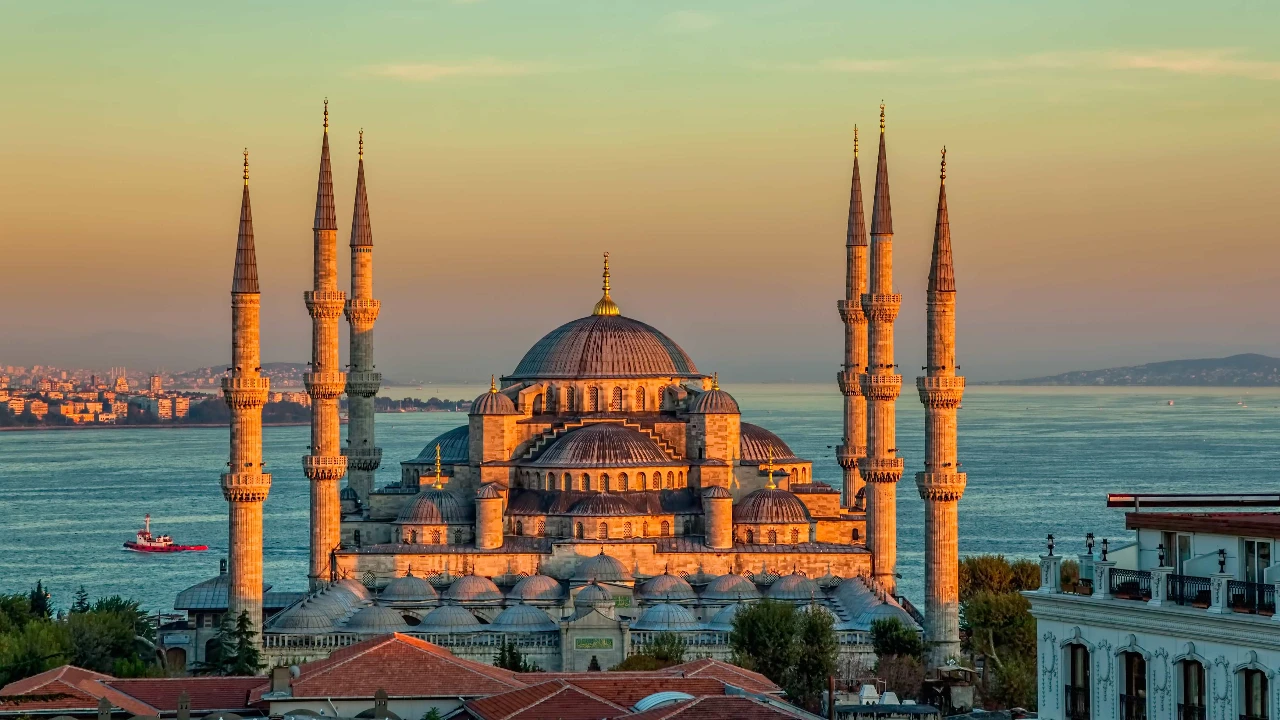
Best Time to Visit
| Period | Expected Conditions | Best For... |
|---|---|---|
| March - May | Mild weather, long daylight hours | Those planning extensive walking routes |
| June - August | Hot and crowded, limited shade in open areas | Early birds who can start at dawn |
| September - October | Cooling temperatures, gradual decrease in crowds | Photographers and slow-paced explorers |
| November - February | High chance of rain, slippery pavements | Those focusing on indoor sites |
On rainy days, make the mosque interiors the backbone of your plan and push the open-air stops to a second day. If you love exploring the inner walls on foot, you can also check out city tour programs in Fatih.
Why Choose a Guided Tour?
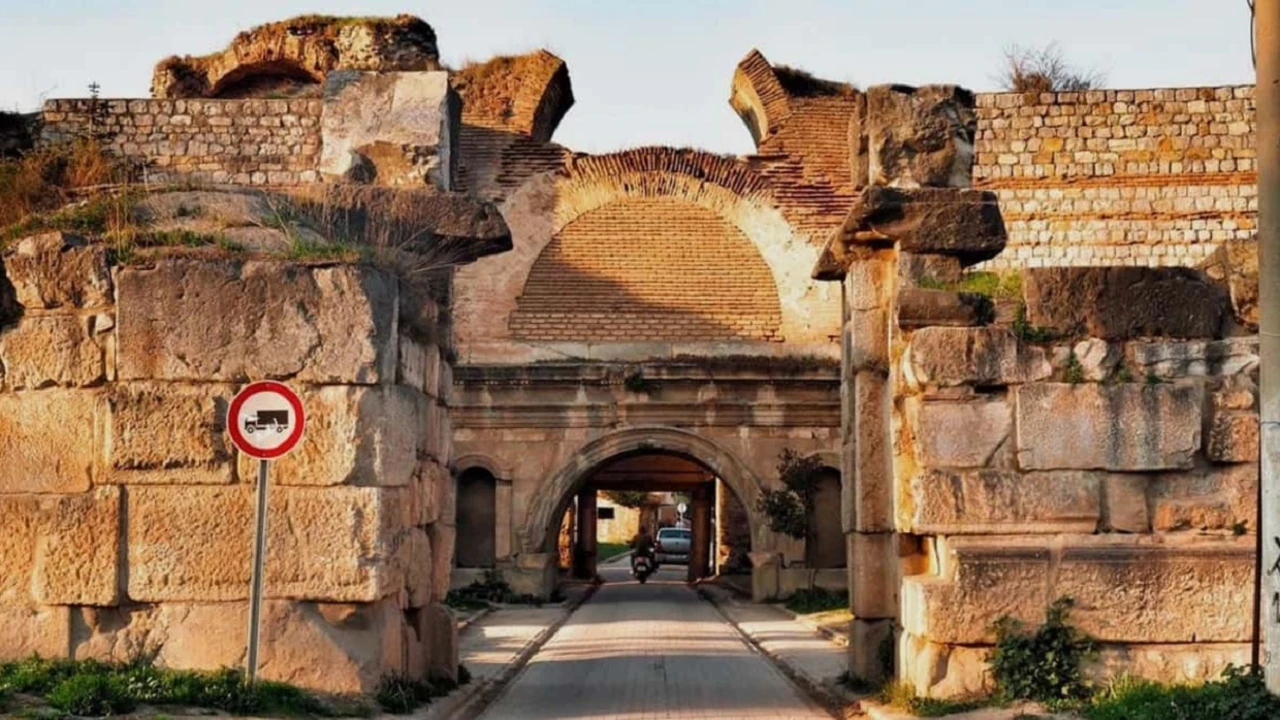
In Fatih, the sites are physically close, but the historical layers are deeply intertwined. You might find a Roman column, a Byzantine wall, and an Ottoman fountain standing side-by-side in the same courtyard; without a narrative, it is difficult to distinguish these layers. A professional guide organizes the walking sequence and timing for you, turning a walk into a story.
You can compare different program options on the Fatih Ancient City Tour page. For those wanting a broader perspective, we recommend looking into culture tours in Fatih.
Practical Tips Before You Go
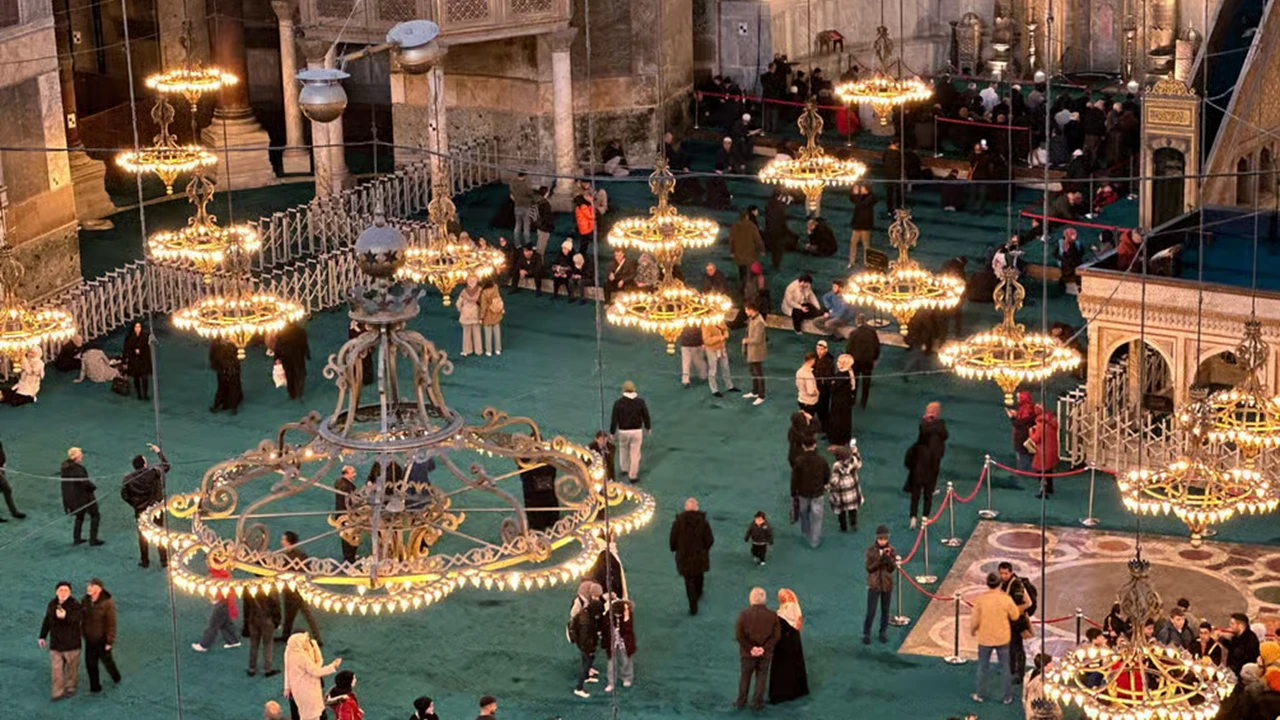
- Plan mosque visits outside of prayer times. For women, a headscarf is required, and everyone should wear clothing that makes removing shoes easy.
- The streets within the walls are cobblestoned and sloping; non-slip walking shoes are essential for your comfort.
- The Grand Bazaar is open from 08:30 to 19:00 and is closed on Sundays; don't leave your shopping for the very end of the route.
- Keep your Museum Pass handy. Although the mosaic museum is closed, the pass remains valid for other Ministry-affiliated museums.
- Carry water and a hat, as most of the walks between stops are unsheltered.
Wrapping Up Your Plan
An ancient city tour in Fatih is not a "check-the-box" experience. The palace atmosphere of Sultanahmet, the monastic structure of Zeyrek, and the complex of Fatih Camii must be read together to truly understand the city's layers. If you have a half-day, stick to the Sultanahmet line; if you have a full day, add the Zeyrek slope. To weave these layers into a cohesive narrative, guided tour options in Fatih are a great starting point. For those who want to fit everything into a single day, day-trip culture programs in Fatih are also available.
Frequently Asked Questions 6
How many hours does an ancient city tour in Fatih take?
A route limited to the Sultanahmet area takes about 2-3 hours. When you add the Zeyrek slope and the Fatih Camii complex, it becomes a full-day excursion. While distances are short, the sloping streets can slow your pace.
Is the Great Palace Mosaics Museum currently open?
No. The museum has been closed since April 10, 2023, for earthquake reinforcement and restoration. No official reopening date has been provided. Do not build your itinerary around this museum; verify its status before your trip.
Can I walk from Sultanahmet to Zeyrek Camii?
Yes, it is possible to walk, but there is a significant incline along the route. If you prefer public transport, the Vezneciler or Haliç stations on the M2 metro line are the closest. Walking from the Beyazıt stop of the T1 tram is also a reasonable option.
Is the current structure of Fatih Camii from the 15th century?
No. The original building was completed in 1470, but its dome collapsed during the 1766 earthquake. The mosque you visit today is a second structure built during the reign of Mustafa III with a different plan, opening for worship in April 1771. Atik Sinan's original dome did not survive.
Does the Museum Pass work for the ancient sites in Fatih?
Since the mosaic museum is closed, the pass isn't useful at that specific stop. Mosques are active places of worship and do not require a museum pass. However, if you add other museum-heavy stops to your route, keeping the pass with you will save time.
Can this route be walked on a rainy day?
Yes, but the order should change. Since mosque interiors are sheltered, they should become the core of your plan. Cobblestones become slippery when wet, so shoes with good grip are vital. It is more efficient to postpone open-air stops to a clearer day.