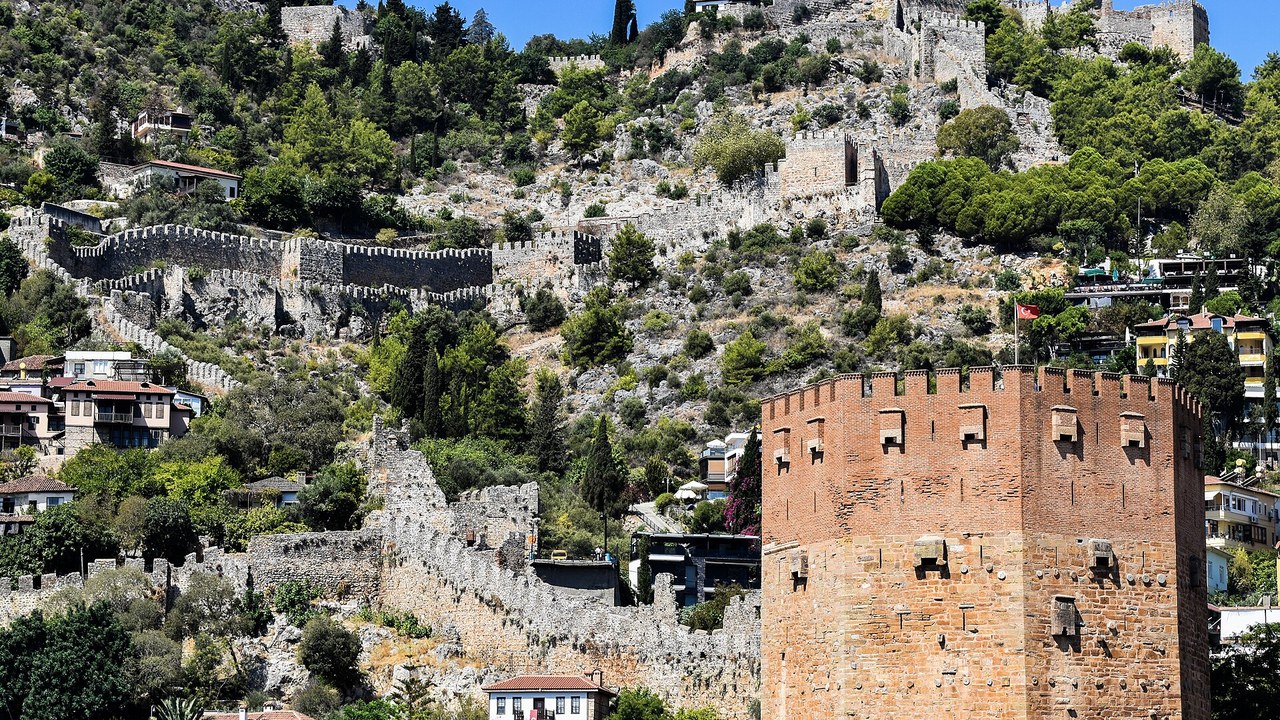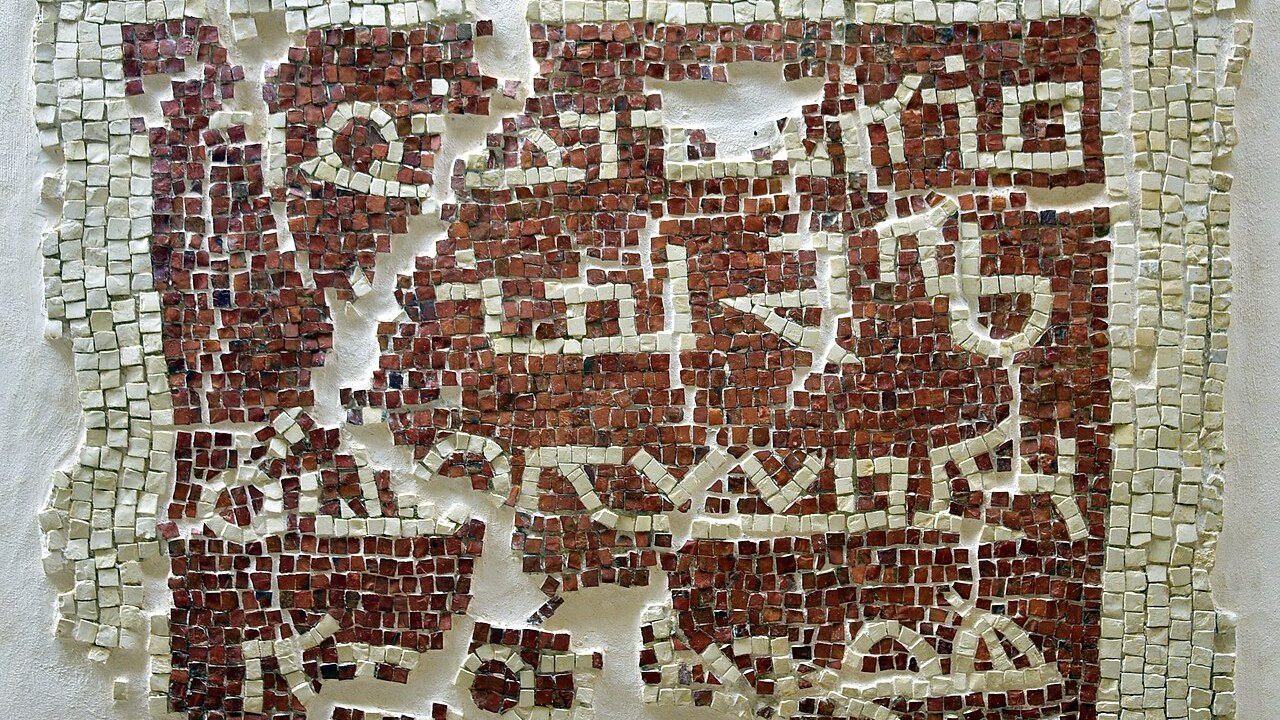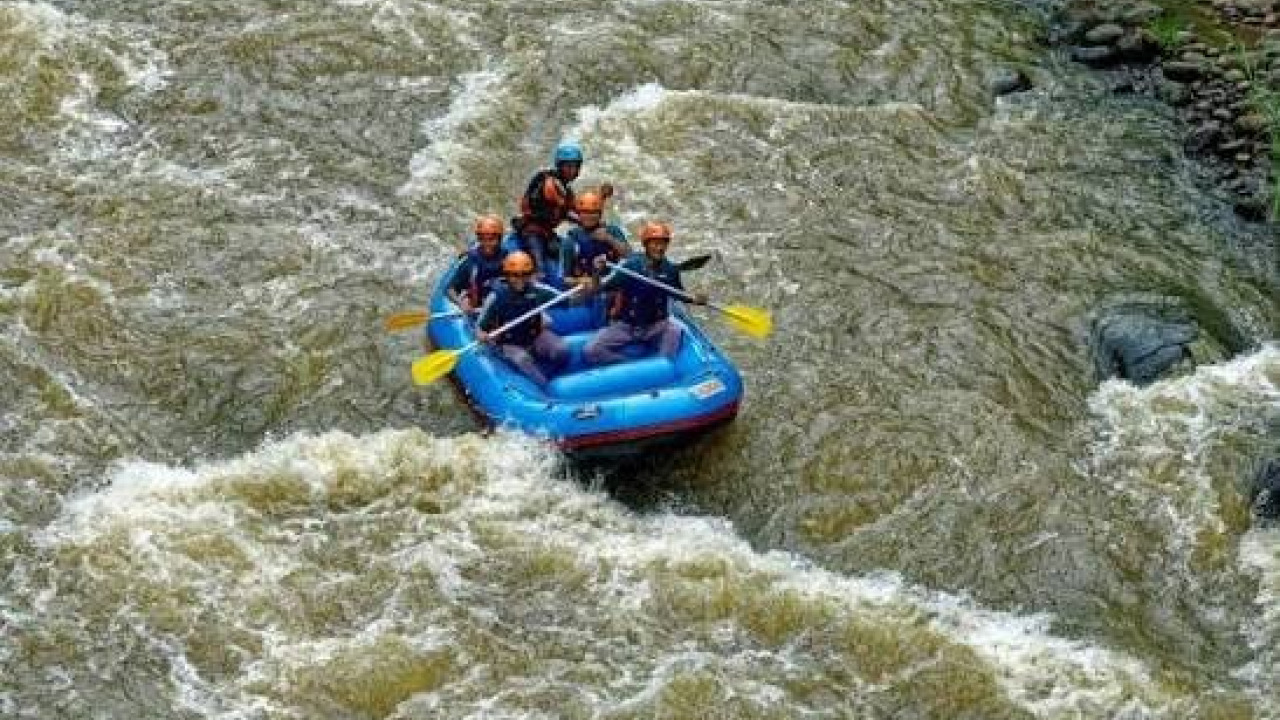

Nestled between the fertile plains of Pamphylia and the majestic peaks of the Taurus Mountains, Antalya is a breathtaking open-air museum boasting thousands of years of civilization. From the engineering brilliance of the Roman Empire seen in its colonnaded streets to its world-renowned theaters, a culture day trip here is more than just a tour, it is a journey back in time.
Imagine starting your morning wandering through the Hellenistic towers of Perge, taking a refreshing riverside break by the Köprüçay at noon, and crowning your day with the architectural marvels of Aspendos and a golden sunset in Side.
In this comprehensive guide, we have mapped out the most rewarding archaeological sites and a curated hourly itinerary to help you plan your visit. For those who prefer to explore these treasures in comfort with expert guides and seamless hotel transfers, Antalya One-Day Cultural Tours offers premium organized experiences.
If you are looking to dive deeper into the region's ancient heritage, we recommend our Antalya Ancient City Tour. To further enrich your holiday, you can also browse through a wide range of bölge genelindeki popüler Antalya gezi seçenekleri to build your perfect travel plan.
Quick Facts: Culture Routes from Antalya
Before you set out on your historical adventure, here is a practical summary of the logistics and key highlights of the region's culture tours:
| Feature | Visitor Quick Summary |
|---|---|
| Regions Covered | Aksu, Serik, Manavgat, and the foothills of the Taurus Mountains |
| Key Archaeological Sites | Perge Ancient City, Aspendos Theater, Side Temples |
| Natural Highlights | Kurşunlu and Düden Waterfall nature parks |
| Recommended Duration | Full day (typically 08:30 AM to 06:30 PM) |
| Transport & Roads | Well-maintained dual carriageways and tourist transfer routes |
| Museum Pass | Valid at all sites managed by the Ministry of Culture and Tourism |
| Best For | History buffs, families, and photography enthusiasts |
This summary helps travelers plan their timing effectively. A pro tip: visiting open-air ruins in the early morning is highly recommended, especially during the scorching summer months.
The Historical Layers and Cultural Geography of the Pamphylia Plain
The Pamphylia region, covering the eastern plains of Antalya, was a cosmopolitan trading hub in antiquity where diverse peoples coexisted in harmony. The alluvial deposits brought by the Aksu and Köprüçay rivers created natural corridors that linked the rugged interior with the bustling coastal ports.
This geographic advantage allowed cities like Perge, Aspendos, and Side to flourish as independent city-states. By the Roman era, they had evolved into some of the wealthiest metropolises in the Eastern Mediterranean.
The greatest advantage of a day trip is the ability to visit these three massive ancient cities in a single day. Thanks to the modern road network, travelers can experience different eras of history in quick succession without the fatigue of long commutes.
Highlights of the Perge and Aspendos Axis
Located within the borders of Aksu, the Ancient City of Perge is famous for its colonnaded street featuring a marble water channel. This ingenious system brought spring water from the mountains to naturally cool the city's air.
The Hellenistic gate with its round towers at the southern entrance and the grand stadium reflect the sophisticated urban planning of the era. The sculptures unearthed here testify to the city's role as a center for the arts.
Aspendos, on the other hand, is world-renowned for its theater. Designed by the architect Zenon, it is one of the best-preserved Roman theaters in existence, seating 15,000 people. The acoustics are so precise that a whisper in the upper galleries can be heard clearly in the lowest rows.
Side Ancient City and Nature Parks
At the eastern end of the culture route lies Side, an ancient port city built on a peninsula. The white marble columns of the Temple of Apollo, rising against the backdrop of the Mediterranean, provide the most photogenic sunset spot in the region.
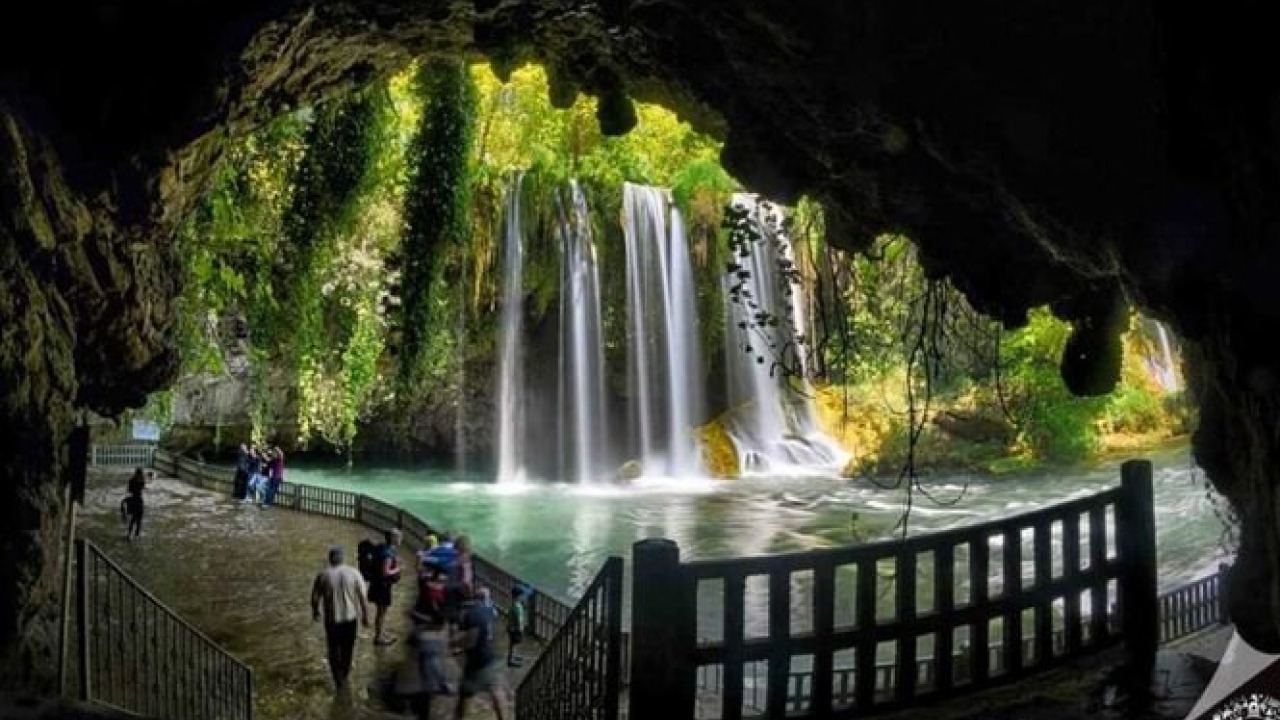
For those wanting to balance history with nature, Kurşunlu Waterfall is a refreshing stop along the way. Tucked away in pine forests, the waterfall basin is an ideal sanctuary to cool down during the summer.
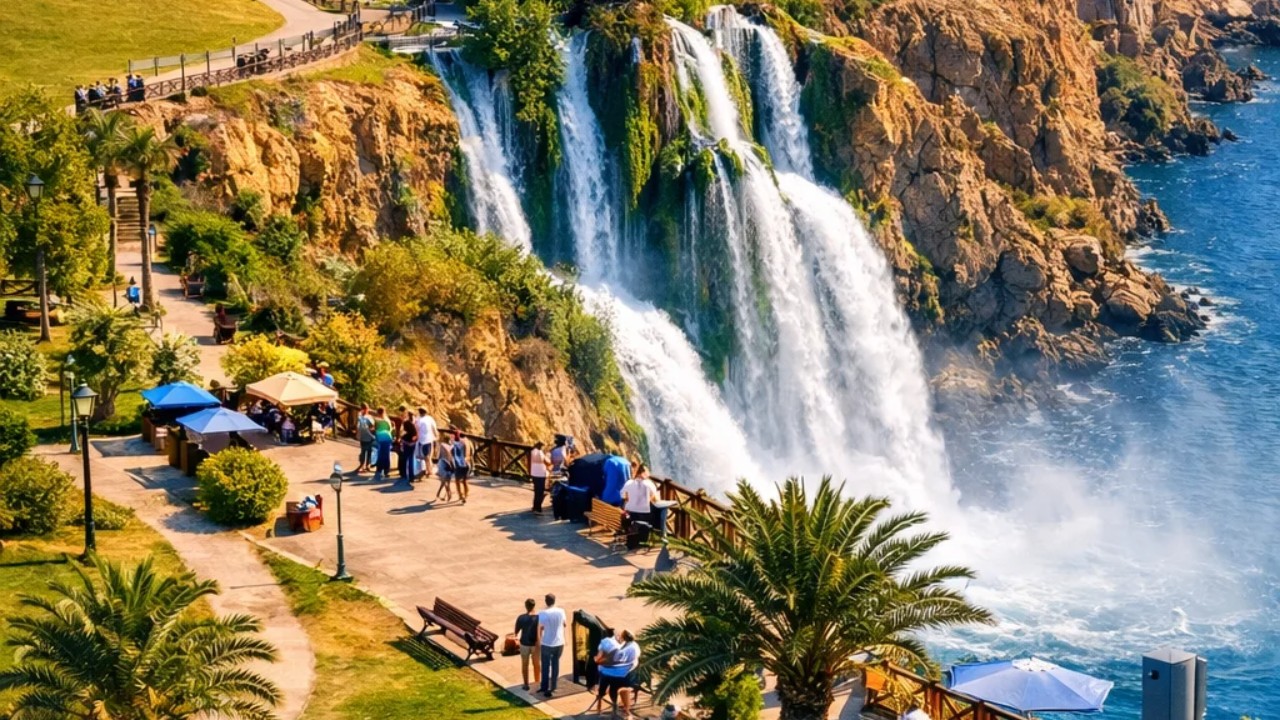
Similarly, Düden Waterfall greets visitors with lush vegetation created by karst water sources. These natural stops provide a perfect equilibrium to the day's historical explorations.






Comparing Antalya's Top Culture Routes
Depending on your interests and time constraints, here are the primary routes you can choose from:
| Route / Circuit | Key Stops | Total Distance (Round Trip) | Avg. Duration | Highlight Experience |
|---|---|---|---|---|
| Classic Pamphylia | Perge, Aspendos, Side | 130 km | 8 - 9 Hours | Grand theaters, colonnades, and Apollo Temple |
| History & Waterfalls | Perge, Kurşunlu Waterfall, Aspendos | 95 km | 7 - 8 Hours | Archaeological ruins paired with lush nature |
| Mountain & Acropolis | Termessos, Karain Cave | 80 km | 6 - 7 Hours | Paleolithic history and a cliffside mountain city |
| West Lycian Route | Phaselis, Olympos, Çıralı | 160 km | 9 - 10 Hours | Ancient harbors in pine forests and seaside swimming |
The Classic Pamphylia route is the most popular choice for those focused on monumental architecture. Those seeking a blend of nature and history often opt for programs including Kurşunlu or Düden waterfalls.
For adventure seekers, the Termessos route offers a unique depth, blending hiking with archaeology. Please note that travel times and walking difficulty should be planned according to the physical fitness of the participants.
Seasonal Planning Guide for Culture Trips
When visiting open-air sites in Antalya, the angle of the sun and the temperature are the biggest factors in your comfort:
| Season | Avg. Temp | Climate & Sun Intensity | Recommended Strategy |
|---|---|---|---|
| Spring (Mar - May) | 18 - 25 °C | Mild breezes, blooming nature | Ideal for long walks and extensive site exploration |
| Summer (Jun - Aug) | 32 - 39 °C | Intense sun, high stone heat | Start early (08:30 AM) and take midday breaks by waterfalls |
| Autumn (Sep - Nov) | 22 - 28 °C | Soft light, refreshing air | Best for photography and Side sunsets |
| Winter (Dec - Feb) | 12 - 16 °C | Mild weather, occasional rain | Peaceful, crowd-free visits on sunny days |
In summer, the white marble of the ruins reflects sunlight, increasing the perceived heat. Starting your tour at Perge in the early morning is a strategic move to beat the heat.
Taking a midday break at a shaded riverside restaurant along the Köprüçay makes the trip relaxing. Ending the day in Side allows you to witness the sunset behind the ancient columns.
Step-by-Step: A Perfect Day in the Classic Pamphylia Circuit
A well-balanced culture tour starting from Antalya city center or coastal hotels typically follows this flow:
- Hotel Departure & Perge Entry: Depart at 08:30 AM to arrive at the Perge gates by 09:00 AM, entering through the historic Hellenistic gate.
- Exploring the Colonnaded Street & Stadium: Spend about two hours exploring the water channels, bathhouses, and the ancient stadium with a guide.
- Nature Break at Kurşunlu Waterfall: A short 15-minute drive from Perge leads you to the cooling shade of pine trees at Kurşunlu Waterfall.
- Local Lunch by the Köprüçay: Enjoy fresh trout or Mediterranean grills at riverside restaurants near Aspendos.
- Aspendos Theater & Acoustic Discovery: Around 2:00 PM, explore the steps, stage friezes, and gallery arches of the Aspendos theater.
- Side Ancient City Walk: Arrive at the peninsula and walk through the ruins of the ancient theater toward the coast.
- Sunset at the Temple of Apollo & Return: Capture the sun dipping below the Mediterranean horizon behind the temple columns before heading back at 6:30 PM.
This itinerary ensures that the hottest part of the day is spent in the shade of the river, while the soft morning and evening light provides the best conditions for photography.
Essential Gear for Culture Tours
To make the most of your day and move comfortably through the ruins, we recommend the following:
- Thick-Soled Walking Shoes: Ancient city floors consist of broken stones and uneven marble; thin soles will tire your feet quickly.
- Sun Protection & Hat: Natural shade is limited in the wide plains of Perge and Side; a wide-brimmed hat and sunscreen are non-negotiable.
- Museum Pass: To skip the queues at Ministry of Culture ticket booths, having a valid Museum Pass saves significant time.
- Reusable Water Bottle: Some walking trails can stretch to 2-3 kilometers, and there are no kiosks inside the ruins. Stay hydrated.
- Wide-Angle Lens: Since theaters and aqueducts are massive structures, a wide-angle lens (or phone setting) is essential for the best shots.
- Cash for Local Treats: Keep some cash handy for fresh-squeezed citrus juices sold at local roadside stands.
A Masterpiece of Roman Engineering: The Aspendos Aqueducts
While most visitors focus on the magnificent theater, the Aspendos aqueducts are an engineering marvel in their own right. Crossing the plain to the north of the city, these arches are among the finest surviving examples of ancient hydraulic engineering.
Built in the 2nd century AD to transport water from mountain springs, these aqueducts utilized the "inverted siphon" technique. Water from a source 25 kilometers away was pushed up to the city's heights using limestone pipes.
The remaining double-layered arch blocks demonstrate the profound static knowledge of Roman builders. The lead clamps used to join the blocks have kept the structure standing for centuries.
Visiting the aqueducts, just a few minutes away from the theater, provides a fascinating insight into ancient water technology and is a highly rewarding addition to any culture tour.



Frequently Asked Questions 5
How many ancient cities are visited on a day trip?
A classic day tour typically covers three major sites, Perge, Aspendos, and Side, along with a nature stop at either Kurşunlu or Düden waterfall.
Is the Museum Pass valid at these sites?
Yes, the Museum Pass is valid at all sites under the supervision of the Ministry of Culture and Tourism, including Perge, Aspendos, and Side.
Are culture tours suitable for families with children?
Yes, the walking paths are generally wide and flat. However, we recommend using a baby carrier instead of a stroller, as some areas are stony and uneven.
What time should we start the tour?
To avoid the midday heat, it is recommended to depart early enough to reach the first ancient city between 08:30 AM and 09:00 AM.
What should I wear for a culture tour?
We recommend light-colored, breathable cotton clothing, a sun hat, and non-slip, thick-soled walking shoes.