Most travelers arriving in Antalya start with the same three questions: When should I go? How many days do I need? And where exactly should I stay? For a local, the answers aren't found in glossy brochure photos, but in the unique geography of the province itself. Antalya is a vast region where the lush forests of the Taurus Mountains meet the turquoise Mediterranean, creating a diverse landscape and an exceptionally long beach season.
Because of this, a traveler wandering the cobblestone streets of Kaleiçi will have a completely different experience than someone diving into a canyon cove in Kaş, even though they are in the same province. This guide isn't a sales pitch for specific tours; instead, we use local expertise to help you match your travel style and calendar to the perfect destination. We'll help you decide when to visit, where to base yourself, how long to stay, and which theme to prioritize.
Note: Pricing, distances, and operating hours are based on the source period; please verify current details before your trip.
The Local's Cheat Sheet: Your choice in Antalya depends entirely on your holiday style. For boutique charm, choose Kaş or Kaleiçi. For high-end luxury resorts, head to Belek. For nature lovers, Kemer is your best bet, while Alanya remains the go-to for budget-friendly stays.
Quick Facts
| Topic | The Local's Short Answer |
|---|---|
| Location | Mediterranean coast; where the Taurus Mountains meet the sea |
| Administrative Structure | 19 districts (including Muratpaşa, Konyaaltı, Kepez, Serik, Manavgat, Alanya, Kemer, Kaş, and more) |
| Origins | Named "Land of Attalus"; founded as a port city ~2,000 years ago by King II Attalus of Pergamum |
| Best Weather | Spring (March–May) and Autumn (September–November); mild and comfortable |
| Beach Season | Long, thanks to the temperate climate; mid-summer is peak season |
| Winter Plans | Very doable: Kaleiçi, Olympos, Çıralı, Saklıkent Ski Center, Köprülü Kanyon, and Termessos are great winter routes |
| Recommended Duration | 5–7 days; this allows enough time for history, beaches, and excursions |
| Nature near Center | Düden Waterfall 10 km (Kepez), Kurşunlu Waterfall 22 km |
| Ancient Cities near Center | Aspendos 46 km (Serik); famous for its massive ancient theater |
| Flight Examples | Istanbul-Antalya 2,200 TL, Ankara-Antalya 1,650 TL (averages; prices vary by date) |
| Car Rental | Starting from approximately 1,000 TL per day (source period) |
| Aquapark Entry | Average 1,500 TL – 3,000 TL across Antalya |
| Signature Flavors | Antalya piyaz (bean salad), pumpkin dessert, tomato civesi, sour tarhana soup, fish ekşilemesi, filisli lapa |
If you want to see how these locations translate into bookable experiences, browse our Antalya tours organized by district and theme here.





Finding Your Match: Profile & Season Guide
Locally speaking, there is no single "right time" to visit Antalya; it depends entirely on who you are. The table below matches traveler profiles with the best regions and seasons. The "Recommended Period" is a suggestion based on ideal weather and profile priorities, not a fixed rule.
| Profile | Local Recommended Period | Best Area to Stay | Why This Works |
|---|---|---|---|
| Families with Kids | Early June & September | Belek, Lara | Belek is famous for family-friendly resorts; The Land of Legends (with 40+ slides) is in this area |
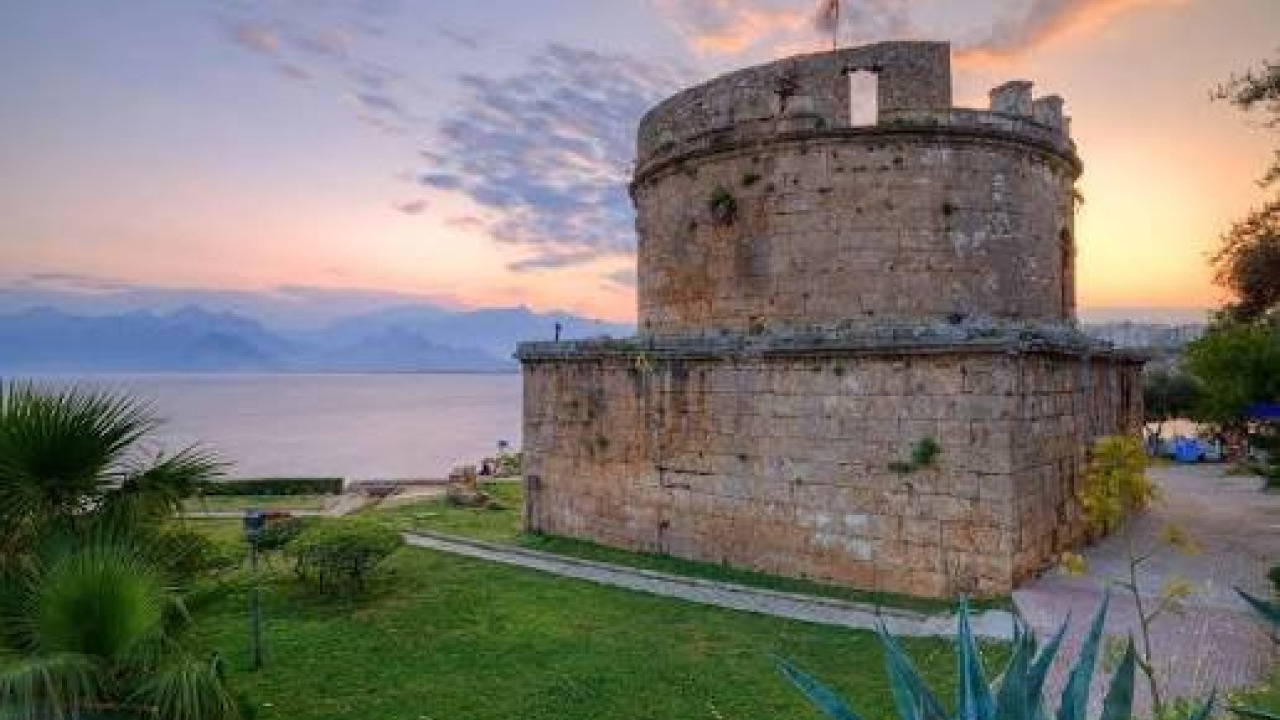
| Couples & Romantics | April–May, Sept–Oct | Kaleiçi, Kalkan | The cobblestone streets of Kaleiçi and the boutique hotels around Hadrian's Gate are perfect for this |
| Budget Travelers | March–April & November | City Center (Muratpaşa, Konyaaltı) | Konyaaltı beach, Karaalioğlu Park, and Kaleiçi are walkable; buses connect you to everything else |
| Nature & Adventure | April–June, Sept–Oct | Manavgat, Kemer, Geyikbayırı | Home to Köprülü Kanyon National Park, Geyikbayırı rock climbing, and the Lycian Way |
| Culture & History | March–May, Oct–Nov | Kaleiçi, Side | Exploring the Antalya Archaeology Museum and Aspendos is much more comfortable in milder months |
| Winter Getaways | December–February | City Center, Olympos, Çıralı | Great for visiting Kaleiçi, Saklıkent Ski Center, Termessos, or enjoying a traditional Turkish bath |
| Golf Enthusiasts | Spring & Autumn | Belek | Belek is world-renowned for its international-standard golf courses |
| Beach Lovers | June–September | Konyaaltı, Lara, Kaş-Kalkan | Konyaaltı and Lara are near the center; Kaputaş and Patara are stunning spots on the western end |
Three pro-tips from the locals:
-
Popular spots like Manavgat Waterfall get significantly crowded on weekends. For a peaceful visit, aim for early morning.
-
Parking is very limited at roadside coves like Kaputaş. If you are driving, arrive early; otherwise, take the local dolmuş (minibus) from Kaş or Kalkan, which drops you right at the entrance.
-
The distances between the western tip (Kaş, Kalkan, Patara) and the eastern tip (Manavgat, Alanya, Gazipaşa) are long. Don't try to visit both ends in a single day, it's exhausting!
When to Go: A Month-by-Month Local Breakdown
The local verdict is clear: Spring (March–May) and Autumn (September–November) are the sweet spots. Summer is for those who live for the sea and sun. Even in winter, the city doesn't "close", the vibe just shifts.
| Month | Local Vibe | Local Recommendation |
|---|---|---|
| January | Winter season; focus on museums and Kaleiçi | Plan a cultural route including Termessos or Saklıkent Ski Center |
| February | Winter season continues | Nature walks around Olympos and Çıralı, or a relaxing Turkish bath |
| March | Start of the ideal season | The first chance to visit ancient cities and waterfalls without the heat |
| April | Balanced weather, nature is blooming | Perfect month for Köprülü Kanyon and the Lycian Way |
| May | End of spring | A transition period where you can combine history with early beach days |
| June | Beach season begins, crowds increase | The first half of the month is more relaxed for family planning |
| July | The hottest and busiest peak | Waterfall parks and shaded canyons are great escapes from the midday sun |
| August | Peak crowds and heat | Book early and schedule outdoor excursions for the early morning |
| September | Start of the ideal autumn season | The most productive month to combine sea activities with cultural tours |
| October | Mild weather, crowds thinning | Ideal for ancient city and museum routes |
| November | End of the ideal season | Focus on the city center, gastronomy, and museums |
| December | Winter routes take center stage | Enjoy the illuminated historic streets of Kaleiçi or the possibility of snow |
For those considering a winter trip, the local outlook is positive. Antalya is more than just sun and sand; it is a beautiful, tranquil destination for those who prefer a slower pace.
Regional Deep Dive: Which District Suits You?
In Antalya, the question "Where should I stay?" is actually "What kind of holiday do you want?" There is a big difference between staying in the center to explore daily and settling into a themed resort area.
| Region | Location Note | Highlights | Best For |
|---|---|---|---|
| Kaleiçi (Muratpaşa) | The historic heart, central | Hadrian's Gate, Yivli Minare, Hıdırlık Tower, Mermerli Beach | Culture seekers, couples, travelers without a car |
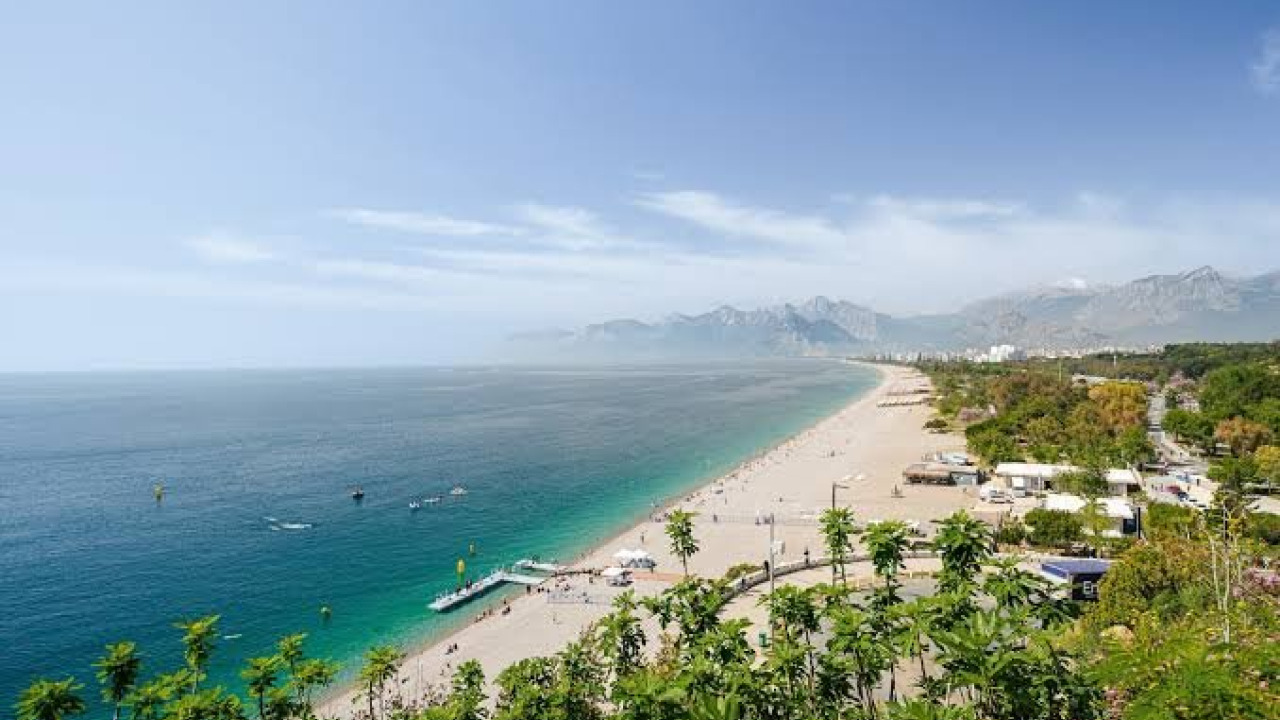
| Konyaaltı | The western coast of the center | Konyaaltı Beaches, Antalya Archaeology Museum, Varyant viewpoint | Beach lovers who want to stay central; budget-conscious |
| Lara & Kepez | East and North of the center | Lara Beach, Lower Düden Waterfall, Upper Düden Waterfall | Those wanting hotel luxury with easy city access |
| Belek (Serik) | East of the center | Golf courses, The Land of Legends, proximity to Aspendos | Families and golf/theme park enthusiasts |
| Side & Manavgat | The eastern belt | Side Ancient City, Temple of Apollo, Manavgat Waterfall, Köprülü Kanyon | Travelers combining history with rafting |
| Kemer, Olympos, Çıralı | West coast, between mountain & sea | Olympos Ancient City, Yanartaş, Olympos Teleferik | Hikers and those seeking quiet coves |
| Kaş & Kalkan | The western tip | Kaputaş Beach, Patara Ancient City, Lycian Way | Divers, boat tour lovers, and photographers |
| Alanya & Gazipaşa | The eastern tip | Alanya Castle, Red Tower, Damlataş Cave, Kleopatra Beach | Long-stay travelers and those seeking quiet shores |
The local rule of thumb: If your trip is under three days, stay in the center (Kaleiçi/Konyaaltı) because everything is close. If you are staying longer than five days, pick a side, either East (Side, Manavgat, Belek) or West (Kemer, Kaş, Kalkan), and dive deep into that region to save on travel time.
Local Recommended Themes
Culture and History
Antalya’s cultural layers stretch from the Pergamum Kingdom to Rome, Byzantium, the Seljuks, and the Ottomans, and many of these are within walking distance in the center. Hadrian's Gate, a monumental three-arched structure built in 130 AD to honor Emperor Hadrian, stands at the entrance to Kaleiçi.
The Yivli Minare is a 13th-century Seljuk masterpiece, part of a complex including a mosque, tomb, and madrasa. The Antalya Archaeology Museum is a world-class institution, famous for its Roman sculpture collection.
The province is home to dozens of ancient cities. Aspendos, located 46 km from the center, was founded in the 10th century BC and is famous for its massive theater, which hosts classical music festivals in the summer.
For Turkish citizens, the MüzeKart is valid at Aspendos; for international visitors, the fee is set in Euros (announced at 15 Euro for the 2026 period). Visiting hours are generally 08:00 to 18:45.
Note: Rates and hours change; always check official sources before visiting.
Nature and Adventure
Nature is surprisingly close to the city center. Düden Waterfall (also known as Düdenbaşı) is just 10 km away in Kepez, offering lovely walking paths and tea gardens. The water eventually flows 9 km further to plunge 40 meters from the cliffs into the Mediterranean, creating the stunning Lower Düden view.
Kurşunlu Waterfall is 22 km from the center. Within its 33-hectare nature park, you'll find seven small waterfalls and rock pools. We have detailed the entry info and routes for these two spots in our Düden and Kurşunlu Waterfalls guide; we won't repeat them here.
For adventure, Köprülü Kanyon is the hub for rafting, Geyikbayırı is famous for rock climbing, and the Lycian Way stretches along the coast between Fethiye and Antalya. A local tip for the Lycian Way: don't try to walk the whole thing in one go, it takes days! Instead, pick a shorter, scenic section like Gelidonya Lighthouse.
Sea and Coves
In the center, you have the expansive Konyaaltı and Lara beaches, while Kaleiçi offers the small, sheltered Mermerli Beach. At the western edge, Kaputaş is famous for its incredible color and canyon location; it's accessed via a long staircase, so be prepared for a bit of a climb on the way back! Patara, near Kaş, offers a historic beach where you walk through an ancient city to reach the sand.
Gastronomy
Antalya's cuisine is a blend of Mediterranean flavors and Taurus Mountain traditions. Local favorites include Antalya piyaz, local pumpkin desserts, tomato civesi, and sour tarhana soup. For a full breakdown of where to eat, check our Antalya Restaurant Guide.
Family Routes
For families, the city center offers the Antalya Aquarium, the Toy Museum, Sandland, and Aktur Park. In the Belek area, The Land of Legends provides a massive water park experience. Keep in mind that aquapark entry fees across Antalya typically range from 1,500 TL to 3,000 TL.
Transportation and Logistics
Your transport plan should be decided alongside your accommodation. While the airport is near the center, if you choose a district at the eastern or western ends, transfer times will dictate your schedule.
-
Identify your entry point. For most, this is Antalya Airport. We cover terminal layouts and transfers in our Antalya Airport Guide.
-
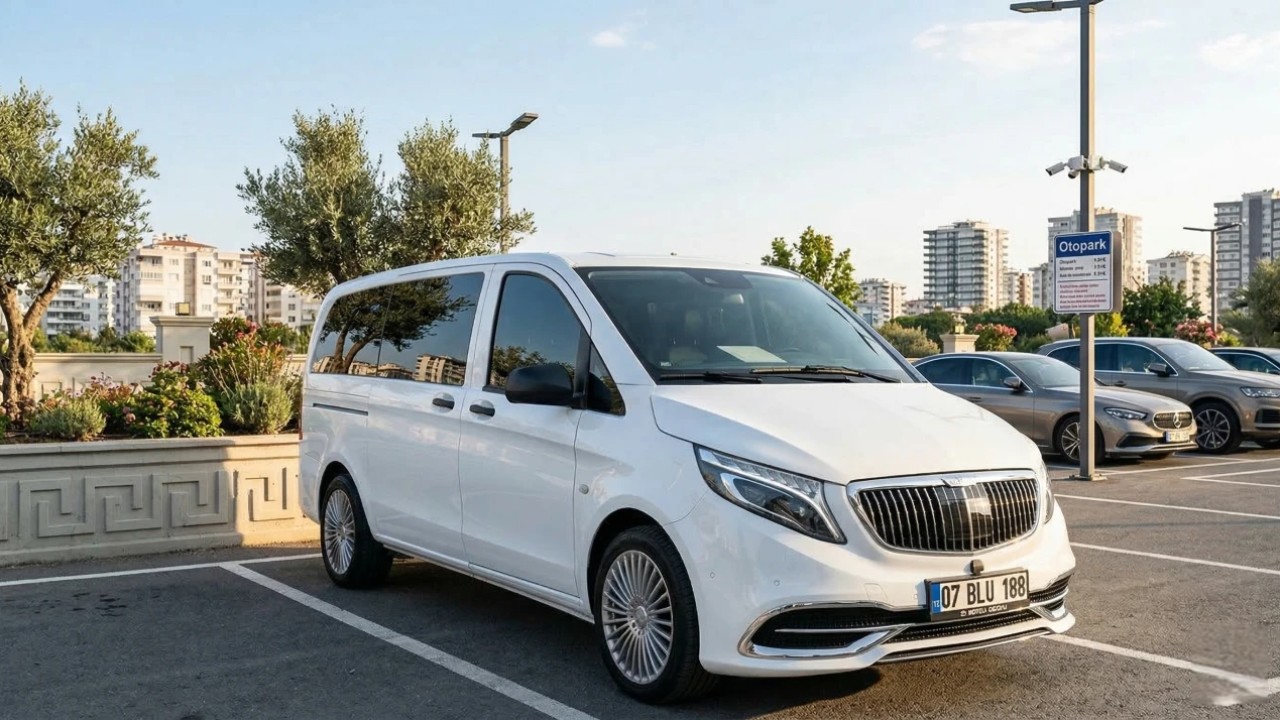
Plan your airport transfer in advance. For families or those with heavy luggage, booking a private transfer saves time during the busy season. Compare routes and vehicle options for Antalya airport transfers here.
-
Use buses and dolmuş for the city. For example, you can take the Lara buses from the center to reach Lower Düden Waterfall.
-
Use dolmuş (minibuses) for districts. You can reach Manavgat Waterfall in 15 minutes via local shuttles. There are frequent buses from the Antalya bus station to Side. For Kaputaş, taking a dolmuş from Kaş or Kalkan is the most practical way.
-
Consider Kaş or Fethiye for the western end. To reach Patara, you can take a bus from Kaş or Fethiye to Gelemiş village.
-
Decide on a rental car based on your itinerary. Car rentals start around 1,000 TL per day. If you are staying central and walking, you might not need one; if you want to see both ends of the province, it's a huge time-saver.
Local transport notes: - Flight prices (averages) are around 2,200 TL from Istanbul and 1,650 TL from Ankara; these can drop during the off-season. - For day trips from the center, Düden (10 km) and Kurşunlu (22 km) can be done in one day, but give Aspendos (46 km) its own half-day. - To catch a rainbow at Lower Düden, aim for midday; if you hate crowds, go early in the morning.
How Many Days Should You Allocate?
The local answer is 5–7 days. This is enough time to see the history, enjoy the beaches, and join popular tours. We break this down into three scenarios:
-
3 Days (City-Focused): Day 1: Kaleiçi, Hadrian's Gate, and Karaalioğlu Park. Day 2: Antalya Archaeology Museum and Konyaaltı beach. Day 3: Düden and Kurşunlu waterfalls. No car is needed for this.
-
5 Days (City + One Direction): Add two days to the above to head either East (Aspendos, Side, Manavgat, Köprülü Kanyon) or West (Olympos, Çıralı, Yanartaş, Kemer coves).
-
7 Days (Two Directions or the West Coast): After exploring one side, head to the Kaş/Kalkan line to see Kaputaş and Patara. This also allows time for a short hike on the Lycian Way.
Neighboring Regions
Antalya borders Muğla to the west, Burdur, Isparta, and Konya to the north, and Karaman and Mersin to the east. Three directions impact your planning:
-
West (Muğla): Kaputaş and Kaş are on the road to Fethiye. For travelers in this area, Muğla and Antalya often feel like one continuous route.
-
North (Burdur & Isparta): Crossing the Taurus Mountains offers a cooler alternative for those wanting to escape the summer heat.
-
East (Mersin): The coastline continues through Alanya and Gazipaşa, making it a great next stop for long road trips.
If you want to expand your journey beyond the province, view our Turkey-wide tour routes here.
Frequently Asked Questions 5
How many days should I spend in Antalya for my first visit?
A city-focused trip can be done in 3 days. However, if you want to see historical sites, enjoy the beaches, and join tours, 5-7 days is the recommended duration. If you want to see both the eastern and western ends of the province, plan for at least 7 days.
What is the best month to visit Antalya?
Spring (March-May) and Autumn (September-November) are ideal, as the weather is neither too hot nor too cold. If your priority is the sea, June-September is best. To avoid crowds, visit in March-April or October-November.
Is it worth visiting Antalya in winter?
Yes. While known for sun and sea, Antalya is a great winter destination for culture and nature. Routes including Kaleiçi, Olympos, Çıralı, Saklıkent Ski Center, and Köprülü Kanyon are popular, as is visiting a traditional Turkish bath.
How do I choose a place to stay based on my holiday type?
Stay in the center (Kaleiçi or Konyaaltı) for short trips or if you aren't renting a car. Choose Belek for families and theme parks. Side and Manavgat are ideal for combining history with rafting. For nature and quiet coves, choose Kemer, Olympos, or Çıralı. For diving and beautiful bays, head to Kaş and Kalkan.
How do I get to Aspendos and what is the entry fee?
Aspendos is located in the Serik district, about 46 km from Antalya center. MuseumPass (MüzeKart) is valid for Turkish citizens. For international visitors, the fee is set in Euros (announced at 15 Euro for the 2026 period). Visiting hours are 08:00-18:45; please check official sources for the latest updates.