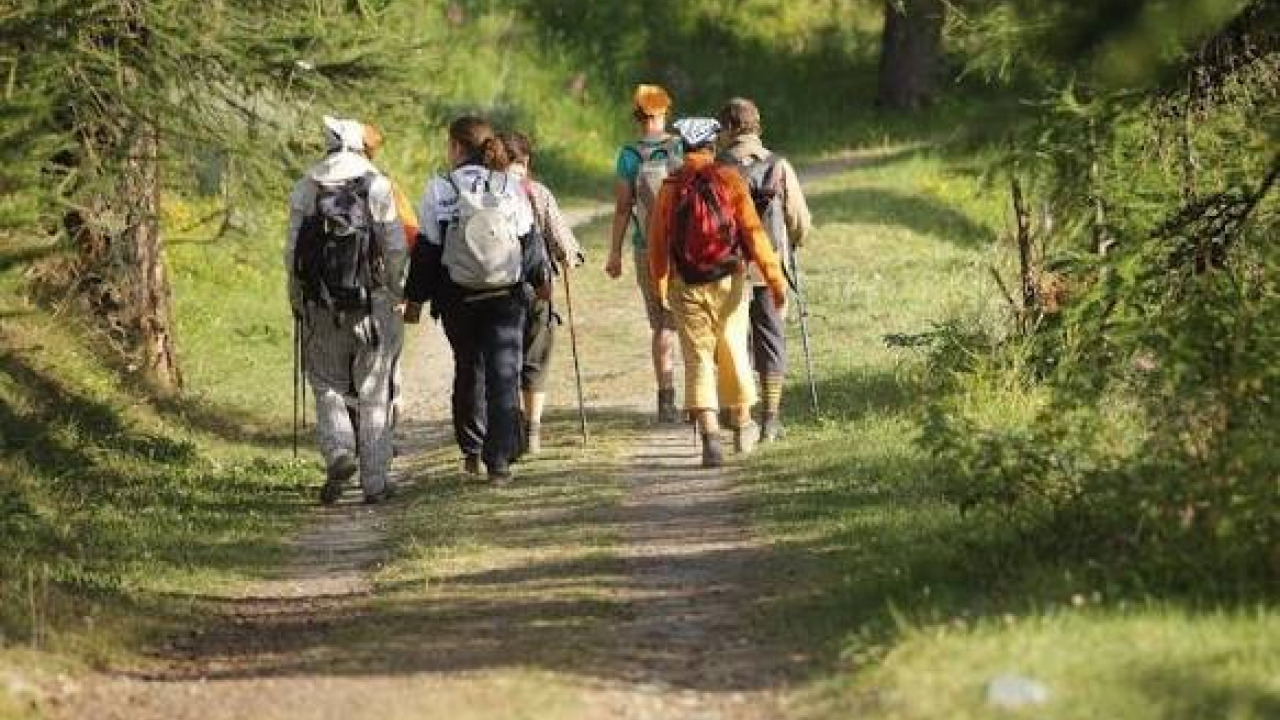
Stepping away from the urban clamor and concrete jungles into pine-scented forest paths is perhaps the purest way to reconnect with nature. Walking along caravan routes, canyon passes, and mountain foothills that have endured since antiquity offers more than just physical fitness; it provides a profound sense of spiritual renewal. Exploring these landscapes through popular trekking and hiking tour options led by professional guides allows you to discover untouched geographies within the safety and discipline of an expert-led group.
Making a multi-hour trek comfortable and secure is not something to leave to chance; it requires meticulous preparation. Choosing the right footwear, learning to read trail markers, and mastering balanced backpack loading form the backbone of a successful expedition. Whether you are planning a casual day hike in the woods or a multi-day mountain traverse, this guide brings together essential field expertise to ensure every step you take is a confident one.
Quick Trekking Facts Before You Hit the Trail
| Feature & Detail | Practical Summary for Hikers |
|---|---|
| Legal & Regulatory Framework | Turkish Mountaineering Federation (TDF) & National Parks Regulations |
| International Marking System | Red-and-white striped Grande Randonnée (GR) standards |
| Essential Footwear | High-cut, deep-lugged Vibram sole trekking boots to prevent ankle rolls |
| Load Distribution Gear | Dual trekking poles with anti-shock mechanisms to reduce knee impact |
| Layering Strategy | Moisture-wicking base layers, insulating fleece, and breathable windbreakers |
| Critical Safety Gear | Offline topographic maps, emergency whistle, and personal first-aid kit |
Turkey's Most Iconic Trekking Routes and Landscapes
The Anatolian landscape serves as a vast open-air museum, crisscrossed by ancient paths left by the Lycian, Carian, and Phrygian civilizations. Where the Taurus Mountains meet the Mediterranean, Antalya trekking tours featuring Lycian stages offer access to the most breathtaking coastal and forested sections of the world-famous Lycian Way. These routes wind through cedar forests, allowing hikers to walk through ancient ruins with stunning sea views as their backdrop.
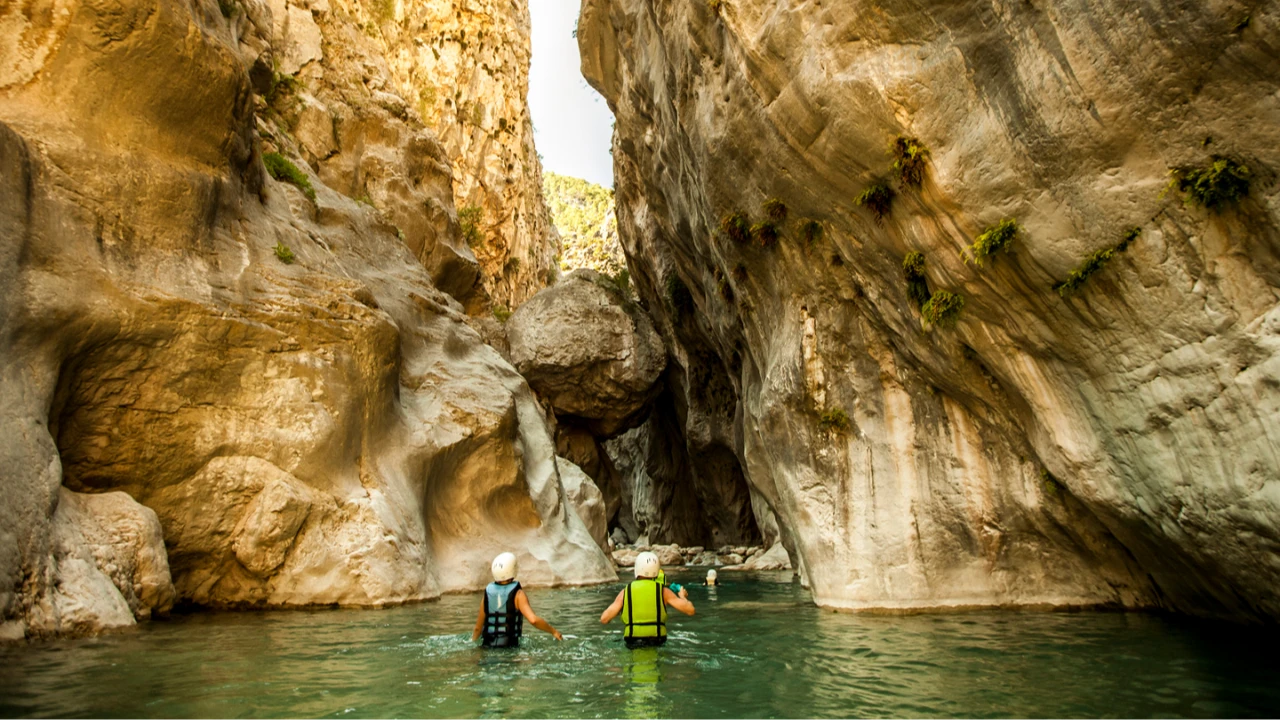
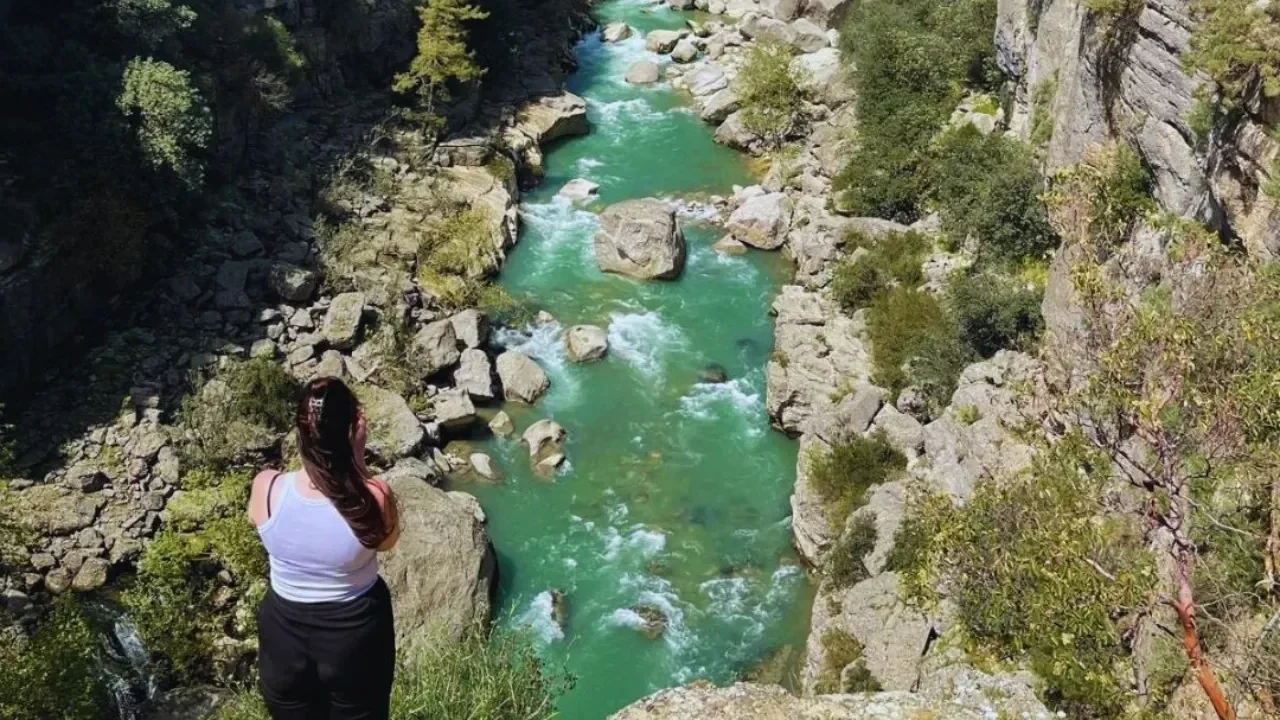
Surrounded by red pine forests and steep limestone canyons, Kemer trekking tours covering canyon crossings include technical terrain near the foothills of Göynük Kanyonu and the slopes of Tahtalı. The Kemer trails provide rewarding elevation gains for intermediate and advanced hikers through river crossings and rocky ascents.
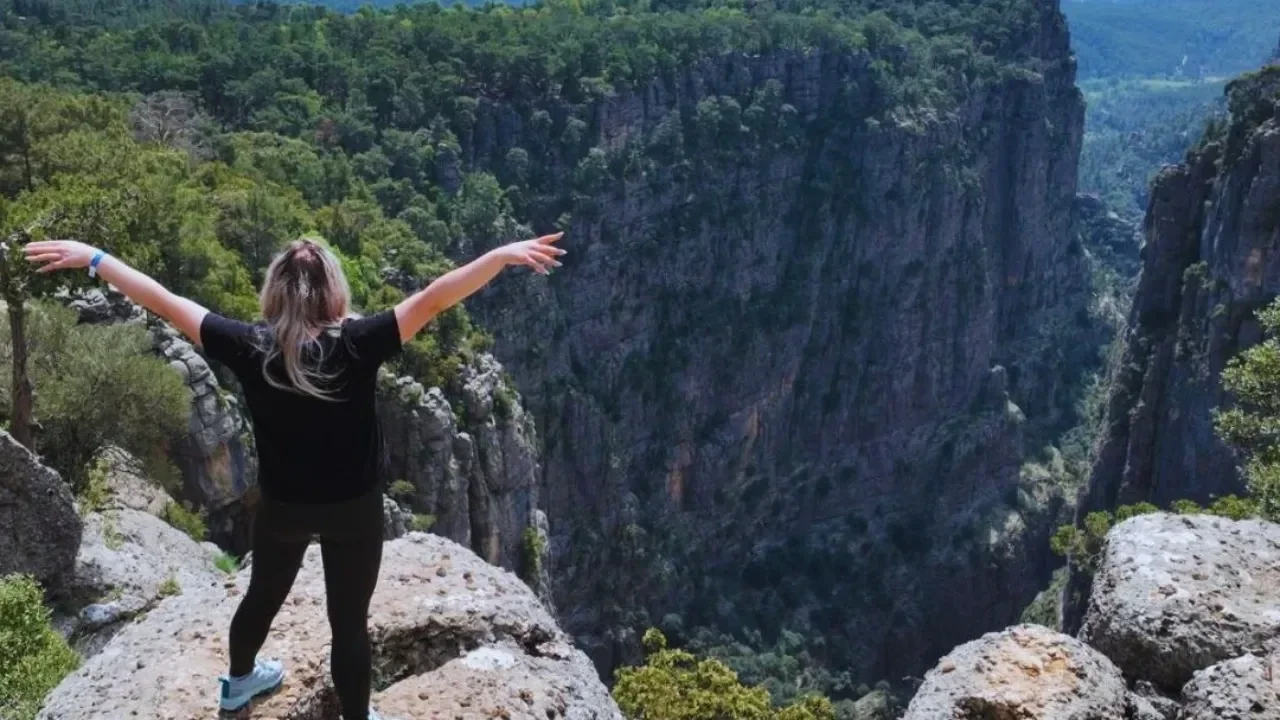
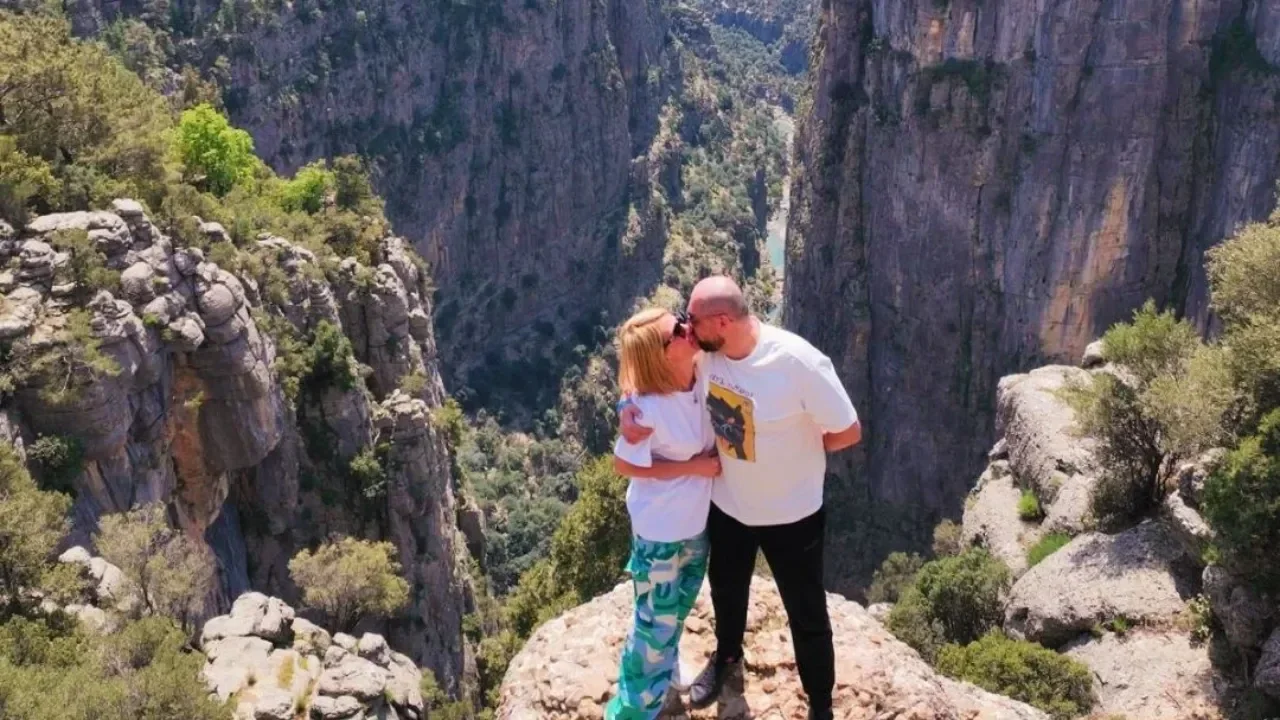
For those seeking a fairytale atmosphere among conglomerate rock formations, Manavgat trekking tours along historical routes lead the way through the Köprülü Kanyon National Park and the ancient city of Selge. These tours are perfect for nature lovers wanting to walk on ancient Roman stone roads and discover historic aqueducts.
Reading Trail Markers: The Red-White GR System and Cairns
The key to navigating wilderness areas where signage is scarce lies in understanding standard marking systems. Many long-distance routes in Turkey follow the international French Grande Randonnée (GR) standards. In this system, symbols painted on rocks or tree trunks guide your way.
Two parallel horizontal stripes, white on top and red on the bottom, confirm you are on the correct path. If these two lines bend at a sharp angle to the right or left, it indicates a sharp turn in the trail. If the red and white lines cross to form an "X," it means you have taken a wrong turn and must immediately backtrack.
In high-altitude rocky terrain where forest cover disappears, painted marks are replaced by "cairns" (stone towers). These small stacks of stones placed by previous hikers allow you to spot the next safe waypoint even in foggy conditions. A fundamental rule of mountain ethics is to never knock over existing cairns or build "fake" ones.
The following technical table compares trail difficulty, terrain types, and daily hydration requirements:
| Difficulty Level | Terrain & Gradient | Avg. Daily Distance | Elevation Gain | Min. Water Per Person |
|---|---|---|---|---|
| Easy (Green) | Flat dirt paths, light forest floor | 6 to 9 Kilometers | 100 - 250 Meters | 1.5 - 2.0 Liters |
| Moderate (Blue) | Rocky paths, root crossings, slight incline | 10 to 15 Kilometers | 300 - 600 Meters | 2.5 - 3.5 Liters |
| Hard (Red) | Scree slopes, steep rocks, narrow ridges | 16 to 22 Kilometers | 700 - 1,200 Meters | 4.0 - 5.0 Liters |
| Technical (Black) | Rock sections requiring rope assistance | Variable (Hourly pace) | Over 1,200 Meters | 5.0 Liters + |
Water consumption may increase depending on seasonal temperatures. Hikers should always consult their guide regarding the reliability of water sources along the route.
Trekking Poles and the Biomechanics of Joint Protection
Using trekking poles is not a sign of weakness; it is a modern biomechanical necessity for protecting joint health. Using a pair of poles during long treks transfers approximately 25% of the load from your knees and hips to your arms and upper body with every step.
When adjusting pole length, aim for a 90-degree angle at the elbow when standing on flat ground. For uphill climbs, shorten the poles by 5 to 10 cm to support the body's natural forward lean. For descents, lengthen the poles to help control and brake your body weight.
Always grip the pole using the wrist strap from underneath. This technique prevents the pole from slipping even when you loosen your grip and distributes the pressure from your palm evenly across the wrist strap.
A 5-Step Protocol for a Safe and Disciplined Trek
To prevent risks such as getting lost, injury, or hypothermia, the following five preparation protocols should be strictly followed before heading out:
- Route and Topography Review: Study the total length, elevation profile, and water sources of the trail. Download offline GPS maps to your phone or smartwatch.
- Footwear and Sock Synergy: Wear proven, waterproof, high-cut trekking boots paired with seamless wool socks that feature reinforced toes and heels to prevent blisters.
- Backpack Center of Gravity: Place heavy items (water, stove) closest to your back and aligned with your shoulder blades; balance lighter items at the bottom and front.
- Emergency and Energy Supplies: Ensure your pack contains a headlamp, whistle, emergency space blanket, high-calorie snacks (like nuts), and a backup battery.
- Group Pace and Lead-Sweep Rule: Always follow the pace of the slowest member of the group. Never overtake the lead guide and never fall behind the "sweep" (the person at the back).
Following these disciplined steps protects both your individual stamina and the safety of the entire group.
The Layering Philosophy and First Aid Basics
To maintain temperature balance during sweating and resting, use the "layering principle." The first layer should be a moisture-wicking thermal base layer made of synthetic or merino wool. Avoid cotton t-shirts at all costs, as they trap sweat and can lead to muscle spasms in cold winds.
The second layer consists of lightweight fleece jackets to trap body heat. The third layer is a breathable, waterproof "hardshell" jacket to protect against rain and harsh winds. A golden rule of mountain safety is to put on your windbreaker immediately when taking a break, before your body temperature drops.
For minor sprains, insect bites, or blisters, your pack should include elastic bandages, antiseptic wipes, and blister plasters. If you feel even the slightest friction in your foot, stop immediately and apply a plaster to prevent a deep wound later.
Hydration, Purification, and Electrolyte Balance
During hours of climbing, the body rapidly loses both fluids and vital minerals through sweat. Waiting until you feel thirsty can be misleading. Consuming a few sips of water every twenty minutes throughout the hike helps prevent muscle cramps and premature fatigue.
During hot summer stages, adding mineral tablets or electrolyte powders to your water helps maintain sodium and potassium levels. Always consult your guide before filling up from streams or fountains on the trail. If you must drink from an unknown source, use mechanical micro-filters or chlorine-based purification tablets.
Environmental Ethics and "Leave No Trace" Principles
Trekking is not just about exploring nature; it is about passing it on to the next generation in its pristine state. The global "Leave No Trace" principles are a fundamental moral responsibility for every nature lover. All packaging, tissues, and plastic waste generated during the hike must be carried back to the city in your backpack.
Even organic waste, such as fruit peels, should not be thrown on the trail, as they can take months to decompose and can disrupt the feeding habits of wild animals. To prevent forest fires, never light open fires within national park boundaries except in designated areas. Finally, never take shortcuts off the marked path, as this triggers soil erosion.
Frequently Asked Questions 5
Do I need a special permit or license to go trekking in Turkey?
For general tourist nature walks, no specific license is required from participants. However, it is a legal requirement to join organized tours in protected national park areas under the guidance of a TDF-licensed mountain guide or an authorized agency.
What are the minimum and maximum age limits for trekking?
Children from age eight can participate in easy day-long stages with their families. There is no upper age limit; any nature lover with regular walking habits and no cardiac restrictions from a physician can participate.
What safety and protective equipment is mandatory for trekking?
The most essential gear includes non-slip hiking boots that support the ankle, trekking poles to protect the knees, a whistle, a headlamp, and a hat for sun protection.
What clothing and items should I bring on this tour?
Quick-drying technical trousers, moisture-wicking base layers, a fleece jacket, a raincoat, at least two liters of water, high-energy dried fruits, and sunscreen should all be included in your backpack.
Where are the most popular trekking routes in Turkey?
The Lycian Way (stretching from Fethiye to Antalya), Köprülü Kanyon and the St. Paul Trail, the Carian Trail, the Phrygian Valley paths, and the plateau routes of the Rize Kaçkar Mountains are Turkey's most popular trails.