
As an ancient trading hub and port city on the Black Sea, Trabzon carries the profound legacy of the Roman, Byzantine, Komnenos, and Ottoman civilizations within its very streets. With its historic neighborhoods perched on steep slopes, centuries-old stone bridges, and majestic fortifications, the city offers culture enthusiasts a magnificent open-air museum experience. The hills overlooking the restless Black Sea waves have served as strategic sanctuaries throughout every era of history.
The cultural corridor, stretching from the city center to the heights of Soğuksu, offers visitors a chance to discover both architectural splendor and the city's unique way of life. Monumental structures showcasing the finest examples of stonemasonry are embraced by a mesmerizing harmony of green and blue. In this comprehensive guide, you will find a step-by-step historical itinerary, must-visit landmarks, and practical tips to make your exploration of Trabzon seamless.
Quick Facts: Trabzon Historical Culture Route
While the historical sites in Trabzon's city center are relatively close to one another, the rugged topography means they should be visited in a logical order. Using public transport from the city center or booking guided cultural tours makes navigating the route quite easy. The summary table below provides the essential details to help you plan your historical city tour.
| Feature | Visitor Summary |
|---|---|
| Location & Main Area | Trabzon Ortahisar (Old City), Soğuksu Hill, and Boztepe foothills |
| Recommended Duration | A full-day comprehensive cultural walk (approx. 5 to 7 hours) |
| Key Landmarks | Trabzon Hagia Sophia, Atatürk Mansion, Ortahisar Castle, Panagia Monastery |
| Best Time to Visit | Mild months between May and October; autumn for golden plane tree leaves |
| Transport & Terrain | Cobbled historic streets, steep inclines, and regular municipal lines |
| Ideal For | History and architecture buffs, photographers, families, and cultural travelers |
Many historical sites accept the Museum Pass. To fully appreciate the intricate frescoes and decorations within the buildings, we recommend starting your visit early in the morning to avoid the crowds.
Step-by-Step Historical Routes in Trabzon City Center
To truly experience Trabzon's historical layers, follow a balanced route that begins on the coastal plains and climbs toward the pine forests of Soğuksu. Every corner of the city carries the traces of a different century.
A day trip through these monumental structures will reveal the city's rich and diverse past.
Trabzon Hagia Sophia and Stone Reliefs
Built during the Empire of Trebizond in the 13th century, Hagia Sophia is the most striking monument of late Byzantine architecture on the Black Sea. The stone reliefs on the building's southern facade depict the creation of Adam and Eve with exquisite detail. Beneath the dome, colorful frescoes bring biblical scenes to life with vibrant tones.
Situated within a spacious garden overlooking the sea, the structure also bears distinct traces of Seljuk stone ornamentation. Resting under the ancient plane trees in the garden while feeling the Black Sea breeze adds a sense of serenity to your journey.
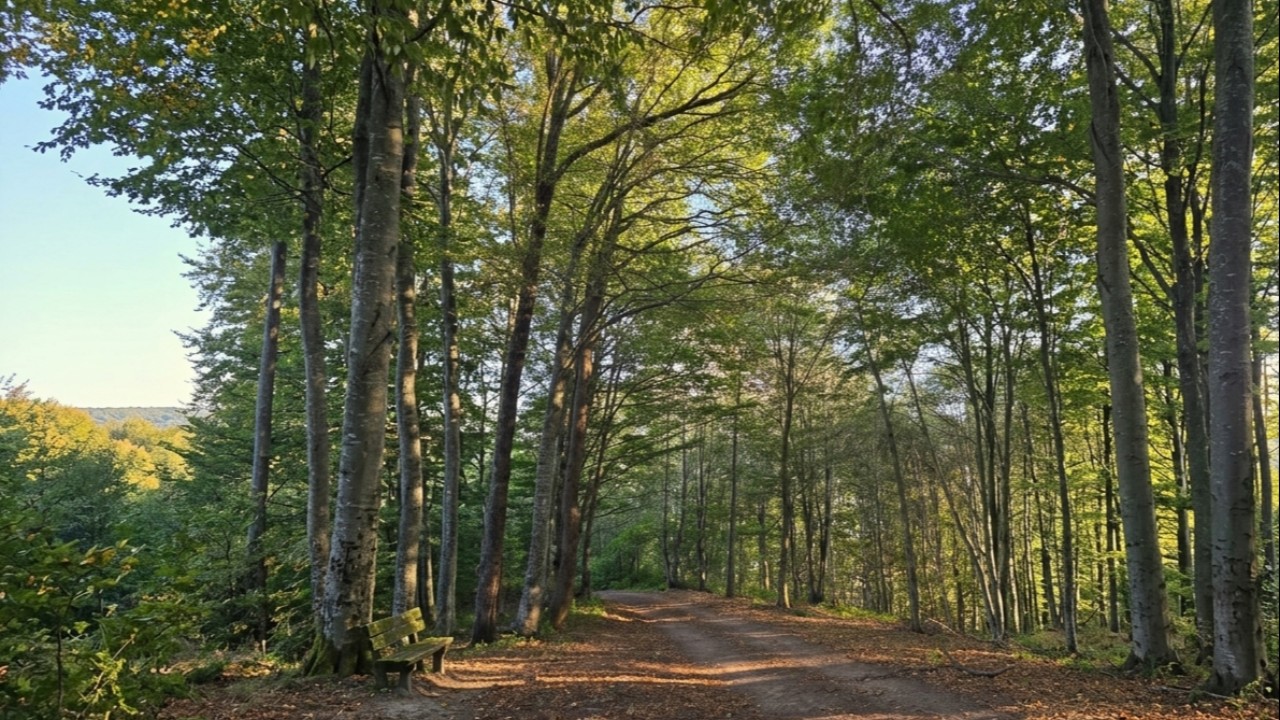
Atatürk Mansion and the Soğuksu Pine Grove
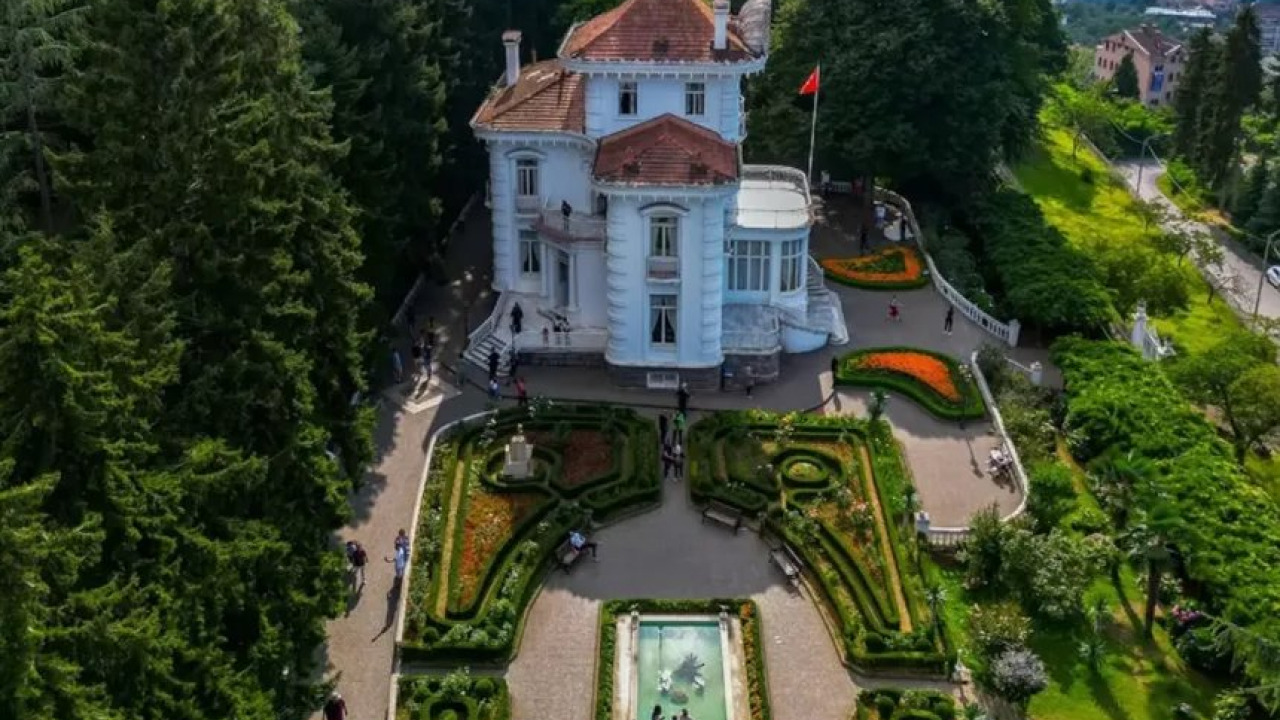
Constructed at the end of the 19th century amidst the pine forests of Soğuksu, this mansion reflects the elegance of European civil architecture of the era. This white mansion, where Gazi Mustafa Kemal Atatürk stayed during his visits to Trabzon and penned part of his will, is preserved with its original furniture and period-accurate ceiling decorations.
The blooming gardens and ancient pines surrounding the mansion create a microclimate that is several degrees cooler than the city during summer heat. The lush forest views from the balconies offer visitors a peaceful vantage point.
Ortahisar Castle, Kanuni House, and Zağnos Bridge
The Ortahisar district, the founding site of Trabzon, is surrounded by imposing castle walls built between two deep valleys. Rising on foundations dating back to the Roman era, these walls were strengthened after the Ottoman conquest and became the heart of the city. The historic stone bridge spanning the Zağnos Valley is the perfect spot to admire the grandeur of the fortifications.
Located in the streets of Ortahisar, the Kanuni Sultan Süleyman Ottoman Culture House showcases the palace culture of the city where the Sultan was born and raised, featuring wax figures and historical artifacts. The historic mansions with traditional bay windows (cumba) lining the narrow streets provide endless inspiration for photography enthusiasts.
Comparison of Trabzon's Cultural Landmarks
The architectural periods, locations, and visitor densities of the city's monuments vary. Knowing the characteristics of each stop in advance will help you manage your time efficiently.
The following comparison table outlines the visiting duration and architectural highlights of the city's most prominent historical stops.
| Historical Site | Era | Avg. Visit Duration | Architectural Highlight |
|---|---|---|---|
| Hagia Sophia Museum | 13th Century Komnenos | 45 to 60 minutes | Southern facade reliefs and dome frescoes |
| Atatürk Mansion | 19th Century European Baroque | 40 to 50 minutes | Original wood flooring, ceiling art, and gardens |
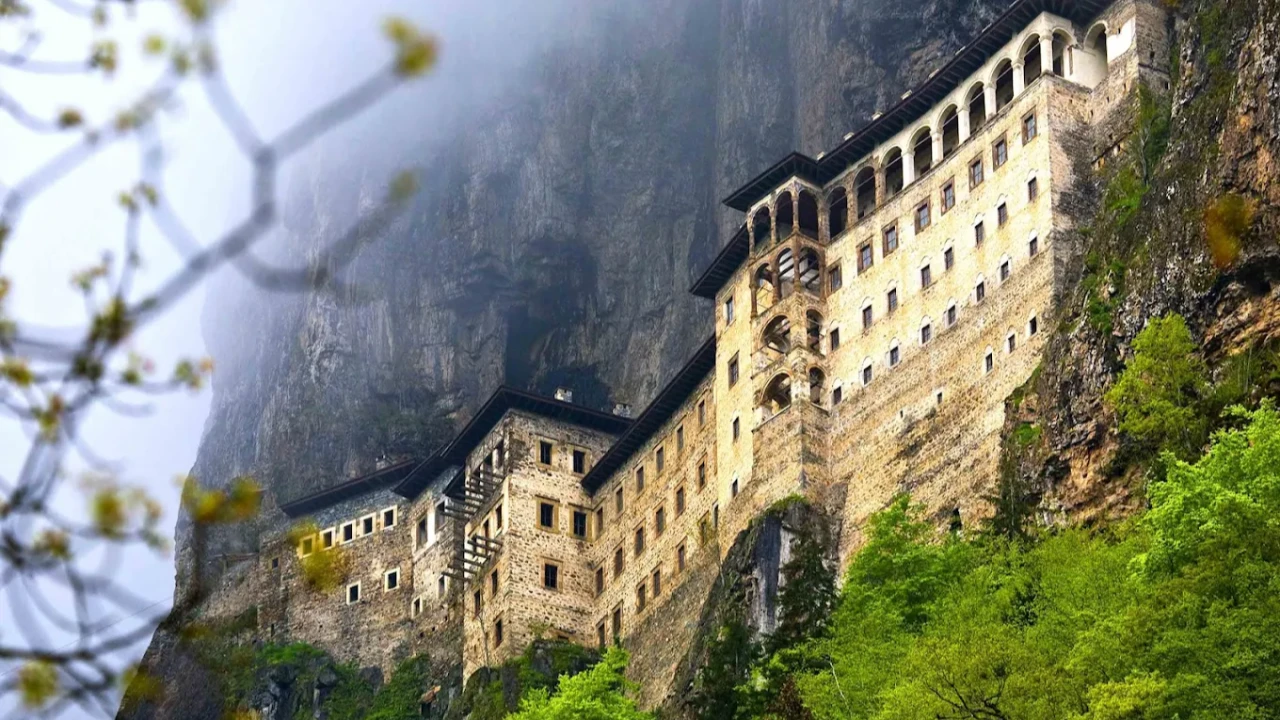
| Panagia Monastery | 14th Century Rock-cut | 45 to 60 minutes | Chapel and cells carved into Boztepe cliffs |
| Ortahisar Kanuni House | 16th Century Ottoman Civil | 30 to 45 minutes | Wooden ceiling carvings and historical armor |
| Trabzon City Museum | 20th Century Early Republic | 45 to 60 minutes | Exhibits on local crafts, press, and sports history |
To visit all these sites at a comfortable pace, we suggest starting your day at Hagia Sophia, heading up to the Soğuksu heights around noon, and exploring the streets of Ortahisar in the late afternoon.
Practical Tips for an Easy Historical Tour
Because the historical fabric of the city is spread across steep hills, unplanned trips can lead to unnecessary exhaustion. To create an efficient route, you must plan your transportation carefully.
Follow these steps to make your day easier:
- Set Hagia Sophia as Your First Stop: Visit the frescoes and stone reliefs in a quiet atmosphere before the tour buses and large groups arrive.
- Use Minibuses for Soğuksu and Atatürk Mansion: Walking from the coast to the Atatürk Mansion can be tiring due to the steep incline; instead, take the Soğuksu minibuses departing from Meydan Park.
- Try Authentic Akçaabat Köfte for Lunch: On your way back from Soğuksu, take a break along the coastline to recharge with the famous grilled meatballs and piyaz menu.
- Dedicate the Afternoon to Ortahisar and the Valleys: Explore the area inside the walls, the Kanuni House, and the stone bridges by walking, starting from Zağnos Valley Park.
The Zağnos Bridge, rising over the valleys surrounded by historic walls, is a significant landmark in urban history. The park areas and walking paths beneath the bridge are a beautiful example of how old city textures integrate with modern recreational spaces. While walking this route, you can clearly observe ancient traces on the wall stones alongside Ottoman repair inscriptions.
Please respect photography rules during museum visits. Flash photography is restricted in indoor areas to protect the frescoes and historic wooden surfaces. In the gardens and courtyards, however, you can freely capture the unique details of Black Sea architecture in natural light.
Essential Items for Your Urban Cultural Walk
Cobbled streets and historic stairs require proper preparation. Carrying a few essentials in a small shoulder bag will significantly enhance your experience.
We recommend having the following items with you during your walk:
- Comfortable walking shoes with textured soles to prevent slipping on inclined stone paths.
- A lightweight raincoat or umbrella to guard against the sudden light drizzles common in the Black Sea climate.
- A valid Museum Pass to ensure quick entry without waiting in lines.
- A camera or smartphone with high-quality settings to capture clear shots in the dim interiors of historic buildings.
Panagia Monastery and the Boztepe Panorama
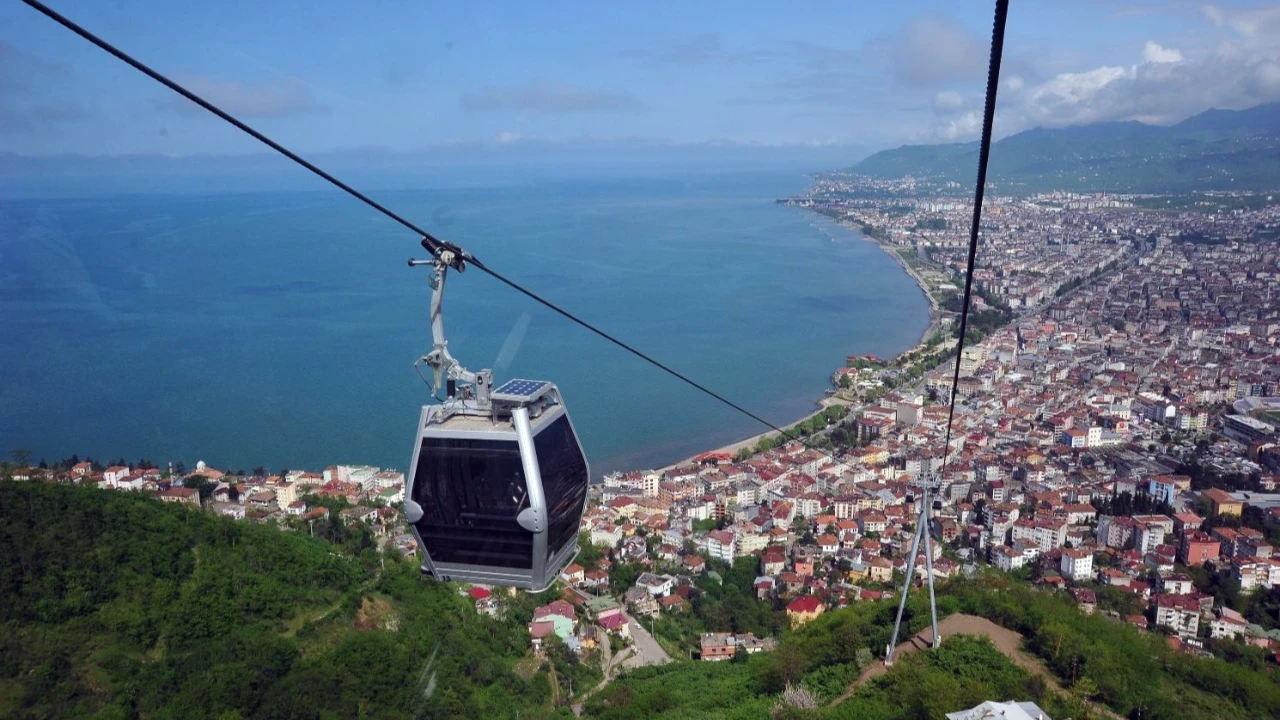
The Panagia Theoskepastos (Maiden's Monastery), carved into the steep cliffs of Boztepe, has become one of the city's most impressive cultural stops following its recent restoration. The monastery complex consists of a rock-cut main church, a bell tower, and monk cells. From its high terrace, the entire city and the Black Sea port unfold beneath your feet.
After visiting the monastery, crown your trip by heading to the Boztepe tea gardens to watch the city from a bird's-eye view while sipping fresh Black Sea tea brewed in a traditional samovar. The red reflection of the setting sun on the sea during the late afternoon creates an unforgettable view.
Kemeraltı and the Coppersmiths' Bazaar: A Living Craft Culture
The historic Kemeraltı Bazaar, descending from Ortahisar toward Meydan Park, has been the city's commercial artery for centuries. In the Coppersmiths' Bazaar, the sound of hammers hitting metal accompanies the production of handcrafted copper cauldrons, coffee pots, and pans, keeping the traditional craft culture alive. You can even chat with the master craftsmen to learn about the art of filigree and woven bracelet making.
The aroma of freshly baked Trabzon bread and cheese pide wafts from the historic bakeries tucked between the shops. This part of your journey is the perfect time to sample local delicacies and pick up authentic regional souvenirs.
Relaxation Spots After Your Cultural Tour
After walking through the historical sites, you can reflect on your day's discoveries by relaxing in the city's peaceful corners. The coastal life of the Black Sea offers a serene atmosphere at the end of the day.
Here are some relaxation areas to visit once you complete your cultural tour:
- Trabzon Meydan Park: A central meeting point where you can sit under centuries-old plane trees and observe the daily rhythm of local life.
- Ganita Coastal Tea Gardens: An ideal seaside strip for sipping freshly brewed tea on the rocks as the Black Sea waves hit the shore.
- Zağnos Valley Recreation Area: A green corridor featuring ponds, ducks, and walking paths located right at the foot of the historic walls.
- Boztepe Observation Gardens: A popular spot to watch the lights of the Trabzon port and the city skyline from above.
If you wish to explore different cultural routes in the region, please check the alternatives on our Trabzon historical and guided culture programs page. For those looking to trek in the Black Sea nature, check out our Trabzon hiking and valley guide or view all our options in the Trabzon tour options list.
Frequently Asked Questions 5
How many days should I set aside to explore the Trabzon city center?
One full day (5-7 hours) is sufficient to comprehensively visit Hagia Sophia, Atatürk Mansion, and the Ortahisar region in the center.
Is public transport convenient for reaching these sites?
Yes, municipal buses and minibuses departing from the vicinity of Trabzon Meydan Park provide regular service to the Soğuksu Mansion and Hagia Sophia.
Is the Museum Pass valid at Hagia Sophia and Atatürk Mansion?
The Museum Pass is valid at the Hagia Sophia Mosque Museum, which is under the Ministry of Culture and Tourism; a small entrance fee applies to the Atatürk Mansion, which is managed by the municipality.
Are the inclines on the city walking routes challenging?
The slopes of Ortahisar and Boztepe feature steep paths; therefore, we recommend wearing orthopedic and non-slip footwear.
Where can I taste local delicacies during my historical tour?
You can easily find Akçaabat köfte, kaygana, kuymak, and Black Sea pide in the historic restaurants around Ortahisar and Meydan.