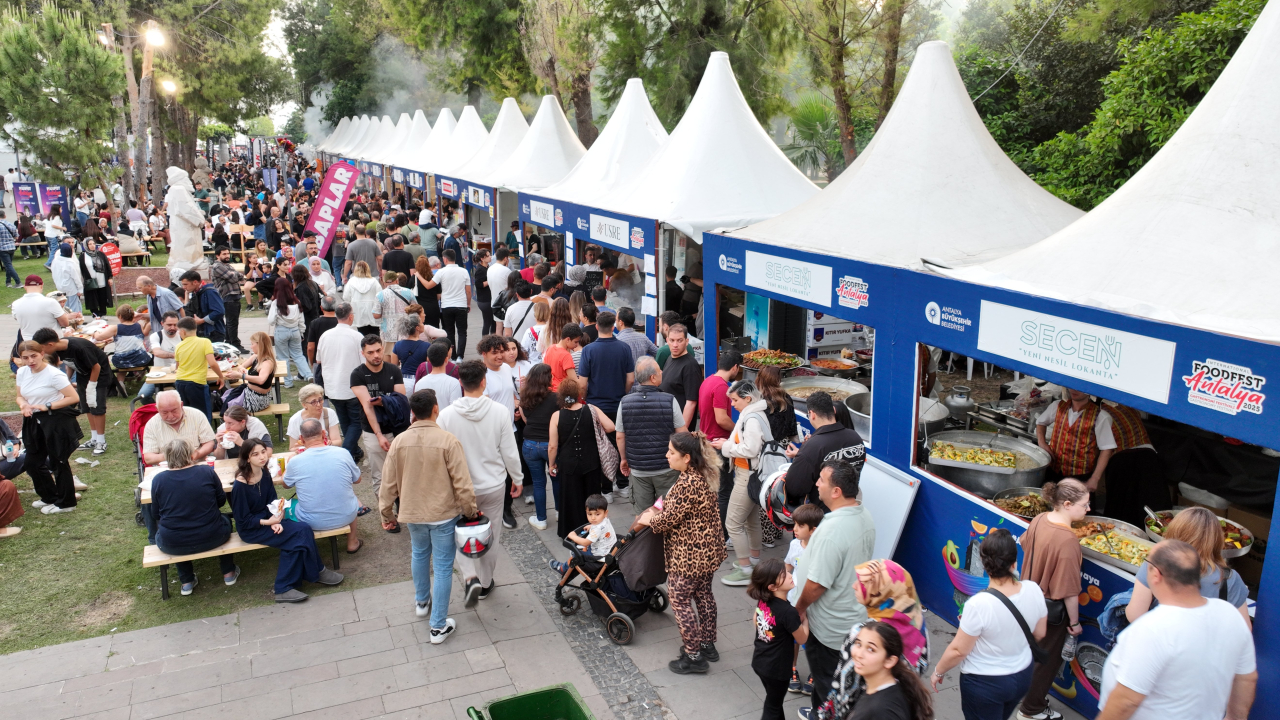

Antalya, the capital of Turkish tourism, is renowned not only for its golden sands and ancient ruins but also for a rich gastronomic heritage that spans centuries. While many travelers assume the local cuisine is limited to hotel buffets, the city's hidden alleys reveal a vibrant mosaic of flavors: fresh Mediterranean seafood, the hearty meat and dairy traditions of the Toros nomads (Yörüks), and the unique wild herb culture brought by Cretan settlers. For a local, the essence of Antalya is found in the crunch of freshly baked serpme börek, the aroma of charcoal-grilled şiş köfte paired with creamy tahini piyaz, and the refreshing, smoky taste of goat-milk "burnt" ice cream on a warm summer evening.
The philosophy of Antalya's kitchen is simplicity and freshness. Utilizing the region's fertile basins, the cuisine highlights citrus fruits, olive oil, sesame, and seafood without masking their natural flavors with heavy sauces. In this comprehensive gastronomy guide, we have curated the city's registered delicacies, historic artisan restaurants, local markets, and flavor routes. For food enthusiasts who wish to experience this culinary culture through professional tasting menus and expert guidance, Antalya gastronomy and food culture tours offer an immersive journey of taste.
Antalya's Culinary Identity: Nomad Traditions meets Mediterranean Freshness
Antalya's gastronomy is fed by three main veins: the meat and cheese culture of the Yörüks living in the highlands, the abundance of vegetables and citrus from the fertile plains, and the deep-rooted fishing traditions of the coast. The intersection of these three influences has created extraordinary flavor combinations found nowhere else in Turkey. Specifically, the geographically indicated juicy oranges of Finike, the native avocados grown in the subtropical climate of Alanya, and the banana groves of Gazipaşa add a refreshing zest to the local palate. The tulum cheeses and churned butter made from goat milk in nomadic tents are brought down to coastal markets in winter, fueling a rich breakfast culture. Meanwhile, wild Mediterranean herbs like radika, şevketi bostan, nettle, and cibez, passed down through generations of Cretan families, take center stage when sautéed with olive oil and garlic.
The following table outlines the primary categories of Antalya's cuisine, their standout dishes, key ingredients, and traditional serving times:
| Cuisine Category | Standout Local Dishes | Key Ingredients | Ideal Time to Enjoy |
|---|---|---|---|
| Traditional Grill & Köfte | Antalya Şiş Köfte, Aksu Köftesi | Lean beef and lamb, rock salt | Lunch and Dinner |
| Unique Mezes & Salads | Tahinli Antalya Piyazı, Hibeş, Tarator | Çandır beans, Manavgat tahini, cumin | As a side to main courses |
| Wild Herb Dishes | Boiled Radika, Şevketi Bostan, Arapsaçı | Freshly foraged herbs, extra virgin olive oil, lemon | Spring (March - May) |
| Pastries & Breakfast | Serpme Börek, Pistachio Katmer, Simit | Paper-thin phyllo, minced meat, curd cheese | Breakfast (07:00 - 10:00) |
| Seafood & Fish | Grida (Grouper) Stew, Fried Calamari | Fresh rock fish, garlic, olive oil | Dinner (Post-sunset) |
| Local Desserts | Yanık Dondurma, Arap Kadayıfı, Bitter Orange Jam | Goat milk, walnuts, cinnamon, citrus peel | Post-dinner or afternoon tea |
Iconic Tastes of Antalya: Şiş Köfte, Tahini Piyaz, and Hibeş
When sitting down to a meal in Antalya, the city's identity is best represented by the legendary duo: şiş köfte and tahinli piyaz. These two are an inseparable gastronomic ritual.
Antalya-Style Şiş Köfte and Çandır Beans
Traditional Antalya şiş köfte is prepared by kneading only meat and salt, without adding bread or onions, and shaping it onto flat iron skewers. They are seared over oak charcoal to keep the inside juicy. The accompanying Antalya Piyazı is entirely different from the olive-oil-based bean salads found in other parts of Turkey. Small-grained Çandır beans are boiled and then tossed while hot with a whipped tahini sauce consisting of lemon, apple cider vinegar, garlic, and olive oil, topped with sliced boiled eggs.
Hibeş Meze: A Dance of Spices and Tahini
A timeless meze from the Manavgat and Antalya basins, the heart of sesame production, hibeş is a cold blend of tahini, freshly squeezed lemon juice, garlic, cumin, and red pepper flakes. It is enjoyed both as a dip with fresh bread and as a natural sauce for meat and chicken dishes. For those who want to observe local life while exploring the city's deep culinary roots, Antalya traditional culture tours provide rich on-the-ground insights.




A Flavor Map by Neighborhood: Kaleiçi, The Fishing Harbor, and Çakırlar
The search for authentic taste in Antalya is concentrated in thematic hubs across different districts.
Historic Kaleiçi: Boutique Taverns and Artisan Stops
Hidden within the century-old stone courtyards of Kaleiçi, boutique restaurants excel in seafood and a wide variety of mezes. Dining on Hesperidya Street with Mediterranean fish while listening to live fasıl music is a classic evening tradition. By day, the historic doner shops and artisan eateries around Kaleiçi serve tender lamb tandır and hearty paça (trotter) soup.
The Fishing Harbor: Fresh Daily Catches
The restaurants at the Fishing Harbor Cooperative on the west side of the city bring the morning's catch, grida, lahoz, coral, and red mullet, straight to your table. These should be paired with fresh sea beans, rock samphire, and warm octopus salad with olive oil.
Çakırlar Village Market: Village Breakfasts and Gözleme
On weekend mornings, locals flock to the Çakırlar region, where village breakfasts are served in wooden gazebos under pine trees. Fresh gözleme (flatbreads) stuffed with wild herbs and curd cheese, cooked on a traditional griddle, accompany citrus jams and farmhouse butter.
Sweets and Sips: Burnt Ice Cream, Bergamot, and Serpme Börek
The world of desserts and snacks in Antalya is shaped by the warm climate and agricultural wealth of the region.
The following table examines the city's signature sweets and pastries:
| Delicacy | Composition | Flavor Profile | Where to Try |
|---|---|---|---|
| Yanık Dondurma | Slightly scorched goat milk and sahlep | Caramelized smoky milk aroma, dense texture | Historic Akdeniz Dondurmacısı |
| Serpme Börek | Paper-thin dough stretched by hand in the air | Crispy with minced meat or cheese, dusted with powdered sugar | Börekçi Tevfik / 18 Börekçisi |
| Arap Kadayıfı | Flat shredded pastry with walnuts and cinnamon | Crispy exterior, syrupy and soft interior | Historic confectioners in the city center |
| Bitter Orange Jam | Fresh bitter orange peels with bitterness removed | Tart, citrusy, lightly syrupy | Local markets and delicatessens |
For those who want to visit different flavor stops throughout the day and explore the historic bazaars, Antalya city center day trips provide a logistically seamless itinerary.
A 5-Step Daily Flavor Route for Foodies
If you want to dedicate a full day to the authentic tastes of Antalya, follow this five-step plan from dawn to dusk:
- Start with Crispy Serpme Börek (08:00 - 09:30): Visit a historic börek shop and watch the master spin the dough in the air until it's thin as gauze. Enjoy your minced meat börek with strong tea and fresh tomato slices.
- Kaleiçi Coffee and Spice Shopping (10:00 - 12:00): Wander through the streets of Kaleiçi; visit the historic spice shops around İki Kapılı Han to buy fresh Manavgat tahini, dried mountain thyme, and bergamot tea.
- Lunch: Şiş Köfte and Tahini Piyaz (12:30 - 14:30): Sit at one of the established grill houses in the center for a feast of charcoal-grilled beef skewers and tahini piyaz topped with boiled eggs.
- Afternoon Cool-down: Burnt Ice Cream Break (16:00 - 17:30): As the heat fades, refresh yourself with authentic goat-milk "burnt" ice cream along the cliffs overlooking Karaalioğlu Park.
- Mediterranean Mezes and Seafood Feast (19:30 - 22:30): End your day at a fish restaurant in the harbor or the Fishing Harbor with a grida fish stew, hibeş meze, and sea beans.
Reservations and Local Tips for Historic Eateries
To ensure a smooth experience while tasting authentic flavors in Antalya, keep these tips in mind:
- The Early Bird Rule for Börek: Traditional serpme börek shops have limited daily dough, and it becomes hard to find after 11:00 AM. Aim to be at your table by 09:00 AM. The masters start kneading at 5:00 AM, and the trays come out golden brown. The dusting of powdered sugar on the crispy pastry creates a delightful contrast with the black pepper in the meat filling.
- The Hot Service Rule for Tahini Piyaz: In authentic tahini piyaz, the tahini sauce is poured while the beans are still hot, allowing the beans to absorb the sauce. Adding sauce to cold beans ruins the flavor balance.
- Understanding the "Burnt" Aroma: First-timers might mistake the scent of yanık dondurma for a cooking mistake. However, the intentional slight caramelization of goat milk in copper cauldrons is the trademark of this dessert.
- Fish Pricing by Weight: In fish restaurants, orders are often weighed by the kilo rather than by portion. Asking for the fish to be weighed during the order helps you keep your budget in check.
- Weekend Crowds in Kaleiçi: For courtyard taverns with live music on Friday and Saturday nights, make a phone reservation at least one day in advance.
- Olive Oil and Spice Shopping: When shopping at local neighborhood markets, taste the cold-pressed olive oils and the tulum cheeses from Yörük stalls before buying.
- Citrus Harvest Season: Consuming Finike oranges and Gazipaşa avocados during the autumn and winter months ensures you experience their peak aroma and flavor.
Frequently Asked Questions 5
Why is Antalya piyaz made with tahini?
Antalya and its surroundings have been centers of sesame cultivation since the Ottoman era. Locals developed the tahini-sauce "tarator" formula to enrich the nutritional value of beans with the energy and minerals found in sesame.
Is burnt ice cream actually made from burnt milk?
Yes, while raw goat milk is boiled in copper cauldrons, the bottom layer is allowed to slightly scorch and caramelize. This controlled burning gives the milk a unique smoky and aromatic flavor.
Is Hibeş meze spicy?
Hibeş contains cumin and red pepper flakes, but it is not overly spicy. The rich, fatty nature of the tahini balances the heat of the spices, offering a creamy taste that doesn't burn the palate.
Can I reach the Çakırlar breakfast area via public transport?
It is possible to use municipal buses from the city center, but renting a car or taking a taxi is more practical for a direct trip during the early morning hours.
When are the best months to eat fresh fish in Antalya?
With the end of the fishing ban in early September, October, November, and December are the periods when Mediterranean rock fish are the fattest and most flavorful.