
Serving as the administrative, logistical, and cultural gateway to the Eastern Black Sea, Trabzon carries a history spanning millennia as one of the most strategic port cities where the Silk Road meets the sea. Having hosted Roman, Byzantine, the Empire of Trebizond, and Ottoman civilizations, the city preserves this layered heritage through its monumental structures, mosques converted from churches, and unique civil architecture. In this guide, we explore the standout cultural landmarks of Trabzon—from the Ayasofya, a masterpiece of Late Byzantine architecture, to the Atatürk Mansion, a symbol of Republican history, and from the historic Kaleiçi in Ortahisar to the charming narrow streets of Akçaabat Orta Mahalle.
At Travel Tour Shop, we operate extensively throughout the Eastern Black Sea region and possess deep local knowledge of the city and its districts. This article focuses on Trabzon's cultural and architectural heritage; while we briefly mention its rich cuisine—ranging from anchovies to the famous Akçaabat meatballs—we leave the culinary deep-dives for a dedicated gastronomy guide. Below, we first provide a quick summary of the city's highlights, followed by a detailed look at the history and visiting practicalities of each stop.
Quick Facts
| Category | Details |
|---|---|
| City | Trabzon (Eastern Black Sea) |
| Top Highlights | Ayasofya Mosque and Museum, Atatürk Mansion, Ortahisar, Boztepe, Akçaabat Orta Mahalle |
| Trip Style | Culture, history, and architecture-focused city tour |
| Ideal Duration | 1.5 days for the center; 2 days including surroundings |
| Best Season | Late spring and summer; June–September for the plateaus |
| Getting Around | Trabzon Airport, road transport, and local minibuses (dolmuş) |
Where to Go in Trabzon?
The sightseeing options in Trabzon allow you to trace three distinct eras all in a single day. Perched on a hill overlooking the sea at the western entrance of the city, Ayasofya is one of the best-preserved examples of Late Byzantine art. To the south, nestled among spruce forests on the Soğuksu ridges, the Atatürk Mansion embodies the aesthetics and national memory of the Republican era. While the historic Kaleiçi in Ortahisar, Zağnos Valley, and the Boztepe viewpoint complete the city's texture, the Orta Mahalle in the Akçaabat district preserves the elegance of Ottoman civil architecture.
Since these landmarks are relatively close to one another, you can easily combine a Trabzon-centered cultural tour into a single itinerary. If this is your first time visiting the region, a guided tour can take the stress out of transportation and timing. You can browse our Trabzon tours to compare programs covering the center and surrounding areas, or visit our culture tours page for similar themes in other cities.
Trabzon Ayasofya Mosque and Museum
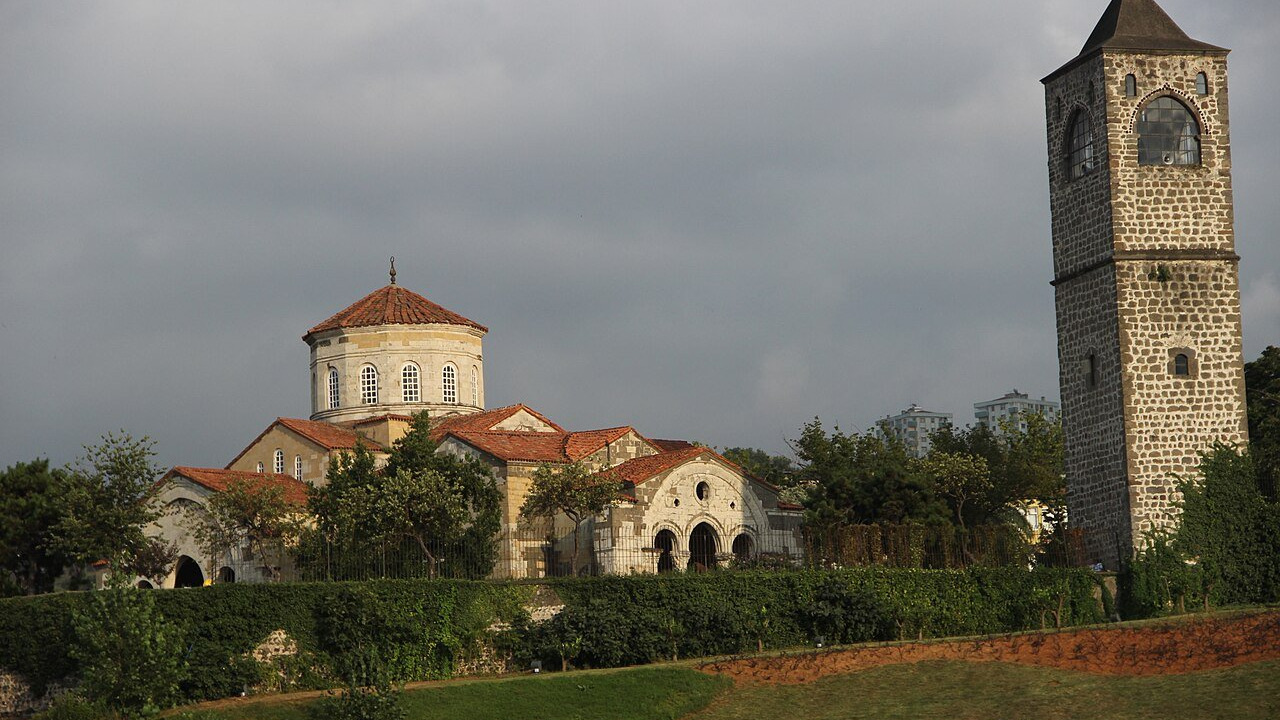
Located on a hill overlooking the sea at the western entrance of Trabzon, Ayasofya (Holy Wisdom) dates back to the reign of the Emperor Manuel I Komnenos (between 1238–1263) and was originally built as a monastery church. Following the conquest of Istanbul, the structure was converted into a mosque; it served as a museum for a long period and today functions as both a mosque and a cultural heritage site open to visitors. With its cross-in-square architectural plan, Ayasofya is considered one of the finest examples of Late Byzantine art in Anatolia.
The Creation Reliefs on the South Gate
What makes Ayasofya a standout on Eastern Black Sea tours are the magnificent stone reliefs, particularly on the south gate. These carvings depict the creation of Adam and Eve, their life in paradise, the eating of the forbidden fruit, and their expulsion from Eden in a continuous frieze. The ability to read the entire narrative across a single surface demonstrates the masterful stonework of the era. We recommend following this frieze from left to right during your visit to experience the flow of the story.
Dome Frescoes and the Cross-in-Square Plan
Inside the structure, the dome frescoes—including the scene of the Ascension of Christ and the choir of angels—retain their vivid beauty. The richness of color and composition in the wall paintings provides powerful clues regarding the church's original function. Ayasofya serves as a tangible architectural example of how different religions and art movements can coexist by layering upon one another rather than erasing the past. The cross-in-square plan creates a spacious balance in the interior, allowing light to distribute evenly from the dome to the floor.
Atatürk Mansion: The White Residence of National Memory
Rising from the Soğuksu ridges south of Trabzon amidst lush spruce forests, the Atatürk Mansion was built as a summer residence by the Trabzon-based banker Konstantinos Kabayanidis between the late 19th and early 20th centuries (approximately 1890–1913). This white mansion, which bears traces of European Renaissance and Baroque architecture, is one of the city's most striking civil structures, complete with a stunningly landscaped geometric garden.
Renaissance Style Architecture and Gardens
The symmetrical facade, high ceilings, and elegant balconies reflect the lifestyle of the wealthy families of that era. The geometric garden surrounding the mansion features terraces at different levels, offering views overlooking the city and the sea. Walking through the gardens allows you to experience both the architectural refinement of the building and the lush greenery of Trabzon simultaneously. The best spots for photography are the mansion's front facade and the corner of the lower terrace facing the view.
The Mansion Where Estates Were Donated
The true significance of the mansion lies in the fact that Gazi Mustafa Kemal Atatürk stayed here during his visits to Trabzon in 1924, 1930, and 1937. According to historical records, while staying at this mansion on June 11, 1937, Atatürk signed the document donating his estates to the National Treasury. As visitors explore the historical furniture, Atatürk's desk, and the section displaying documents from this era, they experience both a museum tour and a profound sense of national history.
Ortahisar, Zağnos Valley, and the City Center
The heart of Trabzon beats in the historic Kaleiçi district of Ortahisar. Built among steep slopes, this area houses both the Byzantine and Ottoman layers of the city side-by-side. With its narrow streets, historic mansions, and sweeping views, Ortahisar is the perfect starting point for a city center exploration.
Ortahisar Fatih Mosque
The landmark of this area is the Ortahisar Fatih Mosque, which was converted into a mosque following the Ottoman conquest from an old Byzantine church. The structure is one of the clearest examples of the city's transition from church to mosque. With its thick stone walls, spacious interior, and high dome, it stands out as both a religious and historical stop. The old streets surrounding the mosque are ideal for discovering the texture of the Kaleiçi district step-by-step.
Zağnos Valley and Kaleiçi
A section of the walls surrounding Ortahisar extends along the Zağnos Valley. Today, the valley has been developed into a green walking and relaxation area, with its historical bridge and wall ruins serving as reminders of the city's defensive past. Walking along the valley offers the opportunity to view the Kaleiçi district from above. This route is a delightful path for walking enthusiasts, merging the city center with its natural landscape.
The View from Boztepe
The Boztepe viewpoint, located to the east of the city, is the primary stop for those wishing to see Trabzon from a bird's-eye view. From here, the sea, the harbor, Kaleiçi, and the city's green ridges are all captured in a single frame. The way the light scatters over the sea, especially at sunset, makes this terrace a magnet for photographers. The tea gardens around Boztepe are ideal for a short break accompanied by a view, allowing you to experience the local tea culture.
Trabzon Museum (Kostaki Mansion) and Other Stops
The Trabzon Museum, located in the city center, is housed in a magnificent mansion known locally as the Kostaki Mansion. With its rich interior decorations, ceiling ornaments, and archaeological collection, the museum presents both the building itself and the history of the region. The rooms of the mansion offer a concrete glimpse into the lives of wealthy Trabzon families at the beginning of the 20th century.
Gülbahar Hatun Mosque
For those wishing to trace the footsteps of the Ottoman era, the Gülbahar Hatun Mosque is an important stop in the center. Built in the name of Gülbahar Hatun, the mother of Yavuz Sultan Selim, this complex is a representative of classical Ottoman mosque architecture in Trabzon. The mosque courtyard is a peaceful area to escape the city's busy pace for a short rest. We recommend adding this structure to your itinerary as you complete your city center tour.
Akçaabat Orta Mahalle: A Living Museum of Ottoman Civil Architecture
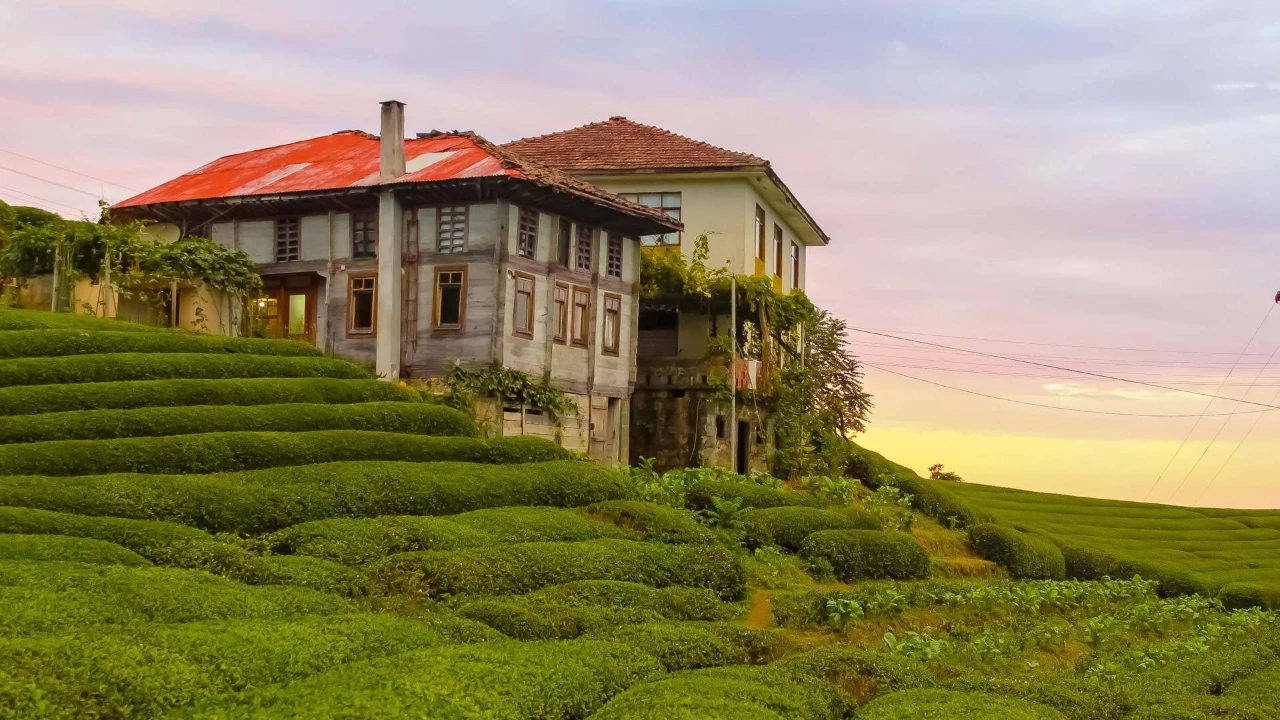
A rising star of Trabzon tours in recent years is Orta Mahalle, located in the Akçaabat district. Protected as an urban heritage site similar to Safranbolu or Beypazarı, this neighborhood is one of the rare places where 19th-century Ottoman civil architecture—characterized by wood-and-stone mansions and narrow streets built on steep slopes—has survived intact to the present day.
Cobblestone Streets and Mansions
A visitor walking through Orta Mahalle feels the tranquility of Ottoman neighborhood life while seeing historical laundries, stone fountains, and mandarin and cherry laurel trees in the gardens of the houses. The fact that some mansions in the neighborhood serve as boutique hotels and restaurants makes visiting easier for both accommodation and breaks. While the fame of Akçaabat meatballs makes this district a gastronomic destination, we suggest focusing on the texture of the streets and the civil architecture rather than getting lost in culinary details.
Surrounding Trabzon: Sümela, Uzungöl, and the Plateaus
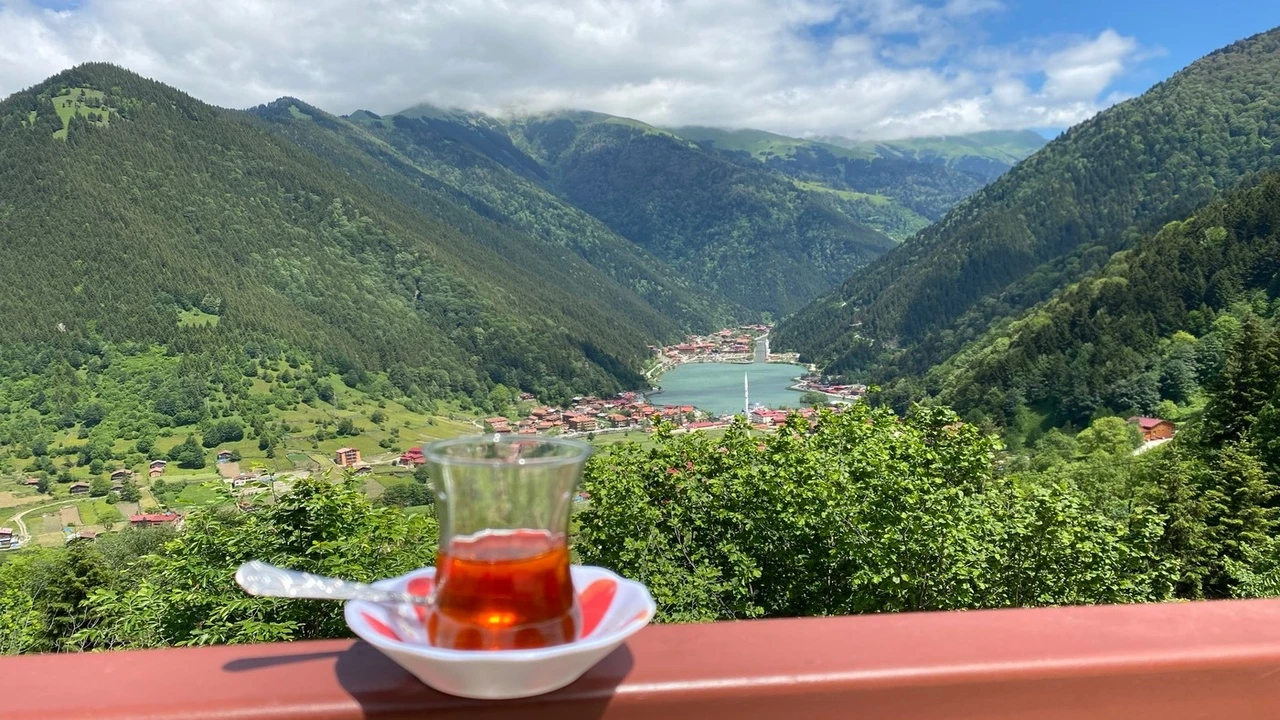
Once you have completed your city center tour, the surroundings of Trabzon offer routes that blend nature and culture. The Sümela Monastery in the Maçka district is the region's most famous landmark, known for its structure carved into a rocky cliff and its stunning frescoes; you can find detailed visiting information in our Sümela Monastery guide. Uzungöl, located on the road to Çaykara, offers a nature-focused break with its views of the lake, mountains, and plateaus.
Hıdırnebi and the surrounding plateaus offer a cool escape and a chance to experience plateau culture during the summer months. If you are planning Trabzon as part of a larger regional itinerary, check out our Black Sea tourism guide. If you want to blend your cultural tour with nature, you can combine the central landmarks with surrounding routes; it is possible to pair a landmark tour with Trabzon nature and adventure tours in a single program. For alternatives with different themes, you can also browse all our tour options.
Transportation, Accommodation, and Best Time to Visit
Trabzon is one of the most accessible cities in the Eastern Black Sea in terms of transportation. This section provides a practical framework for planning your trip regarding transport, accommodation, and timing.
Trabzon Airport and City Transport
The fastest way to reach the city is via Trabzon Airport, which has direct flights from many domestic locations. Since the airport is close to the city center, transfer times are short. Within the city, minibus (dolmuş) lines, municipal buses, and taxis make reaching the main stops easy. Because sites like Ayasofya, Atatürk Mansion, and Boztepe are spread across the center, a guided tour or private transfer can minimize time lost during the day for visitors with limited schedules.
When to Go?
The best time to visit Trabzon for a cultural trip is from late spring through early autumn. During the summer months, the plateaus turn lush green, and the views from Boztepe are clearest when the weather is bright. Since the Black Sea climate can bring rain throughout the year, we recommend bringing a raincoat or a waterproof jacket. For those looking to avoid crowds, early June and September offer a balanced option.
A 2-Day Cultural Itinerary
For a short trip, we suggest the following two-day itinerary. On the first day, start your morning at Ayasofya to examine the stone reliefs and dome frescoes; then, move on to the Atatürk Mansion to explore the residence and its gardens. In the afternoon, complete your city center tour with Ortahisar, Zağnos Valley, and Gülbahar Hatun Mosque, and end the day with the sunset view at Boztepe. On the second day, explore the streets of Akçaabat Orta Mahalle and, if you wish, head toward the surrounding routes of Sümela or Uzungöl. This flow allows you to combine the center and the surroundings without feeling rushed.
Frequently Asked Questions 6
What are the best places to visit in Trabzon?
The must-see sites in Trabzon include the Ayasofya Mosque and Museum, Atatürk Mansion, Ortahisar Kaleiçi, Zağnos Valley, Boztepe viewpoint, Trabzon Museum (Kostaki Mansion), and Akçaabat Orta Mahalle. Nearby, Sümela Monastery and Uzungöl are also major highlights.
When was Trabzon Ayasofya built and by whom?
Trabzon Ayasofya dates back to the reign of the Emperor Manuel I Komnenos, between 1238 and 1263. It was originally built as a monastery church, converted into a mosque after the conquest of Istanbul, and served as a museum for a period.
What can I see at the Atatürk Mansion?
The mansion displays historical furniture from the period, Atatürk's personal desk, and a section dedicated to the time he signed the document donating his estates to the National Treasury on June 11, 1937. The Renaissance and Baroque-influenced architecture and the geometric gardens are also highlights.
How many days do I need to see central Trabzon?
The main stops in the city center can be visited at a relaxed pace in about 1.5 days. If you add surrounding routes like Sümela and Uzungöl, a two-day program is more balanced.
How do I get to Trabzon?
The fastest access is via Trabzon Airport, which has direct flights from many domestic cities. The airport is close to the center; once in the city, you can reach major stops via minibus, bus, or taxi.
What is the best season for a trip to Trabzon?
For culture and nature trips, the months between late spring and early autumn are ideal. The period from June to September, when the plateaus are green, is particularly favorable for seeing both the city center and the surroundings.