
Most first-time visitors planning an Izmir trip face a similar dilemma: the historic city center, the breezy Aegean coast, or ancient heritage routes? For a local, these aren't separate journeys; they're different rhythms of life within the same province. For those looking to explore the city center and surrounding bays with a comfortable itinerary, Izmir tours offer rich and practical options.
The Konak and Alsancak axis offers a balanced city center easily explored on foot. The Çeşme, Alaçatı, Urla, and Seferihisar line, however, sets a completely different holiday pace. Meanwhile, heading towards Selçuk and Bergama requires an early start to the day.
This isn't a tour list, but a decision-making guide. We'll tackle questions like which area suits which traveler profile, which month facilitates what kind of experience, how many days cover what, and where to begin – all from a local's perspective.
The following sections mirror the four key decisions a visitor to Izmir truly makes: who are you traveling with, which month are you visiting, where will you stay, and how many days do you have? The answers to these four questions are interconnected. Staying in the city center in mid-summer isn't the same trip as staying on the coast in October; a two-day weekend won't accommodate the same itinerary as a five-day vacation. Setting your priorities straight is the most practical way to spend your time experiencing Izmir, not just traveling through it.
Local's Quick Decision Summary: For an Izmir vacation, allocate 2 days for the city center. A 6-day plan could include 3 days for the Çeşme coastal route and 1 day for the Urla area. The most enjoyable period is September and October, when the heat begins to subside.
Quick Facts
Before diving into the decisions, here's a quick summary a local would share with a friend over the phone. Each detail is expanded upon in its respective section below.
| Topic | Local's Quick Answer |
|---|---|
| City's Character | A large province spread across two sides of the bay, with a walkable city center and a distinct coastal holiday region |
| City Center Core | Konak Square, Izmir Clock Tower, Kemeraltı Bazaar, Kordon promenade, and Alsancak area |
| How Many Days | 1 to 2 days for the city center; 3 to 4 days for the center and just one surrounding area; 5 to 7 days for multiple areas |
| Best Months | Spring and autumn are balanced; summer for the coast; winter for museums and bazaars |
| Where to Stay | Konak and Alsancak for the city center; Karşıyaka and Bostanlı for tranquility; the western coastline for sea |
| How to Get There | Via Izmir Airport; suburban train line, transfer, and car rental options |
| Getting Around the City | Walking, suburban train, and bay ferries |
| Day Trips | Selçuk and Şirince, Çeşme and Alaçatı, Urla and Sığacık, Foça, Bergama |
| Food & Drink Highlights | Boyoz and gevrek for breakfast, olive oil dishes, mezes, fish, street food |
| Who It's Hard For | Those trying to squeeze the coast and city center into the same day |
This table provides the skeleton of your trip. What follows is about fitting your own profile and schedule into this framework.
Who It's For: Profile and Season Match
The wrong decision in Izmir usually stems not from choosing the wrong city, but from fitting the wrong profile to the wrong area. A family with children and a first-time visiting couple might walk the same street, but their needs for the rest of the day will be vastly different. Similarly, someone visiting for history and someone for the sea will experience a different Izmir, even if they come in the same month. A local's breakdown can be summarized in the following table.
| Profile | Prominent Area | Balanced Season | Local's Assessment |
|---|---|---|---|
| Families with Children | Karşıyaka, Bostanlı, İnciraltı | April to June, September | Expansive green spaces and seaside walking paths make for flexible family itineraries |
| Couples | Konak, Alsancak, Kordon | April, May, October | Sunset strolls on Kordon and Alsancak's social scene set the perfect evening |
| Budget-Conscious | City Center, Kemeraltı area | March, November | Bazaar, squares, and coastline are free to explore; public transport is affordable with a card |
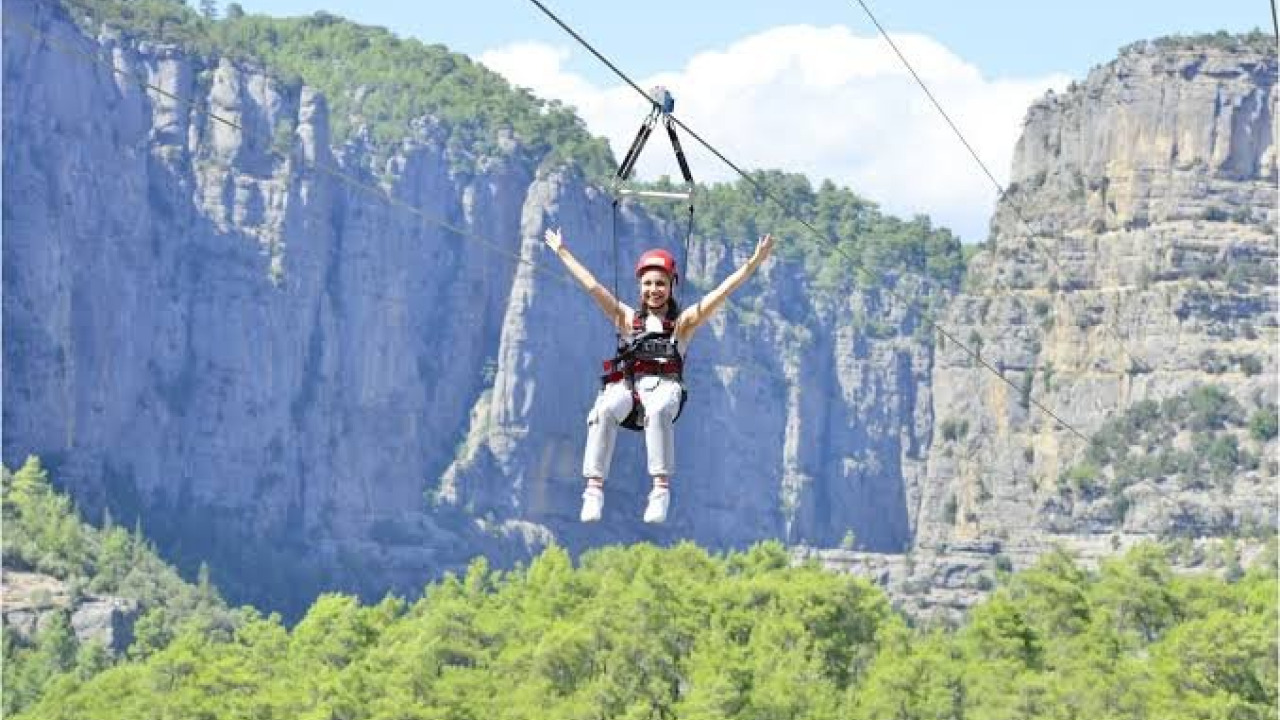
| Nature & Adventure | Karagöl area, northern and inland regions | May, June, September | Long daylight hours are ideal for camping and nature walks |
| Culture & History | Konak, Bergama, Selçuk line | April, May, October | Ancient sites are open-air; efficiency decreases during hot hours |
| Sea & Beach Holiday | Çeşme, Alaçatı, Urla, Seferihisar | June to September | Summer is for the coast; the city center should be a separate day |
| Gastronomy Enthusiast | Kemeraltı, Alsancak, Urla line | Autumn and Winter | Winter cuisine focuses on olive oil dishes and mezes; fish takes center stage |
| Avoiding Crowds | Foça, Ödemiş, Birgi direction | March, April, October, November | When the coast gets busy, the inland and northern routes offer calmer alternatives |
| Short Business Stop | Alsancak and surroundings | Year-round | Staying in the city center is enough to make the most of a half-day |
The month pairings in the table aren't strict rules but rather a starting point based on local observations. When choosing your dates, also consider the festival, fair, and school holiday calendars; the same month can present a completely different level of activity depending on what's happening in the city that week.
For Families
For families, the determining factor isn't distance, but how many times the day can be comfortably broken up. The coastal strip in Bostanlı and Karşıyaka easily accommodates a family-friendly itinerary without stress. İnciraltı Urban Forest is the first place a local would think of in this regard: the forested section spans approximately 622,000 square meters, and its surroundings, including the İnciraltı Lagoon, approach two million square meters.
The seaside is a public space used by Izmir residents at all hours of the day. The Naval Museum in the same vicinity offers a brief indoor break. If you encounter a rainy day, indoor venues like Forum Bornova and MaviBahçe can salvage your plans; Izmir Wildlife Park easily fills half a day for groups with children.
The second point a local emphasizes for family itineraries is not to split the day between the two sides of the bay. Starting in the city center in the morning and crossing to the other side in the afternoon might sound efficient, but each transition adds extra fatigue for a group with children. Dedicating one full day to the city center and another to the opposite side allows you to see the same places with less exhaustion.
For Couples
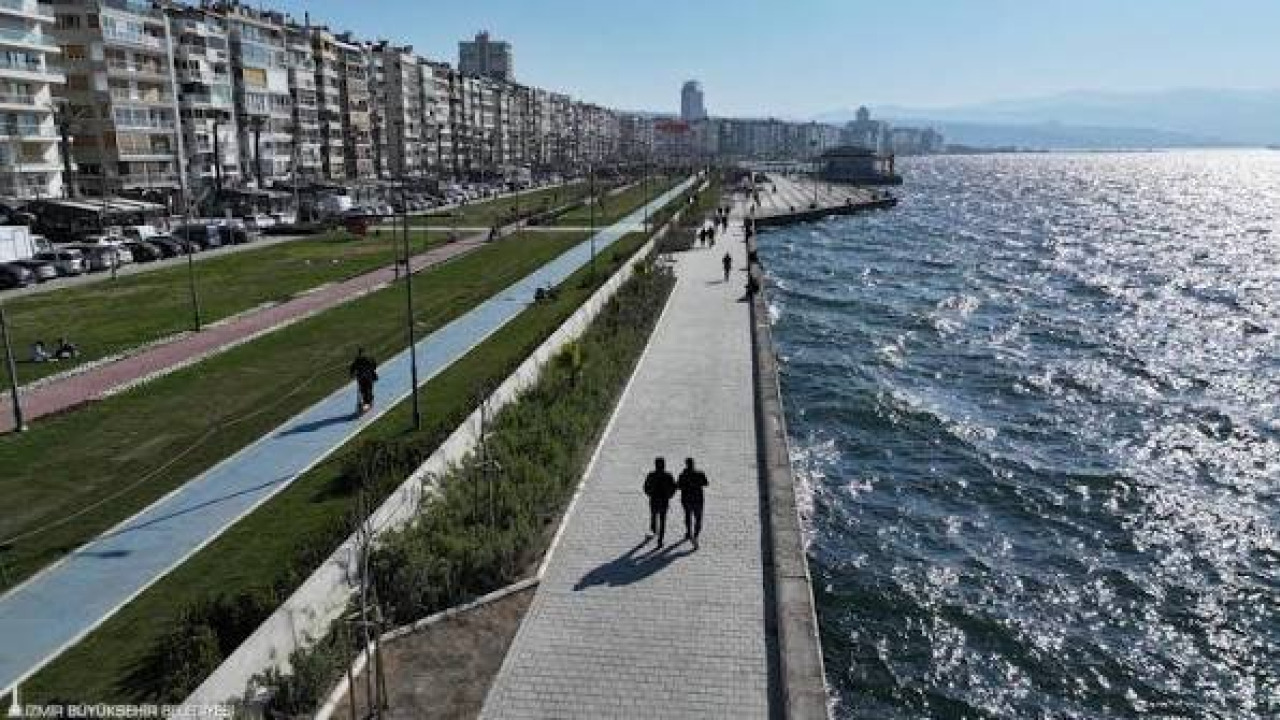
The main question couples ask is where to spend the evening. The local answer has been consistent for years: a stroll along Kordon, relaxing on the grass to watch the sunset, followed by an evening in Alsancak. Alsancak Sevgi Yolu (Love Road) and the Kordon-Alsancak line form the backbone of this itinerary.
For daytime, Arkas Sanat Alsancak is a peaceful stop. For those wanting to cross to the other side of the bay, the bay ferry is an activity in itself; this line connecting the two shores is as much a scenic break for locals as it is a mode of transport.
For Budget-Conscious Travelers
Izmir's city center offers extensive areas that can be explored without an entrance fee. Konak Square, Izmir Clock Tower, Kemeraltı Bazaar, Kızlarağası Hanı, Hisar Camii, and Konak Camii are all along the same walking route. Strolling along Kordon, browsing Karşıyaka Bazaar, and sitting by the sea incur no extra cost.
Building your breakfast around boyoz (a savory pastry) and eggs, and grabbing gevrek (a sesame-crusted bread ring) during the day, is a long-standing, cheap, and satisfying routine for locals. Establishing your accommodation in the city center and relying on walking and the rail system for urban transport is the most obvious choice for reducing daily expenses.
The main factor determining your budget isn't the trip itself, but three additional decisions: your transport ticket, accommodation area, and whether to rent a car. Searching for tickets with flexible dates can make a significant difference for a schedule that can shift to weekdays. The choice between staying in the city center or on the coast isn't just about the view; staying on the coast and commuting to the center every day will cost you the money you thought you saved, in terms of travel time and expense.
The third item is a car, and the answer depends on your profile: if you're only exploring the city center, a car is generally an unnecessary expense; if you plan to spread out to coastal districts, it might be more economical than piecing together daily transport. For those wanting to venture out to sea, hourly and daily boat rental options should also be considered within the same budget framework. Deciding on these three items at the start of your trip eliminates expensive, rushed decisions made during the day.
For Nature and Outdoor Enthusiasts
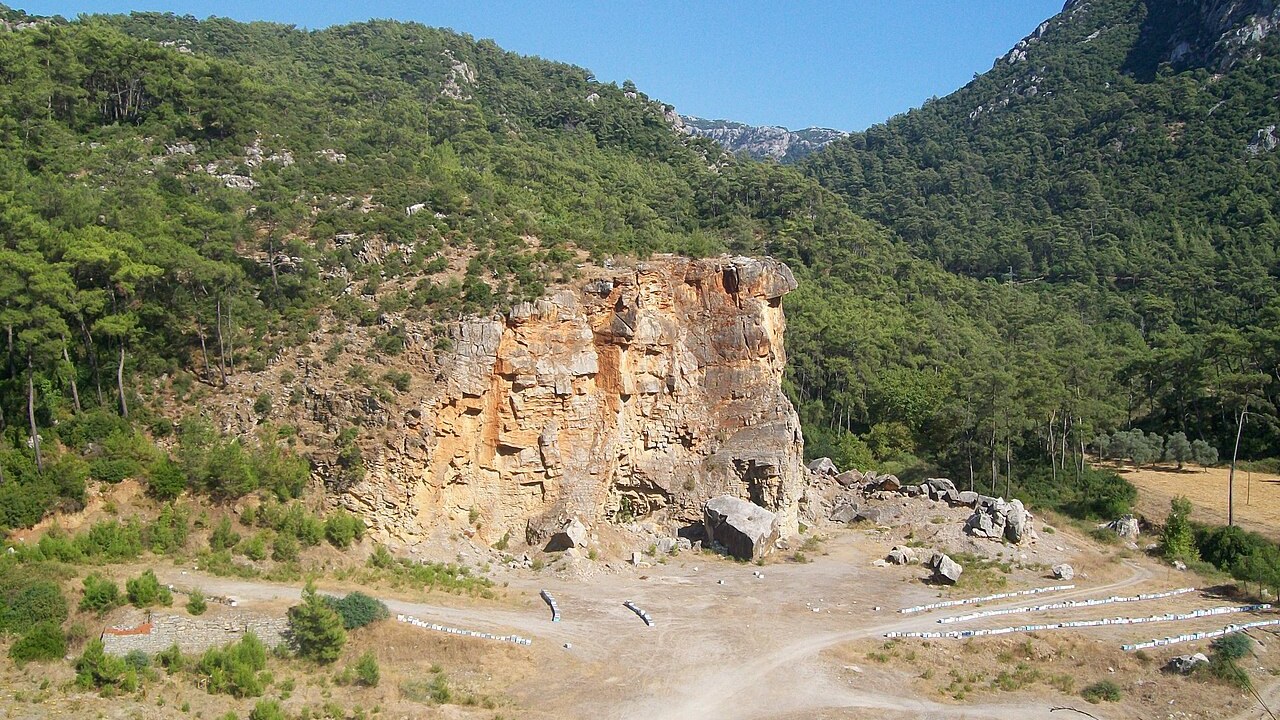
The nature side requires venturing out of the city center. Karagöl National Park is a renowned spot for camping. For cycling enthusiasts, the coastal path between Mavişehir and İnciraltı is a well-known route.
Balçova Teleferik (Cable Car) is the preferred choice for those wanting to ascend quickly and enjoy panoramic city and bay views. These activities are most enjoyable when avoiding the hottest hours of mid-summer.
For Culture and History Buffs
A culture-focused trip in Izmir is divided into two layers. The first layer is in the city center and can be explored on foot: Kemeraltı Bazaar, hans (caravanserais), mosques, Konak Square, and museums. The second layer is province-wide and requires dedicated days: Ephesus Ancient City and Selçuk Ephesus Museum to the south, and Bergama to the north.
Trying to fit both layers into the same day makes it difficult to fully appreciate either. The local approach is to dedicate the first day to the city center and save the ancient sites for a separate morning. This way, you get a feel for the city's scale on day one, and you'll better estimate distances when you venture out on day two.
The museum aspect is the flexible item in this theme. The Izmir Archaeology Museum and Atatürk Museum, with their rich collections, can fill midday hours. The thematic boutique museums around Basmane offer a cultural refuge during rainy periods. The Agora Ancient City and Kadifekale, which remain open in winter, are among the spots that can be visited regardless of the season; for those building a culture-focused itinerary in winter, these two form the backbone of the program.
When to Visit: A Month-by-Month Local Assessment
The best time to visit Izmir isn't solely determined by temperature, but by what you want to do. The coastal season and the city season peak in different months. The table below summarizes what locals do month by month.
| Month | City Highlights | Local's Recommendation |
|---|---|---|
| January | Museums, bazaars, and indoor venues | Plan an indoor itinerary with stops like the Archaeology Museum and Atatürk Museum |
| February | Winter cuisine, warm soups, and mezes | Make time for a long lunch break around Kemeraltı |
| March | City exploration with fewer crowds | One of the most comfortable months for walking in the city center; be prepared for rain |
| April | Countryside and coastal areas come alive; festival season begins | Alaçatı Herb Festival usually falls in the last week of April; Urla Artichoke Festival sometimes shifts to early May, check both calendars in advance |
| May | Ancient cities and nature routes | Planning your visit to Selçuk and Bergama this month will reduce fatigue |
| June | Coastal season opens | Finish exploring the city center before heading to Çeşme and Seferihisar |
| July | Sea, bays, and evening entertainment | Spend your days on the coast and explore the city center in the evenings |
| August | Peak coastal season, city prepares for the fair | Dedicate your days to the coast, visit the city center in the late afternoon; book accommodation early |
| September | Sea season continues, crowds lessen, Izmir International Fair at Kültürpark | The most balanced month for families and couples; accommodation in the city center sells out quickly during fair week, check the calendar in advance |
| October | Grape harvest and autumn tranquility | Experiencing the Urla region this month is a classic local recommendation |
| November | The city turns inwards again | Plan an itinerary focused on museums, art spaces, and bazaars |
| December | Fish, soup, and dessert season | Explore the Historic Elevator, Kadifekale, and Agora line, which remain open in winter |
Spring: Balanced and Uncrowded
April and May are the months when locals invite their own guests. Ancient sites are open-air with limited shade, making these two months ideal for comfortable walking. This period also sees the countryside come alive: the Alaçatı Herb Festival and the International Urla Artichoke Festival are two well-known stops on the spring calendar.
The former usually takes place in the last week of April, while the latter sometimes shifts to the first days of May; so if you plan to fit both into the same weekend, it's essential to confirm the dates beforehand. In the city, Kültürpark and Kordon are enjoyed throughout the day during these months. March is a transitional month; crowds are smaller, but the possibility of rain means you should have indoor alternatives ready for your itinerary.
Summer: The Coastal Shift
June to September is the coastal season. Exploring the city center during the midday heat in this period can be exhausting; the local practice is to spend the day on the coast and visit the city center in the late afternoon or evening. Çeşme and Alaçatı are well-known summer holiday destinations, with Alaçatı also famous for surfing.
For those wishing to escape the crowds, the Foça direction stands out; Mersinaki Bay, located between Eski Foça and Yeni Foça, is known as one of the quieter stops in this area. From late August to mid-September, the Kültürpark area becomes lively with the fair. Since the fair usually takes place in the first half of September, early booking for accommodation in the city center is crucial.
Autumn: A Local Favorite
September and October are the sweet spot when the sea is still inviting, but the crowds have thinned. The grape harvest season in the Urla region coincides with these months. Walking comfort returns to the city center, and finding accommodation in coastal districts becomes easier.
For first-time visitors wanting to experience both the sea and the city, autumn is the least risky choice. Towards November, the itinerary shifts from the coast back to the city center; this month is suitable for a trip focused on museums, art spaces, and bazaars.
Winter: The City's True Self
Winter takes Izmir off the typical tourist calendar and brings it closer to local daily life. During the winter months, the Historic Elevator, Kadifekale, and Agora Ancient City are enjoyable to visit. The Agora is an important open-air museum established in the Hellenistic period, housing Roman ruins. In December, the local culinary scene also shifts: fish restaurants, warm soups, olive oil dishes, and mezes take center stage, followed by the city's renowned desserts.
For those looking to plan an indoor itinerary, the Izmir Archaeology Museum and Atatürk Museum can fill the midday hours. During a winter trip, it's more efficient to structure your day around two or three longer stops rather than extensive walking.
Where to Stay: In-Area Options
Your accommodation choice often defines the character of your trip more than the trip itself. Choosing the wrong area in Izmir can mean spending a significant portion of your day on the road instead of enjoying your itinerary. The table below categorizes areas by who they suit best.
| Area | Character | Who It Suits | Local's Note |
|---|---|---|---|
| Konak and surroundings | Historic core, bazaar, and squares | First-time visitors, culture-focused | Clock Tower, Kemeraltı, and hans are within walking distance |
| Alsancak | Social life, evening entertainment | Couples, short breaks | Close to the Kordon promenade and art spaces |
| Karşıyaka and Bostanlı | Tranquil coast, local daily life | Families, longer stays | Cafe street and coastal walk make for a relaxed day |
| İnciraltı and Balçova | Green spaces and views | Families, nature lovers | Urban forest and cable car are in the same area |
| Bornova | Urban, campus, and park atmosphere | Budget travelers | Küçükpark and its surroundings are popular rest stops |
| Çeşme, Alaçatı, Urla | Coastal holiday, gastronomy | Summer vacationers, couples | Commuting to the city center daily is tiring; allocate a separate section for these |
| Seferihisar and Sığacık | Tranquil coast, market culture | Slow travel enthusiasts | Kaleiçi Market encapsulates the area's character |
| Selçuk and Şirince | Ancient route and village charm | History-focused travelers | Spending a night here offers a morning advantage |
| Foça and Bergama | Bays and ancient city, northern route | Those avoiding crowds | Worth considering an overnight stay instead of just a day trip |
The Konak and Alsancak Axis
This is the default answer for first-time visitors. Konak Square, Izmir Clock Tower, Konak Pier, Hisar Camii, Kemeraltı Bazaar, Kızlarağası Hanı, and Abacıoğlu Hanı are all part of the same walking circuit. Walking north, you'll encounter Kordon, followed by the vibrant atmosphere of Alsancak.
For those wishing to delve deeper into a cultural itinerary, St. Vukolos Church, St. Polycarp Catholic Church, St. John's Catholic Cathedral Basilica, and small museums around Basmane are in the same area. Kahveciler Sokağı (Coffee Makers Street), the First Bullet Monument, and Konak Stage can be added to the route. These spots are short stops that can be visited along the way, rather than requiring a dedicated day. Travelers wanting to plan this area in detail can benefit from our guide on Izmir's cultural routes.
The advantage of this axis is its flexibility for changing plans during the day. If the weather turns bad, you can duck into the bazaar; if it gets too hot, head to the coast. Evening plans can be made within walking distance. A first-time traveler spending their first night here will quickly grasp the city's scale.
Karşıyaka and Bostanlı
The northern side of the bay is the area for those who want to stay in the city without the intensity of the center. Karşıyaka Bazaar is the hub for daily shopping, while Bostanlı Cafe Street is a popular spot for a relaxing break. Crossing to the other side by ferry is a routine for locals and the most practical connection for travelers. If you're staying longer, this side offers an accommodation experience immersed in daily life.
İnciraltı, Balçova, and Bornova
For those who want to stay within the city but close to green spaces, the İnciraltı and Balçova areas are suitable. The urban forest and cable car are in the same district, allowing you to spend a day without breaking it up with travel. Bornova, with its campus surroundings and park-like atmosphere, offers a calmer and more budget-friendly base; Küçükpark and its vicinity are well-known rest stops here. Forum Bornova in the same area meets any indoor activity needs.
Western Coastline
Çeşme, Alaçatı, Urla, and Seferihisar are considered the main axis of a summer trip. Trying to squeeze this coastline into the same day as the city center is something locals advise against. The Kaleiçi Market in Sığacık perfectly encapsulates the region's character; for those curious about Seferihisar's "Cittaslow" identity, our article covering Sığacık and its surroundings delves into it further.
The Southern Ancient Route
The Selçuk direction stands out with Ephesus Ancient City and the Selçuk Ephesus Museum. Şirince is the village stop on the same route, known for its wine houses and tastings. The Cave of the Seven Sleepers is also among the notable sites in this vicinity.
Starting this route early in the morning allows you to avoid the midday heat at the ancient site. Staying overnight here provides the opportunity to explore the next morning before the crowds arrive.
The Northern Route
Foça is known for its bays; Bergama for its ancient heritage. The northern route can be done as a day trip, but locals often prefer to stay a night in Foça and then proceed to Bergama the next day. Ödemiş and Birgi offer a separate direction for those curious about the village and town atmosphere of the inland region.
Three Things Locals Consider When Choosing a Hotel Area
Even after choosing an area, there are good and bad accommodation spots within that same region. Here are the three questions a local would ask a guest.
-
Where will you start your morning? The distance between your accommodation and the day's first stop sets the pace for your entire day. If you're staying in the city center, walking distance to the Konak and Kemeraltı line is key; if you're on the northern side of the bay, proximity to the ferry pier serves the same purpose.
-
Where will your evening end? If the distance between your evening plans and your bed is too great, your day can turn into a second transportation decision in the middle of the night. Those staying in Alsancak solve this problem upfront; those seeking tranquility in Bostanlı, however, will want to know the ferry and train schedules for their return in advance.
-
What's happening in the city that week? During fair and festival weeks, accommodation in the city center and relevant districts sells out quickly. The Kültürpark area in the first half of September, Alaçatı at the end of April, and Urla in early May are places to check in advance for this reason.
If you can't give clear answers to these three questions, setting up your accommodation in the most flexible area is the least risky choice; in Izmir, for most profiles, this area is the line between Konak and Alsancak.
Local-Recommended Themes
When planning your itinerary, choosing a theme rather than a list of places often yields quicker results. The four themes below correspond to the first question a local would ask their guest: what have you come to see? Which specific venues are in which area has been outlined above; the main point here is how many days each theme requires, which month it suits best, and which accommodation base aligns with it.
| Theme | Minimum Days Required | Most Productive Months | Suitable Accommodation Base | Where to Start |
|---|---|---|---|---|
| Culture & History | 1 day for city center; 2 to 3 days if Ephesus or Bergama are added | April, May, October; winter with indoor stops | Konak and Alsancak | Konak Square and Clock Tower |
| Nature & Outdoors | Half a day to 1 day; 2 days if camping is added | May, June, September | İnciraltı and Balçova | İnciraltı Urban Forest |
| Sea & Coast | Considered a separate holiday, at least 2 days | June to September | Çeşme, Alaçatı, Urla, Seferihisar | Your chosen coastal district |
| Gastronomy | Doesn't require separate days, spread across your trip | Autumn and Winter | Kemeraltı and Alsancak | Boyoz and gevrek breakfast |
Culture and History
The decision for this theme is less about which places you'll see and more about the order you'll see them in. The city center layer fits into one day and is largely independent of weather conditions; the ancient sites across the province, however, are open-air and require early starts. Therefore, the local's recommended order is: city center first, ancient sites second. This way, you learn the city's scale on the first day, and you'll better estimate distances when you venture out on the second.
The museum aspect is the flexible item in this theme. The Izmir Archaeology Museum and Atatürk Museum, with their rich collections, can fill midday hours. The thematic boutique museums around Basmane offer a cultural refuge during rainy periods. The Agora Ancient City and Kadifekale, which remain open in winter, are among the spots that can be visited regardless of the season; for those building a culture-focused itinerary in winter, these two form the backbone of the program.
Nature and Outdoors
This theme isn't a standalone holiday in Izmir, but rather a half-day addition to another theme. The primary variable determining your decision is daylight: most areas are open-air with limited shade, so the same itinerary is twice as effective during months with longer days. On a winter trip, it's more efficient to prioritize culture or gastronomy rather than pushing this theme.
The second decision is whether to pursue this theme within or outside the city. If you choose to stay within the city, the urban forest, cable car, and coastal bike path are all concentrated in the same area, so your day won't be broken up by travel. If you opt to go outside the city for camping and nature walks, this requires a separate day and shouldn't be combined with your city center itinerary. For groups with children, the safest approach for this theme is to dedicate half a day to a nature park and spend the rest on the coast.
Sea and Coast
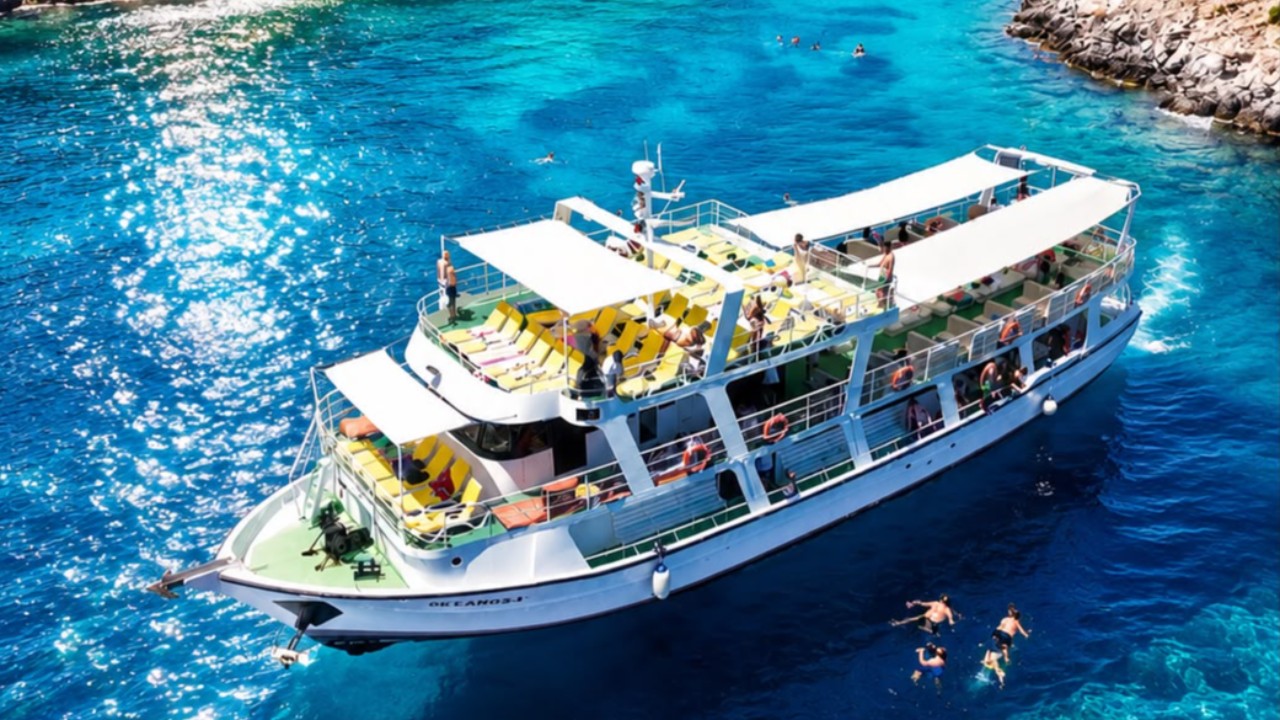
The most crucial decision for a coastal theme is not to consider it part of your city center tour. During the summer months, itineraries concentrate around Çeşme and Alaçatı; Alaçatı is also renowned for surfing. Those seeking a quieter day head towards Foça, exploring the bays between Eski Foça and Yeni Foça.
Seferihisar and Sığacık are the regions for those seeking a slow-paced holiday. For those wanting to swim without leaving the city, the Bostanlı and İnciraltı line is used throughout the day and doesn't require departing from Izmir.
The second decision concerns transportation: while these regions may appear close, each transition requires a separate plan. If you want to connect these spread-out coastal areas without your own vehicle, organized day tour programs in the region offer a ready-made itinerary instead of you having to figure out each leg separately.



Gastronomy
A local's day starts with breakfast, featuring the well-known duo of boyoz (a savory pastry) and eggs, often accompanied by gevrek (a sesame-crusted bread ring) during the day. For lunch and dinner, olive oil dishes and mezes form the backbone of Aegean cuisine. In winter months, fish restaurants and warm soups take prominence, with street food and the city's famous desserts completing the culinary journey. The Kemeraltı area, Alsancak line, and Urla direction represent three distinct facets of this theme: one for the bazaar, one for urban evenings, and one for vineyard and countryside cuisine.
Getting Around: How to Arrive and Navigate Izmir
Arriving in Izmir is easy; the real decision is how to get around within the city. Having a car in the city center often doesn't offer an advantage; however, the opposite is true for an itinerary that spreads out to coastal districts. Here's the sequence a local would follow.
-
Plan your arrival. The city's air gateway is Izmir Airport. The airport has a station on the suburban train line operating between Aliağa and Selçuk; this line connects the airport to the city center and northern districts via rail. For those arriving by road or train, the Basmane area is one of the closest arrival points to the city center.
-
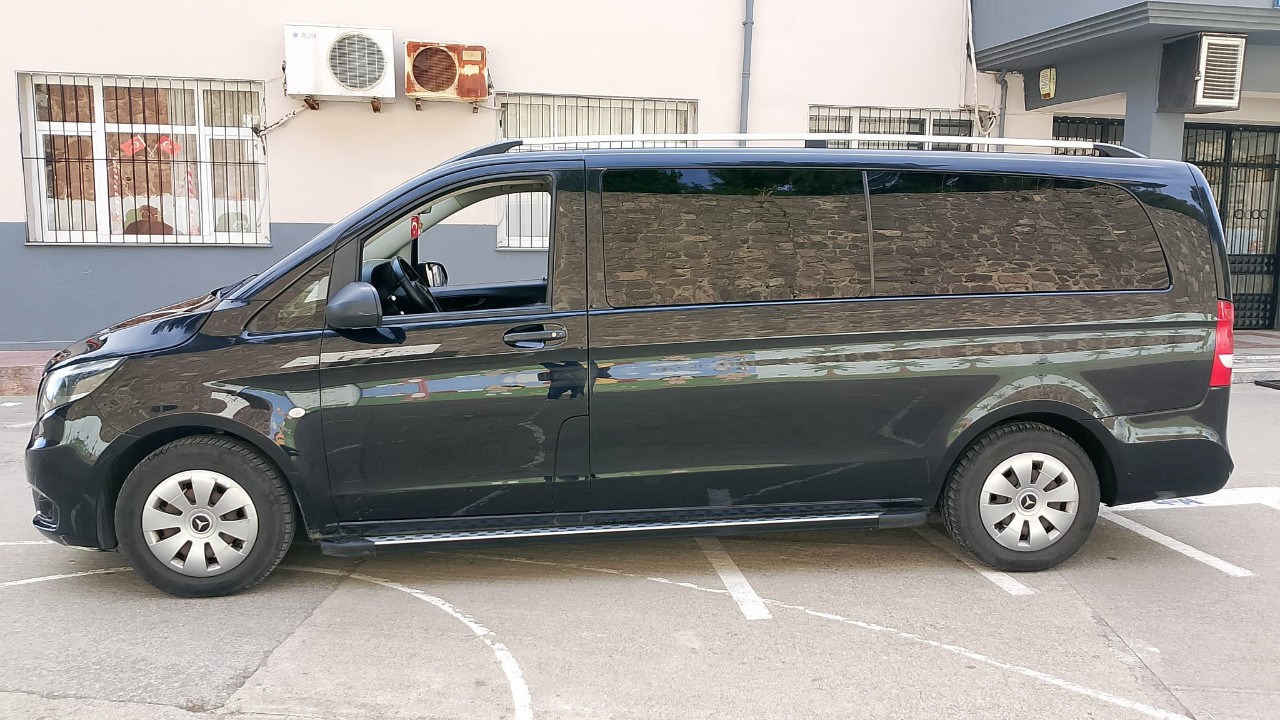
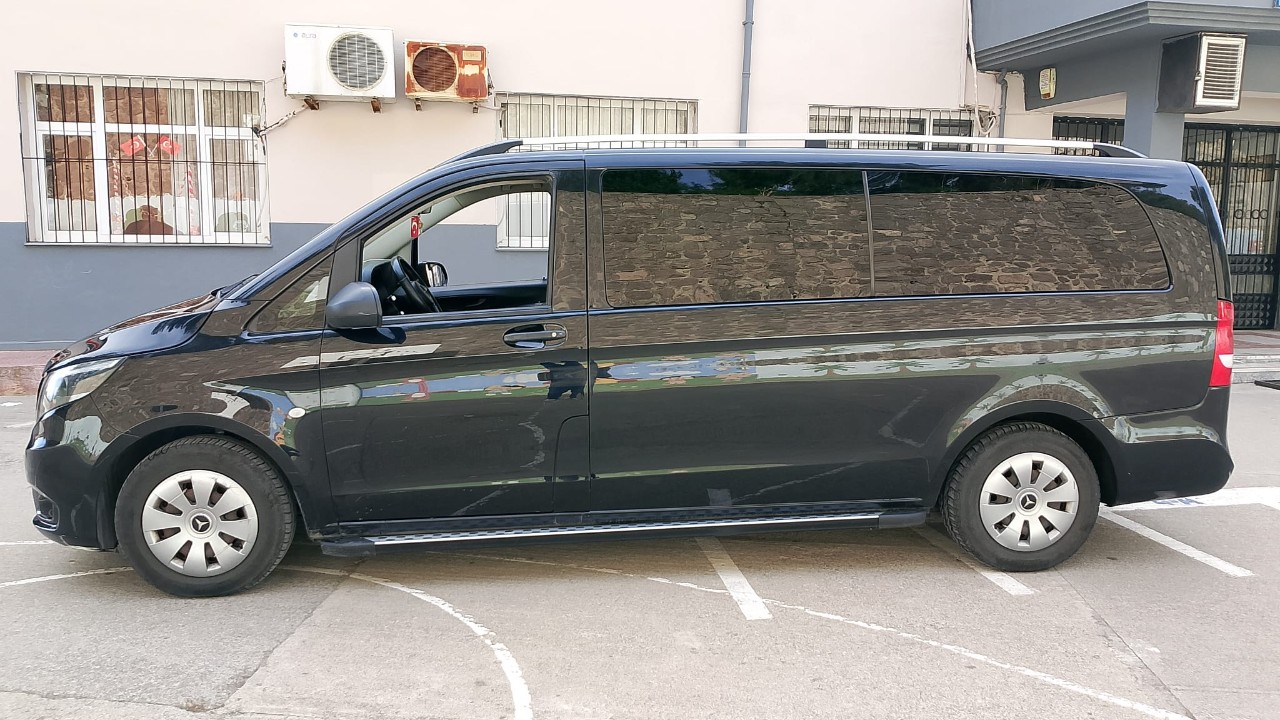
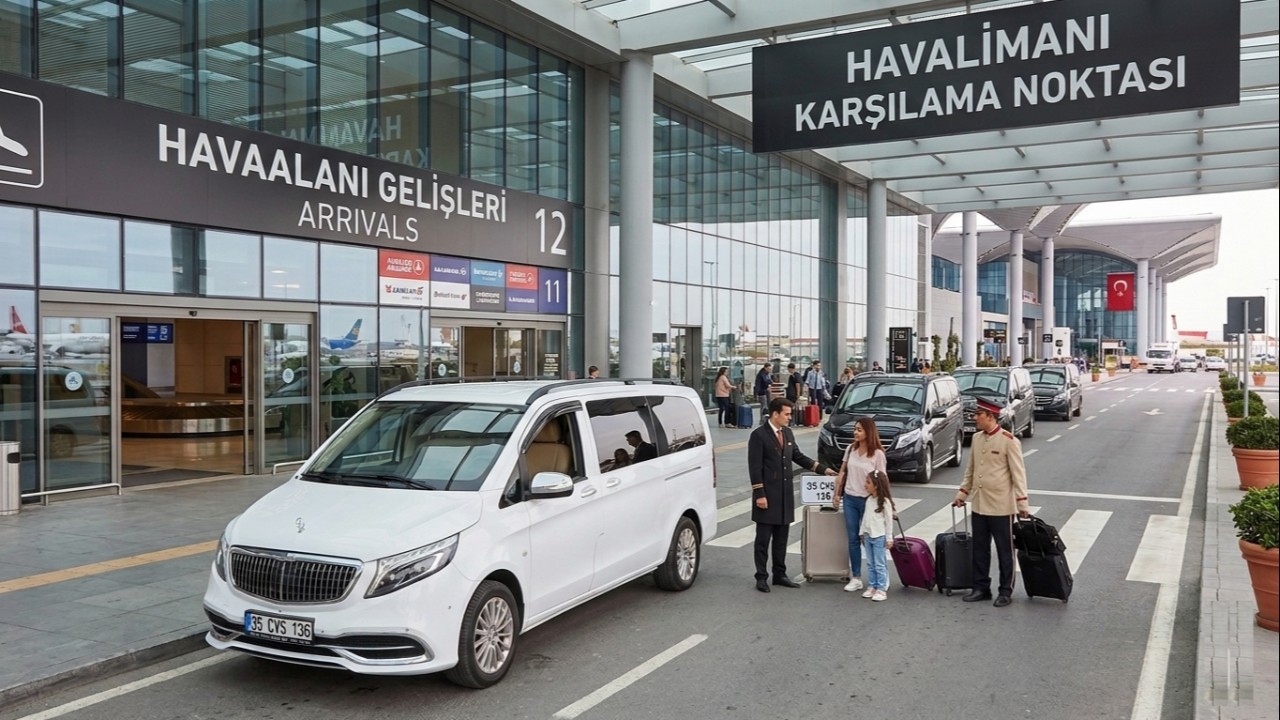
Arrange your initial airport transfer. If you're traveling with luggage and children, a door-to-door solution can help reduce first-day fatigue. Airport transfer options include meet-and-greet services and can be planned according to your arrival time.
-
Settle into your accommodation area. If you're staying in the city center, plan your day around walking; if in a coastal district, consider a car-centric itinerary. For daily transfers between regions, hotel transfer services can simplify your schedule.
-
Choose your mode of intra-city transport. The city center is best explored on foot. For distant neighborhoods, the suburban train is used, and for crossing between the two sides of the bay, the scenic ferry line is ideal. Konak, Karşıyaka, Bostanlı, Pasaport, and Alsancak piers are well-known stops on this network.
-
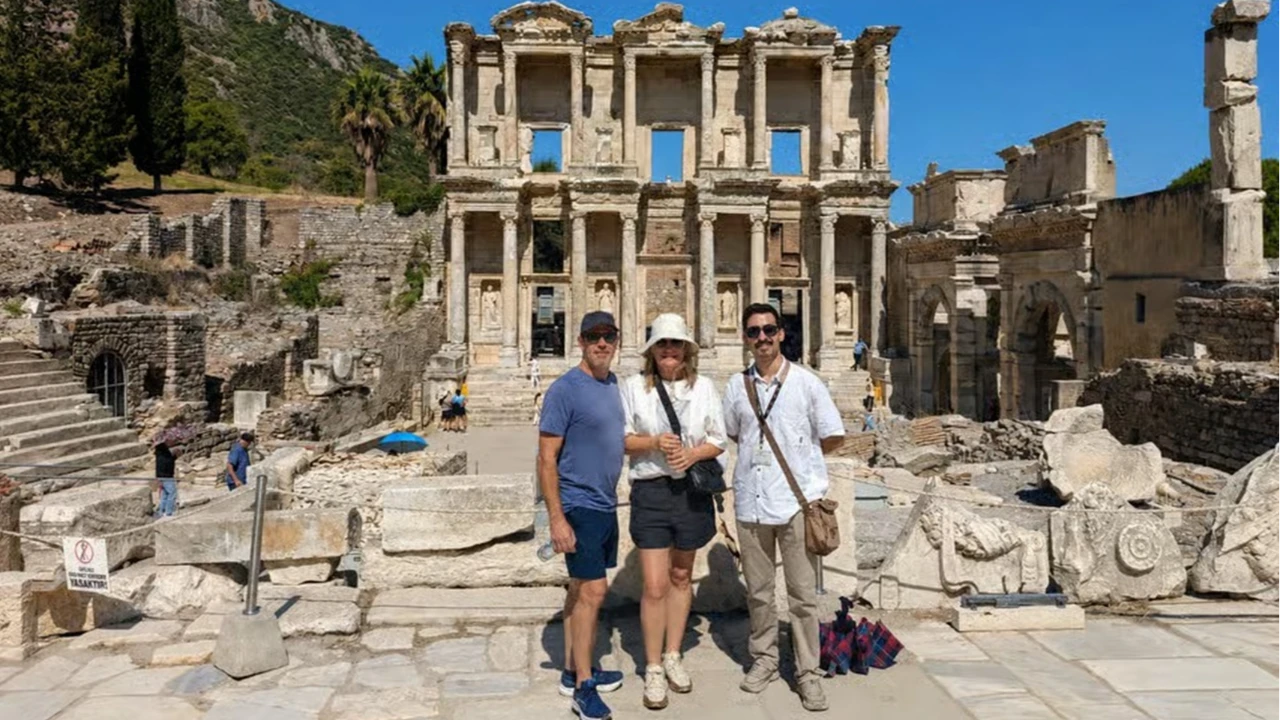
Plan your out-of-city days separately. The directions towards Selçuk, Çeşme, and Bergama each require a dedicated day. Routes combining Ephesus, Şirince, and Kuşadası in one day are common; this type of day requires an early morning start.
When making transportation decisions, here are a few points locals emphasize:
-
Since the Konak and Alsancak areas are easily explored on foot, driving in the city center typically doesn't offer an advantage for most visitors.
-
The bay ferry provides both transport and scenic views between the two sides, reducing the traveler's need for a separate activity.
-
If you're planning an itinerary that extends to coastal districts, renting a car or choosing a pre-arranged tour is more efficient than piecing together transport day by day.
-
During summer months, heading to the coast early in the morning ensures you spend the hottest hours enjoying your destination, not stuck in transit.
-
Since the suburban train line connects the airport to the city center, a flexible traveler without heavy luggage can manage their first day without needing a separate transfer.
Should You Rent a Car?
This is a frequently asked question for an Izmir trip, and the answer depends entirely on your travel itinerary. If you're only staying within the Konak and Alsancak area, renting a car is an added burden. This region is ideal for walking; the suburban train and ferries provide easy access to every point. For a city-center-focused holiday, having a car only creates unnecessary parking expenses.
Conversely, if you're planning an itinerary that extends to coastal districts, or ventures south to Selçuk or north to Bergama, the equation changes. These regions may appear close, but each transition requires separate time and planning; trying to connect them piecemeal with public transport can turn your trip into more about logistics than exploration. Here, your options narrow down to two: renting a car or booking a pre-arranged tour.
A practical rule of thumb to simplify the decision is this: if you plan to visit more than two districts in one day, a car or a pre-arranged itinerary makes sense; if you're only staying in a specific area, it does not. For those arriving with luggage and children, there's a separate exception for the first day; no matter which option you choose for your arrival day, a door-to-door transfer will significantly reduce that day's fatigue.
How Many Days Should You Allocate?
The number of days to allocate for Izmir depends on whether you're interested in just the city center or the wider province. The city center can be explored quickly, but the entire province cannot. The long-standing local wisdom is this: the city center fits into two days, but the entire province doesn't fit into one holiday.
-
One Day: Konak Square, Clock Tower, Kemeraltı, and hans in the morning; Kordon stroll and Alsancak in the evening. This arrangement covers the core of the city center.
-
Two Days: Day one for the city center, day two for the opposite side of the bay and green spaces. Karşıyaka, Bostanlı, İnciraltı, and the cable car comfortably fit into the second day.
-
Three to Four Days: Add one ancient city day and one coastal day to the two-day city center itinerary. The Selçuk direction and the Çeşme direction should not be combined on the same day.
-
Five to Seven Days: The city center, coastline, ancient route, and northern direction are spread across separate days. Staying overnight in Foça or Şirince becomes a meaningful option with this duration.
For those torn between the city center and its surroundings, here's a practical distinction: if you're coming for a weekend, commit to one direction; trying to cover everything will mean spending most of your day in transit. For those with only half a day, there's also a solution; the stretch between Konak Square and Kemeraltı offers the most concentrated glimpse into the city's character in just a few hours.
To explore the city's attractions in detail, you can read our comprehensive article compiling places to visit and holiday experiences in Izmir. This guide, however, focuses on time management and day planning.



Neighboring Geographies and Day Trips
Izmir's advantage is the ability to venture out in multiple directions from a central point. When planning day trips, locals typically distinguish four main directions.
-
Southward: Selçuk, Ephesus Ancient City, Şirince, and further on to Kuşadası. Combines history and village charm into one day. Requires an early morning start.
-
Westward: Urla, Seferihisar, Sığacık, followed by Çeşme and Alaçatı. This is the sea, market, and gastronomy route.
-
Northward: Foça and Bergama. Offers a combination of bays and ancient cities, with fewer crowds.
-
Inland: Towards Ödemiş and Birgi. For those seeking town charm and mountain foothills scenery.
Which of these directions suits your trip depends on how many days you have and which season you're visiting. The western direction works best in summer, while the southern and northern directions are more productive in spring and autumn. In winter, locals prefer to stay in the city center and plan a museum and culinary-focused itinerary rather than day trips. For those considering extending their journey to the rest of the Aegean, Izmir serves as a natural starting point for transitioning to neighboring provinces; the Balıkesir direction to the north, and the Aydın and Muğla directions to the south, can be planned as continuations of the same route.
For Those Curious About Village and Town Charm
In all four directions, just half an hour's detour from the main stop reveals a different side of Izmir. This layer appeals to those who want to build their trip around local character rather than crowds, and it's often left for the last day. However, placing it on the first day can make it easier to understand the rest of the city.
To the south, Şirince is the village stop on the Selçuk route, known for its wine houses and tastings. Inland, Birgi and Ödemiş offer a combination of town charm and mountain foothills scenery on the same day. To the west, Sığacık Kaleiçi, a settlement built within ancient walls, uniquely encapsulates the region's character; visiting on market days makes this stop even more valuable.
When choosing among these stops, the local rule is simple: detour as much as your days allow. On a two-day trip, making room for a village experience will take away from the city center; however, on a four-day or longer itinerary, adding a village stop often becomes the most memorable half-day of the trip. In winter, these directions also become quieter, but it's essential to check road and weather conditions before you go.
Frequently Asked Questions 5
How many days are needed to visit Izmir?
1 to 2 days are sufficient for Izmir city center. The Konak, Kemeraltı, Kordon, and Alsancak areas can comfortably be explored in two days. If you wish to include surrounding routes like Çeşme, Alaçatı, or Selçuk, a 4 to 5-day plan is recommended.
What is the best time to visit Izmir?
Spring and autumn months offer the most balanced weather for walking. Temperatures in April, May, September, and October make sightseeing pleasant. For coastal holidays and sea-focused trips, June to September is the most favorable period.
Where is the best place to stay for an Izmir vacation?
For first-time visitors and culture enthusiasts, the Konak and Alsancak areas are ideal. Karşıyaka and Bostanlı are suitable for families seeking a tranquil coastal experience. Those planning a sea holiday in the summer months should stay along the Çeşme, Alaçatı, or Seferihisar line.
Where can you go for day trips from Izmir?
To the south, Selçuk, Ephesus Ancient City, and Şirince are popular routes; to the west, Urla, Sığacık, Çeşme, and Alaçatı. To the north, Foça, with its historic stone houses and bays, and Bergama stand out for day tours.
How do you get around the city and across the bay?
The city center is flat and easily walkable. For distant neighborhoods and the airport, the suburban train is used, while scenic city line ferries operate between the two sides of the bay. For spreading out to coastal districts, transfers or a car are preferred.