
Nestled within the fertile plains of the Yeşilırmak River in the heart of the Black Sea region, Tokat stands as a profound center of trade, culture, and architecture from the Seljuk and Ottoman eras. While the city is celebrated for its centuries-old caravanserais and bustling bazaars, it also hides a rare geological marvel beneath its surface: Ballıca Cave. In this guide, we explore the crystalline halls of Ballıca Cave and the traditional textile culture of the historic Taşhan in the city center, providing everything you need to know—from transportation details and the best time to visit to ideal travel itineraries. We have gathered all the essential insights for first-time visitors to the Ballıca Cave and historic Taşhan area.
At Travel Tour Shop, we maintain high standards by only featuring tour and transfer providers who offer authentic local experiences and have passed our rigorous guest evaluation process; we exclude approximately 83% of potential suppliers to ensure quality. This guide is an extension of that commitment: we have compiled everything you need to know, from must-see landmarks to practical travel tips for your journey through Tokat.
Quick Facts
| Topic | Information |
|---|---|
| Location | Tokat, Black Sea Region (Inland), Yeşilırmak Valley |
| Highlights | Ballıca Cave, historic Taşhan, Tokat Castle, Tokat Museum |
| Ballıca Location | Pazar district; approximately 32 km from Tokat center |
| Cave Features | Karst formation, onion stalactites, 8 large halls |
| UNESCO Status | UNESCO World Heritage Tentative List (since 2019) |
| Duration | Half day for the center; full day including the cave |
| Best Time to Visit | Spring (April–June) and Autumn (September–October) |
| Getting There | Private car or minibus; approx. 35 mins from the center to the cave |
Where is Tokat? A Cultural Hub in Inland Black Sea
Tokat is situated in the inland part of the Black Sea region, surrounded by fertile valleys fed by the branches of the Yeşilırmak River. Unlike the humid, rainy climate of the Black Sea coast, Tokat enjoys a more continental climate, offering distinct experiences depending on whether you visit in summer or winter. Thanks to its strategic position on the Silk Road, the city served as a vital trading post during the Seljuk and Ottoman periods—a legacy that is still visible today in its historic inns, baths, and madrasas.
When planning your trip, it is helpful to view Tokat in two layers: the historic surface, lined with centuries-old stone structures, and the underground world of Ballıca Cave, shaped by nature over millions of years. Combining these two layers into a single trip satisfies both culture enthusiasts and nature lovers. For those looking to expand their journey with nearby cultural landmarks, you can explore our cultural tours for more comprehensive itineraries.
An Underground Palace on the UNESCO Tentative List: Ballıca Cave
Located in the Pazar district of Tokat at an altitude of approximately 1,085 meters above sea level, Ballıca Cave is the most striking destination for nature tourism in the region. Added to the UNESCO World Heritage Tentative List in 2019, the cave attracts numerous visitors every year due to its unique geological formations and mesmerizing atmosphere. Its inclusion on this list highlights its international significance and natural value.
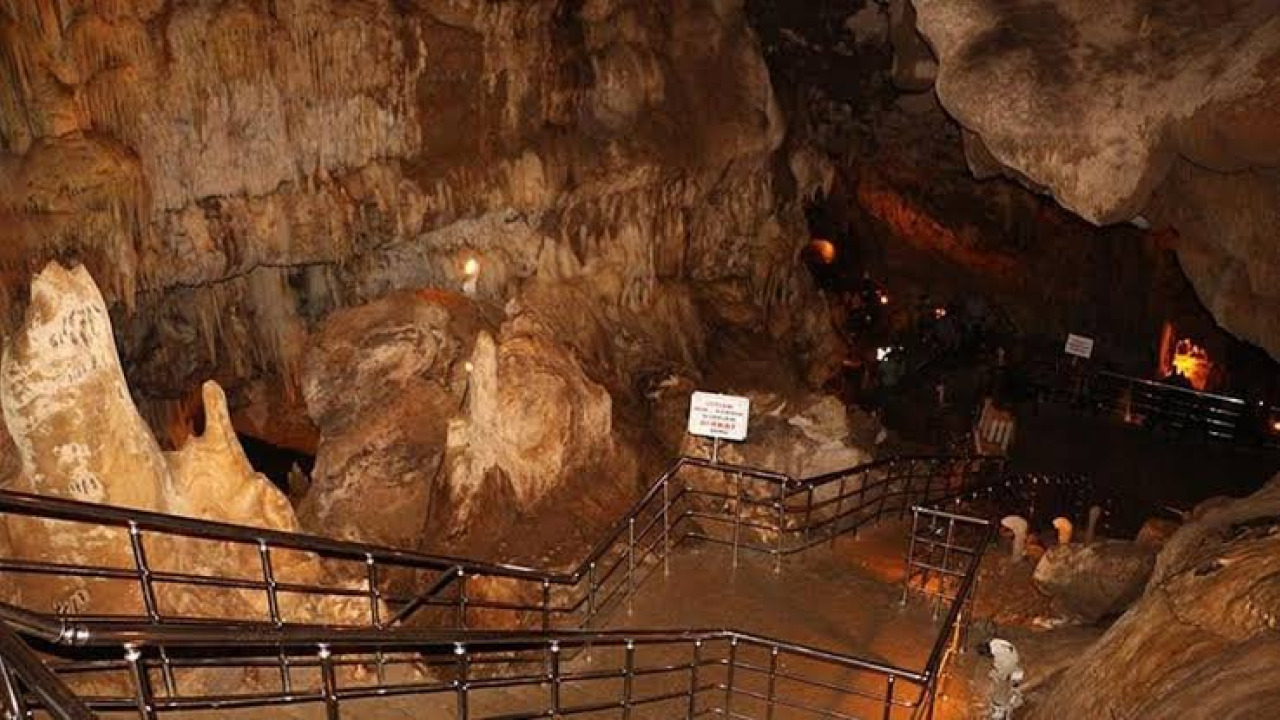
The cave has been made easily accessible for visitors with well-maintained walkways and a professional lighting system. The route takes you through passages rising between halls, winding through a forest of stalactites and stalagmites. Below, we dive into how the cave was formed, its most unique features, and its unique internal environment.
How Was Ballıca Cave Formed?
Ballıca is a karst formation—an underground void shaped by water dissolving limestone over hundreds of thousands of years. Sources suggest the cave has a history spanning approximately 3.4 million years. With a total length of about 680 meters, the cave is organized into five levels and eight large halls. As you walk the paths, you can observe how the stalactites hanging from the ceiling and the stalagmites rising from the floor have merged over millennia.
Pro Tip: Because the walkways inside the cave can be sloped and damp in certain areas, wearing non-slip shoes will make your visit much more comfortable. Taking a guided tour is highly recommended to hear the stories behind these formations, making the experience much more meaningful.
Rare Onion Stalactites
What truly sets Ballıca Cave apart in the geological world are the "onion stalactites" found in some of its halls (most notably in the Mushroom Hall). These circular, onion-shaped formations are created by the crystallization of water under specific pressure and humidity changes within the cave. Such formations are incredibly rare and can only be found in a handful of caves worldwide, making them a major draw for both local and international travelers.
In addition to the onion stalactites, the cave features travertine pools, halls inhabited by bats, wall textures reminiscent of leopard prints, and massive columns that stretch from floor to ceiling. For photography enthusiasts, these halls offer rich visual textures; however, please follow guide instructions regarding flash photography to avoid disturbing the cave's ecosystem. For the most peaceful experience, try to visit on a weekday during the morning hours.
Cave Air and Respiratory Health
The internal atmosphere of Ballıca Cave is a frequent topic of interest among visitors. The cave air is noted for its high oxygen content, low pollen count, and stable humidity levels throughout the year, which many find soothing for the respiratory system. While it is often mentioned as a favorable environment for those with conditions like asthma or bronchitis, a cave visit is not a substitute for medical treatment. We recommend that anyone with sensitive health conditions consult a physician before their visit.
Due to these qualities, the cave is popular not only for nature tourism but also as a destination for wellness and health tourism. Because the internal temperature remains more stable than the outside air, it provides a cool refuge in the summer and a sheltered environment in the winter; nonetheless, bringing a light sweater is always a good idea for comfort.
The Heart of Ottoman Trade: Historic Taşhan
Located right in the center of Tokat, Taşhan (also known as Voyvoda Han) is an iconic symbol of the city's historical fabric. Built in 1632, this caravanserai is remembered as one of the great Ottoman inns of Anatolia. This magnificent structure provides a perfect historical balance to the natural wonders of Ballıca Cave, and it is entirely possible to visit both in a single day.
The Architecture and History of Taşhan
A two-story structure built entirely of cut stone with an open courtyard, Taşhan served as a hub for Silk Road merchants for centuries. The arched porticos surrounding the courtyard and the stone staircases leading to the upper floor showcase the classic commercial architecture of the era. The thick walls and spacious courtyard reflect a functional design intended to accommodate large caravans and their pack animals.
Pro Tip: Since Taşhan is located in the city center, it is easily accessible on foot and can be explored alongside the surrounding bazaar. Spending time in the courtyard is the best way to soak in the historic atmosphere. To discover more of the region's heritage, consider our historical city tours.
Traditional Tokat Printmaking (Yazmacılık)
Today, Taşhan is one of the most important centers for Tokat's centuries-old traditional craft: yazmacılık (the art of hand-printing textiles). In the historic shops within the inn, you can watch artisans use specially carved wooden blocks made from linden wood and natural root dyes to print intricate patterns onto cotton fabrics. You can observe the process or purchase beautiful handmade scarves, shawls, and tablecloths as souvenirs. Watching the moment the block meets the fabric is an educational and mesmerizing experience.
For the best experience, visit during daylight hours when the masters are at work; this gives you a chance to see the production process and perhaps chat with the artisans. Grabbing a coffee in the courtyard is the perfect way to add a relaxing break to your trip.
Other Must-See Spots in Tokat Center
While Ballıca Cave and Taşhan are the two main highlights, there are several other historical sites in the city center that can be visited on the same day. Since these landmarks are within walking distance of each other, you can easily combine them into a short city tour.
Tokat Castle
Perched on a hill overlooking the city, Tokat Castle is a defensive structure that has witnessed the city's long and storied history. Having undergone various restorations over the centuries, the castle is a popular stop for its historical significance and the stunning panoramic views of the city and the surrounding plains. Since the climb can be a bit steep, wearing comfortable shoes and visiting during cooler hours is advised; the view is particularly breathtaking near sunset.
Tokat Museum and Clock Tower
For those wanting a comprehensive understanding of the city's past, the Tokat Museum is an excellent starting point, showcasing archaeological and ethnographic artifacts from the region. Visiting the museum in the morning is a practical choice, leaving you the rest of the day to explore the center at your leisure. The Tokat Clock Tower is another landmark that defines the city's square atmosphere and can be easily explored on foot along with the nearby bazaar. Adding these two stops to your Taşhan visit will help you make the most of your time in the city.
How to Get to Ballıca Cave and Tokat
Ballıca Cave is approximately 32 kilometers from Tokat city center and about 8 kilometers from the Pazar district. If you are traveling by private car, follow the signs toward Pazar; the drive from the center takes about 35 minutes, and the rural scenery along the way makes the journey quite pleasant.
For those preferring public transport, regular minibuses run from the Tokat bus station to the Pazar district. From Pazar, you can use local transport or organized tours to reach the cave. Tokat is easily accessible by intercity bus; the nearest airport connections are via airports in neighboring provinces, from which you can continue by road. If you prefer a guided experience with a pre-planned transport schedule, check out the current options on our tours page.
The Best Season to Visit Tokat
Given Tokat's continental climate, the best times to visit are during the spring and autumn months. The period between April–June and September–October offers a balanced climate that is neither too hot nor too cold, making it ideal for both city walks and cave visits. In spring, the surrounding nature turns lush and green, while in autumn, the changing colors provide a stunning backdrop for photographers.
Keep in mind that the temperature inside the cave remains stable year-round; therefore, even if it is hot outside, a light layer of clothing is useful for your cave excursion. In the summer, we recommend planning your city sightseeing for the early morning or late afternoon, and in the winter, be sure to check road conditions in advance for a comfortable trip.
What to Eat in Tokat? Local Delicacies
Tokat's cuisine is one of its most memorable aspects. The region's standout dish is the famous Tokat Kebab, prepared by slow-cooking lamb meat, eggplant, potatoes, tomatoes, and garlic on vertical skewers in special Tokat ovens. The rich flavor resulting from the meat and vegetables cooking together is a must-try for any visitor.
In addition to the kebab, the region is well-known for its olive oil-based stuffed grape leaves (prepared with Tokat leaves) and its geographically protected walnut pastries (cevizli çörek). During the summer, the region is enriched by local vineyards and gardens, making fresh produce easily available in local markets. Sampling these regional flavors at local eateries in the city center adds a delicious dimension to your travels.
Accommodation and Itinerary Suggestions
Tokat center offers a variety of hotels and guesthouses to suit different budgets. Staying in the city center is practical, as it allows you to explore historical sites on foot and take a day trip to the cave. Since accommodation options around the cave are limited, it is more convenient to spend your night in the city center and plan your cave visit for the daytime.
For those with limited time, we suggest the following itinerary: Start early in the morning from Tokat center to explore Ballıca Cave, return to the center in the afternoon to visit Taşhan and the textile shops, and finish your day by climbing Tokat Castle for a view of the city. If you prefer a more relaxed pace, you can spread this program over two days, adding the Tokat Museum and surrounding districts to your route. This ensures a balanced experience of both cultural landmarks and natural wonders.
Frequently Asked Questions 6
Is there an entrance fee for Ballıca Cave and is the Museum Pass valid?
Since Ballıca Cave is a nature park, there is an entrance fee. Because the cave is managed by the Directorate of Nature Conservation and National Parks, the Museum Pass (issued by the Ministry of Culture and Tourism) is not valid here. We recommend checking the current entrance fees before your visit.
Is Ballıca Cave good for asthma and respiratory issues?
It is often noted that the cave air is soothing for the respiratory system due to its high oxygen content, low pollen count, and balanced humidity. While it provides a favorable environment for those with conditions like asthma or bronchitis, a cave visit is not a substitute for medical treatment. We recommend that visitors with sensitive health conditions consult their doctor before visiting.
How do I get from Tokat center to Ballıca Cave?
Ballıca Cave is approximately 32 km from Tokat city center and about 8 km from the Pazar district. You can reach it in about 35 minutes by private car by following the signs toward Pazar. There are also regular minibus services from the Tokat bus station to the Pazar district.
In which district is Ballıca Cave located?
Ballıca Cave is located within the borders of the Pazar district of Tokat, at an altitude of approximately 1,085 meters above sea level. It is about 8 km from the district center and is easily found using directional road signs.
What should I eat during my trip to Tokat?
The highlight of Tokat cuisine is the Tokat Kebab, made with lamb and vegetables cooked on vertical skewers. Other famous local flavors include olive oil-based stuffed grape leaves made with Tokat leaves and the geographically protected walnut pastries.
When is the best time to visit Tokat?
Due to its continental climate, the best time to visit Tokat is during the spring (April–June) and autumn (September–October) when the weather is mild. These periods offer the most comfortable conditions for both city sightseeing and cave visits.