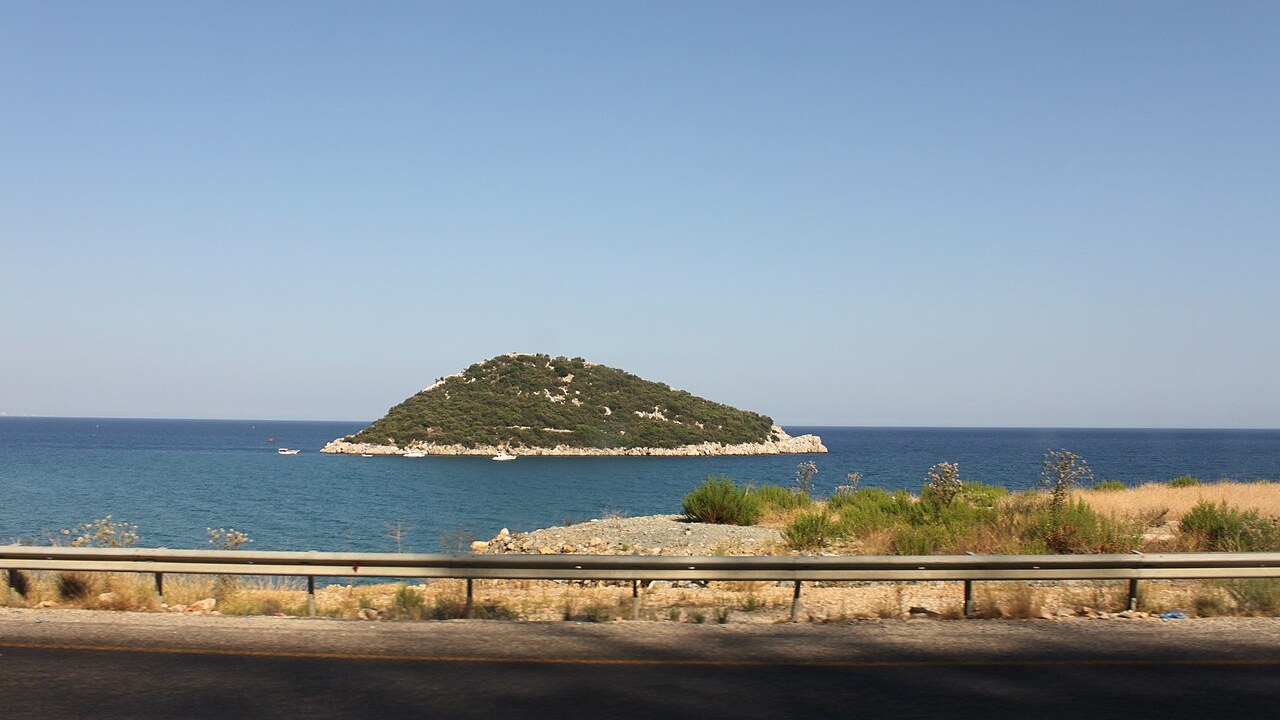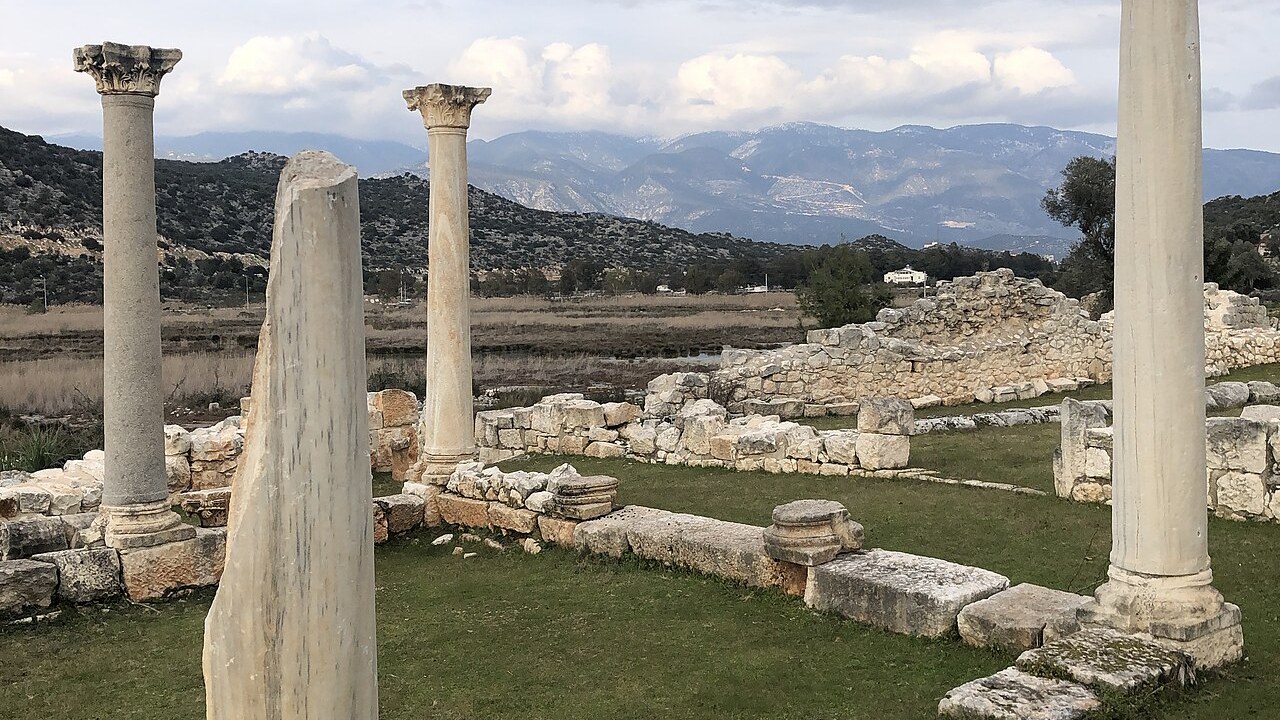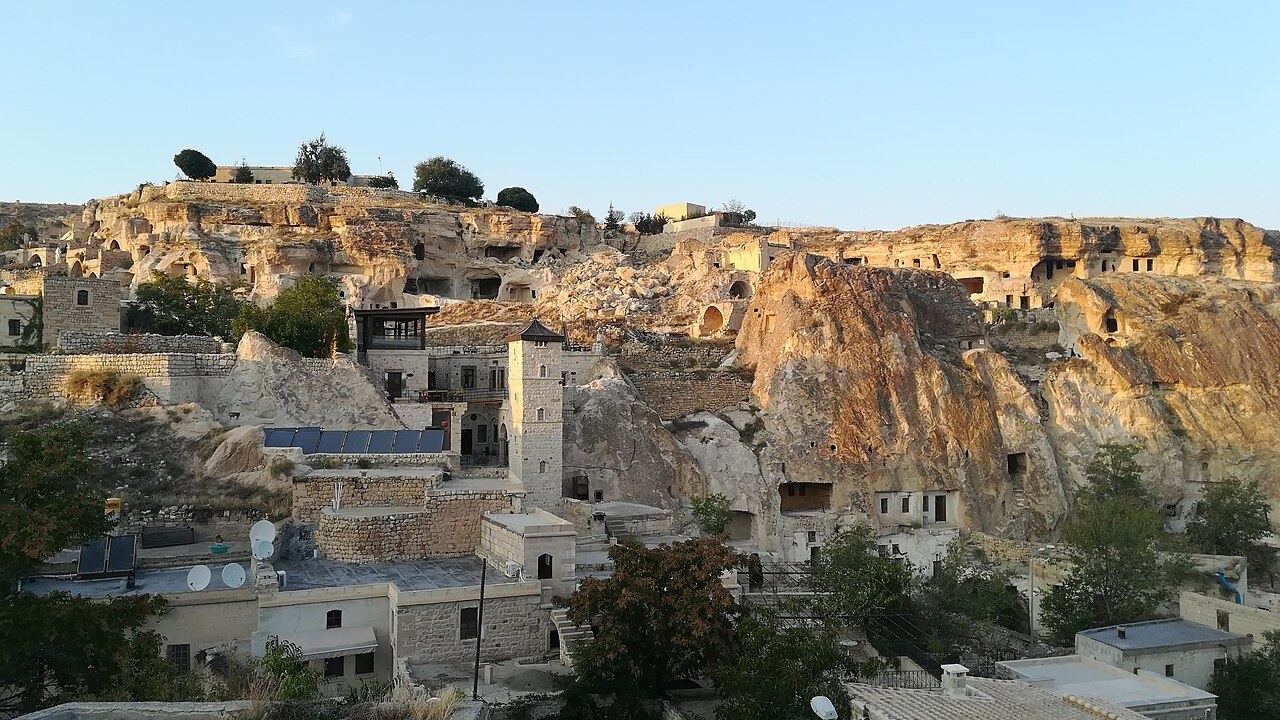

For travelers planning a cultural odyssey across Turkey, the choice usually comes down to two distinct experiences: a Full-Day Cultural Tour, which covers expansive regional archaeological sites, museums, and gastronomic stops; or a Historic City Tour, which focuses on monumental architecture, ancient neighborhoods, and walkable cultural corridors within the city center. To align your schedule with your interests, we recommend exploring full-day cultural tour options across Turkey.
Those who wish to visit multiple ancient cities and natural heritage sites via organized transport typically lean toward regional excursions. Conversely, visitors who prefer to peel back the architectural layers of a city on foot often choose urban itineraries. For those wanting to explore city centers with expert commentary, you can compare various urban routes via historic city tour programs across Turkey. In this guide, we break down the scope, pace, and budget of these two travel models.
Decision Matrix: Full-Day Cultural Tours vs. Historic City Tours
The fundamental difference between a Full-Day Cultural Tour and a Historic City Tour in Turkey lies in the geographical scale, the mode of transport, and the depth of time spent at each stop. When choosing, consider your group's walking stamina, the seasonal weather, and your specific archaeological interests.
The following comparison table highlights the key operational differences between the two tour models.
| Criteria | Full-Day Cultural Tour | Historic City Tour |
|---|---|---|
| Route Scope | Out-of-city ancient ruins, valleys, museums, and rural heritage sites | City center, historic walled areas, squares, bazaars, and monuments |
| Transport Mode | Regional transfers via tour bus or private vehicle from your hotel | Pedestrian-focused walking axes with short-distance public transit links |
| Physical Pace | Archaeological site walks balanced by relaxing intervals in the vehicle | Continuous walking through cobblestone streets and historic avenues |
| Time Allocation | A comprehensive full-day flow including lunch and multiple stops | Focused half-day or full-day urban stages (averaging 3 hours per leg) |
| Guiding Focus | Regional civilizations, archaeology, geography, and local folk culture | Urban history, civil architecture, bazaar culture, and monumental lore |
| Best For | Those on a short trip wanting to see the "must-see" regional ruins | Those wanting to soak in a city's historical identity and street vibe |
As the data suggests, the first model is more inclusive for those staying at a coastal resort or cultural hub who want to explore the surrounding districts. Meanwhile, the second model provides the perfect rhythm for those who wish to discover historic alleys, museums, and traditional markets on foot.

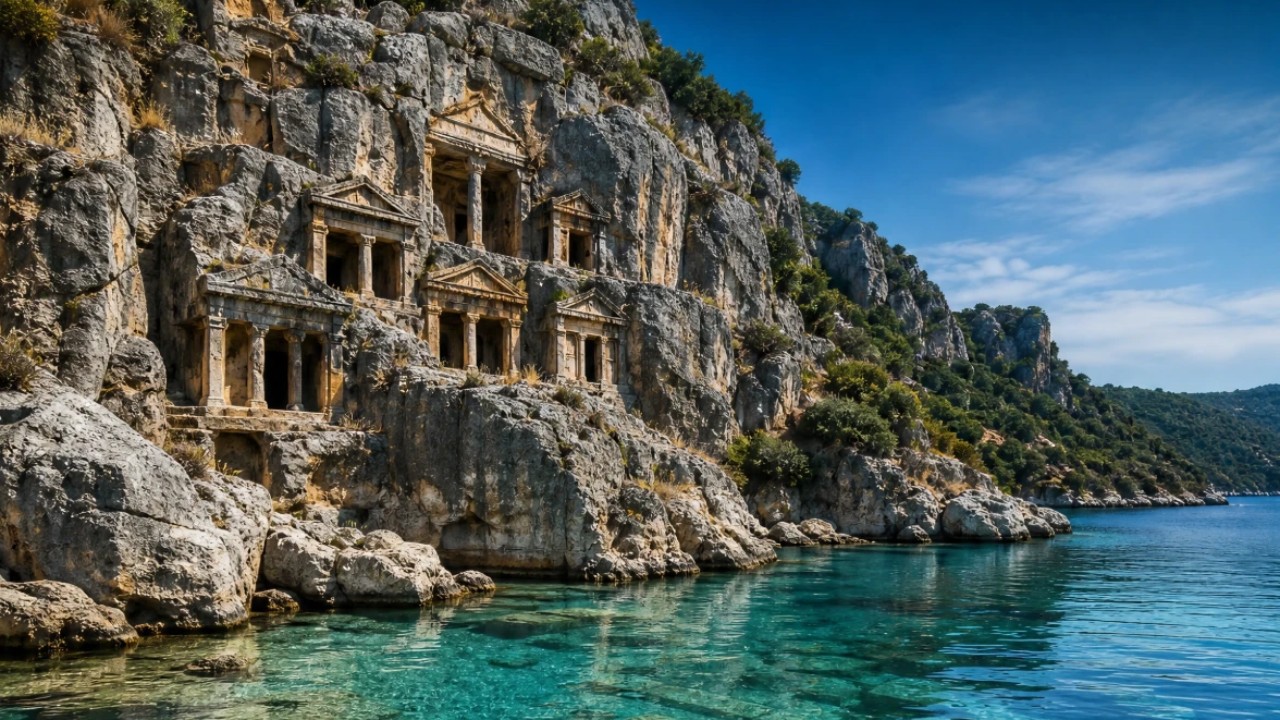
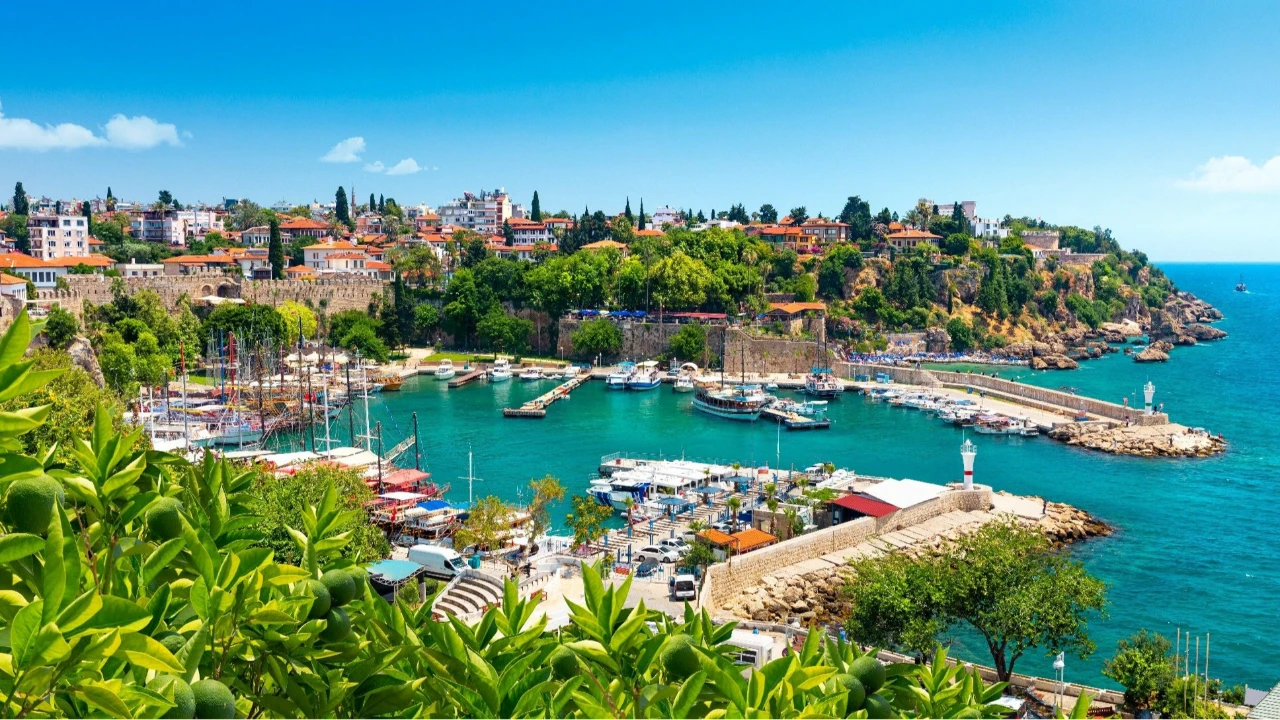
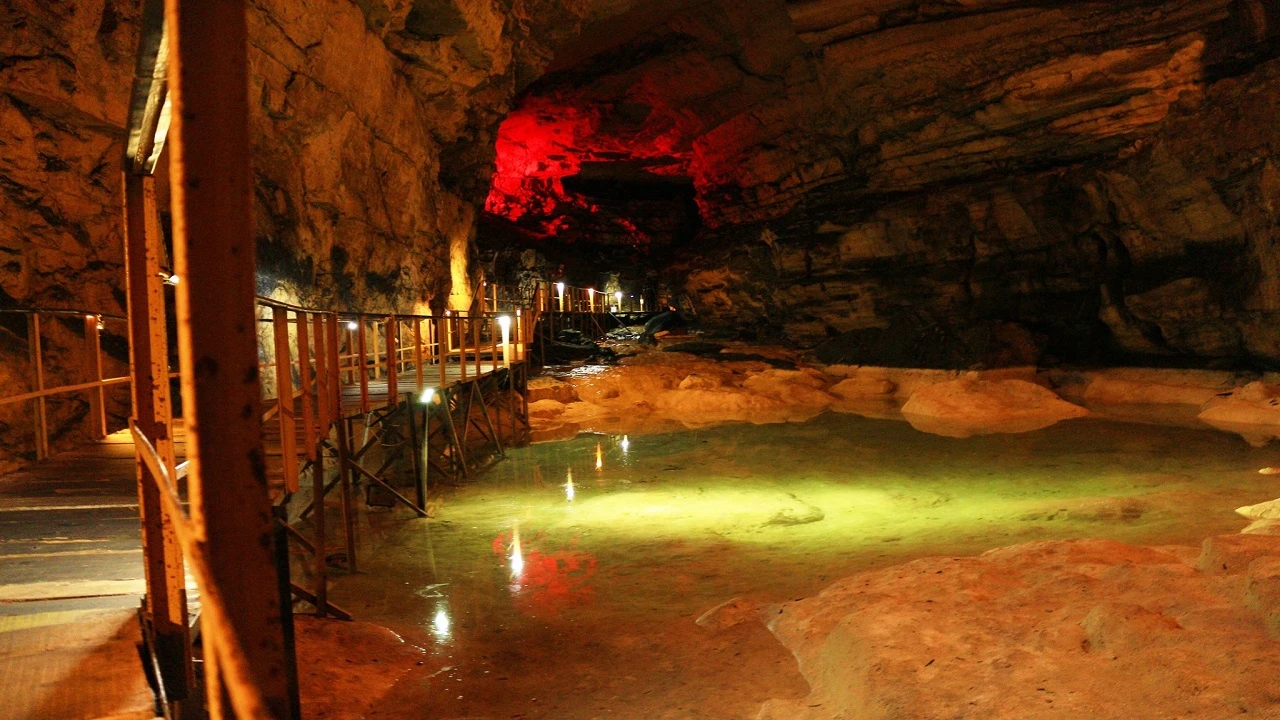

Full-Day Cultural Tours: Regional Heritage and Archaeological Exploration
Full-Day Cultural Tour programs weave together ancient cities, archaeology museums, and local culinary stops that are connected by road across Turkey's diverse landscapes. These routes, which are often difficult to coordinate individually in a single day, are completed effortlessly thanks to planned vehicle organization.
Geographical Diversity and the Multi-Stop Advantage
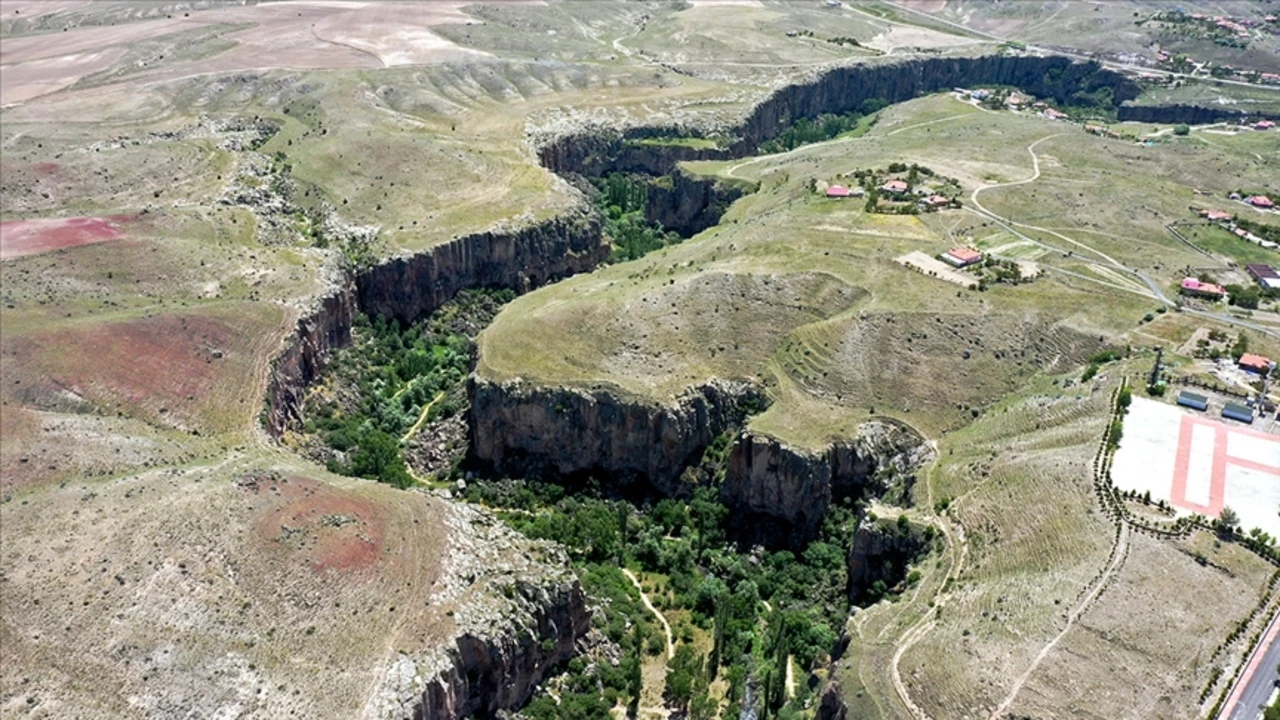
Regional cultural tours typically start early in the morning, stretching from the coastline to inland ancient theaters, rock tombs, or ruins nestled by canyons. Participants can examine archaeological remains and visit traditional craft workshops or experience rural culinary cultures all within the same itinerary.
Transport Coordination and Time Management
Reaching out-of-city ruins via individual cars or connecting buses can lead to significant time loss at ticket booths and parking lots. In organized cultural programs, the route timings, museum entries, and lunch breaks are pre-planned, allowing travelers to dedicate their energy entirely to exploring the historical sites.


Historic City Tours: Urban Memory and Architectural Discovery
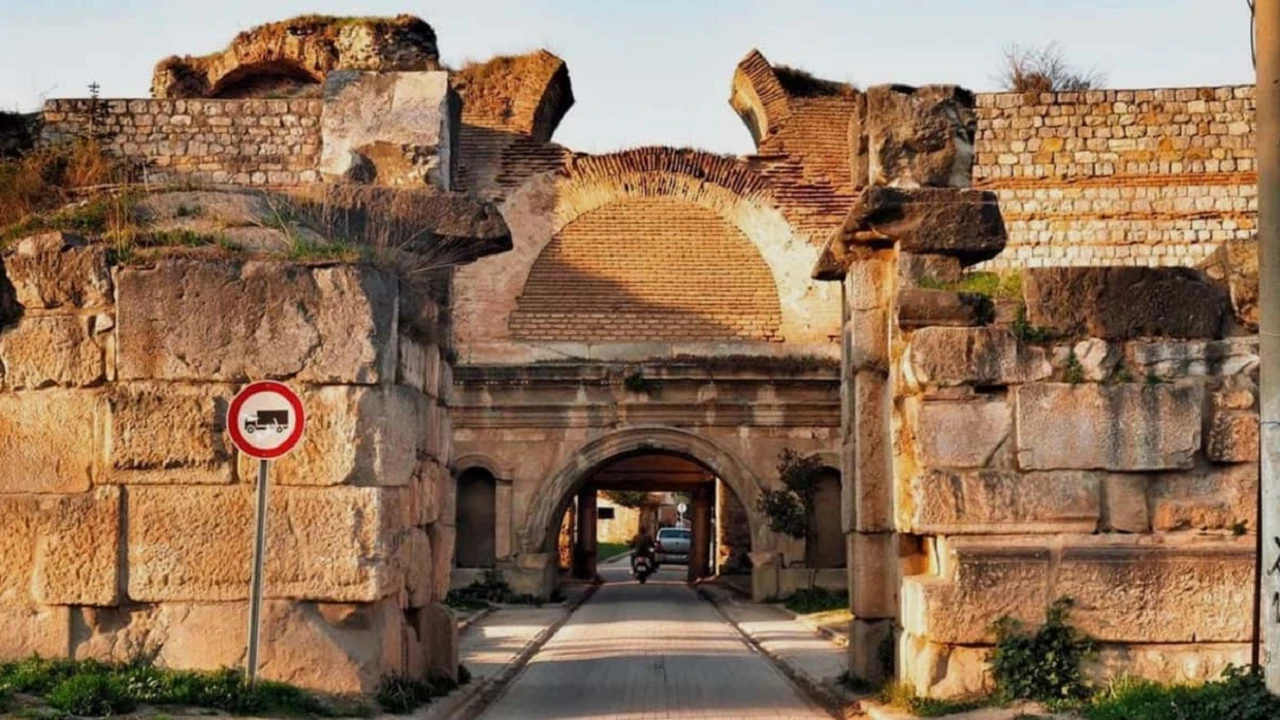
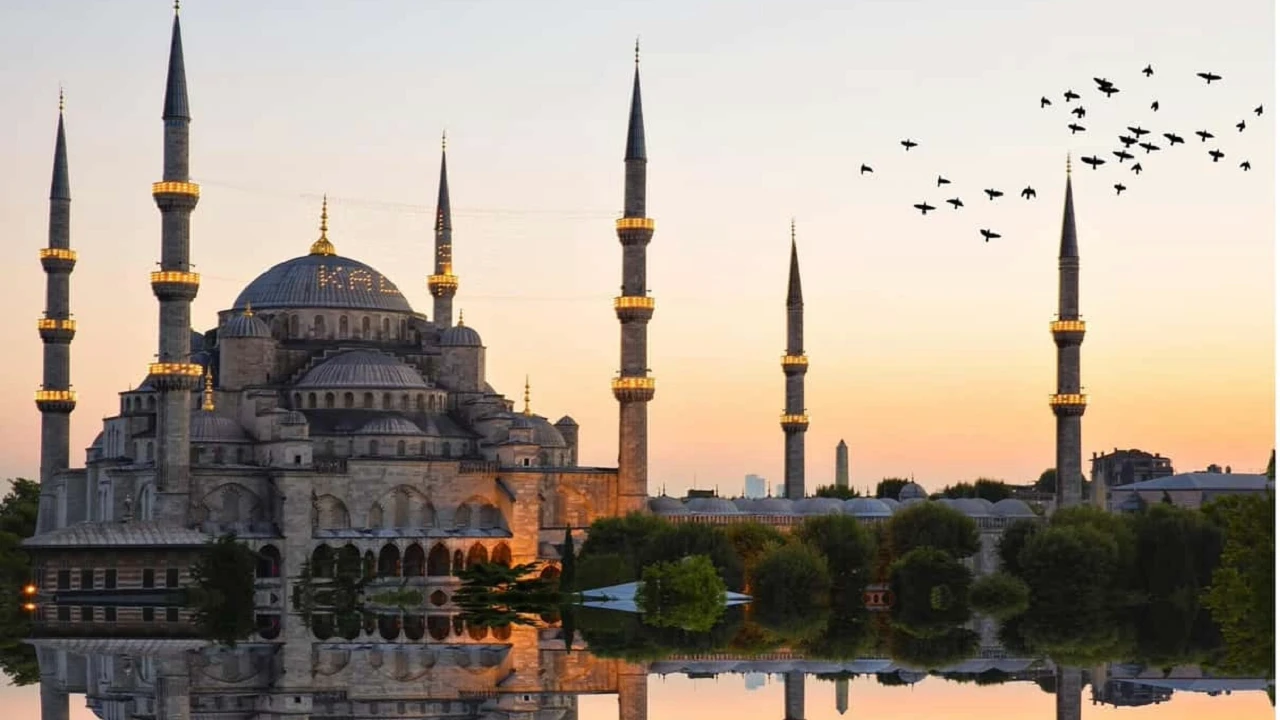
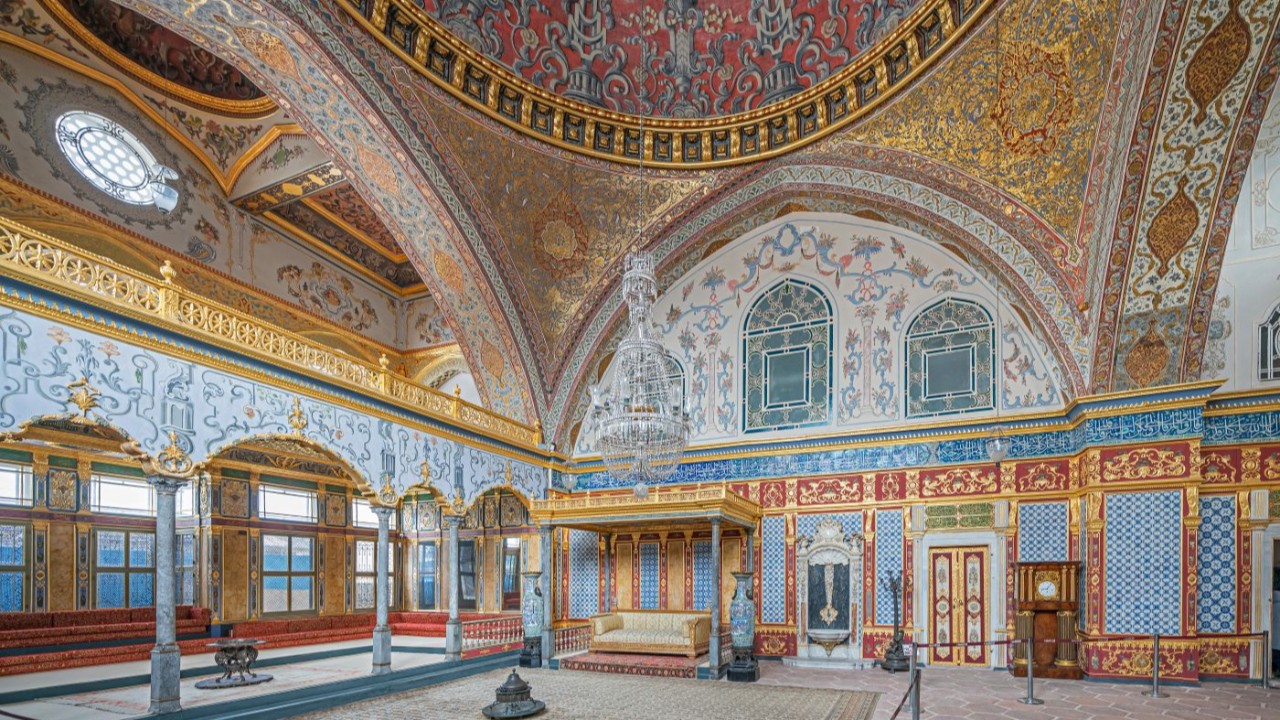
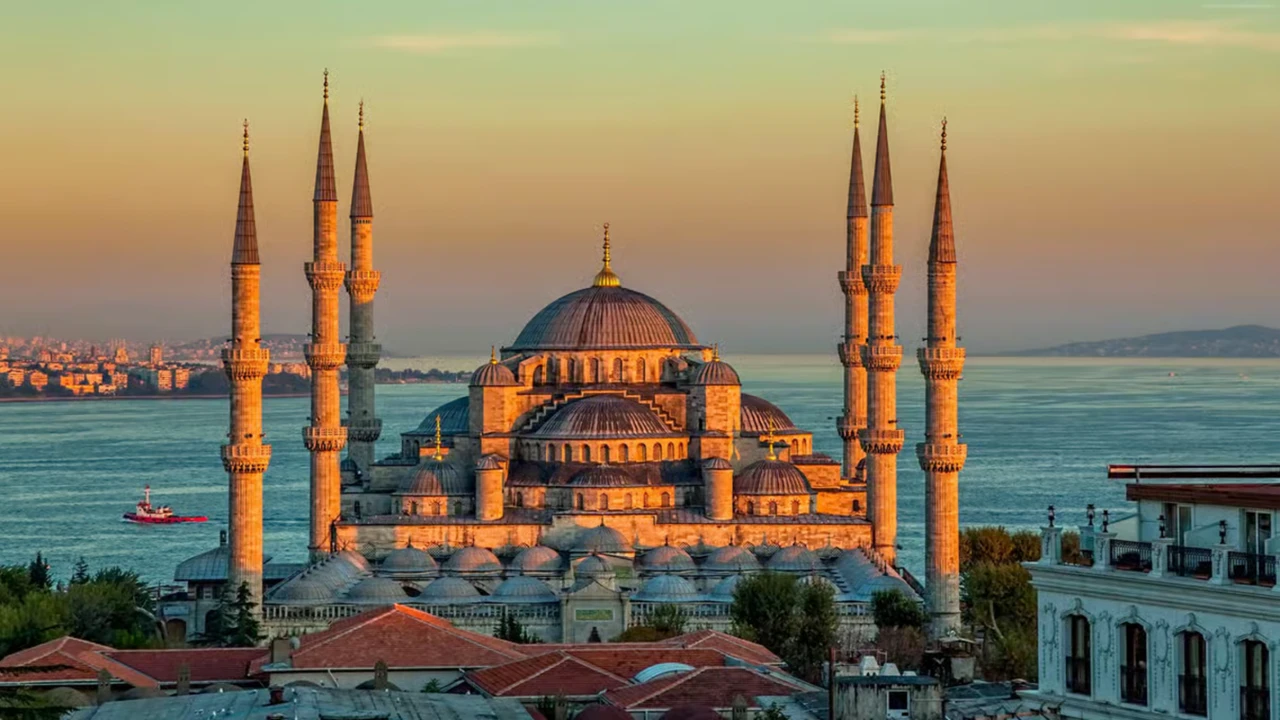
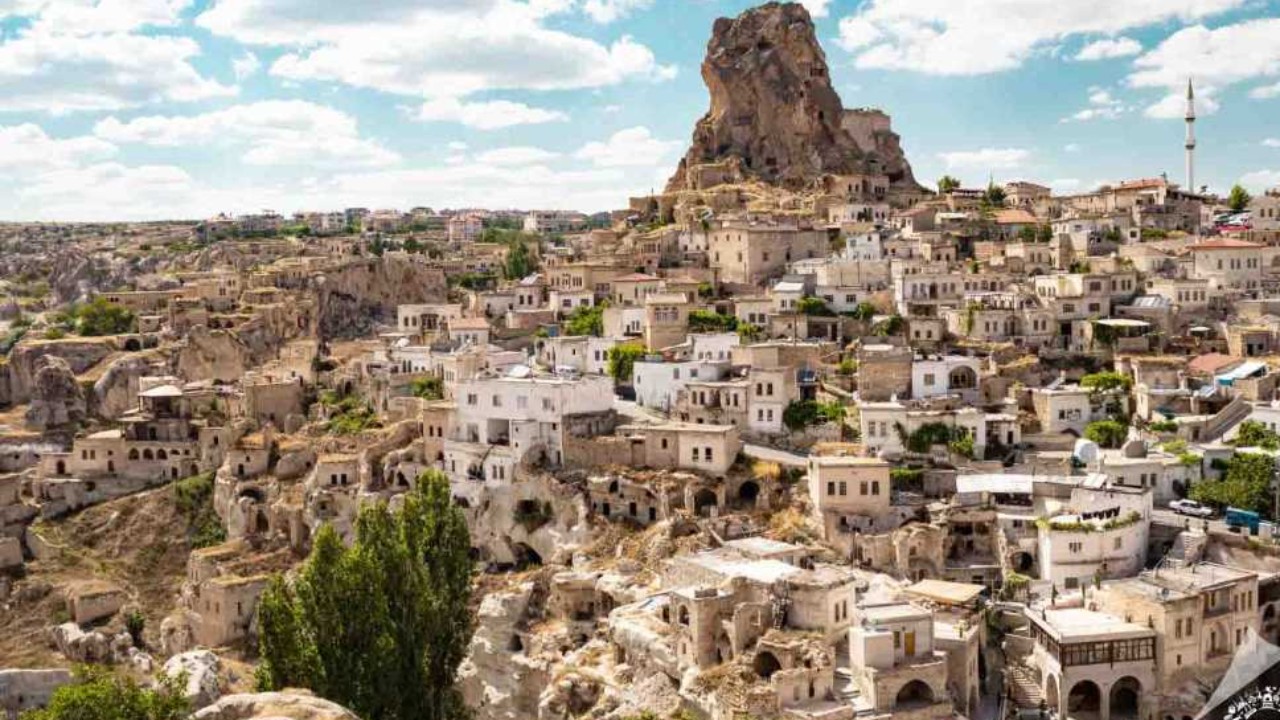
A Historic City Tour offers a concentrated cultural route through Turkey's millennia-old city centers, from city gates and old bazaars to külliyes (complexes) and examples of civil architecture. By walking through historic neighborhoods instead of spending hours in a vehicle, you can truly feel the living atmosphere of the city.
Walkable Historic Cores and Street Textures
Tours in historic city centers connect squares, monumental fountains, arasta bazaars, and city museums that are within walking distance of one another. Through focused walking stages, usually averaging 3 hours, visitors have the opportunity to photograph architectural details and intricate stonework up close.
Reading Urban Layers with an Expert Guide
Walking through a city's historic streets without a guide often means missing the historical eras hidden behind the facades. In city tours led by licensed guides, the architectural traces of the Roman, Seljuk, Ottoman, and Republican eras are presented as a cohesive chronological narrative.
Budget, Duration, and Logistics Comparison
When deciding between a Full-Day Cultural Tour and a Historic City Tour, it is important to consider how transport, meals, and entrance fees impact your budget. In Turkey's cultural destinations, the cost and time structures of these two options differ significantly.
The table below provides a comparative look at the budgetary and operational components of both tour types.
| Cost & Operational Item | Full-Day Cultural Tour | Historic City Tour |
|---|---|---|
| Transport & Transfer Costs | Long-distance inter-city or district transport is included in the package | Lower vehicle costs as the tour is primarily walking-based |
| Museum & Site Entries | Includes visits to multiple ancient cities and museum ticket offices | Covers city museums, monuments, and historic site entries |
| Dining & Breaks | Includes a lunch break at a local restaurant due to the full-day duration | Short tasting breaks at historic bazaars and street food stops |
| Duration & Flexibility | Fixed departure and return times for a full-day experience | Flexible morning or afternoon slots, averaging 3 hours |
| Guiding Service | Comprehensive regional commentary during transit and at ruins | Focused architectural and historical narration at the street and building level |
This comparison shows that packaged cultural tours reduce the logistical burden and cost of visiting distant ruins. For travelers staying in the city center who wish to keep the rest of their day free, historic city tours offer a balanced alternative in terms of both time and budget.
Which Tour Should You Choose? A 5-Step Decision Protocol
To decide between a Full-Day Cultural Tour and a Historic City Tour, you should evaluate your length of stay, the weather, and your group's expectations. Use the following five-step protocol to make the right choice for your Turkish adventure.
Follow these steps to determine which option best fits your traveler profile:
- If you want to see ancient cities, valleys, and rural heritage sites outside your immediate hotel area with the comfort of a vehicle, choose a Full-Day Cultural Tour.
- If you prefer to avoid long road trips and want to discover the historic neighborhoods, squares, and bazaars of your current city on foot, opt for Historic City Tour programs.
- If your vacation time is limited and you want to get to know the city's main monuments with expert insight in about 3 hours, the Historic City Tour model is for you.
- If you are looking for a comprehensive day of discovery where transport, guiding, and lunch are all organized from dawn till dusk, consider Full-Day Cultural Tour packages.
- If you are traveling with children or groups who wish to avoid long walks in hot weather, prioritize regional cultural routes that offer air-conditioned vehicle transfers.
These five steps ensure your expectations align with the reality on the ground, preventing pacing issues during your trip. Travelers with more time can combine both experiences, dedicating one day to an urban walk and another to the surrounding ruins.


Pro Tips for Cultural and City Sightseeing
Before joining a Full-Day Cultural Tour or a Historic City Tour in Turkey, it is essential to prepare for the terrain, climate, and museum regulations. Choosing the right gear directly enhances the quality of your experience, whether you are at an archaeological site or in a historic alley.
- Wear non-slip walking shoes to protect your feet on ancient stone pavements and historic cobblestone streets.
- To save time at official museum and site ticket offices, obtain a Museum Pass or digital entry tickets before your trip.
- When visiting historic places of worship and monuments, keep a shawl or appropriate clothing in your bag to comply with dress codes.
- Carry a hat, sunglasses, and a water bottle to protect yourself from the sun in open-air archaeological areas.
Final Verdict: Cultural vs. City Tours
While a Full-Day Cultural Tour provides a broad perspective covering regional geography and ancient cities, a Historic City Tour offers a deep dive into the living architectural memory of urban centers. Both models complement each other depending on the traveler's time budget and interests.
To compare comprehensive urban routes in different cities, you can browse the current programs on our Turkey city tours and cultural routes page. This will help you easily determine the perfect cultural or city excursion for your holiday plan.
Frequently Asked Questions 5
What constitutes our cultural heritage?
Our cultural heritage encompasses tangible assets such as ancient cities, historic mosques, külliyes, caravanserais, castles, and examples of civil architecture, as well as intangible values like traditional handicrafts, culinary culture, oral traditions, and local festivals. The geography of Turkey possesses a rich cultural inventory where these archaeological and ethnographic values from various civilizations are preserved together.
What is a Külliye and where can they be found?
A külliye is a multi-functional architectural complex located in the historic centers of Turkish cities, most notably in Istanbul, Bursa, Edirne, Konya, Amasya, Manisa, and Erzurum. With a mosque at the center, these complexes typically include a medrese (school), darüşşifa (hospital), imaret (public kitchen), library, and hammam, making them primary stops on historic city tours.
Which days are museums closed?
Most official museums and archaeological sites across Turkey are open every day of the week. However, some municipal museums and private foundation galleries may be closed at the beginning of the week for maintenance. We recommend checking the current operating calendar and public holiday hours of the specific museum before planning your visit.
What are "cultural characteristics"?
Cultural characteristics are the distinguishing traits that reflect a society's architectural approach, lifestyle, artworks, language, traditions, and relationship with geography developed over time. The ancient structures, local bazaars, and gastronomic stops visited during cultural tours provide a concrete way to observe a region's social identity passed down from the past.
What is a "cult work" (Cult Asset)?
A cult work is a masterpiece, either a structure or an archaeological find, that symbolizes the artistic, religious, or historical spirit of its era and holds a special place in collective memory due to its architectural originality and historical value. Rare sculptures in museums, monumental temples, and iconic buildings in historic city centers are the primary cult assets that form the focus of cultural routes.