
When you think of Kayseri, the first images that come to mind are the snow-capped peaks of Erciyes, the ancient ruins of Kültepe—where the written history of Anatolia began—and the savory, thinly sliced pastırma. Nestled in the heart of Central Anatolia, this city offers a captivating blend of Seljuk architecture, volcanic landscapes, bird sanctuaries, and centuries-old bazaars. Rather than a random list of sights, this guide provides a curated itinerary divided by history, nature, and gastronomy, helping you decide where to go, how to get there, and how to manage your time.
At Travel Tour Shop, we have a boots-on-the-ground presence in Kayseri. We don't just show you the tourist facades; through our local partners, we guide you to hidden artisan eateries in the backstreets and provide insider tips on the best slopes at Erciyes. Below, you'll find a quick summary followed by a detailed regional breakdown.
Quick Facts
| Information | Detail |
|---|---|
| Province | Kayseri (Central Anatolia Region) |
| Best Time to Visit | Spring and Autumn (city tours), December-March (skiing at Erciyes) |
| Recommended Duration | 2-3 days (3-4 days if including Erciyes) |
| Highlights | Erciyes, Kültepe, Kayseri Castle, Gevher Nesibe, Sultan Sazlığı, Local Cuisine |
| Transportation | Erkilet Airport (ASR), High-Speed Train (YHT), Highway |
Where to Go in Kayseri?
Kayseri is perfectly suited for a trip built around three main pillars: the historic city center, the surrounding natural wonders, and the rich culinary culture. In the heart of the city, the Kayseri Castle, Republic Square, the Archaeology Museum, the Museum of Seljuk Civilization (Gevher Nesibe), Döner Kümbet, the Hunat Hatun Complex, the Clock Tower, and the Grand Bazaar are all within walking distance. This proximity allows you to explore the historic core comfortably in a single day.
Once you venture outside the center, the pace changes. Destinations like Erciyes and its ski resort, the Sultan Sazlığı bird sanctuary, the Kültepe ruins, Soğanlı Valley, and the Kapuzbaşı Waterfalls each require their own dedicated day trip. Because of its strategic location in the center of Anatolia, Kayseri also serves as an excellent gateway to Cappadocia, Çukurova, and Eastern Anatolia. You can explore our specialized Kayseri tours for tailored program options.
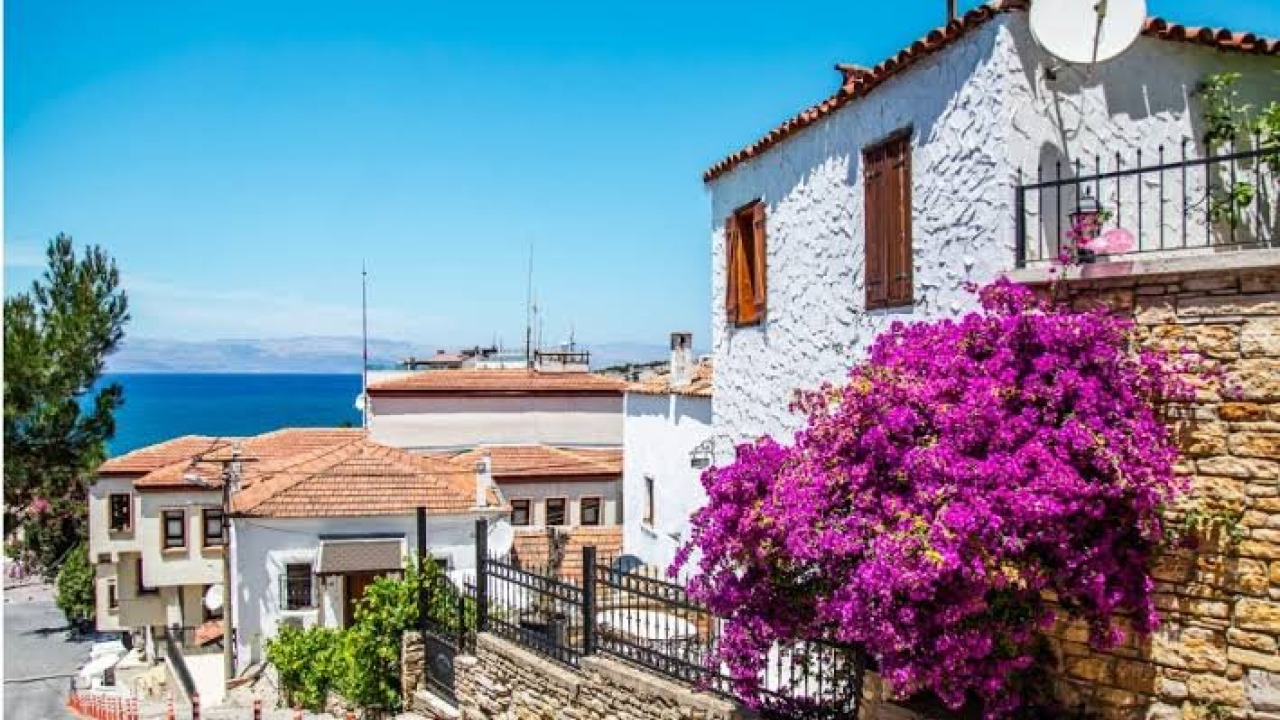
To maximize your time, organize your route by district. The central districts of Melikgazi and Kocasinan house the historic sites and markets; the Talas neighborhood offers a nostalgic atmosphere with its traditional mansions; and the Develi direction leads you toward Sultan Sazlığı and the foothills of Erciyes. A balanced schedule would dedicate one day to the city center museums and castle, one day to Erciyes, and a third to the natural landmarks. A pro tip: explore the walkable city center in the morning and save the outskirts for the afternoon to break up a busy day.
Kültepe and Kayseri Castle: Tracing Written History
Kayseri is more than just a city; it is a crossroads of civilizations. This section focuses on the two sites that tell the city's oldest stories.
Kültepe (Kaniş-Karum)
Kültepe is widely regarded as the birthplace of written history in Anatolia. Kaniş-Karum was one of the earliest organized trade centers in history; here, Assyrian merchants settled and recorded diplomatic letters, contracts, and legal texts on clay tablets. Seeing these tablets in the museum, it's easy to realize that the commerce conducted here thousands of years ago was the ancestor of modern global trade. For history buffs and archaeology enthusiasts, Kültepe is the most intellectually rewarding stop in Kayseri.
Kayseri Castle and Republic Square
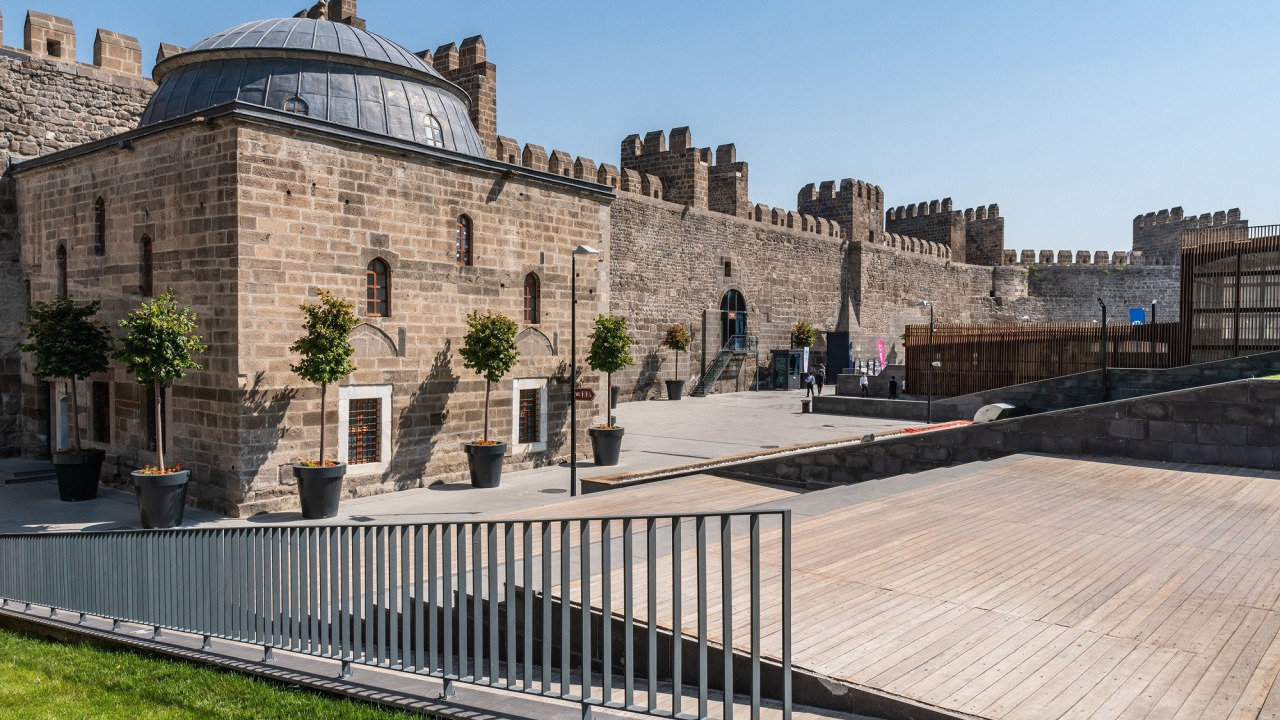
Restored during the Seljuk period upon Roman and Byzantine foundations, the Kayseri Castle sits at the heart of the city's historic fabric. Today, the interior of the castle is a vibrant area home to traditional handicrafts and local workshops. Right next to it is Republic Square, the beating heart of the city where old and new Kayseri blend seamlessly. The nearby Clock Tower is another iconic landmark just a short stroll away.
Erciyes: Ski Resort and Volcanic Wonders
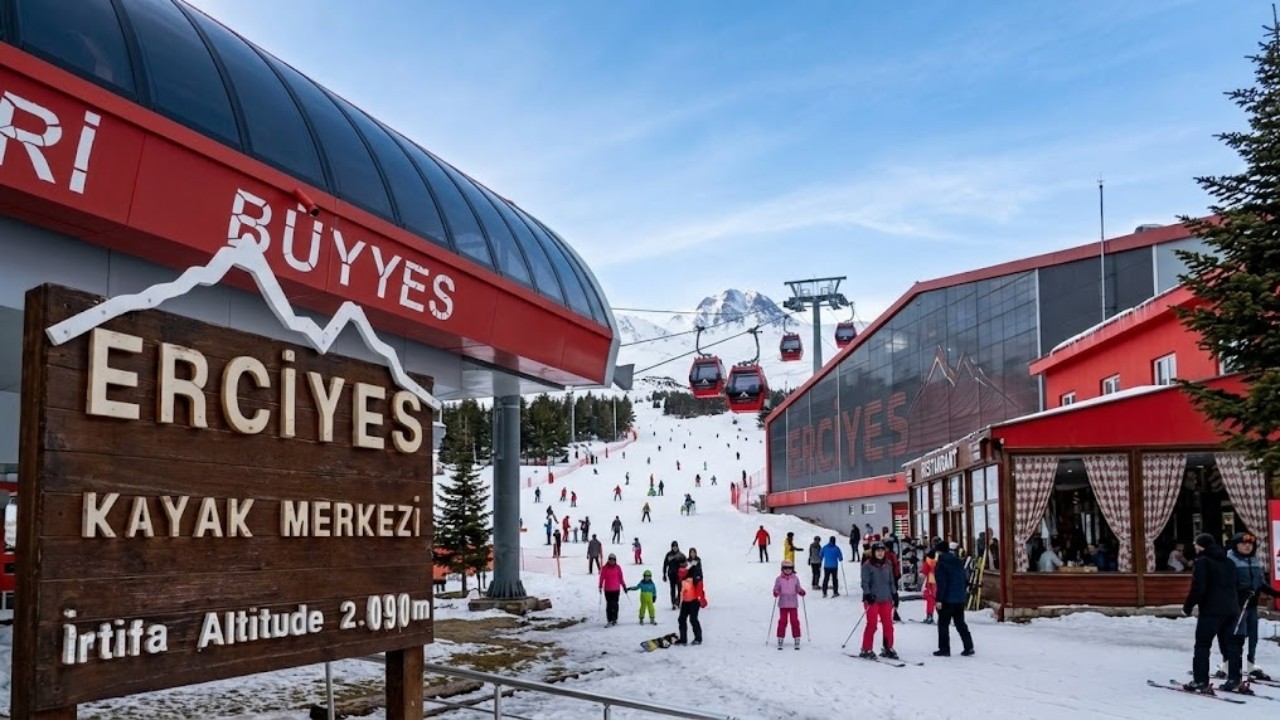
Erciyes is the towering symbol of the city and the hub of its nature tourism. An extinct volcano located about 25-30 km from the center, it offers distinct experiences across all four seasons.
Winter Season: Skiing and Snowboarding
The Erciyes Ski Resort is one of Turkey's most modern winter sports facilities. With a streamlined single-card system, you can easily access a vast network of slopes for skiing and snowboarding. Thanks to advanced artificial snowmaking, the season is extended, and the illuminated slopes offer the thrill of night skiing. The season typically opens in December and can last until late March. If you're planning a winter getaway, arranging transfers and equipment through a local operator will save you significant time.
Summer Season: Peaks and Adventure Sports
Erciyes remains active long after the snow melts. Summer brings paragliding, mountain biking trails, and summit trekking. Its volcanic terrain makes it a fascinating training ground for mountaineers. From the summit, you are rewarded with a panoramic view of the Kayseri plain and the surrounding volcanic lines. Its proximity to the city makes Erciyes an easy nature escape for a day trip.
Gevher Nesibe and Cultural Heritage
The influence of Seljuk architecture is woven into the very fabric of downtown Kayseri. These sites bring the city's cultural layers together within a walkable radius.
Gevher Nesibe Museum of Medical History
The Gevher Nesibe structure, dating back to the Seljuk era, is known as one of Anatolia's earliest medical centers and now serves as the Museum of Seljuk Civilization (Medical History Museum). Its significance lies in how it showcases the healing philosophy and architectural solutions of the time. As you explore, take note of the intricate Seljuk stonework and the serene layout of the hospital courtyard.
Döner Kümbet, Hunat Hatun, and the Grand Bazaar
Döner Kümbet is an elegant example of Seljuk tomb architecture, noted for its exquisite exterior stone carvings. The Hunat Hatun Complex, with its mosque, madrasa, and hammam, reflects the holistic social approach of the era. For a taste of local life, the Grand Bazaar and Bedesten have been the center of trade for centuries; here, everything from pastırma and silver to carpets and handicrafts is sold through the traditional art of bargaining. Don't forget that Kayseri is also the birthplace of the great architect Mimar Sinan (in Ağırnas village) and home to the historic houses of Talas. To explore these cultural gems, check out our cultural tours.
Natural Beauty: Sultan Sazlığı and Kapuzbaşı Waterfalls
Beyond the urban center, Kayseri offers breathtaking escapes for nature lovers. These routes are best handled as day trips.
Sultan Sazlığı Bird Sanctuary
Located at the foot of Erciyes where fresh and salt waters meet, Sultan Sazlığı is a critical wetland for birdwatchers. The area is particularly famous for its flamingo sightings. Photographers and nature enthusiasts visiting during the right season will witness an incredible diversity of avian species.
Kapuzbaşı Waterfalls, Soğanlı, and Zamantı
The Kapuzbaşı Waterfalls are a must-see, with majestic waters cascading from sheer cliffs. For those seeking a "Cappadocia vibe" within Kayseri, the Soğanlı Valley offers stunning fairy chimneys and rock-cut churches. For adrenaline seekers, the Zamantı River provides a challenging rafting course known for its canyon passes and rushing waters. Since these sites are further from the center, dedicating a full day to nature and planning your transport in advance is key to a productive trip.
The Taste of Kayseri: Mantı, Pastırma, and Sucuk
Dining in Kayseri is like reading the city's culture on a plate. The local tradition of fitting forty pieces of mantı into a single spoon is a testament to the city's culinary mastery. Kayseri mantısı consists of tiny dough parcels filled with minced meat, served with yogurt, garlic sauce, and a drizzle of melted butter infused with mint and red pepper flakes.
The gastronomic trinity of the city is completed by pastırma and sucuk. Pastırma—cured beef coated in a spicy garlic paste (çemen)—and seasoned sucuk are world-renowned delicacies. Other must-try dishes include yağlama (layered flatbreads with minced meat), nevzine (a sweet dessert made with tahini and molasses), and the savory Kayseri pide. For the freshest experience, buy your pastırma and sucuk from the historic bazaar shops where they are sliced on the spot.
A few shopping tips: the color of the pastırma should be a vibrant red, not too dark, and the çemen coating should be thin and balanced. Most seasoned travelers prefer freshly sliced products over vacuum-packed ones to preserve the aroma. To experience these dishes in their most authentic form, visit the century-old restaurants in the center. We work with vetted local suppliers to ensure our guests know exactly which butcher offers the best quality.
When and How to Visit Kayseri
Getting to Kayseri is straightforward. Erkilet Airport (ASR) is conveniently located near the city center with numerous flight connections. Additionally, the High-Speed Train (YHT) and extensive highway networks make it accessible from all corners of the region.
The best time to visit depends on your interests. For historical and cultural sightseeing in the city center, the mild weather of spring and autumn is ideal. If skiing at Erciyes is your goal, plan for December through March. For nature trips and birdwatching at Sultan Sazlığı, spring and summer are the prime windows. In terms of duration, two days are enough for the city center, but a three-to-four-day itinerary is necessary to truly experience Erciyes and the surrounding nature.
Your group size and budget also play a role. For large groups, all-inclusive packages covering transport, accommodation, and transfers reduce both cost and stress. For couples or small groups, flexible, personalized itineraries are often better. For winter visitors, coordinating ski equipment and transfers with your hotel can save valuable time. For multi-stop itineraries, guided tours provide a significant advantage in terms of both efficiency and insight. You can compare our various program options in our tour packages section.
Frequently Asked Questions 6
What are the best places to visit in Kayseri?
In the city center, the highlights are Kayseri Castle, Republic Square, the Archaeology Museum, Gevher Nesibe (Museum of Seljuk Civilization), Döner Kümbet, the Hunat Hatun Complex, and the Grand Bazaar. In the surrounding area, Erciyes Mountain, the Kültepe-Kaniş ruins, Sultan Sazlığı, Soğanlı Valley, and Kapuzbaşı Waterfalls are the top destinations.
What can I do in Kayseri in one day?
For a one-day trip, focus on the city center. Start with Kayseri Castle and Republic Square, visit the Gevher Nesibe Museum, Döner Kümbet, and the Hunat Hatun Complex. Enjoy a lunch of authentic Kayseri mantısı and end your day shopping for pastırma and sucuk at the Grand Bazaar. Since these sites are within walking distance, they fit easily into one day.
What is Kayseri famous for?
Kayseri is a culinary capital famous for its mantı, pastırma, and sucuk. It is also renowned for the Erciyes Mountain ski resort, the ancient Kültepe-Kaniş ruins, its Seljuk-era monuments, and its vibrant bazaar culture.
How do I get to Kayseri?
You can fly into Erkilet Airport (ASR), which is close to the city center. Alternatively, the High-Speed Train (YHT) and highway networks provide practical access from various regions.
When is the best time to visit Kayseri?
Spring and autumn are most comfortable for exploring the city's historical and cultural sites. December to March is the peak season for skiing at Erciyes, while spring and summer are best for nature tours and birdwatching at Sultan Sazlığı.
When does the ski season start at Erciyes?
The ski season at Erciyes typically begins in December and can last until the end of March, depending on weather conditions. Thanks to artificial snow systems, the season is often extended; it is recommended to check current slope conditions before visiting.