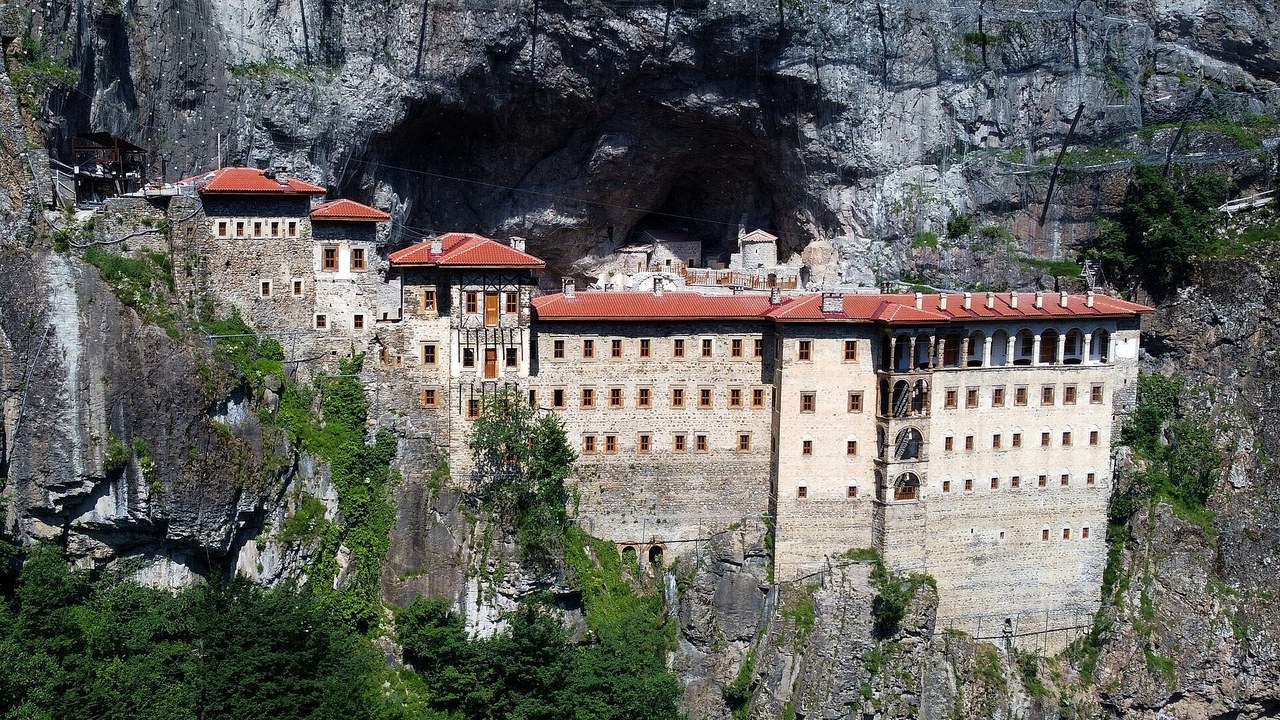
Perched precariously on the steep cliffs of the Black Sea region, the Sümela Monastery is a breathtaking sight that has defied the centuries. Reached through lush, emerald forests, this architectural marvel is as much a feat of engineering as it is a spiritual sanctuary. To complete your journey, a detour to Hamsiköy offers a peaceful escape, famous for its crystalline air and legendary rice pudding. For those looking to experience the region in full detail, exploring Trabzon tours is the perfect starting point.
Sümela and Hamsiköy: Quick Facts
Whether you are a history buff, a nature lover, or a foodie, here is everything you need to know to plan your visit to this extraordinary route.
| Criteria | Details |
|---|---|
| Location | Located within the Maçka district of Trabzon. |
| Elevation | Sümela Monastery: 1,150m |
| Visit Duration | We recommend allocating 5-6 hours for both locations. |
| Climate | Typical Black Sea climate; can be cool even in mid-summer. |
| Transport | Accessible via private car or guided day tours. |
History Atop the Peaks: Sümela Monastery
Overlooking the Altındere Valley and carved directly into the sheer rock face, Sümela is one of the most significant symbols of the Orthodox faith. The vibrant frescoes adorning its walls serve as a window into the artistic soul of a bygone era. Legend has it that the monastery was founded after two monks received a divine sign in their dreams. Having weathered the rise and fall of various civilizations, the structure remains a testament to human resilience and faith.
The journey to the monastery is an experience in itself. Winding paths through dense forests offer a refreshing hike for nature enthusiasts, accompanied by the soothing sound of distant waterfalls. The misty atmosphere of Trabzon often envelops the monastery, lending it an ethereal, mysterious quality. Visitors are often left wondering how such a massive complex was ever constructed in such a challenging geographical location.
Once you step into the inner courtyard, you'll find rooms and student cells carved directly into the stone. These spaces served as retreats for monks to seek solitude and pursue their studies. The kitchen area, with its large hearths and ancient water channels, showcases the impressive engineering skills of the time. Every detail provides a glimpse into the disciplined life led in these rugged mountains.
The frescoes on the exterior walls of the main rock church depict biblical scenes with extraordinary mastery. Despite being centuries old, the vivid colors transport visitors back in time. The intricate craftsmanship proves the advanced state of art during the period, and thanks to careful restoration efforts, these masterpieces are preserved for future generations.





The Natural Charm and Gastronomy of Hamsiköy
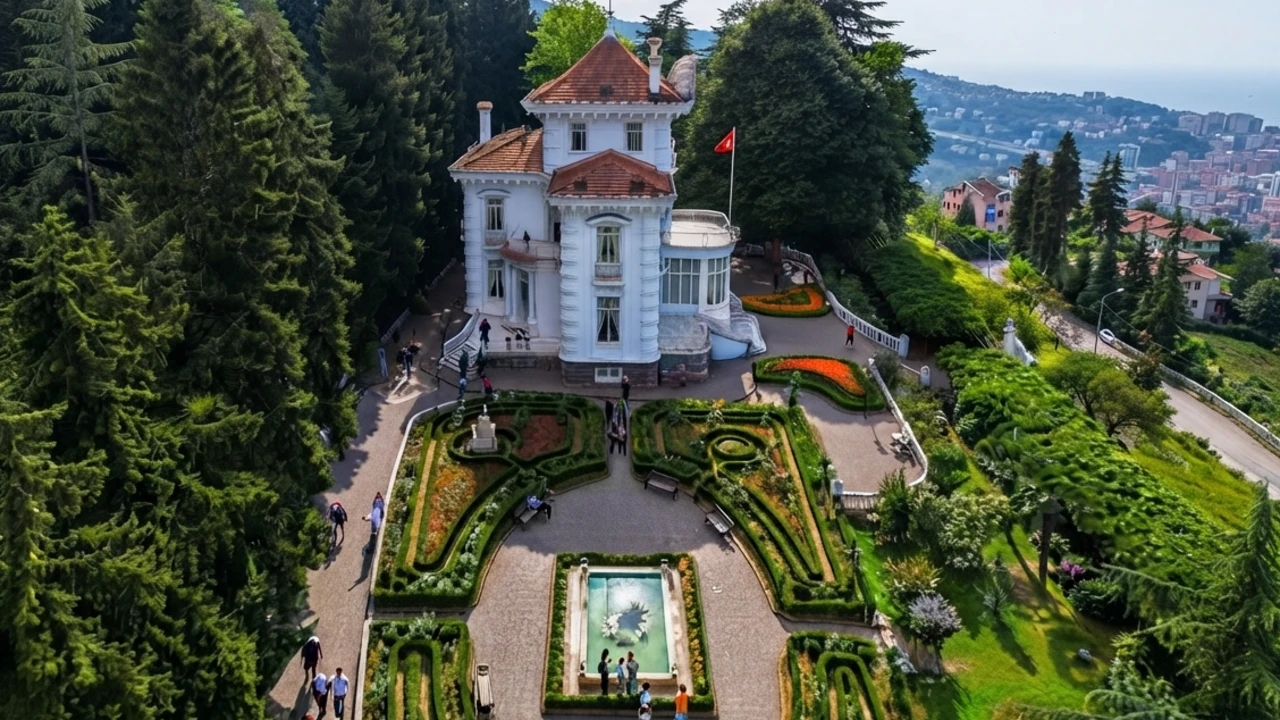
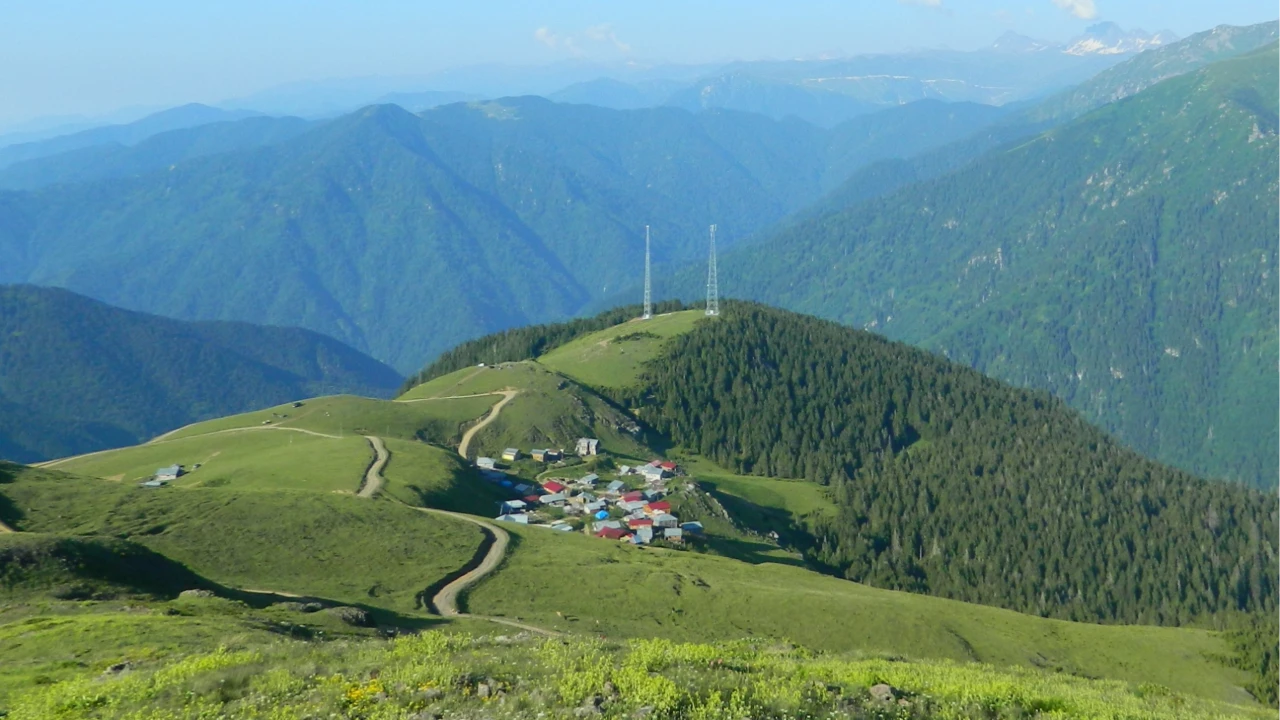
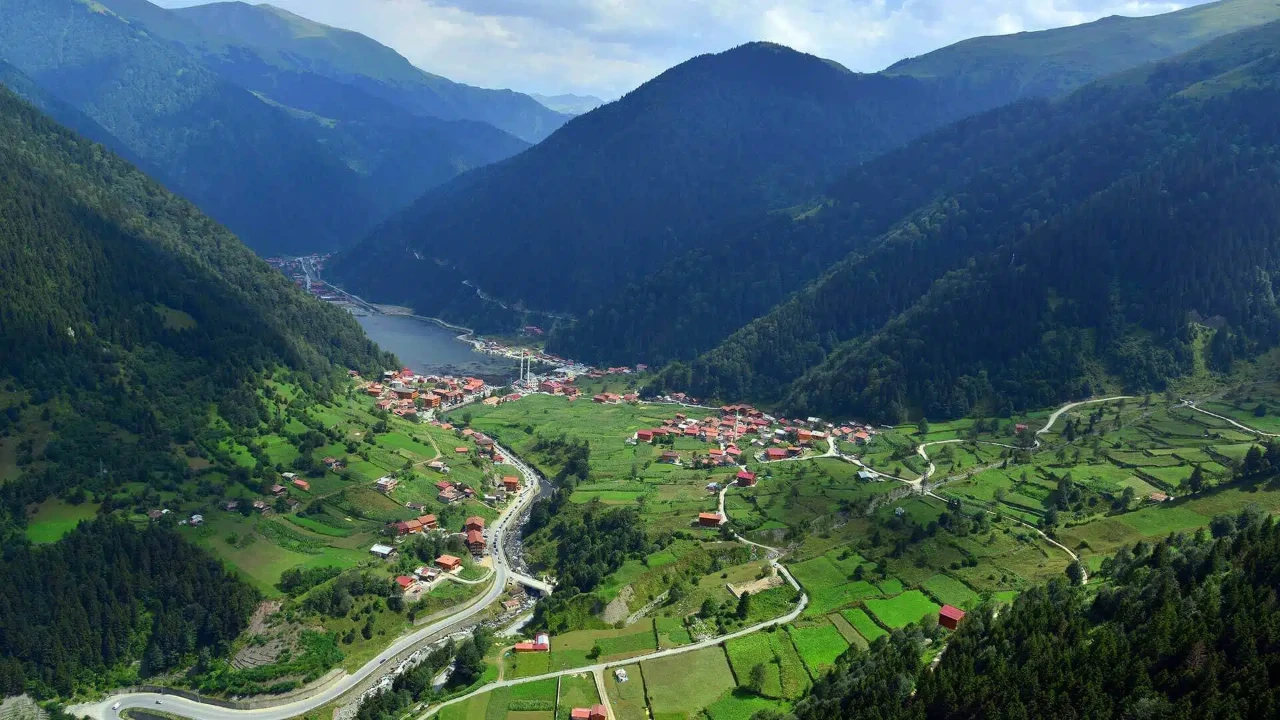
Hamsiköy, named after the five distinct settlements that comprise it, is a paradise of greenery. Situated on the historic Silk Road, it served as a vital stopover for travelers in the past. Today, you can still find stunning examples of traditional Black Sea wooden architecture wandering through its quiet streets. The rich local flora makes Hamsiköy a true "oxygen tank" for the soul.
The highlight for most visitors is tasting the village's world-famous Sütlaç (baked rice pudding) right where it's made. Crafted from the milk of cows that graze on the region's diverse pastures and slow-cooked over a wood fire, this dessert is a culinary revelation. A break for Sütlaç is often the most cherished moment of any Black Sea itinerary.
As you stroll through Hamsiköy, the intricately carved wooden houses provide the perfect backdrop for photography. Built to harmonize with the steep slopes, these homes are prime examples of living in balance with nature. In the mornings, a light mist often settles over the village, creating a dreamy, inviting atmosphere, while the warmth of the local hospitality makes every traveler feel at home.
Beyond the sweets, the local cheeses and butter produced from highland milk are highly prized. These organic products are the stars of a traditional village breakfast, providing a healthy start to your day. For those looking to escape the city stress, hiking through the surrounding pine forests is highly recommended; the oxygen-rich air quickly rejuvenates the body and mind.
Essential Planning Details
While Sümela offers a deep dive into history and spirituality, Hamsiköy provides natural tranquility. These two experiences complement each other perfectly.
Comparing the Two Destinations
Sümela Monastery is more physically demanding due to its steep stairs and rugged terrain, but it offers immense cultural satisfaction. Hamsiköy, conversely, is a place for relaxation, featuring gentle walks and a serene vibe.
| Feature | Sümela Monastery | Hamsiköy |
|---|---|---|
| Focus | History, Architecture, Religion | Nature, Gastronomy, Peace |
| Physical Effort | High (Steep stairs and paths) | Low (Village strolls) |
| Main Activity | Fresco viewing, Photography | Nature walks, Sütlaç tasting |
| Ideal For | Culture and history enthusiasts | Nature lovers and foodies |
| Accommodation | Limited facilities in the valley | Boutique hotels, Guesthouses |
The Ideal Itinerary
- Start your day with high energy by climbing the steep steps of Sümela Monastery.
- Spend your afternoon unwinding in the cool breeze of Hamsiköy with a bowl of famous rice pudding.
- Wake up early to capture the mystical morning mist of the Altındere Valley.
Seasonal Visit Tips
The volatile weather of the Black Sea region means this route transforms beautifully with every season.
Spring and Summer
In spring, the melting snow feeds the rushing streams of the Altındere Valley, and the forests burst into life. Summer is the most convenient time for transport, though it is also the busiest season for tourists.
Autumn and Winter
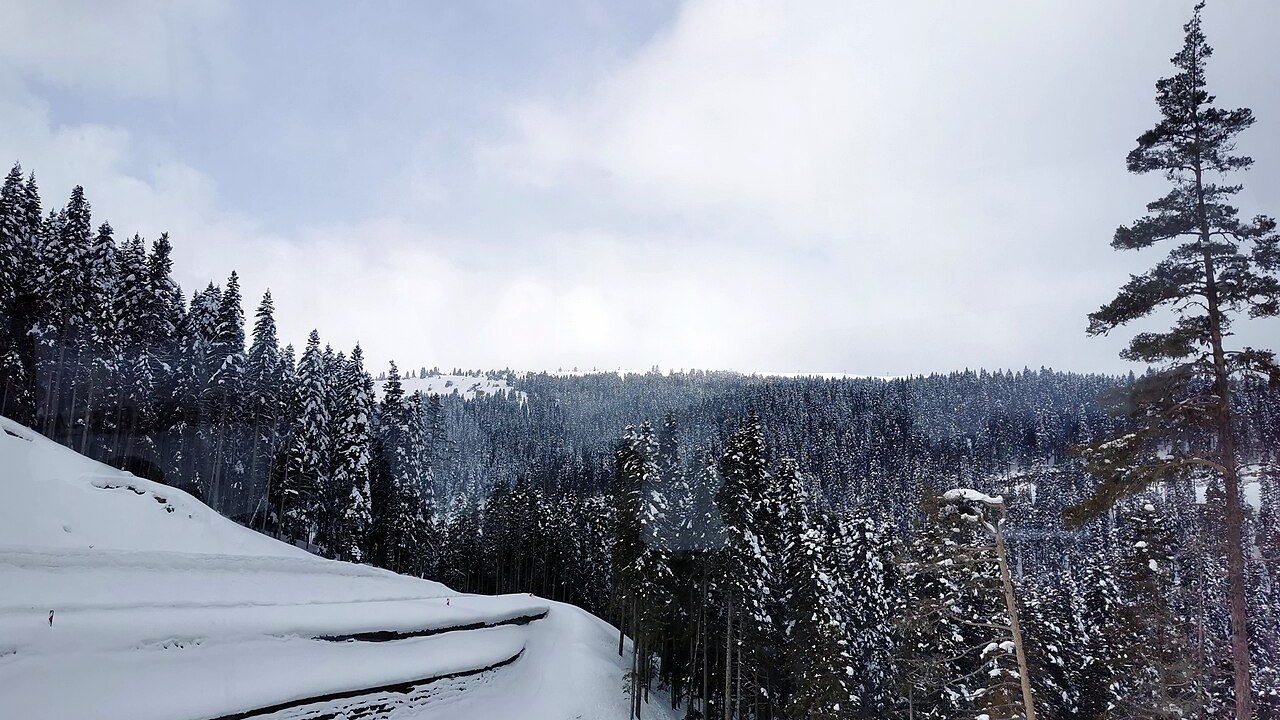
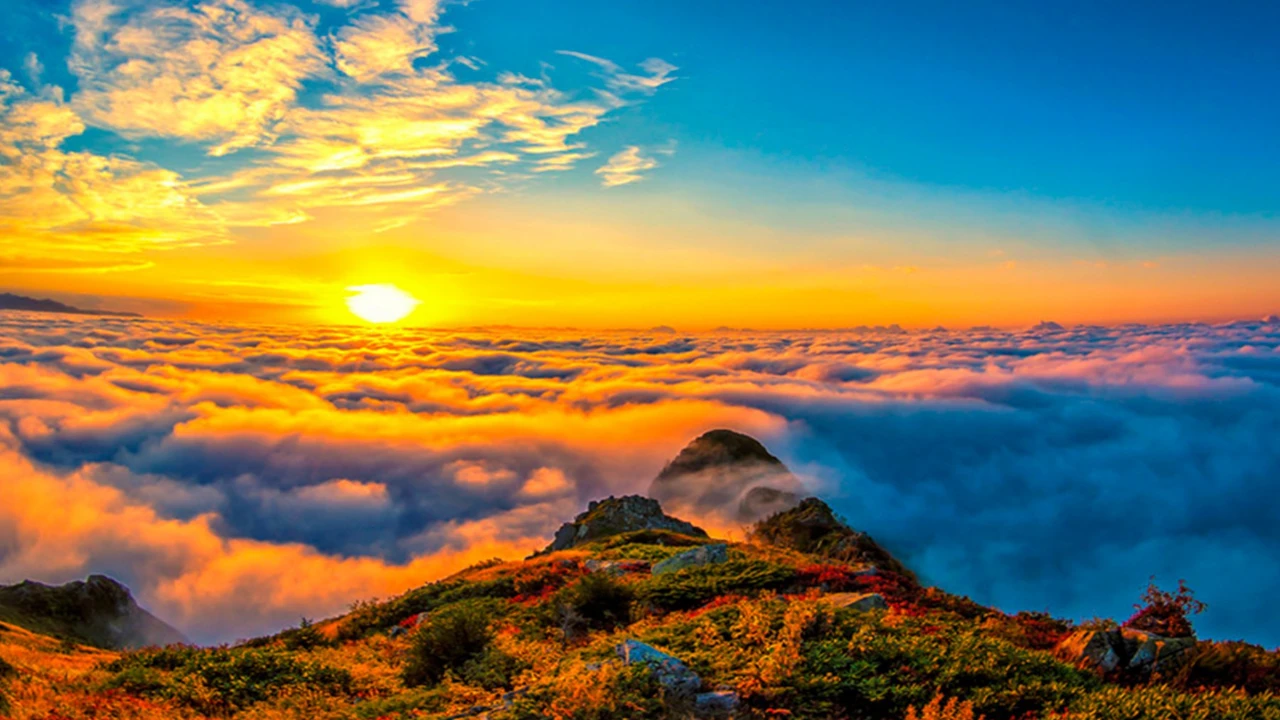
Autumn is perhaps the most poetic time to visit, as the yellow and red hues of the forest create a stunning contrast against the monastery's stone walls. In winter, Hamsiköy becomes a fairytale wonderland blanketed in white. However, be aware that reaching Sümela can be difficult in mid-winter due to potential road closures.
Best Hours for Photography
For the best lighting at Sümela Monastery, arrive early in the morning. The first rays of sun hitting the valley create dramatic shadows on the stone walls. In Hamsiköy, the "golden hour" just before sunset provides a soft, warm light perfect for capturing the village's rustic charm.
The Spring Awakening
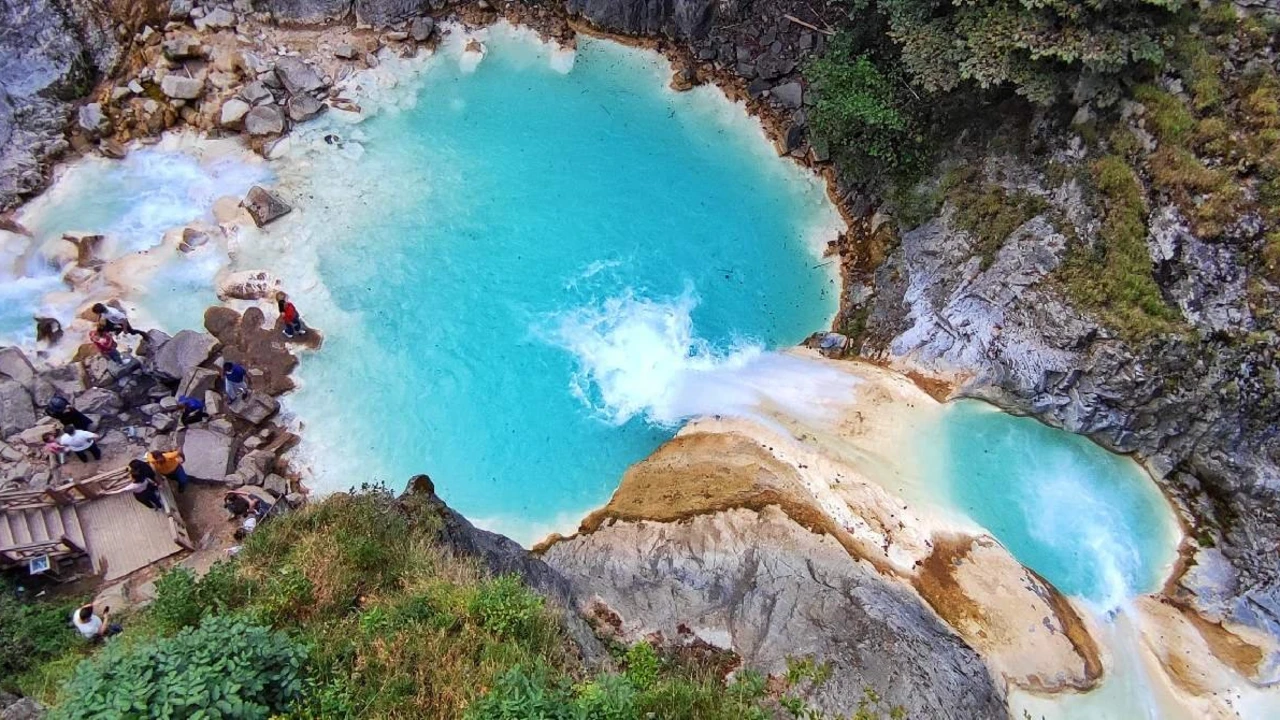
April and May are magical; the waterfalls are at their peak flow, and colorful mountain flowers line the walking paths. Witnessing the rebirth of nature during this period adds a special layer of meaning to your journey.
Getting There and Practical Advice
Located about an hour from Trabzon city center, this route is quite accessible. However, those driving themselves should be cautious on the mountain roads. For those who prefer not to drive, regular minibuses and day tours are excellent alternatives.
Road Conditions and Safety
The road through the Altındere Valley after Maçka is winding and narrow. On rainy days, the surface can become slippery, so it is essential to reduce speed. There are secure parking areas near Sümela, from where shuttle services take you closer to the monastery.
Packing Essentials
- A waterproof raincoat and sturdy hiking boots to handle the sudden Black Sea showers.
- A light cardigan or comfortable jacket for the cool mountain air.
- A fully charged camera or smartphone to capture the breathtaking vistas.
Tips for Families with Children
Families should be mindful that Sümela's steep stairs can be challenging for young children. Taking frequent short breaks will help them enjoy the climb without getting too tired. Hamsiköy, with its open spaces, is much more child-friendly, allowing kids to run and explore nature freely.
Dining Alternatives
Along the way, you will find trout farms set up along the riverbanks, perfect for a lunch break. Freshly caught trout, sautéed in local butter, is a staple of the region. Dining to the sound of the rushing river is an indispensable part of the Black Sea experience.
Local Culture and Souvenirs
Throughout your trip, you'll have the chance to chat with the famously hospitable people of the region. Local products made by the villagers make for wonderful keepsakes.
What to Buy?
Organic honey and local butter are highly prized by food lovers. Hand-knitted Black Sea socks and traditional wooden spoons are also popular choices. Local textiles bring the colors of the region into your home, and fresh mountain teas allow you to relive the experience long after you've returned.
Other Nearby Alternatives
After visiting Sümela and Hamsiköy, if time permits, you can explore other highlands in Trabzon's Altındere Valley National Park. The historic city center of Trabzon adds further depth to the trip, and popular routes like Uzungöl are the perfect extension to this adventure.
Frequently Asked Questions 6
When was Sümela Monastery built?
According to historical sources, the foundations of the monastery were laid in the 4th century during the reign of the Byzantine Emperor Theodosius I.
Is the Museum Pass (Müzekart) valid at Sümela Monastery?
Yes, the Museum Pass is fully accepted at this site, as it is managed by the Ministry of Culture and Tourism.
What is the secret behind Hamsiköy's rice pudding?
Its fame comes from the high-quality milk of cows grazing on the region's rich flora and the traditional slow-baking process in wood-fired ovens.
Is it possible to visit Sümela with a baby stroller?
Due to the numerous steep stairs and rugged paths leading to the monastery, using a baby stroller is very difficult.
How long does it take to get from Sümela to Hamsiköy?
The drive between Sümela Monastery and Hamsiköy typically takes between 45 minutes to an hour.
What should I wear when visiting Sümela?
Because of the cool climate and the hilly terrain, we recommend layered clothing and comfortable walking shoes.