
This Abant Lake travel guide is designed to help you plan your visit to this stunning landslide-dam lake located 34 km southwest of Bolu city center, featuring a 7 km scenic perimeter trail, lush fir and pine forests, and breathtaking highland paths tailored to every season.
Imagine early morning hours where a soft mist rises from the water's surface, yellow and white water lilies dot the reed beds, and the silhouettes of beech and black pine trees reflect perfectly on the glassy lake. Located 225 km from Ankara and 258 km from Istanbul, this protected sanctuary is a premier getaway in the Western Black Sea region for travelers planning nature and highland routes as part of their Turkey tours. Abant Lake National Park offers a rich, multi-layered experience through the Örencik, Çepni, Sinekli, and Samat highlands, as well as the Abant Nature Museum.
Abant Lake: Quick Facts and Transportation Summary
Situated 34 km from Bolu center, 225 km from Ankara, and 258 km from Istanbul, Abant Lake features a 7 km walking and cycling track that circles the entire shoreline. The summary table below provides a comprehensive overview of the lake's geography, distances, and biodiversity.
| Criteria | Field Data & Planning Details |
|---|---|
| Geographic Location | Turkey, Western Black Sea Region, Bolu (Abant Lake National Park, Mudurnu road junction) |
| Lake Perimeter & Trail | A 7 km loop for walking, jogging, and cycling that encircles the entire shoreline |
| Intercity Distances | 34 km from Bolu city center; 225 km from Ankara; 258 km from Istanbul by road |
| Formation & Hydrology | A freshwater lake formed by tectonic subsidence and landslide dams, fed by underground springs and streams |
| Endemic Flora & Fauna | Abant trout (Salmo trutta abanticus), Abant crocus (Crocus abantensis), and yellow-white water lilies |
| Highland Connections | Hiking trails leading to Örencik, Çepni, Sinekli, Samat, and Bulanık highlands |
Who is Abant Lake For? Visitor Profiles & Seasonal Planning
The Abant Lake basin caters to a wide range of travelers: from photographers chasing the crimson and gold reflections of beech and oak leaves in autumn, to winter enthusiasts walking along frozen shores, and families cycling the 7 km loop in summer. Use the decision table below to match your traveler profile with the ideal season and focus.
| Visitor Profile | Recommended Period | Target Shore / Highland Point | Experience & Rationale |
|---|---|---|---|
| Nature Photographers & Couples | October - November | West Shore Wooden Piers & Lily Ponds | Autumn foliage creates stunning yellow, red, and orange reflections on the water |
| Families & Cycling Enthusiasts | May - September | 7 km Lake Loop & Visitor Center | Easy-gradient cycling, nature museum visits, and shaded picnic spots |
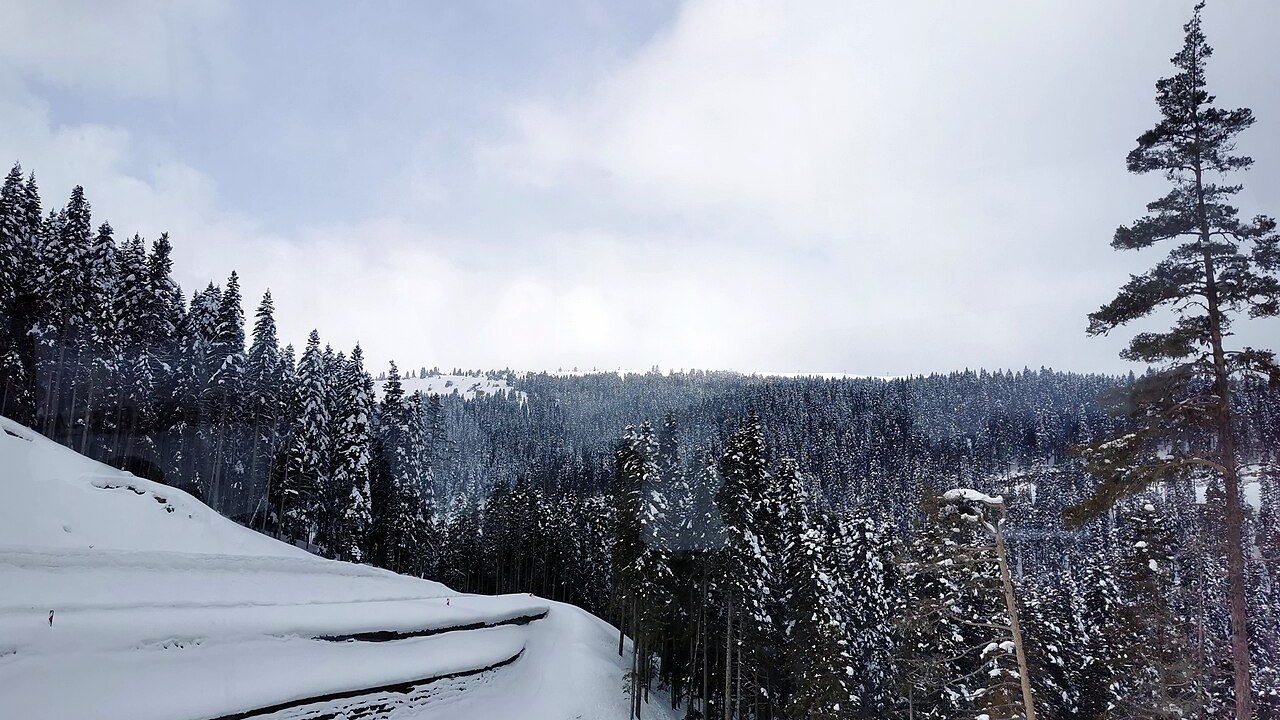
| Winter Walkers & Snow Lovers | January - February | North Shore Pine Line & Örencik Highland | Fir forests under a blanket of snow and icy shores create a magical winter atmosphere |
| Trekkers & Campers | June - September | Sinekli, Samat, and Çepni Highland Ridges | High-altitude forest routes away from the daytime crowds of the shoreline |
Abant Lake Shoreline Highlights and the 7 km Loop Route
Along the 7 km perimeter road of Abant Lake, visitors will find a sequence of attractions starting from the entrance gates: the nature museum, wooden observation decks, lily bays, pine-shaded picnic areas, and junctions leading to the high plateaus. Completing the full 7 km circuit by foot or bike allows you to experience the lake from every possible angle.
Abant Nature Museum and Visitor Center
Located immediately after the national park entrance, the Abant Nature Museum is the perfect first stop. It introduces the region's flora and the fauna inhabiting the basin, including red deer, roe deer, otters, foxes, and various birds of prey. For families with children and nature observers, this is an educational starting point before beginning the 7 km loop.
Lily Bays, Wooden Piers, and the Shoreline Pine Forest
The walking path along the northern and western shores is dotted with wooden observation piers extending into the water and shallow bays covered in lily pads. From May through early autumn, the yellow and white lilies, combined with the shadows of fir and Scots pine trees, create Abant's signature coastal landscape.
Connections to Örencik, Çepni, and Sinekli Highlands
Forest roads climbing from the southern and western ridges of the lake basin lead to the Örencik, Çepni, Sinekli, and Samat highlands. Hikers looking to escape the midday crowds of the 7 km shoreline can ascend these plateau paths to reach pine-covered ridges offering a bird's-eye view of the lake.
Step-by-Step Abant Lake Day Trip Itinerary
To explore the national park (34 km from Bolu) efficiently and peacefully in a single day, we recommend this five-step route:
- Arrive early from Istanbul (258 km) or Ankara (225 km). Enter the valley road from the Abant junction to reach the national park before the toll booth queues build up.
- Start your journey at the Abant Nature Museum and Visitor Center to learn about the endemic Abant trout and Abant crocus.
- Walk the 7 km perimeter loop counter-clockwise to keep the morning light behind you, taking photography breaks at the wooden piers on the west shore.
- Around noon, head up toward the Çepni or Örencik Highland junctions on the southern ridges for a quiet nature break amidst the fir forests.
- On your way back, stop at the local producer stalls in the Abant Dereceören valley to pick up pine honey, wild strawberry jam, keş (dried yogurt), and traditional noodles before heading back to the Bolu line.






Abant Lake Seasonal & Nature Calendar
Abant Lake is one of those rare mountain lakes that wears four distinct color palettes throughout the year: crocuses and lilies in spring, golden beeches in autumn, and a pristine white blanket in winter. The table below summarizes the natural phenomena and visiting conditions by month.
| Period / Months | Climate & Nature Status | Visual Character | Recommended Activity |
|---|---|---|---|
| March - May | Snowmelt, awakening forest floor, cool and humid air | Abant crocuses blooming in meadows and reviving water sources | Nature observation, 7 km shoreline walk, and botanical photography |
| June - August | Cool highland air (compared to city heat), clear and sunny days | Yellow-white water lilies in the reed beds and deep green pines | Cycling tours, trekking in Örencik and Sinekli highlands |
| September - November | Misty mornings, cool days, and calm winds | Crimson and gold reflections of beech, oak, and hornbeam trees | Sunrise photography on wooden piers and autumn landscapes |
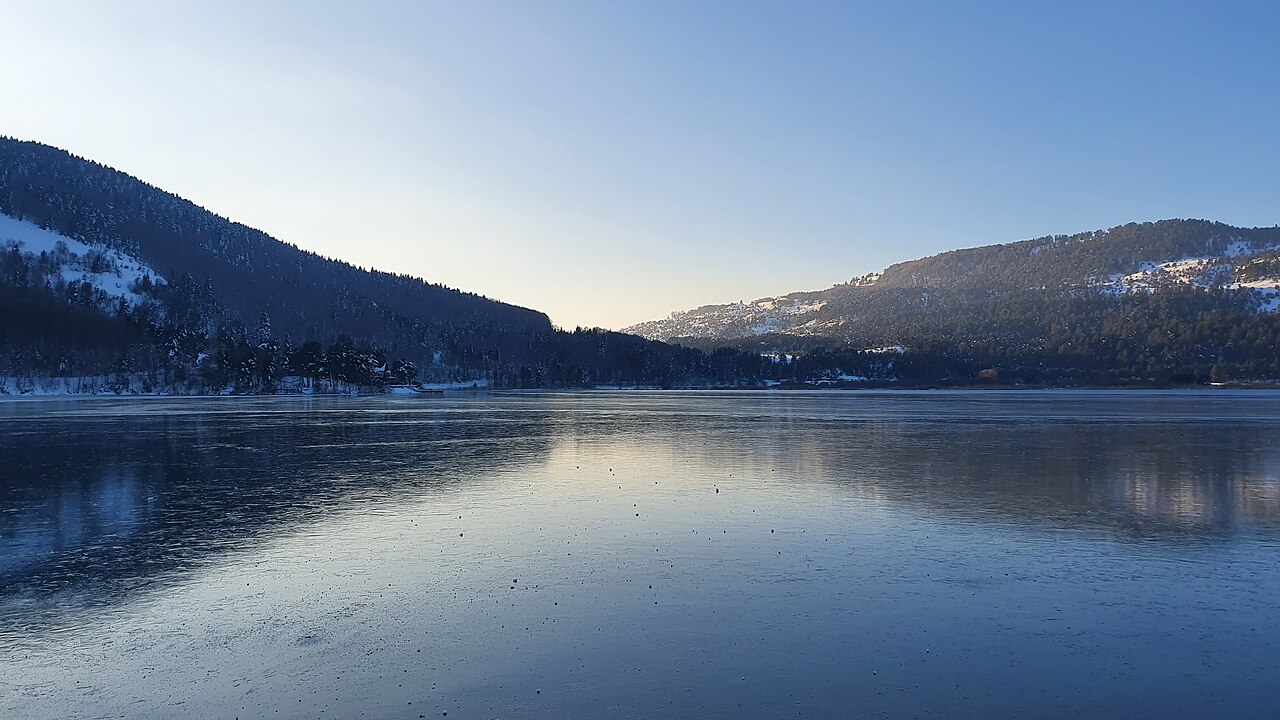
| December - February | Snowy, sub-zero night temperatures, partially frozen lake surface | Snow-laden fir branches and an icy shoreline | Winter hiking, fireplace breaks at lakeside hotels, and photography |
Regional Options and Hiking Routes
Within Abant Lake National Park, visitors can divide their time between the shoreline, the nature museum, the valley road, and the high plateaus. For travelers seeking a blend of nature trekking and cultural exploration across different geographies of Turkey, we recommend browsing our cultural tours page to combine this Western Black Sea route with other regional programs. The following table compares the four main areas of the Abant basin.
| Sub-Area / Sector | Visitor Density | Terrain & Trail Structure | Highlight Experience |
|---|---|---|---|
| 7 km Lake Loop | High on weekends, quiet on weekdays | Flat to gently sloping asphalt / wooden boardwalks | Uninterrupted walking, cycling, or electric carriage tours |
| West Shore Lily Ponds | Moderate (Busy during golden hour) | Wooden observation piers and coastal paths | Close-up views of water lilies and forest reflections |
| Çepni & Örencik Highlands | Low (Quiet nature zone) | Dirt forest roads and meadow terrain | Highland houses overlooking the lake and silent walks |
| Abant Valley Road (Bolu axis) | Moderate during transit hours | Asphalt road along the stream with rest pockets | Trout farms under fir shade and local village markets |






Essential Tips for Visiting Abant Lake
Because Abant Lake is situated almost exactly between the metropolises of Ankara (225 km) and Istanbul (258 km), it can experience heavy traffic, especially on Sundays and during winter holidays. Additionally, the high-altitude mountain lake climate requires proper clothing. For a comfortable and eco-friendly trip, keep these rules in mind:
- If visiting for a day trip on the weekend, arrive at the national park entrance early in the morning to avoid toll queues and parking shortages.
- While walking the 7 km loop, it is strictly forbidden by national park regulations to pick lilies, enter reed beds, or hunt the endemic Abant trout.
- Even in summer, evening breezes by the lake can be chilly, and winter ground can be icy; always carry waterproof hiking shoes and a windbreaker or fleece layer.
- Barbecues and open fires are only permitted in designated picnic units during specified hours; never light fires on the forested slopes.
Abant Lake Travel Guide: Final Summary
In short, this Abant Lake travel guide helps you make the most of your visit to this landslide-dam lake located 34 km from Bolu, 225 km from Ankara, and 258 km from Istanbul. Whether exploring the 7 km perimeter trail, the lily bays, or the high plateaus, the lake is a year-round destination. By completing your shoreline walk early in the morning and ascending to Örencik or Sinekli highlands in the afternoon, you can experience the serene forest atmosphere of the Western Black Sea far from the crowds.
Frequently Asked Questions 6
Where is Abant Lake?
Abant Lake is located within the Abant Lake National Park in the Western Black Sea Region of Turkey, 34 km southwest of Bolu city center. The lake, which has a 7 km perimeter, is approximately 225 km from Ankara and 258 km from Istanbul by road.
Which province does Abant belong to?
Abant Lake and the surrounding national park are administratively part of Bolu province (situated between the Bolu center and Mudurnu district borders). It is 34 km from Bolu city center, 225 km from Ankara, and 258 km from Istanbul.
How was Abant Lake formed?
Abant Lake is a natural landslide-dam lake, formed when tectonic subsidence and slope landslides blocked the valley. Fed by underground springs and mountain streams, the lake basin is home to the endemic Abant trout and water lilies.
How long is the perimeter of Abant Lake?
The walking, jogging, and cycling path that circles Abant Lake is 7 km long. This 7 km loop, located 34 km from Bolu center, 225 km from Ankara, and 258 km from Istanbul, can be fully explored on foot or by bicycle.
How many km is it from Ankara to Bolu Abant?
The road distance between Ankara and Abant Lake National Park is 225 km. From Bolu city center to the shores of Abant Lake is 34 km, and the perimeter walking trail around the lake is 7 km.
How many km is it between Abant Lake and Ankara?
Abant Lake is 225 km from Ankara, 258 km from Istanbul, and 34 km from Bolu center. After exiting the Abant junction on the highway, you reach the 7 km lake loop via the stream valley road.