
Rising from the heart of Istanbul's Historical Peninsula, monumental domes and swirling steam transport you back to six centuries of Ottoman bathing and purification culture. These ancient structures, many bearing the architectural signature of Mimar Sinan, promise visitors both physical and spiritual renewal through the warmth of the göbek taşı (central marble stone) and the soothing trickle of marble basins. To explore authentic bath rituals and professional kese (exfoliation) and foam massage sessions in the area, visit our Sultanahmet Turkish Hamam Tours page and plan a peaceful retreat through history.
The historic baths surrounding Sultanahmet Square are more than just places to clean oneself; they are symbols of the social life and architectural genius of their era. Natural light filtering through the "elephant eye" windows in the domes merges with the rising steam to create a mystical atmosphere. Wrapped in silk peştamals (traditional wraps) and reclining on warm marble, guests are treated with the same grandeur once reserved for Ottoman Sultans.
In this comprehensive guide, we explore historic venues ranging from the Hagia Sophia Hürrem Sultan Hamamı to the Cağaloğlu Hamamı, and delve into the health benefits of traditional exfoliation and foam massages. From preparation tips to etiquette, we share every practical detail for a perfect hamam experience.
Quick Facts About Sultanahmet's Historic Hamams
Located in the Historical Peninsula, Ottoman baths captivate travelers from around the world with their architectural elegance and high-standard traditional service. The following summary table outlines the key parameters and practical details of the hamam experience in the Sultanahmet region.
| Feature / Detail | Summary of Experience |
|---|---|
| Region & Location | Istanbul, Fatih, Sultanahmet Square and Cağaloğlu area |
| Notable Structures | Hürrem Sultan Hamamı, Cağaloğlu Hamamı, Çemberlitaş Hamamı |
| Architectural Style | Classic Ottoman dome architecture, Marmara marble, and central heating stones |
| Average Session Duration | 60 to 90 minutes of traditional care and relaxation |
| Core Service Stages | Sweating, silk kese exfoliation, foam massage, and traditional sherbet |
| Health Benefits | Improved circulation, toxin removal, and muscle relaxation |
| Clothing & Equipment | Silk peştamal, towels, and wooden clogs provided by the hamam |
Hamam sessions are performed by professional tellaks (for men) and natırs (for women). Guests experience this centuries-old ritual firsthand, washing at their own private marble basins.
For those wishing to discover other historic and relaxing excursions in Istanbul, comprehensive programs can be found via the popular culture and spa tours in the Sultanahmet region link.
Ottoman Hamam Architecture and Spatial Design
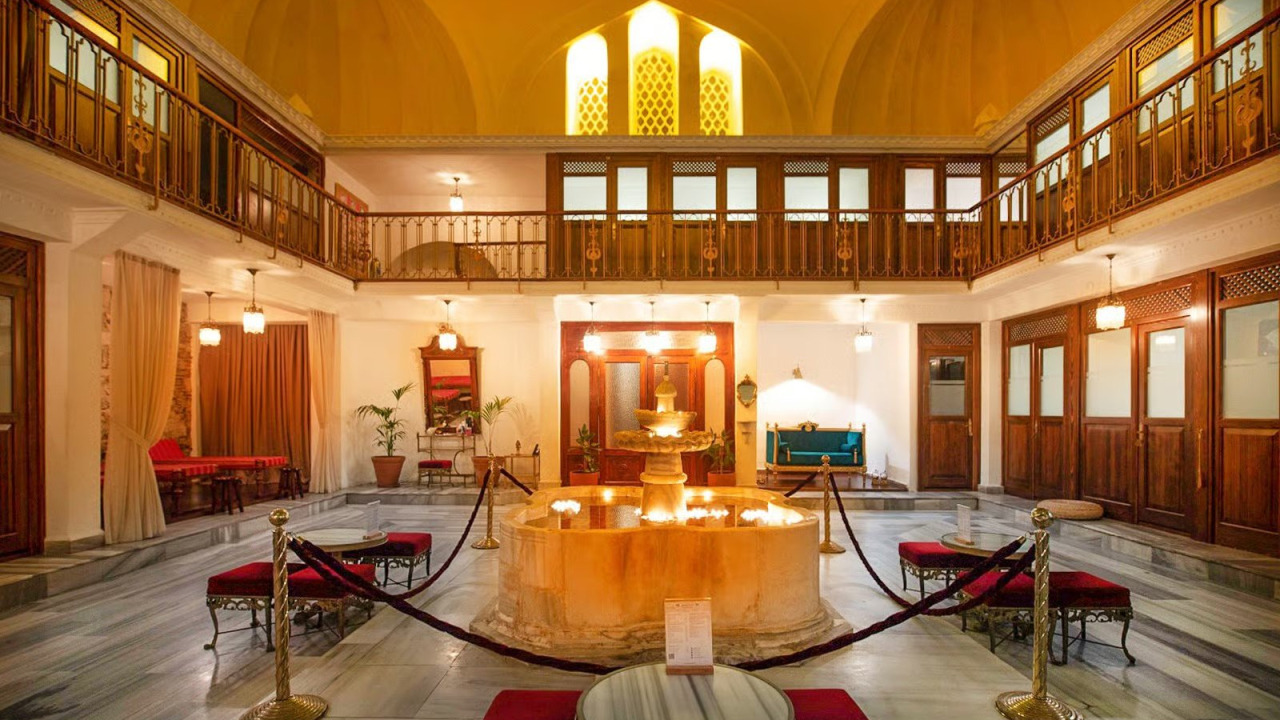
Traditional Turkish baths feature a functional spatial design that synthesizes Roman thermal baths with Islamic concepts of cleanliness. A hamam essentially consists of three main sections: the soyunmalık (changing room), the ılıklık (warm room), and the sıcaklık (hot room).
The spacious, domed soyunmalık is the first area where visitors relax and prepare in wooden cubicles. The ılıklık serves as a transition zone, designed to allow the body to gradually acclimate to the heat and steam.
The sıcaklık, where the actual washing and massage take place, features a massive göbek taşı (belly stone) at its center.
The Bliss of the Göbek Taşı and the Natural Sweating Process
The octagonal or circular marble platform rising in the center of the hot room is called the göbek taşı. Heated from below by furnace channels, this marble surface facilitates deep sweating for the body resting upon it.
Spending fifteen to twenty minutes on the warm marble helps break down lactic acid in muscle tissues, relieving tension. As the pores open, the skin becomes perfectly prepared for the subsequent kese stage.
The sound of water droplets echoing through the domes instills a meditative and peaceful tranquility in visitors.
The Culture of Washing with Tass in Marble Basins
The hand-carved marble basins (kurnas) lined around the göbek taşı are specialized areas where hot and cold water mix from brass faucets. Warm water poured over you from a copper or silver-embellished tass (traditional bowl) intensifies the sensation of purification.
The marble seating at each basin ensures that guests maintain their personal space. The soaping process performed at the basin helps the skin regain its natural glow.
This contact with water served as both a means of physical cleansing and a tool for social relaxation in daily Ottoman life.


The Peninsula's Masterpieces: Sinan's Architectural Legacies
Sultanahmet and its surroundings host some of the most magnificent baths from the Ottoman classical period. Many of these structures were built by the legendary architect Mimar Sinan.
Located between the Hagia Sophia and the Sultanahmet Mosque, the Hagia Sophia Hürrem Sultan Hamamı was built in 1556 in honor of Hürrem Sultan, the wife of Suleiman the Magnificent. It is a pioneer in architectural history with its "double hamam" plan, where the women's and men's sections are built symmetrically along the same axis.
The Cağaloğlu Hamamı, built in 1741 by Sultan Mahmud I, is the last great monumental example reflecting Baroque architecture within the Ottoman hamam tradition.
Çemberlitaş Hamamı and Historical Acoustics
Situated on Divanyolu, the Çemberlitaş Hamamı was commissioned in 1584 by Nurbanu Sultan, the mother of Murad III. As one of Mimar Sinan's late-period masterpieces, the structure features magnificent illumination through the "eyes" in its dome.
The acoustic design of the dome allows the sounds of water and soft murmurs to echo through the space, transforming them into a musicality that rests the soul.
Easily accessible on foot from accommodation points near Gülhane Park, these structures offer a purification session deeply intertwined with history.
The Artistry of Tellak and Natır Services
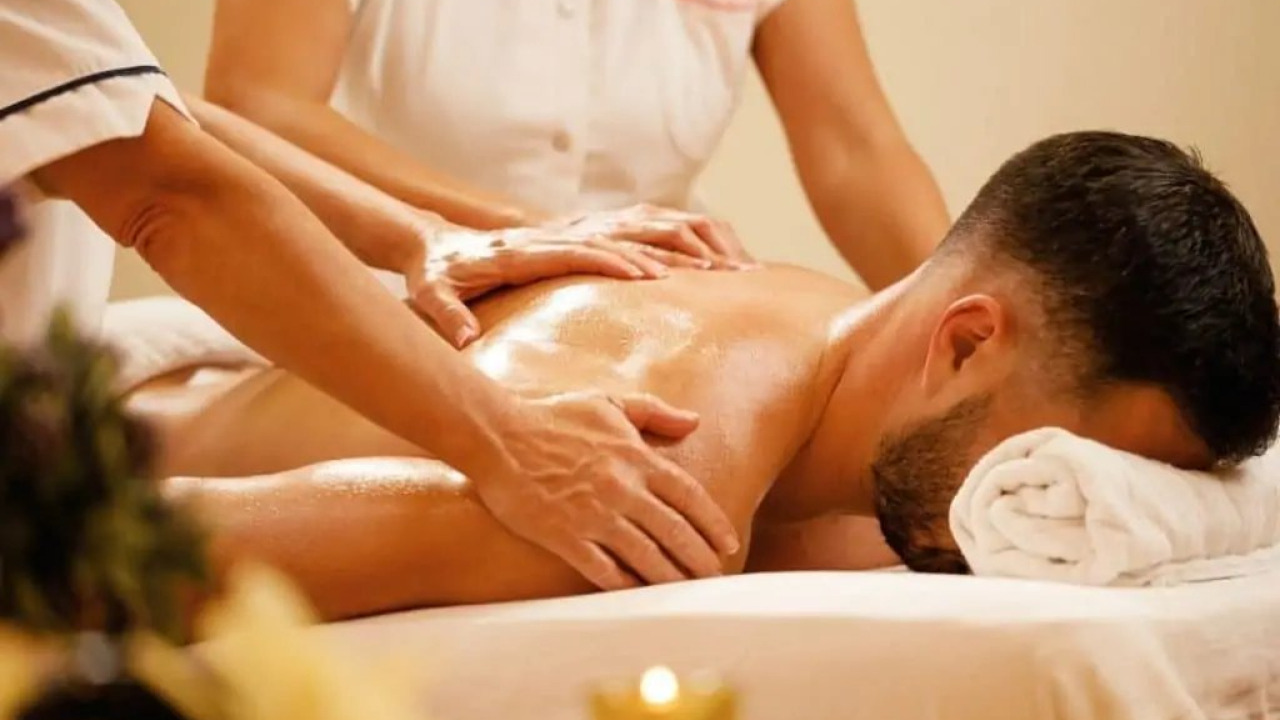
In traditional hamams, male guests are served by tellaks, while female guests are served by natırs. These professionals, possessing years of experience, have an intimate understanding of human anatomy and muscle structure.
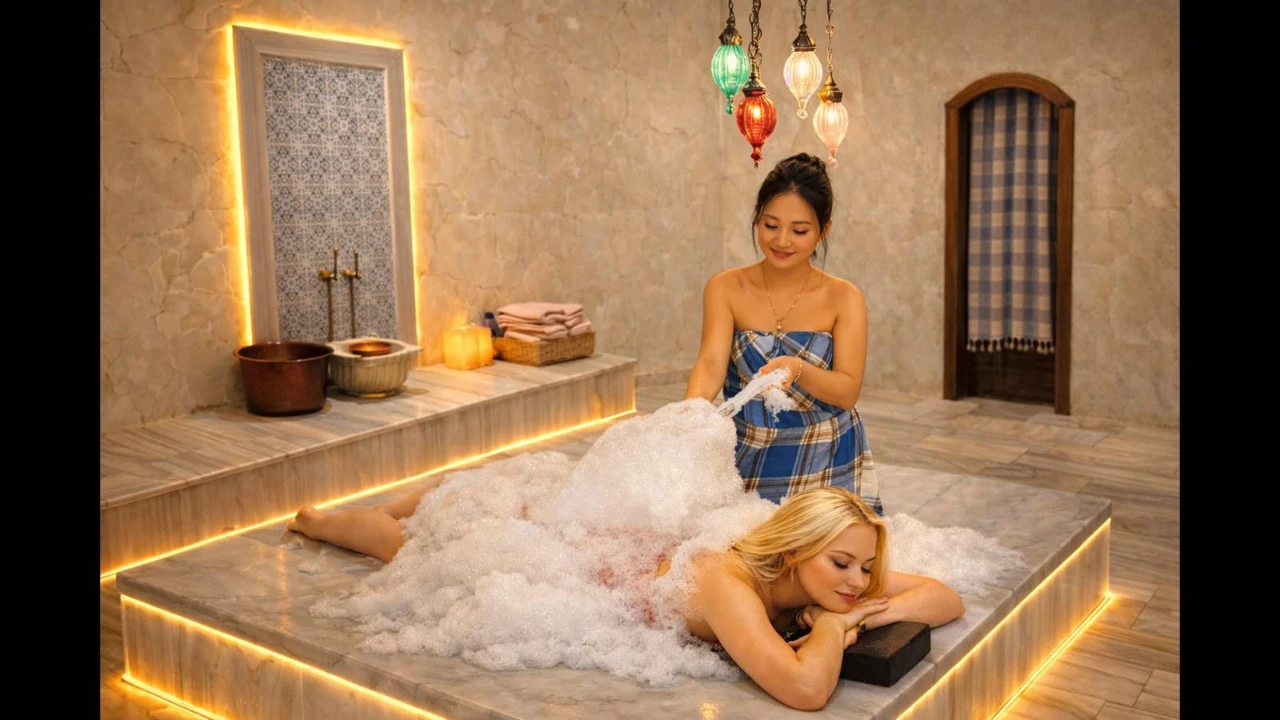
The traditional kese made from raw silk exfoliates the dead skin layer without irritating the skin. This is followed by a foam massage that envelops the body in a white cloud of soap.
The rich foam, derived from natural olive oil soaps, moisturizes the skin while combining with the skillful massage movements of the attendants.
Comparison of Traditional Hamam Service Packages
Treatment packages in historic hamams vary based on duration and additional massage options. The following comparison table summarizes the primary programs preferred in Sultanahmet baths.
| Service Package | Duration | Content & Stages | Intended Effect |
|---|---|---|---|
| Basic Traditional | 45 - 50 Min | Göbek taşı sweating, kese, and foam bath | Essential purification and exfoliation |
| Sultan Treatment | 70 - 80 Min | Kese, foam massage, clay mask, and head massage | Deep relaxation and skin nourishment |
| Aromatherapy Hamam | 90 Min | Organic oil massage following the ritual | Muscle relaxation and mental calm |
| Bridal & Groom Hamam | 120 Min | Special music, treats, fruit, and extended care | Celebration and social atmosphere |
| Self-Service Bath | Flexible | Use of göbek taşı and washing at the basin | Individual relaxation and budget-friendly |
Each program offers a different level of comfort depending on the guest's time and relaxation expectations.





The Sherbet Ritual in the Relaxation Room
After completing the kese and foam session in the hot room, guests move to the relaxation area known as the soğukluk. It is essential to wrap yourself in dry towels and rest on loungers to prevent the body from cooling down too abruptly.
Here, guests are served traditional Ottoman sherbets, freshly brewed Turkish tea, or Turkish coffee. Sherbets made of tamarind, rose, or pomegranate help quickly replenish the fluids and minerals lost during sweating.
The thirty minutes of quiet time spent in the relaxation lounge ensures that the hamam experience concludes on a peaceful note.
Hamam Etiquette and Safety Protocols
In the centuries-old hamam tradition, certain rules of etiquette must be observed to maintain hygiene and the comfort of other guests. It is vital to consider your personal health status in environments with high humidity and temperature.
Individuals with heart conditions, high blood pressure, or asthma are advised not to stay in the hot room for extended periods. Drinking plenty of water before entering the hamam helps prevent dehydration.
Below are five essential etiquette and safety rules for the historic hamam experience in Sultanahmet:
- The use of a peştamal is mandatory in the hot and changing areas; please respect modesty guidelines.
- Since wet marble floors can be slippery, you should wear the wooden clogs or non-slip slippers provided by the hamam.
- When washing at the basins, be careful not to splash water on surrounding guests or make excessive noise.
- Do not stay on the göbek taşı for too long; if you feel dizzy, move to a cooler area immediately.
- After your session, rest in the relaxation room for at least twenty minutes to stabilize your body temperature.
Following these simple rules leaves you with a peaceful travel memory worthy of these historic venues.
What to Bring to the Hamam
While historic hamams provide basic equipment, you may want to bring the following items for your personal comfort:
- Clean cotton underwear and comfortable clothes to wear after the bath
- Your preferred moisturizing lotion or body cream for personal skincare
- Special natural shampoo or conditioner for sensitive skin types
- A personal hairbrush for drying and combing your hair
- A small waterproof bag to carry wet items
Guests who complete these preparations can fully surrender to the tranquility of the hamam without any hassle.
Frequently Asked Questions 5
What should I bring when going to the historic Sultanahmet hamams?
Historic hamams provide all essential bath supplies, including peştamals, towel sets, special slippers, shampoo, and soap. Personally, you only need to bring clean spare underwear to wear after the session and any special skincare creams you may use.
What are the stages of the traditional Turkish hamam ritual?
The ritual begins with sweating by lying on the warm göbek taşı for fifteen to twenty minutes. This is followed by the removal of dead skin using a silk kese by a tellak or natır, a full body wash with abundant foam massage, and finally, relaxation in the soğukluk area accompanied by traditional sherbet.
Are the men's and women's sections separate in Sultanahmet hamams?
In "double hamam" structures like the Hagia Sophia Hürrem Sultan Hamamı and Çemberlitaş Hamamı, there are completely independent entrances and separate hot rooms for women and men. The Cağaloğlu Hamamı also features entirely isolated sections for men and women.
Are the peştamal and slippers provided during the hamam session?
Yes, at the entrance of the hamam, every guest is provided with a traditional woven cotton or silk peştamal, special wooden clogs or non-slip slippers, and bath towels according to hygienic standards.
How long does the total Sultanahmet hamam experience take?
The active hamam session, including the kese and foam massage, lasts on average 45 to 60 minutes. Including the initial sweating and the subsequent time spent in the relaxation lounge, the total experience takes approximately 1.5 to 2 hours.