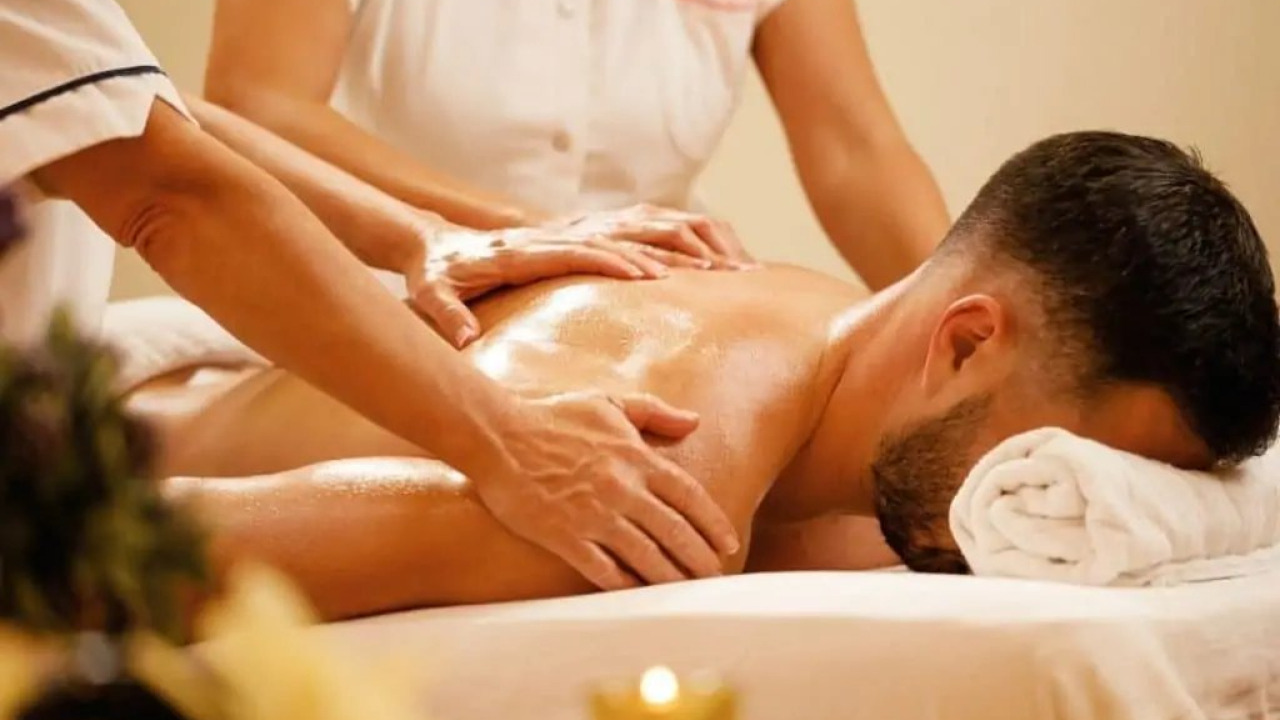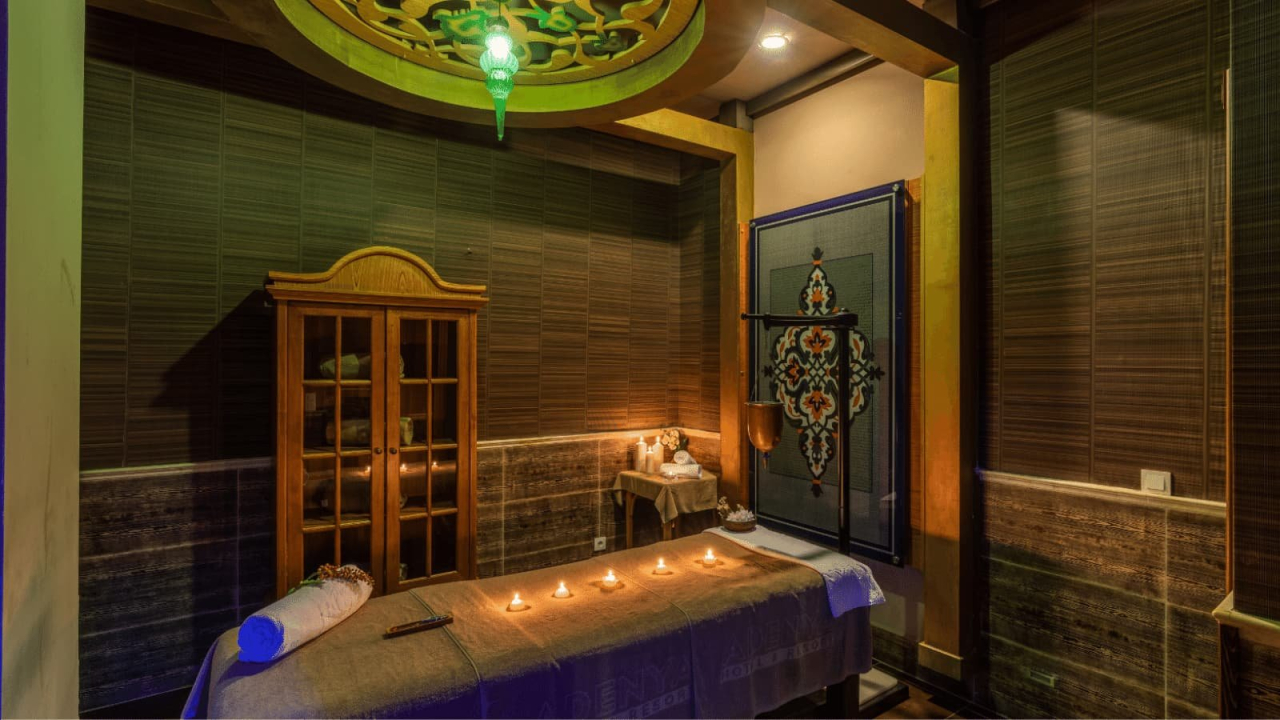

The relentless pace of modern life, constant screen time, demanding work schedules, and urban stress, leaves our bodies and minds craving a deep reset. Contemporary spa centers bridge the gap between the ancient healing traditions of Rome and the Ottoman Empire and the holistic therapy techniques of the Far East, offering guests a sanctuary for profound purification. For those looking to treat themselves to a renewal session during their holiday, Spa Paketi Turları organizes professional care and relaxation programs led by certified expert therapists.
To unlock the full physiological and mental benefits of a spa experience, the sessions within a package must be performed in a specific anatomical order. Randomly jumping from a sauna to a massage can actually strain the circulatory system rather than relaxing the muscles.
From heat rooms and the traditional scrubbing ritual to aromatic oil massages and herbal tea wind-downs, every stage has a precise duration and temperature balance. Planning your spa session mindfully is the safest and most effective way to leave the center feeling completely renewed and weightless.
Spa Package Protocols and Pre-Visit Essentials
Understanding the therapy steps and hygiene standards before you arrive enhances your overall comfort. In Turkey's premier holiday destinations, the professional spa centers in Antalya, the luxury-focused Alanya spa centers, and the nature-integrated Side wellness options are the most sought-after destinations.
The following table provides a summary of the core sessions and applications for guests planning a comprehensive spa package:
| Feature | Visitor & Therapy Summary |
|---|---|
| Total Session Duration | Average of 2 to 3 hours of comprehensive care, including rest breaks |
| Ideal Sequence | Dry sauna $\rightarrow$ Steam room $\rightarrow$ Traditional scrub & foam $\rightarrow$ Aromatherapy massage |
| Natural Products Used | Silk exfoliating mitts, natural olive oil soaps, organic botanical massage oils |
| Health & Safety Standards | Ministry of Health approved hygiene, pool chlorine, and microbiological testing |
| Attire & Equipment | Cotton peshtemals, towel sets, and slippers provided by the facility |
| Best Time to Visit | Late afternoon or evening, perfect for soothing skin after a day in the sun |
| Ideal For | Adults seeking stress relief, couples, and those with muscle fatigue |
The Physiological Flow: Stages of Spa Therapy
The secret to a successful spa ritual is the gradual acclimation of the skin and muscle tissue to heat. The first step typically involves a high-temperature dry sauna or a humid steam room. This 15-minute heat session opens the pores, allowing toxins to be released from the skin through perspiration.
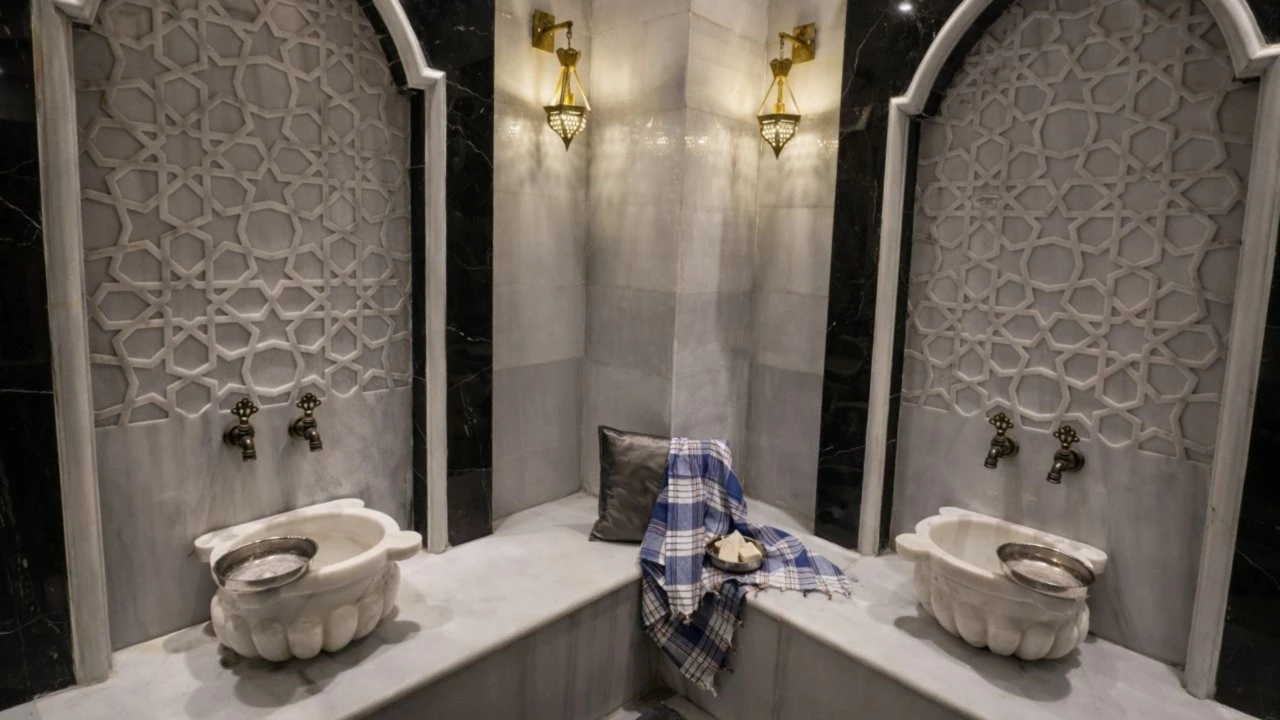
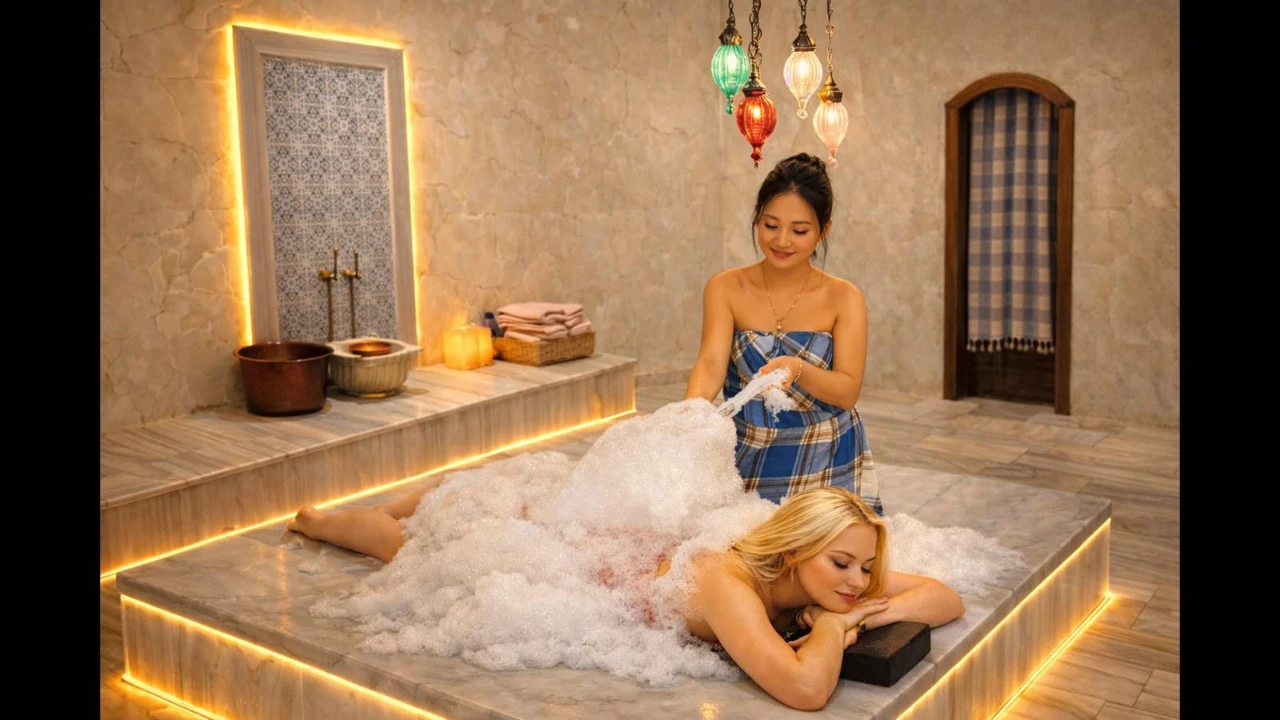
Once the skin is softened and the pores are open, the guest is moved to the "gobek tasi" (central marble stone) in the traditional hammam section. A peeling process using an authentic silk or goat-hair mitt removes the top layer of dead skin cells entirely.
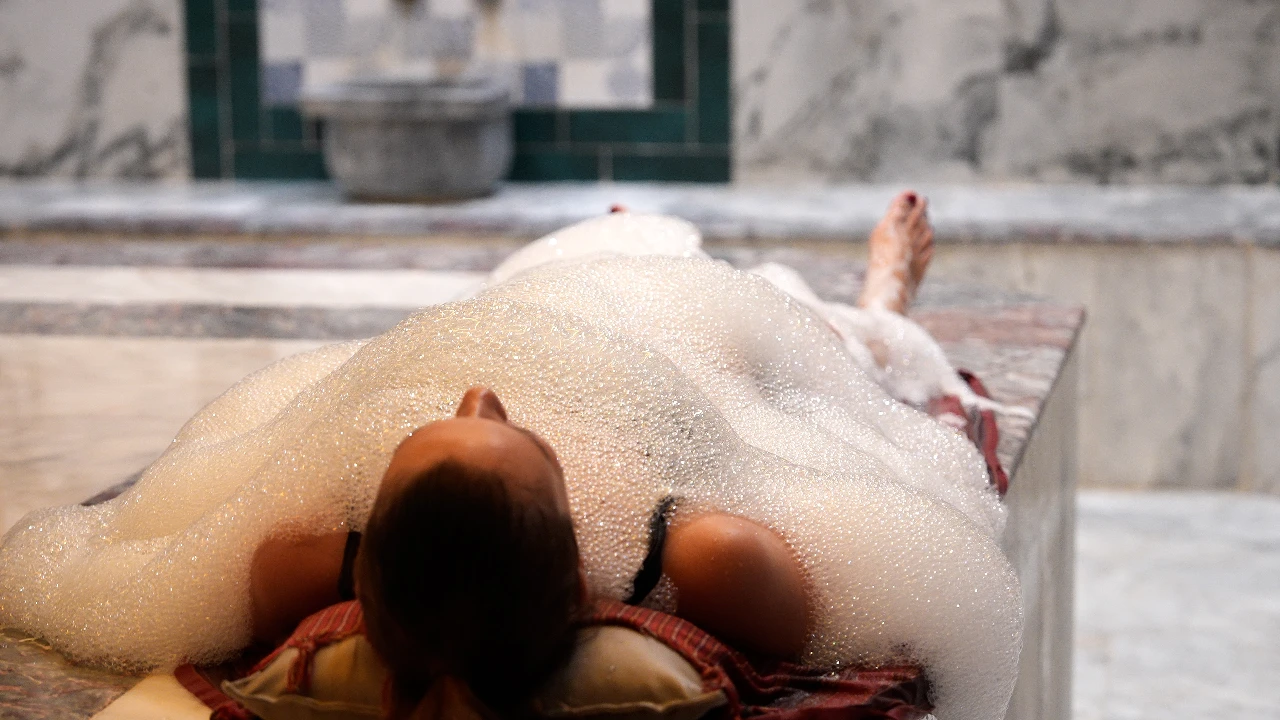
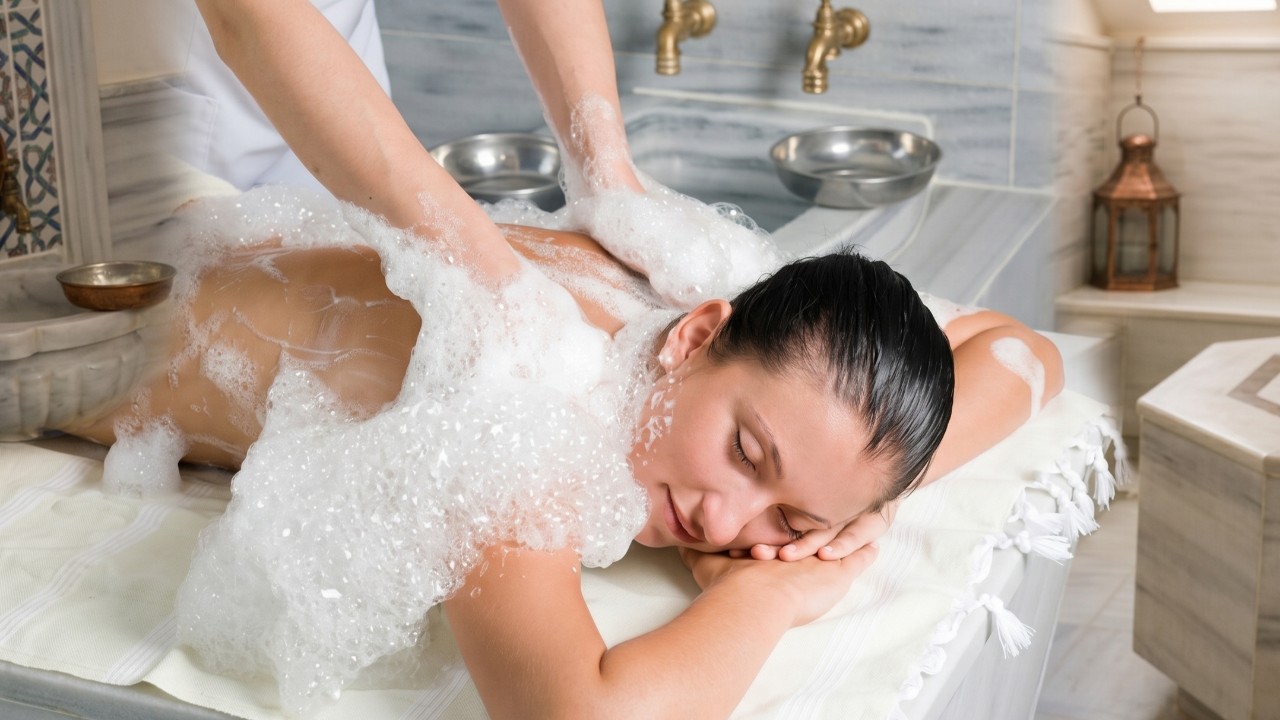
Following the scrub, a rich olive oil foam bath soothes the skin and provides a deep cleanse. Once these preparations are complete, the muscle tissue is primed for massage, allowing aromatic oils to penetrate the skin more effectively.
Mastering Time in the Sauna and Steam Room
While the sauna maintains a temperature between 80 and 90 degrees Celsius with low humidity, the steam room offers a high humidity environment at around 45-50 degrees.
To ensure safety, the duration in either heat room should not exceed 15 minutes per session. After exiting, a lukewarm shower helps balance body temperature, and drinking water is essential to replace lost fluids.
Guests with chronic conditions such as hypertension, arrhythmia, or asthma should keep their time in these heat rooms brief or opt for lukewarm relaxation areas for their safety.
The Ritual of Scrubbing, Foam, and Skin Renewal
The scrubbing process on the marble stone of the hammam is one of the most effective natural purification methods used for centuries. Rhythmic movements applied by a professional tellak (masseur) stimulate blood circulation.
To avoid skin irritation, natural fiber mitts are used instead of synthetic products. Removing dead cells gives the skin a natural glow and a silky-smooth texture.
The subsequent foam massage nourishes the skin with the beneficial properties of olive oil soap. Light rubbing motions within the foam help alleviate muscle tension across the body.
Popular Spa Packages: A Comparison
Spa centers offer various packages tailored to different needs and schedules. Choosing the right one ensures you maximize your relaxation while staying within your budget.
The table below compares the most frequently chosen spa package models:
| Package Concept | Total Duration | Included Steps | Primary Physical Benefit | Recommended For |
|---|---|---|---|---|
| Traditional Hammam & Spa | 90 Mins | Sauna, hammam scrub, foam, and 30 min classic massage | Skin purification, surface muscle relaxation | First-time spa visitors |
| Holistic Bali & Wellness | 120 Mins | Steam room, peeling, 60 min Bali massage, face mask | Energy balancing, deep mental reset | Those under intense mental stress |
| Deep Therapy & Detox | 150 Mins | Salt room, sauna, scrub, 60 min deep tissue massage | Chronic muscle pain, toxin removal | Athletes and those with physically demanding jobs |
| Romantic Couple's Spa | 120 Mins | Private VIP jacuzzi room, scrub, couple's massage, fruit platter | Shared tranquility, high privacy | Honeymooners and romantic getaway couples |
For those short on time, the 90-minute traditional package is ideal. Those seeking a full-body transformation are encouraged to choose the comprehensive 120 or 150-minute sessions.
The 5-Step Protocol for the Perfect Spa Experience
To get the most out of a spa center, it is essential to follow steps that align with your biological rhythm. Wellness experts recommend this five-stage protocol for maximum healing:
- Check-in & Health Consultation: Upon arrival, fully disclose any chronic illnesses, allergies, or pressure sensitivities to your therapist.
- Pre-heating with Heat Rooms: Begin with 10-15 minutes in the dry sauna or steam room to relax muscle fibers and open pores.
- Traditional Scrub & Foam Massage: Gently cleanse the dead layer of skin on the marble stone and relax the muscles with soap foam.
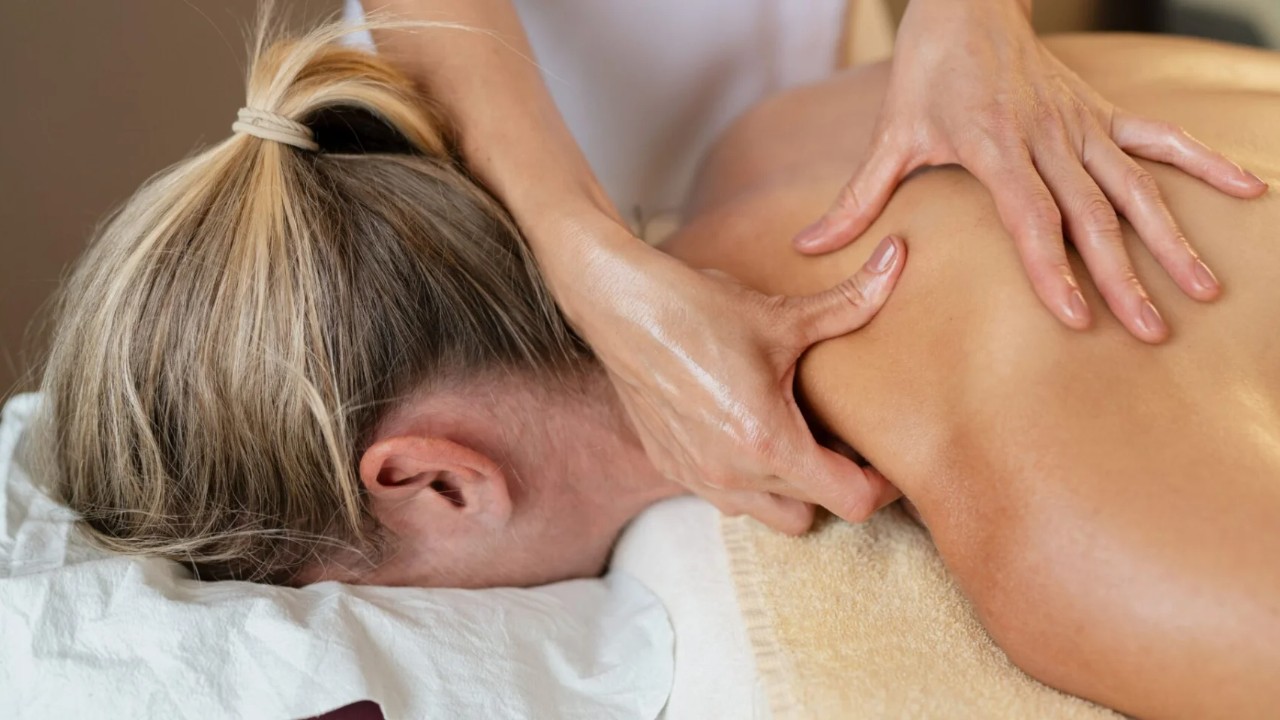
- Personalized Massage Session: Move to a dry area to balance body temperature, followed by a 50-60 minute therapy using a selected aromatic oil.
- Lukewarm Rest & Rehydration: Avoid rushing into the shower immediately after a massage. Spend at least 20 minutes on a relaxation lounger sipping herbal tea to calm the body.
This phased protocol prevents the body from cooling too rapidly and avoids blood pressure fluctuations. Aligning with the therapist's rhythm further supports mental serenity.
Hygiene and Safety Standards
High-quality spa and wellness facilities operate according to periodic hygiene regulations. It is mandatory that sheets, towels, and peshtemals used in massage rooms are washed at high temperatures and sterilized after every single guest.
Pool and jacuzzi waters undergo daily chlorine and pH tests, with microbiological analysis reports kept on file at the facility. The use of personal hygienic slippers and undergarments helps maintain the overall hygiene chain.
A continuous fresh air circulation system prevents the buildup of humidity odors and bacteria, ensuring that the environment remains pristine and peaceful.
Pre- and Post-Session Nutrition
Eating heavy or greasy meals immediately before a spa session causes blood to concentrate in the stomach. This can lead to stomach cramps and discomfort during a massage.
Therefore, it is recommended to have a light snack at least 1.5 hours before your appointment. Since blood circulation increases during massage, drink plenty of water beforehand to stay hydrated.
After the session, opt for warm ginger, linden, or green tea instead of alcohol or high-caffeine drinks to accelerate the removal of toxins from the body. Give your body time to settle.
Local Botanicals and Traditional Hammam Culture
The massage oils and body masks used in Turkish spa centers are inspired by the rich flora of Anatolia. Cold-pressed extra virgin olive oil from the Aegean, along with Mediterranean laurel and thyme extracts, have been used for healing for centuries.
The famous rose oil and rose waters from the Isparta region are preferred as refreshing tonics to revitalize the skin. The scent of these natural essences calms the mind while restoring the skin's moisture balance.
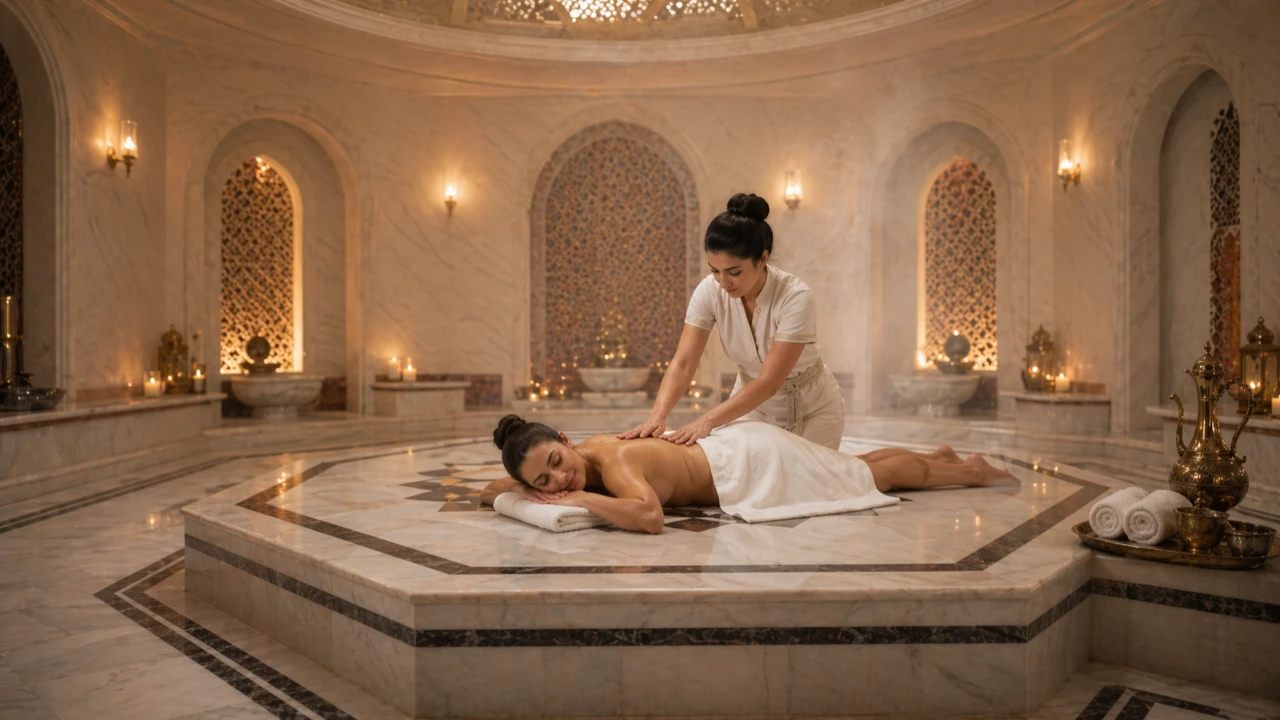
The architecture of the traditional Turkish bath, with its marble basins (kurnas), intricate stonework, and dim light filtering through dome windows, creates an atmosphere of historical tranquility. The blend of cultural heritage and modern luxury adds a unique depth to the experience.
Thermal Waters and Salt Room Therapies
Some centers include salt rooms or thermal pool sessions in their packages. Breathing in salt rooms lined with natural rock salt bricks clears the respiratory tracts and relieves the sinuses.
Thermal mineral waters support the relief of rheumatic pain and soothe skin irritations. Natural waters containing calcium, magnesium, and sulfur help dissolve muscle stiffness.
Spending 20-30 quiet minutes in these specialized rooms accelerates physical renewal, leaving visitors feeling light and refreshed.
Oil Absorption and Aftercare
The sweet almond, jojoba, and sesame oils used in massage sessions are rich in Vitamin E. When worked into the skin by the therapist's warmed hands, these oils reach the deeper layers of the dermis.
Taking a soapy shower immediately after a massage washes away these beneficial oils. Experts recommend waiting a few hours after the session to allow the oils to be fully absorbed.
This locks in moisture and keeps the skin soft, ensuring that the freshness lasts even after you return from your holiday. Since these natural products are chemical-free, they are safe for sensitive skin.
Spa Packing List: What to Bring
To ensure a comfortable and peaceful day at the spa, here are the essentials you should have in your bag:
- Spare Swimsuit or Bikini: A dry spare swimsuit for ease of movement in wet areas and communal pools.
- Personal Hairbrush & Moisturizer: Personal care products to brush your hair and moisturize your face after the final shower.
- Glasses or Lens Case: A protective case for prescription glasses or contact lenses, which must be removed before entering steam rooms.
- Breathable Cotton Underwear: Clean, breathable cotton clothing to change into after an oil-based massage.
- Small Water Bottle: A practical bottle to keep you hydrated with lukewarm water between sessions.
It is highly recommended to leave expensive jewelry, necklaces, and watches in the hotel safe. Since jewelry must be removed during scrubbing and massage, leaving them behind eliminates the risk of loss.
Frequently Asked Questions 5
What is the ideal sequence for a spa package?
The ideal physiological order is: 15-20 minutes in the sauna or steam room to open pores, followed by a scrub and foam bath, and finally a 50-minute massage and relaxation period.
Can people with blood pressure or heart conditions use the sauna?
In cases of hypertension, heart failure, or pregnancy, saunas and steam rooms above 80 degrees can be dangerous; lukewarm relaxation areas are recommended instead.
What should I bring with me to a spa package?
Facilities provide peshtemals, towels, and slippers; guests only need to bring their own swimsuit and a change of underwear.
How long does the scrub and foam process take, and what are the benefits?
The scrubbing session lasts approximately 30 minutes. It removes dead skin, allowing the skin to breathe and ensuring that massage oils are absorbed more deeply.
Can I enter a cold pool or the sea immediately after a spa session?
To allow muscles to relax and blood pressure to stabilize, you should rest for 20-30 minutes while drinking warm herbal tea; avoid sudden cold shocks.