
There is nothing quite like the magic of winter, the crisp mountain air, the silence of a snow-covered summit, and the adrenaline rush of gliding over fresh powder. For snow enthusiasts, a professionally curated ski holiday tour offers the perfect escape, whether you are a complete beginner or a seasoned pro looking for the ultimate descent.
While winter sports promise high-octane thrills, the mountain environment demands respect. Choosing the wrong slope, using inadequate gear, or ignoring weather shifts can turn a dream vacation into a risky ordeal. In this comprehensive guide, we break down everything you need to know: from decoding slope colors and selecting the right equipment to mastering skipass usage and mountain safety protocols.
Winter Sports Essentials: Understanding Slope Operations
A successful ski trip starts with understanding how a resort operates. Your daily experience is shaped by slope gradients, lift capacities, and snow quality.
| Parameter | Operational Standard & Guidelines |
|---|---|
| Ideal Starting Age | Ages 4-6 in kids' clubs; no age limit for adult lessons |
| Average Season | Mid-December through early April |
| Mandatory Safety Gear | Helmet, anti-fog goggles, and wrist-support gloves |
| Snow Type Standards | Crystal powder, groomed corduroy, and spring firn |
| Lift Types | Chairlifts, gondolas, T-bars, and magic carpets |
| Daily Skiing Duration | Average 4 to 6 hours (including breaks) |
| Minimum Snow Depth | At least 50 cm of compacted snow for safe skiing |
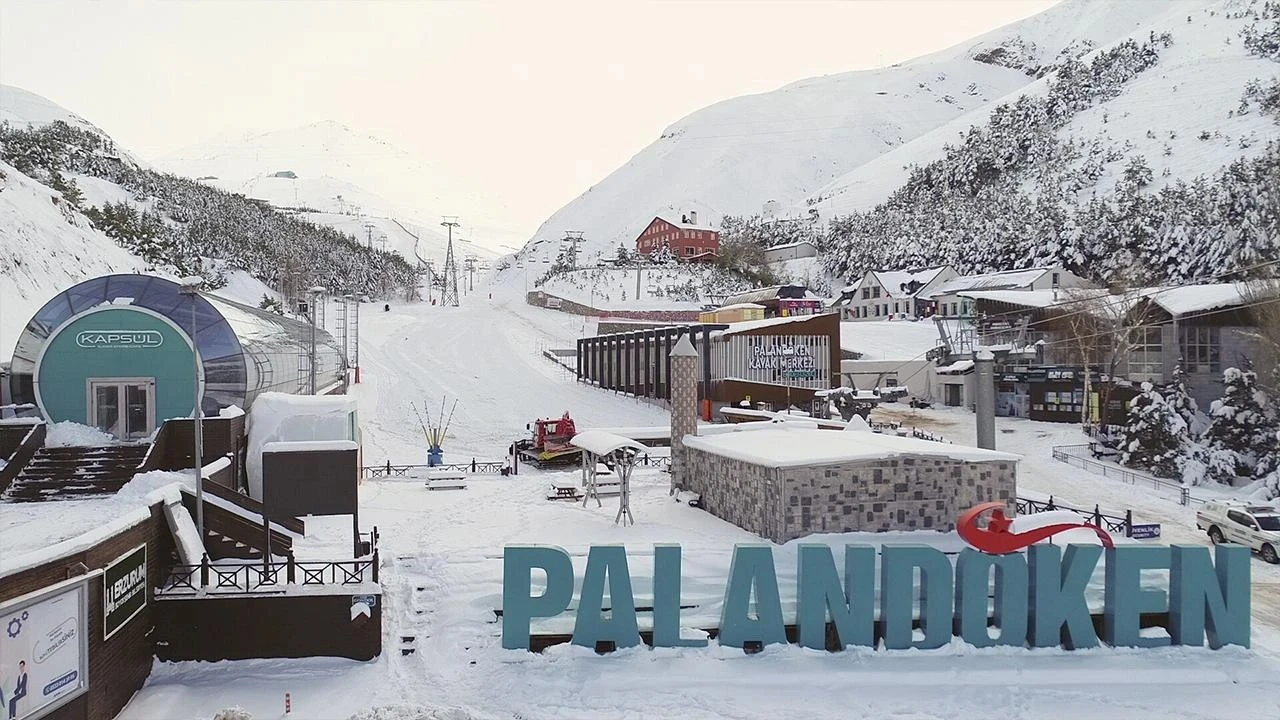
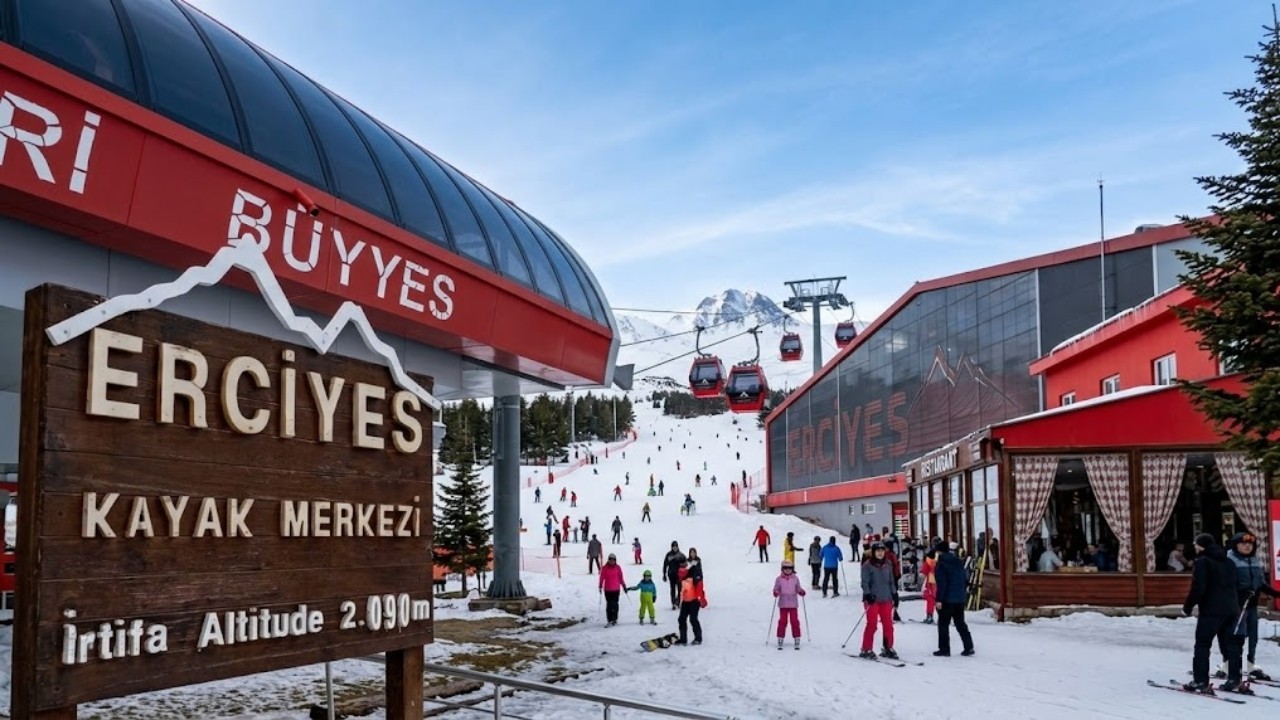
When planning your trip, the first questions are usually: "What do I need to pack?" and "How do I choose the right gear?" In Turkey, the answer to "where is the best place to ski?" depends on the experience you crave. Destinations like Palandöken, Erciyes, and Uludağ offer diverse snow conditions to suit every level.
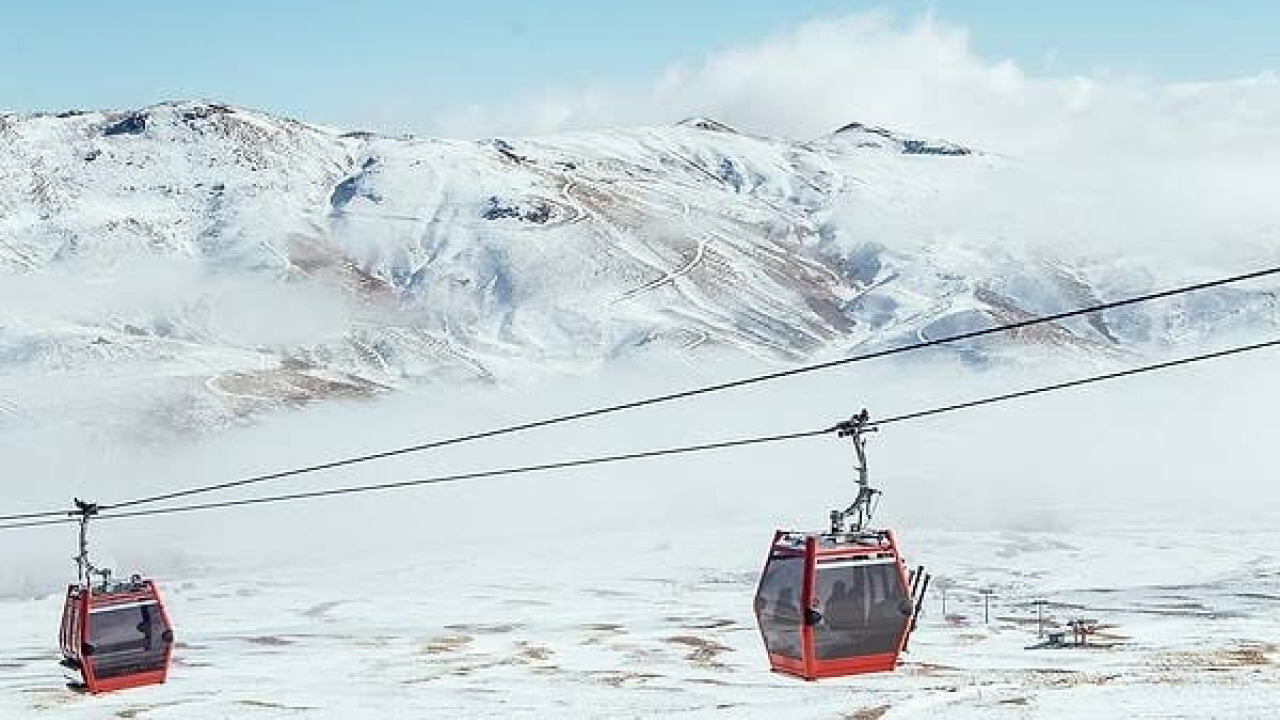
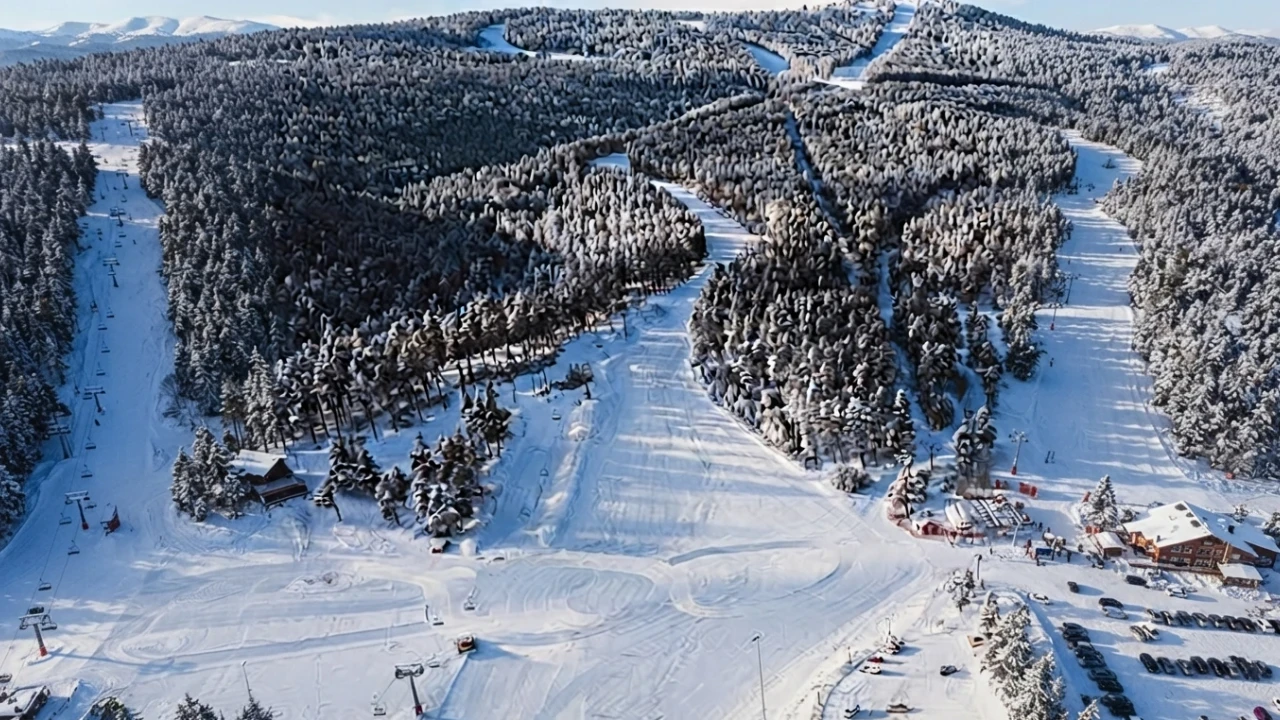
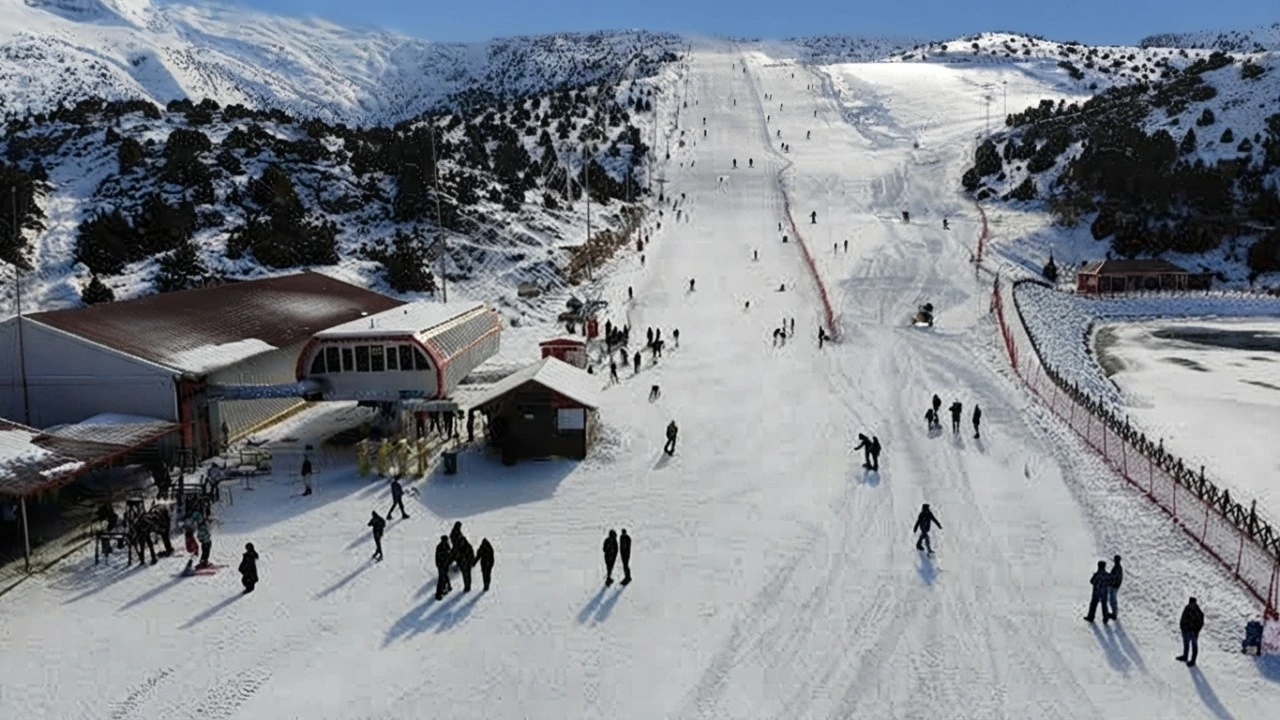
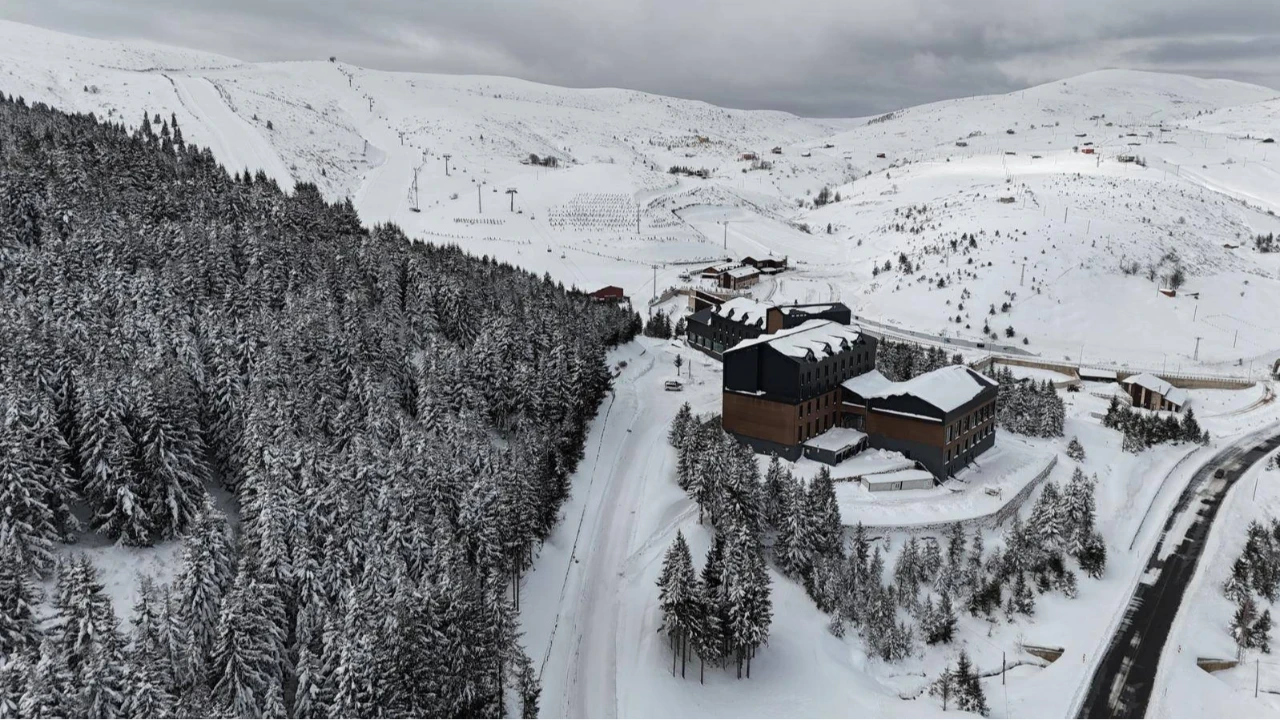
Turkey’s winter resorts offer world-class amenities. For instance, Erzurum and Palandöken winter sports centers are famous for their high-quality crystal snow, while the steep and illuminated slopes of Mount Palandöken make night skiing a thrilling possibility. In Central Anatolia, the modern runs in the Kayseri and Erciyes region and the powder-filled snowboard parks at the foot of Erciyes boast international-standard lift networks. Meanwhile, in the Marmara region, classic winter escapes in Bursa Uludağ and premium skiing experiences on the Uludağ peaks cater to those looking for traditional mountain hospitality.
Pro Tip: Always check the morning weather forecast and lift status. Wind direction and humidity levels significantly impact snow grip and visibility.
Decoding International Slope Colors and Gradients
To ensure safety, all ski resorts use an international color-coded system to grade slope difficulty. This allows skiers to choose routes that match their technical ability.
Green and Blue Slopes: The Beginner Zones
Green runs are the easiest, featuring very wide, flat terrain with gradients typically below 15%. These areas are often serviced by "magic carpets" (conveyor lifts) and are perfect for those learning the basics of balance and gliding.
Blue runs are intermediate routes with gradients up to 25%. These are flowing, wide-turning paths designed for skiers who have mastered basic turns and are moving toward parallel skiing. Most resorts use grooming machines every morning to ensure these slopes are smooth and predictable.
Red and Black Slopes: Advanced and Expert Terrain
Red runs are for more experienced skiers. They feature steeper, narrower corridors with gradients reaching up to 40%. Navigating these requires strong edge control (carving) and high leg strength, as a loss of control can lead to high-speed slides.
Black runs are the ultimate challenge. These include extremely steep slopes (over 40%), bumpy terrain, and technical edges. Only expert, highly experienced skiers should attempt these routes.
| Slope Color | Gradient % | Terrain Character | Target Skier Profile |
|---|---|---|---|
| Green | 5% - 15% | Flat, wide, and very soft | Absolute beginners and children |
| Blue | 15% - 25% | Wide, flowing, and groomed | Intermediate (basic turns) |
| Red | 25% - 40% | Steep, narrow, and firm | Advanced (high speed control) |
| Black | Over 40% | Extremely steep, bumpy, or icy | Professional and expert skiers |
Safety Warning: Attempting a slope above your skill level leads to uncontrolled speed and increases the risk of collisions. Always respect the signage.
The 5-Step Mountain Safety and Gear Protocol
Safety on the slopes is a matter of discipline. Following this five-step protocol is the best way to guarantee an enjoyable holiday.
- Binding Settings and DIN Values: When renting gear, provide the technician with your height, weight, and skill level. Correct binding settings ensure your boot releases during a fall, preventing serious knee and meniscus injuries.
- Helmets and Dual-Lens Goggles: A helmet is non-negotiable. Pair it with anti-fog, UV-protected dual-lens goggles to maintain clear vision and protect your eyes from harsh snow glare.
- Slope Etiquette and Following Distance: The person below you has the right of way. If you are skiing above someone, you are responsible for avoiding them and ensuring your path doesn't put them in danger.
- No Stopping in the Middle of the Run: Never stop in the middle of a slope or in blind corners to rest or take photos. Always move to the side of the trail where you are visible to those coming from above.
- Respect Off-Piste Boundaries: Never enter areas marked as closed or "off-piste" unless you are an expert with proper avalanche gear. These zones carry risks of avalanches, hidden crevasses, and deep snow traps.
Essential Packing List for Your Ski Trip
In the freezing mountain climate, your clothing is your first line of defense. Proper gear prevents hypothermia and frostbite.
- Thermal Base Layers: Choose synthetic or merino wool. These materials wick moisture away from your skin, keeping you dry.
- Waterproof Ski Gloves: Look for gloves with leather reinforcement for grip and a windproof membrane to keep fingers warm.
- High-SPF Sunscreen: The sun's reflection off the snow is intense. Use high-factor sunscreen and lip balm throughout the day.
- Spare Dry Socks: Always pack thick, seamless ski socks. Keeping your feet dry is crucial if snow gets inside your boots.
Travel Tip: Use waterproof dry bags to store your gear, ensuring your clothes stay dry even during heavy snowfall.
Ski and Snowboard Rental Rules
If you aren't bringing your own gear, resort rental shops offer excellent options. When picking up boots, ensure they fit snugly without your heel lifting when you flex your foot.
As a general rule, your skis should reach between your chin and your nose. For beginners, shorter skis are highly recommended as they significantly improve maneuverability.
Using Lifts and Skipasses Safely
When boarding chairlifts or gondolas, stay calm at the turnstiles and hold your poles in one hand. Once seated, immediately lower the safety bar and place your feet in the footrests.
As you approach the exit platform, lift the safety bar and keep your ski tips pointed upward to glide smoothly off the lift. Always follow the instructions of the lift operators.
The Art of Layering: Staying Warm on the Mountain
The secret to staying warm isn't wearing one heavy coat; it's about "layering." Layers create air pockets that act as natural insulation.
The Moisture-Wicking Base and Insulating Mid-Layer
The base layer's job is to move sweat away from your body. Avoid cotton at all costs, once cotton gets wet, it stays wet and pulls heat away from your body.
The mid-layer should be a breathable fleece or a light down jacket. This layer traps your body heat. The beauty of layering is that you can easily remove a layer if you start to overheat during a climb.
The Waterproof Outer Shell and Snow Pants
Your outermost layer must be a total barrier against wind and snow. Look for jackets with taped seams and a minimum waterproof rating of 10,000mm.
Snow pants with integrated gaiters are essential to prevent snow from entering your boots. Many high-end pants also feature pit zips to help regulate temperature.
Common Mistakes and How to Avoid Them
Small oversights can ruin a mountain adventure. Here are some expert tips to keep your trip on track.
Starting Too Fast and Ignoring Fatigue
A common mistake for first-day skiers is trying to stay on the slopes for hours without breaks or warm-ups. Tired muscles lose their ability to control turns, which leads to accidents.
Start your day with light stretching and take a warm drink break every two hours. Be extra cautious during your final runs of the day when fatigue sets in.
Pushing Through Low Visibility
When fog or storms roll in, "whiteout" conditions can occur, making it impossible to see the terrain's contours. This makes holes and bumps invisible.
If visibility drops significantly, the smartest move is to head to the nearest mountain cafe or take the lift back to the main station. Always keep the emergency contact number for mountain rescue (JAK) saved in your phone.
Frequently Asked Questions 5
Should a first-time skier buy their own equipment?
We recommend renting high-quality gear from authorized rental shops at the resort for your first trip. This allows you to find the right fit without a large upfront investment.
Is a skipass valid on all lifts?
Generally, a skipass is valid for all lifts within the specific resort where it was purchased, though some larger regions use integrated pass systems across multiple operators.
What is the best age for children to start learning to ski?
The ideal age is between four and six, as this is when motor skills develop sufficiently for children's ski clubs to teach basic balance and control.
Is wearing a helmet mandatory?
Yes, in almost all modern ski resorts, wearing a helmet is mandatory to ensure slope safety and minimize the risk of head injuries.
Can you ski in foggy or stormy weather?
For safety reasons, lifts and slopes are often closed during heavy fog or severe blizzards when visibility drops to zero.