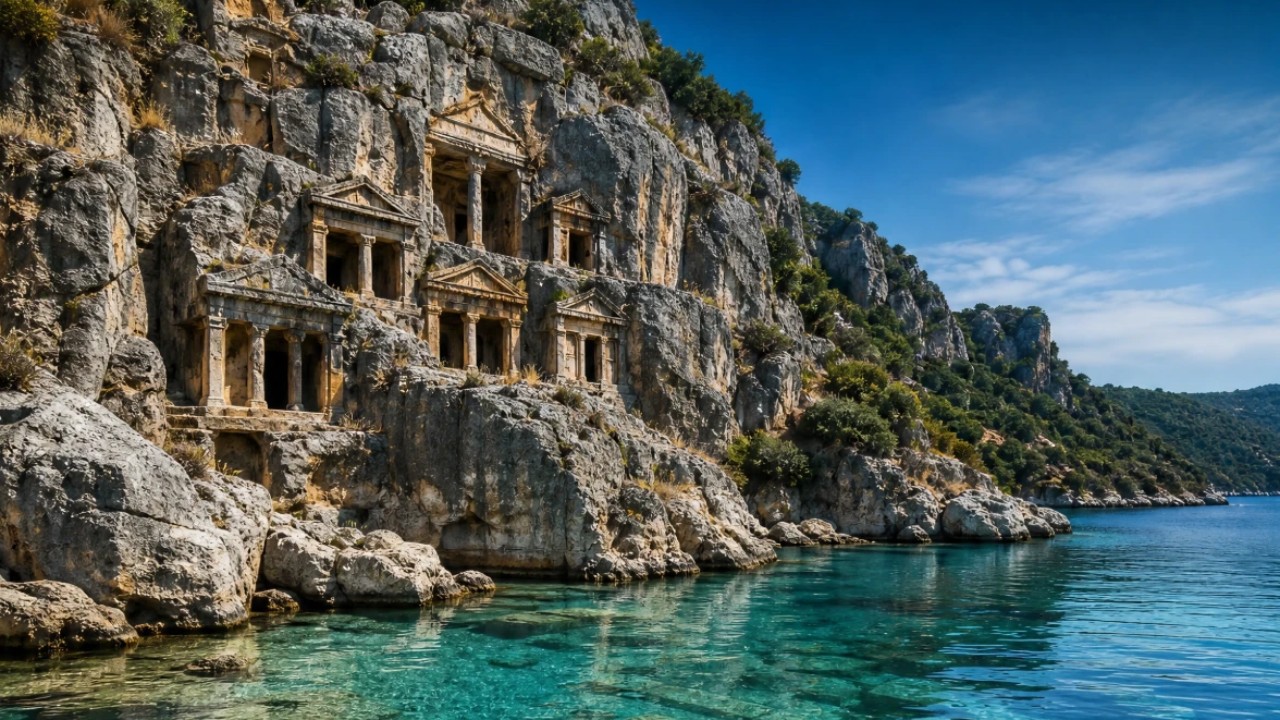
The Anatolian landscape serves as a majestic crossroads for millennia of Abrahamic faiths and ancient belief systems, hosting some of the world's most breathtaking sanctuaries. Through our curated Religious Sites Tour programs, travelers gain the unique opportunity to witness spiritual architecture firsthand, from centuries-old grand mosques and historic churches to serene monasteries and sacred tombs. Within the quiet, respectful atmosphere of these sites, visitors can truly appreciate the intricate dome geometries, exquisite tilework, and masterful stone carvings.
Visiting active places of worship and holy grounds requires a deep respect for religious sensitivities and adherence to specific social etiquettes. Demonstrating courtesy and mindfulness ensures a meaningful experience that honors the sanctity of these spaces. In this comprehensive guide, we cover everything you need to know before joining a faith-based tour: from dress code protocols and footwear rules to photography boundaries and prayer schedules.
Faith Tourism Routes in Turkey and Participation Standards
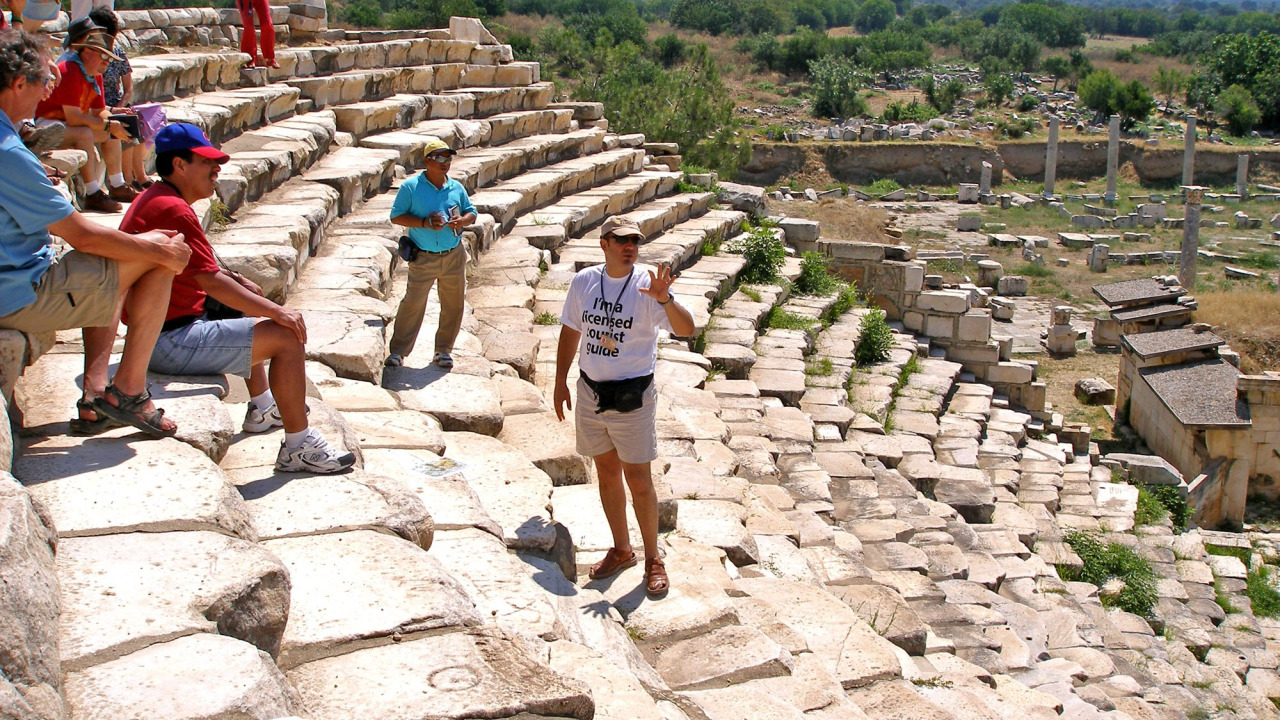
Visits to holy sites and places of worship are conducted in accordance with the guidelines of the Ministry of Culture and Tourism and the General Directorate of Foundations. Tours organized by authorized agencies are led by licensed professional guides certified by TUREB. While sharing the profound spiritual history of each site, our guides ensure the necessary discipline is maintained to preserve the tranquility of the local worshippers.
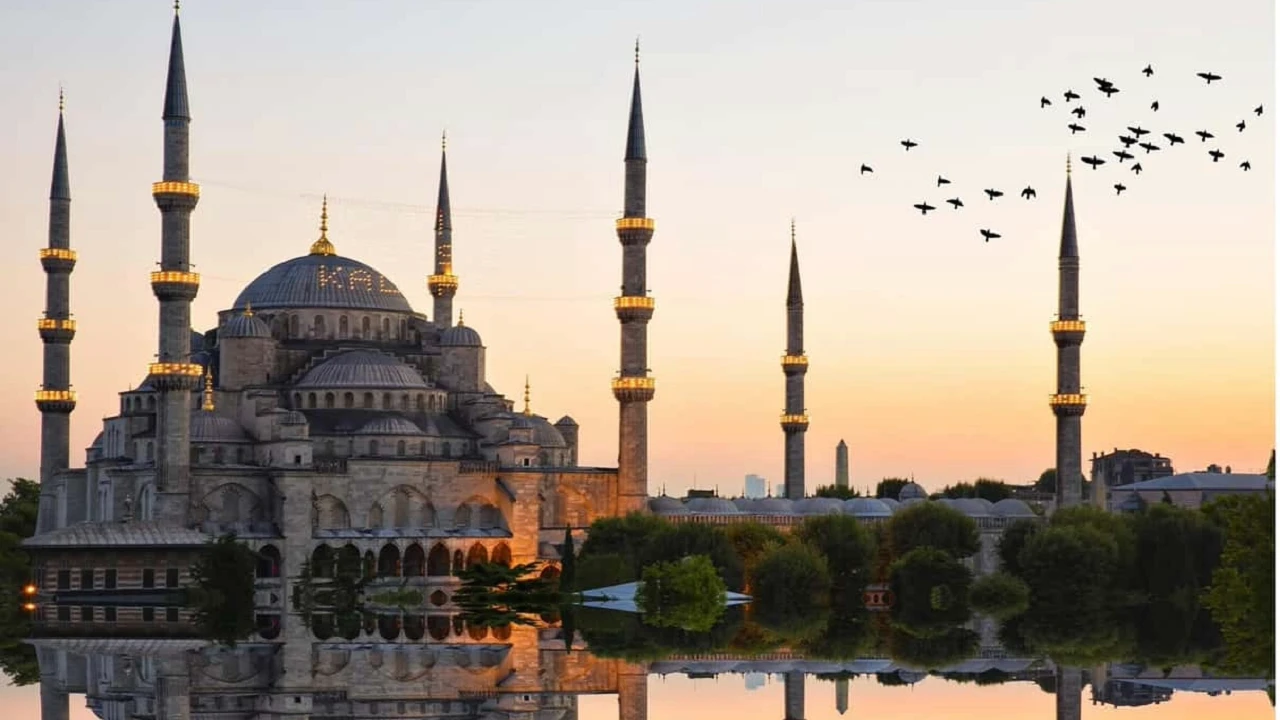
Across Turkey, there are ancient centers of significance for travelers of every faith. In the former imperial capital, you can explore centuries-old imperial mosques via our Istanbul Historical Peninsula mosque and spiritual heritage routes. Along the Aegean coast, our Kusadasi and Aegean coast faith tourism programs allow you to visit various sacred landmarks.
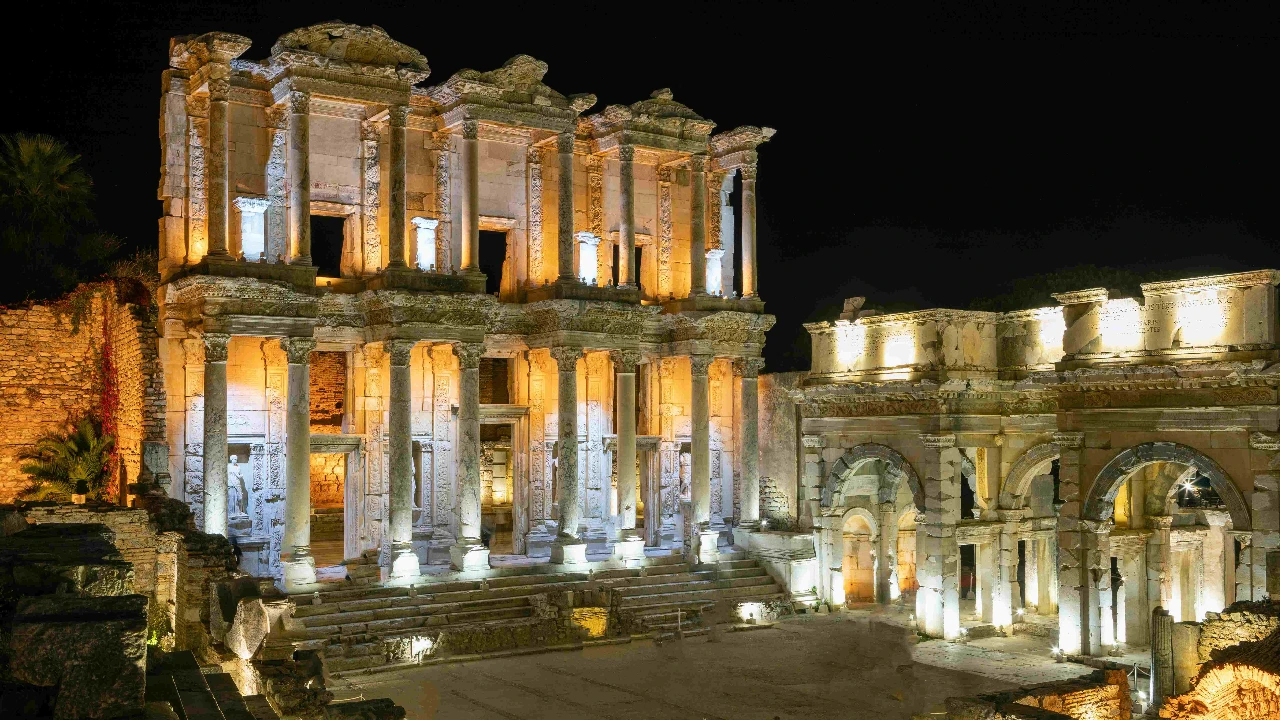
In the Aydın basin, Aydın historical places of worship and spiritual corridors showcase deeply rooted mosques. Near İzmir, Ephesus Ancient City and early Christian monuments cover significant pilgrimage routes. Meanwhile, Izmir historical synagogue and church discovery programs offer visitors a glimpse into the region's rich multicultural heritage.
The following quick-reference table summarizes the operational structure and basic participation criteria for visiting religious sites:
| Operational Criterion | Standard Practice and Rule |
|---|---|
| Minimum Age Requirement | Suitable for all age groups (Children must observe silence) |
| Mandatory Travel Documents | National ID or valid Museum Pass (For archaeological basilicas) |
| Dress Code | Clothing must cover shoulders and knees; headscarves for women |
| Footwear Etiquette | Remove shoes at entrance (Carpeted areas) or use protective covers |
| Average Daily Step Goal | 6,000 to 11,000 steps at a leisurely walking pace |
| Ideal Visiting Season | Year-round (Subject to prayer time schedules) |
| Legal Framework | Law No. 2863 and General Directorate of Foundations Guidelines |
Dress Code Standards, Modesty, and Footwear Etiquette
In active places of worship and sacred sites, dress codes are both a legal requirement and a sign of spiritual respect. When moving from mosque courtyards to interior prayer halls, both male and female visitors are required to wear clothing that covers the shoulders and knees. Sleeveless tops, mini-skirts, or shorts are not permitted in main prayer areas.
Female guests are expected to wear a headscarf that covers the hair, neck, and shoulders. While many entrances provide loaner scarves and shawls, we recommend carrying a lightweight cotton shawl for personal hygiene and convenience.
Headscarf and Modesty Standards
Proper attire is the first step toward a peaceful visit to spiritual centers. Ensuring a headscarf is tied securely to cover the hair helps prevent any awkward interactions with site officials.
It is also considered polite for male visitors to opt for trousers that cover the knees. For guests who may not be dressed appropriately, long skirts or wraps are often available at entrances as a practical solution.
During the summer months, choosing flowing linen or cotton trousers instead of heavy, heat-trapping fabrics will ensure walking comfort. This allows you to respect the religious dress code while staying comfortable in the heat.
Shoe Removal Procedures and Protective Covers
When entering historic mosques, walking on carpeted areas with shoes is strictly prohibited. Shoes should be placed neatly on the numbered wooden racks provided at the entrance.
In high-traffic areas, you may find it easier to place your shoes in a provided bag and carry them with you. This practice is a significant time-saver for groups that may exit through different doors.
In the ruins of historic churches and basilicas, where floors consist of stone or mosaics, rules regarding footwear or the use of protective shoe covers may apply. Following your guide's instructions helps protect these precious ancient mosaics.
Silence, Photography Limits, and a Quick Checklist
Sacred spaces are private realms for prayer, meditation, and spiritual reflection. It is essential to avoid loud talking, keep mobile phones on silent mode, and refrain from loud laughter. To maintain this atmosphere, guides often use whisper-quiet headset systems for their commentary.
When taking photographs, it is vital not to point lenses directly at worshippers or use flash photography. Flash can cause long-term damage to centuries-old calligraphy, gold leafing, and historical frescoes.
Using professional equipment like tripods or monopods inside a sanctuary usually requires special permission, as they can obstruct pedestrian traffic. The best approach is to use a compact camera on a silent shutter mode.
The following checklist outlines the essential items you should have in your bag when joining a sacred site tour:
- Personal Headscarf or Shawl: Ensures quick and hygienic coverage at mosque and tomb entrances.
- Spare Clean Socks: Keep a clean pair in your bag for comfort when walking on carpeted floors.
- Lockable Shoe Bag: Useful for safely carrying your shoes and preventing them from getting lost in crowded racks.
- Compact Power Bank: Keeps your phone charged for digital guide recordings while maintaining silent mode.
Comparison of Faith Tourism Models and Visit Formats
Faith and culture tours vary in dynamics depending on whether a site is an active place of worship or a historical monument. Some structures are living centers of prayer, while others are preserved as museum sites.
The following table compares the characteristics and expectations of popular faith tourism models:
| Visit Model | Site Character and Structure | Worship Status and Activity | Ideal Participant Profile |
|---|---|---|---|
| Active Imperial Mosque Visit | Monumental grand mosques, complexes, madrasas, and tombs | Active place of worship (Tours pause during prayer times) | Islamic architecture enthusiasts, history buffs, and spiritual travelers |
| Museum-Status Monumental Sanctuary | Archaeological basilicas, site chapels, and cisterns | Museum/Archaeological site (Ticketed entry required) | Art historians, archaeologists, and cultural researchers |
| Pilgrimage and Commemorative Route | Holy houses, caves, shrines, and monasteries | Semi-active commemorative site (Area for silent prayer/respect) | Faith tourists, seekers of peace, and cultural explorers |
| Multicultural Neighborhood Discovery | A mix of mosques, churches, and synagogues on the same street | Mixed status (Historical living spaces of different communities) | Sociology enthusiasts and researchers of tolerance and heritage |
Choosing the format that best matches your spiritual interest and cultural curiosity will enhance both your historical knowledge and your sense of inner peace.
A 5-Step Protocol for a Reverent Visit
To ensure a peaceful visit that respects the spiritual atmosphere of sacred areas, please observe these five steps:
- Pre-Entry Attire Check: Cover your shoulders before entering the courtyard; female guests should ensure headscarves are tied neatly.
- Footwear and Bag Organization: Remove your shoes at the entrance and place them in a bag or on the designated racks.
- Silent Communication Discipline: Set your phone to completely silent; avoid even whispering with group members inside the sanctuary.
- Respect for Worshippers: Do not walk in front of those praying; avoid photographing individuals engaged in prayer or meditation.
- Follow the Guide's Whisper: Listen to the historical and architectural details through your guide's low-volume headset commentary.
Following this five-step protocol preserves the dignity of the sacred site while allowing you to deeply experience the city's thousand-year spiritual legacy.
Narrative Depth and Art History in Guided Faith Tours
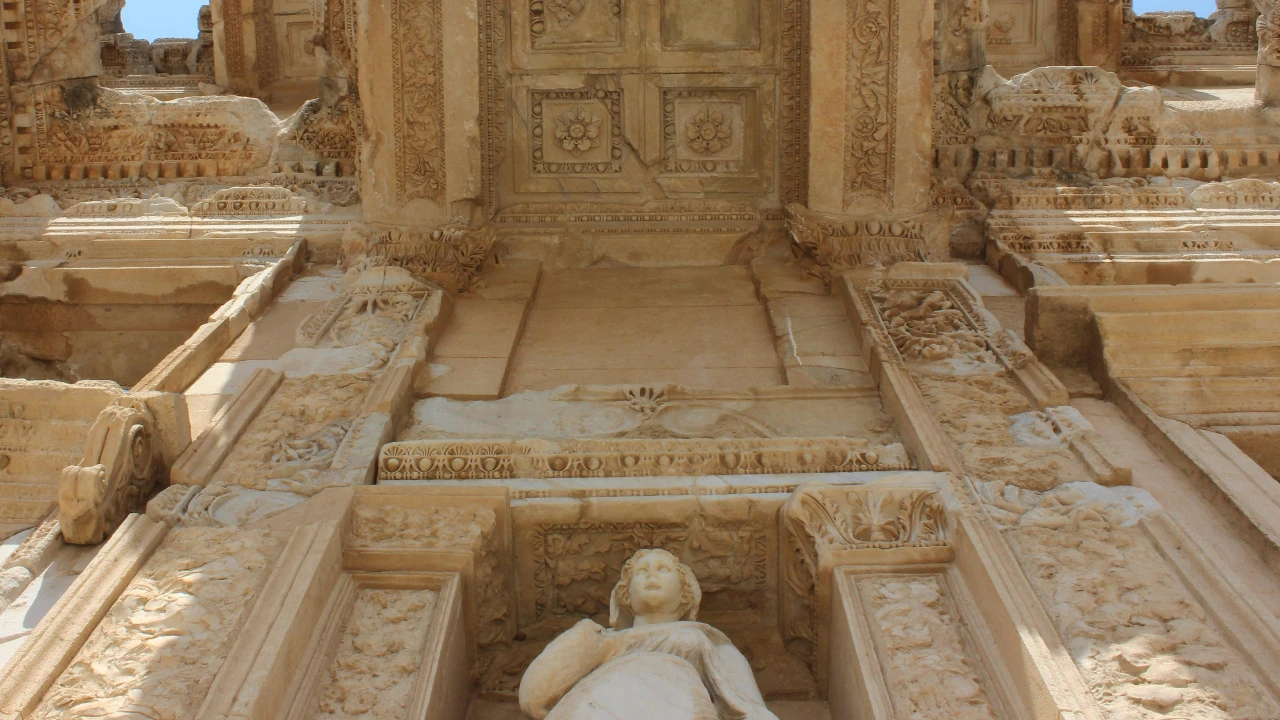
The architectural lines of religious sites are not merely aesthetic designs; they are reflections of profound theological symbols. The acoustic balance of a mosque dome, the muqarnas in a prayer niche, or the frescoes in a church apse only truly come to life through the narration of an expert guide. Licensed guides translate the shared symbolic language of different faiths into an accessible narrative for all guests.
Guides also optimize itineraries by tracking active prayer and service times in advance. This ensures guests do not have to wait at the gates and can instead enter at the appropriate time to observe the spiritual rhythm of the space.
Through this professional planning, the worshipping community remains undisturbed, while the tour group learns every detail of the site within the bounds of respect.
Furthermore, guides point out subtle civilizational details such as sundials, birdhouses, and charity stones (sadaka taşları) in the courtyards. These insights help visitors understand that religious architecture was not just for worship, but served as a comprehensive center for social welfare.
Courtyard Breaks, the Sherbet Tradition, and Free Time
The peaceful courtyards of historic mosques and complexes have served as sanctuaries from the city's bustle for centuries. Resting under the shade of a plane tree to the sound of a marble fountain provides a sense of profound serenity. During these breaks, tasting traditional rose or tamarind sherbet from long-standing vendors adds a delicious, traditional touch to your journey.
During the free time designated by your guide, you can explore the madrasa rooms, second-hand bookshops, and traditional calligraphy workshops within the complex. Meeting master bead makers or ebru (paper marbling) artists offers a chance to experience intangible cultural heritage firsthand.
When it is time to regroup, meet at the courtyard gate specified by your guide to continue the route. As the evening call to prayer echoes through the city, you will leave with tranquil memories and deep historical insights.

Frequently Asked Questions 5
What are the dress code rules for visiting historic mosques and prayer rooms?
Clothing must cover both shoulders and knees; female visitors are required to wear a headscarf that covers the hair.
Where should shoes be placed when entering places of worship or tombs?
Shoes are left on the racks at the entrance or can be carried in provided protective bags.
Is flash photography or video recording allowed in sacred sites?
To protect historical frescoes and calligraphy and to avoid disturbing worshippers, the use of flash and loud recording is prohibited.
Are tourist visits allowed during prayer and service times?
During active worship times, tourist access is temporarily paused; visits resume once the service has concluded.
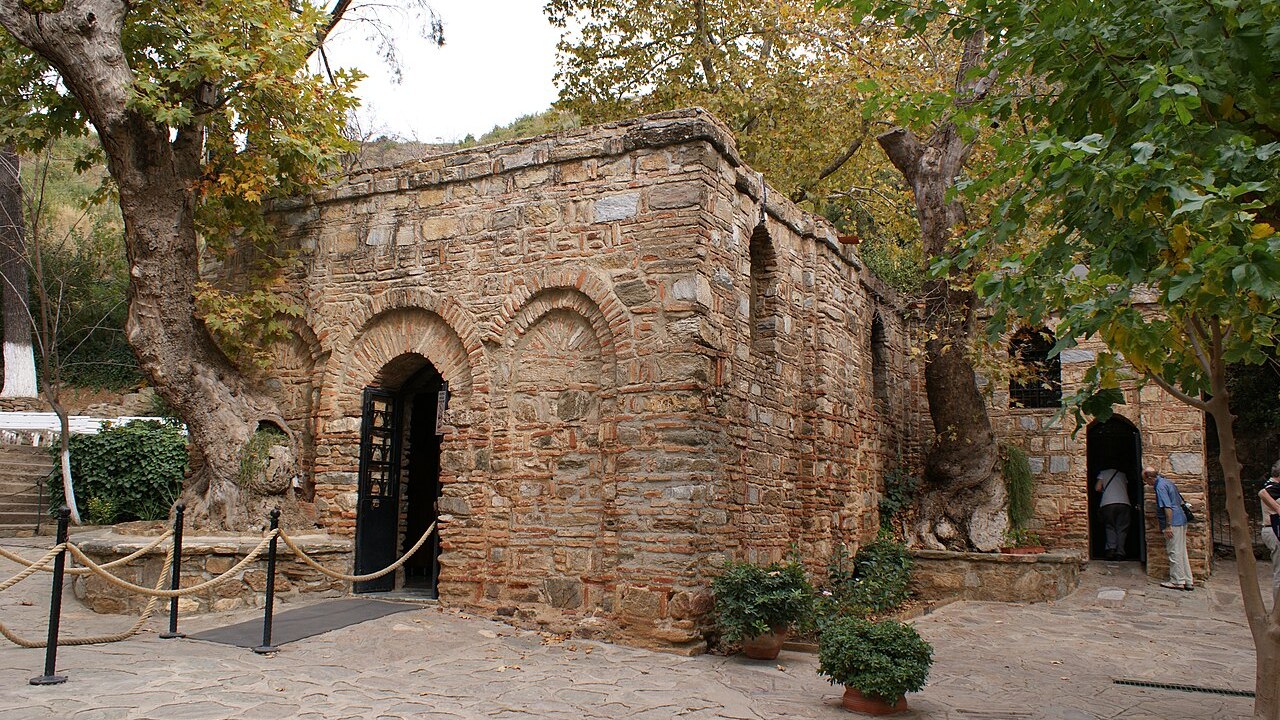
Is the Museum Pass valid for Christian sacred sites like the House of the Virgin Mary?
In religious sites managed by foundations or private associations, an entrance donation or direct ticket may be required instead of the Museum Pass.