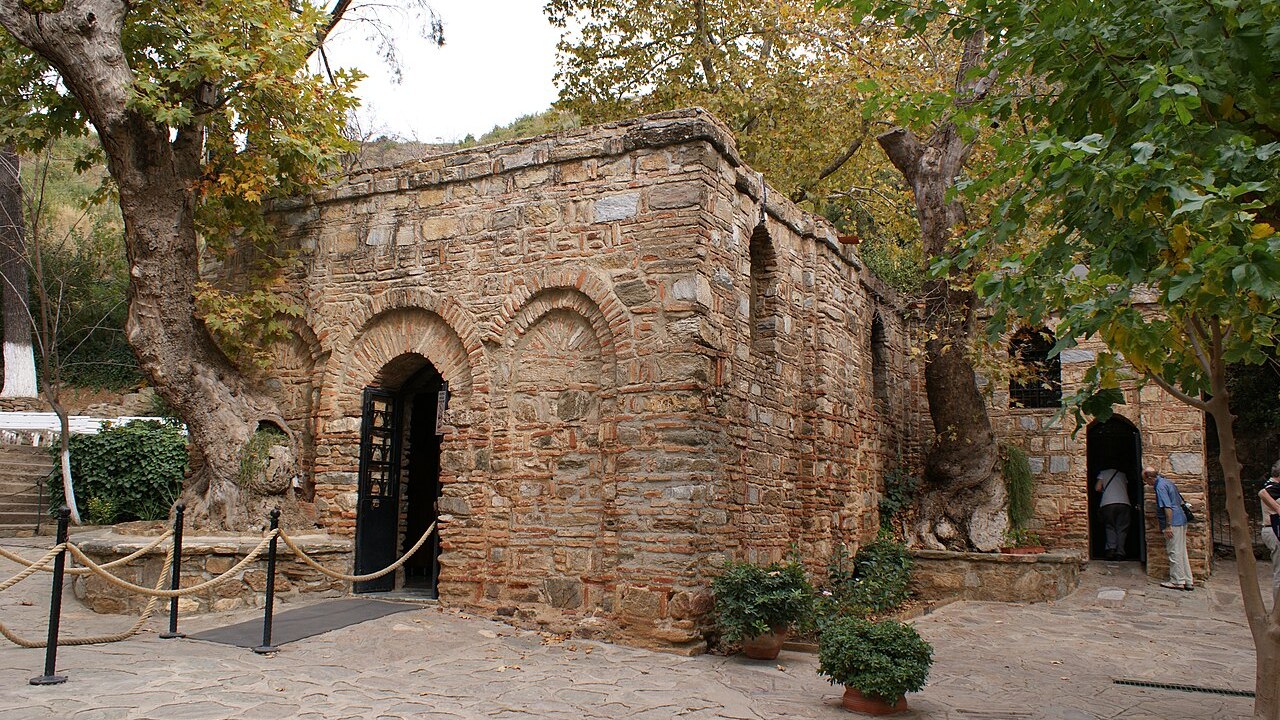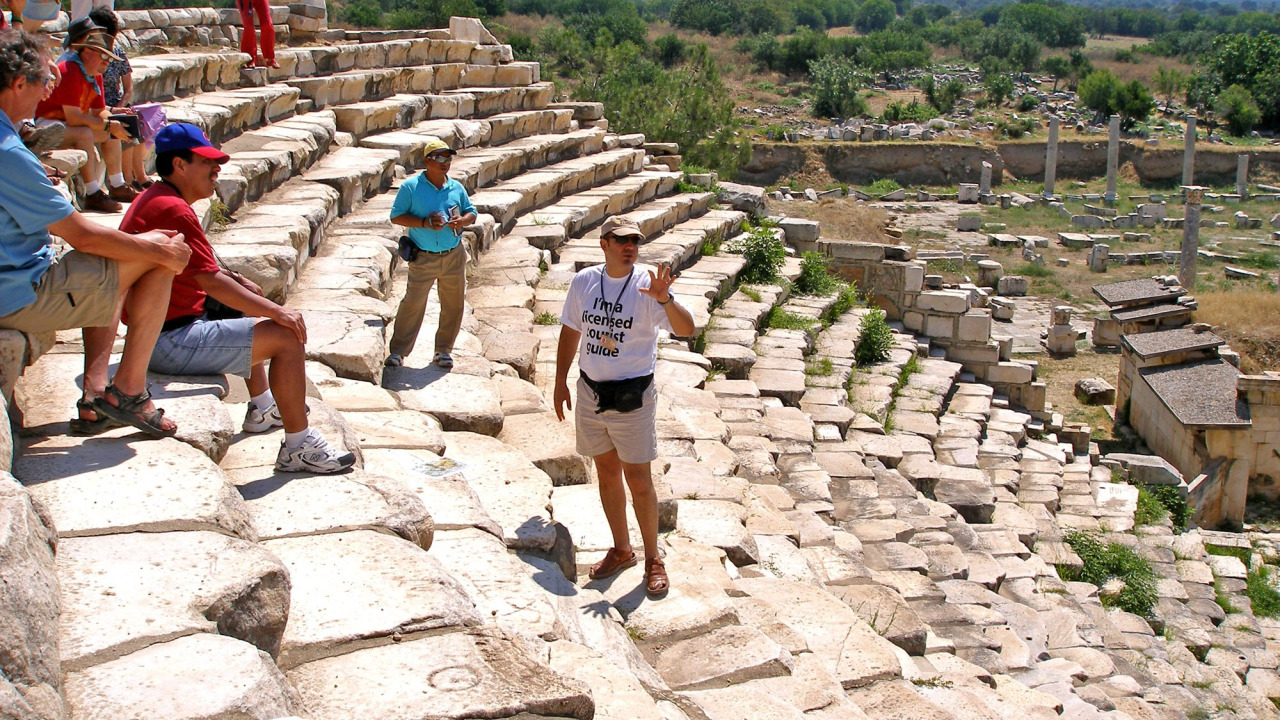
Historical sites, archaeological ruins, and museums are more than just tourist stops; they are open-air archives preserving the legacy of millennia. A Guided Tour is designed to transform a simple walk through the ruins into an immersive educational journey, where a single symbol on a stone or the architectural balance of a dome reveals the secrets of a lost civilization. With the expertise of a professional guide, travelers gain the privilege of understanding history's turning points exactly where they happened.
However, exploring cultural heritage with a professional requires a certain level of group harmony and operational etiquette. Being a conscious participant ensures a seamless flow of information and enhances the experience for everyone. In this comprehensive guide, we cover everything from TUREB licensing standards and "whisper" audio systems to group dynamics and the art of asking the right questions.
Professional Guided Tour Standards and Legal Framework in Turkey
In Turkey, the profession of tourist guiding is strictly regulated by the Tourist Guiding Profession Law No. 6326. Under this law, it is illegal for anyone to provide guiding services without an official working card (kokart) approved by the Ministry of Culture and Tourism and TUREB. Licensed guides are not only responsible for historical accuracy but are also trained to manage group safety and crisis response.
Turkey offers world-class cultural hubs across every region. In the historic capital, you can explore Roman and Ottoman monuments through Istanbul Historical Peninsula expert cultural programs. Along the Mediterranean coast, Antalya Kaleiçi and ancient city guided routes introduce you to the great ports of the Hellenistic era.
In Central Anatolia, Cappadocia valleys and underground cities guided tours unravel the mysteries of volcanic tuff formations, while Nevşehir stone mansions and historic village stages showcase unique local civil architecture. On the Black Sea coast, Trabzon and Black Sea coast professional guided trips bring the deep history of mountain monasteries to life.
The following table summarizes the operational structure and legal standards of professional cultural tours:
| Operational Criterion | Standard Practice & Rule |
|---|---|
| Age Requirement | Suitable for all ages (Highly educational for school-age children) |
| Required Documents | Valid Passport/ID and Museum Pass (Müzekart) for group entry |
| Legal Status | TUREB-licensed professional guide under Law No. 6326 |
| Communication Gear | Wireless "whisper" headset receiver and transmitter system |
| Average Activity Level | Brisk walking, typically between 7,000 to 13,000 steps per day |
| Ideal Season | Spring and Autumn (Best for outdoor archaeological sites) |
| Legal Basis | Tourist Guiding Profession Law No. 6326 & TÜRSAB Regulations |
Official Licensing, the TUREB Kokart, and Avoiding Unlicensed Guides
Becoming a licensed guide in Turkey is a rigorous process requiring a degree from a relevant university department, proven foreign language proficiency, and a comprehensive practical application tour across the country. Upon completion, professionals register with regional chambers under TUREB to receive their license and "kokart" (badge). It is a legal requirement for guides to wear this ID visibly throughout the tour.
Organizing cultural trips or providing narratives without an official license is subject to severe legal penalties. Unlicensed guides may misrepresent historical facts and, more importantly, lack the training for first aid and crisis management during emergencies.
The TUREB Kokart and Verifying Authority
As a consumer, it is your right to check your guide's official badge at the start of the tour. The kokart clearly displays the guide's photo, registration number, and the languages they are authorized to speak.
Ministry and TÜRSAB inspectors conduct regular checks at popular sites. Traveling with a licensed guide ensures a smooth experience at checkpoints and provides legal security for your journey.
Guides renew their working cards annually by attending professional development seminars, ensuring that the latest archaeological findings and restoration updates are shared with guests.
Risks of Unlicensed Guiding and Consumer Rights
Tours led by undocumented individuals typically lack travel insurance and the guarantee of an official agency. In the event of an accident or dispute, finding a point of accountability becomes nearly impossible.
In official tour programs, your consumer rights are protected by agency guarantees. Should a route need to change, your guide will implement alternative itineraries according to official procedures.
Narrative Rhythm, Whisper Systems, and Your Packing Checklist
To maintain an uninterrupted flow of information, modern audio systems are used. At the start of the tour, guests are provided with lightweight receiver devices and hygienic earphones. This "whisper" system filters out ambient noise, allowing you to take photos or observe your surroundings without missing a word of the commentary.
To maintain group harmony, it is best to save questions for the natural pauses in the narrative. Additionally, keeping a close eye on the "free time" slots announced by the guide prevents delays during regrouping.
When walking through ruins, staying relatively close to the group prevents signal loss. Since the receiver range is typically around 50 meters, following the guide at a reasonable distance is key.
Use this checklist to ensure you have the essentials for your cultural tour:
- Spare Earphones (3.5mm Jack): Allows you to use your own comfortable headphones with the whisper device.
- Compact Power Bank: Keeps your phone charged for voice notes, photos, and digital tickets.
- Reusable Water Bottle: Essential for staying hydrated during long walks in open-air sites.
- Sunglasses and a Hat: Protects you from the glare of the sun reflecting off white marble ruins.
Comparing Professional Tour Models and Exploration Formats
Guided programs are tailored to the interests and time constraints of the travelers. Some focus on deep-dive archaeological excavations with small groups, while others provide a panoramic overview of a city.
The following table compares the most common guided tour models:
| Tour Model | Format & Group Size | Depth of Narrative | Ideal Participant Profile |
|---|---|---|---|
| Small Group Archaeology | 8-15 people, ancient cities & museums | Very High (Chronological & architectural analysis) | History buffs, academics, and archaeology enthusiasts |
| Classic City & Culture | 15-25 people, landmarks & iconic squares | High (General history, mythology, and civic life) | First-time visitors, families, and general culture seekers |
| Private (VIP) Tour | 1-6 people, flexible custom itinerary | Personalized (Q&A focused, deep-dive) | Families, professional photographers, and independent travelers |
| Thematic Art & Taste | 10-18 people, artisan bazaars & tastings | Medium - High (Intangible cultural heritage) | Foodies, craft enthusiasts, and culture hunters |
Choosing the model that best fits your expectations and group dynamics will maximize the enjoyment and knowledge gained from your trip.
The 5-Step Protocol for a Seamless Guided Experience
To ensure a productive and pleasant day without losing touch with the group, please follow these five guidelines:
- Punctuality: Be at the designated meeting point at least 15 minutes before the departure time.
- Audio Check: Test your whisper device's volume and frequency channel with your guide immediately upon receipt.
- Listening Etiquette: Avoid side conversations while the guide is speaking into the microphone to help the group stay focused.
- Turnstile Discipline: Have your ID and Museum Pass ready to ensure a quick and orderly entry at ticket gates.
- Free Time & Regrouping: Return to the designated meeting square exactly at the time announced by the guide.
Following this simple discipline boosts the guide's energy and ensures a peaceful, enriching day for every member of the group.
The Perks of Professional Guiding at Museums and Sites
One of the biggest advantages of traveling with a licensed professional is the operational ease at museum entrances. During peak season, ticket lines can stretch for hundreds of meters; however, agency and guided group protocols allow for much faster entry. Guides direct guests to priority group gates, eliminating wasted time.
Wandering through a museum without knowing the significance of the artifacts can lead to "visual fatigue." Licensed guides curate the experience, selecting the most monumental and key pieces to explain within a chronological context.
This allows you to absorb the highlights of a collection containing thousands of pieces in a few hours, without exhaustion, and with the most compelling stories.
Unlike automated audio guides, a live guide offers the chance to get instant answers to your questions and allows the narrative to be deepened based on the group's specific interests. This interactive communication multiplies the cultural value of the trip.
Local Breaks, Traditional Bazaars, and Free Time
The most relaxing parts of a guided tour are the tea and coffee breaks in the courtyards of historic hans or under the shade of ancient plane trees. These moments are perfect for asking your guide about local delicacies and hidden culinary gems. Expert guides provide authentic recommendations, steering you away from tourist traps and toward genuine local flavors.
During free time, you can explore traditional handicraft bazaars and spice shops, supporting local artisans. These shopping breaks allow you to feel the living culture of the city firsthand.
Once free time concludes, the group gathers at the designated square to board the transfer vehicle. Adhering to the departure times set by the group leader ensures you reach your hotel without getting caught in return traffic. The historical insights and photos gathered throughout the day will turn your journey into an unforgettable memory.






Frequently Asked Questions 5
Which law regulates professional guiding services in Turkey?
Tourist guiding activities in Turkey are conducted under the supervision of TUREB, in accordance with the Tourist Guiding Profession Law No. 6326.
Is it legal to hire a guide without a kokart (badge)?
It is legally prohibited for individuals without an official license approved by the Ministry and TUREB to provide guiding services; doing so is subject to administrative fines.
Are whisper headset systems mandatory on guided tours?
While not "mandatory" by law, the use of whisper headsets is a standard professional practice to ensure uninterrupted commentary in crowded museums and noisy squares.
How is group discipline maintained during cultural tours?
Group harmony is maintained by adhering to meeting times and locations, staying with the group, and keeping audio devices active during narratives.
Do you have to wait in line at museums when with a guide?
Groups accompanied by official agencies and licensed guides typically use priority group turnstiles, bypassing the long individual ticket queues.