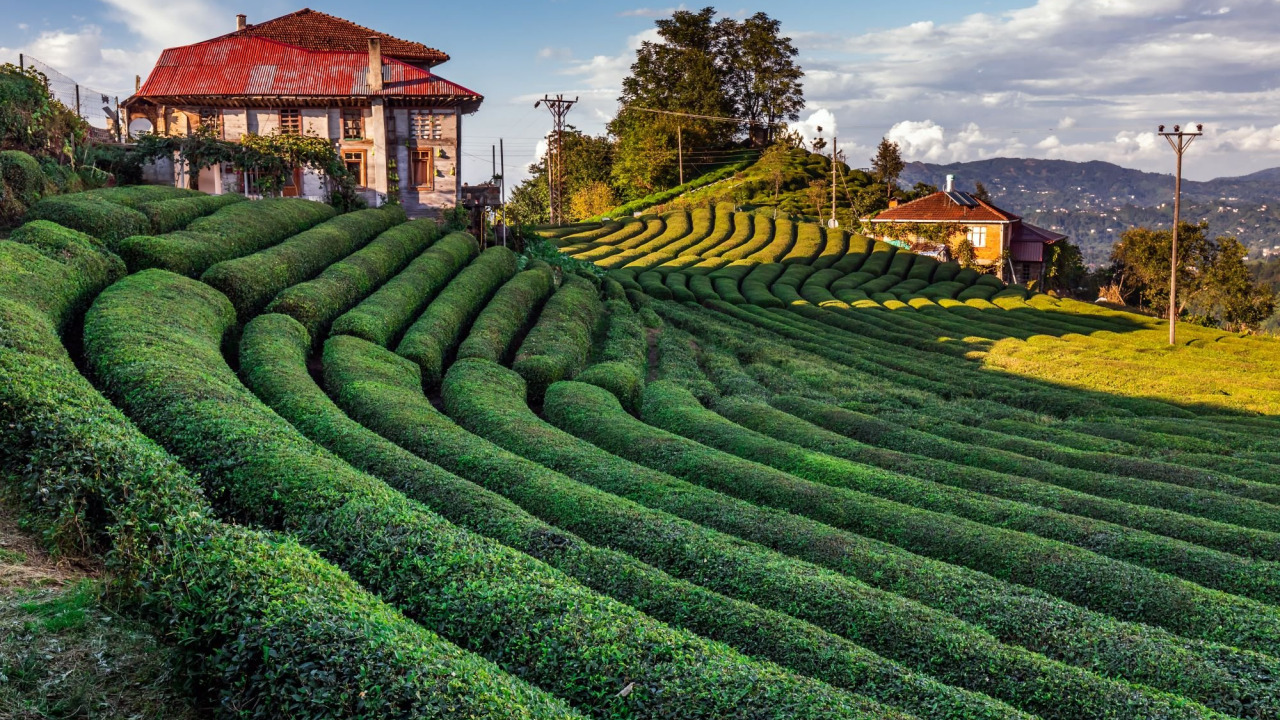

The Rize tea route is a curated travel concept that weaves together the terraced tea gardens of the Eastern Black Sea, the journey of tea from field to cup, and the region's rich industrial heritage. This route offers something far more immersive than a standard highland tour: instead of just admiring the view, travelers step into the gardens, participate in the harvest, witness the processing stages in local factories, and discover diverse tea varieties in specialized tasting workshops. In this guide, we cover everything from the history of tea in Rize to the best stops on the route, the harvest season, transportation, and a practical 2-3 day itinerary. Our goal is to help you plan the perfect journey through the heart of Black Sea tea culture.
At Travel Tour Shop, we work on the ground across the Black Sea region, evaluating every route against our own high service standards. We have prepared the following information not just as a list of locations, but as a decision-making guide to help you craft your own personalized tea experience. Please note that while this guide focuses specifically on tea production, gardens, and agrotourism, we offer separate specialized tours for those interested in the high-altitude plateaus and mountain landscapes of Rize.
Quick Facts
| Feature | Details |
|---|---|
| Region | Rize center, Çayeli, Çamlıhemşin, and surroundings |
| Route Theme | Tea gardens, harvesting, factory tours, and tastings (agrotourism) |
| Harvest Season | May to October (covering the three flush periods) |
| Key Highlights | Rize Çay Çarşısı, Ziraat Botanik, Çeçeva, Tea Institute |
| Recommended Duration | 2 to 3 days |
| Transportation | Rize-Artvin (RZV) or Trabzon (TZX) airports, followed by road travel |
What is the Rize Tea Route and Why is it Trending?
In recent years, the rise of "agrotourism" and "industrial heritage tourism" has transformed how travelers experience Rize. Instead of being passive observers, tourists now seek interactive experiences: stepping into the fields to join the harvest, watching the intricate processing stages in factories, and participating in professional tasting workshops. This model turns tea from a simple beverage into a full-sensory experience.
The geography of the region is what makes the Rize tea route possible. The tea plant (Camellia sinensis) thrives in constant humidity, abundant rainfall, and acidic soil—conditions that Rize and its surroundings provide perfectly, making it one of the few places in the world ideal for this crop. Turkey is a global leader in per capita tea consumption, and Rize sits at the very heart of this culture. Tea has even redesigned the landscape: the steep slopes are covered in terraced green gardens that prevent erosion. Travelers driving through Çamlıhemşin or Çayeli will be mesmerized by this geometric tapestry of green that drapes over the mountains like a velvet blanket.





The History of Tea in Rize: Zihni Derin and the Tea Law
Tea cultivation is not ancient in Rize; its story is closely tied to the early years of the Turkish Republic. Understanding this history adds profound meaning to the gardens and factories you will visit.
Zihni Derin and the First Nurseries
The most pivotal figure in bringing tea to the region is the agricultural engineer Zihni Derin. Following a 1917 study in Batum that identified the region's potential, Zihni Derin was sent to Rize in 1923 to establish tea and citrus nurseries. The area now known as the Ziraat Botanik garden is where these pioneering efforts began. By the late 1930s, tea seeds brought from the Batum area (Georgia) were distributed to local growers, leading to the establishment of the first large-scale plantations.
The Tea Law and Regional Transformation
The real turning point for tea production was the enactment of the Tea Law (Law No. 3788) in 1940. This legislation provided producers with credit and incentives while regulating tea garden licenses, effectively boosting production. For a population that previously struggled to make a living on steep slopes, this was a game-changer, transforming Rize into a tea-centric agricultural economy. Over the years, the industry was organized under the public institution ÇAYKUR, and with the establishment of numerous processing factories, Rize became the beating heart of Turkey's tea production. Today, Rize tea is a protected product with a specific geographical indication.
From Field to Cup: The Tea Route Experience
A successful Rize tea route allows guests to experience the journey of tea step-by-step, starting in the garden, continuing in the factory, and concluding at the tasting table.
Hands-on Tea Harvesting
The most memorable part of the route is the direct experience of harvesting in the fields. Visitors can tie traditional keşan scarves around their heads and take tea shears into the gardens. You will learn the delicate art of picking "two leaves and a bud" from local producers and fill your traditional wicker baskets (küfe) with fresh leaves. This hands-on activity is a prime example of experiential tourism, offering a tangible connection to the labor behind every cup. Harvesting takes place during the favorable months when the tea is most productive.
Factory and Industrial Heritage Tours
Once harvested, the fresh tea leaves are brought to the factory to undergo a series of transformations. Through wilting, rolling, oxidation, and drying, the fresh leaves are converted into black tea. Guided factory tours offer a chance to witness this aromatic and heat-filled process up close. These facilities are more than just industrial sites; they are living documents of the region's recent economic history.
Tea Tasting Workshops
The final stage of the journey is the tasting workshop. Here, you will learn the secrets of the perfect brew: the ideal water temperature, the use of porcelain teapots, and how steeping time affects flavor. Beyond classic black tea, these workshops often introduce travelers to high-value varieties like green tea, white tea, and oolong, making the route a sophisticated destination for tea enthusiasts.
Essential Stops and Tea Gardens
The tea route is built around several key landmarks that serve as the backbone of the experience, offering both stunning views and deep cultural insights.
Rize Çay Çarşısı and the Giant Tea Glass
Located in the center of Rize, the Çay Çarşısı (Tea Bazaar) complex is the showcase of this agrotourism route. Its most iconic feature is the "Giant Tea Glass," a structure approximately 29 meters tall. Designed with seven floors and a candidate for the Guinness World Records as the world's largest tea glass, it houses a tea museum, a cinema explaining the journey from soil to cup, and observation decks. The complex also features boutique shops from local producers, tea houses, and local handicrafts, allowing you to experience the entire tea culture in one place.
Ziraat Botanik Tea Garden
The Ziraat Botanik garden in Rize center is a standout stop due to its historical significance and breathtaking views. As the site of the region's first tea nursery experiments, it now serves as a beautiful tea garden and relaxation spot overlooking the city and the sea. Enjoying a freshly brewed cup of tea while watching the cityscape is one of the most relaxing moments on the route.
Çeçeva and Haremtepe Tea Gardens
In recent years, scenic tea gardens have become massive attractions in Rize. Leading the way is the Çeçeva tea garden, a favorite for photography enthusiasts due to its elevated position overlooking lush green valleys and terraced gardens. Similarly, the Haremtepe tea garden is renowned for its panoramic views. These are perfect stops for those who want to soak in the landscape while sipping tea. We recommend checking current opening hours and any entry requirements before your visit.
Atatürk Tea and Garden Culture Research Institute
For those interested in the scientific side of tea, the Atatürk Tea and Garden Culture Research Institute in Rize is a fascinating reference point. This institution focuses on tea quality, cultivation, and product development, proving that the region's tea culture is built on a solid scientific foundation. The tea-covered landscape surrounding the institute provides a perfect context for understanding the institutional history of tea in Rize.
When to Visit: The Tea Harvest Season
The best time to experience the Rize tea route is between May and October, during the peak harvest months. Tea is typically harvested in three "flushes": the first flush begins toward the end of spring, followed by second and third flushes in summer and early autumn. This is when the gardens are at their most vibrant and green, and when you can truly participate in the harvesting experience.
During the winter months, the gardens go into a period of rest, and the field experiences are not available. However, the Çay Çarşısı, museums, and indoor tasting sessions are available year-round. Keep in mind that the Black Sea weather is famously unpredictable; a sunny morning can quickly turn into a rainy afternoon. Regardless of the season, we recommend bringing a waterproof jacket and non-slip shoes for comfortable walking in the gardens. For a broader look at seasonal planning in the region, you can explore our Black Sea tourism guide.
Getting to Rize and a Sample Itinerary
To make the most of your tea route, planning your logistics in advance is key. Below are the best ways to reach the region and a suggested itinerary.
Transportation
The most convenient way to reach Rize is by air. The two closest gateways are Rize-Artvin Airport (RZV) and Trabzon Airport (TZX). From the airport, the journey continues by road, where the tea-covered slopes along the coastal road serve as a preview of the adventure ahead. Since you will be moving between various gardens, factories, and viewpoints, organized guided tours can provide significant convenience in terms of time management and road safety. For those seeking nature and adventure in the Black Sea, explore our Trabzon nature and adventure tours and our broader nature and adventure tours categories.
A Suggested 3-Day Tea Itinerary
A well-balanced tea route can be broken into three main blocks:
- Day 1: Rize Center Exploration. Visit the Çay Çarşısı, the Giant Tea Glass, the tea museum, and the Ziraat Botanik garden.
- Day 2: Scenic Gardens and Tasting. Head to the scenic gardens around Çayeli. Plan photo stops at high-altitude spots like Çeçeva and dedicate the afternoon to a professional tea tasting session.
- Day 3: The Harvest and Factory Experience. If visiting during harvest season, spend your morning participating in a tea picking experience in a local garden, followed by an afternoon tour of a tea processing factory.
This flow allows you to experience the journey from field to cup in a natural sequence. If you wish to combine this with other regions, our Ordu tourism guide offers excellent ideas for the coastal and highland landscapes of neighboring provinces. For all other regional combinations, feel free to browse our full range of tour options.
What to Eat with Your Tea?
A tea route is incomplete without a culinary adventure. Pairing a steaming glass of tea with local delicacies at regional tea houses enhances the cultural depth of your trip. Traditional flavors include mıhlama (a delicious melt of butter and cornmeal with cheese), Black Sea pide loaded with cheese, corn bread, and various dishes made with kale. In the coastal areas, anchovies (hamsi) are a seasonal staple. For dessert, Laz böreği is a local favorite. Enjoying these flavors against a backdrop of rolling green hills is one of the most relaxing highlights of the trip. In this region, the quality of the brew is a point of pride; tea is served dark and rich—often described as "rabbit's blood" (tavşan kanı)—as a symbol of local hospitality.
Frequently Asked Questions 6
What is the Rize tea route and what does it cover?
The Rize tea route is a thematic travel concept that combines tea gardens, hands-on harvesting experiences, tea factory tours, and tasting workshops. It typically covers Rize center, Çayeli, and the Çamlıhemşin area, with key stops including the Çay Çarşısı, Ziraat Botanik, and various scenic tea gardens.
Where are the Rize tea fields and gardens located?
Tea gardens are widespread throughout the Rize province, particularly on the steep slopes of Rize center, Çayeli, Çamlıhemşin, and surrounding districts. Highly photogenic gardens like Çeçeva and Haremtepe are popular for their views, while Ziraat Botanik is easily accessible near the city center.
During which months does the tea harvest take place?
The tea harvest occurs between May and October, divided into three main flushes. This is the ideal time for travelers who want to participate in the picking process and experience the 'two leaves and a bud' method. While harvesting stops in winter, museums and indoor tasting experiences are available year-round.
What is the Rize Çay Çarşısı and the Giant Tea Glass?
The Çay Çarşısı is a major complex in Rize center that brings together producer shops, tea houses, and a museum. Its landmark is the Giant Tea Glass, a 29-meter-tall structure that houses a tea museum and observation decks, and has been a candidate for the Guinness World Records.
How can I get to Rize?
The most practical way to reach Rize is by flying into Rize-Artvin Airport (RZV) or Trabzon Airport (TZX). From there, you can travel by road. For a multi-stop itinerary, organized guided tours are highly recommended for ease of logistics.
What types of tea can be tasted on the route?
In addition to classic black tea, tasting workshops often feature premium varieties such as green tea, white tea, and oolong. These sessions also teach the nuances of brewing, including water temperature and steeping times.