
Rize, the emerald paradise of Turkey's Eastern Black Sea region, offers far more than just misty highlands and endless tea plantations. It boasts a breathtaking heritage of fortresses hidden deep within steep valleys. From centuries-old stone arch bridges to grand traditional mansions, the region's rich history is etched into its landscape. For those looking to explore these rugged valleys and ancient landmarks with expert guidance, our Rize historical city tours offer an unforgettable journey where nature and history collide.
This landscape invites exploration, stretching from Zilkale, perched like an eagle's nest on the steep slopes of Fırtına Valley, to the historic bridges that once connected vital trade routes. The route mesmerizes travelers, spanning the panoramic tea views from Rize Castle to the exquisite wooden mansions of Çamlıhemşin and Fındıklı. In this comprehensive guide, we dive into the historical hotspots travelers frequently search for, the best itinerary sequences, valley logistics, and seasonal tips to help you plan your perfect trip.
4 Must-Visit Historical Landmarks in Rize
| Feature / Detail | Quick Visitor Summary |
|---|---|
| Top Attractions | Zilkale, Rize Castle, Çamlıhemşin Stone Bridges, Hemşin Mansions |
| Recommended Duration | 1 to 2 full days for valleys and castles |
| Entry & Tickets | Museum Pass (MüzeKart) is valid at Zilkale and Rize Castle; bridges are free |
| Best Time to Visit | Spring and Autumn (May–June and Sept–Oct) |
| Pro Travel Tip | Wear non-slip shoes and carry a raincoat for stone bridges |
| Transport & Logistics | 45-minute drive from Rize-Artvin Airport to Çamlıhemşin valley |
The following monuments showcase both the dramatic topography and the deep-rooted history of the region:
Zilkale: The Eagle's Nest of Fırtına Valley
Built atop a sheer rock formation 100 meters above the Fırtına Stream and 750 meters above sea level, Zilkale was established to secure medieval caravan routes. The structure, featuring an inner castle, guard rooms, a chapel, and a watchtower, offers a commanding view of the valley that leaves visitors in awe. When the majestic stone towers rise through the swirling mist, they create a surreal scene perfect for photography enthusiasts.
As you climb the steep stairs to the battlements, you can listen to the roar of the Fırtına Stream and gaze down at the untouched boxwood forests. Wooden observation decks around the castle provide safe vantage points to admire the outer walls clinging to the cliffs and the foothills of the Kaçkar Mountains. Visitors can also enjoy a view of the valley accompanied by a steaming cup of local tea at the resting facility near the entrance.
The Historic Stone Arch Bridges of Çamlıhemşin
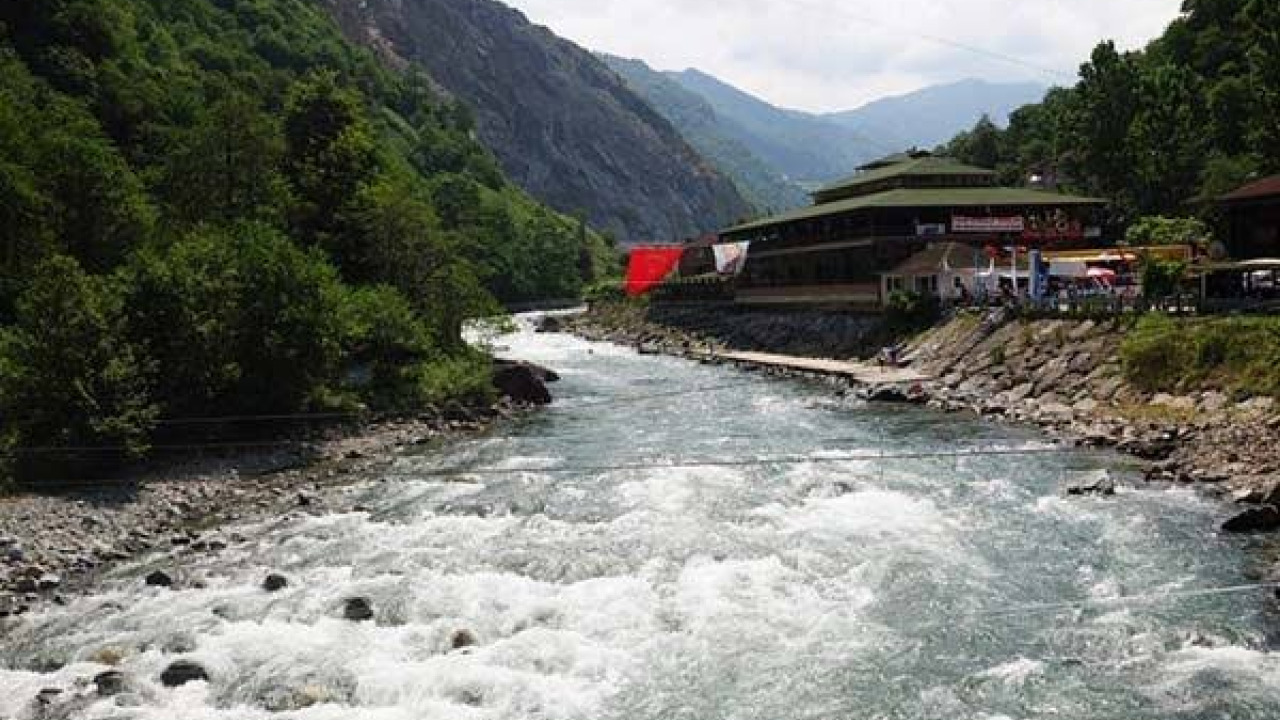
The stone bridges spanning the Fırtına Stream and its tributaries are the most elegant symbols of Black Sea engineering, built in the 18th and 19th centuries using precision-cut stones without mortar. The Şenyuva (Çinçiva) Bridge and Timisvat Bridge masterfully blend pointed arch architecture with the rushing waters below. These historic structures, anchored into massive boulders in the riverbed, have provided uninterrupted pedestrian access between highland villages for centuries. You can find detailed itineraries by checking our Rize guided historical valley and castle tours.
The pointed arch design allows heavy floodwaters to pass safely beneath the bridge without causing structural damage. Today, these protected monuments, along with nearby historic wooden coffeehouses and suspension bridges, are among the most photographed cultural stops in Fırtına Valley. The vibrant green moss and mountain wildflowers clinging to the stone surfaces add a magical, living texture to these ancient structures.
Comparison Table: Rize Historical Sites and Valleys
We have summarized the locations, construction periods, average visit durations, and key highlights of Rize's scattered historical treasures.
| Historical Site | District & Valley | Era & Architecture | Suggested Time | Cultural Highlight |
|---|---|---|---|---|
| Zilkale (Lower Castle) | Çamlıhemşin (Fırtına Valley) | 14th Century (Empire of Trebizond) | 1.5 Hours | Cliffside towers and valley views |
| Şenyuva (Çinçiva) Bridge | Çamlıhemşin (Fırtına Stream) | 1696 (Ottoman Era) | 45 Mins | High pointed arch & village coffeehouse vibe |
| Rize Castle | Rize Center (Hilltop) | 6th Century (Justinian) & 13th Century | 1 Hour | Panoramic city, port, and tea garden views |
| Çamlıhemşin Mansions | Çamlıhemşin (Konaklar Village) | 19th Century (Russian-influenced stone-wood) | 2 Hours | Grand 3-story stone mansions |
| Kale-i Bâlâ (Upper Castle) | Çamlıhemşin (Hisarcık Village) | Medieval (Caravan Route Fortress) | 1 Hour | High mountain defense near Kaçkar foothills |
Rize Castle and Tea Garden Panoramas
Rising from a dominant hill southwest of the city center, Rize Castle is the city's oldest defensive structure, featuring remains of both the inner and lower castles. Believed to have its foundations laid during the Byzantine era under Emperor Justinian, the castle underwent extensive renovations during the Trebizond and Ottoman periods. The masonry walls, built with rubble and cut stone, evoke a profound sense of the city's antiquity.
Today, the castle courtyard serves as a peaceful tea garden surrounded by pine trees and colorful hydrangeas. From the battlements, you can enjoy a bird's-eye view of the deep blue Black Sea and the modern port on one side, and the terraced, emerald-green tea fields on the other. Sipping fresh local tea during sunset is one of the most relaxing experiences in the city center.
The Historic Stone Mansions of Çamlıhemşin and Fındıklı
In the late 19th century, Hemşin families who had found success in pastry-making, baking, and trade in Russia returned to build stunning mansions on the valley slopes. These structures, featuring stone ground floors and upper levels crafted from chestnut wood using traditional infill techniques, represent the pinnacle of Black Sea vernacular architecture. Designed for durability, these mansions have withstood the region's harsh climate for centuries. For more options, explore our Rize center and surrounding city tours.
Located primarily in the Konaklar neighborhood of Çamlıhemşin and the Çağlayan Valley of Fındıklı, these buildings are notable for having between 20 and 30 rooms. The intricate ceiling carvings, Russian-style stoves, and traditional ovens reflect the aesthetic tastes of the era. Today, many of these historic homes have been meticulously restored and operate as boutique hotels. Visiting these mansions under the shade of ancient walnut trees feels like stepping back in time.
Historical Bridges and Caravan Routes Integrated with Nature
The arch bridges standing firm over the turbulent Black Sea streams and the mountain fortresses are testaments to the ingenious engineering solutions developed to combat the elements.
Mortarless Arch Architecture and Flood Resilience
To mitigate the destructive impact of floods, the stone bridges in this region were built at the narrowest, rockiest points of the valleys. Rather than placing piers in the middle of the riverbed, the main arch is anchored directly into the solid bedrock of both banks. The keystone, cut with extreme precision without the use of mortar, distributes the load evenly to the arch ends, providing a strength that has defied the centuries.
The fact that these bridges remain standing despite massive floods over hundreds of years proves the success of their construction technique. The arch height sometimes reaches 15–20 meters above the water level, allowing large floating logs to pass underneath easily. This prevents the rising waters from exerting excessive pressure on the bridge body. For travelers wanting to see the ancient architectural heritage of the Eastern Black Sea firsthand, these monuments serve as an open-air museum.
Connection to the Silk Road and Mountain Passes
Defensive fortresses like Zilkale and the higher Kale-i Bâlâ protected the caravan routes that connected the Black Sea ports to Erzurum and the Silk Road. Thanks to its position overlooking the narrowest pass in the valley, Zilkale ensured the safety of merchants and controlled military movements throughout the Middle Ages. Today, the deep paths at the valley floor have transformed into favorite routes for hikers. Discover more through our Eastern Black Sea cultural route tours.
The historic inns and watchtowers where caravans once rested clearly demonstrate the valley's strategic importance. Caravans laden with silk and spices used these valley routes to reach the stormy sea lanes safely. Walking along these historic trails, seeing ancient paving stones, and drinking from the springs where travelers once rested offers an unforgettable experience.
Rize Historical Travel Conditions by Season
We have compiled the travel conditions and essential details for different times of the year in Rize's rainy Black Sea climate.
| Season & Months | Avg. Temperature | Rain & Mist Conditions | Road & Trail Conditions | Key Beauty |
|---|---|---|---|---|
| Spring (April–May) | 14°C to 18°C | Frequent rain showers, rushing streams | Damp and slippery stone paths | Fresh greenery and roaring waterfalls |
| Summer (June–Aug) | 22°C to 26°C | Intermittent rain, afternoon mist | Roads are fully open and dry | Outdoor freshness and highland cool |
| Autumn (Sept–Oct) | 16°C to 20°C | Balanced rain, perfect golden tones | Easy driving and pleasant walking | Golden forest canopy in Fırtına Valley |
| Winter (Nov–March) | 4°C to 9°C | Rain in valleys, snow on peaks | Zilkale road open, highlands closed | Snowy Zilkale silhouette and silence |
Mist and Valley Dynamics in Summer
In Black Sea valleys, a layer of mist can rise suddenly, enveloping the entire landscape, only to give way to bright sunshine moments later. The sight of Zilkale appearing and disappearing through white clouds like a fairytale ship provides mesmerizing scenes for photographers. During misty periods, humidity in the valley increases, and the fresh scent of pine from the forests fills the air.
Visiting the castles in the early morning during summer offers a major advantage for catching clear views before the mist rolls in. In the afternoons, walking along the historic stone bridges in the refreshing breeze of the stream is the ideal way to escape the heat. The ever-changing atmosphere of nature ensures that Black Sea trips never feel monotonous.
The Autumn Color Explosion in Fırtına Valley
From late September to early November, autumn is the most visually spectacular season in Fırtına Valley. The alder, chestnut, and beech trees covering the valley slopes turn into a kaleidoscope of yellow, orange, and crimson. Photographing the historic stone bridges amidst this color explosion is a highlight of any trip. You can easily evaluate your options by looking at our diverse Rize excursion options.
During the autumn months, the heavy summer tourist crowds are replaced by a deep, tranquil peace. Road traffic decreases, and the castles and bridges can be explored in a much calmer environment. Colorful leaves carpeting the paths provide a fairytale backdrop for hikers. The yellow and red tones of the Black Sea add a profound warmth to every photograph.




Transport and Valley Logistics for Rize Historical Trips
With the opening of the Rize-Artvin Airport, built on reclaimed land, access to the historical valleys and castles in the region has become incredibly fast and comfortable.
Accessing Fırtına Valley from Rize-Artvin Airport
After exiting the airport, follow the coastal road and take the Ardeşen exit to enter Fırtına Valley. You can reach the Çamlıhemşin and Zilkale route by private vehicle in approximately 45 minutes. The road is paved to high standards all the way to the Çamlıhemşin town center. The route continuing from Çamlıhemşin to Zilkale is also fully asphalted and easily accessible by standard passenger cars.
Along the way, wooden rest areas, trout farms, and local breakfast spots lining the riverbank turn the journey into a delightful break. Finding yourself among ancient stone bridges and steep fortresses shortly after landing is a testament to the region's logistical accessibility. For visitors without private vehicles, airport shuttles and transfer services are available.
Driving Safety on Narrow Mountain Roads
As you head toward the villages beyond Zilkale, the Çat Valley, or Kale-i Bâlâ, the roads narrow and sharp curves begin. The fundamental rules for safe driving are to adhere to speed limits, use your horn to warn before entering curves, and always yield to oncoming vehicles. To ensure comfort in this challenging terrain, choosing tour vehicles with experienced local drivers is a wise decision. You can select your program by checking our Kaçkar Mountains and valley walking tours.
On rainy days, be cautious of small stones that may fall from mountain slopes and avoid staying too close to roadside drainage channels. In winter, it is mandatory to have winter tires and chains when traveling to high-altitude castles. Off-road vehicles used by local guides allow you to reach steep locations comfortably.
5 Essential Rules for Your Rize Historical Adventure
To ensure a safe journey through the rugged and unpredictable nature of the Eastern Black Sea, follow these five principles recommended by our guides:
-
Always carry a high-quality waterproof raincoat to protect against the sudden Black Sea downpours.
-
Wear sturdy hiking boots with excellent grip to avoid slipping on historic stone bridges and castle steps.
-
When climbing the steep stairs of Zilkale, move slowly and hold onto the handrails firmly.
-
Show full respect for the privacy and domestic life of residents when visiting the historic mansions in Çamlıhemşin and Fındıklı.
-
Travel with a licensed local guide to fully grasp the rich oral history and deep-rooted Hemşin culture.
-
Since there are no railings on the sides of the historic arch bridges, do not approach the edges too closely and keep a firm hold on children.
-
Do not climb on the walls of Zilkale, and strictly avoid taking dangerous poses near cliff edges.
-
Never write on the stones or inscriptions of the ancient bridges; the historical texture must be preserved.
-
To protect the wooden floors of the Çamlıhemşin mansions, use shoe covers or slippers during your visit.
-
Never leave trash in the riverside resting areas; the pristine nature of the Black Sea must be carefully maintained.
Gastronomy Break: Mıhlama, Laz Böreği, and Trout
Tasting warm mıhlama, prepared with stone-ground cornmeal and highland cheese, in authentic wooden restaurants by the Fırtına Stream is a quintessential ritual. Dipping fresh corn bread into the stretchy, melted cheese captures the true spirit of Black Sea cuisine. For a main course, fresh trout, pan-fried in butter by the river, leaves an unforgettable taste on the palate.
After your meal, the crispy Laz böreği, filled with custard and topped with walnuts, is the perfect way to recharge. A cup of fresh mountain tea served alongside the soothing sound of the flowing river provides a peaceful conclusion to your journey. Local culinary stops quickly restore a traveler's energy with their natural offerings.
Local Tea Factory and Workshop Visits
As you complete your historical route and head back toward the coast, visiting organic tea factories around Rize and Çayeli enriches the experience. Watching local women harvest fresh shoots in the tea gardens and witnessing the laborious journey from branch to cup is a wonderful experience. You can purchase first-harvest May tea and bud teas from the factory outlets.
Additionally, exploring hand-weaving workshops in Fındıklı and Rize center offers a chance to see traditional feretiko (Rize cloth) being made on looms. Woven with fine linen threads, feretiko has been one of the region's most precious handicrafts for centuries due to its breathable quality. These authentic souvenirs bring a piece of the Black Sea back home with you.
Frequently Asked Questions 5
Can I reach Zilkale by private car, and what is the road condition?
Yes, the 15-kilometer road from Çamlıhemşin town center to Zilkale is fully paved and easily accessible by standard passenger cars.
Is there an entrance fee for Zilkale, and is the Museum Pass valid?
Zilkale is under the supervision of the Ministry of Culture and Tourism and National Parks; you can use a valid Museum Pass (MüzeKart) or purchase a ticket at the entrance.
Where is the Şenyuva (Çinçiva) Bridge located, and how do I get there?
The Şenyuva Bridge is located on the Fırtına Stream on the valley road leading from Çamlıhemşin to Zilkale, approximately 7 kilometers from the town center.
Do the historic stone mansions in Rize serve as hotels?
Yes, some of the centuries-old stone mansions in the Çamlıhemşin and Fındıklı valleys have been restored to their original state and operate as boutique hotels and guesthouses.
What is the best season to visit the historical sites in Rize?
The period from May to the end of October is the ideal travel season due to safe road conditions and the rich color palette of the valleys.