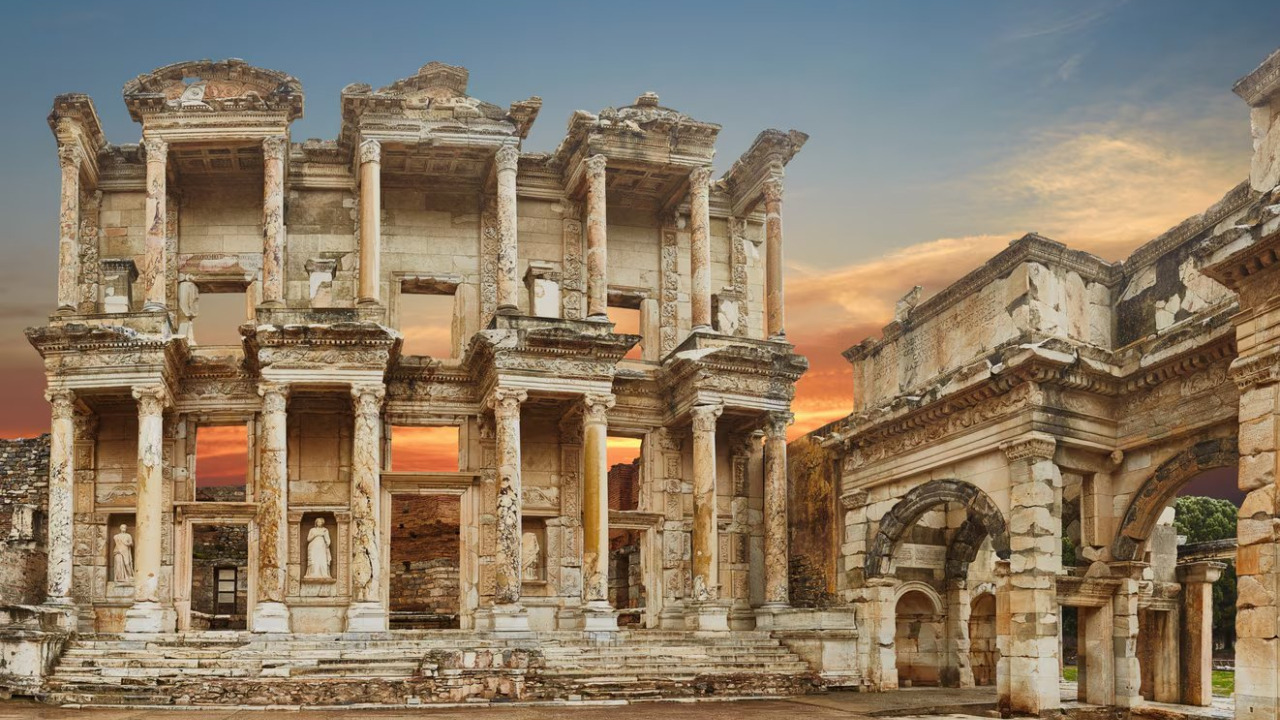
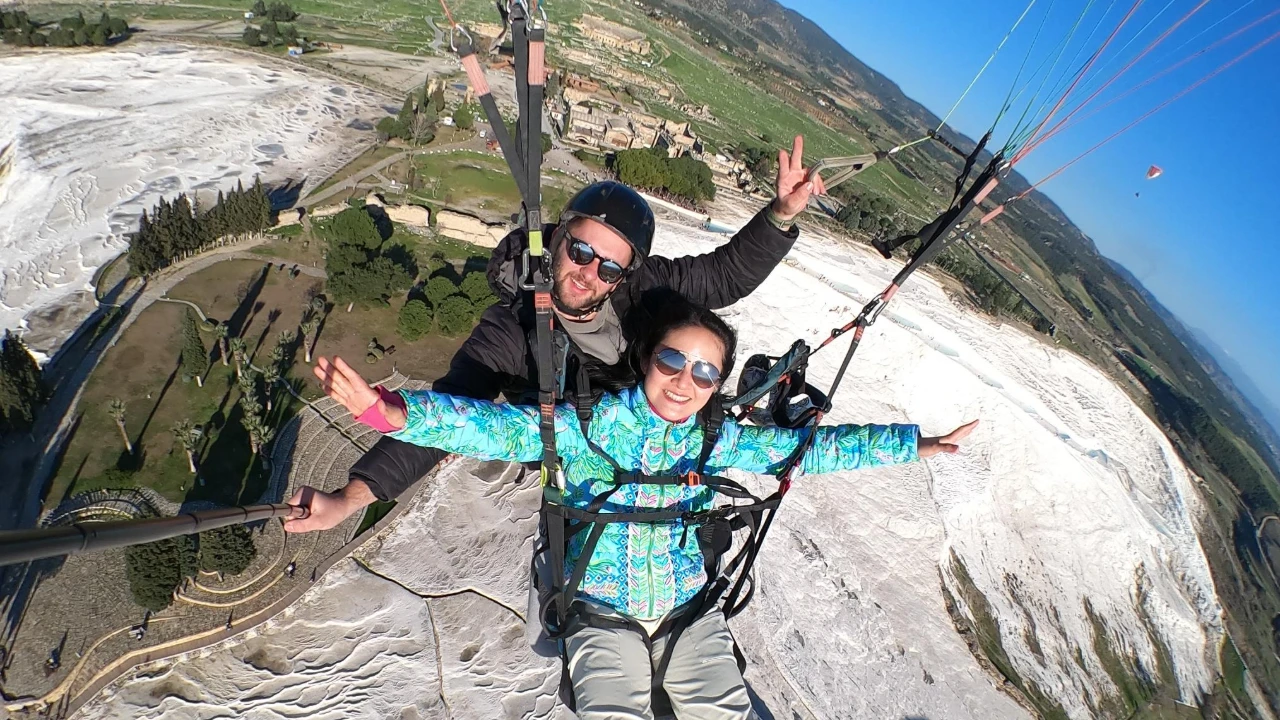
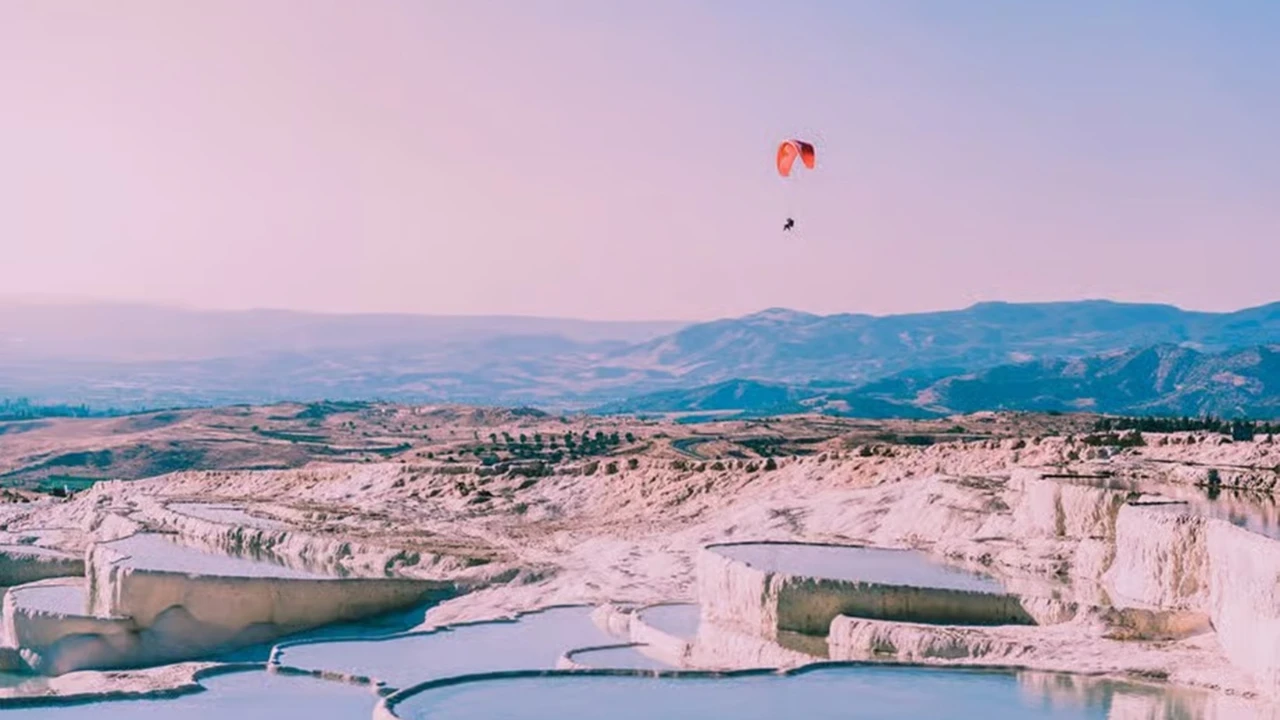
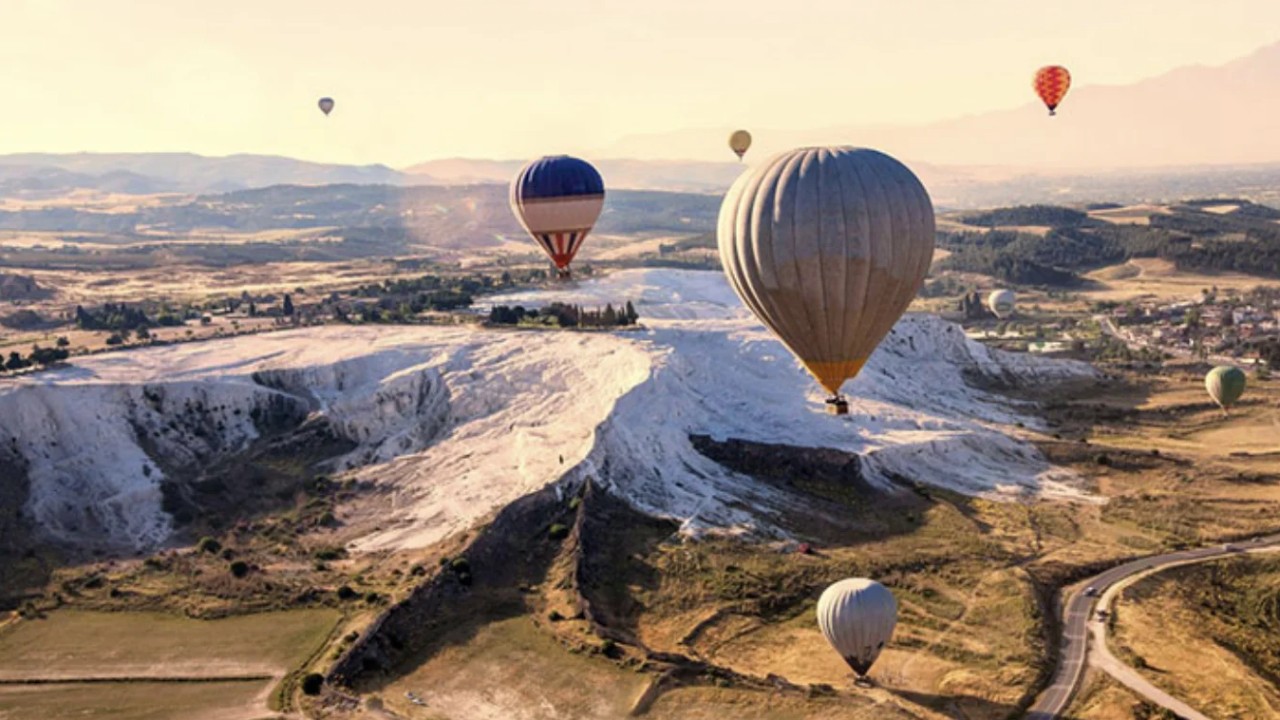
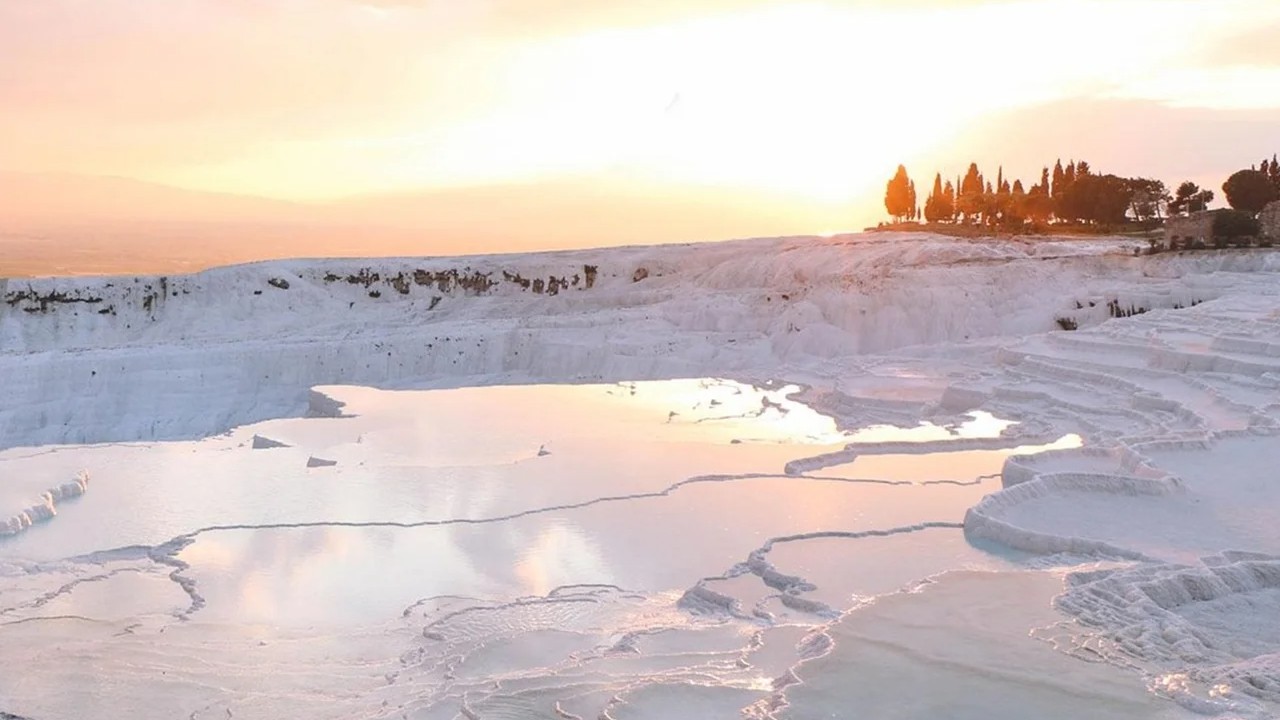
Famous for its ethereal white travertine terraces and the ancient ruins of Hierapolis, Pamukkale offers more than just breathtaking landscapes. As evening falls, the region opens a door to a profound spiritual heritage. The Sema ceremonies, reflecting the philosophy of Mevlana Celaleddin-i Rumi, the architect of tolerance in Anatolia, provide visitors with an unforgettable transcendental experience. To secure your place in this historic atmosphere where the haunting melodies of the ney flute echo through the night, Whirling Dervish Performance in Pamukkale offers a complete cultural evening, including seamless transfer services and authentic venue reservations.
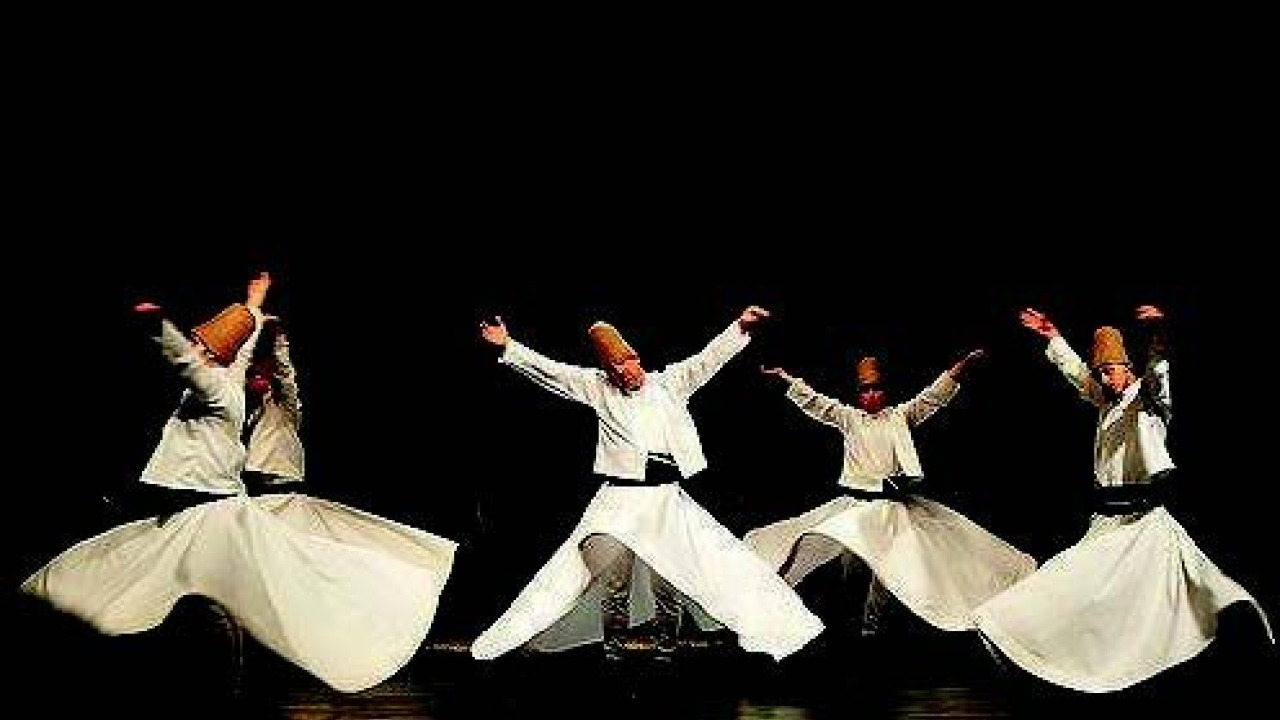
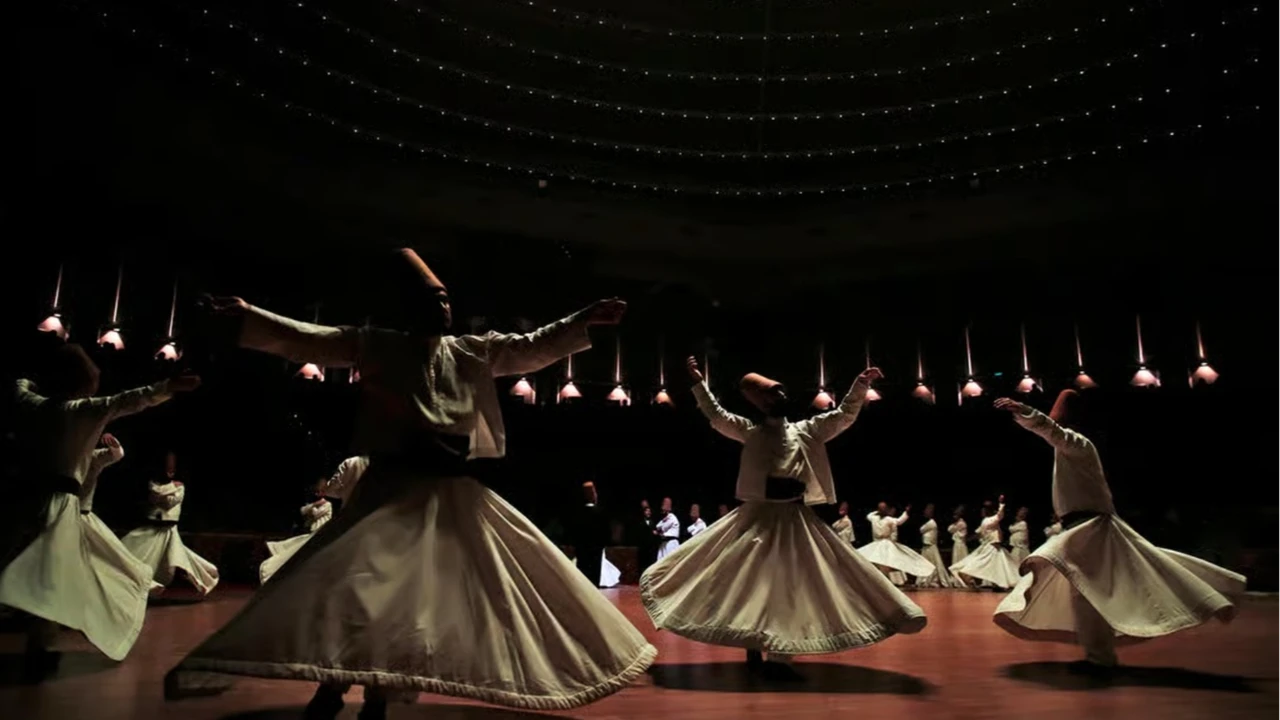
The Sema ceremony is far from a mere dance or a folkloric performance; it is a centuries-old ritual of dhikr and worship, symbolizing the soul's journey toward truth and divine love. Held in the traditional caravanserais surrounding Pamukkale, these programs allow guests to witness the aesthetic discipline and spiritual depth of Sufism.
Quick Guide to the Pamukkale Sema Ceremony & Cultural Program
| Feature | Visitor & Cultural Tour Summary |
|---|---|
| Location | Historic stone caravanserais in the Karahayıt region of Pamukkale |
| Start Time | Typically begins between 20:30 and 21:00 |
| Duration | Approximately 60 minutes, including the ney recital, Sema ritual, and closing prayer |
| Instruments | Ney, kudüm, rebap, kanun, tambur, and bendir |
| Guest Profile | Open to all travelers interested in culture, spirituality, and mysticism |
| Logistics | Round-trip shuttle services available from Pamukkale and Karahayıt hotels |
| Visitor Etiquette | Absolute silence, no applause, and no flash photography |
The Mystical Atmosphere of Sufi Music in Historic Caravanserais
The stretch from the Pamukkale plains to the foothills of Karahayıt is home to historic structures adorned with Seljuk-era caravanserai architecture. These stone-domed halls and arched courtyards provide natural acoustics, allowing the mystical melodies to resonate clearly in every corner of the room.
For centuries, these buildings served as sanctuaries for traveling caravans and wandering dervishes. Today, these restored venues, with their traditional stonework and vaulted ceilings, provide an authentic backdrop for spiritual ceremonies. When the spirit of the architecture merges with the music, guests are transported on a journey back through time.
Accompanied by dim lighting and the scent of incense, the evening invites guests to leave the chaos of the day behind and embark on a serene inner journey. Upon entering the hall, visitors are greeted with the reverence befitting a witness to a timeless tradition.
Karahayıt Cultural Centers and Evening Programs
The stone cultural houses in the Karahayıt region are specially designed for evening Sema programs. The circular seating arrangement ensures that guests can comfortably observe the whirling rhythm of the dervishes from every angle.
Traditional sherbet and local treats served before the program reflect the legendary hospitality of the Ottoman era. Guides provide multilingual brochures to international guests, explaining the symbolism of the ritual. At the entrance, exhibition areas showcase Mevlevi attire and antique musical instruments, allowing visitors to gain deeper insight before the performance begins.
Live Sufi Music: The Soul of the Ney and Kudüm
The cornerstone of the Sema ceremony is the reed flute, known as the ney, with its heart-touching timbre. The improvisations (taksims) performed by the neyzen in maqams such as Hicaz, Nihavend, or Rast represent the human search for existence and the longing for the Creator.
The beats of the kudüm (kettle drum) symbolize the heartbeat of the universe and the divine command of creation. The live performance by the ensemble (mutrip) guides the precise footwork of the whirling dervishes.
Symbolism and Attire: Decoding the Sema Ritual
Every garment and every movement in the Mevlevi ceremony carries deep philosophical meaning. As the dervishes take the stage, they follow a strict dress code that symbolizes the shedding of worldly desires.
The following table details the primary symbols, clothing, and their Sufi meanings:
| Garment/Symbol | Physical Feature | Sufi Meaning | Role in Ceremony |
|---|---|---|---|
| Sikke (Felt Hat) | Tall hat made of camel hair | Symbolizes the ego (nafs) and the tombstone | Worn throughout the entire ceremony |
| Hırka (Black Cloak) | Wide-sleeved black outer robe | Symbolizes worldly attachments and the grave | Removed at the start to signify spiritual rebirth |
| Tennure (White Gown) | Wide, flowing white skirt | Symbolizes the shroud of the ego and spiritual purity | Expands like wings during the whirl |
| Hand Position | Right palm up, left palm down | Symbolizes receiving from God and giving to humanity | Maintained throughout the four salutations |
| Post (Red Mat) | The station where the Sheikh sits | Symbolizes the spiritual station of Rumi | Positioned at the most honored spot of the arena |
By removing the black cloak, the dervish declares a spiritual rebirth and liberation from the bonds of the ego. The opening of the white tennure resembles a butterfly emerging from its cocoon to fly toward the Truth.
The 5 Stages of the Sema Ceremony Protocol
Passed down unchanged for centuries, the Sema ceremony consists of five main sections governed by strict rules. Understanding this flow enhances the cultural and spiritual appreciation of the ritual.
- Naat-ı Şerif and Ney Taksim: A poem praising the Prophet Muhammad is recited, followed by a ney solo representing the divine breath.
- Devr-i Veledi Procession: The dervishes circle the arena three times in slow steps behind the Sheikh, symbolizing the greeting of souls.
- The Four Salutations: Dervishes cross their arms in humility before beginning the whirl in four distinct stages of salutation.
- Recitation of the Holy Quran: Upon completion of the fourth salutation, verses from Surah Al-Baqarah are recited, reaching the spiritual peak of the event.
- Closing Prayer and Fatiha: A prayer is offered for the peace and safety of all humanity, and the ceremony concludes in silence.
During the whirl, the dervish's head is slightly tilted toward the right shoulder, with eyes half-closed and focused on the big toe of the left foot. The ability to rotate around the heart without dizziness or loss of balance is the result of years of disciplined training and spiritual endurance.
The Naat-ı Şerif and Ney Recital
As the ceremony begins, a profound silence falls over the arena. The recitation of the Naat-ı Şerif, composed by Itri, envelops the hall in an atmosphere of awe and reverence.
The subsequent ney taksim depicts the moment the universe was brought to life through breath. These tones clear the mind of worldly anxieties, focusing the attention entirely on the spiritual. The breath control of the master neyzen echoes through the stone arches, leading the listeners into a state of deep contemplation.
Devr-i Veledi and the Four Salutations
The dervishes enter the arena and bow to one another. This greeting expresses respect for the human being and the divine essence within.
The four salutations that follow represent: the realization of human creation, the contemplation of the Creator's power, the melting away in divine love, and finally, the return to the duty of servitude. The Sema-leader (Semazenbaşı) glides through the center, meticulously coordinating the distance and rhythm of the whirls. At the end of each salutation, the dervishes cross their arms over their shoulders in a posture of humility.
Visitor Etiquette and Rules for the Sema Ceremony
The Sema ceremony is not a show or entertainment; it is a respected ritual with deep meanings. Therefore, all guests are expected to adhere to specific rules of conduct and decorum.
In Mevlevi culture, everyone present is considered a guest, and it is hoped that they share the same spiritual respect. Guides gently remind guests of the rules at the entrance. Because the acoustics of the stone venue can amplify even the smallest whisper, absolute silence is required.
The Discipline of Silence and Reverence
From the moment the ceremony begins until the closing prayer, the hall must remain completely silent. Whispering, phone ringtones, or walking around disrupts the spiritual atmosphere.
Additionally, it is a traditional rule that there be no applause between the sections or at the end of the ceremony. The most appropriate behavior is to leave the hall quietly following the final prayer, preserving the spiritual depth of the night.
Flash Photography and Video Restrictions
To maintain their balance while whirling at high speeds, dervishes require a dim and stable lighting environment. Camera flashes can blind the dervishes, potentially causing a loss of balance.
For this reason, the use of flash is strictly prohibited. Guests are advised to set their phones to silent mode and keep screen brightness low. Special areas are usually provided after the ceremony for commemorative photos with the dervishes and the musicians.
Practical Tips for Attending a Sema Evening
For those wishing to experience this moving spiritual evening during their Pamukkale holiday, here are a few tips when booking popular tours in Pamukkale or exploring itineraries in the Denizli region:
- Be Punctual: Doors usually close 15 minutes before the start; arrive early to find your seat.
- Dress Code: Choose modest and comfortable clothing that covers shoulders and knees, respecting the spiritual nature of the venue.
- Evening Chill: The Karahayıt region can get cool at night, so we recommend bringing a light cardigan or shawl.
- Children: To maintain the silence, it is recommended that very young infants not attend, for the comfort of both the family and other guests.
- Transfer Coordination: Confirm the return shuttle pickup point with your guide before the show ends.
Capping off a day of walking the travertines and exploring the ancient theater of Hierapolis with a Whirling Dervish recital makes a Pamukkale trip a complete cultural immersion. A cup of sage tea or Ottoman sherbet in the evening breeze washes away the day's fatigue, perfectly complementing the region's rich heritage and the red thermal waters of Karahayıt.
Frequently Asked Questions 5
Where are the Whirling Dervish shows held in Pamukkale?
The events are held in historic stone caravanserais and cultural centers with specialized acoustics located in the Pamukkale and Karahayıt regions.
Is applause allowed during the Sema ceremony?
No, as the Sema is considered a ritual of worship and dhikr, there is no applause between sections or at the end; the ceremony is experienced in silence.
Can I take photos or videos during the performance?
Quietly taking photos or short videos with a mobile phone is permitted, provided that the flash is turned off and screen brightness is kept low.
Is hotel transfer included in the Pamukkale Sema tour?
Most cultural tour packages include round-trip transfer services from hotels in the Pamukkale and Karahayıt areas.
Is it appropriate to bring children to the ceremony?
It is suitable for school-aged children who can sit quietly and observe; however, caution is advised regarding very young infants who may be noisy.