
With its dazzling snow-white terraces, thermal waters that have offered healing for millennia, and the monumental Hellenistic-Roman city of Hierapolis, Pamukkale is nothing short of magical. For those looking to explore these breathtaking ruins and natural pools with the guidance of experts, Pamukkale city tours offer a dreamlike travel experience. Holding a dual UNESCO World Heritage listing for both its natural and cultural significance, this stunning landscape promises memories that last a lifetime.
To help you make the most of your visit, we have curated a comprehensive guide, from the first light of dawn to the golden hour of sunset, to ensure your day is perfectly planned.
Pamukkale at a Glance: 4 Must-See Highlights in One Day
| Feature | Visitor Quick Summary |
|---|---|
| Top Highlights | White Travertines, Hierapolis Ancient City, Cleopatra's Pool, The Necropolis |
| Tickets & Entry | MuseumPass is valid for the site; Cleopatra's Pool requires an additional fee |
| Recommended Duration | Average of 5 to 6 hours for a full experience |
| Best Time to Visit | Spring and Autumn (April-May, September-October) |
| Ground Rules | Shoes are forbidden on travertines (barefoot only); sneakers for the ancient city |
| Transport & Access | 20-minute minibus from Denizli Bus Station; South and North Gate entries |
When visiting the region, these are the four primary attractions you simply cannot miss:
The White Travertine Terraces and Thermal Channels
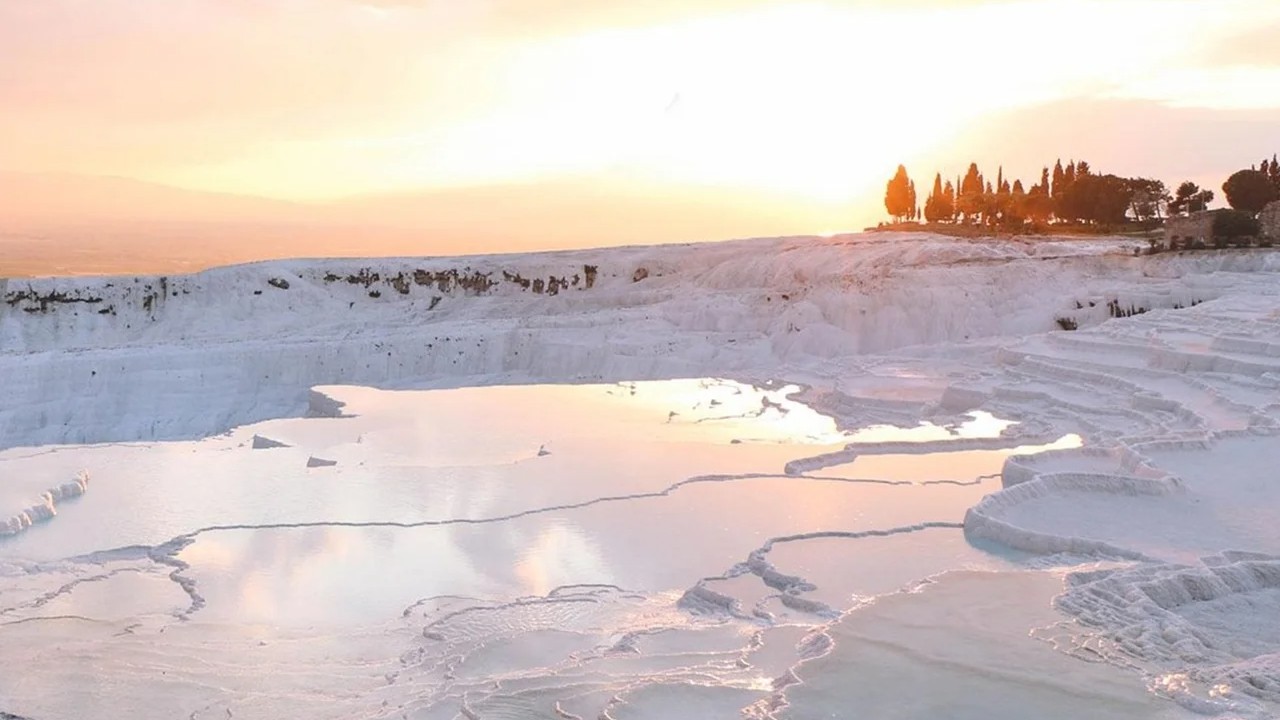
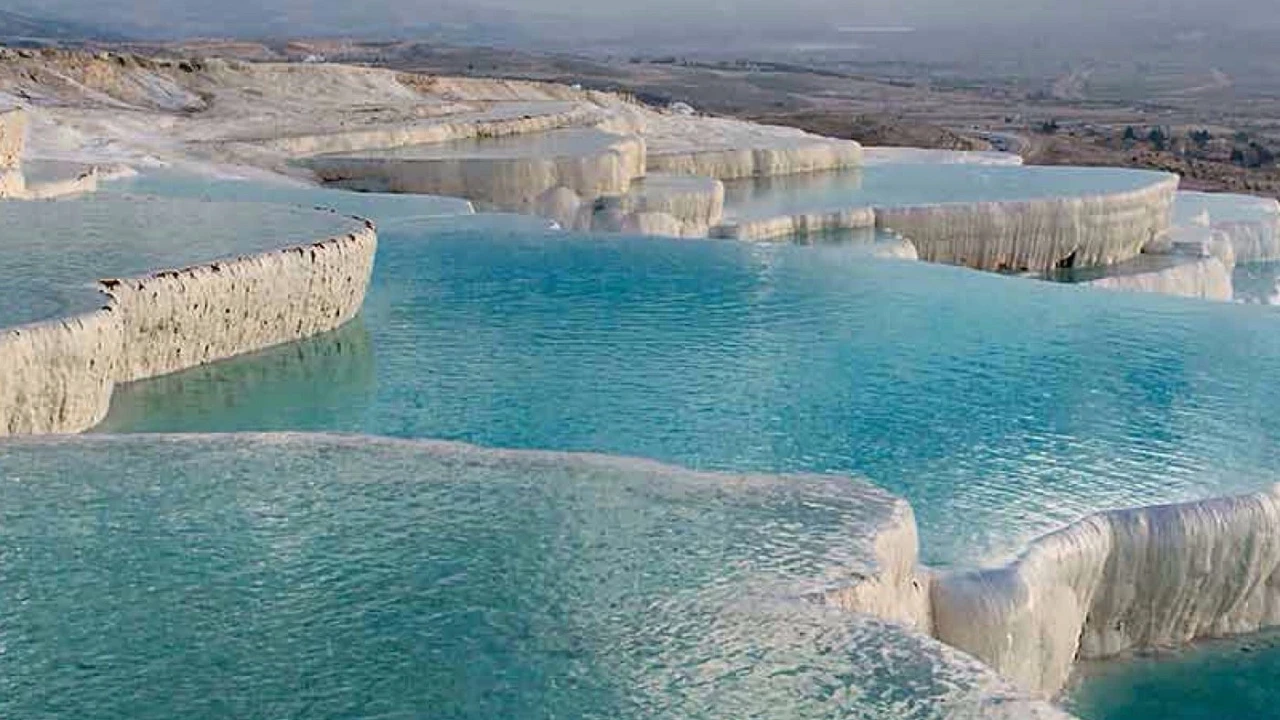
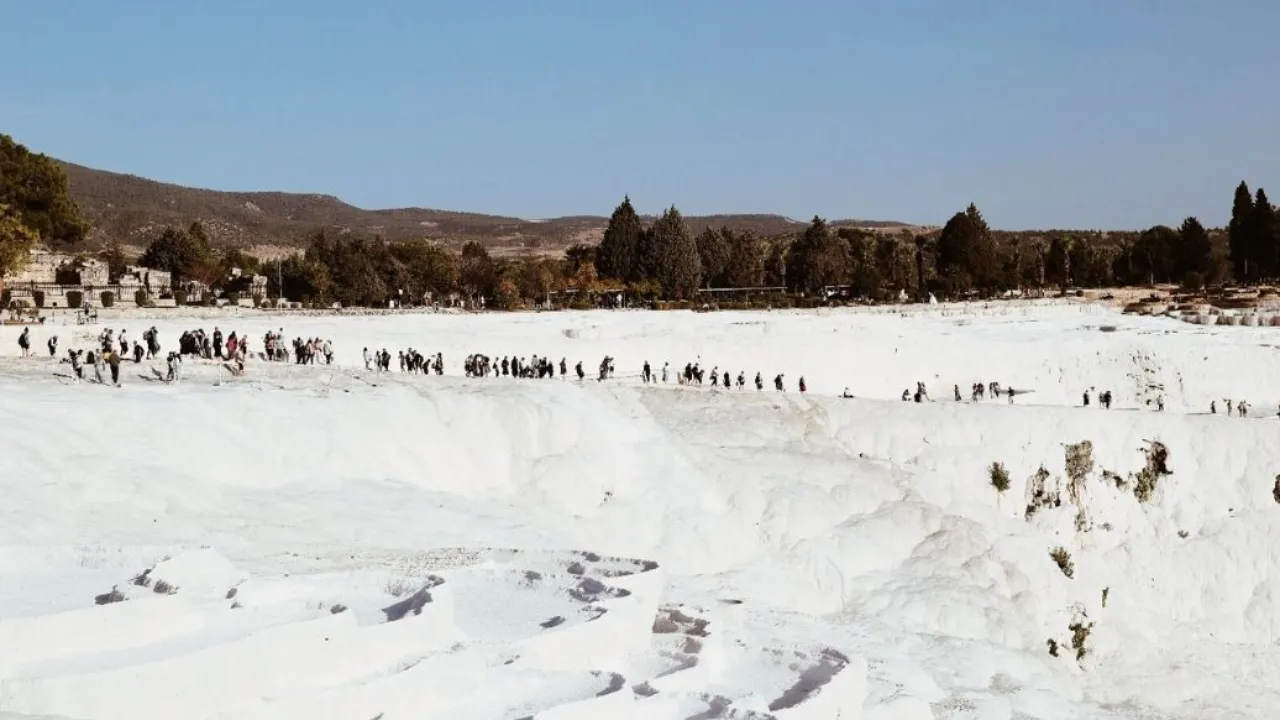
The snow-white terraces, formed by calcium bicarbonate-rich thermal waters reacting with oxygen upon reaching the surface, are a true wonder of nature. Walking barefoot across these terraces provides a natural massage effect, while the minerals in the water soften the skin and soothe travel fatigue.
On the open terraces, the water temperature remains pleasant year-round. On sunny days, the reflection of the sky against the brilliant white limestone creates a surreal backdrop, making it a paradise for photography enthusiasts.
Hierapolis Ancient City and the Great Roman Theatre
Rising directly behind the travertines, Hierapolis was once a bustling ancient metropolis featuring monumental colonnaded streets, baths, and a grand Roman theatre. The mythological reliefs on the theatre's stage building have been remarkably preserved. You can explore all your options by reviewing Pamukkale guided travertine and ruins tours.
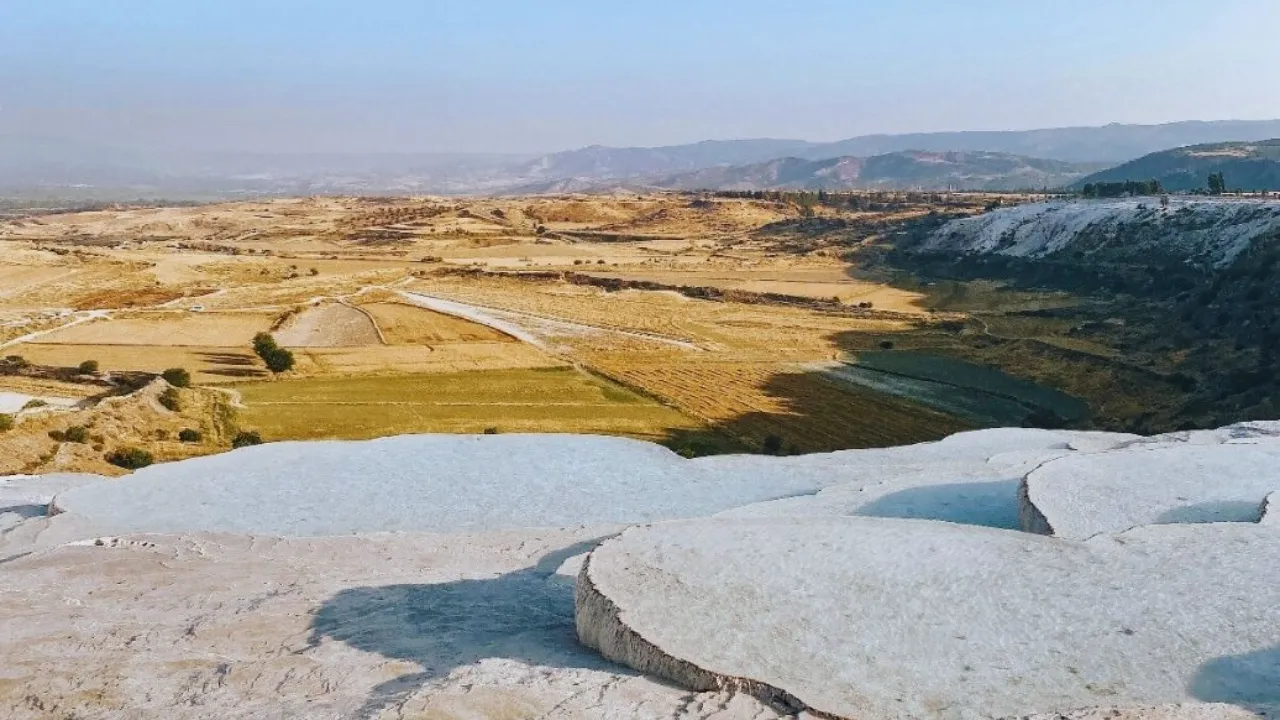
As you climb to the highest tiers of the ancient theatre, the entire valley and the white plateau of the travertines unfold beneath your feet. Walking through the streets of Hierapolis, you can truly feel its legacy as an ancient center of medicine and healing.
The Perfect 1-Day Pamukkale & Hierapolis Timeline
Follow this step-by-step itinerary to maximize your day from morning until evening.
| Time Slot | Stop & Activity | Ideal Duration | Highlight Experience |
|---|---|---|---|
| 08:30 - 10:30 | Barefoot Walk on Travertine Terraces | 2 Hours | Cooling off in white pools before the crowds arrive |
| 10:45 - 12:15 | Great Roman Theatre & Temple of Apollo | 1.5 Hours | Stunning stage reliefs and panoramic valley views |
| 12:30 - 14:00 | Swim in Cleopatra's Ancient Pool & Lunch | 1.5 Hours | Swimming among 2,000-year-old columns in 36°C water |
| 14:15 - 15:30 | Hierapolis Archaeology Museum (Roman Bath) | 1 Hour 15 Mins | Sarcophagi, sculptures, and ancient gold coins |
| 15:45 - 17:15 | North Gate & Massive Necropolis Walk | 1.5 Hours | Exploring one of Anatolia's largest ancient cemeteries |
| 17:30 - 19:00 | Sunset Photo Session on the Travertines | 1.5 Hours | Watching the white terraces turn crimson and gold |
Cleopatra's Ancient Pool: Swimming Through History
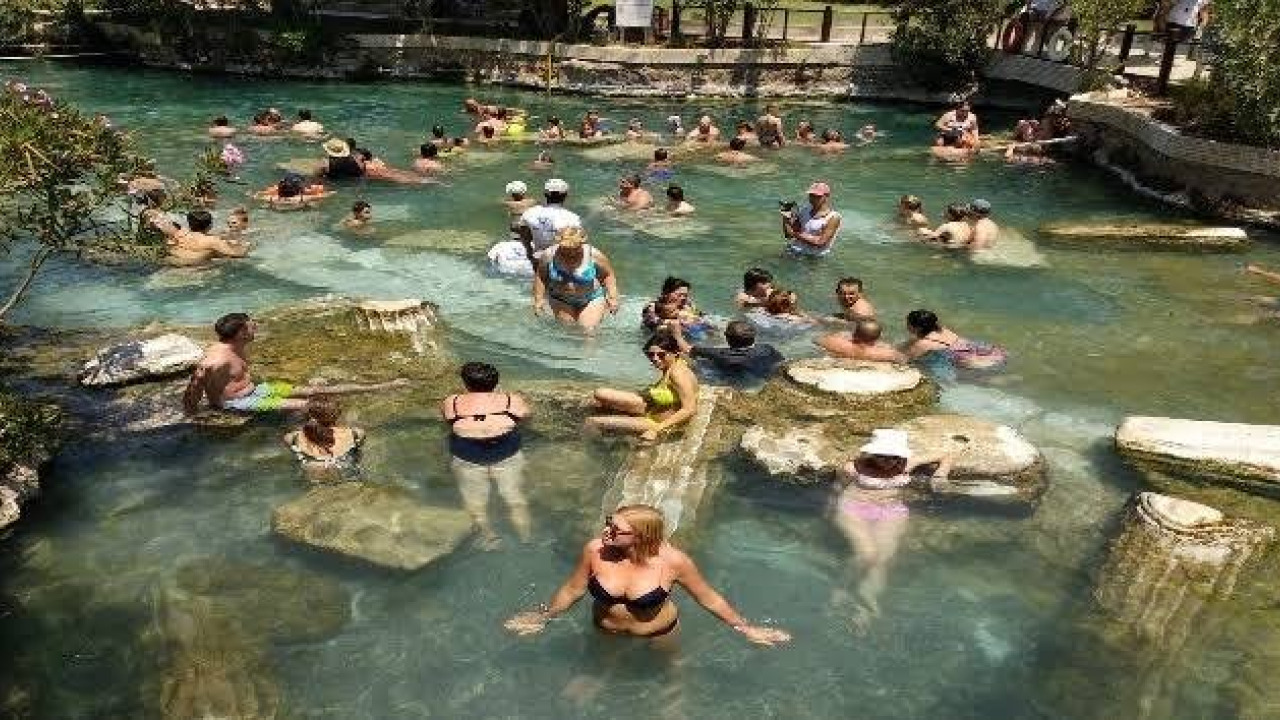
Following a massive earthquake in the 7th century AD, marble columns collapsed into the thermal waters, creating a unique swimming experience among ancient ruins. With a constant temperature of 36°C (97°F) year-round, this mineral-rich water relaxes the muscles and rejuvenates the skin.
As you glide through the crystal-clear waters, the Roman marbles are clearly visible beneath you. Resting under the shade of century-old plane trees provides a perfect midday respite.
The Great Necropolis: The City of the Dead
Located at the North Gate of Hierapolis, this area contains over 1,200 sarcophagi and family tombs, making it one of the most impressive ancient cemeteries in the world. The monumental tombs of wealthy nobles who came to the city for healing are a fascination for archaeology buffs. You can plan your visit by checking popular tour options across Pamukkale.
Walking along the ancient stone path of the Necropolis, you can examine Greek inscriptions on the tombs. Its serene and solemn atmosphere offers photographers deep, evocative compositions.
Hierapolis Archaeology Museum and the Roman Baths
Established within the restored ruins of the Ancient Roman bath, the museum houses rare artifacts unearthed during excavations.
Gladiator Sarcophagi and Theatre Reliefs
The marble sarcophagi on display, featuring depictions of gladiator battles and mythological scenes, showcase the grandeur of Roman sculpture. The intricate stonework reveals the mastery of artisans from two millennia ago.
Monumental statues in the open courtyard reflect the city's ancient prosperity. Additionally, the cool stone halls of the museum provide an ideal escape from the midday heat.
St. Philip's Martyrium and Tomb
The octagonal monument dedicated to St. Philip, one of the twelve apostles of Jesus, sits at the highest point of the site. A significant pilgrimage site for Christian history, it is accessible via a walking path. You can enrich your trip by exploring Pamukkale culture and archaeology tours.
From the ruins of the Martyrium, you can enjoy a panoramic view of the entire grid plan of the ancient city. For history lovers, visiting this sacred monument is one of the most meaningful stops in Pamukkale.
Pamukkale Visiting Conditions by Season
Pamukkale's Aegean continental climate varies throughout the year. Here is what to expect:
| Season | Avg. Temp | Thermal Pool Comfort | Best Visiting Hours | Seasonal Highlight |
|---|---|---|---|---|
| Spring (Apr - May) | 18°C to 24°C | Perfect (Refreshing 36°C) | 09:00 - 16:30 | Blooming wildflowers & mild air |
| Summer (Jun - Aug) | 33°C to 38°C | Warm water in hot air | 08:00-10:30 or 17:00-20:00 | Breathtaking sunsets on the white terraces |
| Autumn (Sep - Oct) | 22°C to 27°C | Peak comfort period | 09:30 - 17:00 (Full day) | Quieter pools & golden autumn hues |
| Winter (Nov - Mar) | 8°C to 14°C | Steaming hot pools | 11:00 - 15:00 | Magical steam rising from thermal waters |
Beating the Summer Glare
The white travertines act like a mirror, reflecting up to 80% of sunlight. To protect your eyes during the summer, UV-filter sunglasses and a wide-brimmed hat are essential.
Staying hydrated and taking breaks in the shaded gazebos along the terraces will keep your trip comfortable. Walking the terraces in the early morning completely eliminates the oppressive effect of the midday sun.
The Winter Tale of Steaming Pools
When temperatures drop in winter, the 36°C waters create a fairytale-like layer of mist. Swimming in the ancient pool on a cold winter day is a unique pleasure. You can plan your archaeological journey by reviewing Pamukkale ancient city and Hierapolis trips.
Tourist crowds are at their minimum during winter, offering a wonderful opportunity for those who wish to experience the serene whiteness of the travertines in total silence.
Logistics: Transport and Entry Gates
Knowing which gate to use can significantly impact your walking comfort and time management.
South Gate: Tour Buses and Parking Hub
The South Gate, featuring the largest parking area, is the closest entry point to the Hierapolis Ancient City and the Great Theatre. Electric golf carts can be rented here to navigate the vast area with ease.
This is the most practical option for families with children or travelers with limited mobility. After passing the ticket booths, a short walk leads you directly to the foot of the ancient theatre.
North Gate: The Necropolis and a Quiet Start
Those entering through the North Gate walk through the massive Necropolis area to reach the center. This route is ideal for photographing the ancient tombs in the morning stillness. You can explore alternatives by checking Pamukkale historical site and ruins programs.
The North entrance is typically less crowded with tour groups. Walking at a leisurely pace through the historical sarcophagi toward the travertines feels like a pleasant journey back in time.
5 Pro Tips for Your Pamukkale Visit
Here are five operational tips recommended by guides who know the region inside out:
- Shoes are strictly forbidden on the travertines; carry a lightweight backpack to keep your footwear in.
- To walk more comfortably on the rough limestone surface, consider wearing thick cotton socks.
- If you plan to swim in the ancient thermal pool, remember to pack a towel, swimsuit, and flip-flops.
- To avoid exhaustion in the vast expanse of Hierapolis, make use of the electric shuttle services within the site.
- Stay until sunset to witness the brilliant white surface of the travertines turn a deep crimson.
- Do not cross security barriers to enter closed sections of the travertines where water has dried up.
- Be careful of deep gaps near the marble edges when taking photos on the theatre steps.
- Take care not to scratch your feet when stepping on the ancient columns at the bottom of Cleopatra's Pool.
- The MuseumPass is valid for the site, but a separate ticket is required for swimming in the ancient pool.
- While natural travertine lime is known to be good for the skin, avoid contact with your eyes.
Paragliding and Hot Air Balloon Opportunities
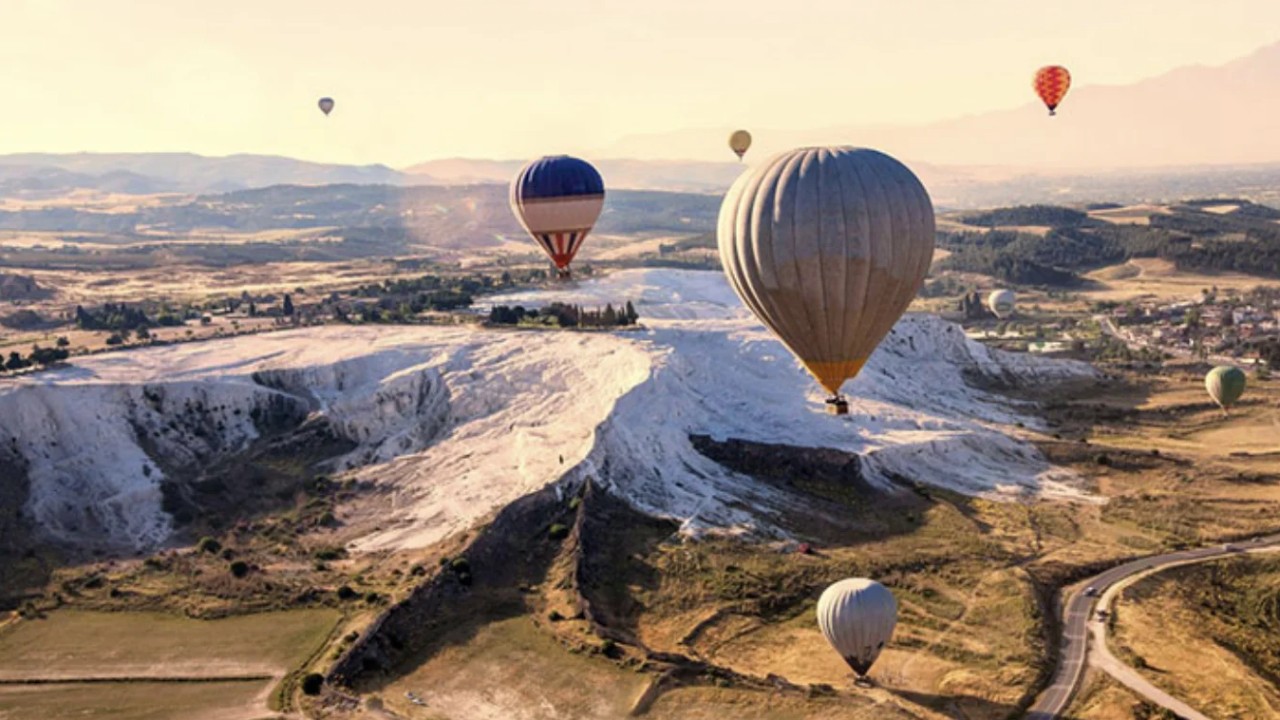
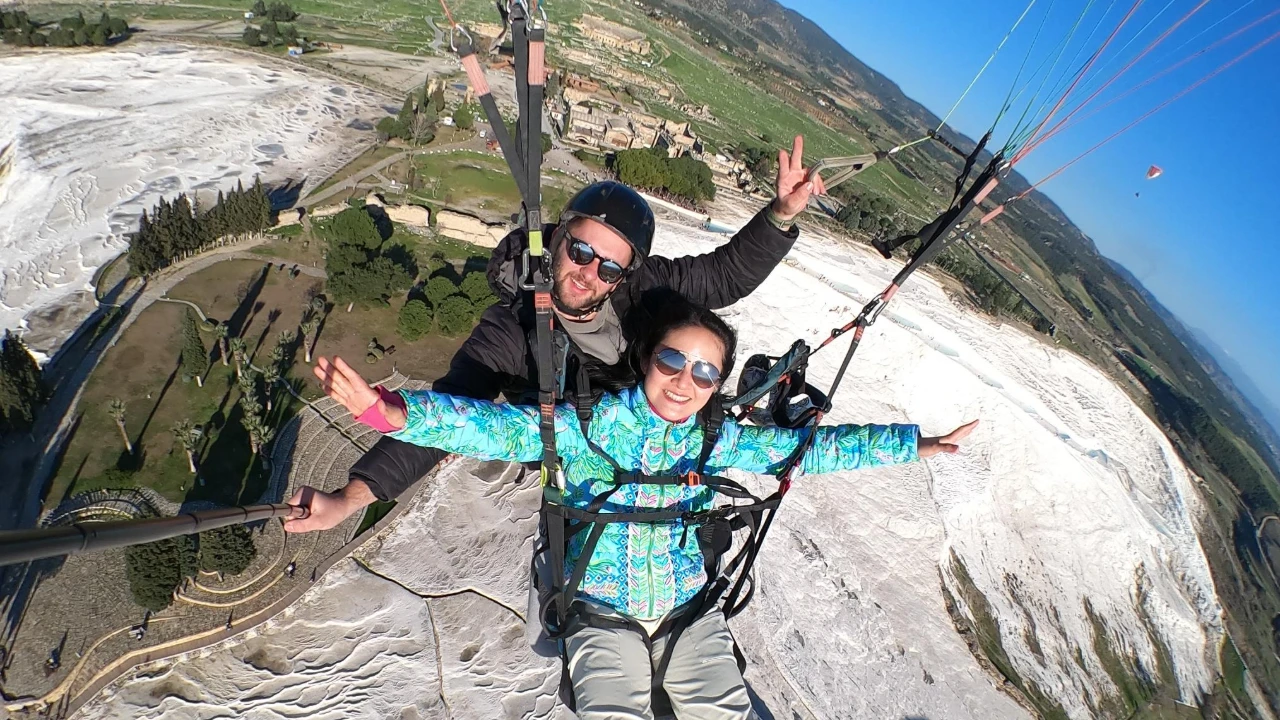
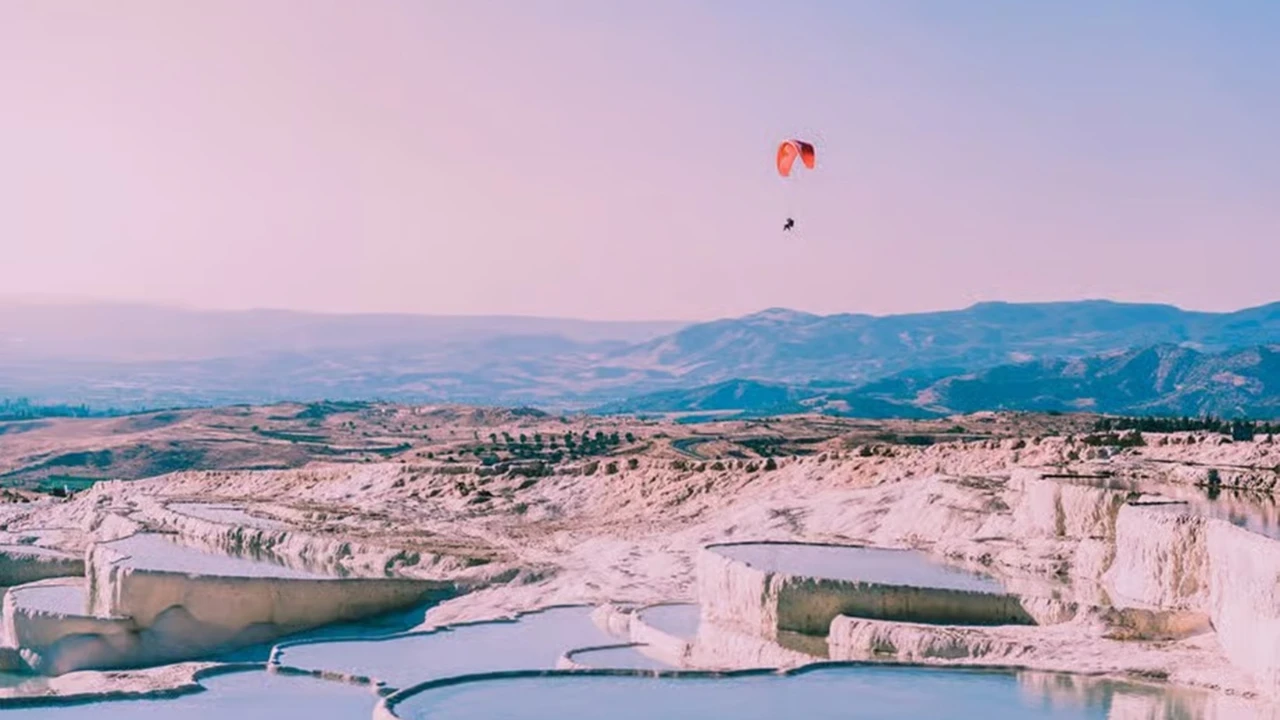
For those who want to see the travertines and the Hierapolis theatre from the sky at dawn, hot air balloon tours are available. Paragliders taking off from Dinamit Hill glide over the white terraces for a thrilling descent.
Watching the terraces, which look like a field of white cotton from above, combines adrenaline with a visual feast. The colorful balloons rising in the early morning provide a stunning backdrop for your first photos of the day.
Capping the Day with Denizli Kebab
After your tour, the most delicious finale is tasting the famous Denizli kebab, cooked in stone ovens at historic restaurants in the city center. This local specialty, lamb tandoori eaten by hand with pide bread, without forks or knives, is a culinary icon.
Served with fresh roasted peppers and frothy ayran, it washes away the day's fatigue. Trying the local "Zafer Gazozu" (Victory Soda) is another delightful regional tradition.
Frequently Asked Questions 5
Is it allowed to wear shoes on the Pamukkale travertines?
No, to protect the white calcium structure of the travertines, shoes and slippers are strictly forbidden; all visitors must walk barefoot.
What is the water temperature in Cleopatra's Ancient Pool during winter?
Since the pool is fed by a geothermal source, the water remains a constant 36°C (97°F) year-round, making it perfectly comfortable for swimming even in winter.
Is the MuseumPass valid for the Pamukkale site?
Yes, the MuseumPass is valid for entry to the Pamukkale travertines and Hierapolis Ancient City. However, swimming in Cleopatra's Pool requires an additional fee.
How many hours does it take to explore Pamukkale thoroughly?
A comprehensive visit, including the travertines, Hierapolis theatre, museum, necropolis, and a break at the ancient pool, takes an average of 5 to 6 hours.
How do I get to Pamukkale from Denizli city center?
You can take the Pamukkale minibuses that depart every 15 minutes from the Denizli Bus Station; the trip takes approximately 20 minutes to reach the site gates.